Avène Cicalfate is richer and postbiotic-focused; La Roche-Posay Cicaplast brings panthenol and a non-greasy balm. Choose by texture and use.
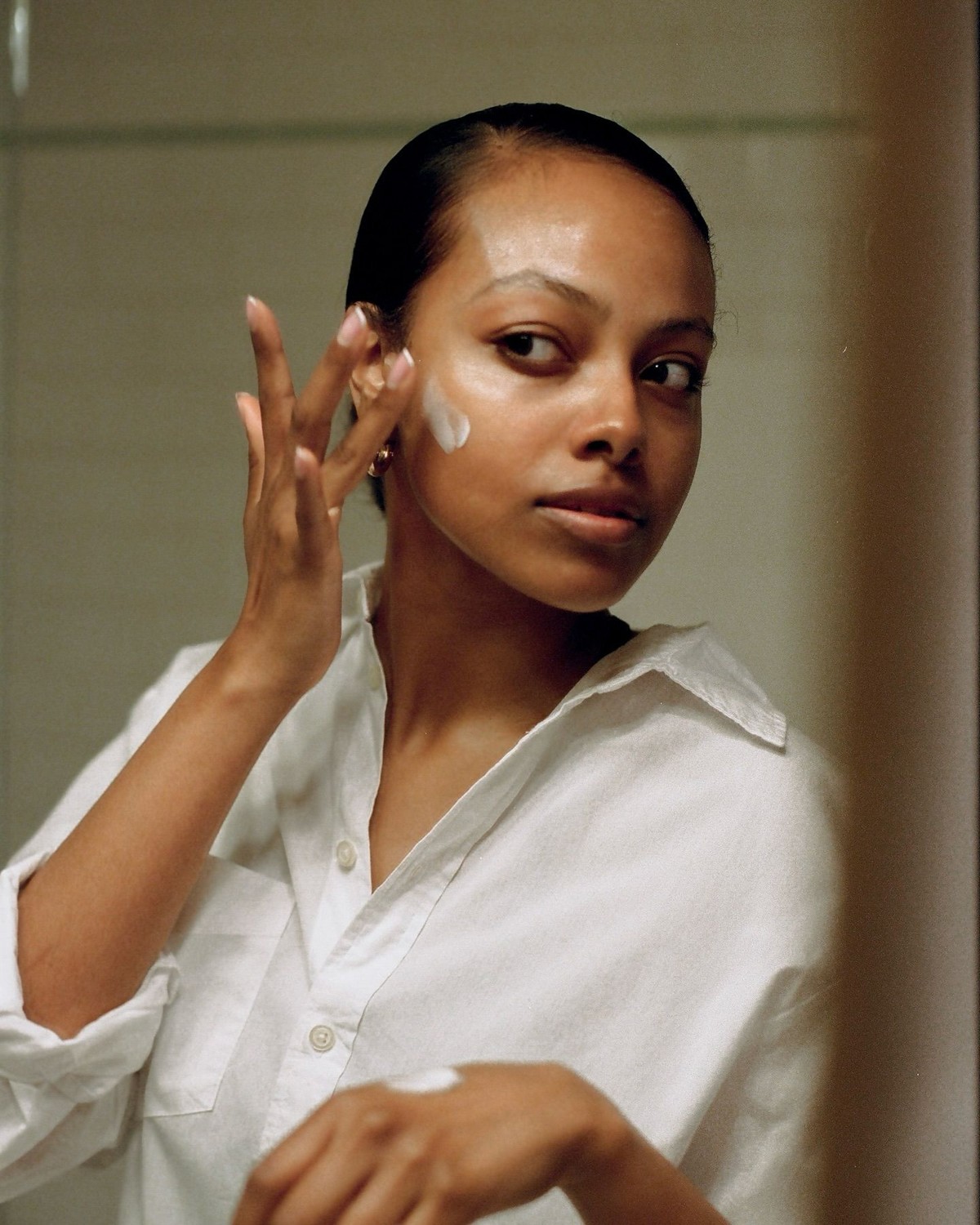
Avène Cicalfate vs La Roche-Posay Cicaplast: Which Is Better?
The useful difference
Choose Avène Cicalfate+ if you want a richer, occlusive cream built around C+-Restore and a copper-zinc complex; choose La Roche-Posay Cicaplast Balm B5+ if you prefer its panthenol, madecassoside, and non-greasy skin-protectant finish. The Avène Cicalfate vs La Roche-Posay Cicaplast choice is less a contest than a texture check: one hero cream is a rich protective layer, while the other is described as non-greasy and multi-purpose.
Both brands borrow their identity from French thermal-water towns. Avène's own timeline starts in 1736 with a spring story about a horse with dermatosis, and Pierre Fabre Laboratories acquired the hydrotherapy center in 1966. La Roche-Posay Laboratoire Dermatologique was founded by René Levayer in 1975, with thermal mineral water remaining part of its story. I would not pick a cream on brand history alone.
For anyone searching cicaplast vs cicalfate, look at the ingredient differences and the way you plan to use it: Cicalfate+ highlights a postbiotic with copper and zinc, while Cicaplast Balm B5+ combines Tribioma, madecassoside, and 5% panthenol. I would choose based on how rich you want the finish and whether you need a balm, serum, or targeted product. After a procedure, I would follow the clinician's aftercare instructions, not improvise from a comparison.
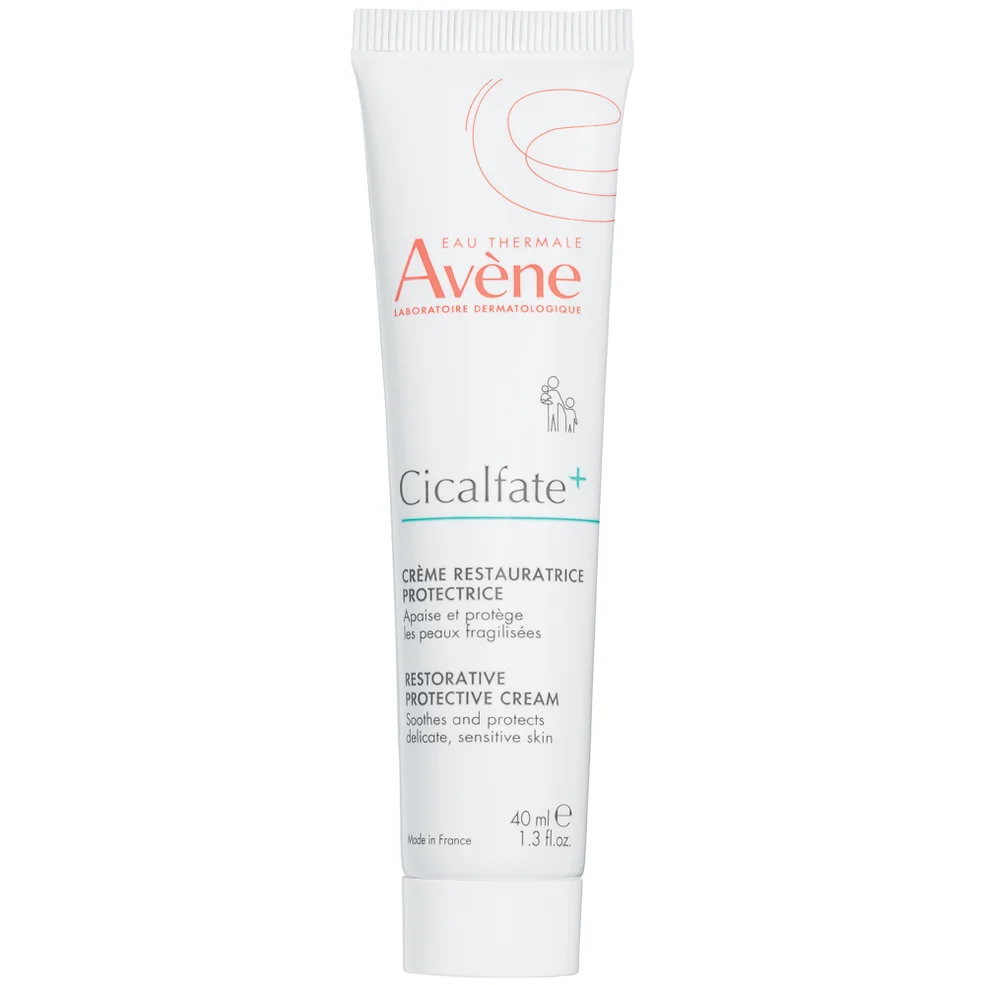
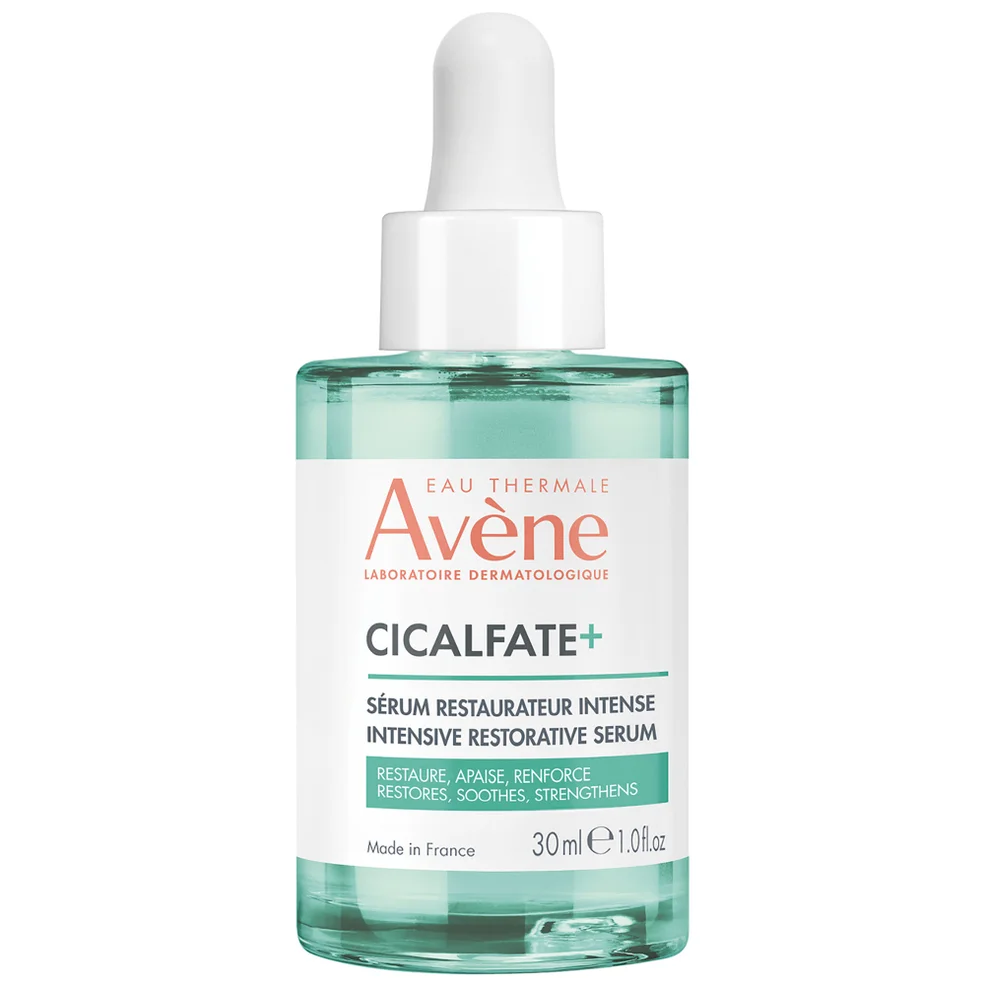
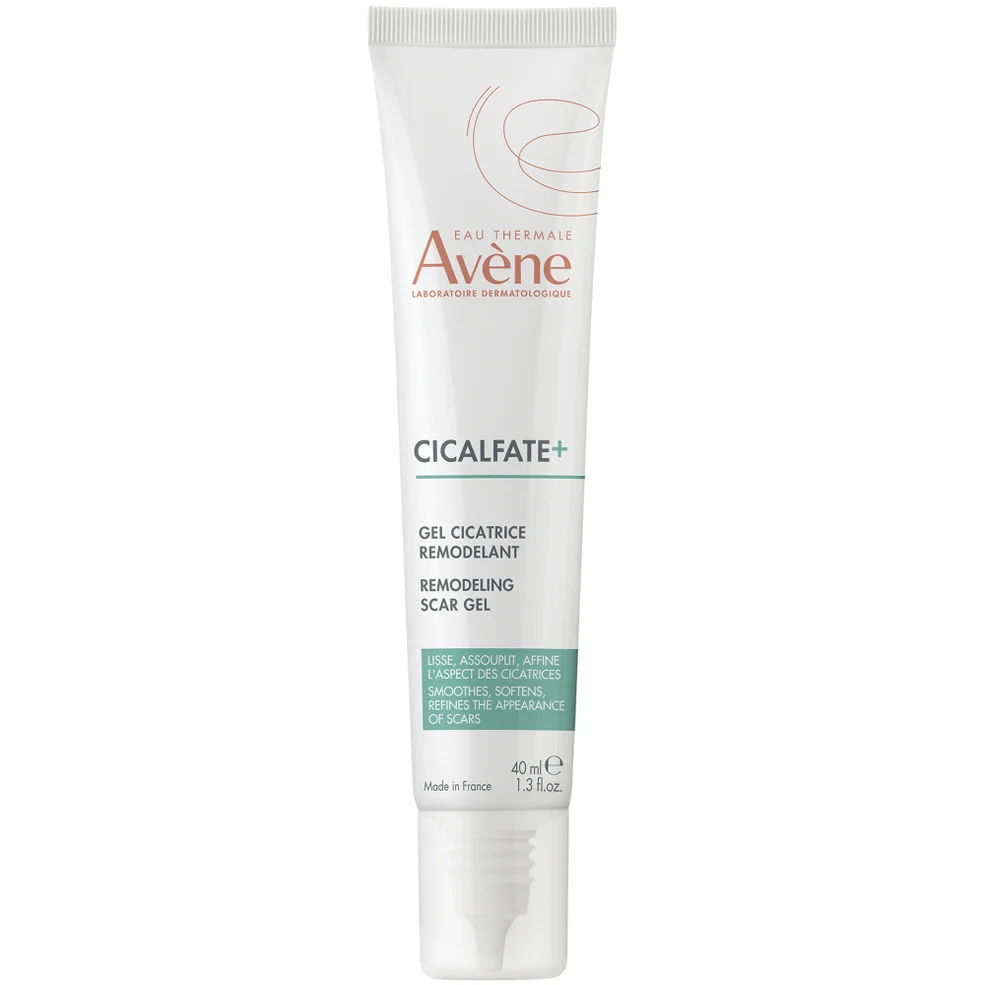
Avène's different textures
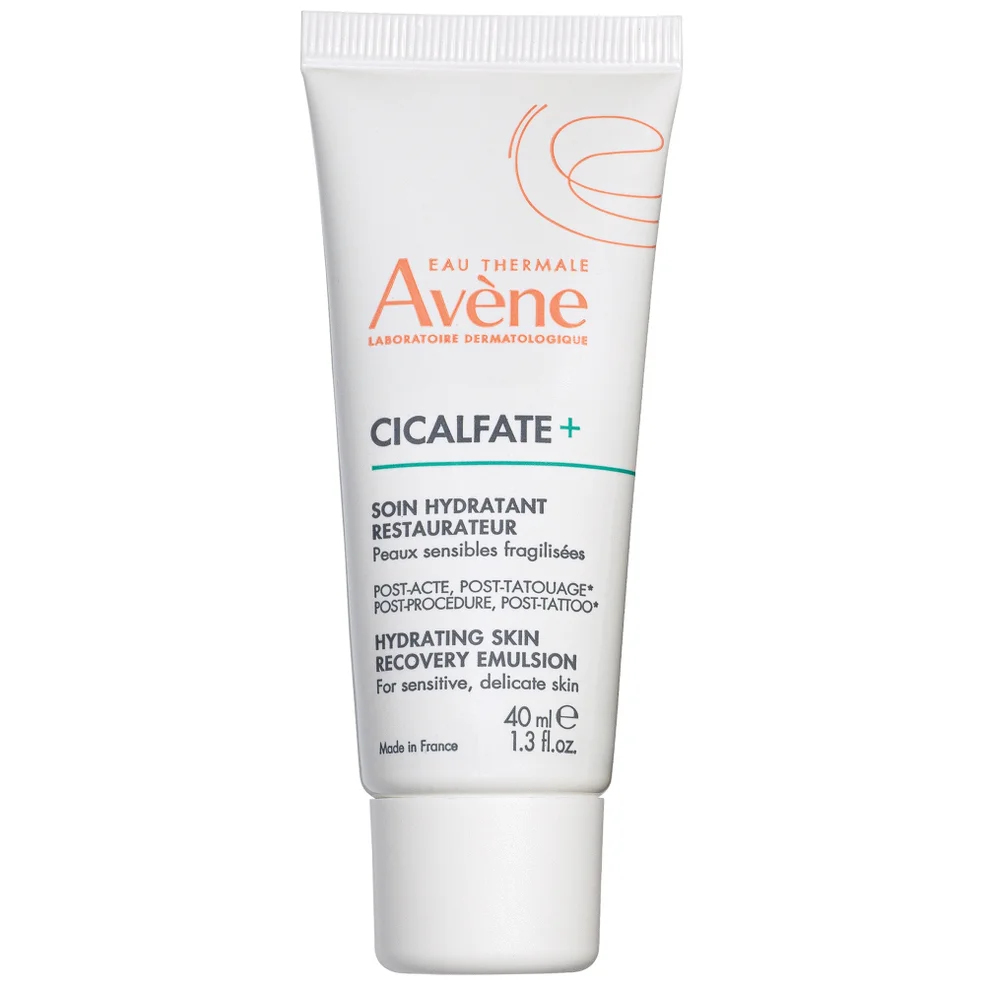
On the Avène side, Cicalfate+ Restorative Protective Cream is the rich, occlusive option with C+-Restore and a copper-zinc complex; its instructions are simple: twice daily on clean, dry skin. For shoppers typing cicaplast vs cicalfate, note that this isn't one texture. Cicalfate+ Intensive Skin Restorative Serum is lightweight and fast-absorbing, with TRP-Regulin and Pro-Vitamin B5, so I would choose it when a heavy cream would make me skip the step.
Cicalfate+ Scar Gel is for gently massaging into recent scars, but only on re-epidermized skin. Cicalfate+ Hydrating Skin Recovery Emulsion gives a lightweight option, with 24-hour hydration and post-procedure use in its directions. I like the emulsion as the practical middle ground if you want recovery care but do not want the rich texture of the main cream. The gel is a narrower purchase, not the product I would reach for to moisturize my whole face.
La Roche-Posay's repair lineup
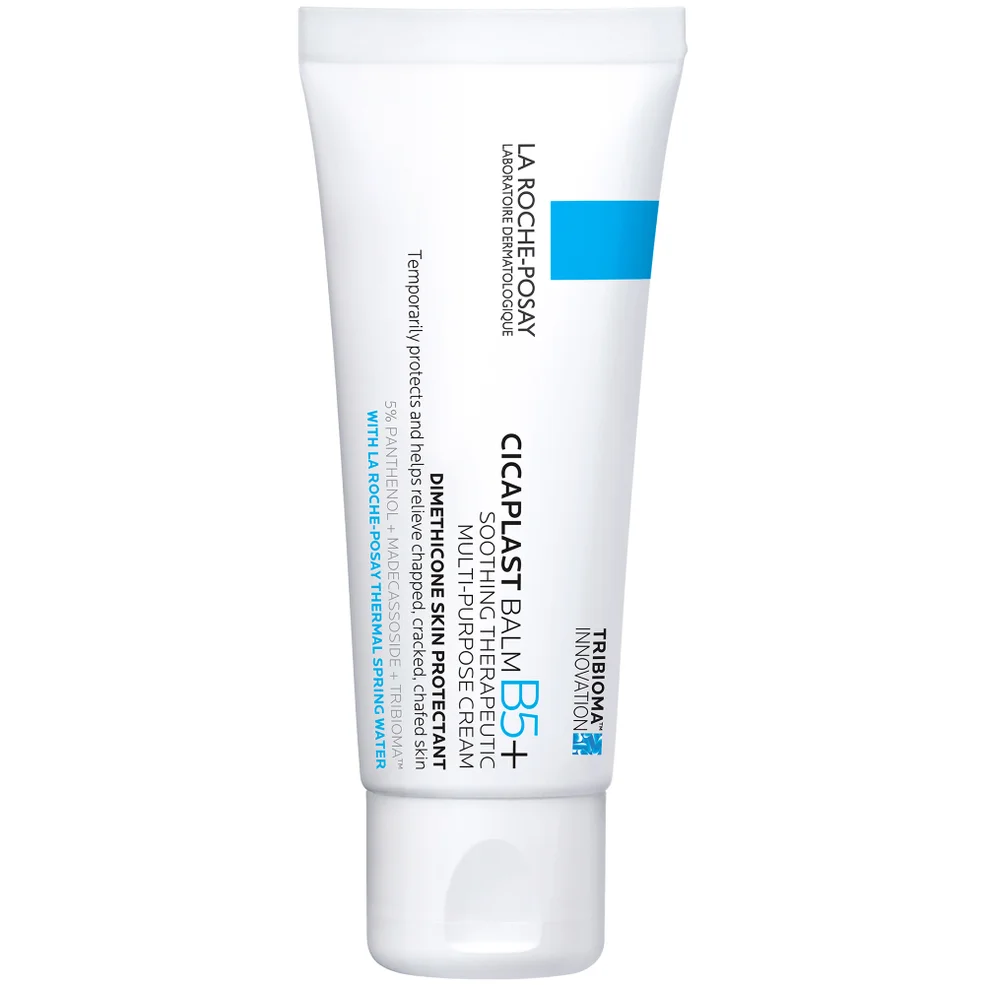
On the La Roche-Posay side, Cicaplast Balm B5+ Soothing Therapeutic Multi-Purpose Cream is the headline option: Tribioma, madecassoside, and 5% panthenol sit beside a non-greasy skin-protectant formula for dry, cracked, or chafed skin. The brand also cautions not to use it on broken skin, which is worth taking literally. I would keep it as a targeted rescue balm rather than assume the name makes it right for every irritated patch.
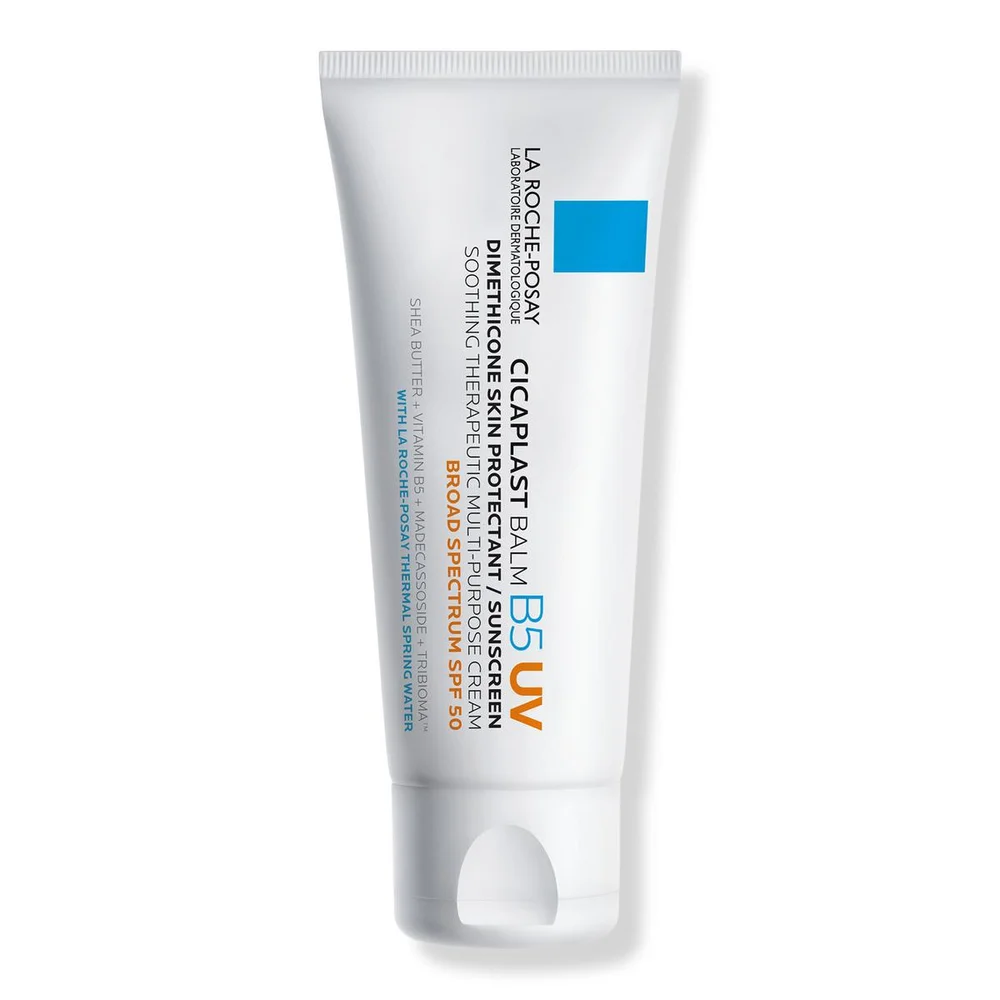
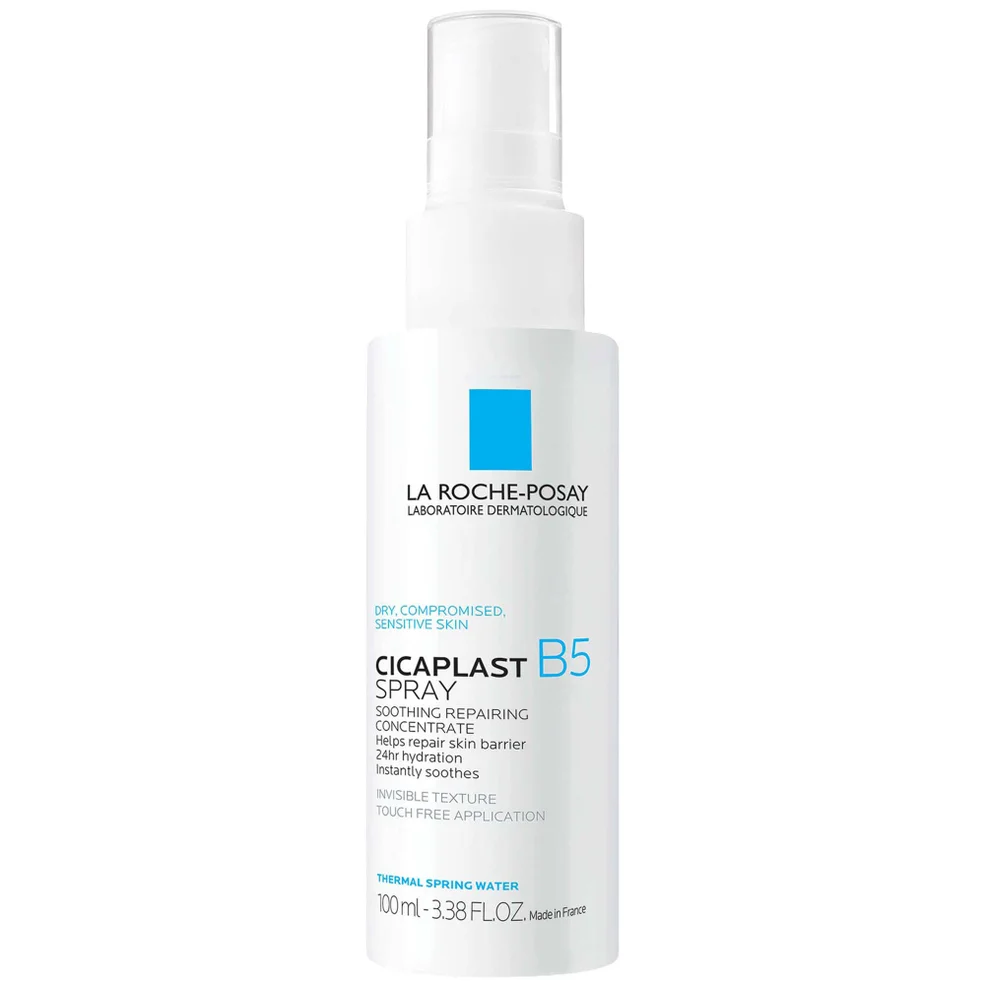
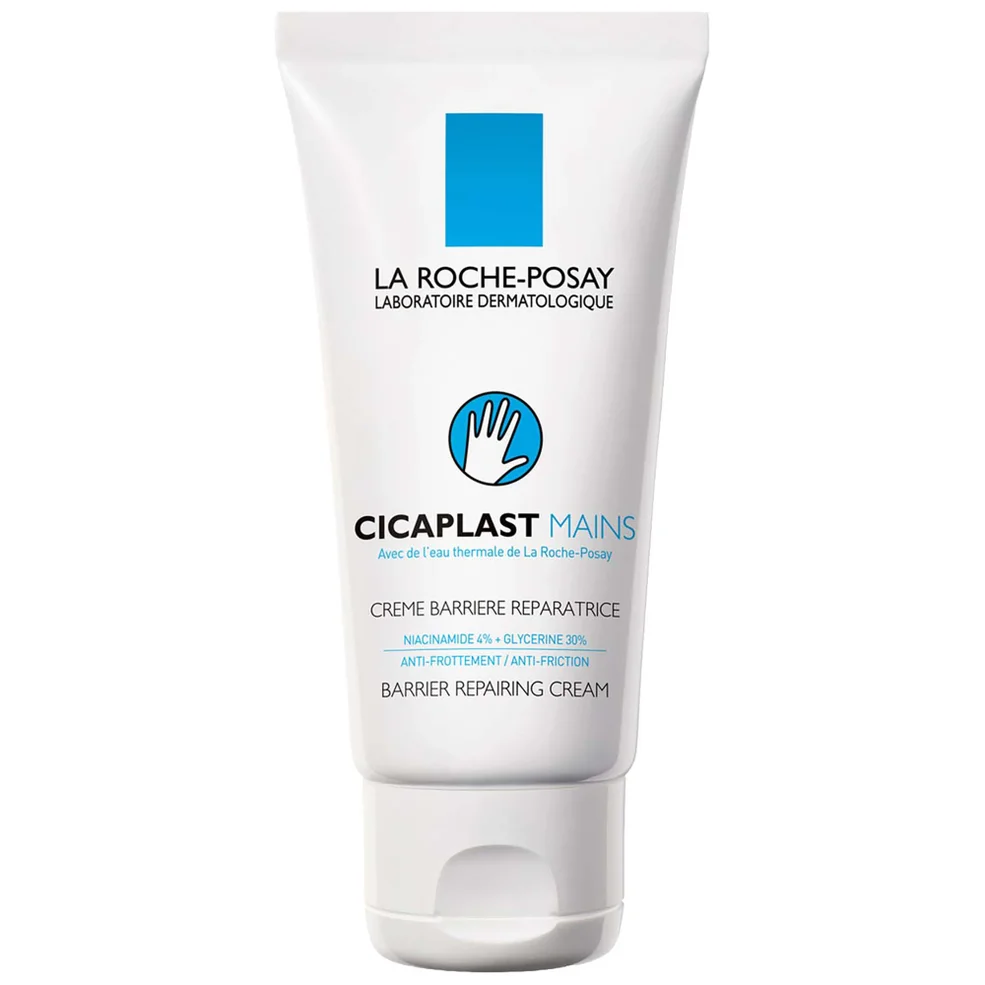
Cicaplast Balm B5 UV SPF 50 is the specific daytime choice, pairing hydration with broad-spectrum SPF 50. Cicaplast B5 Spray Soothing Repairing Concentrate gives you touch-free application and 24-hour hydration, handy when you do not want to rub a cream in. Cicaplast Hand Cream is the sink-side one, formulated with niacinamide and shea butter for dry hands, with up to 48 hours of hydration and a fast-absorbing, non-greasy finish. La Roche-Posay Cicaplast vs Avène Cicalfate is not a clean one-to-one once you move beyond the face balm: Cicaplast also covers sun protection, spray, and hand care. My pick here is the main balm for patchy dryness, not the most complicated routine.
Narrower fixes
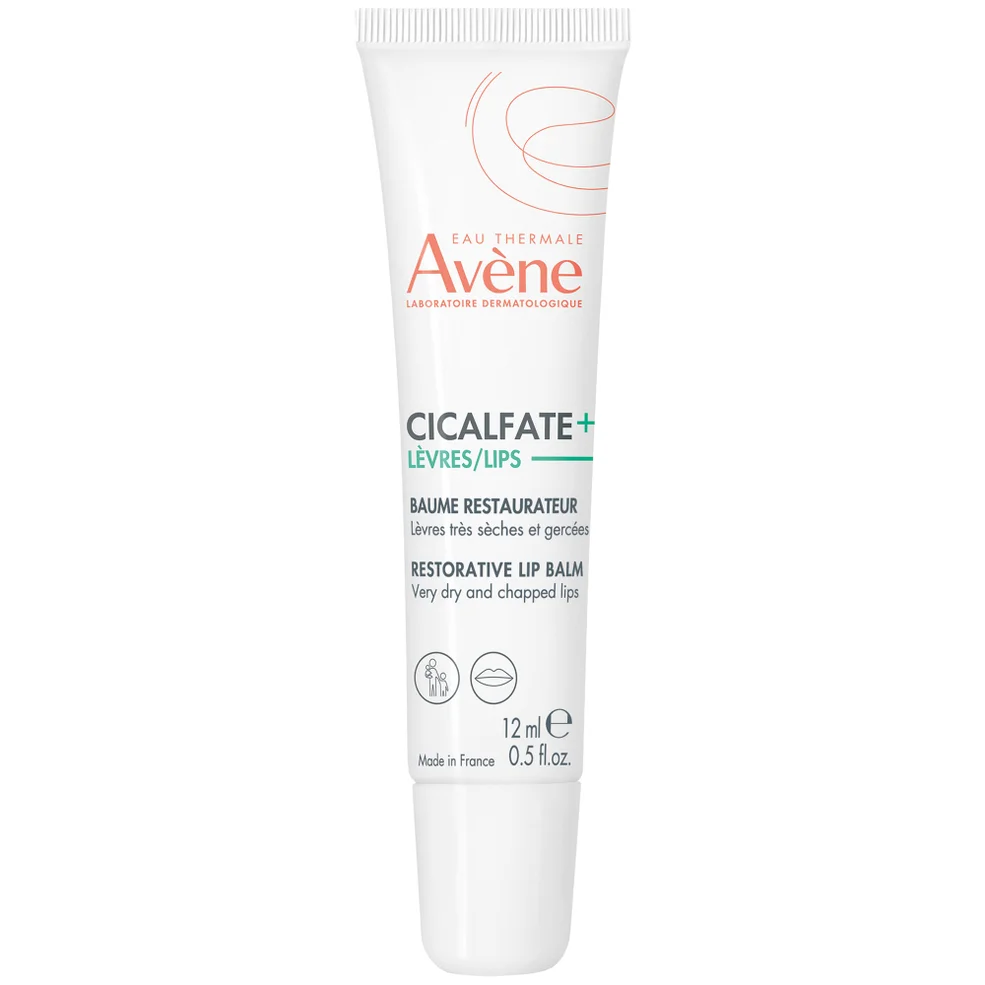
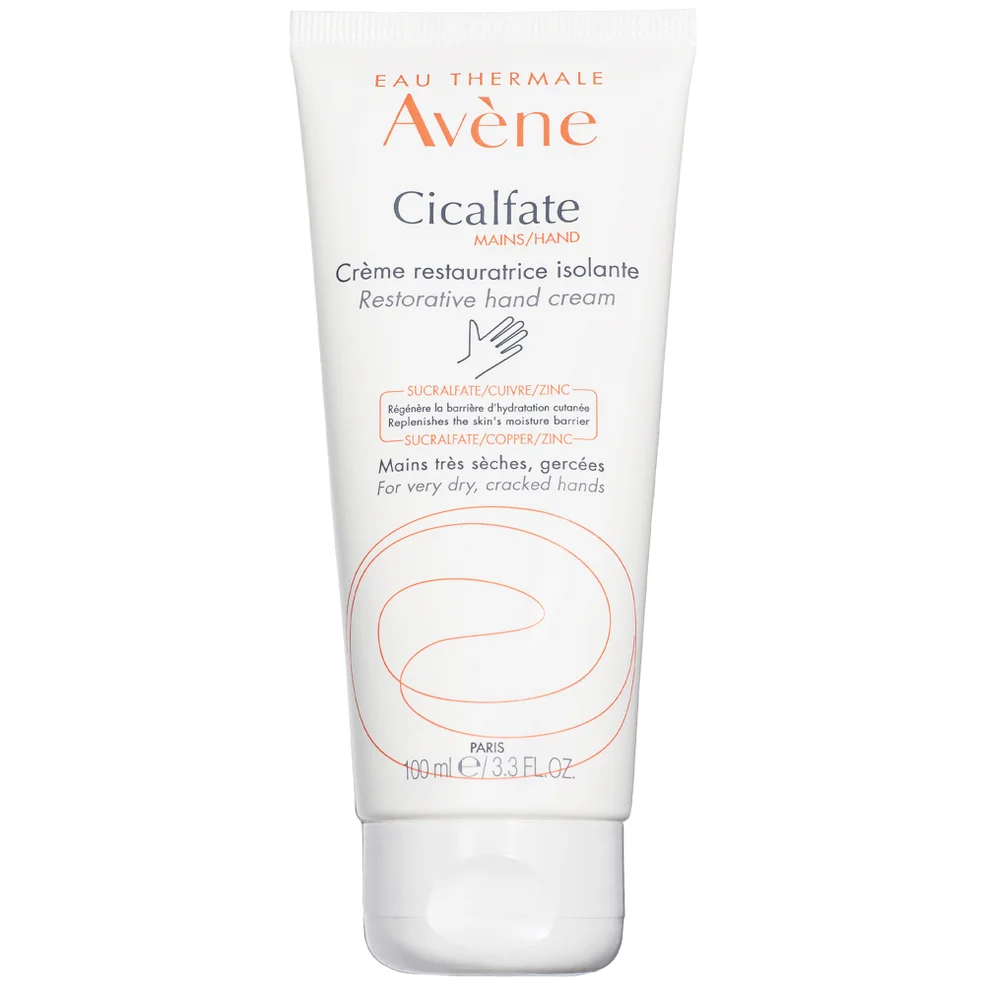
Still deciding? Cicalfate+ Restorative Lip Balm is made for very dry, chapped lips and seals in moisture, so I would keep it beside the bed instead of using face cream everywhere. Cicalfate Restorative Hand Cream is a creamy option for cracked-feeling hands designed to last through five hand washings; I like that as the practical workday tube.
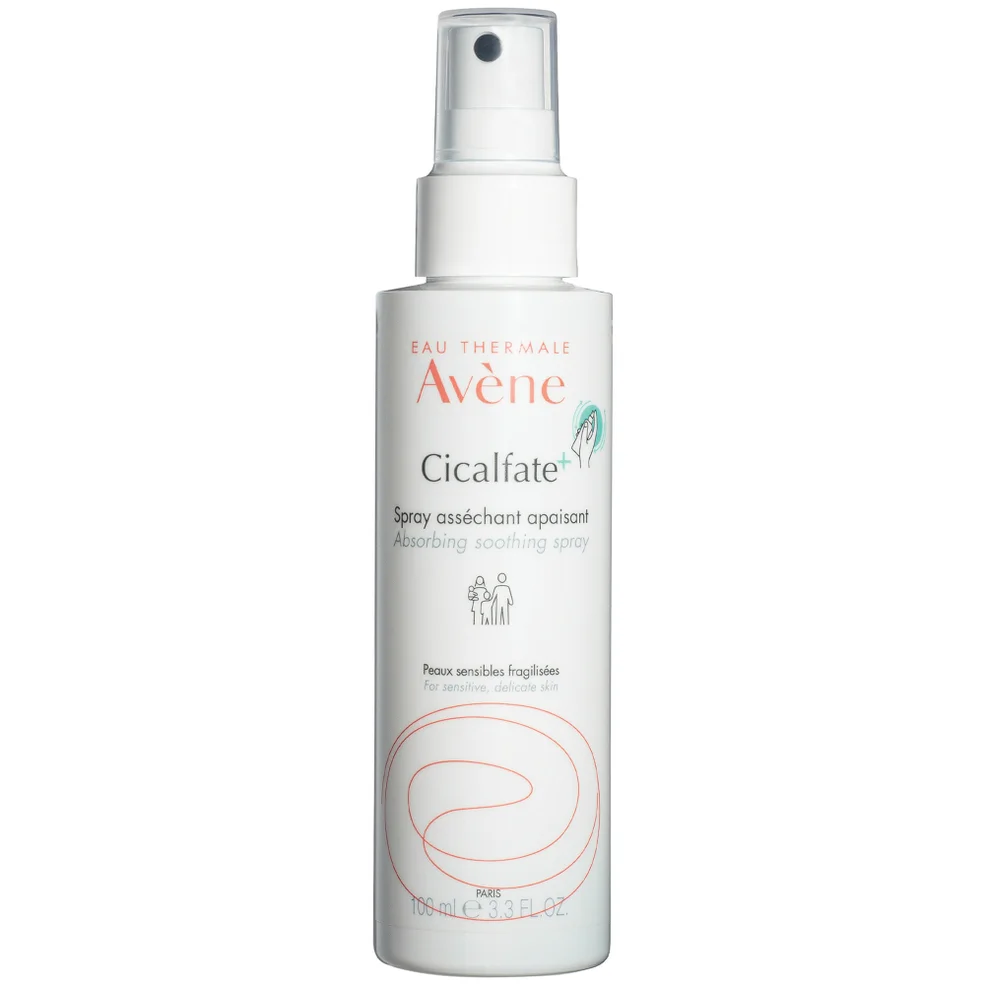
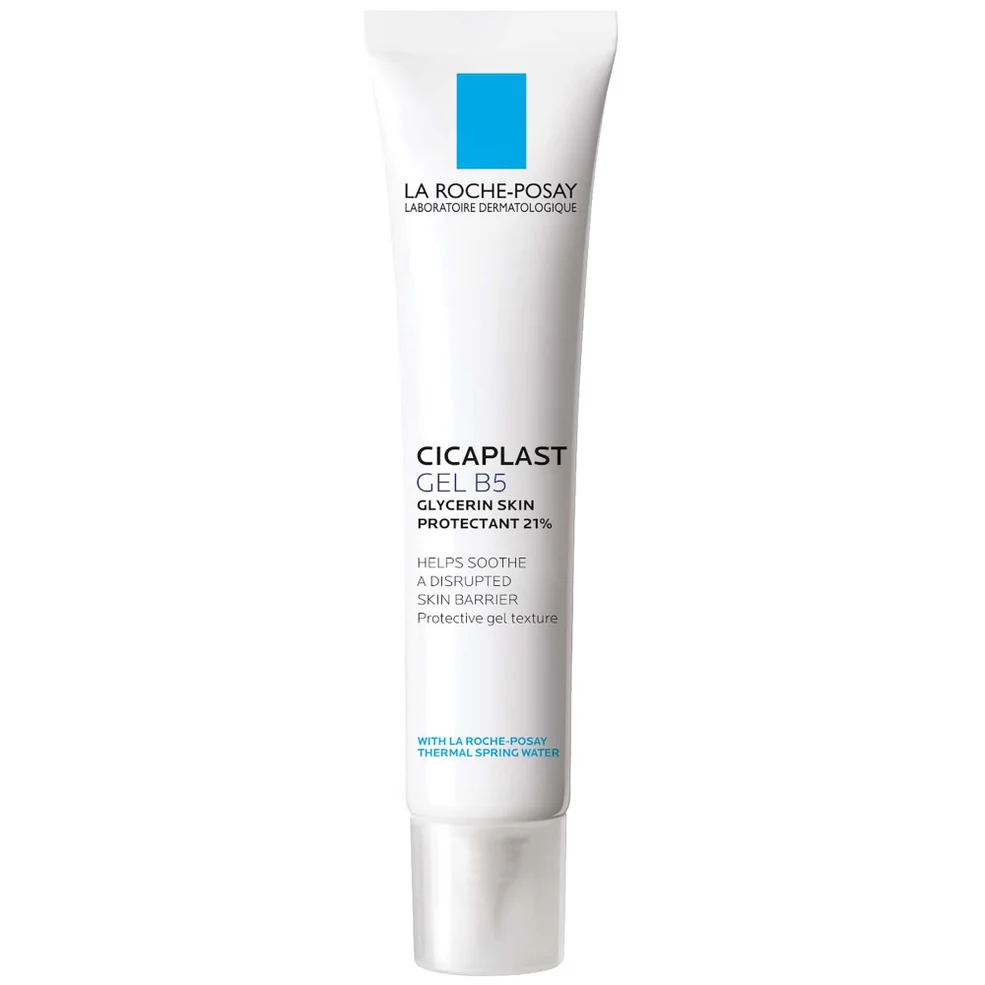
Cicalfate+ Absorbing Soothing Spray dries, restores, and soothes delicate, irritated skin, with twice-daily directions. Cicaplast Defense Gel B5 Skin Protectant is a targeted protective gel with 21% glycerin and 5% panthenol, but its directions explicitly say not to use on broken skin. Buy Avène if the postbiotic and copper-zinc formula and richer cream texture appeal; buy La Roche-Posay if panthenol, madecassoside, and the choice of SPF or touch-free spray fit your routine better. I would not buy both creams by default; choose the format you will actually use.