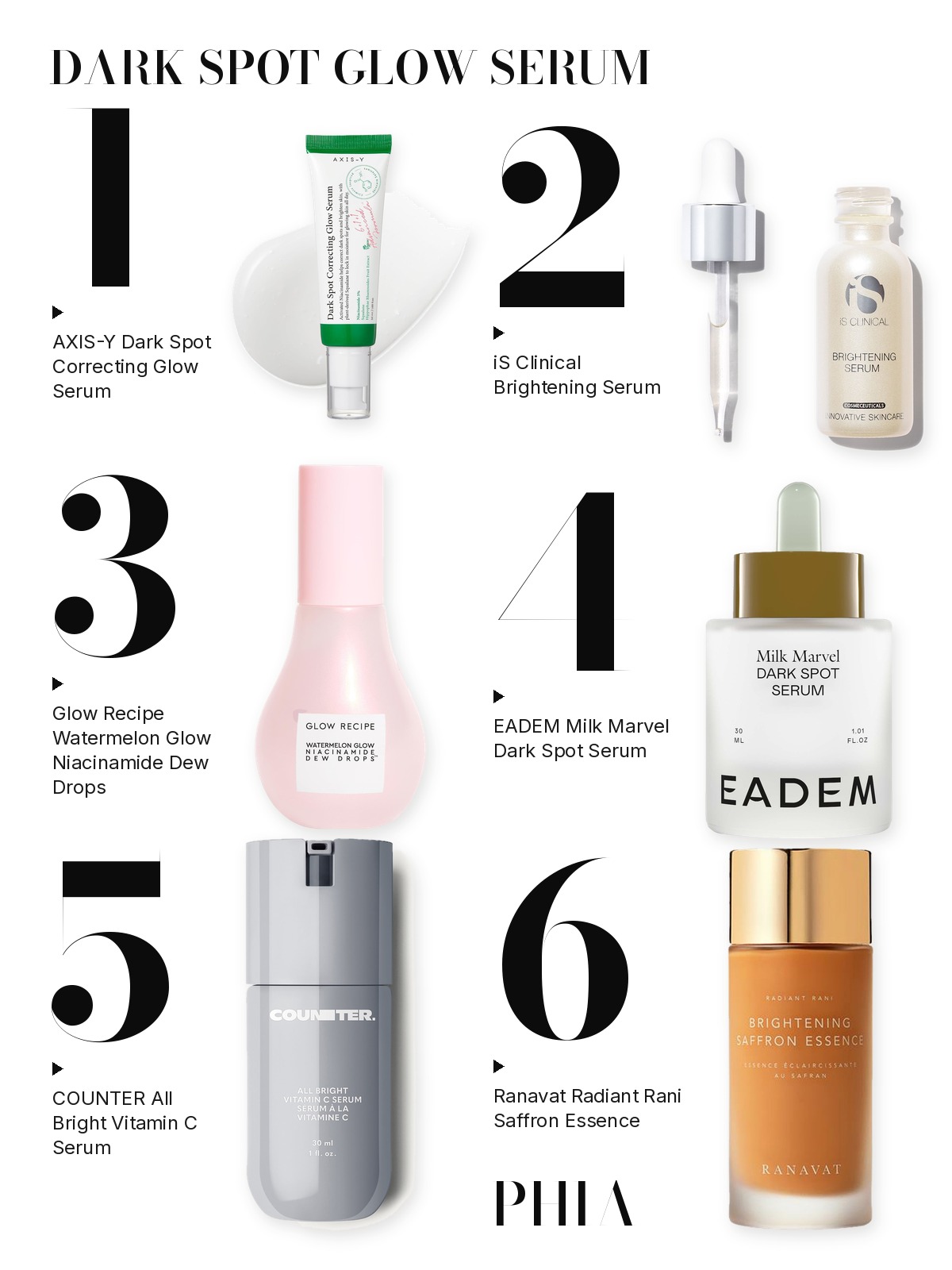
AXIS-Y Dark Spot Correcting Glow Serum centers on niacinamide; see where it fits in a simple routine with other brighteners and daily SPF.

AXIS-Y Dark Spot Serum: How to Build a Simple Routine
AXIS-Y and the lighter niacinamide options
The AXIS-Y Dark Spot Correcting Glow Serum can fit a simple lifestyle routine as one 5% niacinamide step, but I would pair it with sun protection instead of expecting a serum to do everything. The formula also includes squalane for hydration and skin barrier support; I read that as a useful routine detail, not proof of a particular result.
For a more explicitly discoloration-focused option, EADEM Milk Marvel combines niacinamide, amber algae and encapsulated vitamin C in a fragrance-free milky serum. Glow Recipe Watermelon Glow Niacinamide Dew Drops is a different proposition: it uses 2% niacinamide and can sit under makeup as a primer as well as work as a serum. Paula's Choice CLINICAL Niacinamide 20% Treatment is explicitly a 20% niacinamide formula aimed at blotchy tone, post-blemish marks and pore texture. I would choose based on texture and what the routine actually needs, not the biggest percentage on the bottle. The useful split is targeted discoloration, glow under makeup, or a pore and texture concern.
Dark Spot Serum Picks for Uneven Tone
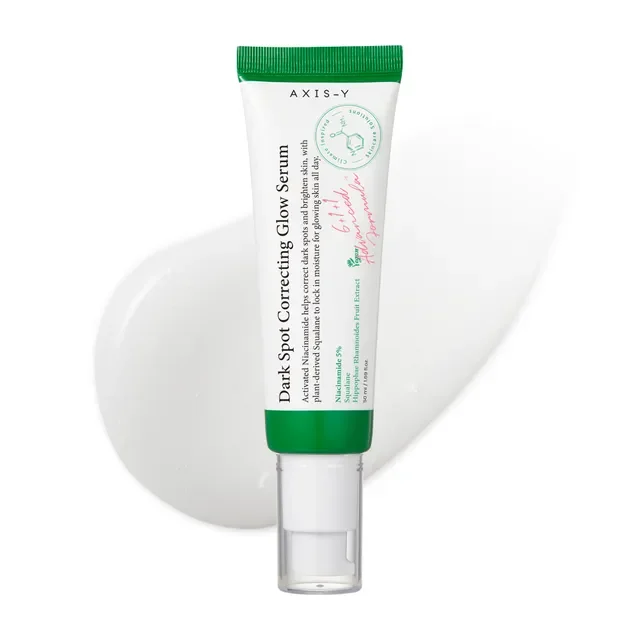
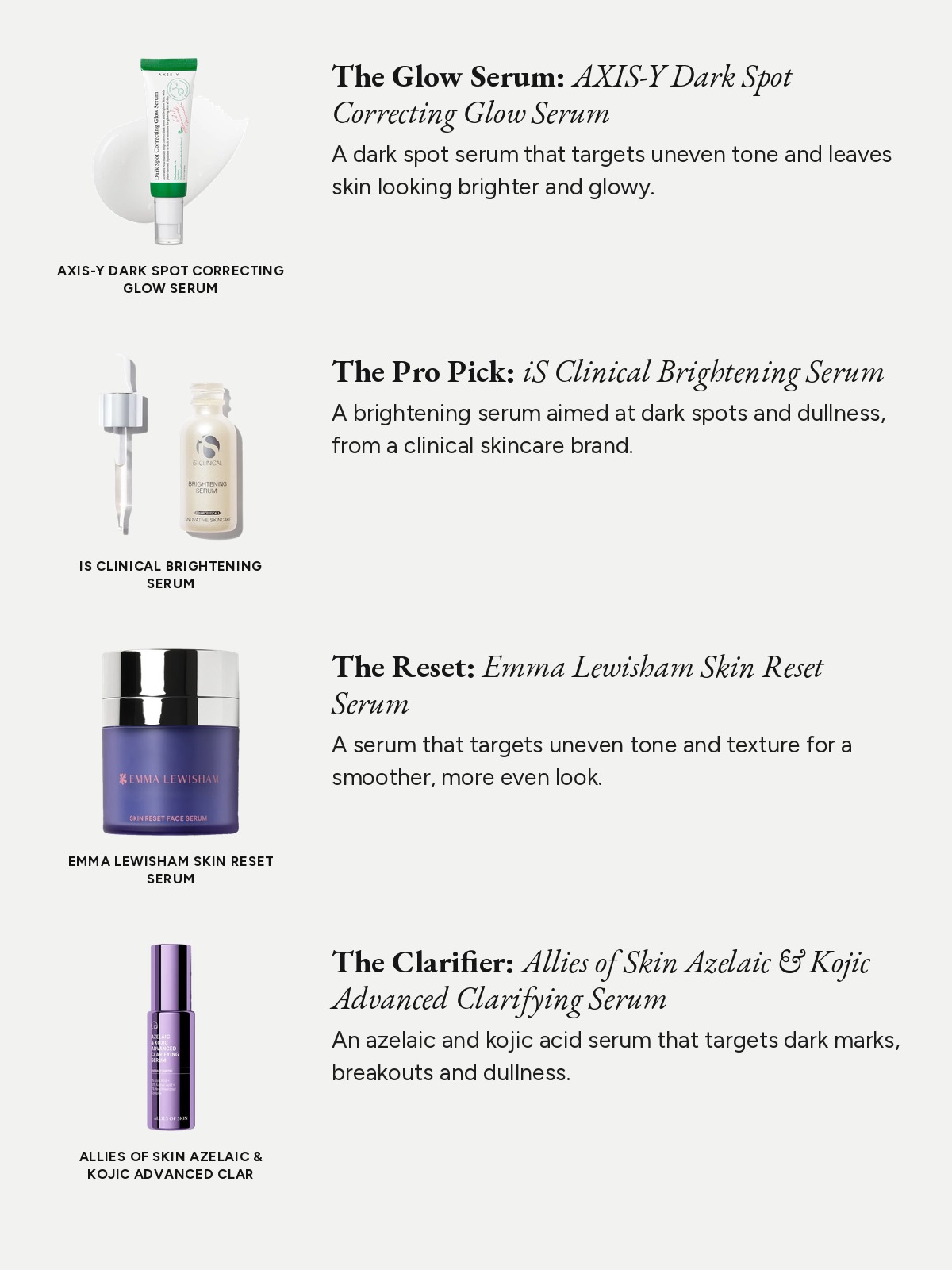
Dark Spot Correcting Glow Serum
AXIS-Y
$12
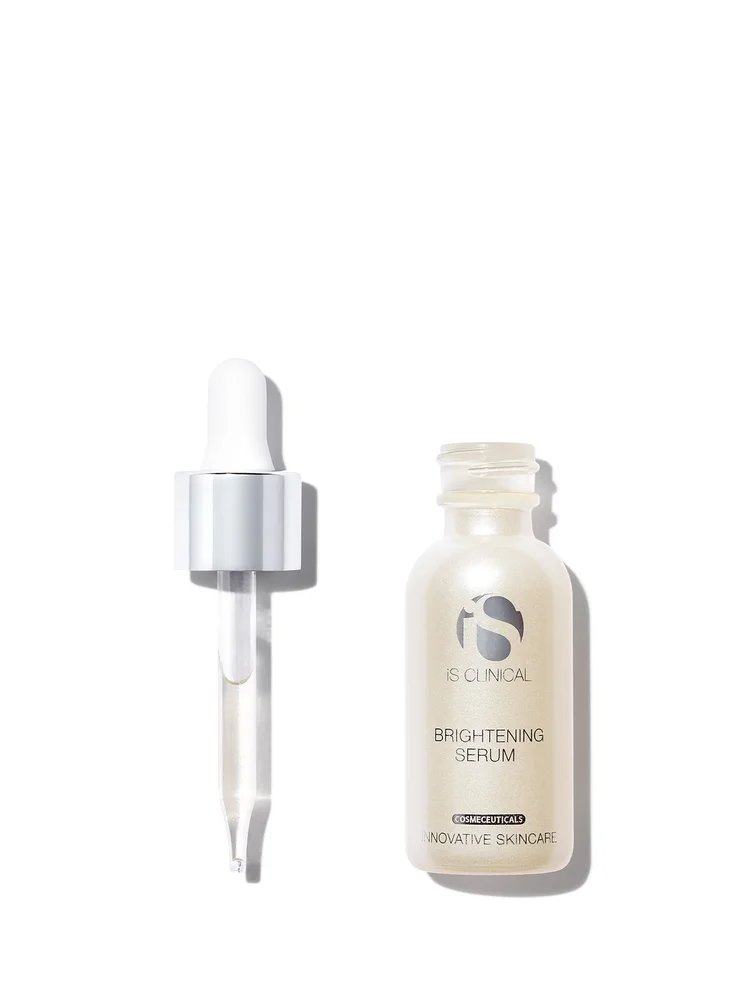
Brightening Serum
iS Clinical
$152
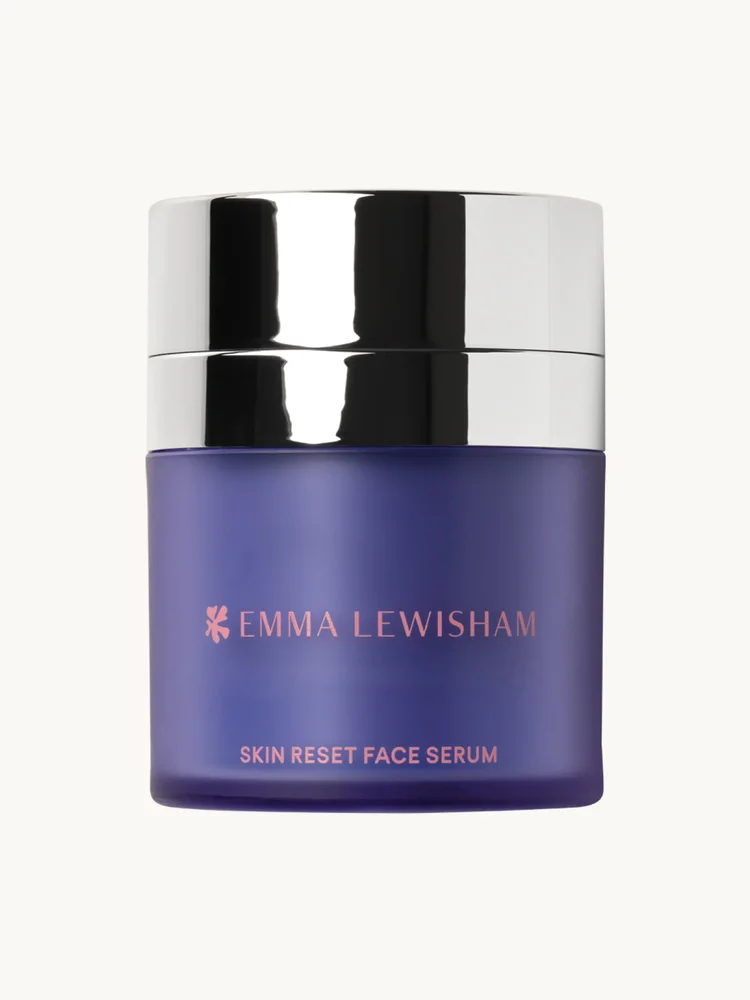
Skin Reset Serum
Emma Lewisham
$94
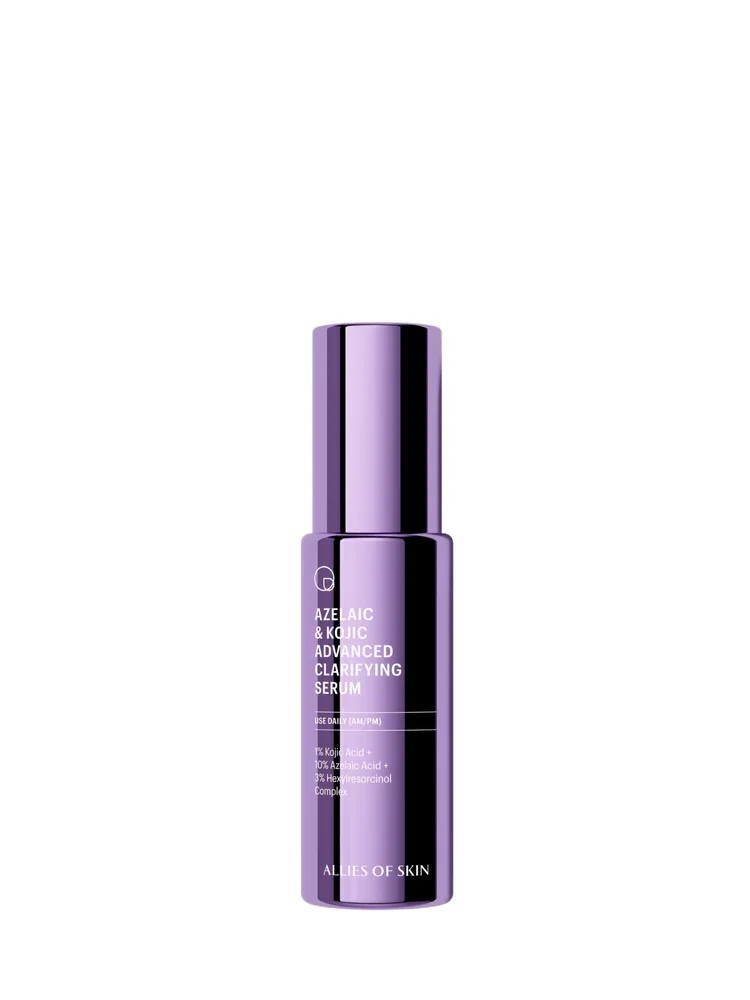
Azelaic & Kojic Advanced Clarifying Serum
Allies of Skin
$99
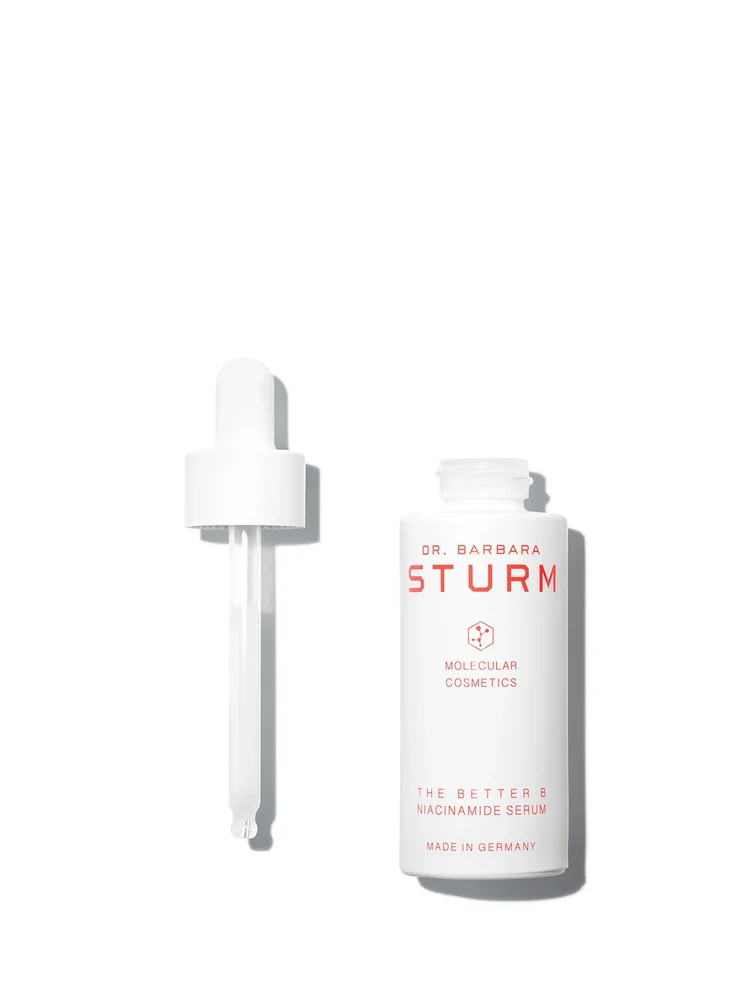
Better B Niacinamide Serum
Dr. Barbara Sturm
$160
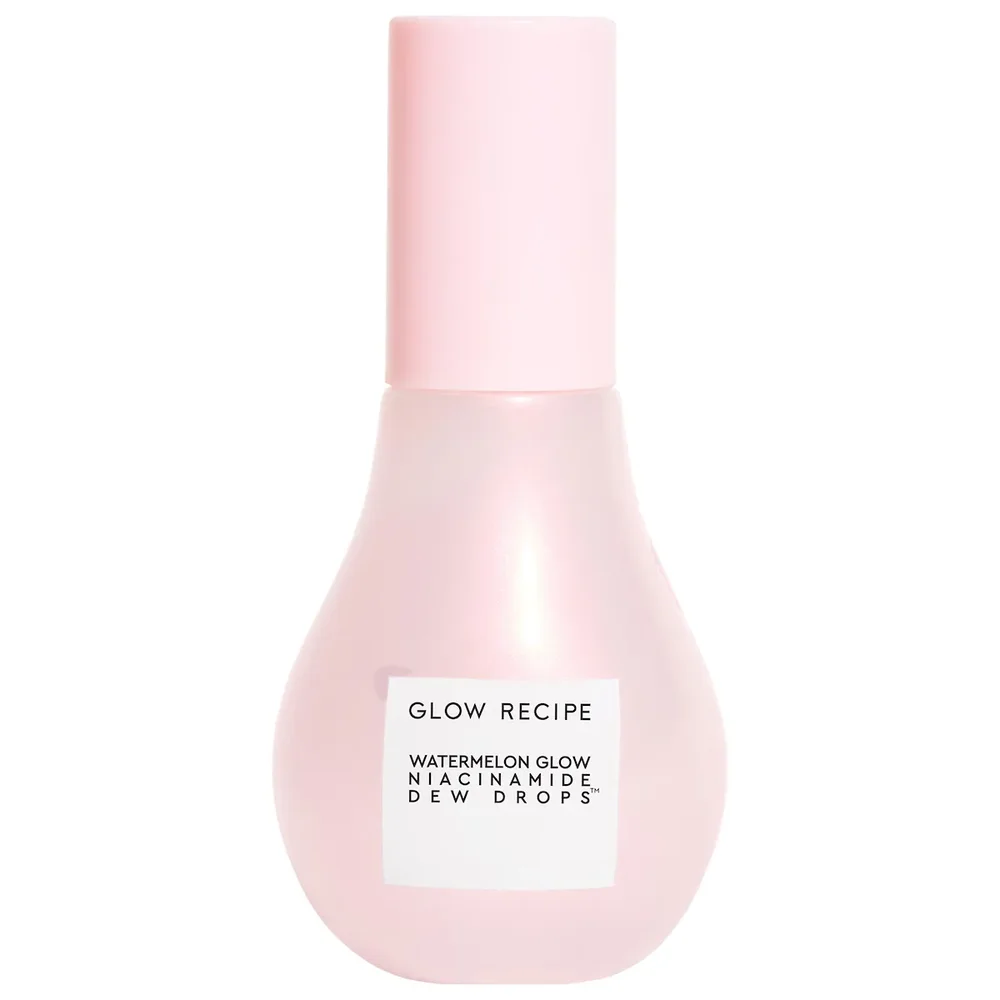
Watermelon Glow Niacinamide Dew Drops Serum
Glow Recipe
$36
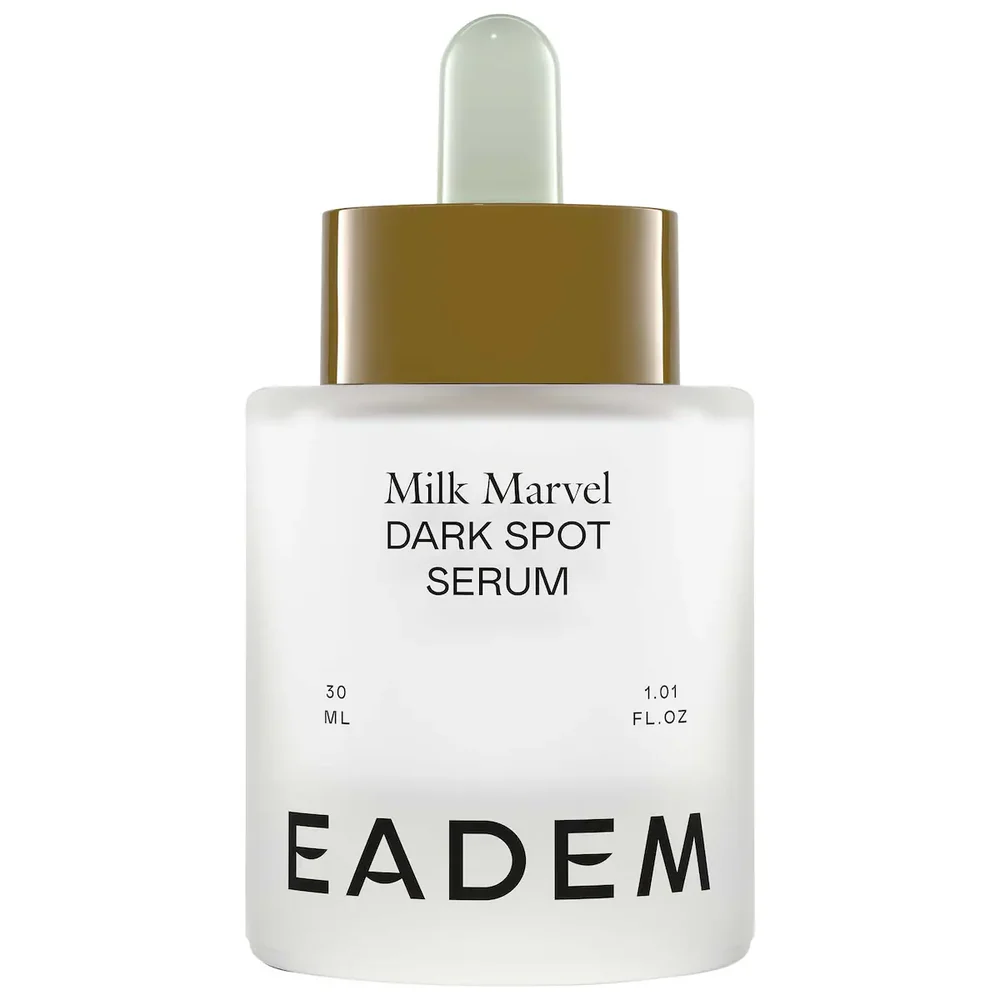
Milk Marvel Dark Spot Serum with Niacinamide and Vitamin C
EADEM
$68
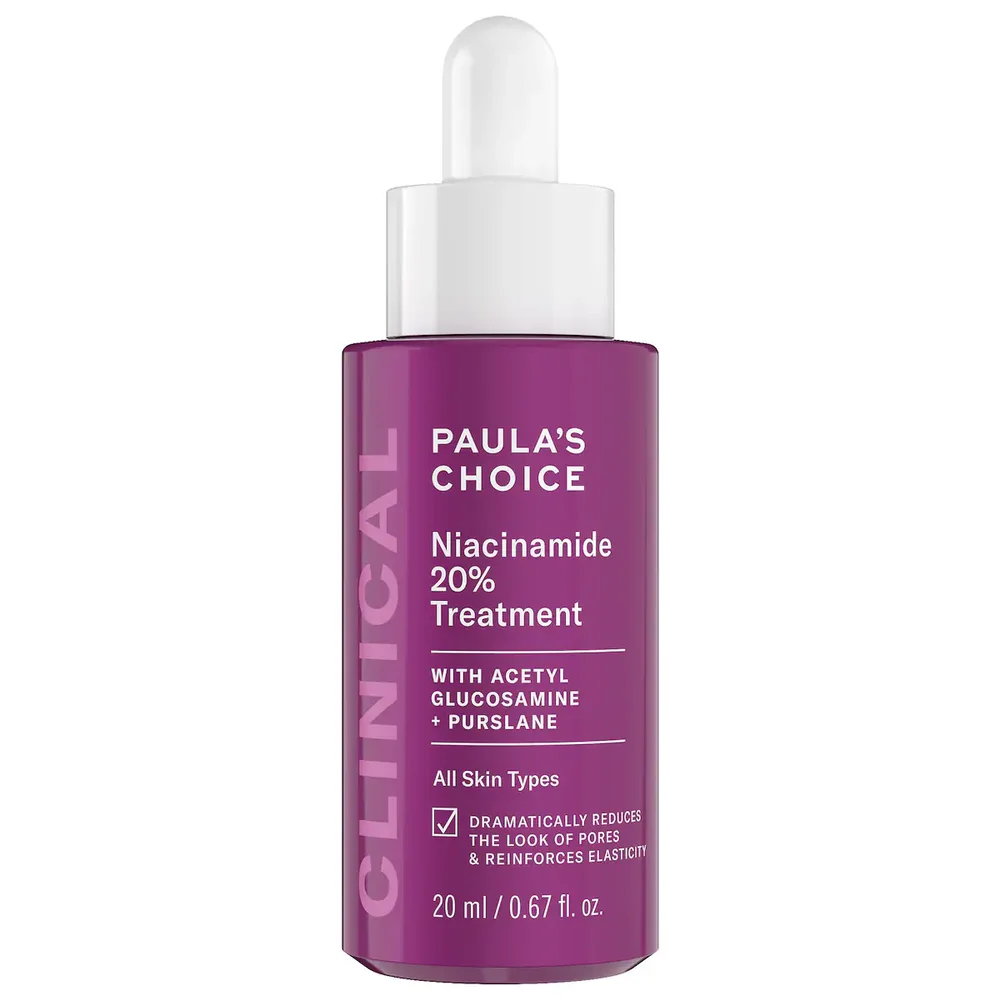
CLINICAL Niacinamide 20% Treatment
Paula's Choice
$59
Vitamin C and tranexamic acid have different jobs
The two strongest formula contrasts in this group are a multi-active blend and a clearer three-ingredient headline. Topicals Faded Brightening + Clearing Serum lists tranexamic acid, niacinamide, azelaic acid, kojic acid and melatonin; that breadth is appealing on paper, but I would start slowly rather than assume more actives mean faster fading. The INKEY List Tranexamic Acid Hyperpigmentation Treatment gives clearer percentages: 2% tranexamic acid, 2% acai berry extract and 2% vitamin C derivative, with morning sunscreen in its directions. That is the one I would consider for a routine that needs fewer variables. Irritation from skin care can itself trigger dark spots, so I would introduce one new treatment at a time. If you are comparing non-hydroquinone options, Hydroquinone Alternatives lays out the wider range; persistent marks deserve a dermatologist, not an endless ingredient stack.
Vitamin C and tranexamic acid treatments
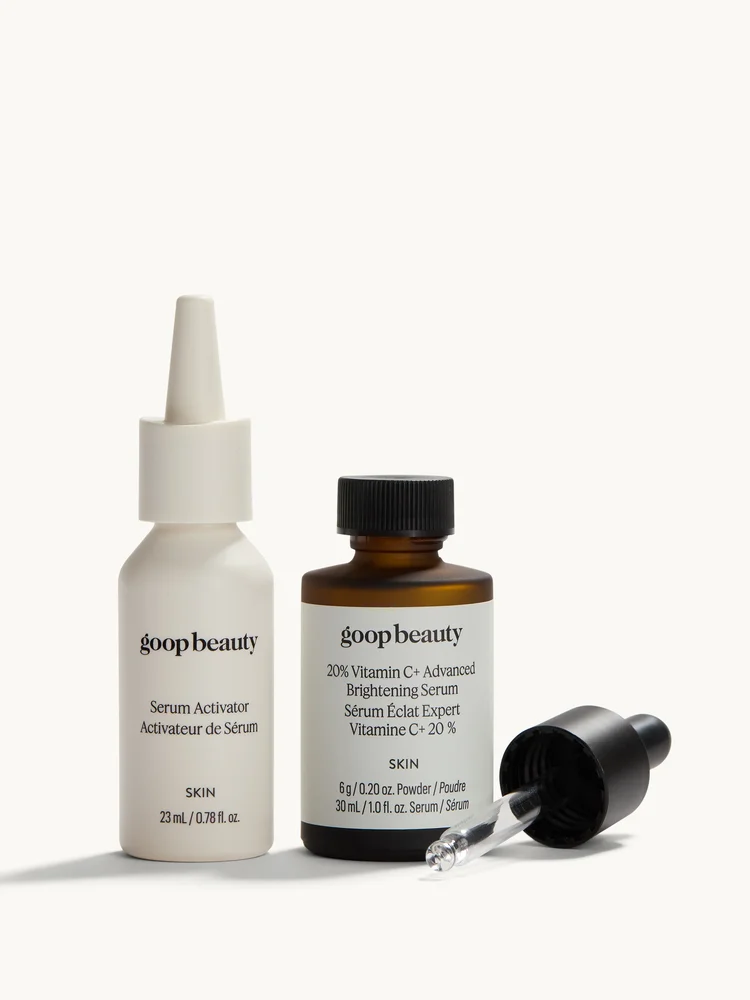
20% Vitamin C+ Advanced Brightening Serum in One Size
goop Beauty
$125
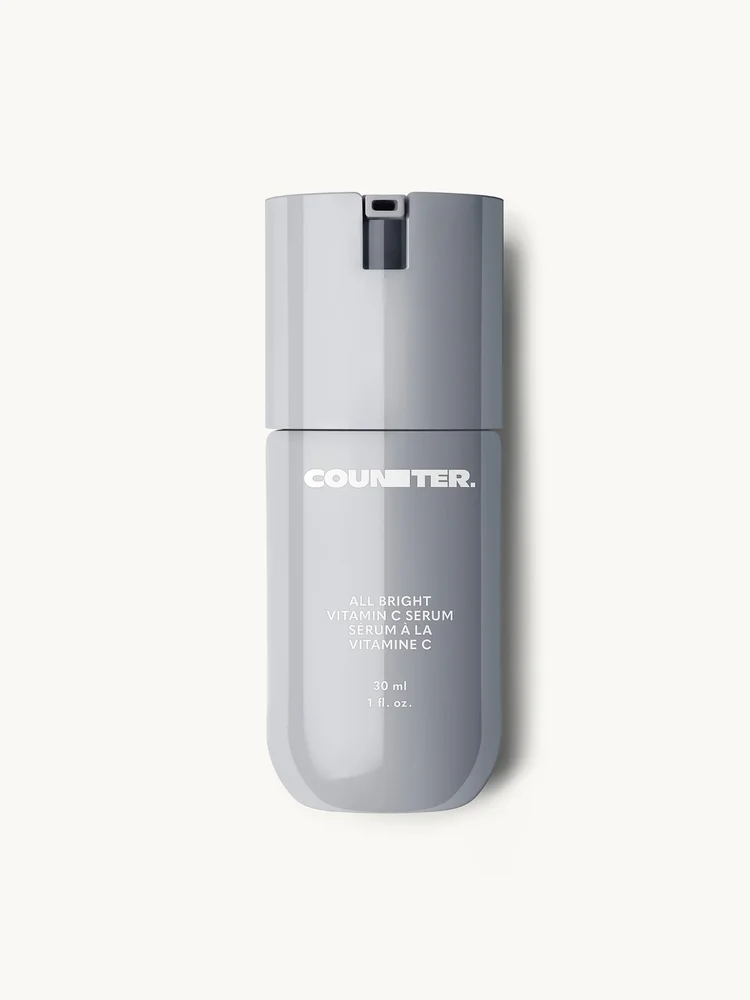
All Bright Vitamin C Serum
COUNTER
$89
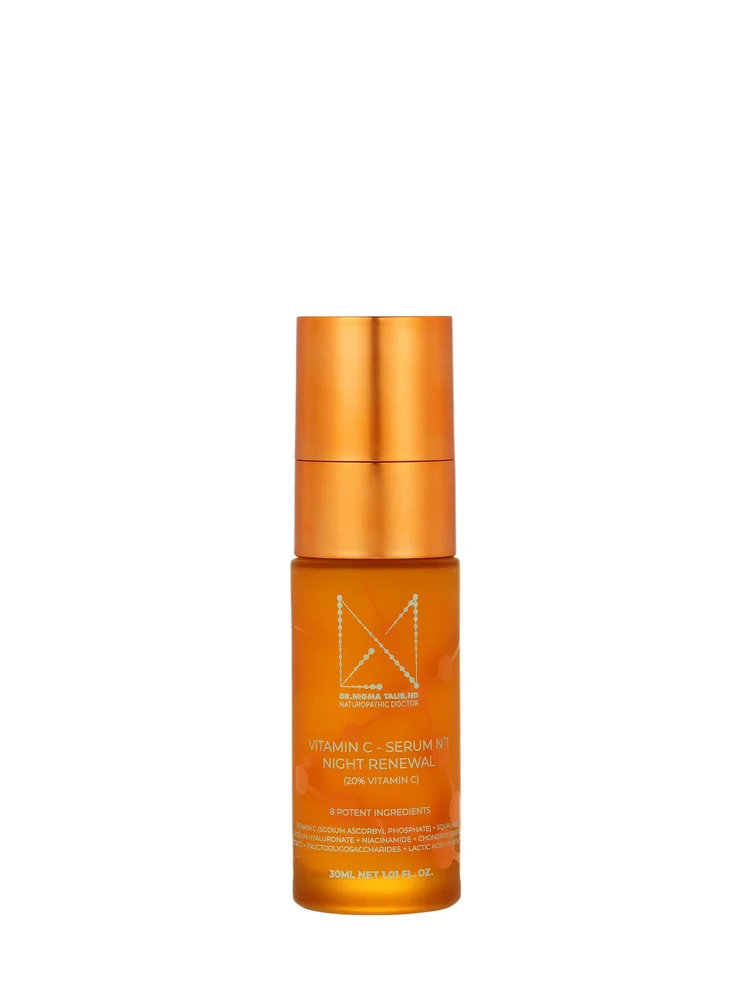
Vitamin C Serum No. 1
Dr. Nigma
$100
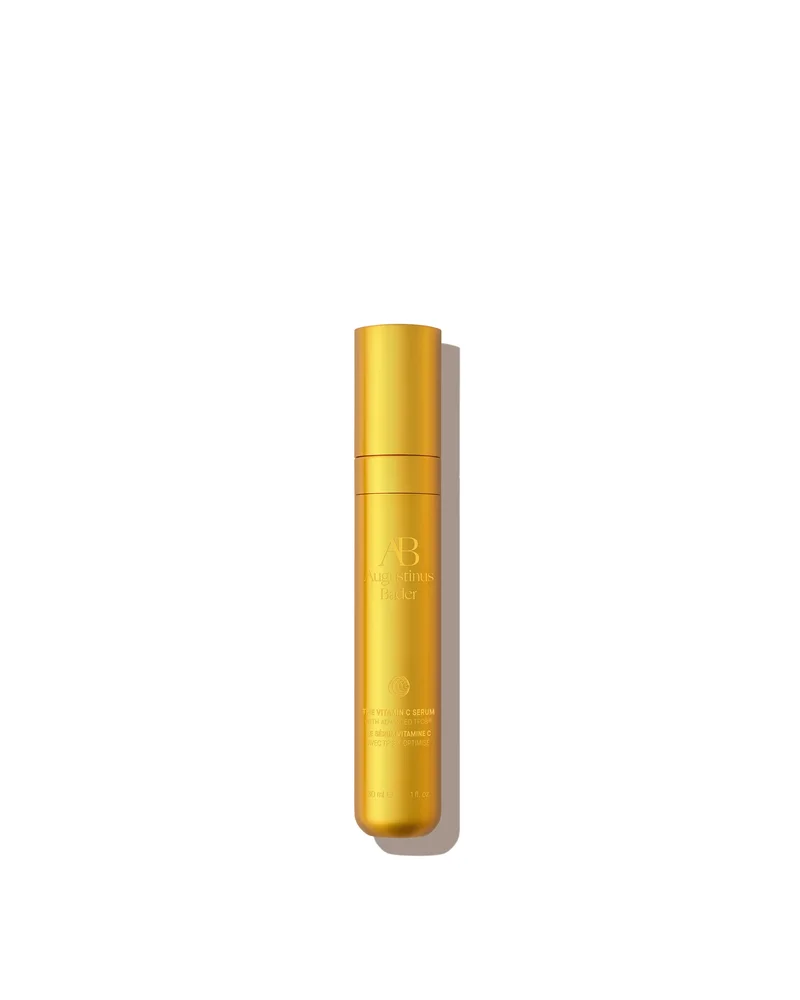
The Vitamin C Serum
Augustinus Bader
$380
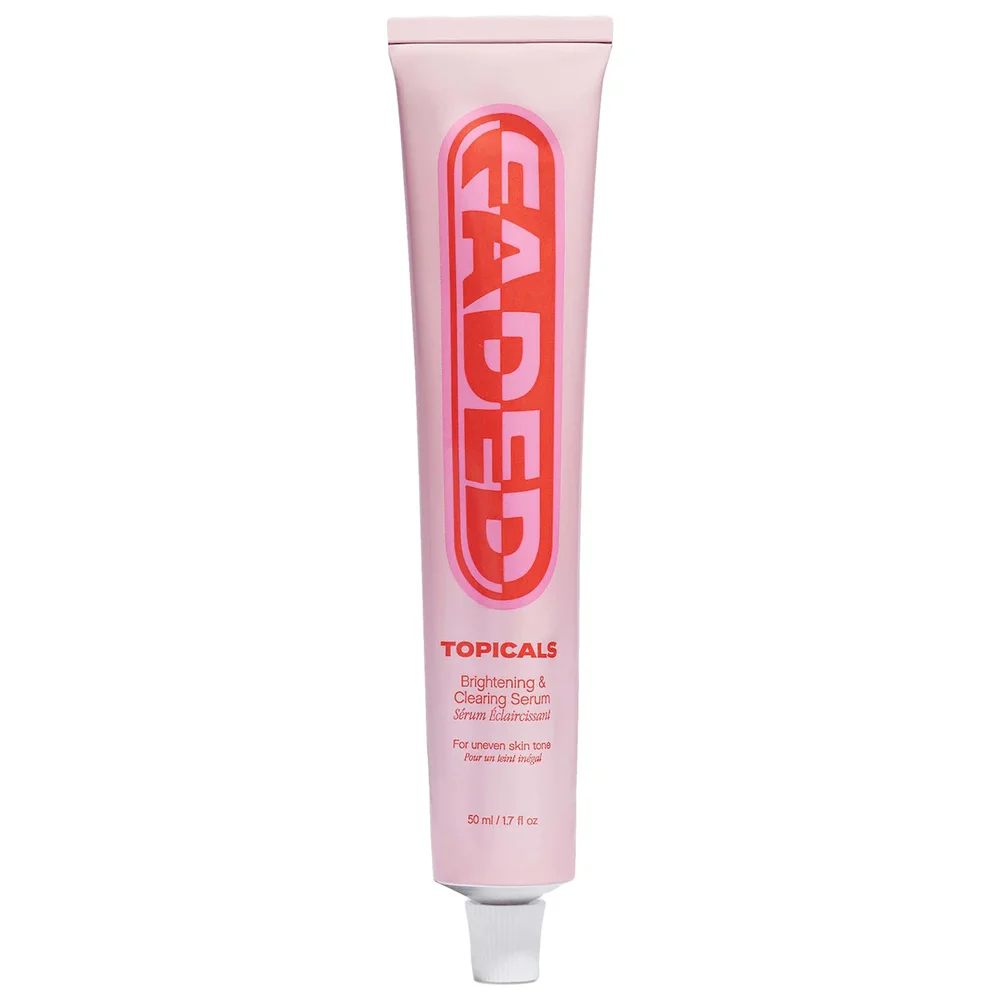
Faded Serum for Dark Spots & Discoloration
Topicals
$38
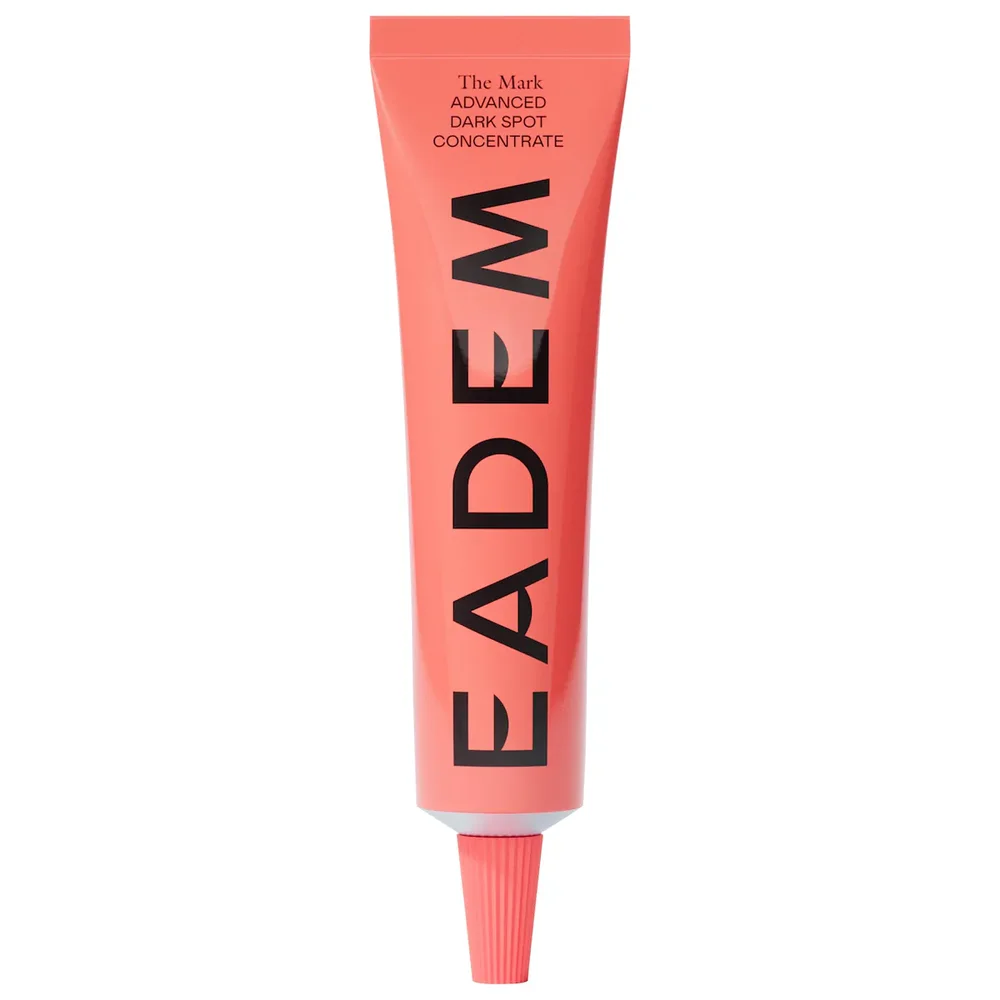
The Mark Advanced Targeted Dark Spot Concentrate with 5% Tranexamic Acid, 1% Alpha Arbutin & 1% Kojic Acid for Hyperpigmentation, Acne Marks & Age Spots
EADEM
$38
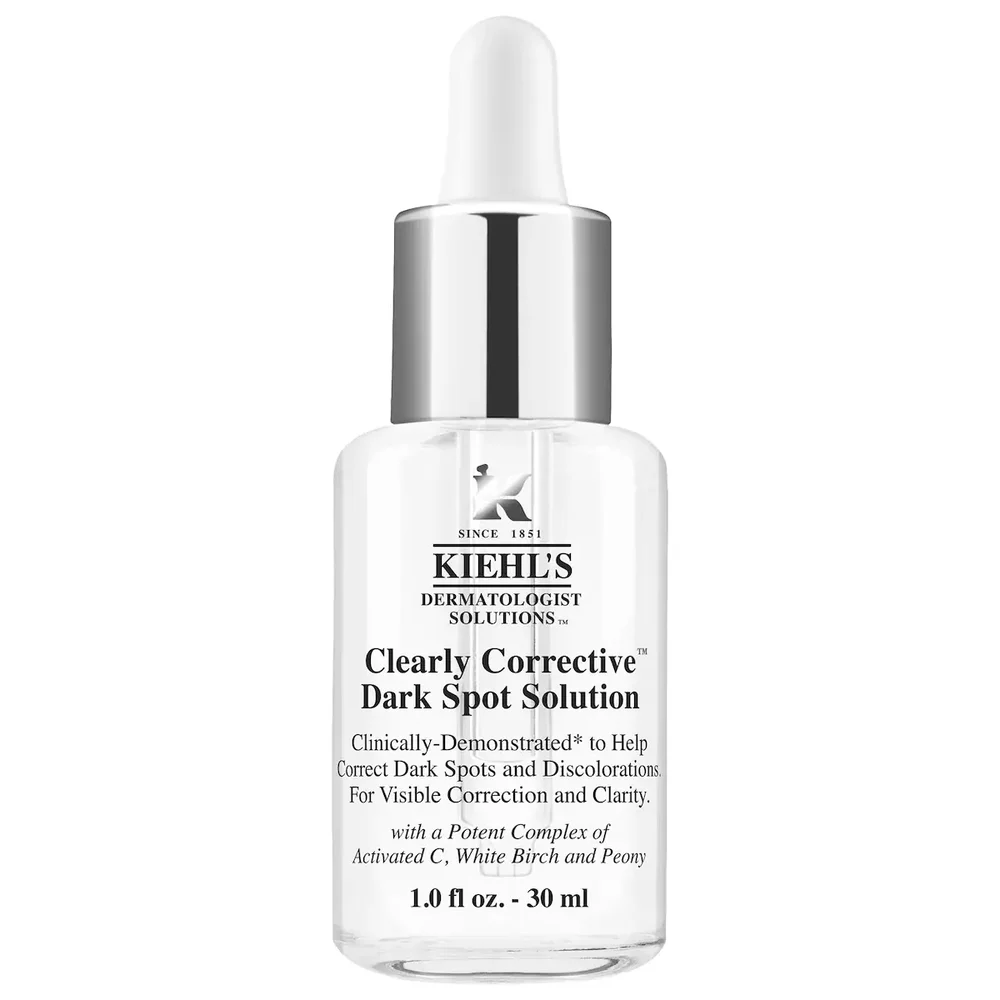
Clearly Corrective Dark Spot Correcting Serum with Vitamin C
Kiehl's Since 1851
$65
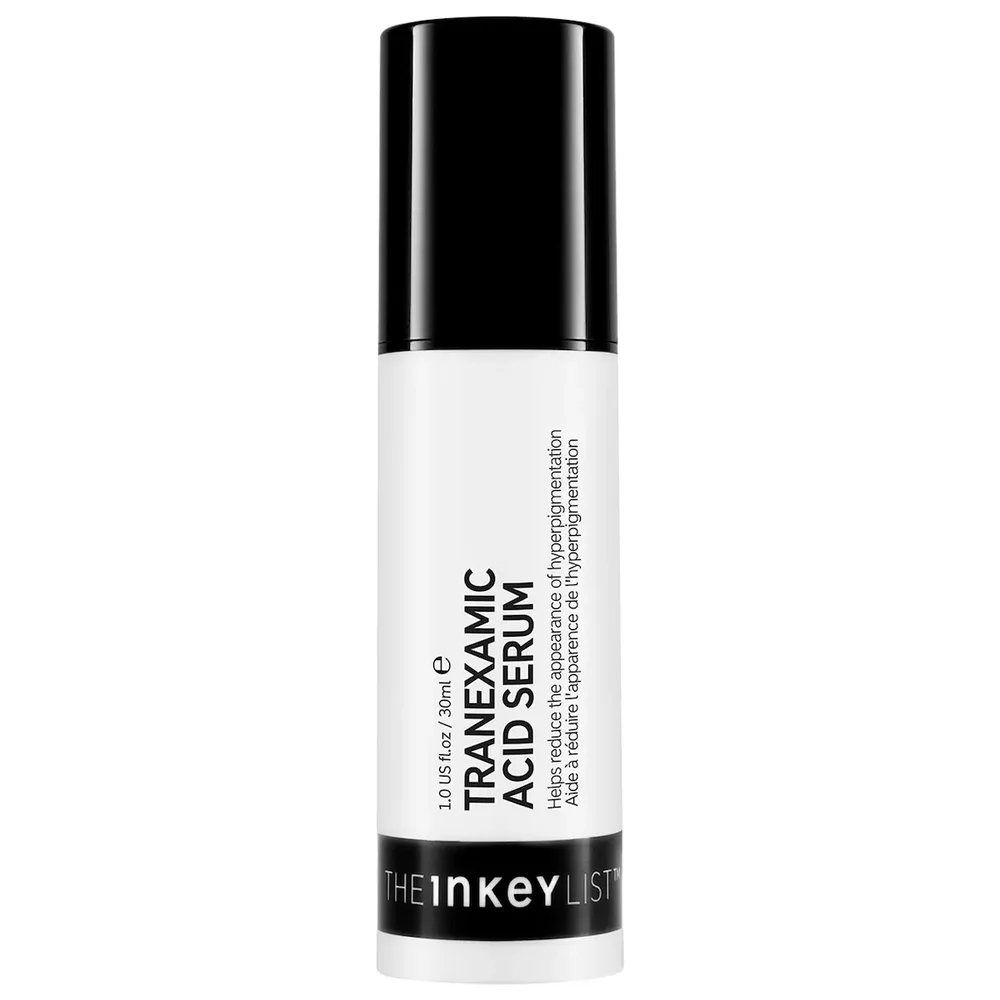
Tranexamic Acid Hyperpigmentation Treatment
The INKEY List
$19
The glow needs a sunscreen step
An essence can be a pleasant extra, but the relevant job in this group is keeping sun exposure from adding to uneven tone. Good Weather Skin The One Warm Glow Daily Sun Cream combines 15% zinc oxide with SPF 30 broad-spectrum protection and includes iron oxide and mica in a warm-shimmer finish. The American Academy of Dermatology recommends tinted sunscreen with iron oxide, broad-spectrum protection, water resistance and SPF 30 or higher for dark spots, since visible light can contribute to discoloration. I would check the finish before choosing this particular glow version: it has visible shimmer rather than a matte finish. For a routine that makes vitamin C and SPF the main pairing, La Roche-Posay Vitamin C Serum offers a related comparison.
Glow essences and daily SPF
Radiant Rani Brightening Saffron Essence
Ranavat
$68
Mānuka Essence
AUNU
$110
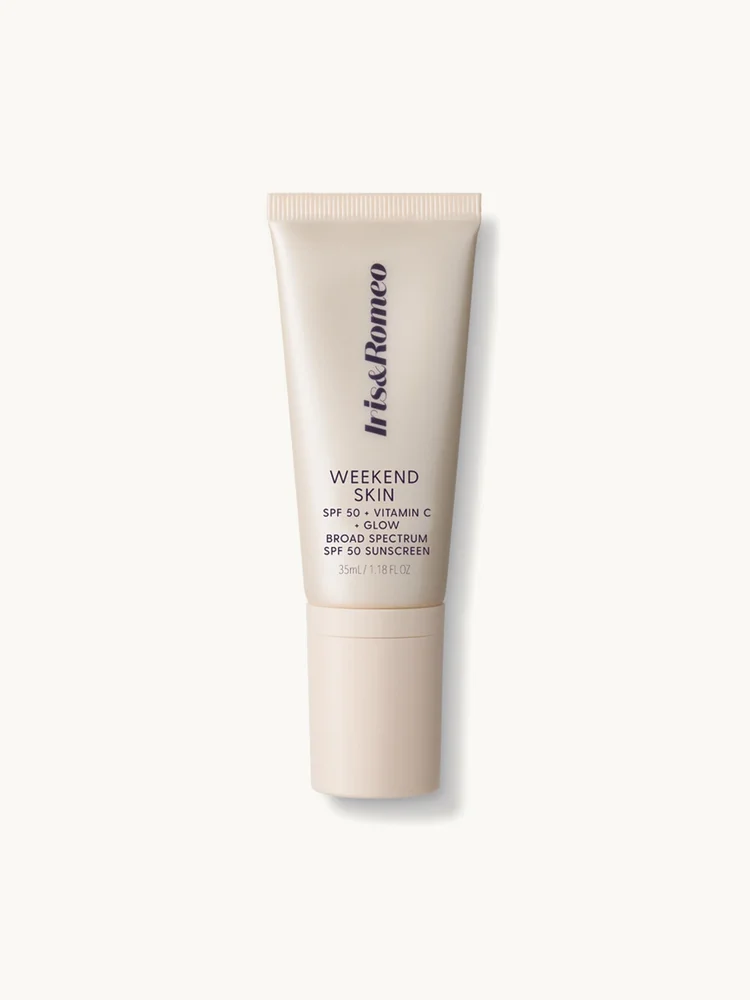
Weekend Skin SPF 50 + Vitamin C + Glow in Universal Glow
Iris&Romeo
$50
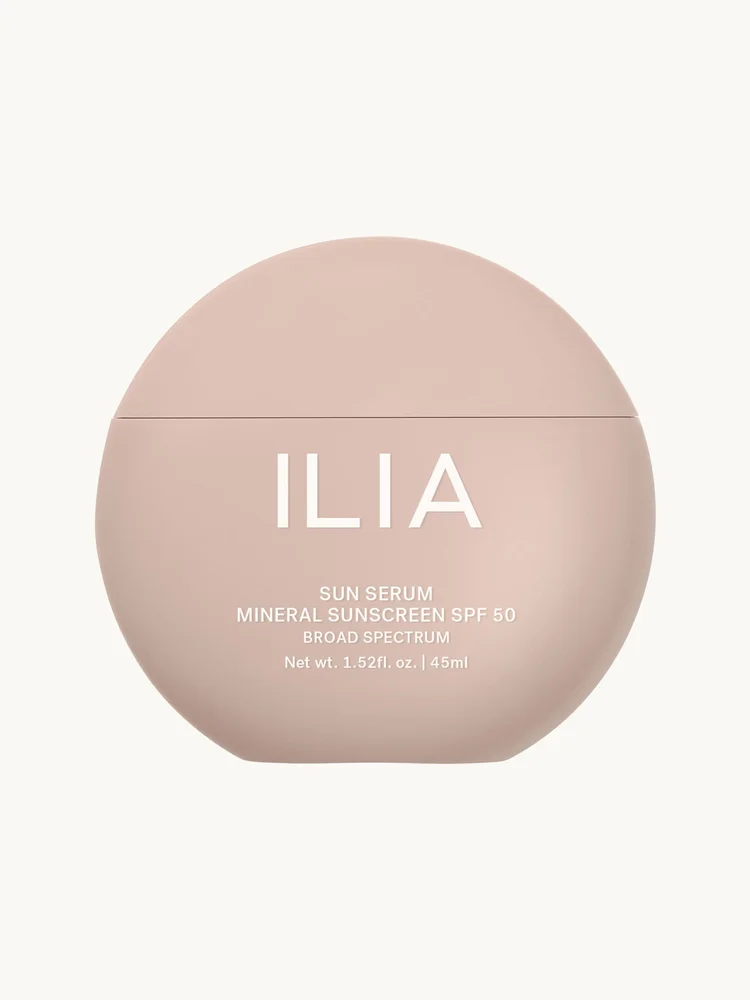
Sun Serum Mineral Sunscreen SPF 50 in Light-Medium
ILIA
$40
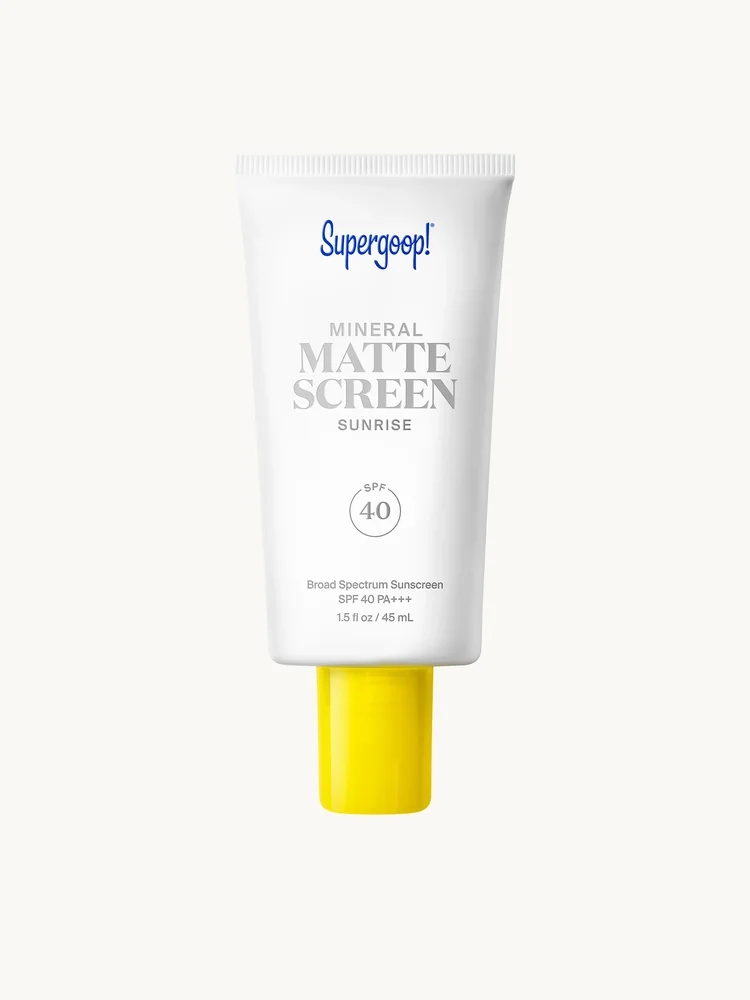
Mineral Mattescreen SPF 40 in One Size / Golden Hour
Supergoop
$40
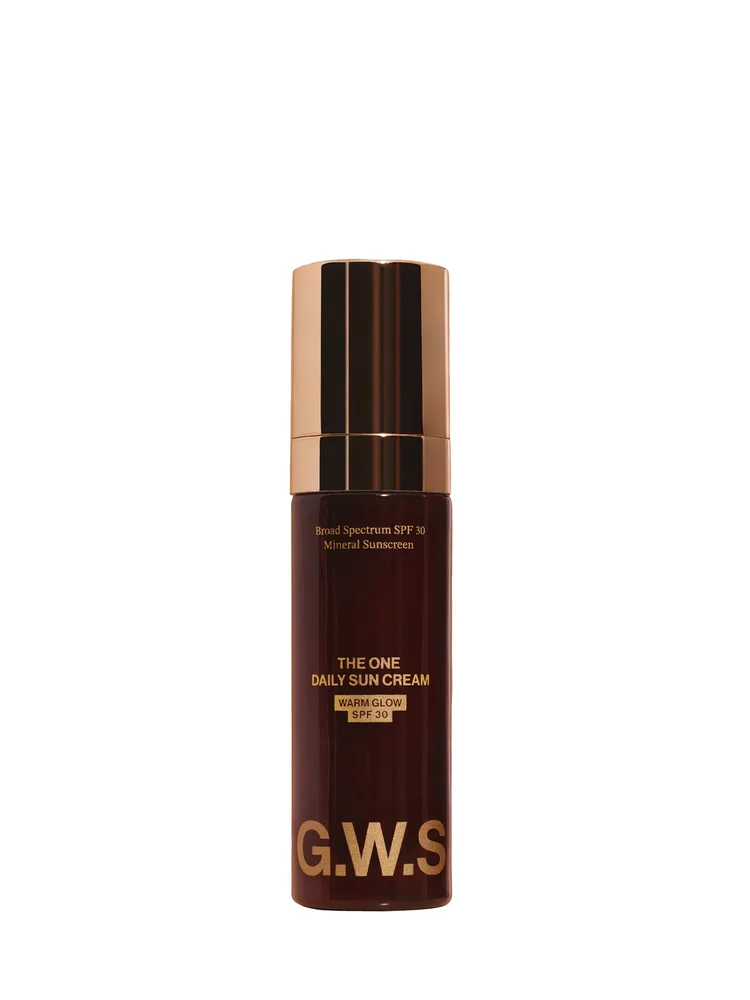
The One Warm Glow Daily Sun Cream (SPF 30)
Good Weather Skin
$48
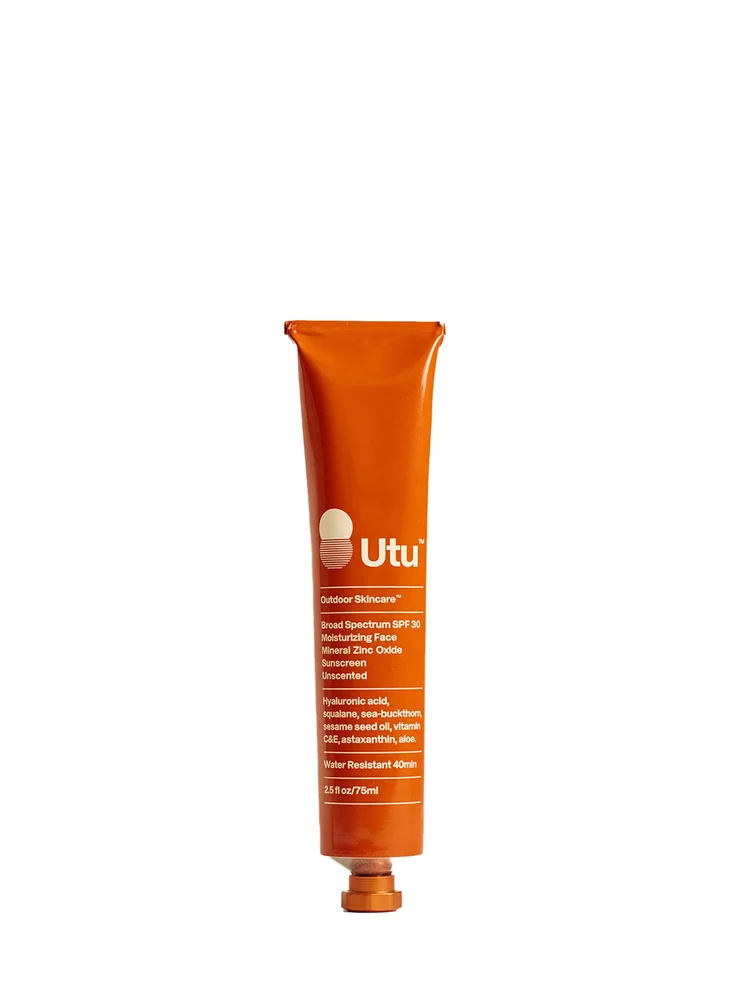
SPF30 Daily Moisturizing Face Sunscreen
Utu
$48
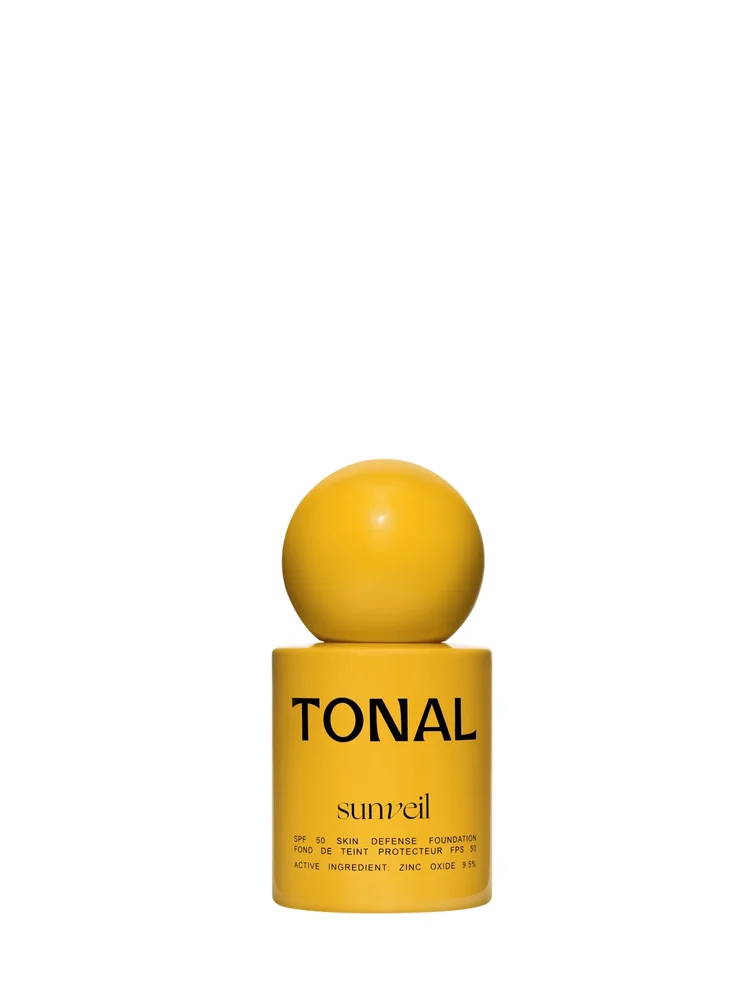
Sunveil SPF 50 Skin Defense Foundation in Shell
Tonal
$64
Dark spot serum questions, answered
What is the AXIS-Y Dark Spot Correcting Glow Serum?
It is a daily 5% niacinamide serum with squalane that the brand markets for the appearance of dark spots and post-acne marks. I would view those as formula positioning rather than a guaranteed result.
Which dark spot serum works in a changing-weather routine?
Pick the formula you can tolerate and keep the basic steps steady: moisturizer and daytime sunscreen around one brightening treatment. The American Academy of Dermatology recommends tinted, broad-spectrum, water-resistant sunscreen with iron oxide and SPF 30 or higher for dark spots.
How long does a dark spot serum take to work?
Timing depends on what caused the mark and how deep the pigment is. A spot a few shades darker can take six to twelve months to fade after the trigger is addressed, and deeper pigment may take longer; persistent discoloration is a good reason to talk with a dermatologist.
Keep the routine small, then give it time
My starting point would be one treatment plus a moisturizer and sunscreen, not a stack of niacinamide, vitamin C, tranexamic acid and exfoliating acids on day one. The American Academy of Dermatology says irritation from skin care can trigger dark spots and suggests gentle products if skin is irritated; stop using anything that burns or stings. It also notes that spots a few shades darker may take six to twelve months to fade once the cause is addressed, while deeper pigment can take longer. I would skip promising a fixed timeline or chasing a stronger percentage. This is for someone with ordinary post-breakout marks who wants a steady routine; if a mark is persistent or its cause is unclear, I would ask a dermatologist.