Best Anti Aging Cream for 40s compares retinoid, peptide, and barrier creams by the job each is meant to do. I would choose by ingredient, texture, and the routine I can keep.
Best Anti Aging Cream for 40s: Retinoids, Peptides and Barrier Creams That Earn Their Place
Retinol, introduced with care
The distinction matters: in 1986, Albert Kligman and colleagues at the University of Pennsylvania dermatology department and Skin Study Center in Philadelphia compared daily topical 0.05% tretinoin cream with its vehicle for photoaging on the face and forearms. That study concerns tretinoin, not every retinol moisturizer on a shelf. Start with what a cream contains, not the age printed in the search bar.
The best anti aging cream for 40s is less an age category than a question of purpose and the tolerance you want to build. The American Academy of Dermatology describes retinol as a type of retinoid used for uneven tone, pigmentation, and texture, with over-the-counter options in many strengths. Its advice to begin with the least-intense formula every other night, then increase gradually, seems more sensible than chasing the strongest label.
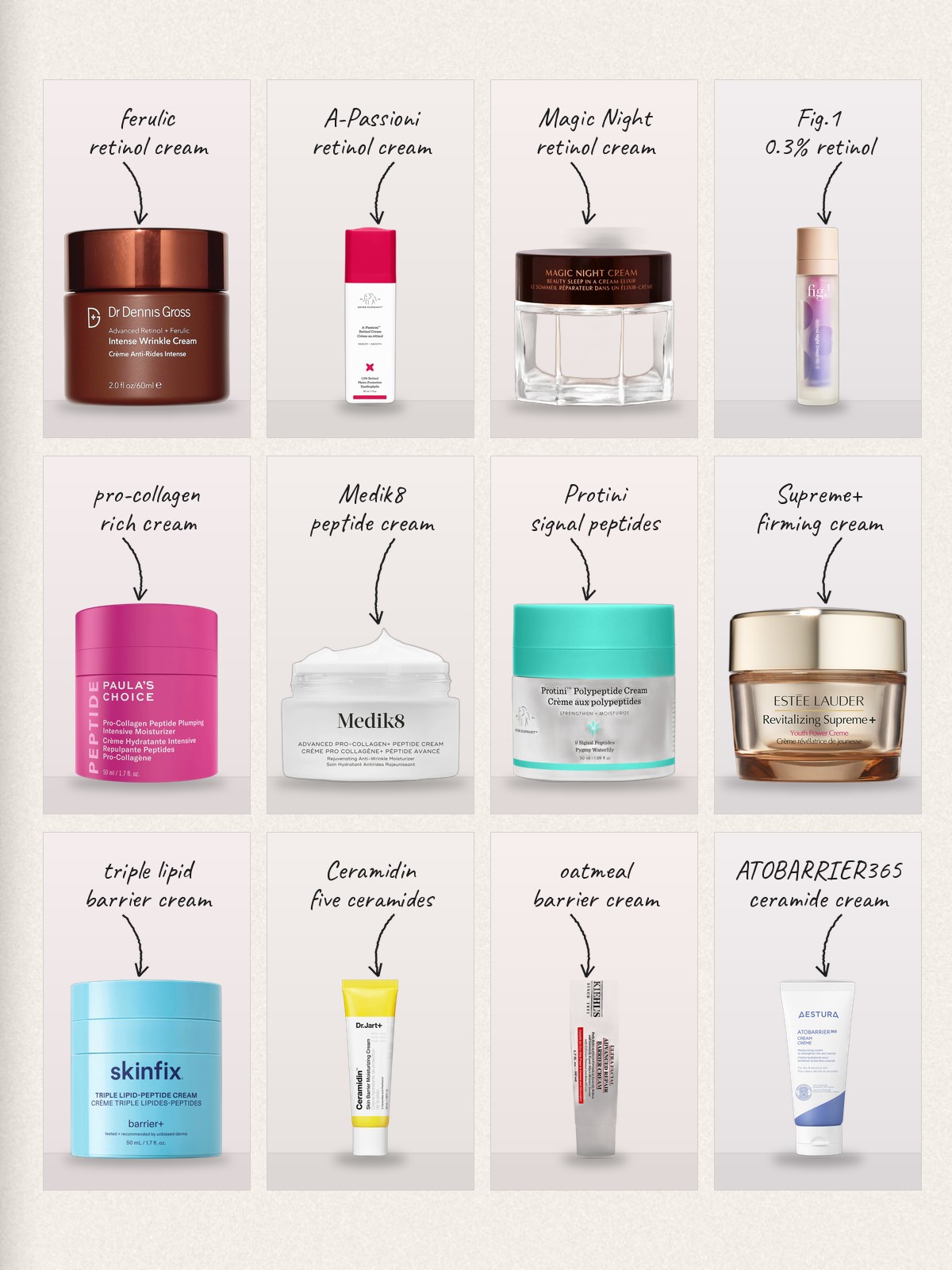
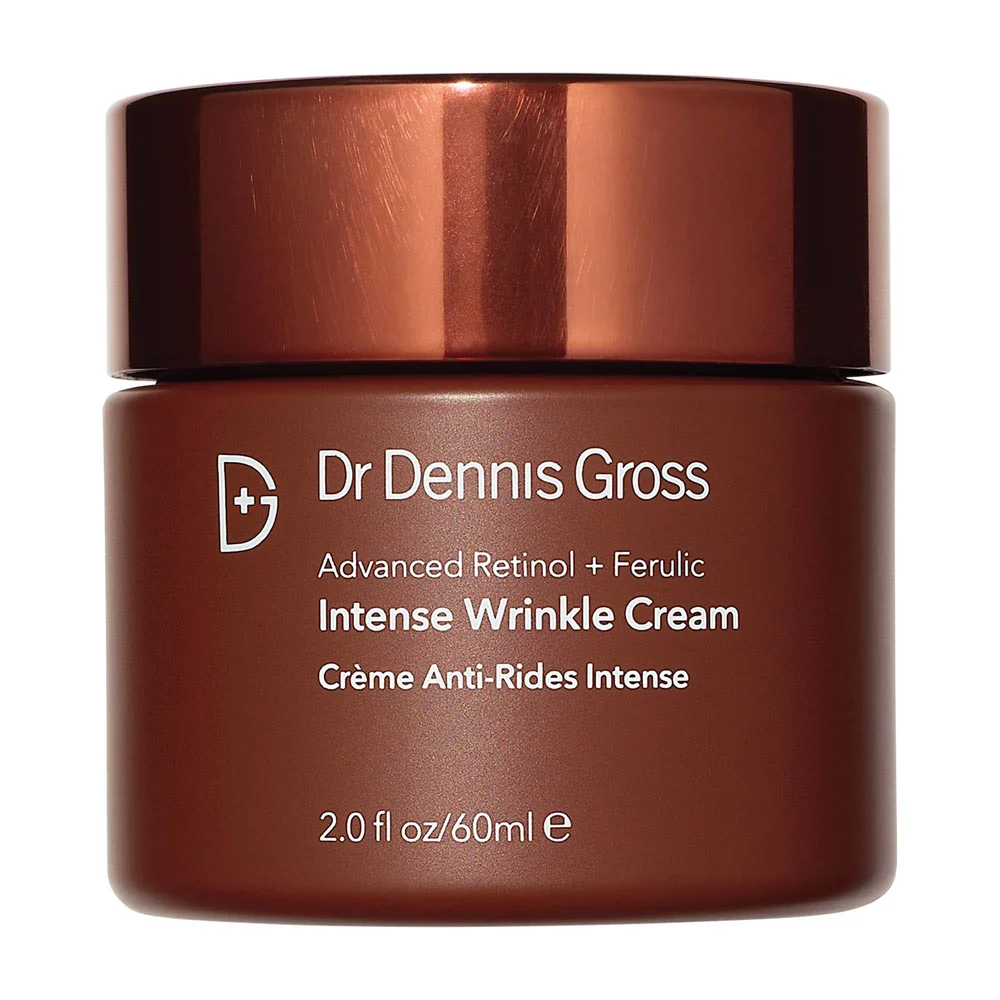
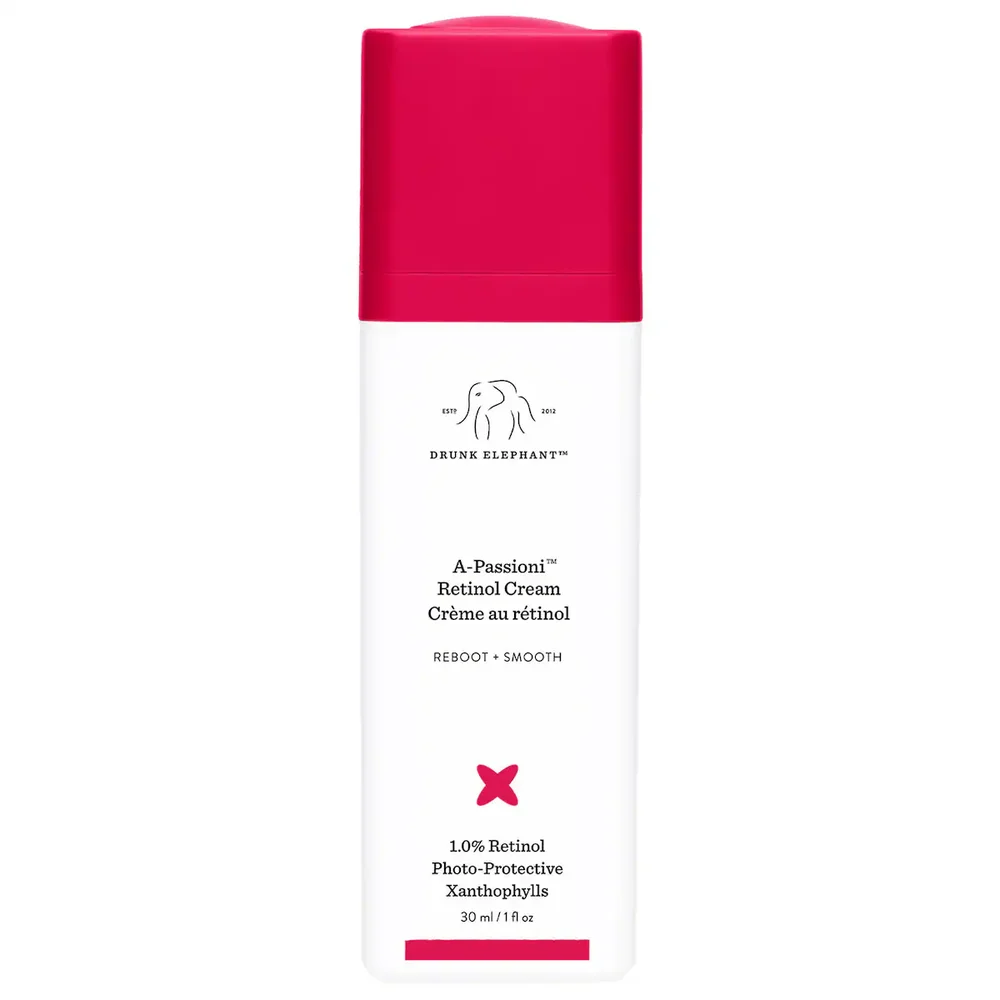
Dr. Dennis Gross Advanced Retinol + Ferulic Intense Wrinkle Cream is the hydrating option I would consider when rough texture and dryness are top of mind; its product note describes retinol as working on signs of photoaging. Drunk Elephant A-Passioni combines 1% vegan retinol with superfood-rich ingredients and a triple-peptide blend. Give either its own evening slot instead of layering it with every other cream in the cabinet.
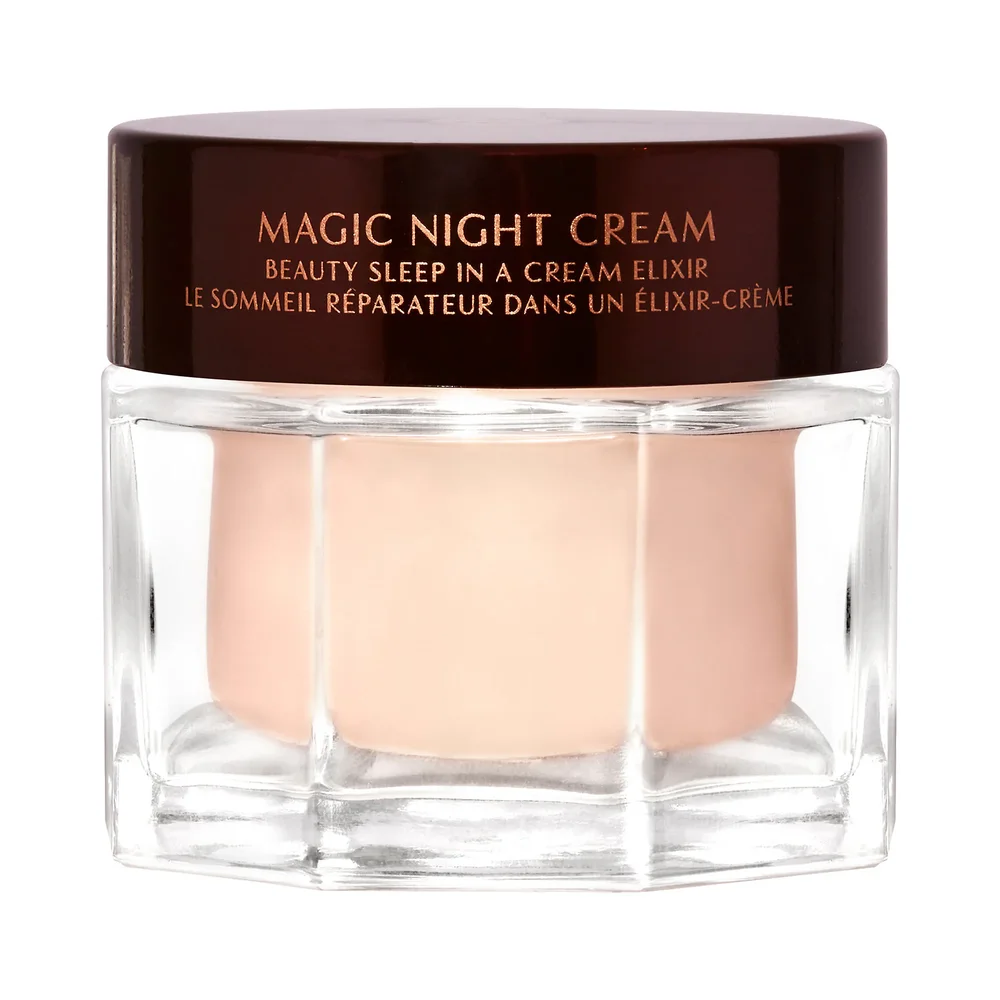
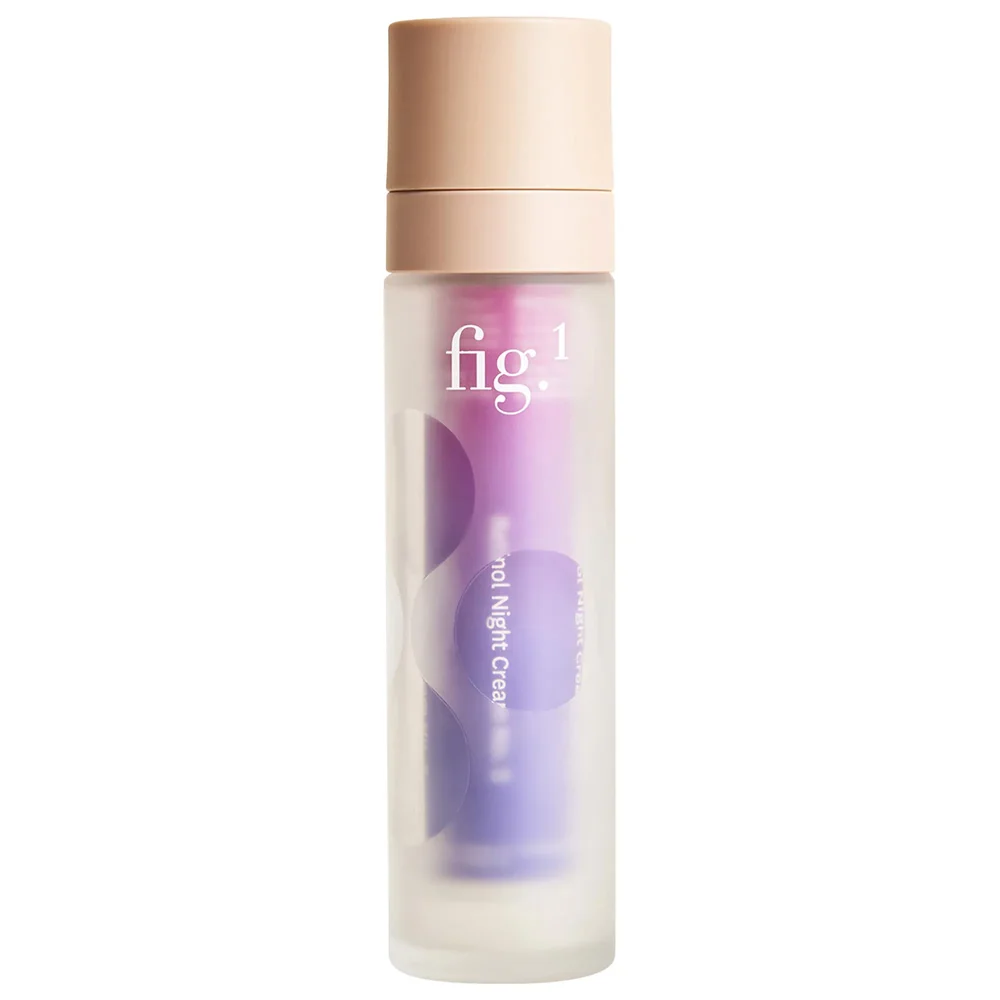
Charlotte Tilbury Magic Night Moisturizer uses time-released retinol, while Fig.1’s 0.3% encapsulated retinol is positioned as an intermediate formula designed to reduce irritation. If you are new to a retinoid, follow the AAD’s slow start, use it at night, and make daytime sun protection part of the same plan. Check the retinol strength and texture before choosing a jar, rather than relying on the age language.
Peptides, without the grand promise
Peptide creams invite a less glamorous question: does the evidence support the particular claim on the jar. A 2026 systematic review included 19 randomized trials of peptide-based therapies, but only two evaluated topical formulations. The review found that the pooled wrinkle result was largely driven by oral peptides, while the topical effect was smaller and not statistically significant. Read that evidence precisely, not as a verdict on every cream.
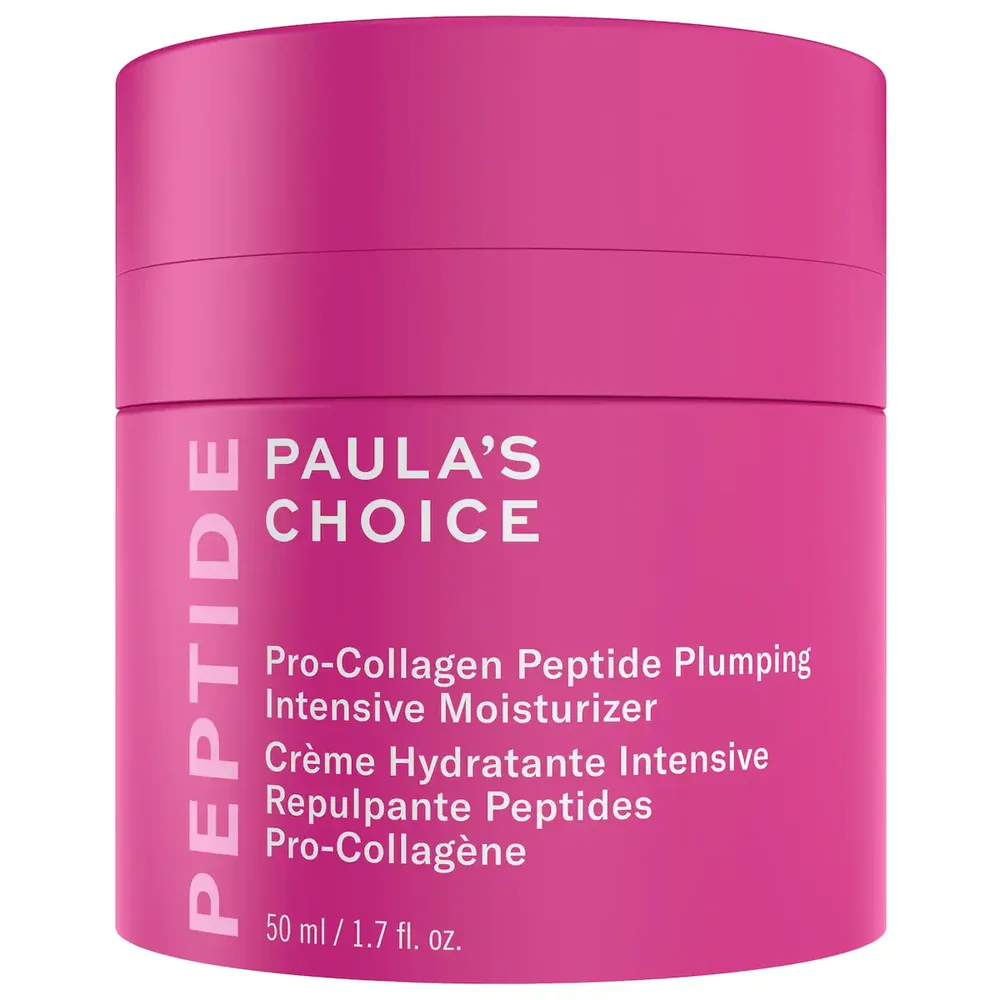
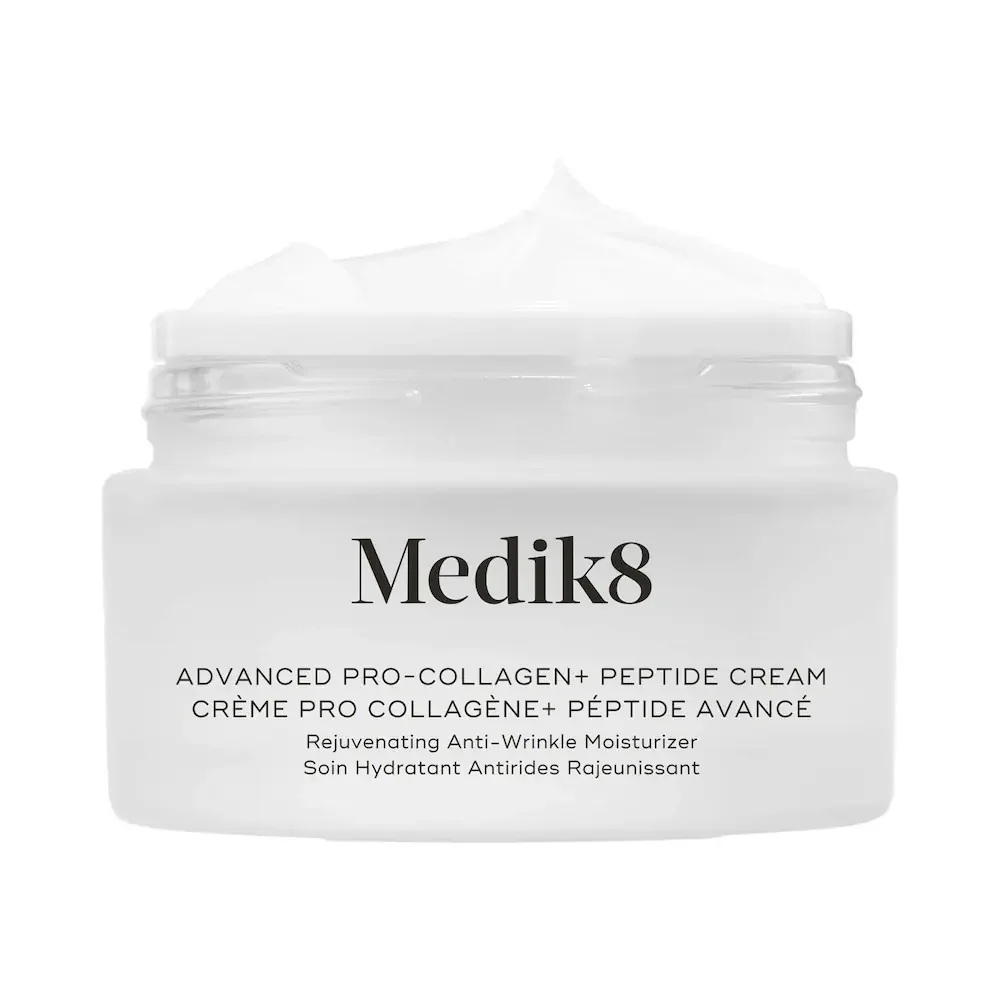
Paula’s Choice Intensive Rich Cream Moisturizer is described as nongreasy, with a three-part peptide complex and moisture-locking technology. Medik8 peptide cream pairs a GF MiniProtein with an Anti-A.G.E. Peptide, carnosine. Before choosing either, consider how much richness you want under sunscreen or at night.
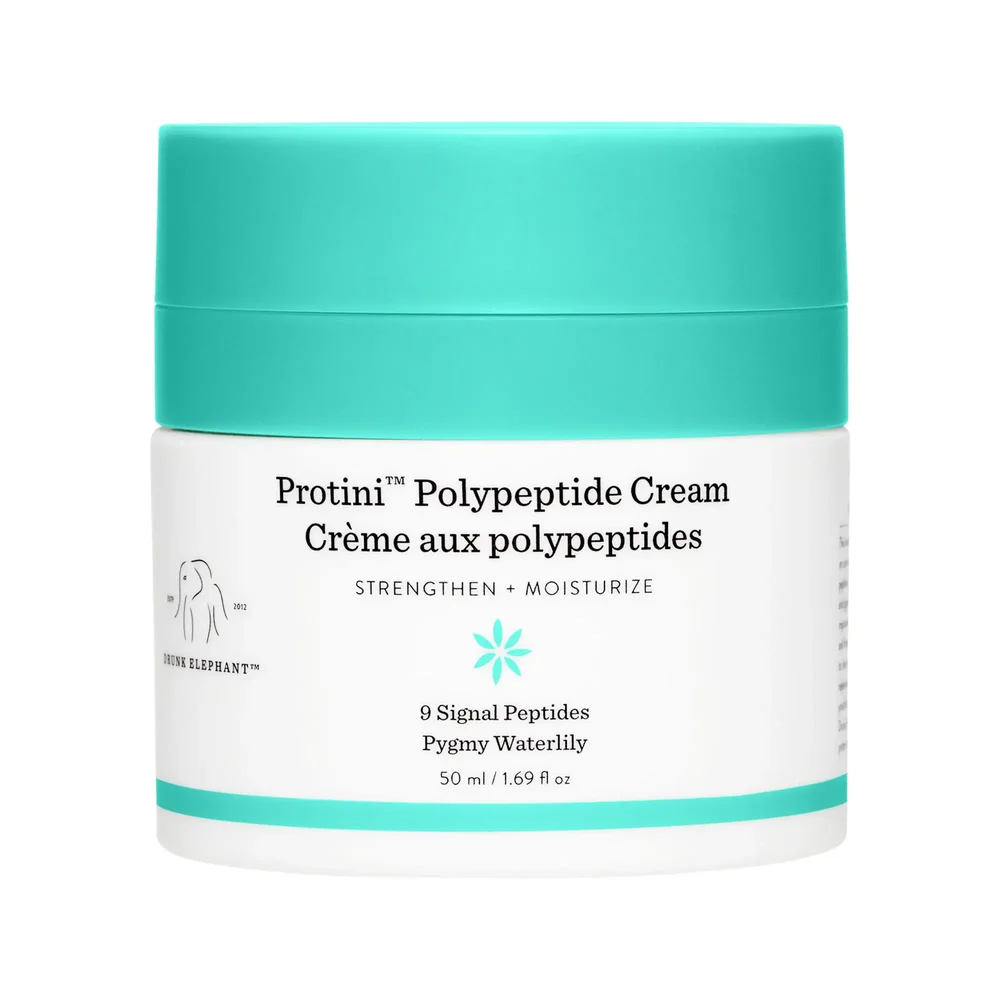
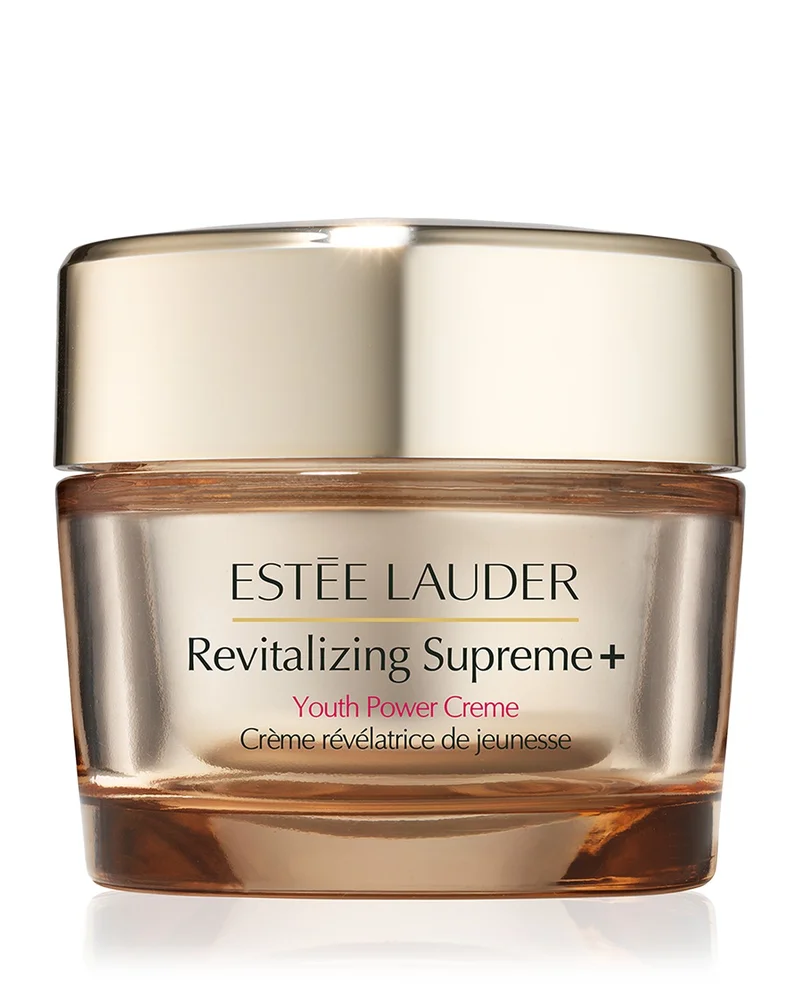
Nine signal peptides and amino acids feature in Drunk Elephant Protini Polypeptide Moisturizer, while Estée Lauder Revitalizing Supreme+ Creme adds cactus stem cell extract and hyaluronic acid. Those are distinct ingredient stories, even if both sit in the firming category. A grand promise alone is no reason to choose the best anti aging cream for 40s. Match the texture to the final step you already have room for, then check the ingredient list against the claim.
Barrier creams for dry spells
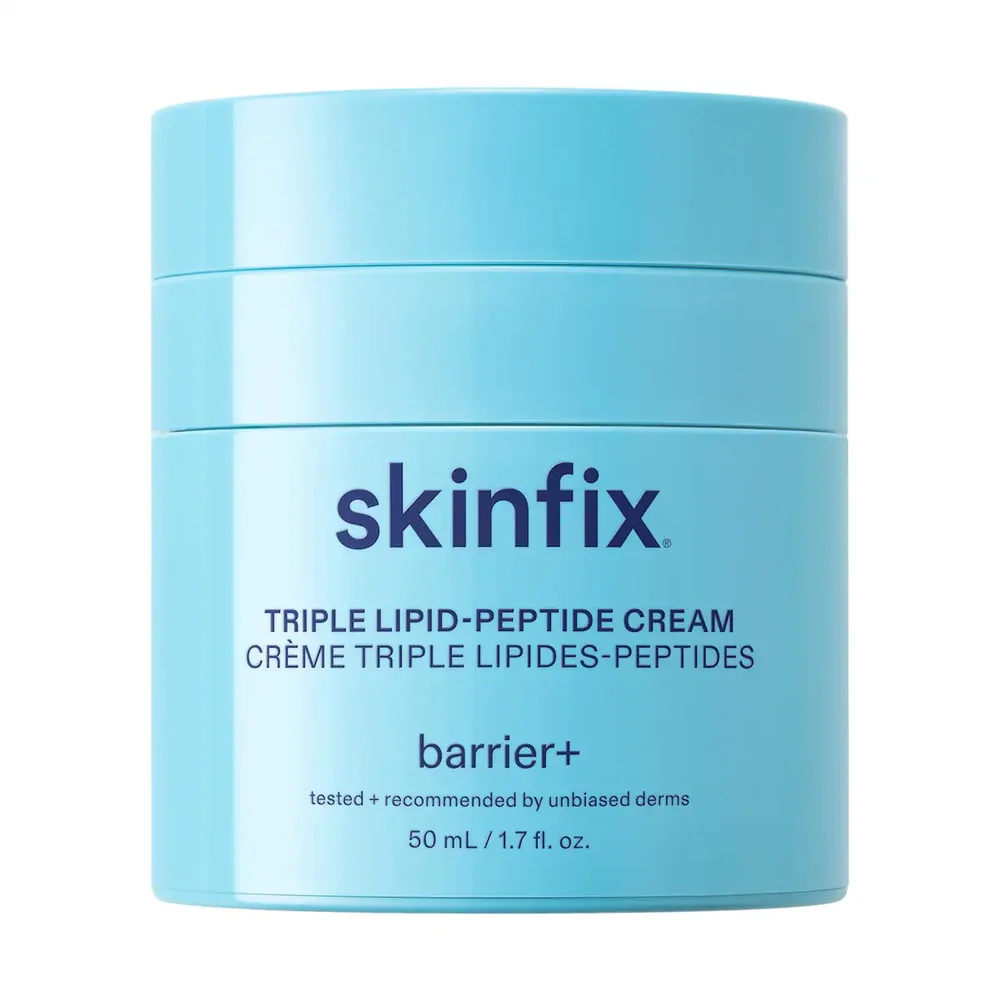
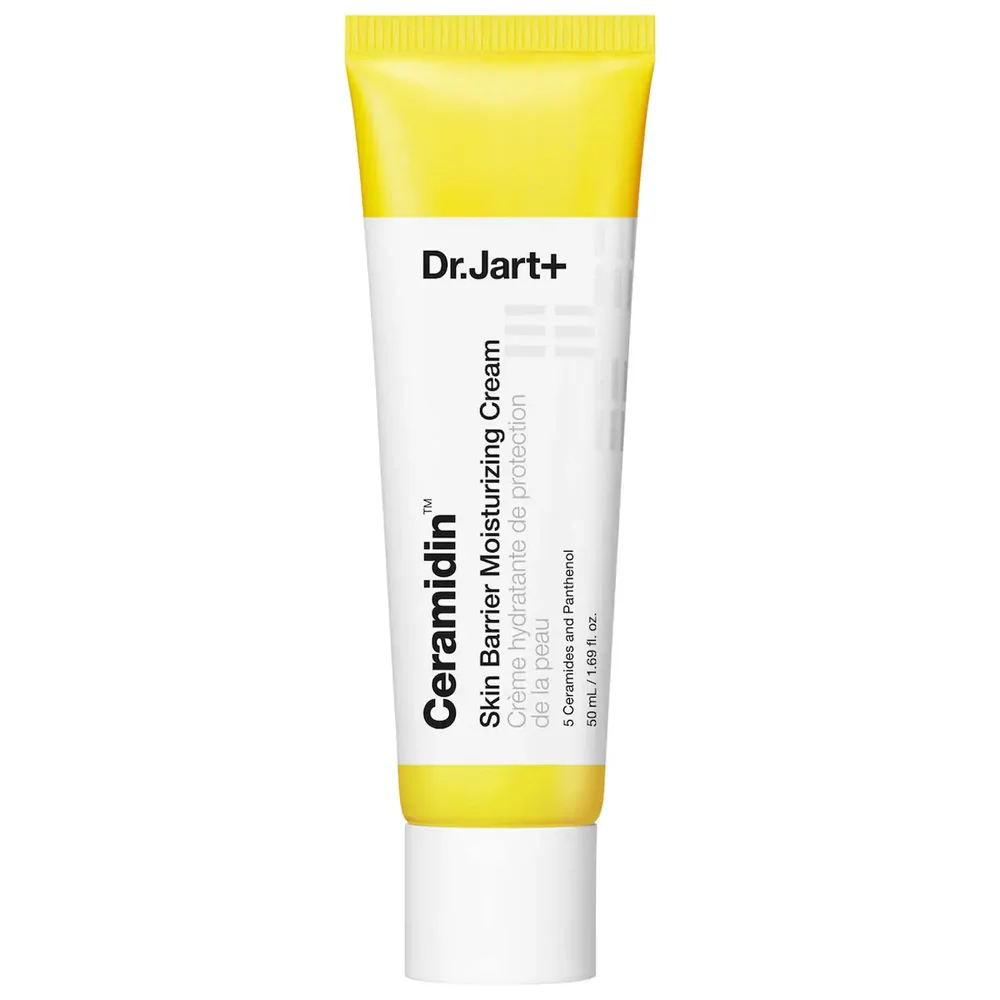
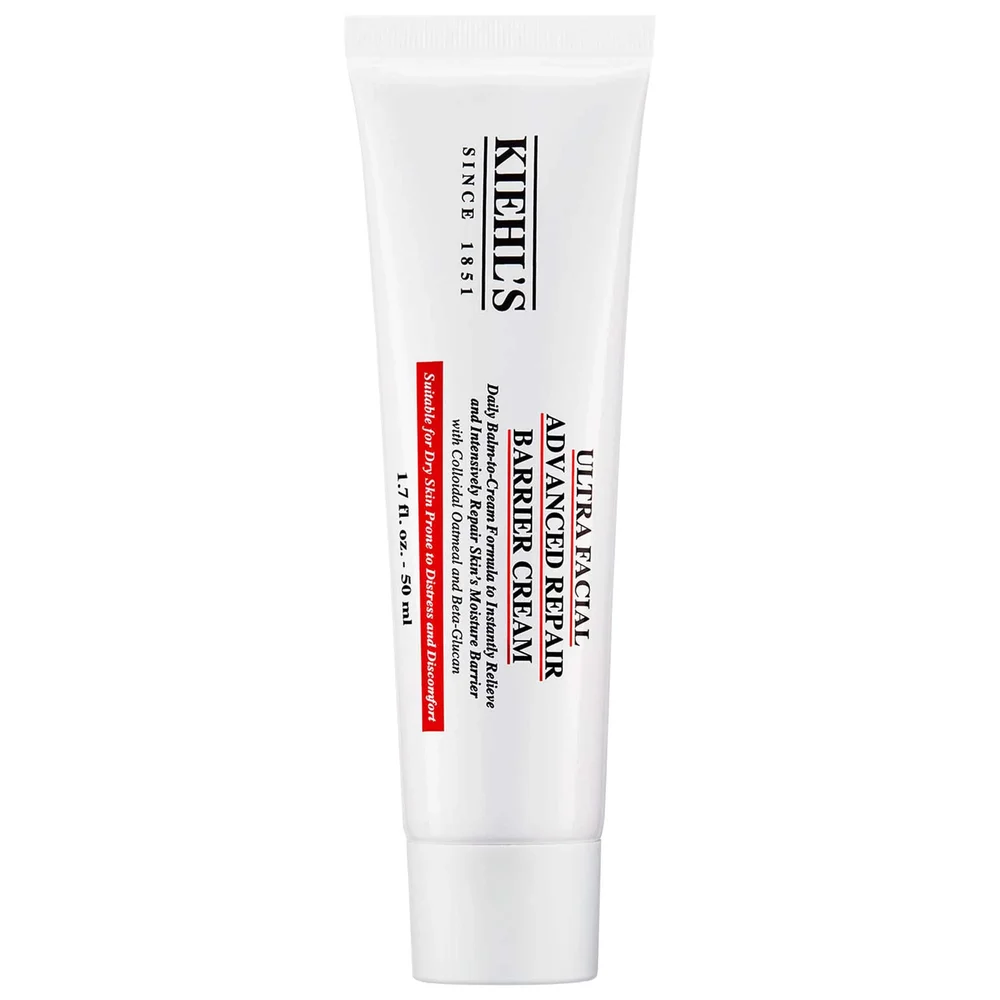
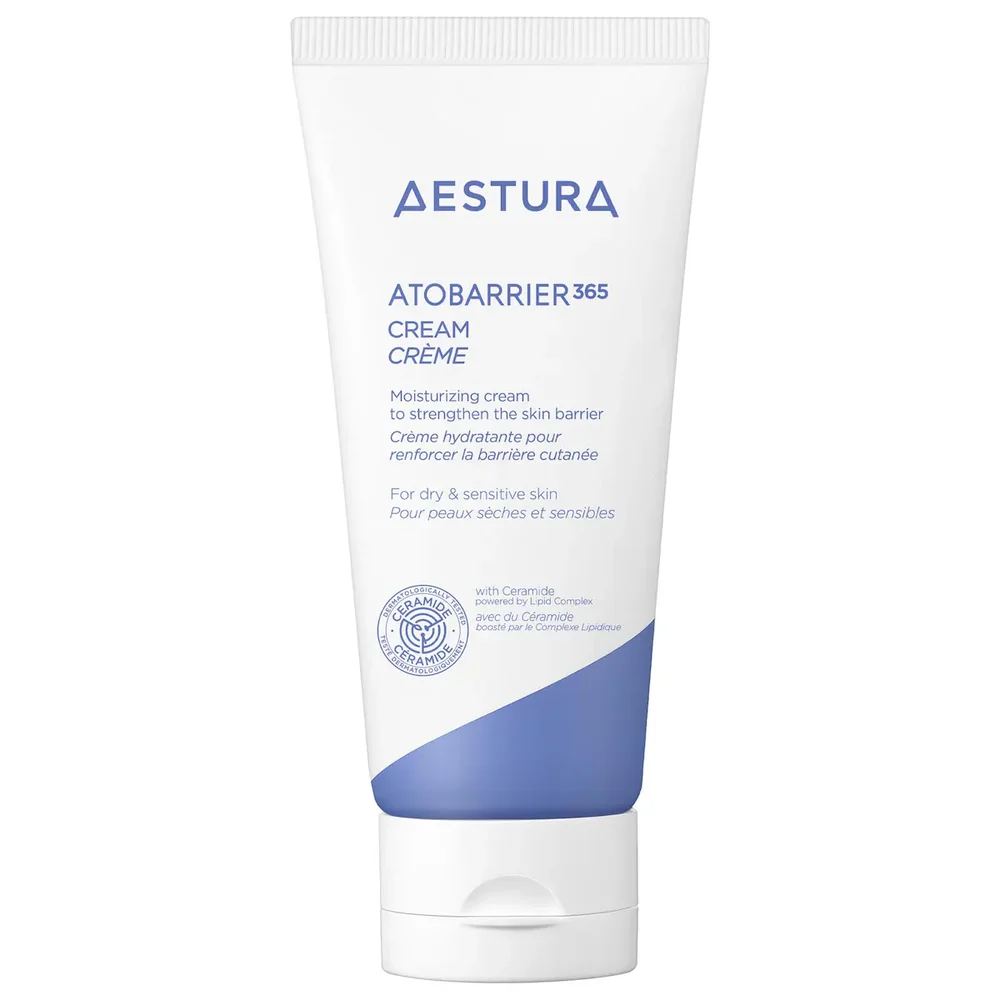
Barrier support has a different brief from retinol. For the best anti aging cream for 40s, I would treat it as its own job: Skinfix Triple Lipid-Peptide Cream pairs ceramides, sterols, and fatty acids in a 3% complex, while Dr. Jart+ Ceramidin has five ceramides. When dryness takes center stage, reach for a cream texture and keep the rest of the routine simple.
A routine with room to breathe
By late November, I would rather give one evening product a clear job than fill the bathroom shelf with overlapping claims. In practice, the best anti aging cream for 40s might mean gradual retinoid use, a peptide cream chosen for its texture, or a barrier formula when dryness is the main concern. That 1986 Philadelphia study was specifically about tretinoin, not every jar promising smooth skin. Make one change at a time and ask what the cream contains, not which decade the label hopes to flatter.