The best exfoliator for acne is a mild salicylic acid formula used carefully. Compare scrubs, toners and pads, plus when to skip exfoliation.
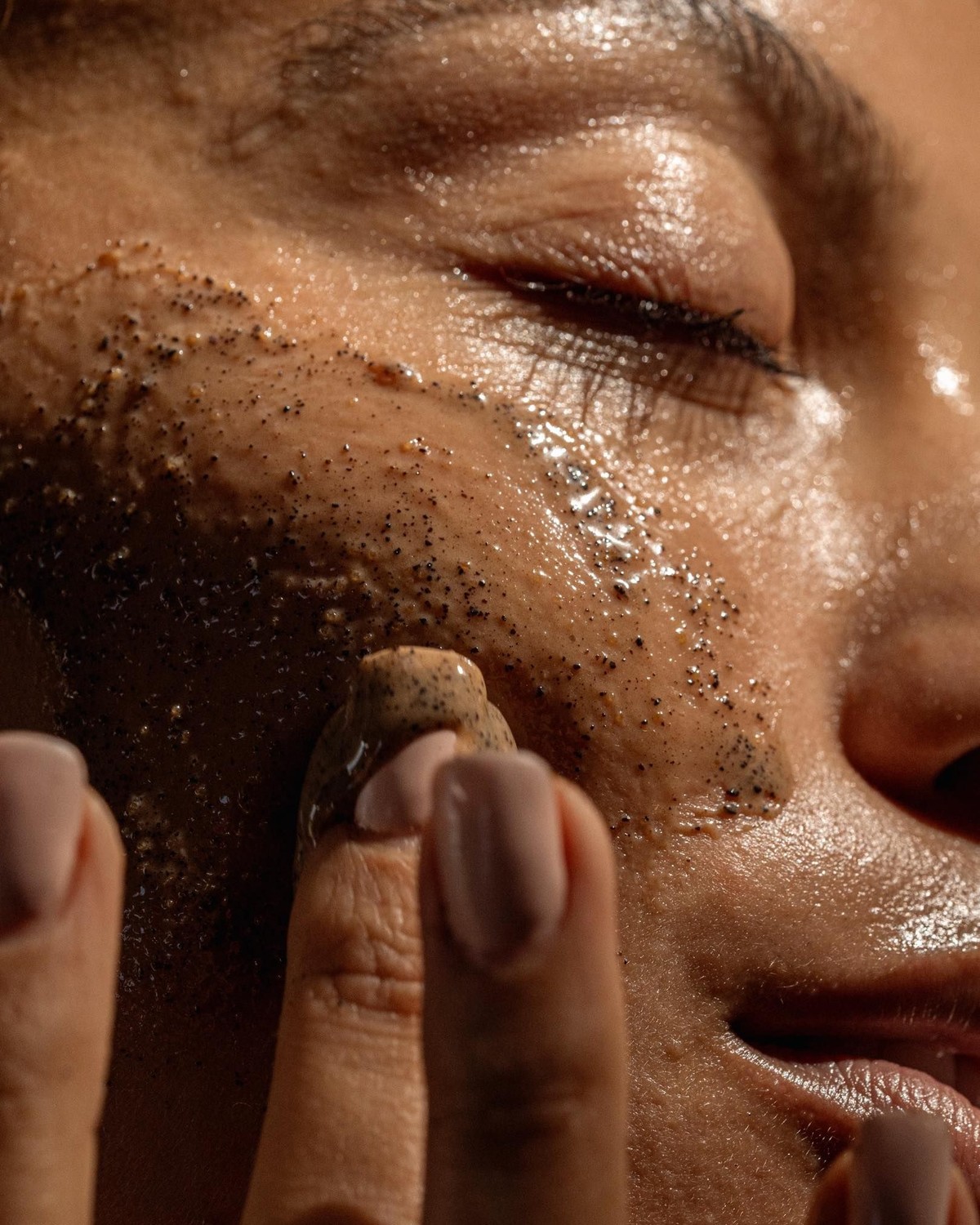
Best Exfoliator for Acne: Salicylic Acid or a Scrub?
Start with the gentlest path
For acne-prone skin, the best exfoliator for acne is a mild salicylic-acid option you tolerate, not a scrub you have to press into a breakout. Salicylic acid opens clogged pores and exfoliates; it can help with whiteheads and pimples. Acne-prone skin may do better with a washcloth and mild chemical exfoliator than mechanical scrubbing, which can irritate. If you already use a retinoid, retinol or benzoyl peroxide, adding exfoliation can worsen dryness or even breakouts, so keep the routine simple.
Rinse-off formulas can be appealing if leave-on acids feel like too much, but they are not all the same. Kiehl's Clearly Corrective Brightening & Exfoliating Daily Cleanser uses Pearlstone, a volcanic-ash-derived physical exfoliant, so I think of it as a cleansing texture step rather than an acne treatment. Clinique's Exfoliating Face Scrub combines salicylic acid with silica and is labeled for oily skin; its directions say to avoid active breakouts. That caveat makes it a poor pick for a painful flare, even if oiliness is part of your skin story.
I would start with one active, not stack a scrub on top of acne medication. If you are unsure how your prescription fits with exfoliation, ask your dermatologist before adding another step.
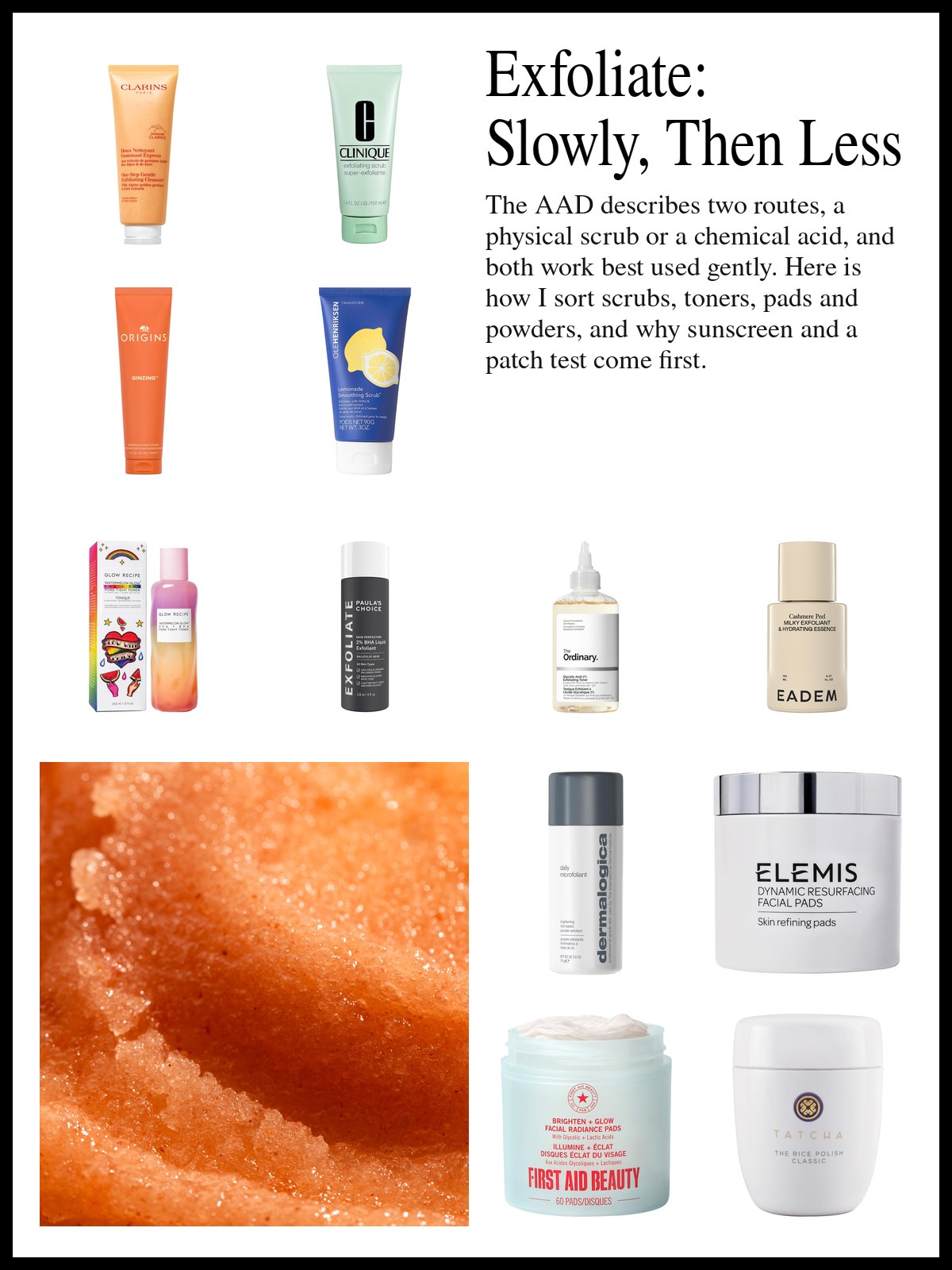
Scrubs and exfoliating cleansers
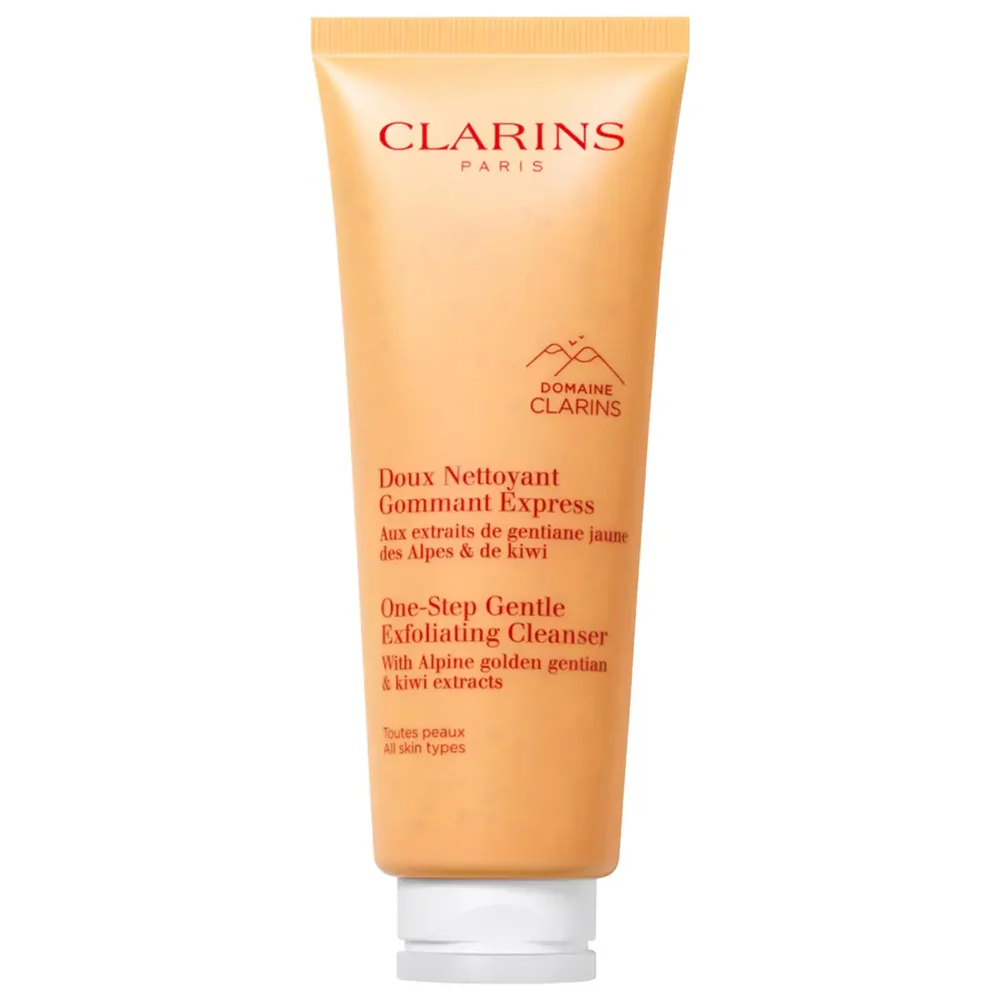
One-Step Gentle Exfoliating Cleanser
Clarins
$40
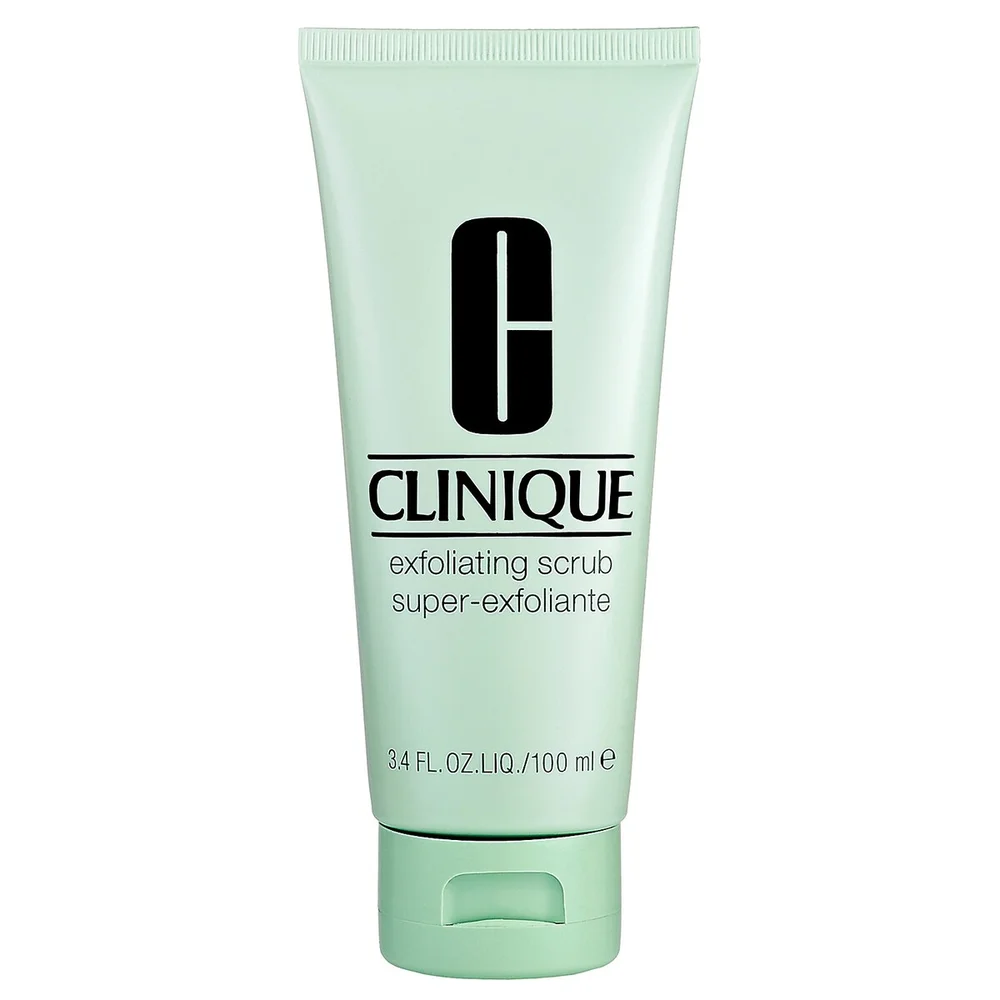
Exfoliating Face Scrub with Salicylic Acid
Clinique
$30
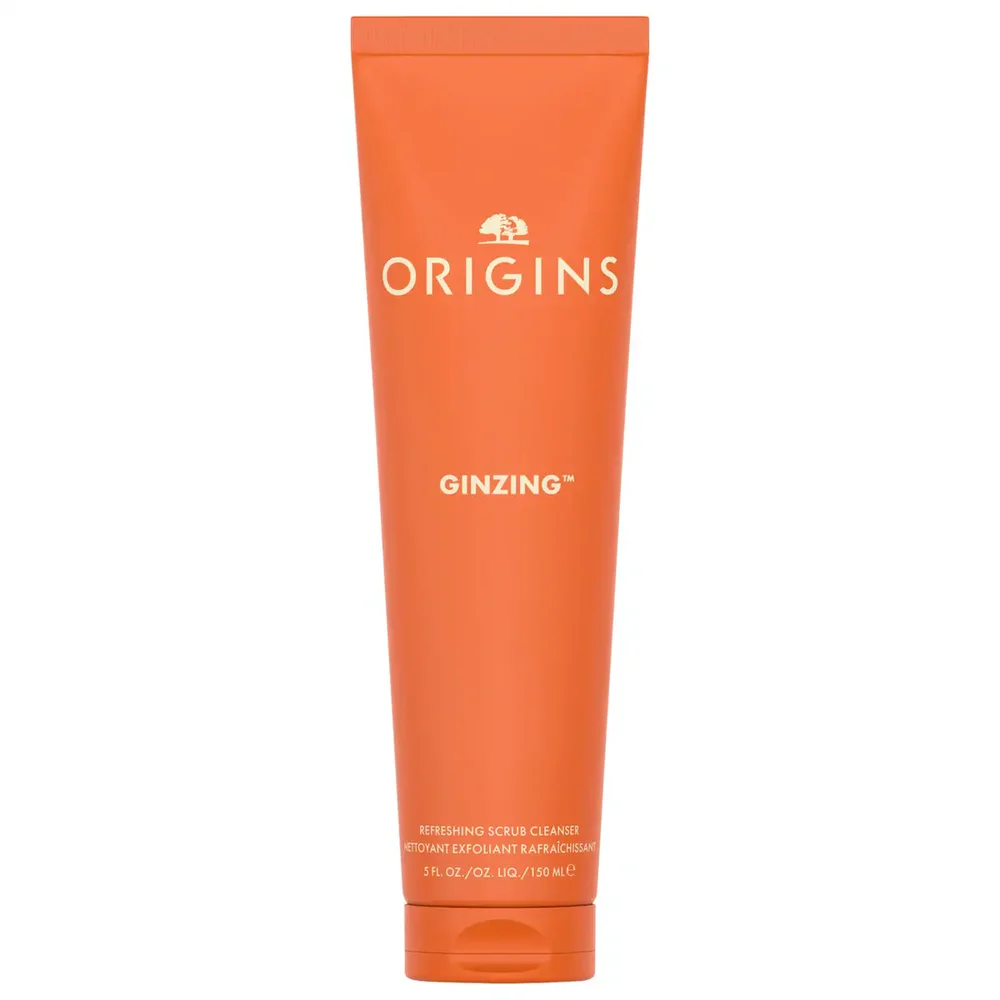
GinZing Refreshing Scrub Cleanser
Origins
$22
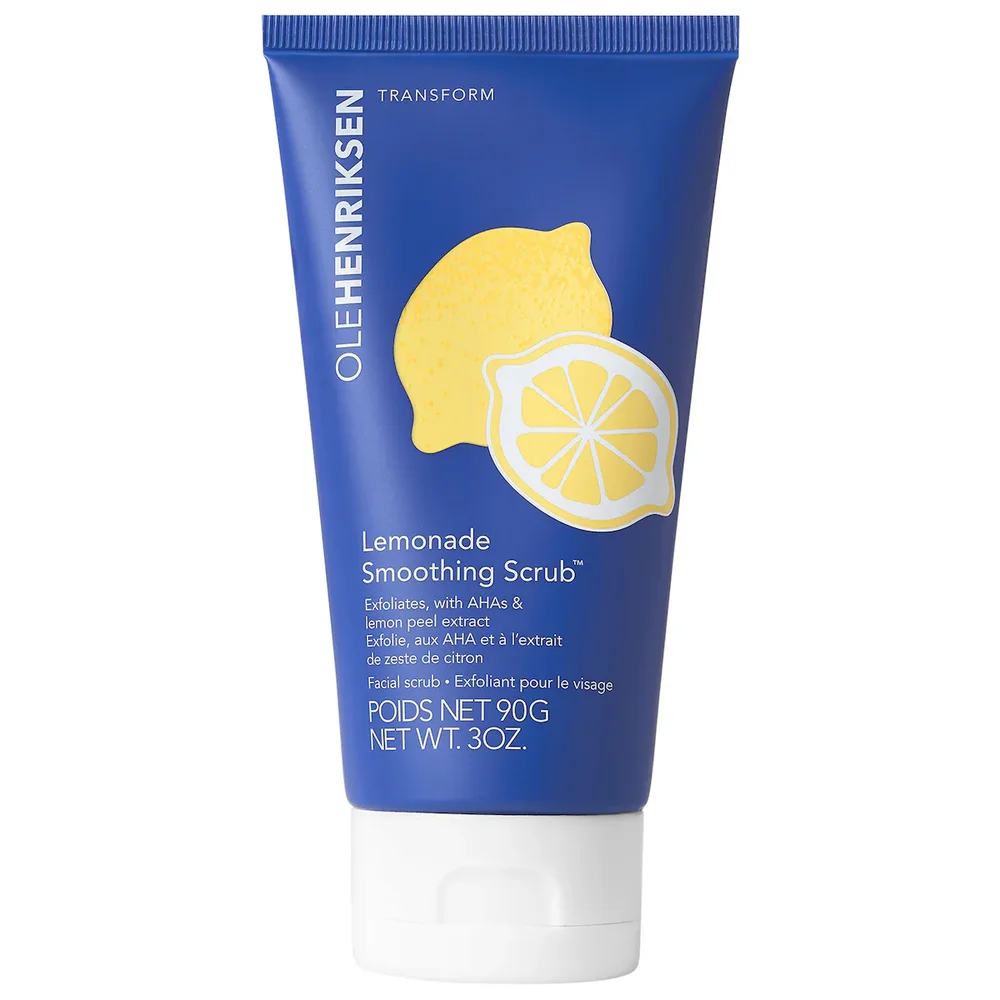
10% AHA Lemonade Smoothing Scrub
OLEHENRIKSEN
$36
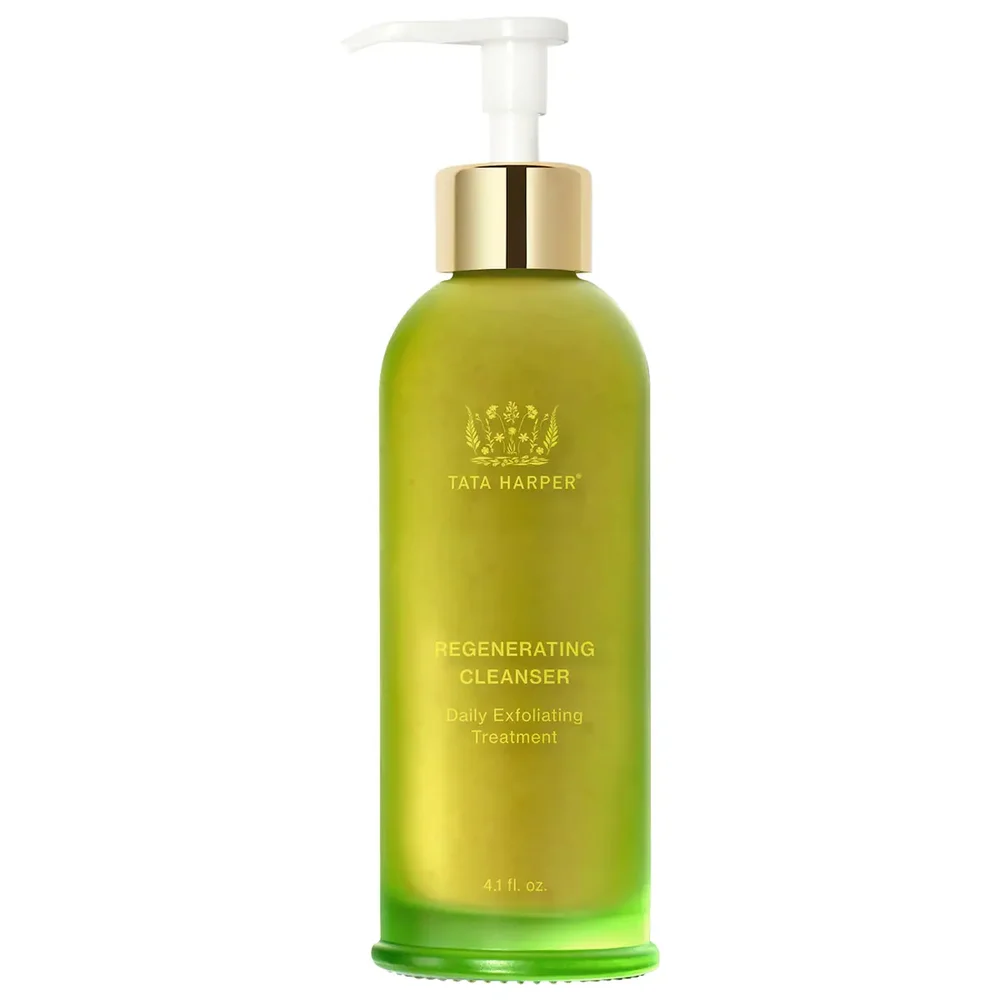
Regenerating BHA Exfoliating Cleanser
Tata Harper
$88
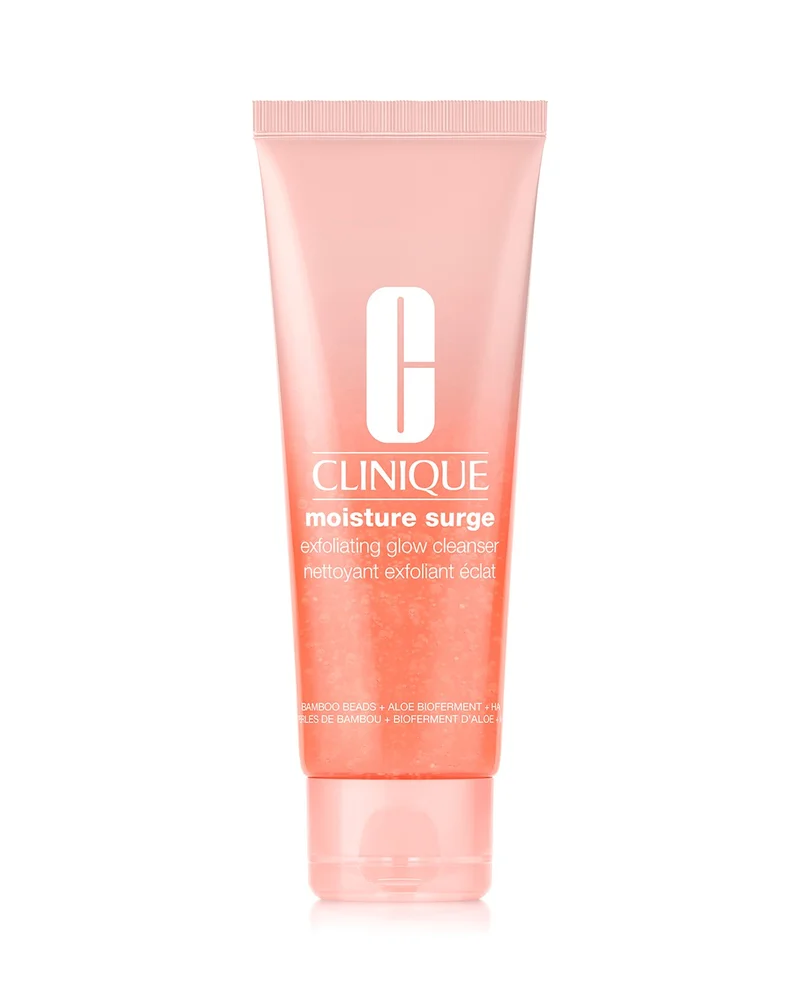
Moisture Surge Gentle Exfoliating Glow Face Cleanser
Clinique
$29
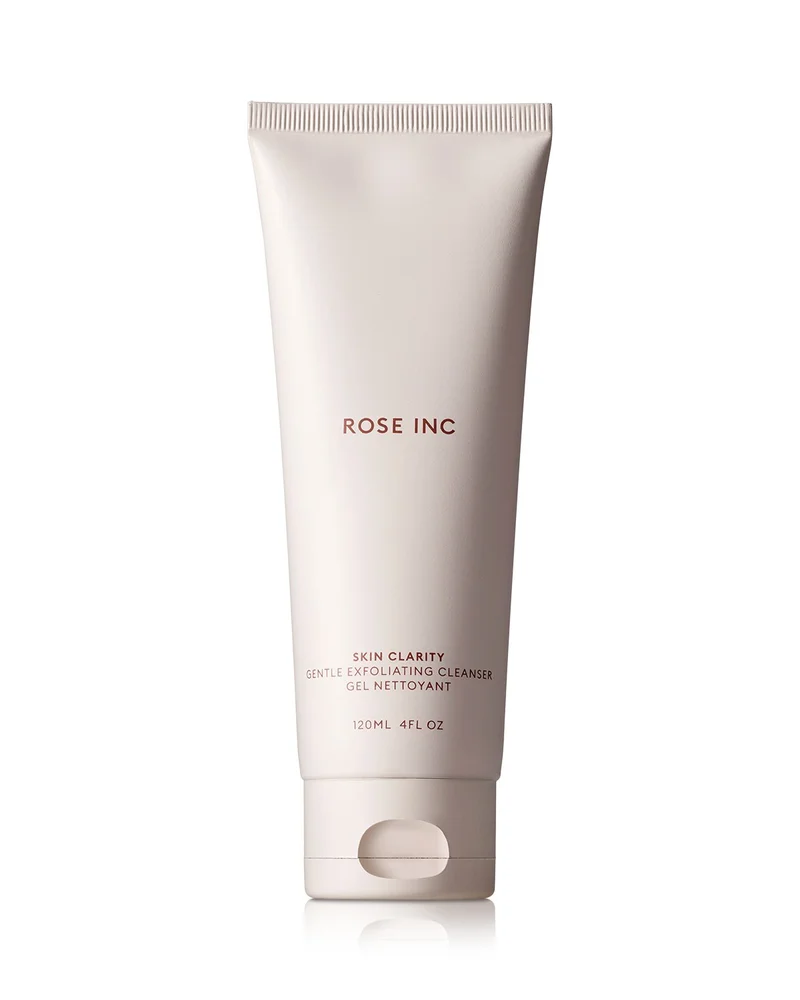
Skin Clarity Gentle Exfoliating Cleanser
Rose Inc
$36
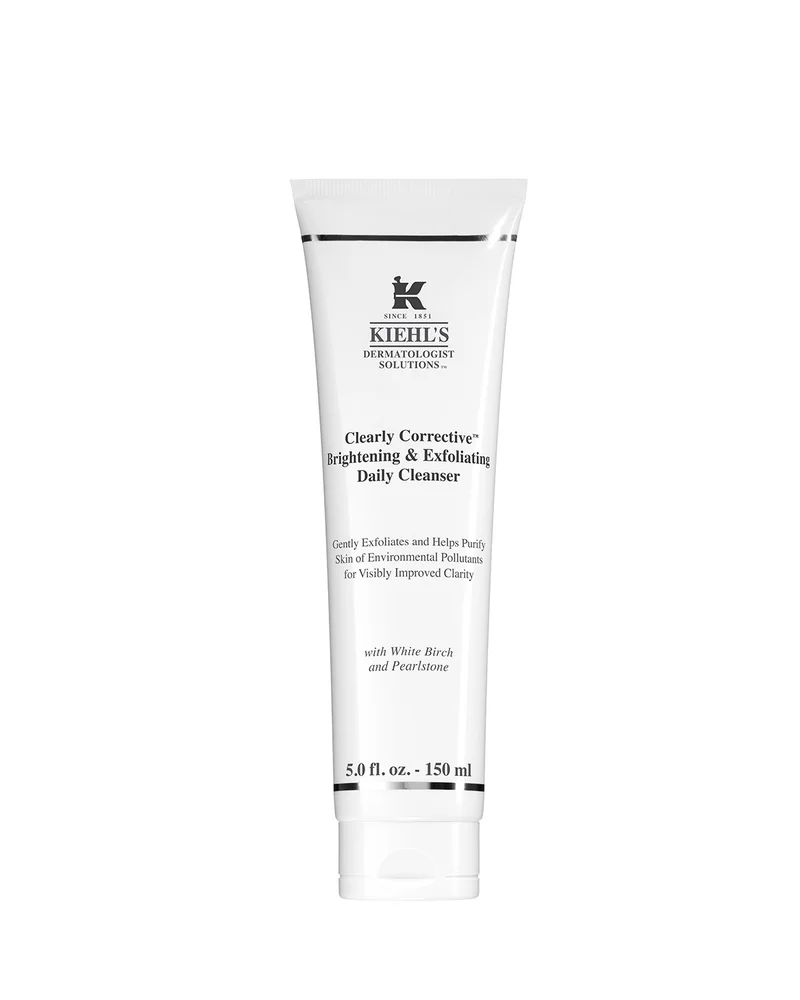
Clearly Corrective Brightening & Exfoliating Daily Cleanser
Kiehl's
$39
Liquids for clogged pores, not acid stacking
Leave-on liquids make sense to me when congestion, blackheads or whiteheads are the concern, because I can choose one acid and watch how my skin responds. Paula's Choice Skin Perfecting 2% BHA Exfoliating Toner is the most directly aligned option here: it is a lightweight liquid with 2% BHA, or salicylic acid, and the brand describes it as a pore-focused exfoliant. I would introduce it gradually rather than pairing it on the first night with another acid, retinoid or benzoyl peroxide.
The Ordinary Glycolic Acid 7% Exfoliating Toner is a different tool. Its 7% glycolic acid exfoliates surface cells and is aimed at texture, but the brand says not to use it on sensitive, peeling or compromised skin. It would not be my first choice for clogged pores. Since glycolic acid is an AHA, protect skin from the sun while using it. If you are comparing exfoliating textures more broadly, The Best Exfoliator for Your Skin, and the Scrub That Went to Court is useful context; for acne, I still start with the ingredient rather than the format.
Acid toners and liquid exfoliants
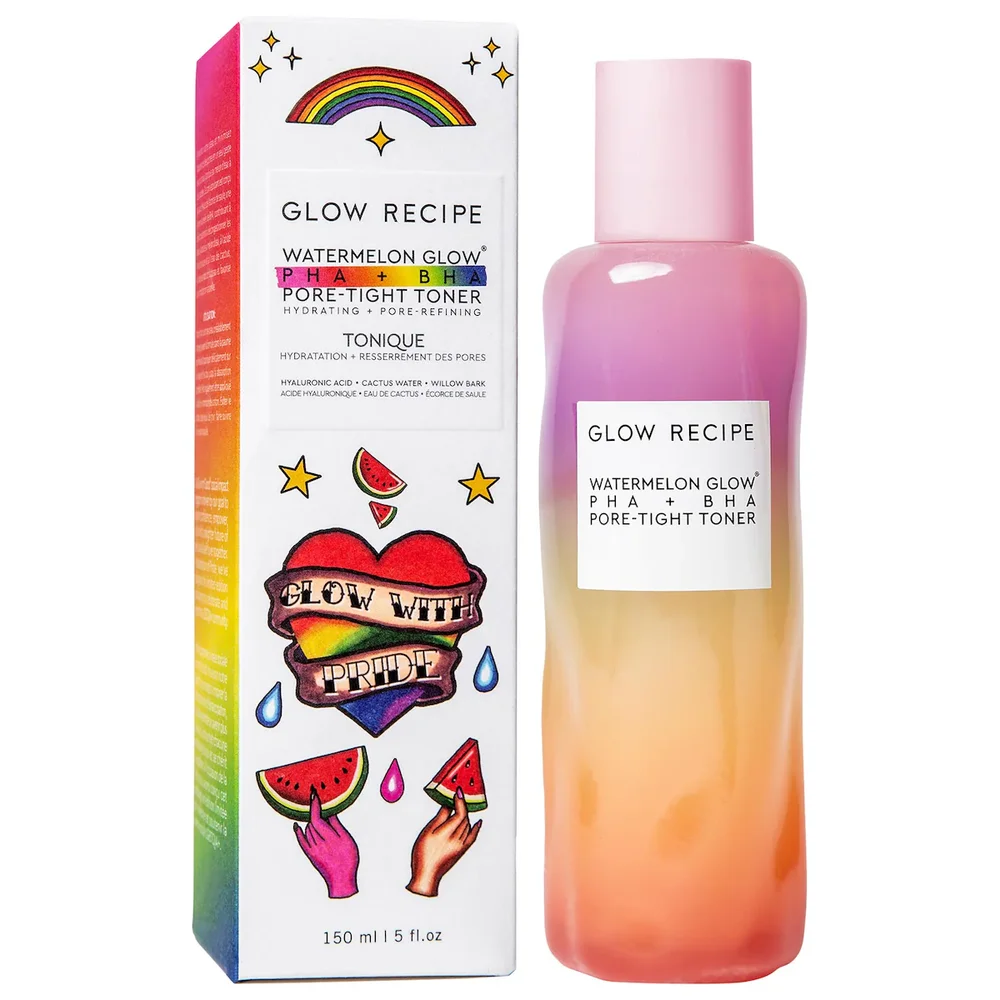
Watermelon Glow PHA + BHA Pore-Tight Toner
Glow Recipe
$36
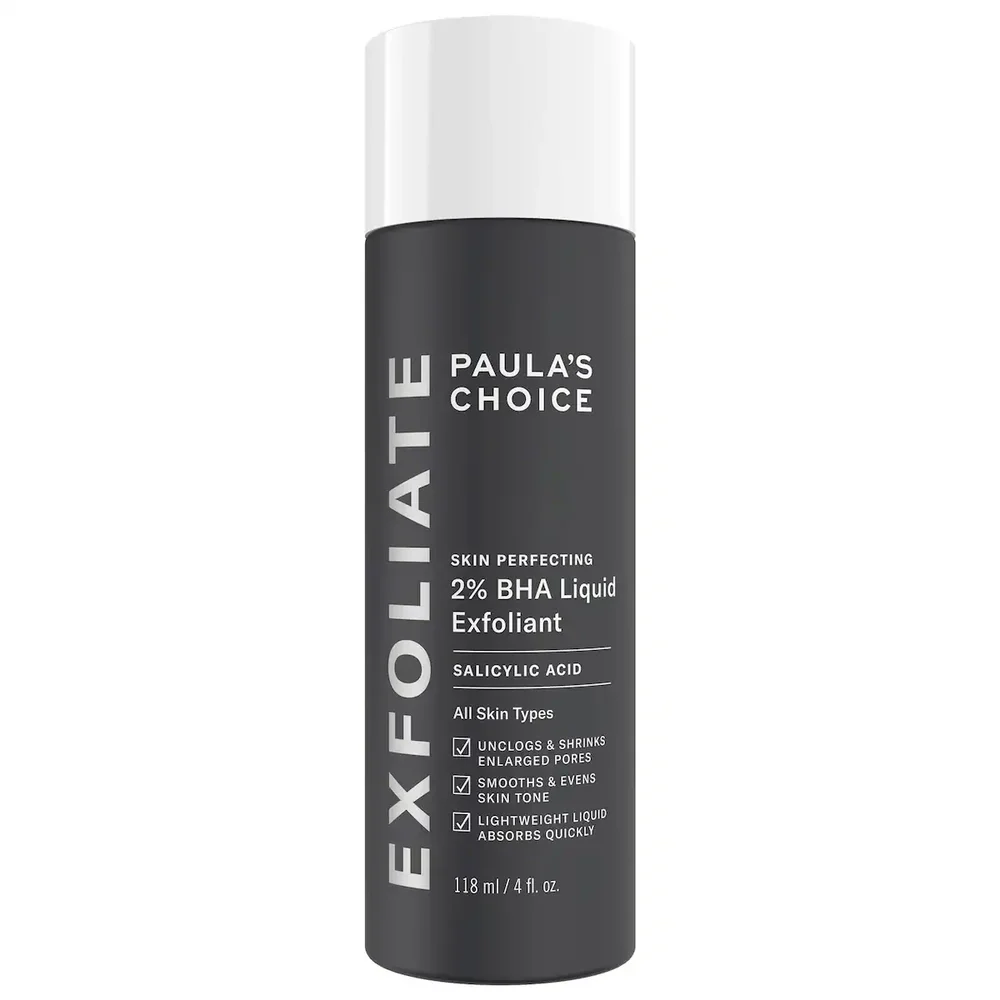
Skin Perfecting 2% BHA Exfoliating Toner for Clear Skin
Paula's Choice
$37
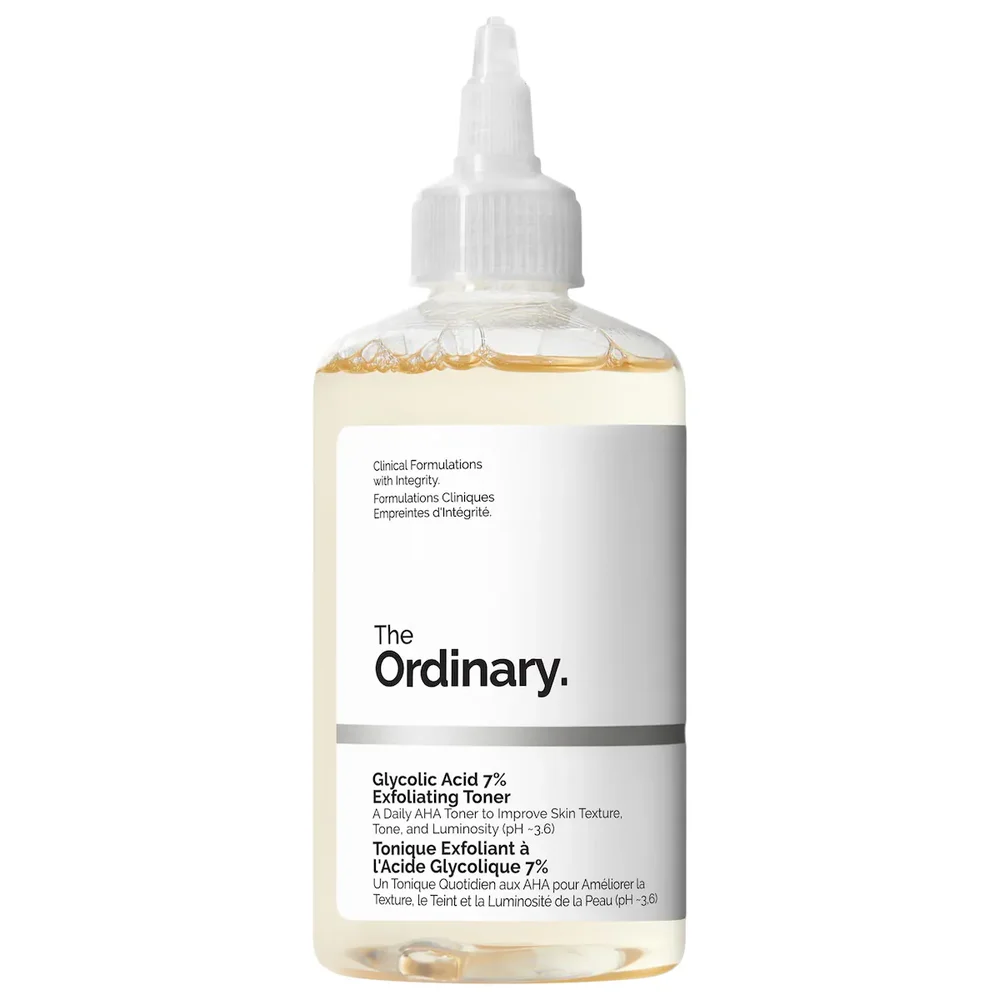
Glycolic Acid 7% Exfoliating and Brightening Daily Toner
The Ordinary
$13.50
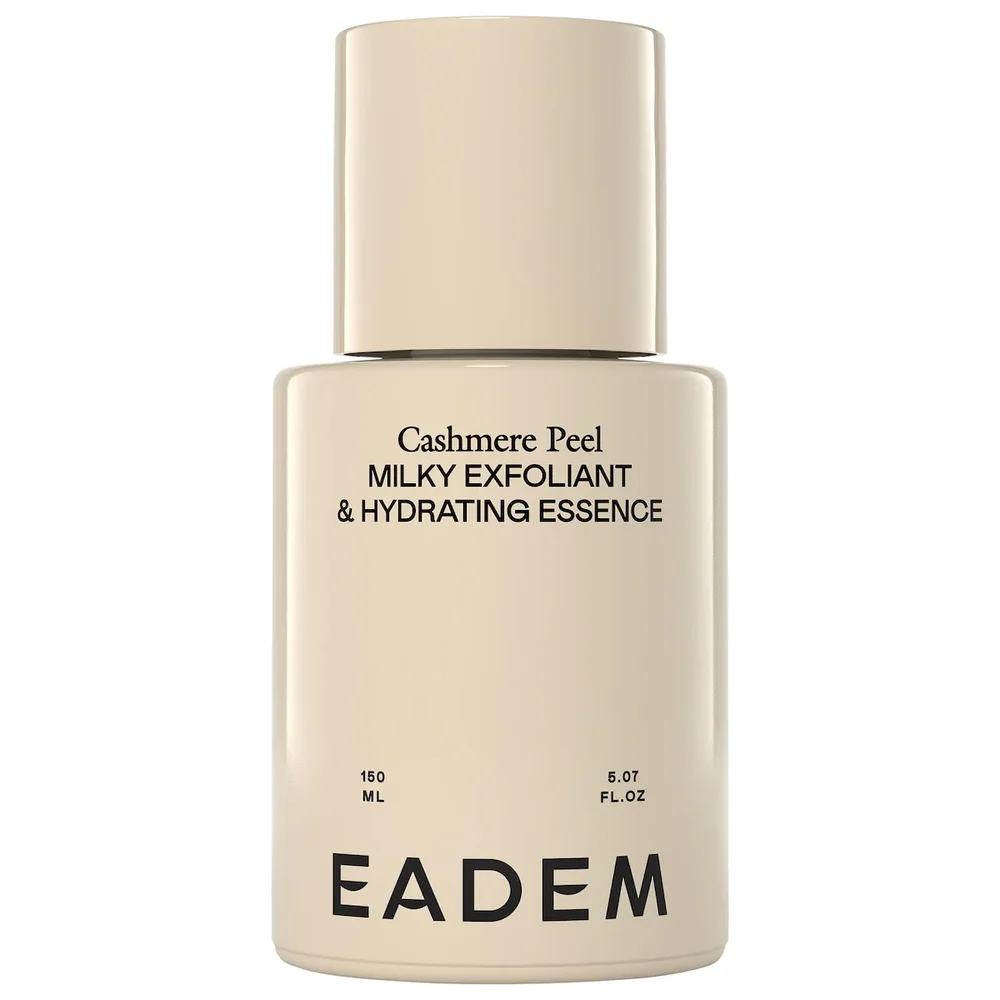
Cashmere Peel Milky Exfoliant & Hydrating Essence — Daily AHA + PHA Formula with 9% Azelaic, Lactic & Tranexamic Acids
Eadem
$42
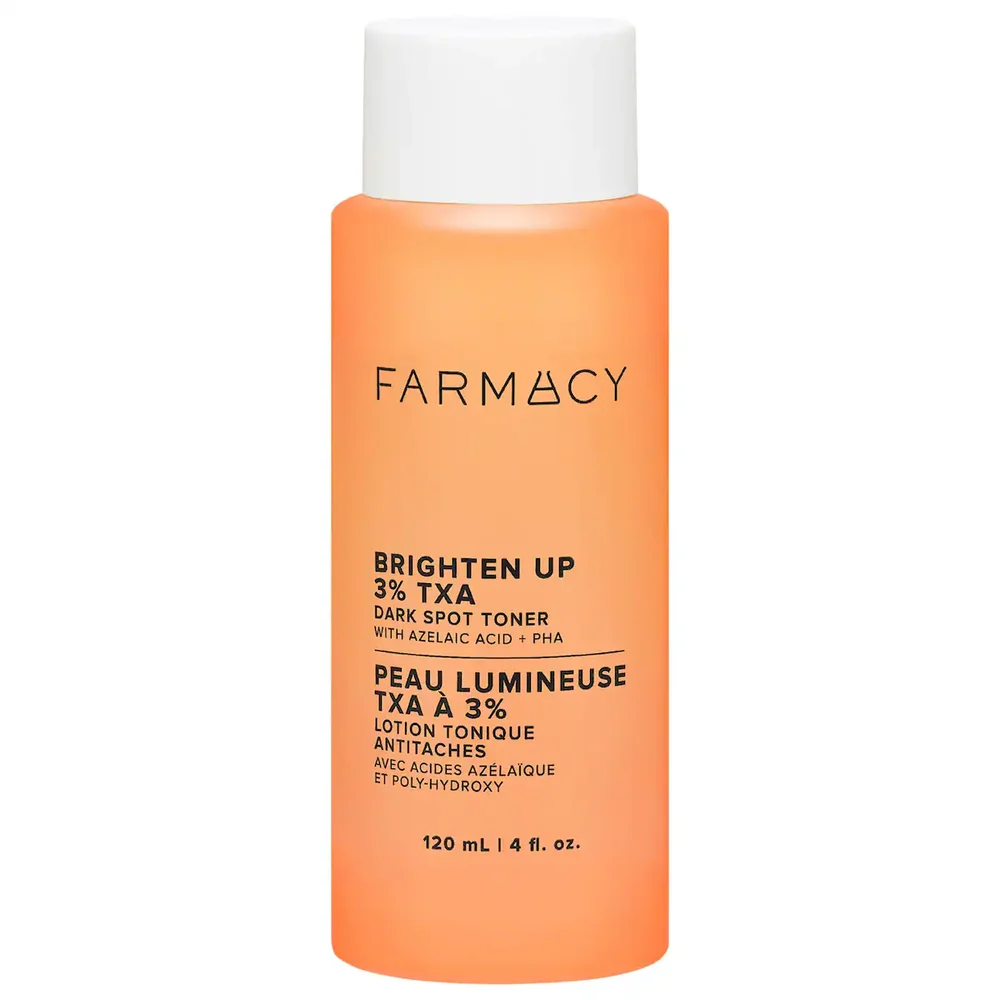
Brighten Up 3% TXA Dark Spot Toner with Azelaic Acid
Farmacy
$34
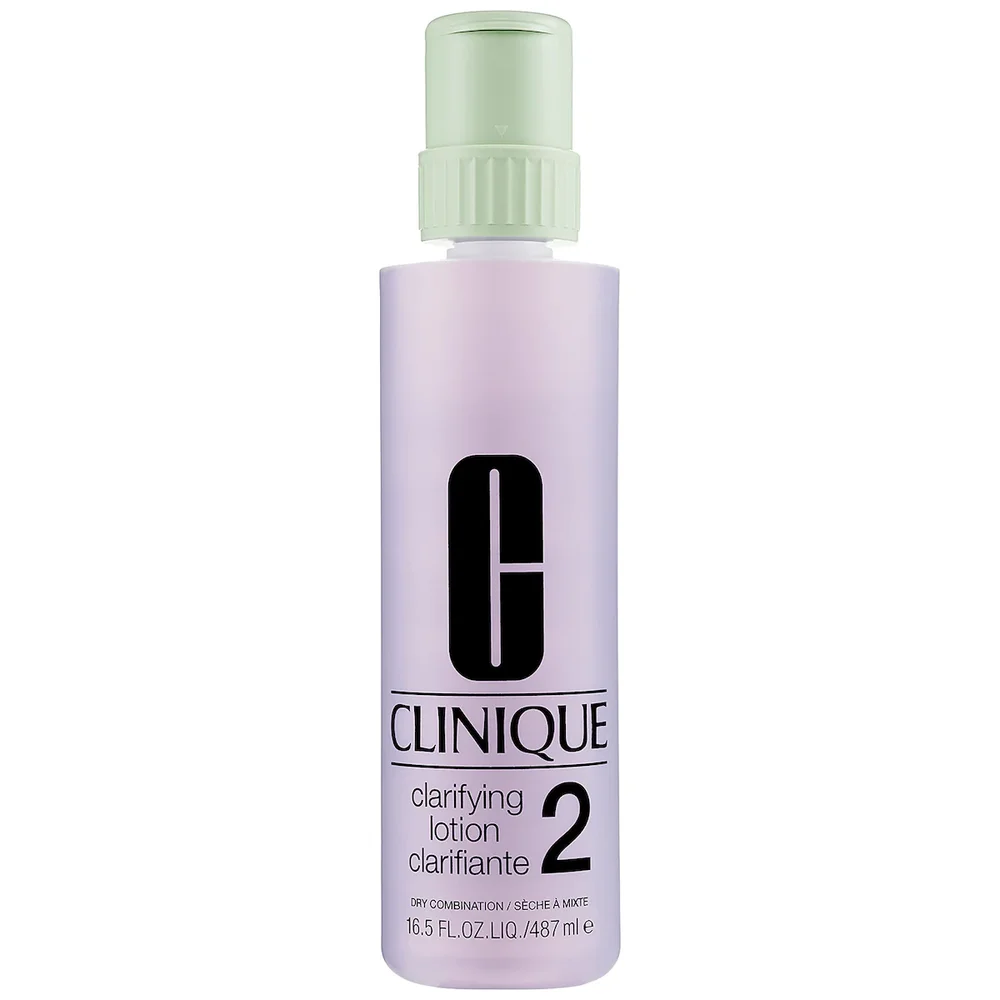
Clarifying Face Lotion 2 Toner for Gentle Exfoliation of Dry Combination Skin
Clinique
$43
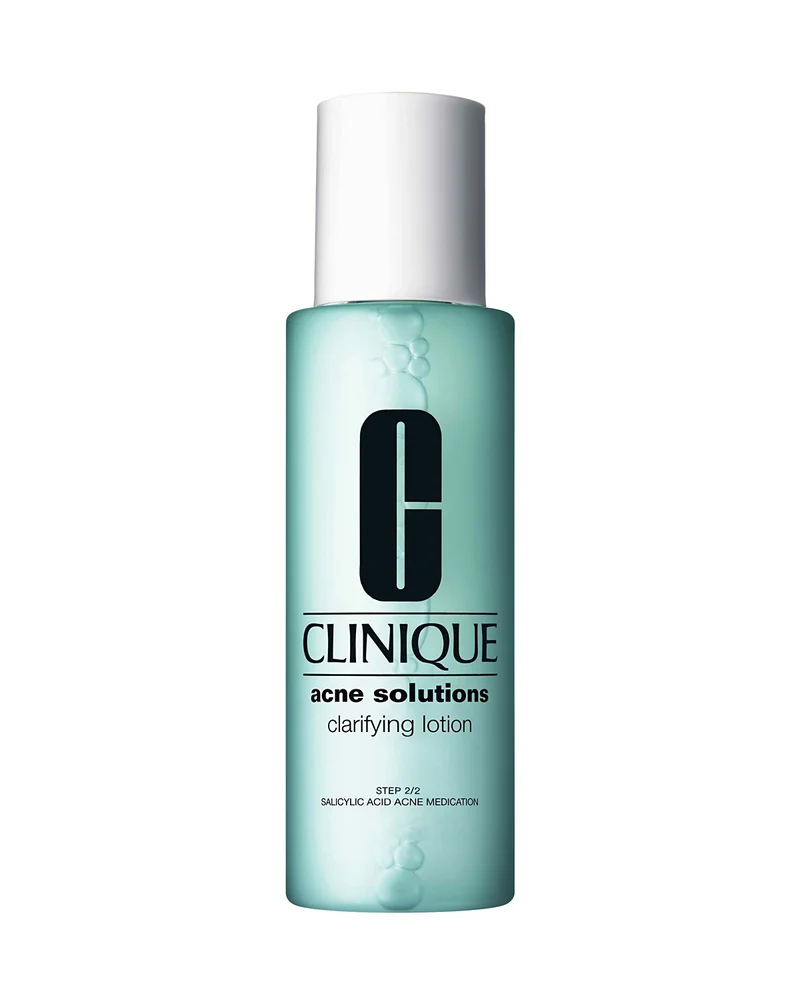
Acne Solutions Clarifying Lotion
Clinique
$23
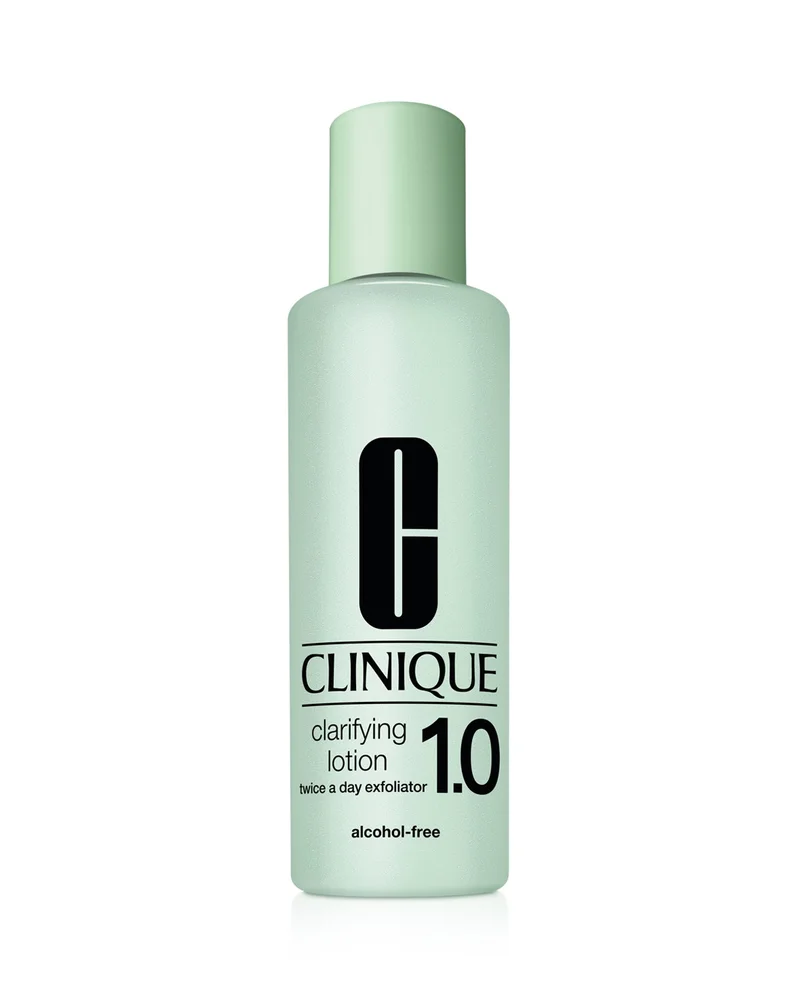
Clarifying Lotion Twice a Day Exfoliator 1.0
Clinique
$37
Pads and powders still count as actives
Pads and powders can feel easy to portion, but I still count each as an active exfoliation step. Dr. Dennis Gross Alpha Beta Extra Strength Exfoliating AHA/BHA Peel Pads contain seven acids, including salicylic, glycolic and lactic acids. The brand positions the two-step peel for advanced users and oily or acne-prone skin. That sounds potent enough that I would skip it if you are new to acids or already using prescription acne treatments.
Dermalogica Daily Microfoliant is a rice-based powder that activates with water and includes papain and salicylic acid. The brand suggests that newcomers or people with sensitive skin start every other day, and advises against using it alongside prescribed acne or vitamin A-derived exfoliants. I like the measured powder format in theory, but water-activated is still exfoliation, not permission to scrub longer. Choose one product from this group, follow its directions and rinse completely. If it stings or redness lingers, pause instead of adding another pad or powder.
Peel pads and enzyme powders
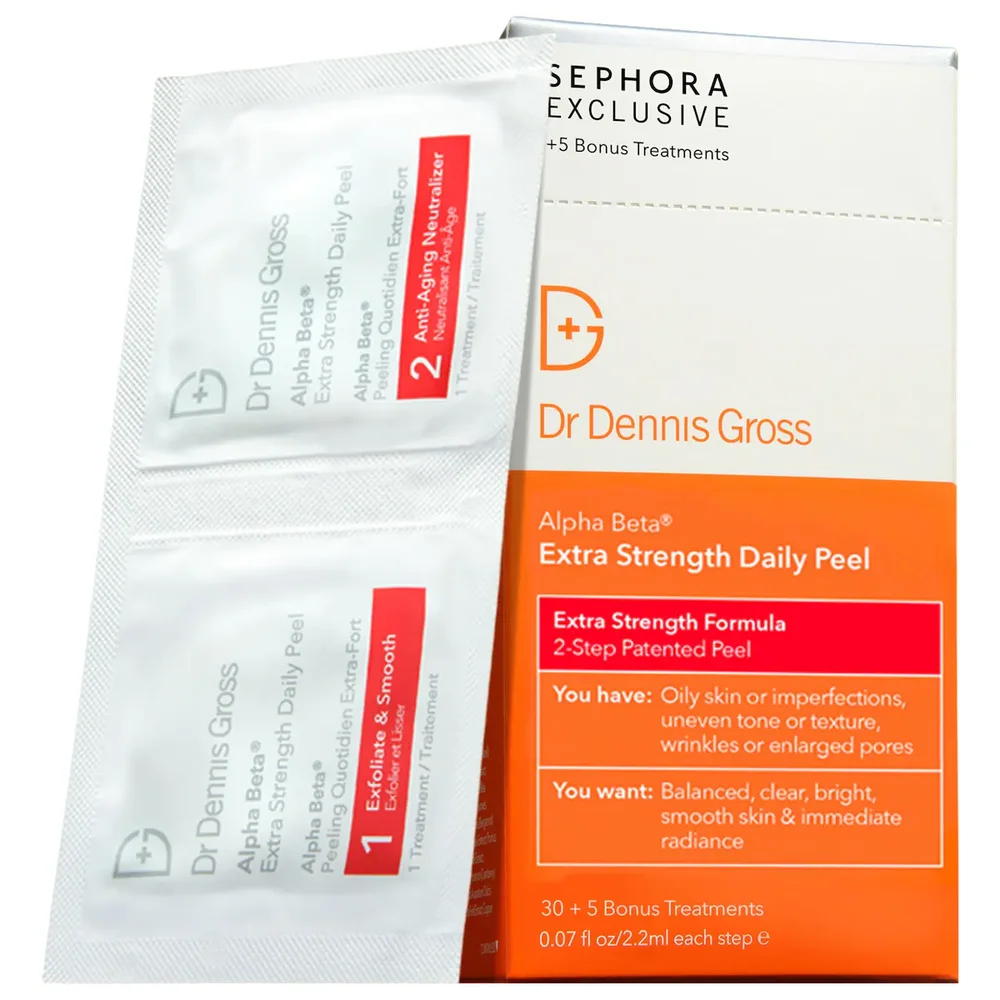
Alpha Beta Extra Strength Exfoliating AHA/BHA Peel Pads for Pores, Dark Spots & Texture
Dr. Dennis Gross
$94
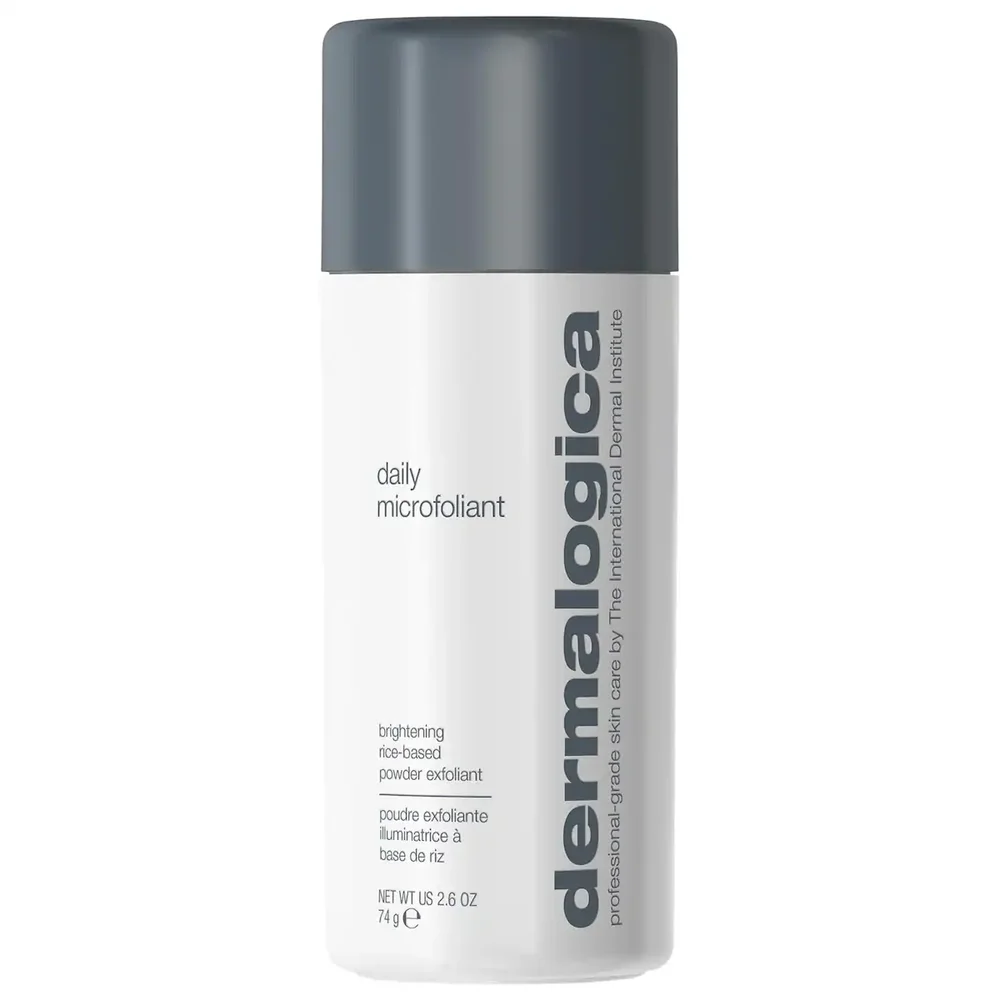
Daily Microfoliant, Salicylic Acid Powder Exfoliator for Pores, Spots & Uneven Skin Tone
Dermalogica
$69
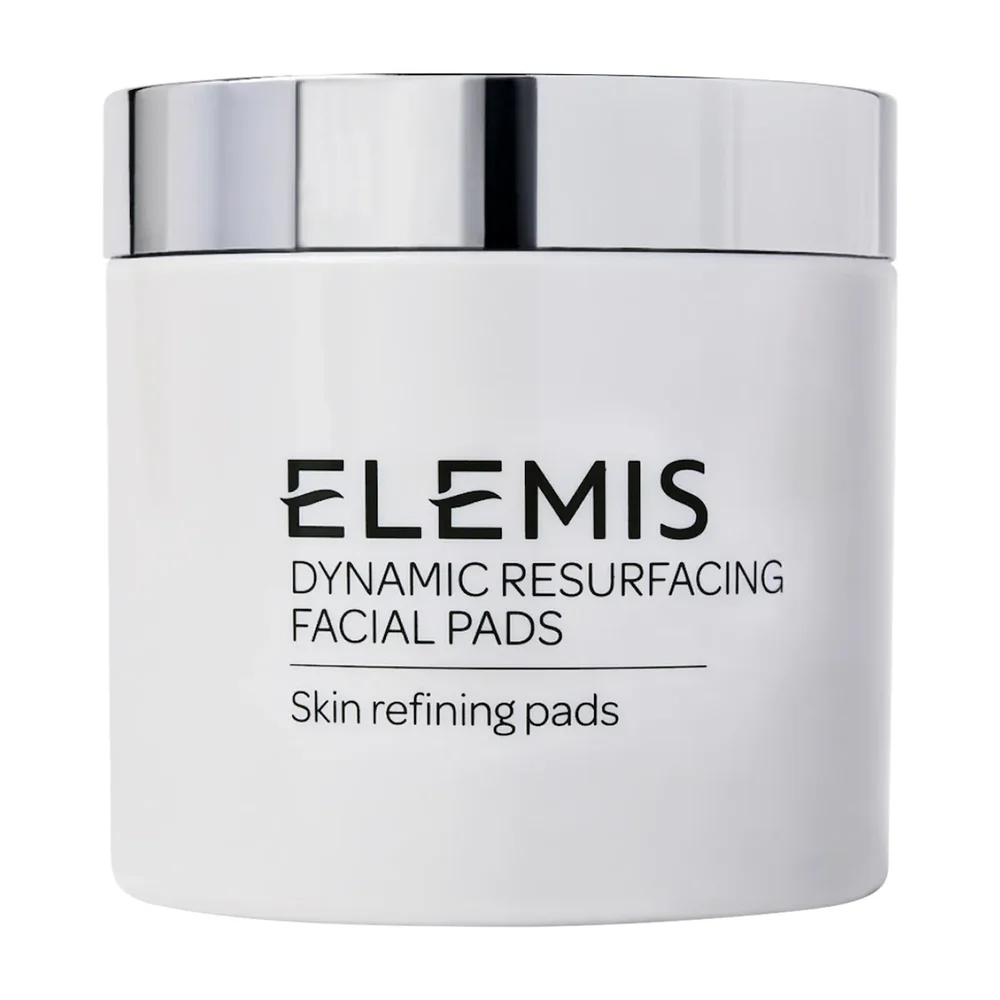
Dynamic Gentle Resurfacing Pads with Lactic Acid
Elemis
$69
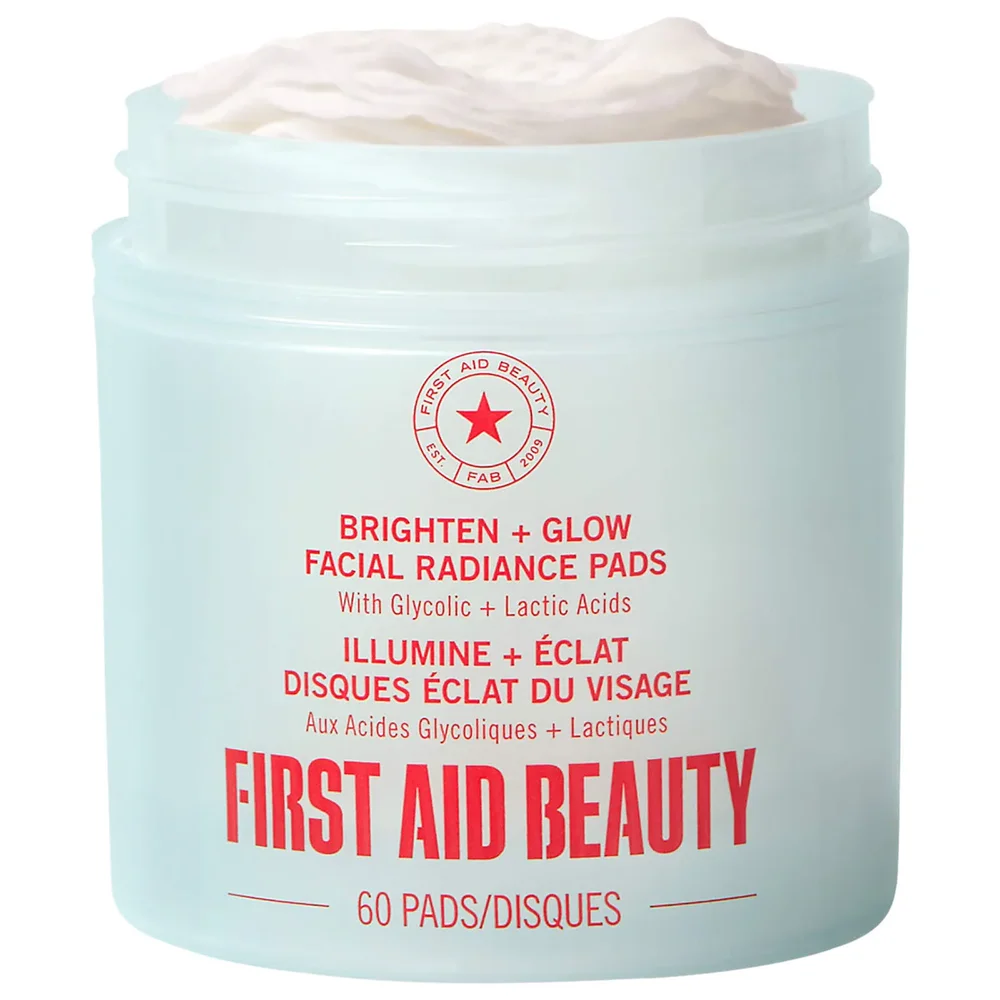
Brighten + Glow Facial Radiance Pads with Glycolic + Lactic Acids
First Aid Beauty
$39
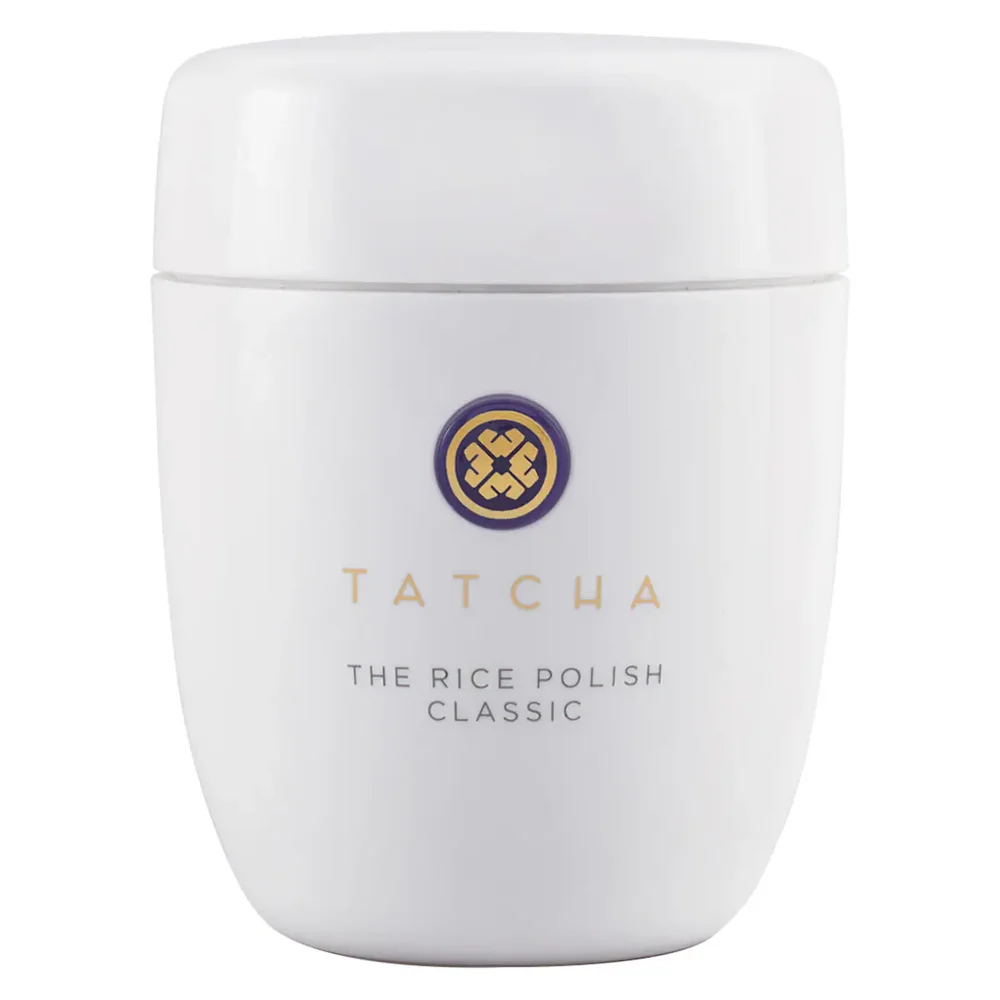
The Rice Polish Foaming Enzyme Powder
Tatcha
$69
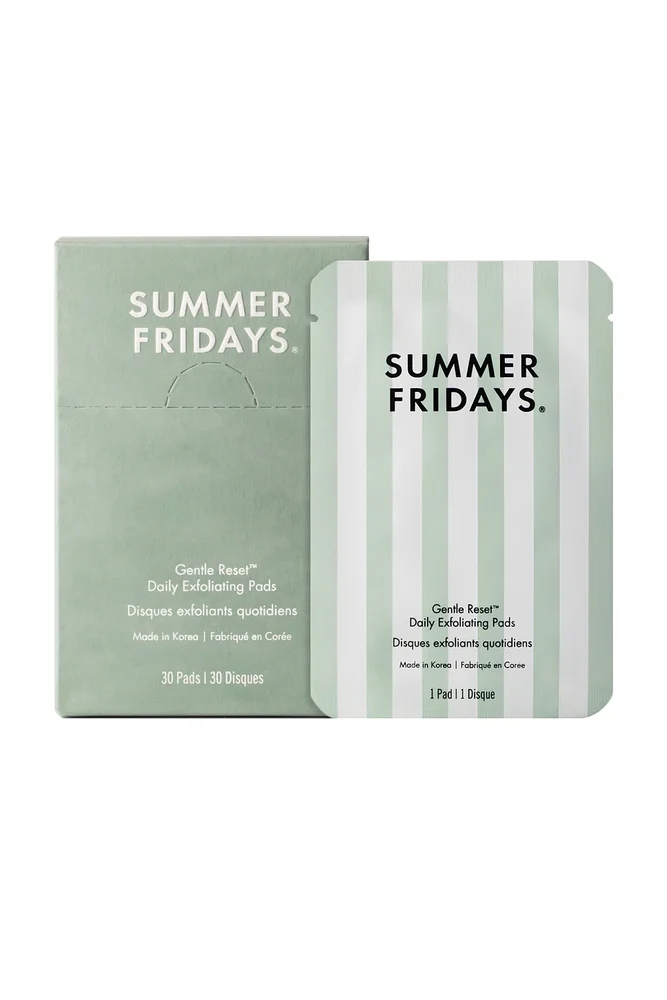
Gentle Reset Daily Exfoliating Pads
Summer Fridays
$42
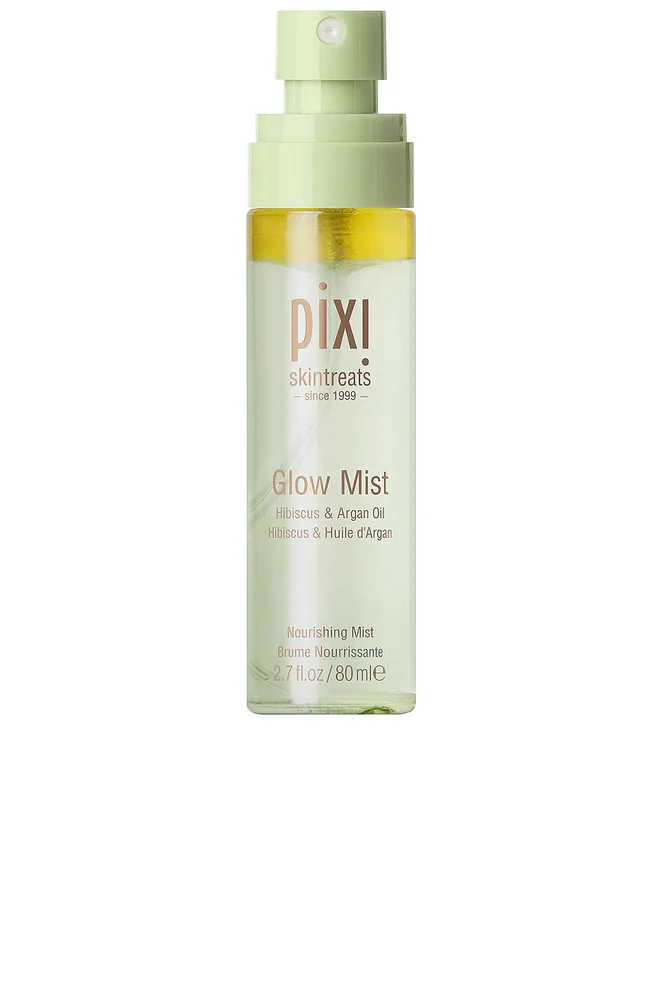
Glow Mist
Pixi
$16
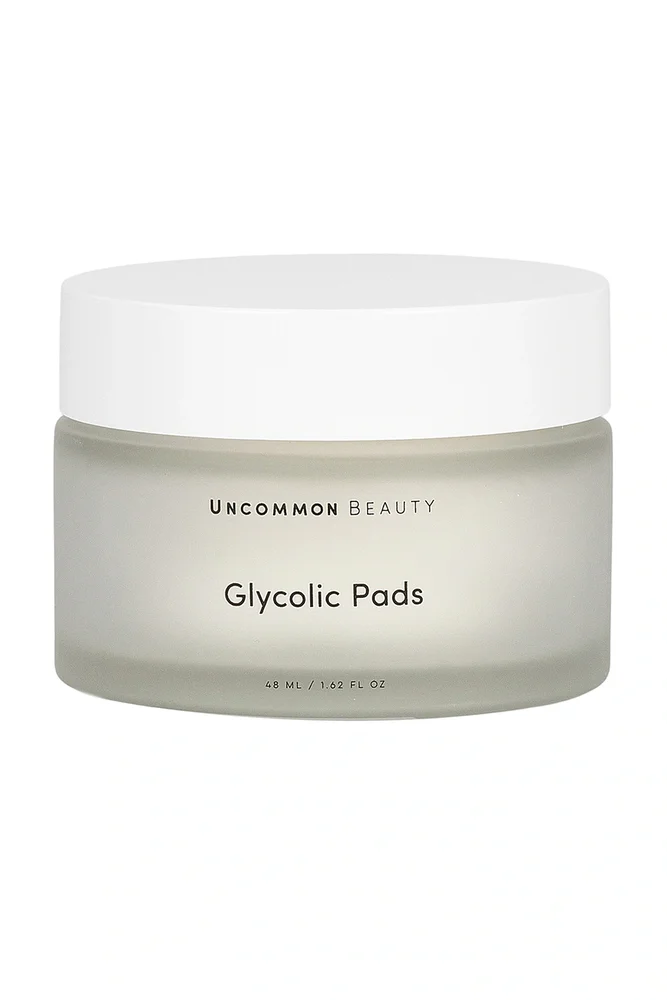
Glycolic Pads
Uncommon Beauty
$45
Questions about exfoliating with acne
What is the best exfoliator for acne-prone skin?
I would start with one mild salicylic-acid product that your skin tolerates. Salicylic acid can open clogged pores and help with whiteheads and pimples.
Is a scrub good for acne?
I would skip scrubbing an active breakout. Acne-prone skin may find mechanical exfoliation irritating, and Clinique's directions say not to use its Exfoliating Face Scrub over active breakouts.
Which exfoliator helps clogged pores?
Salicylic acid is the clearest starting point: it exfoliates and opens clogged pores. Choose one formula and follow its directions rather than stacking several acids.
Is glycolic acid suitable for sensitive acne-prone skin?
The Ordinary says its 7% glycolic toner should not be used on sensitive, peeling or compromised skin. If you use acne medication or have persistent irritation, check with a dermatologist before adding an exfoliant.
A quiet starting routine
Where I would start is with one salicylic-acid product, used according to its label, plus moisturizer; no scrub, toner and peel pad in the same routine. Exfoliation frequency depends on your skin and the method, and stronger methods should be used less often. Moisturize after exfoliating. If you use an AHA, FDA advises sunscreen, protective clothing and limited sun exposure while using it and for a week after stopping.
I would skip exfoliation on open cuts, wounds or sunburned skin, and I would not use it to intensify a painful breakout. For persistent or painful acne, a dermatologist is more useful than another acid because treatment depends on the kind of breakout and your existing routine. If post-breakout marks are the bigger concern, The Best Vitamin C Toners for Acne Scars and Post-Breakout Marks addresses that separate question. This is for someone with occasional clogged pores who wants one cautious addition, not a replacement for prescribed care.