Birkenstock Narrow suits narrow-to-medium feet; Regular suits medium-to-wide feet. Use footbed clearance and strap feel to choose your best fit.

Birkenstock Narrow vs Regular: Which Width Should You Buy?
The width test
Choose Narrow if your feet are narrow to medium and the footbed feels tidy at the sides; choose Regular if you need more room through the forefoot or usually buy medium-to-wide shoes. For anyone asking birkenstock narrow vs regular, start with width rather than reaching for a different size: the US fit guide maps women's Narrow to A-B and Regular to C-D. The brand says Narrow fits most women's feet, but that is a starting point, not a universal rule.
If you are searching birkenstock wide vs narrow, remember that Birkenstock calls its wider footbed Regular, not Wide. The practical test is whether your foot stays inside the footbed edge with a little space for the toes; the fit guide says to leave roughly a quarter inch around your foot and to break the sandals in gradually. I would stand in them and check the forefoot before trusting a label: side pressure points to Regular, while a foot that shifts around is a reason to try Narrow before changing length.
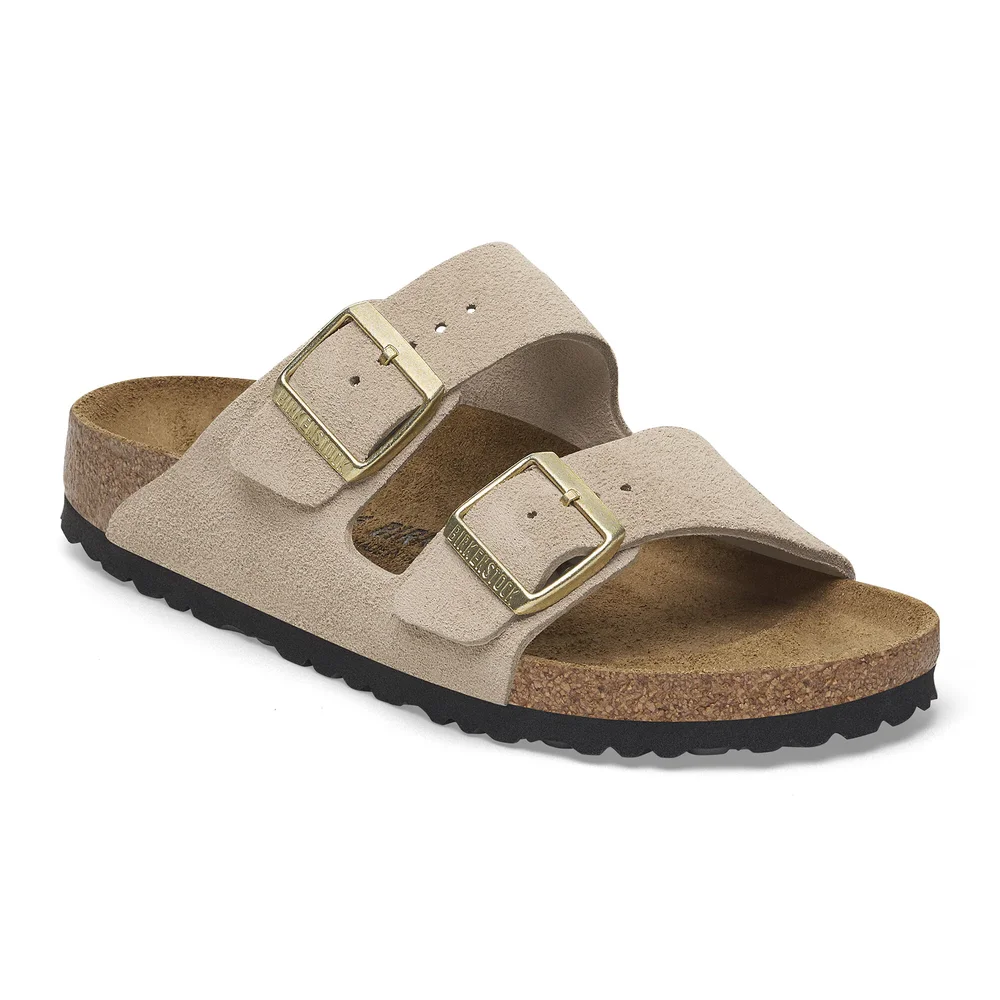
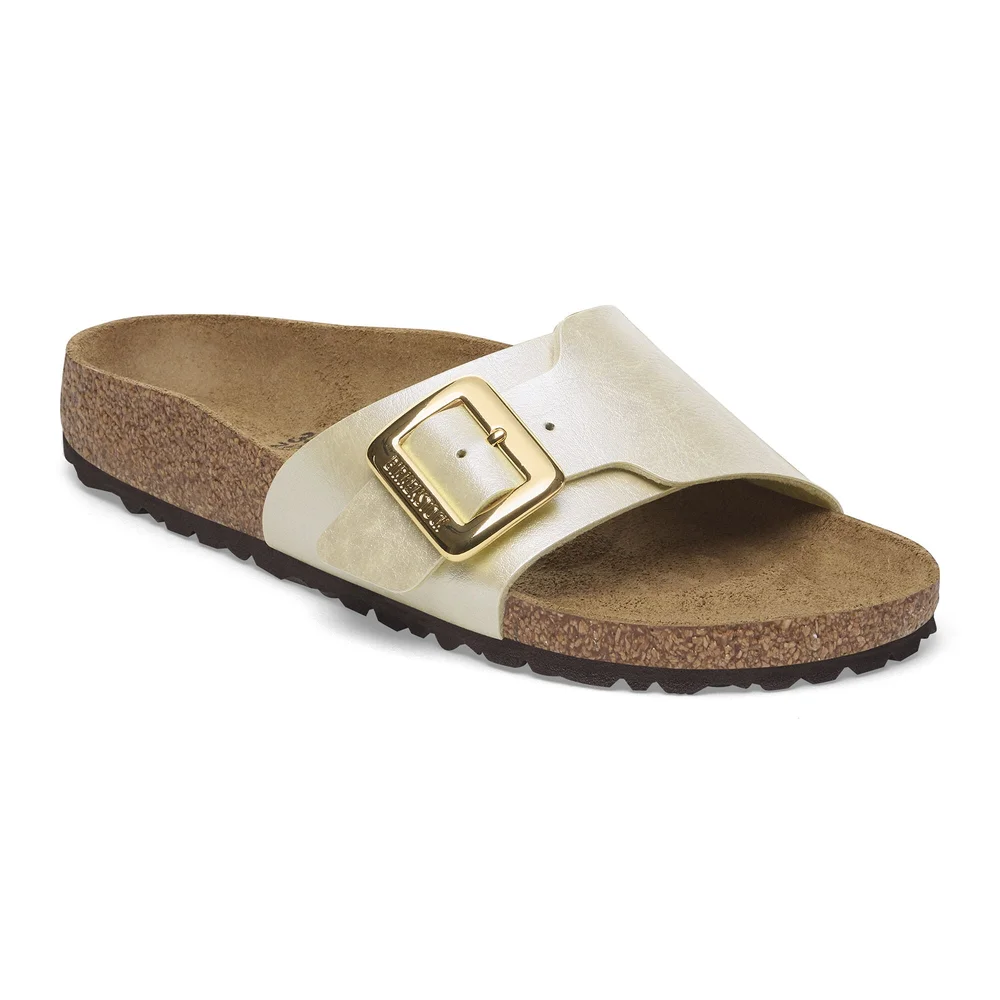
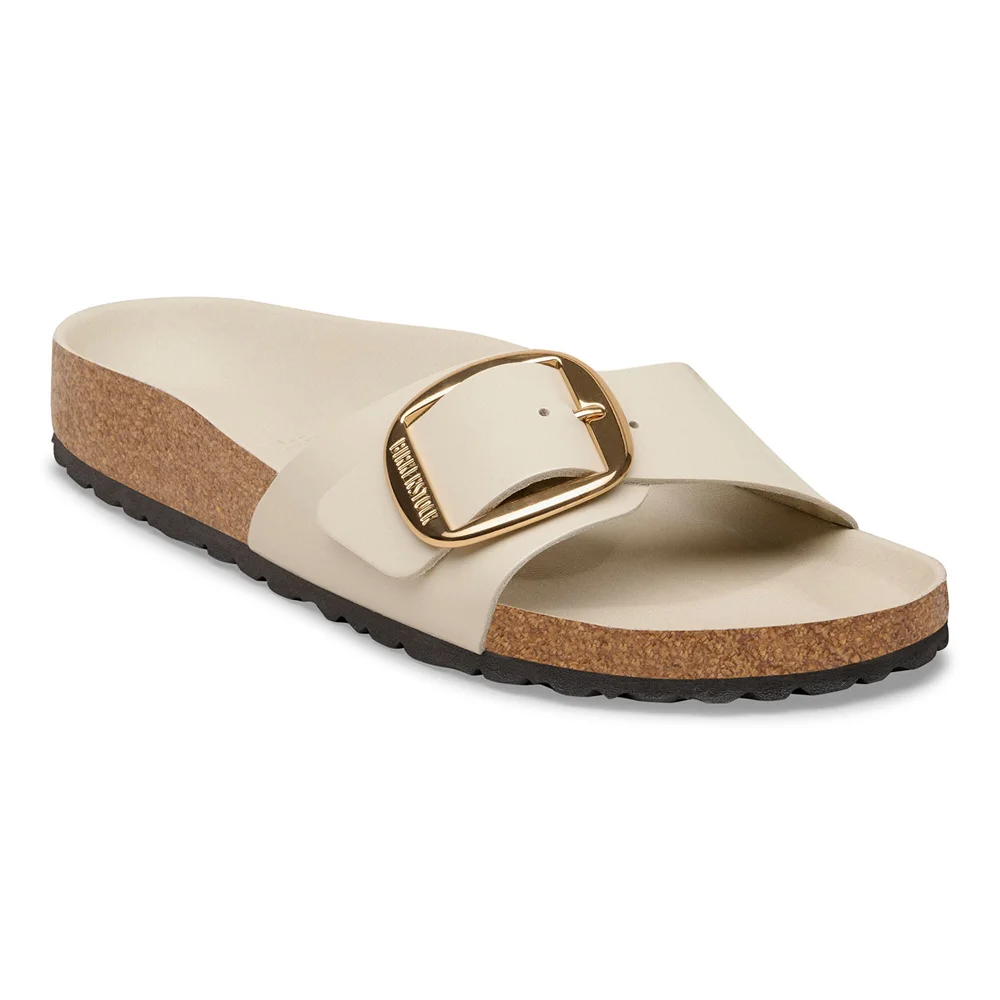
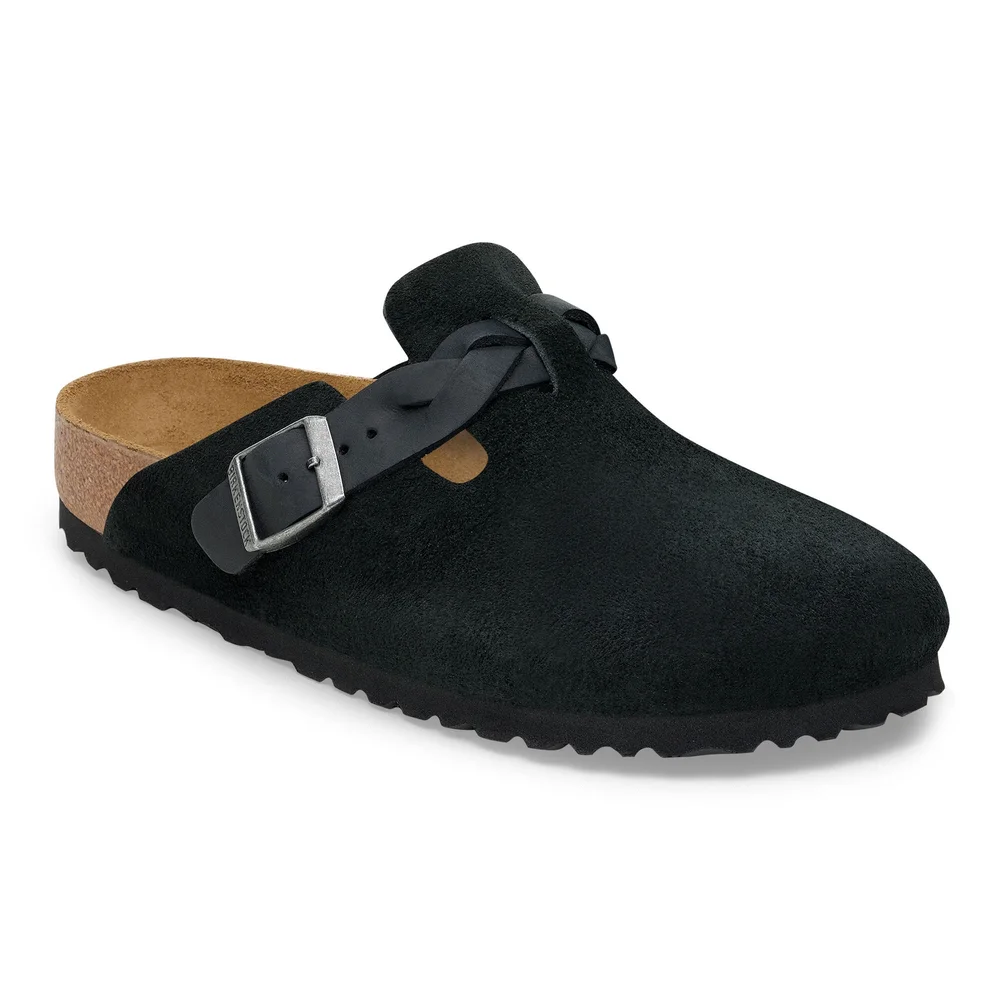
Narrow keeps the outline close
Birkenstock traces its shoemaking roots to 1774, but the useful inheritance for this choice is Konrad Birkenstock's 1902 anatomical insole. Narrow is meant for narrow-to-medium feet, and the brand says it fits most women's feet; I still would not buy it on that sentence alone. This is where the birkenstock regular vs narrow question becomes practical: keep the foot centered, then see whether any toe or side presses the edge.
Arizona Suede is the classic two-strap shape in soft suede. Catalina Luxe Buckle is a single-strap slide with a shimmery Birko-Flor upper, while Madrid Big Buckle High Shine gives that one-strap outline a glossy patent finish. Boston Braid Suede covers the toes and adds a braided suede upper to the clog. My pick for a first Narrow try is the Arizona; the other three are for people who want more coverage, less coverage or a louder buckle.
Regular makes room
Regular is the roomier footbed for medium-to-wide feet, but more space only helps when the shoe stays put. The first Original Birkenstock-Footbed Sandal launched in 1963, Arizona followed in 1973 and Boston in 1976; it is a long history of refining the same foot-first idea, not just changing straps. If the phrase narrow vs regular birkenstock is what brought you here, I would start with Regular if your forefoot feels crowded or you want room for socks.
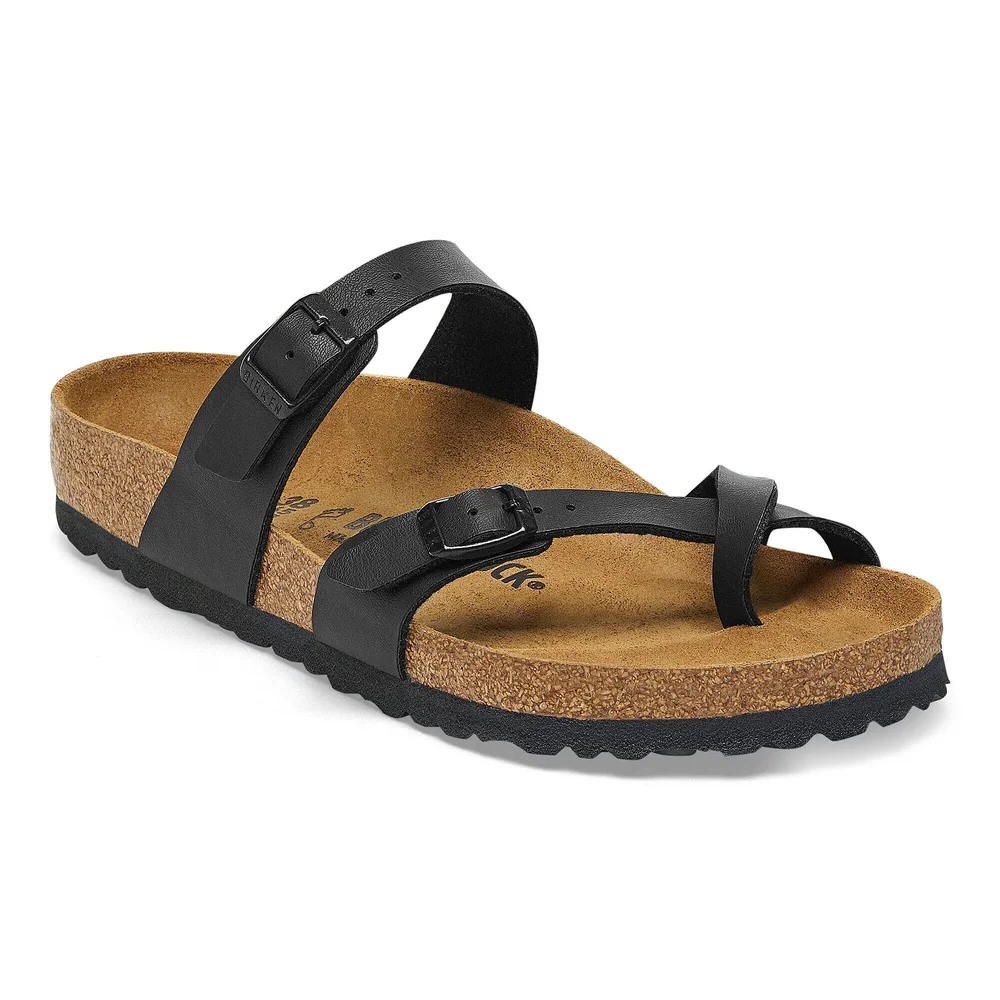
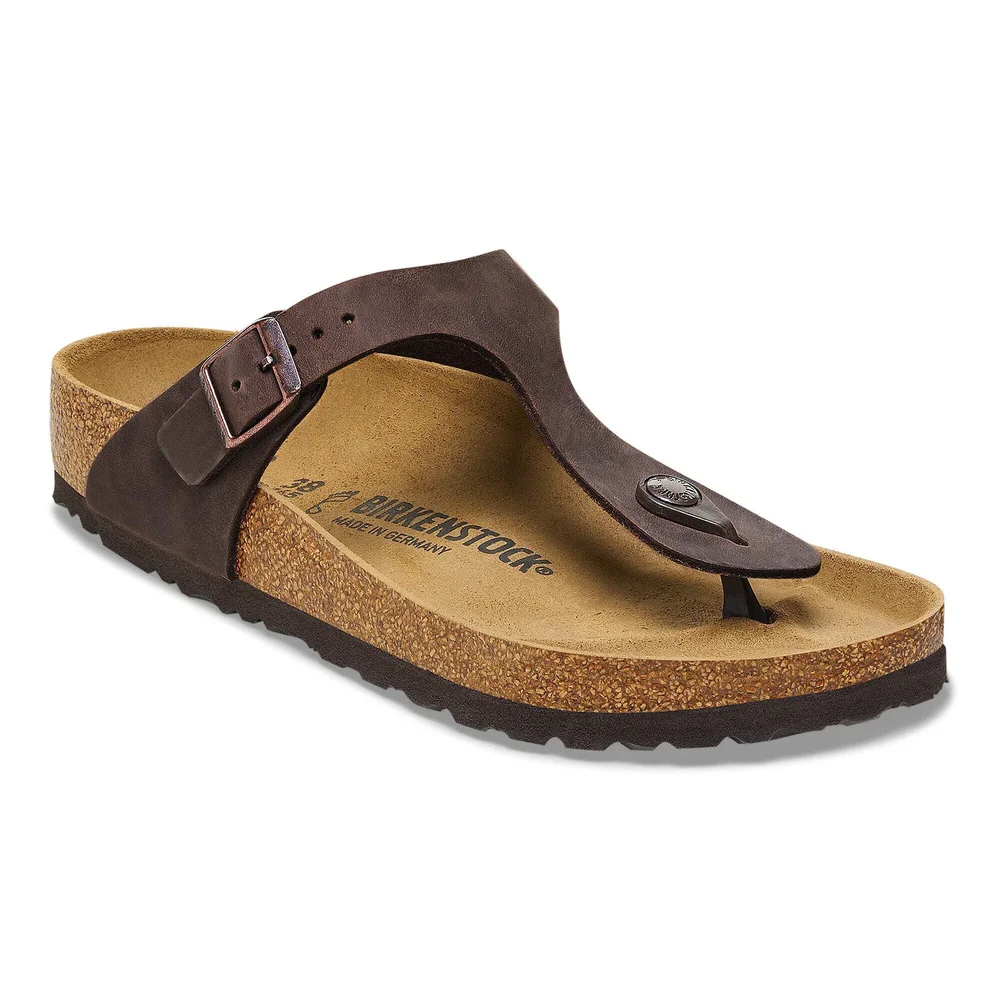
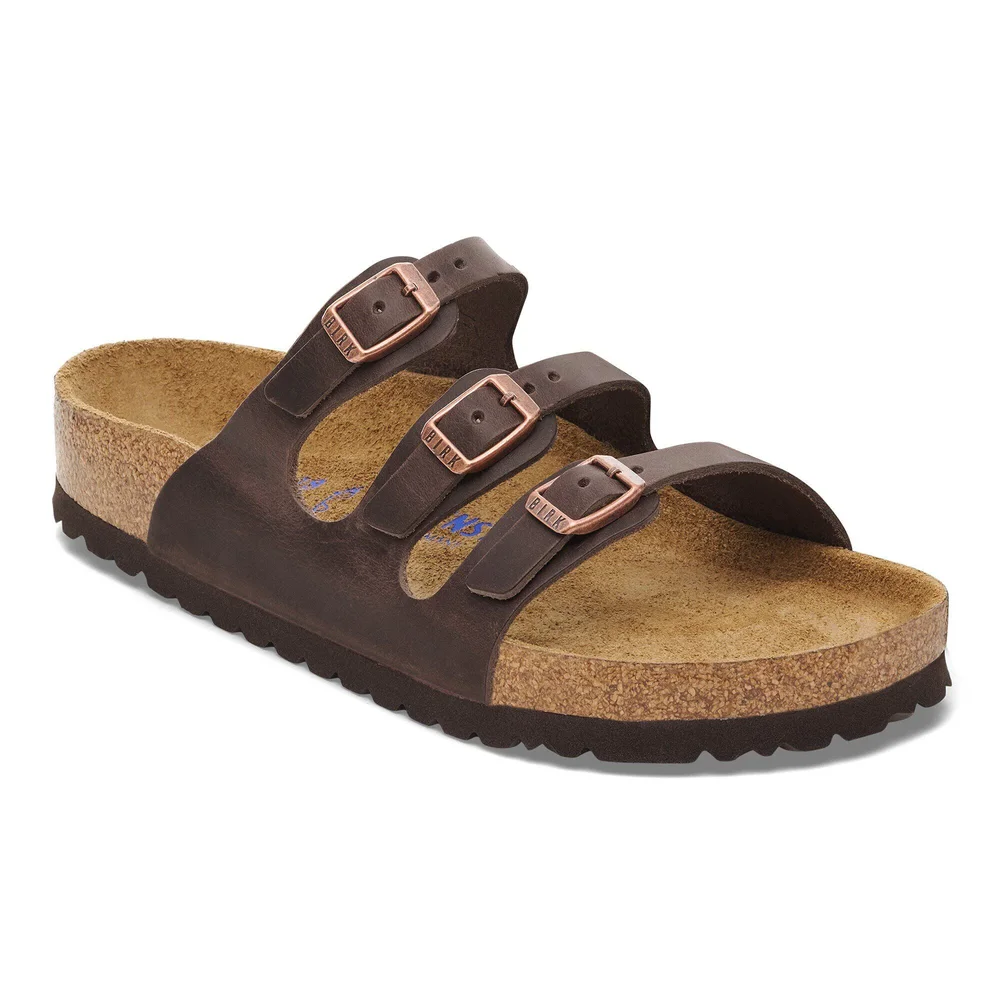
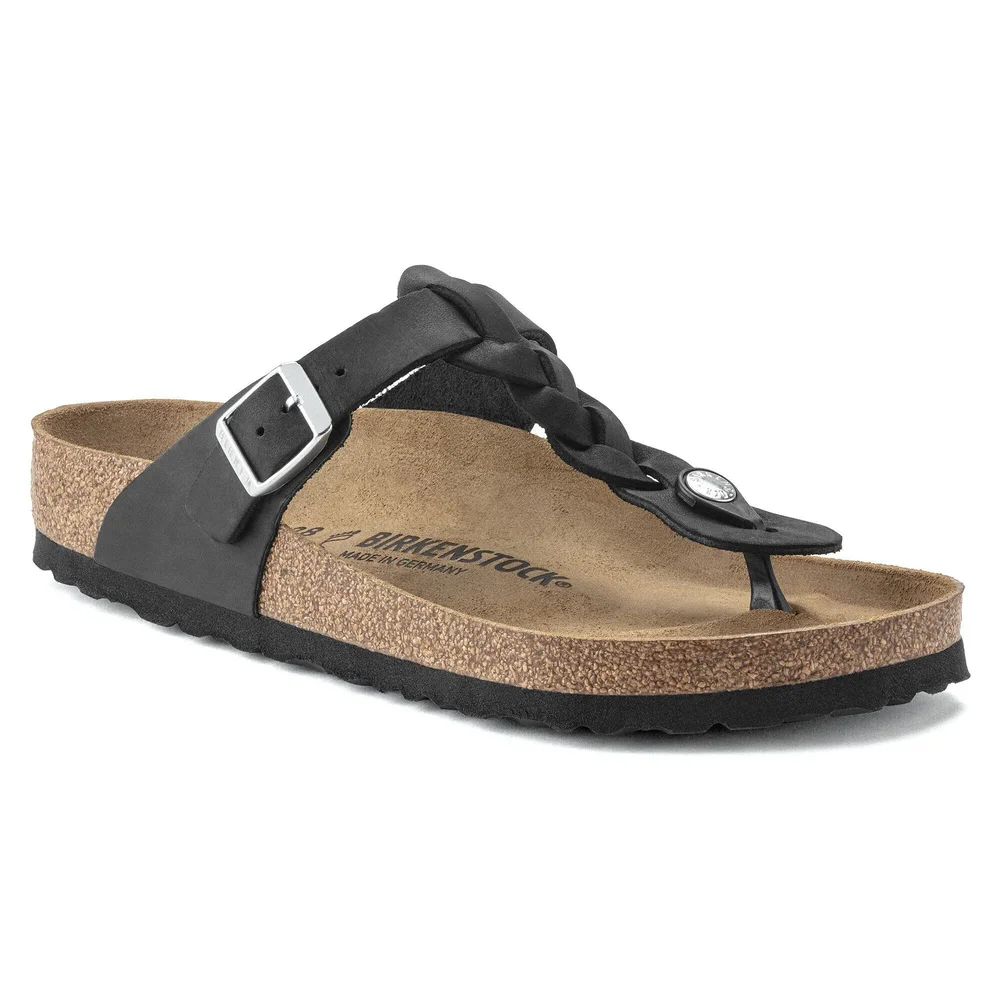
Mayari Birko-Flor & Birkibuc pairs a toe loop with two adjustable straps; Gizeh Oiled Leather keeps the sandal to a simple T-strap. Gizeh Braided Oiled Leather adds a braided upper, while Florida Soft Footbed Oiled Leather gives you three adjustable straps and a soft footbed. I would choose Florida for the most ways to tune the hold, and Mayari if the toe loop helps the sandal feel secure.
When both widths exist
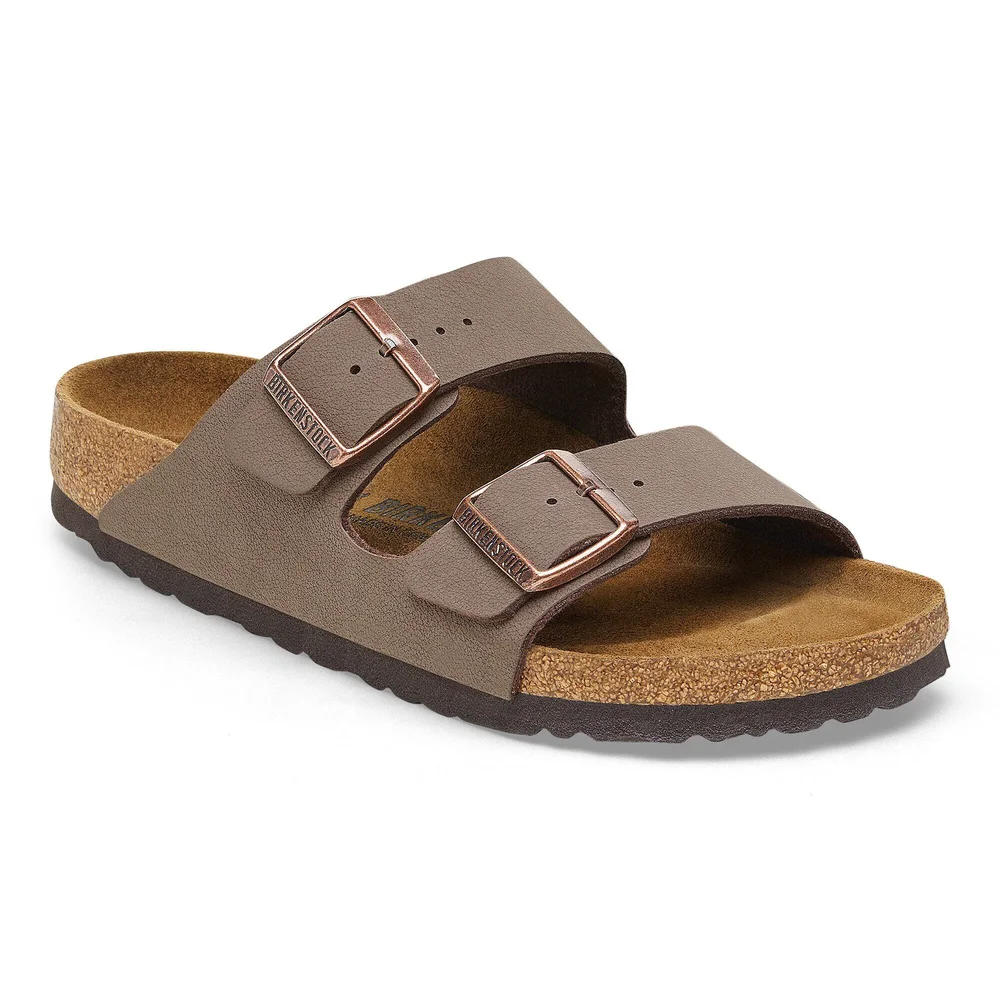
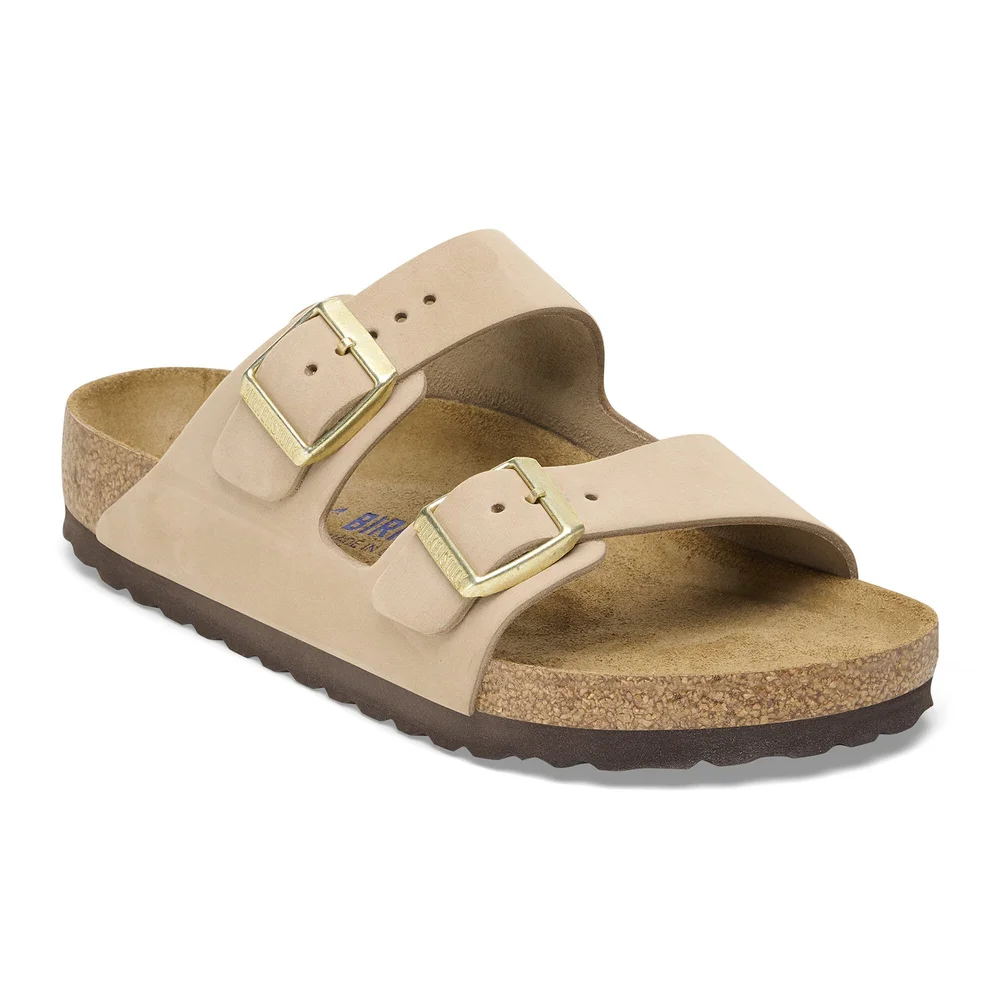
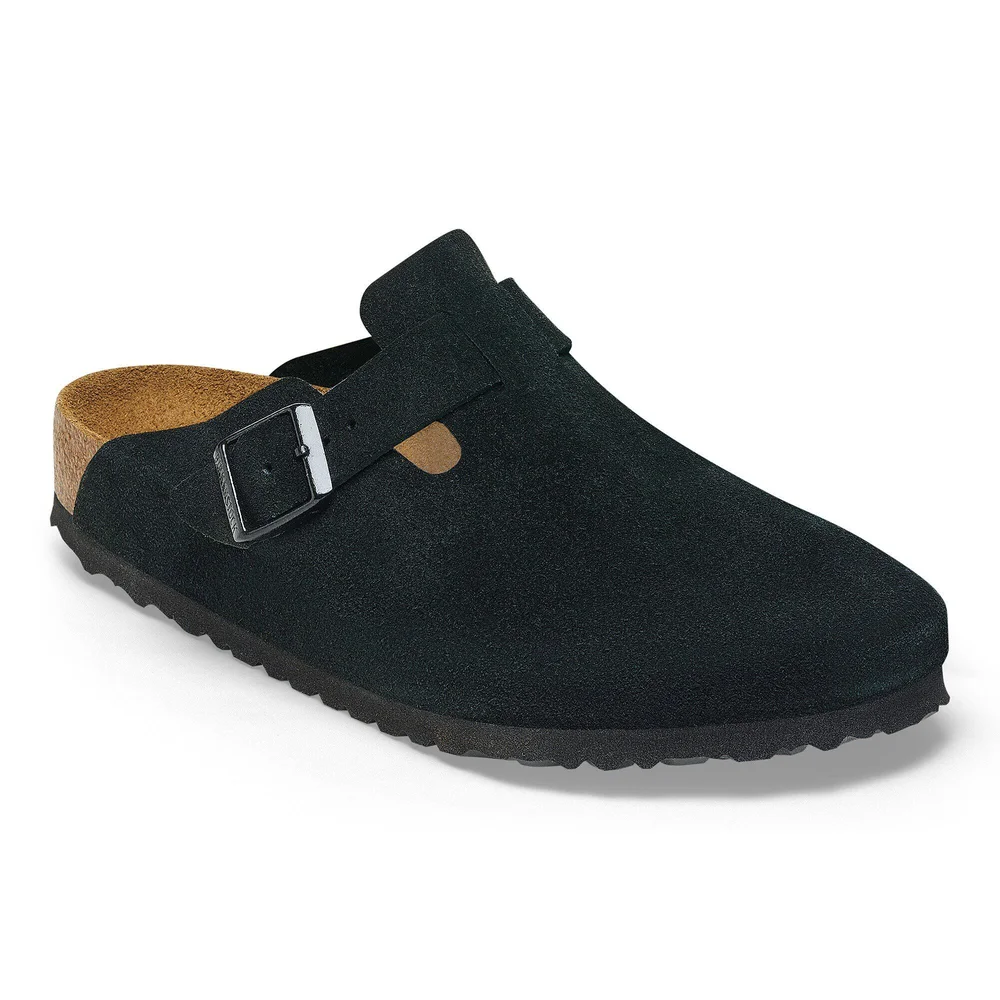
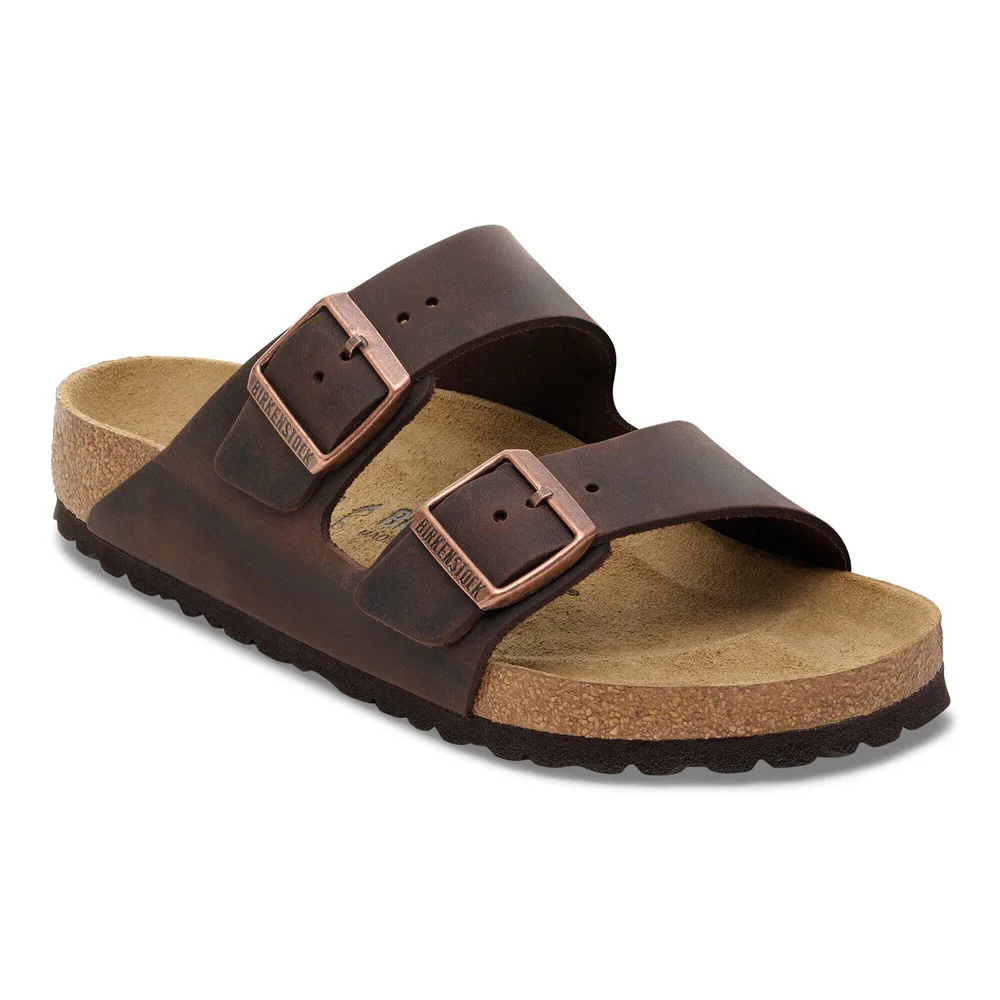
Four cross-width options are useful when you want to compare width without also changing the product's basic construction. Arizona Birkibuc and Arizona Oiled Leather share the two-strap outline, but one has a synthetic, nubuck-like upper and the other uses oiled leather. Arizona Soft Footbed Nubuck keeps that silhouette and adds a soft-footbed option; Boston Clog Soft Footbed Suede moves the comparison into a closed toe with a suede upper and an added foam layer. I would use the same-size Arizona pair as the cleanest fit check.
The narrow vs regular Birkenstock question has a simple close: buy Narrow if your foot sits within the edges without pressure, buy Regular if your toes or forefoot need more room. For socks, try both widths in the Boston rather than assuming extra length fixes a tight footbed; I would pick width first, then confirm the heel and toe spacing.