Cartier is bolder and more graphic, while Van Cleef & Arpels leans into clovers, flowers and color. Choose by the motifs you will wear most.

Cartier vs Van Cleef & Arpels: Which Jewelry House Is Better?
Which house speaks your language?
Choose Cartier if you like sculptural metal and graphic house codes; choose Van Cleef & Arpels if you gravitate to clovers, flowers and ornamental stones. Cartier began in Paris in 1847, while Van Cleef & Arpels came together at Place Vendôme in 1906, so both houses bring a real design history rather than a single hot product.
The difference I notice first is the shape language. Cartier makes the screws on LOVE, the nail of Juste un Clou and the linked bands of Trinity part of the design. Van Cleef turns to natural forms and softened contours, with Alhambra's clover and Frivole's flower alongside Perlée's rounded gold beads. Cartier vs Van Cleef is less a question of craft than of how much visual shorthand you want on your wrist or at your neckline. If the question is Cartier or Van Cleef, I would start with the motif I can imagine wearing with a plain shirt, then check how it feels in the price range I actually want to spend.
Cartier's sharper signatures
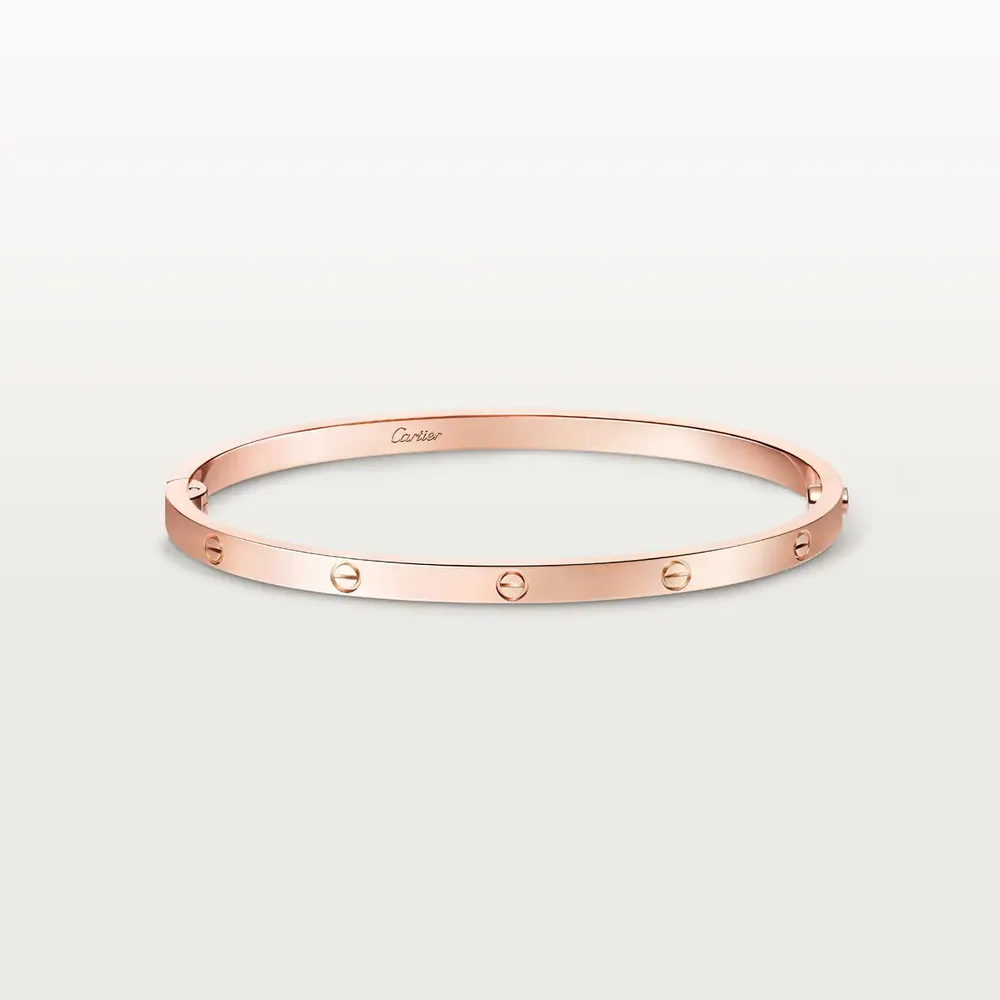
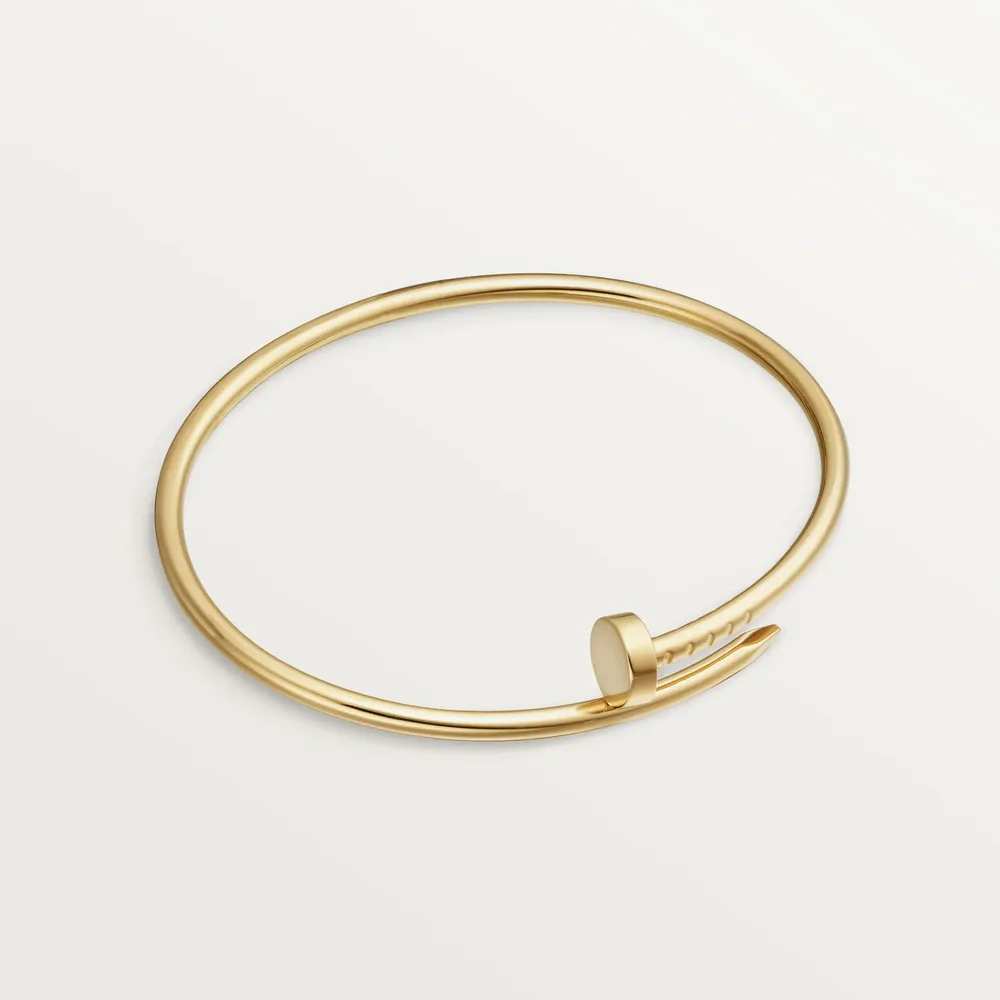
Cartier's best-known pieces have a little tension in them. The small LOVE bracelet uses a functional screw and hinge, so its fastener is part of the look; its 1969 New York start gives that hardware a proper origin story. I would pick it for a bracelet that can carry an outfit on its own. Juste un Clou is slimmer and more literal, a yellow-gold nail turned into a 2.5 mm bracelet, which I like beside a watch or a second cuff.
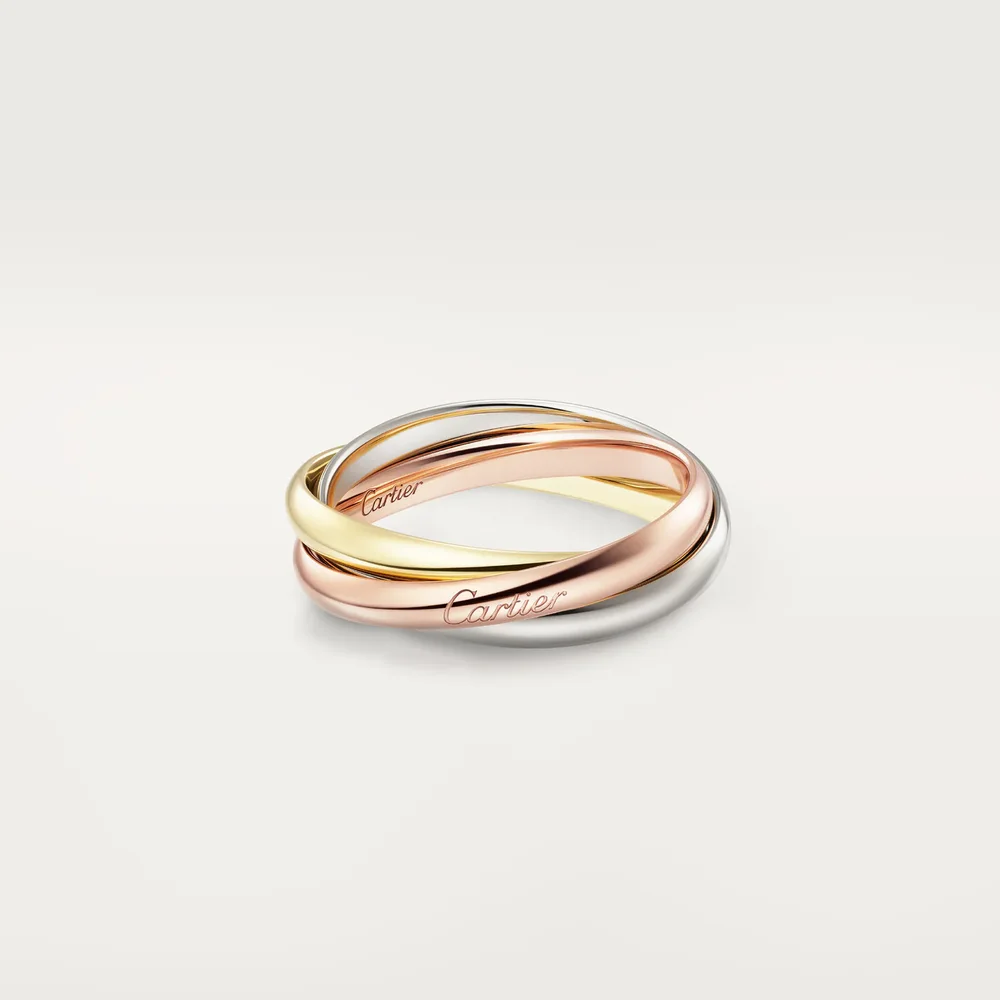
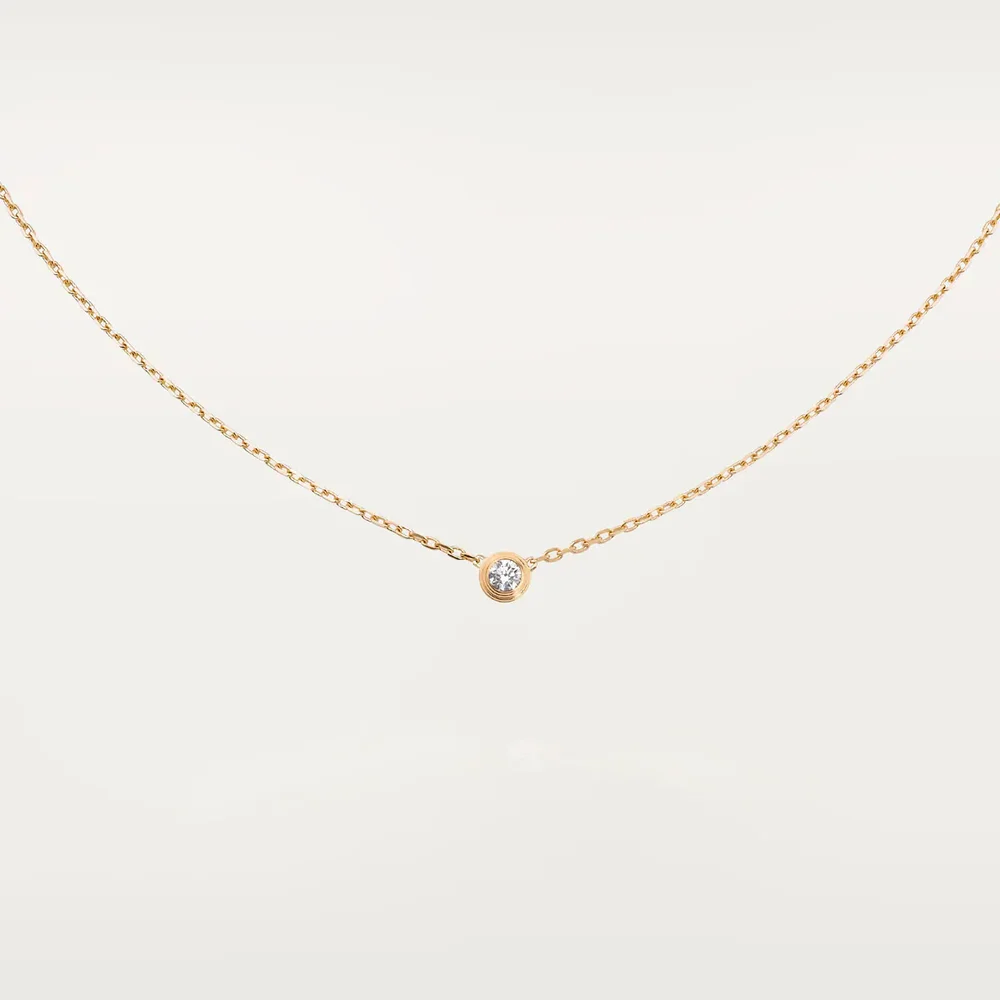
The small Trinity ring moves in the opposite direction, three gold bands that shift against one another, while Cartier d'Amour is the restrained choice: one brilliant diamond on a chain adjustable to 38 or 41 cm. The d'Amour design revisits a 1938 model. I would start with that pendant if you tend to wear fine chains every day; if you want one recognizable bracelet, LOVE is the more decisive buy.

Van Cleef's softer motifs
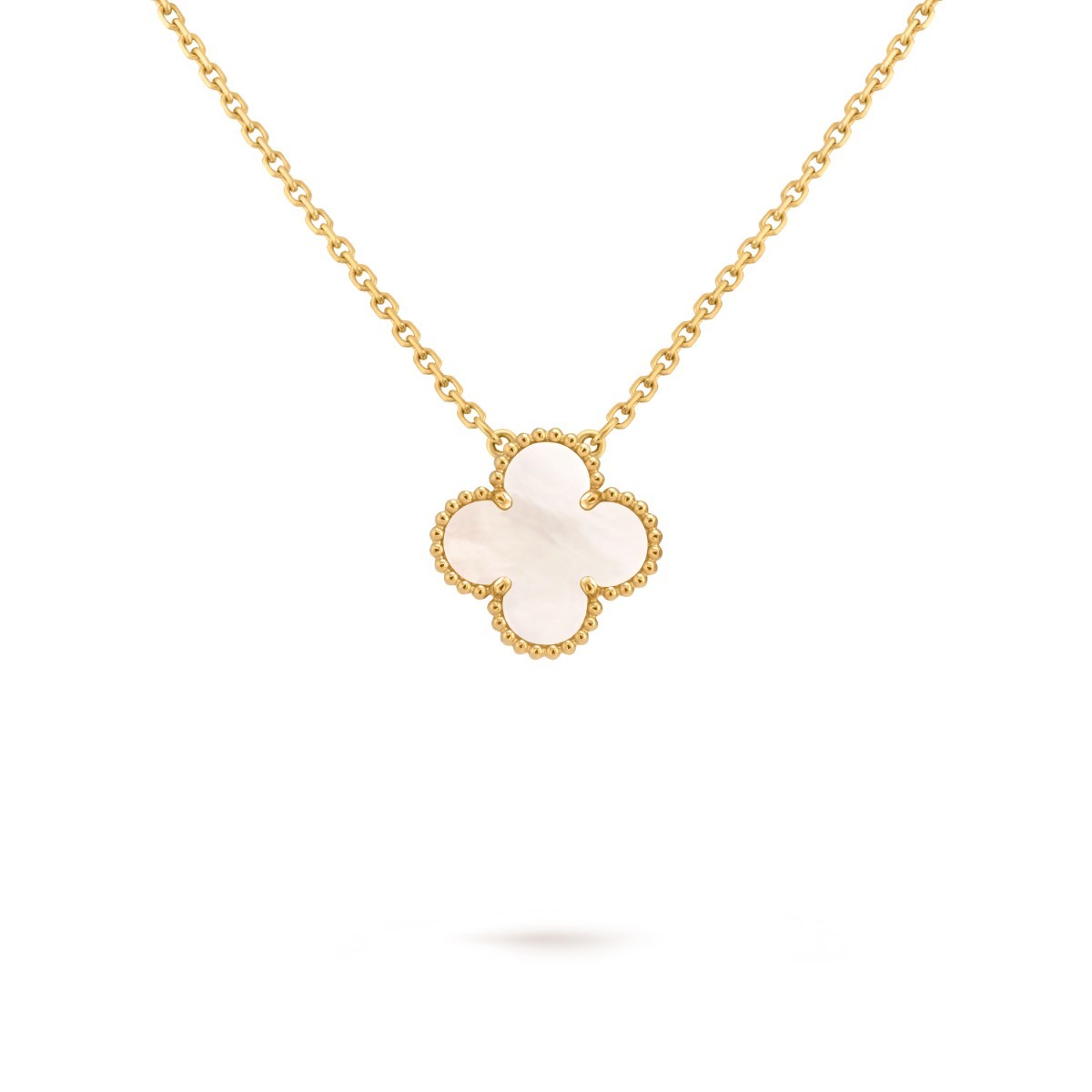
Van Cleef & Arpels makes its strongest case with small motifs that feel like they could have come from a garden or a lucky charm. The Vintage Alhambra pendant is one white mother-of-pearl clover in yellow gold, and the double-beaded edge is what keeps it from feeling plain. The matching Vintage Alhambra earrings repeat the material in two motifs, with clip backs and detachable stems; I would choose those when a necklace feels too expected.
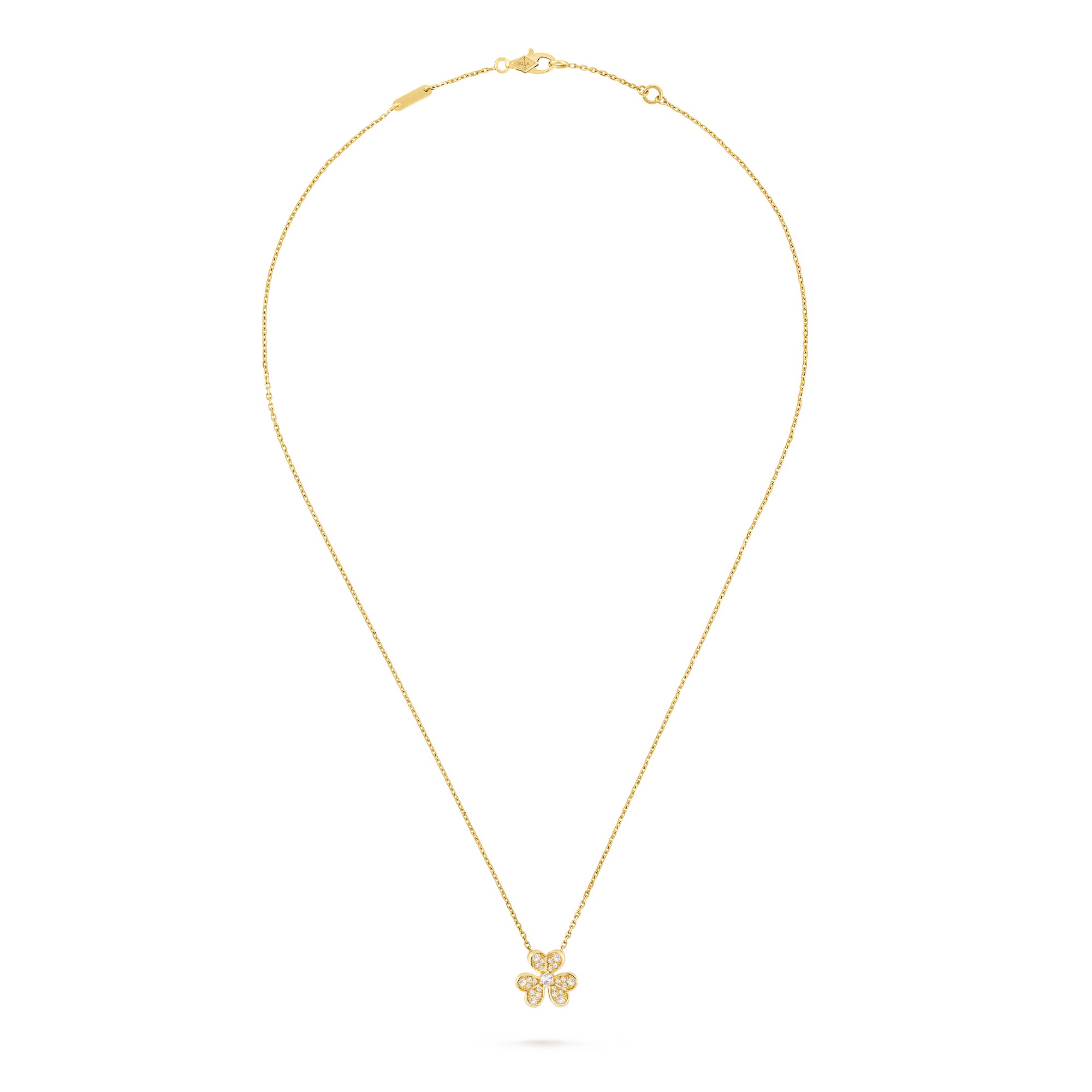
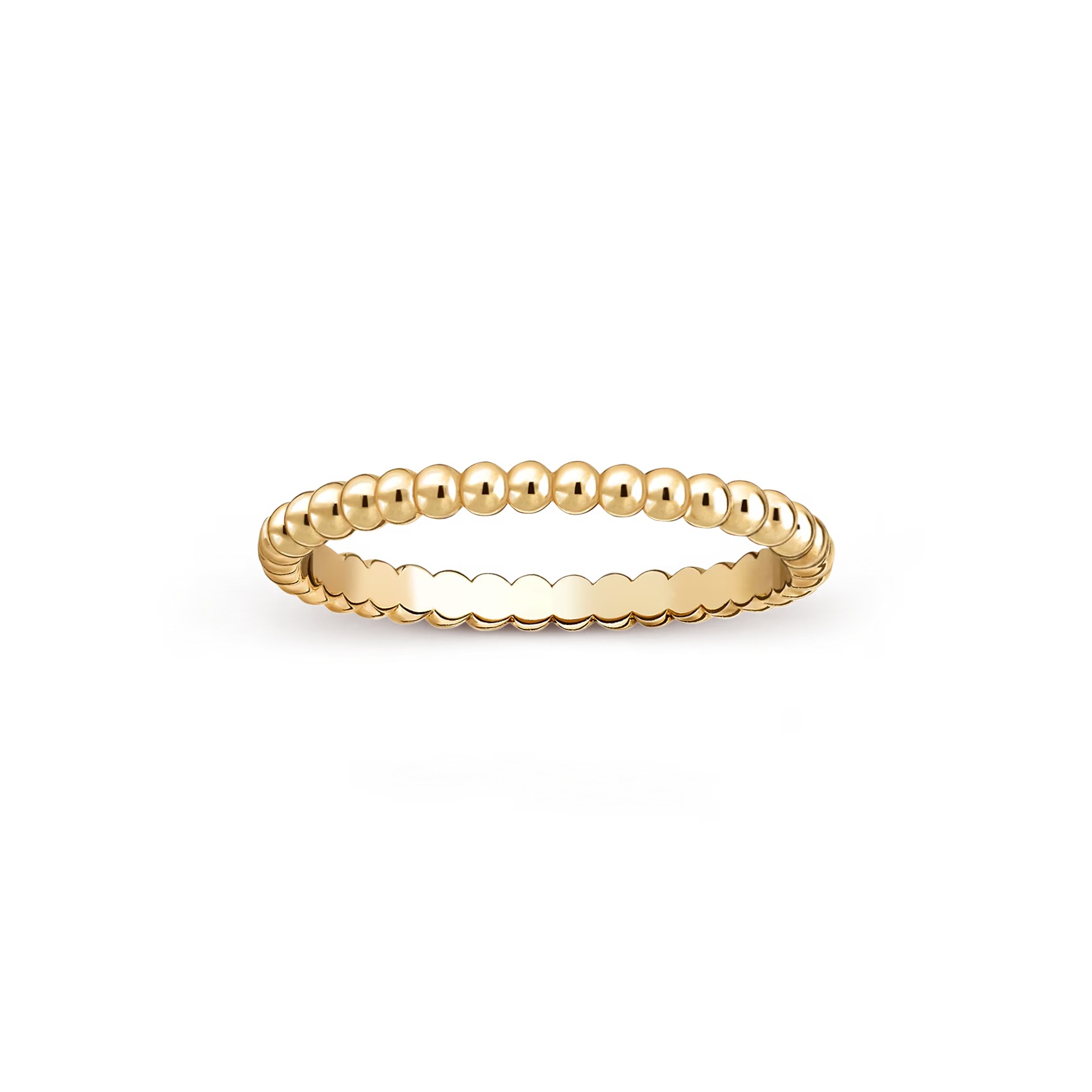
Frivole is the floral alternative: the mini pendant has heart-shaped petals and 25 diamonds, so it is sweeter and brighter than Cartier's spare line work. Perlée's small gold-bead ring is the quietest pick here, and the accessible entry point in this selection. In a Van Cleef vs Cartier comparison, I would look for whether a natural motif feels personal or just familiar. I also saved the single-motif Sweet Alhambra bracelet and the ten-motif Vintage Alhambra necklace for a direct bracelet and necklace comparison with Cartier's Clash and Trinity pieces.
The useful head-to-heads
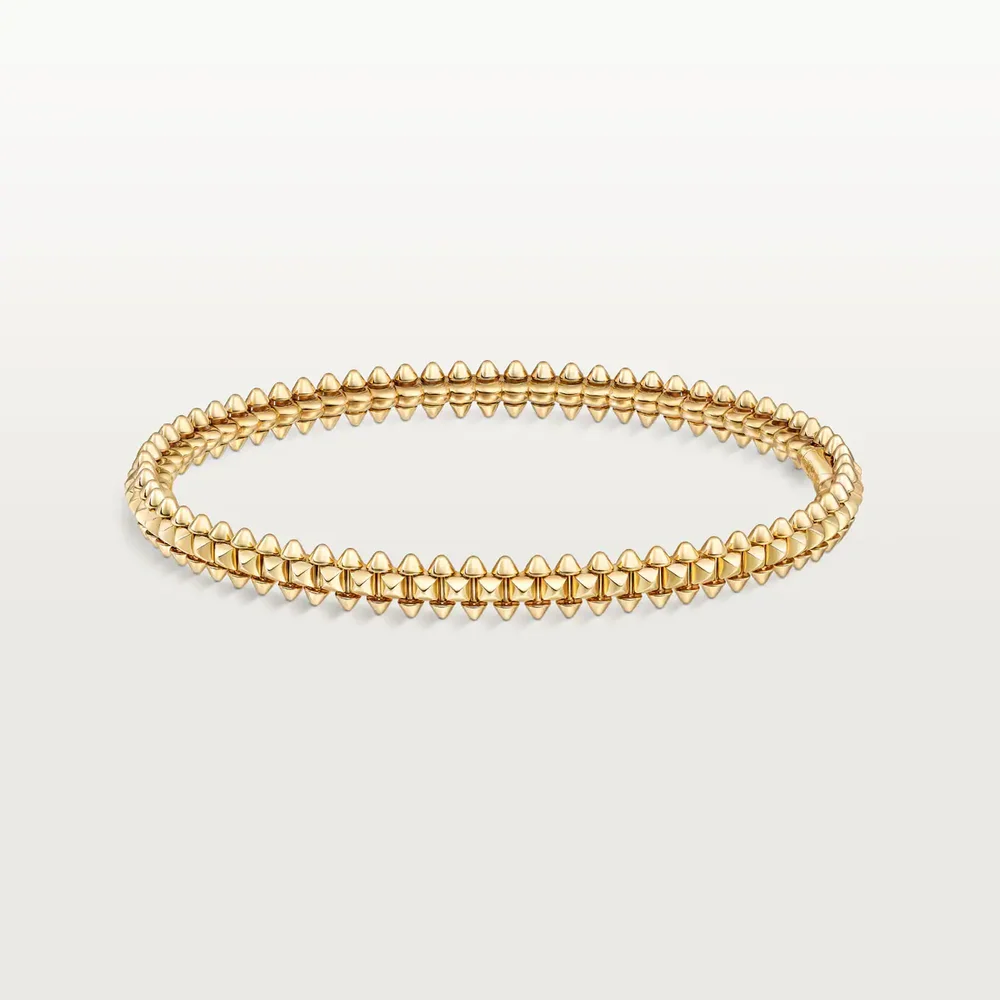
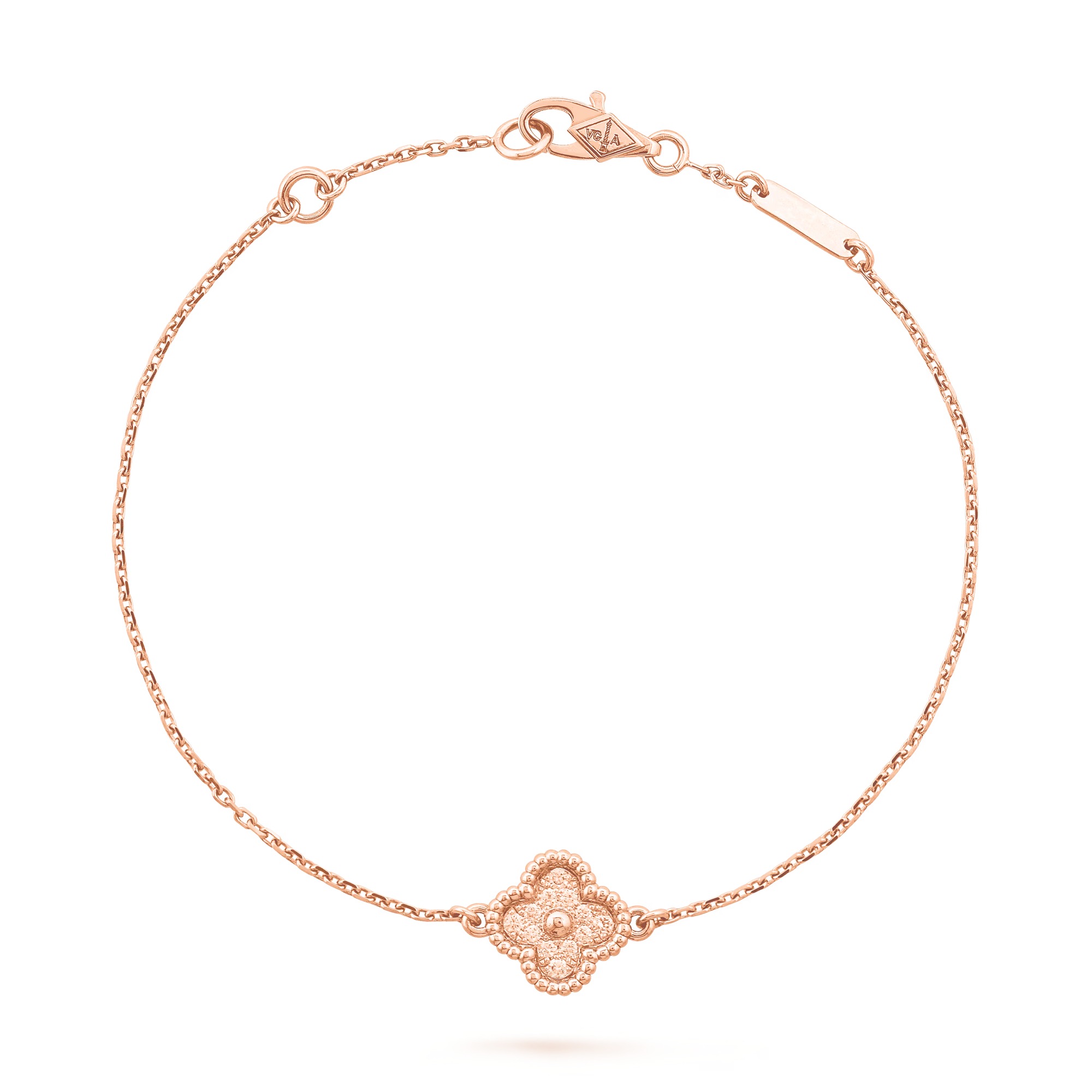
For a bracelet, Clash de Cartier is the wider, 6.4 mm choice, its yellow-gold mesh built from studs, beads and square clous. The Sweet Alhambra bracelet is the opposite mood: one textured rose-gold motif on a fine 17.5 cm chain. I would take Clash for metal and movement, Sweet Alhambra if I want a small motif that stays close to the wrist.
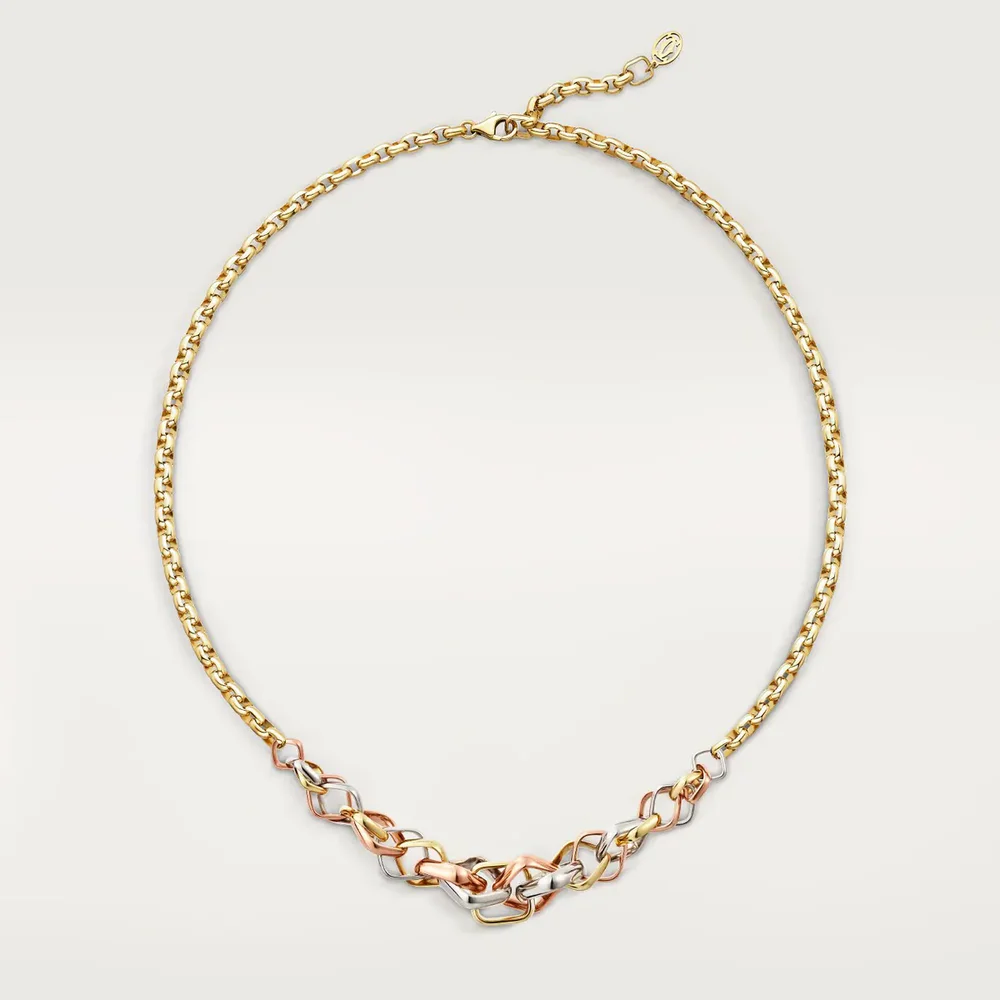
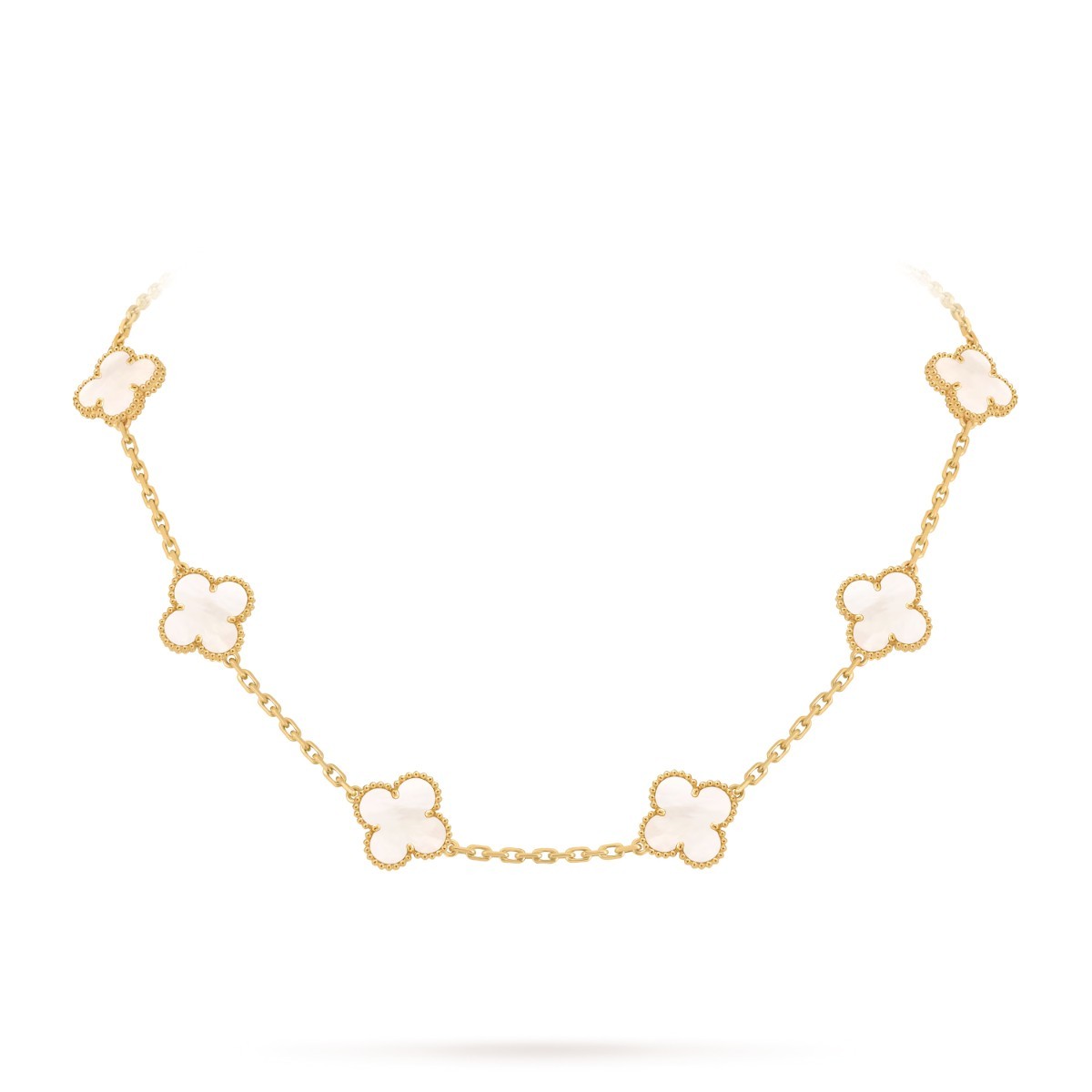
At the neckline, Cartier's Trinity necklace carries three interlaced gold colors on a chain adjustable from 46 to 49 cm. The Vintage Alhambra necklace has ten white mother-of-pearl motifs outlined in gold on a 42 cm chain. Trinity feels more like an object; the Alhambra gives the eye a repeating pattern. Buy Cartier if you want a sharper silhouette and a more graphic piece. Buy Van Cleef & Arpels if the floral and clover language is what you will reach for most.