CeraVe is the barrier-first pick; Eucerin suits targeted tone care and dry-skin routines. Choose by texture, routine step, and concern.
CeraVe vs Eucerin: Which Moisturizer Should You Buy?
The real choice is the finish
Choose CeraVe if you want barrier-first basics with practical textures, and Eucerin if you want moisturizers tied to visible tone concerns. The cerave vs eucerin decision is less about one winner than whether your main annoyance is dry, tight skin or uneven-looking tone; I would decide by texture and routine step first.
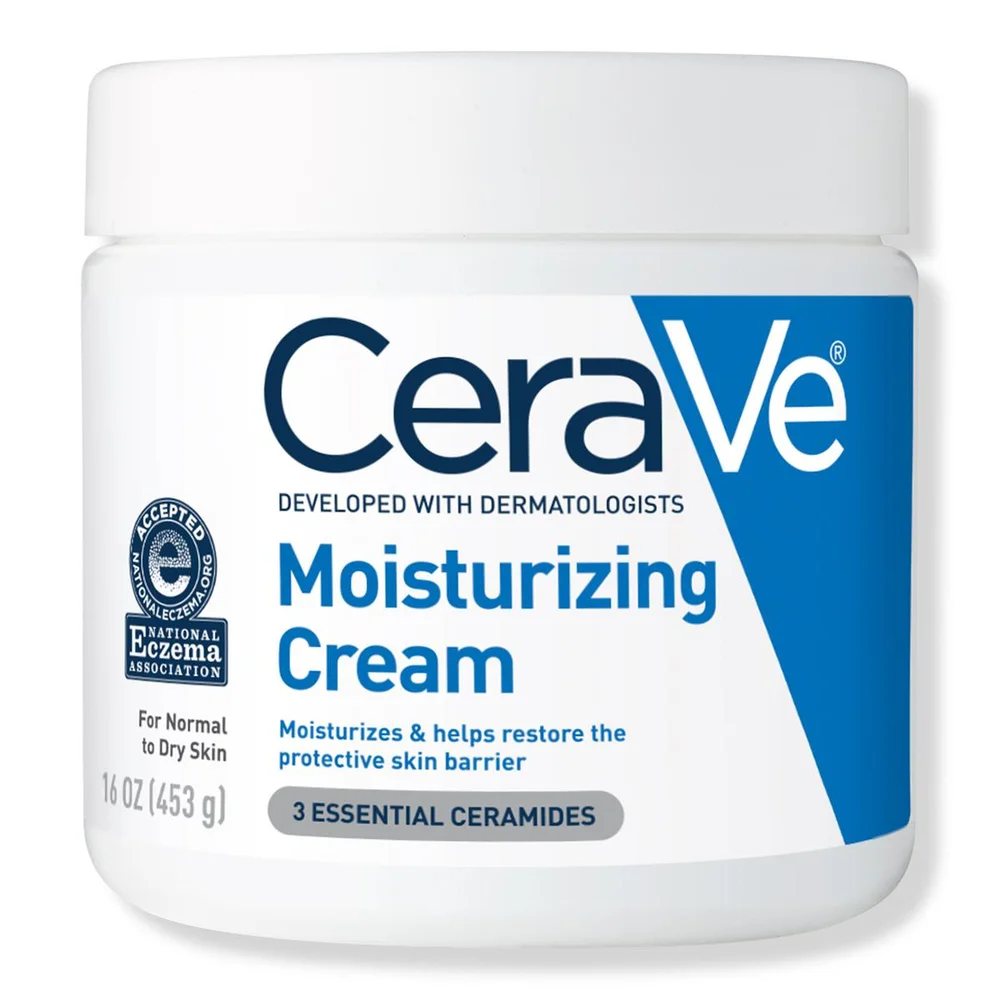
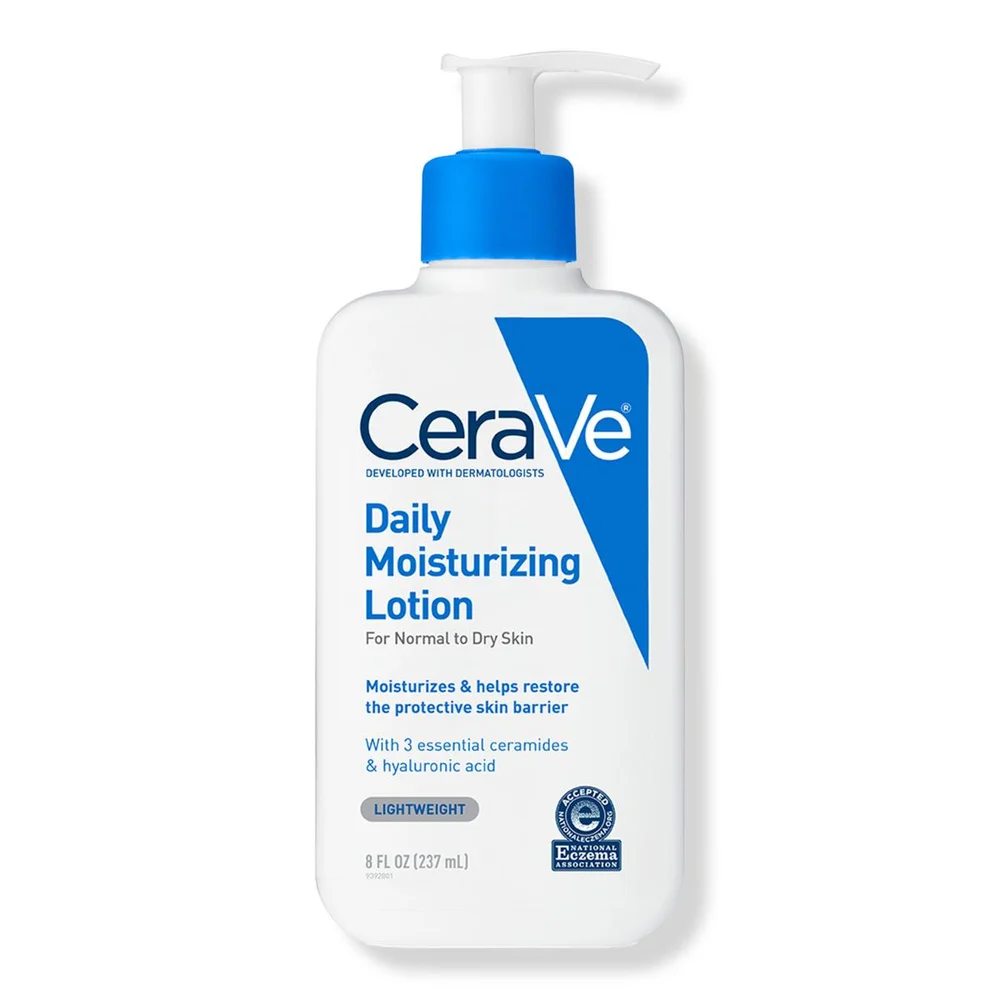
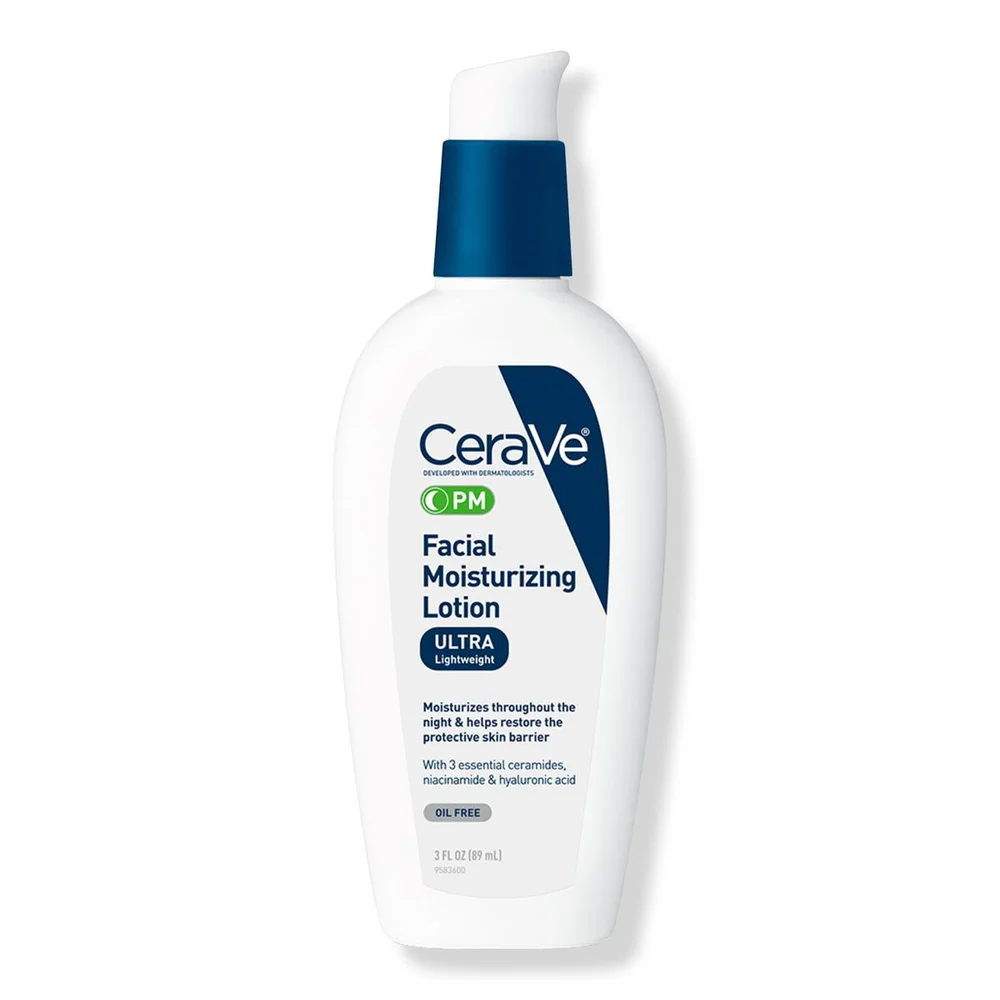
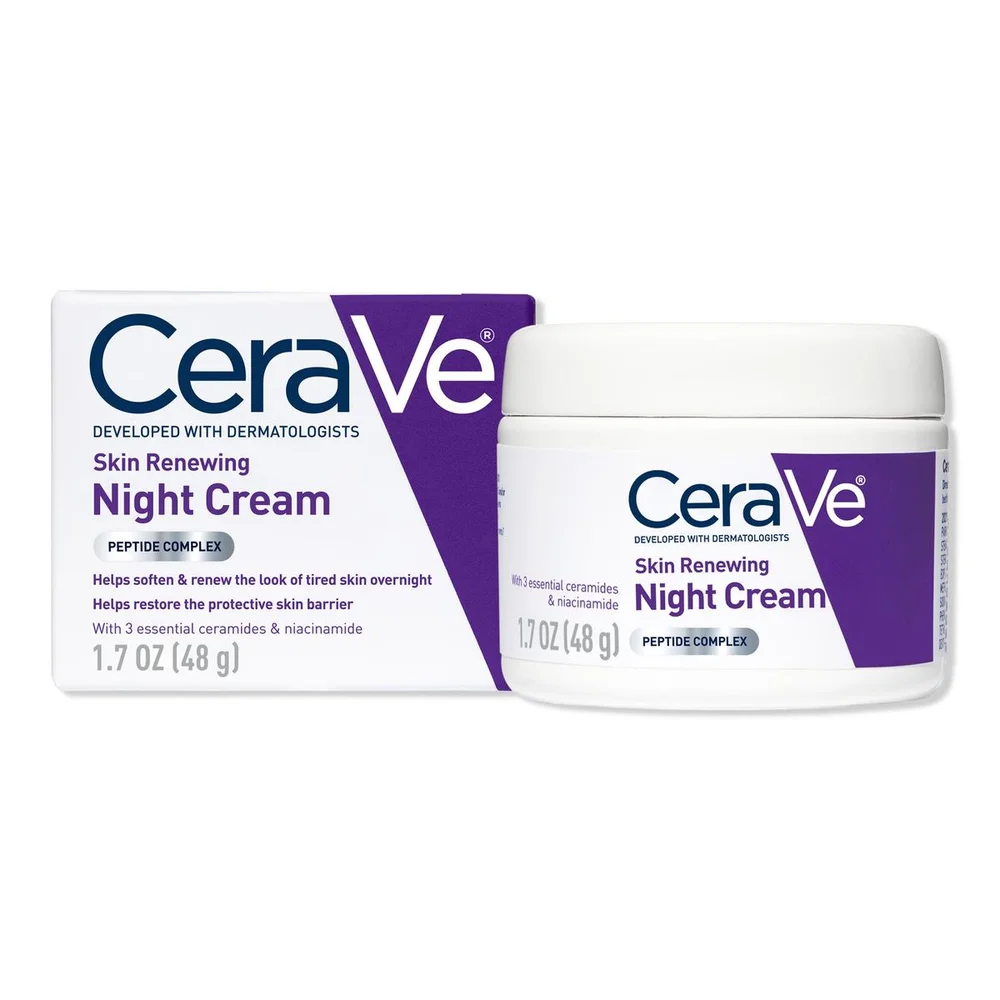
CeraVe's story began in 2005, when dermatologists wanted accessible skin-barrier care; it launched with Moisturizing Cream, Moisturizing Lotion and Hydrating Facial Cleanser. Its three essential ceramides and MVE delivery remain the brand's organizing idea. CeraVe Moisturizing Cream is the rich face-and-body option, while Daily Moisturizing Lotion is the lighter all-over pick. PM Facial Moisturizing Lotion is an oil-free night step, and Skin Renewing Night Cream adds biomimetic peptides to ceramides and hyaluronic acid. I would start with the Daily Lotion for a workhorse, or the cream if winter has made every elbow a personal grievance.
Eucerin's pharmacy roots, modern formulas
Eucerin's history reaches back to Paul C. Beiersdorf's Hamburg pharmacy; the Beiersdorf company began in 1882, and chemist Isaac Lifschütz patented Eucerit in 1900. The brand still frames its work around dermatology and formulation science. If you are weighing eucerin vs cerave, Eucerin earns its place when you want moisture paired with visible-tone aims, not just a basic barrier cream.
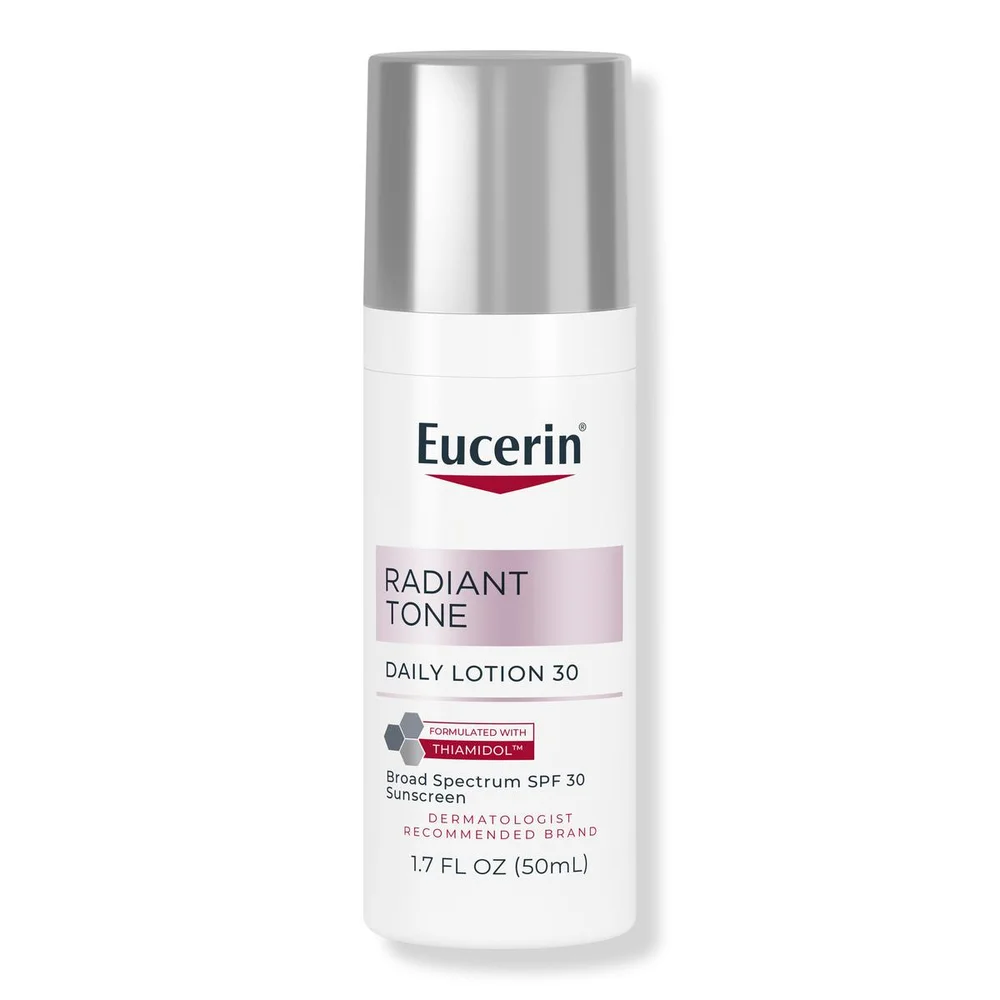
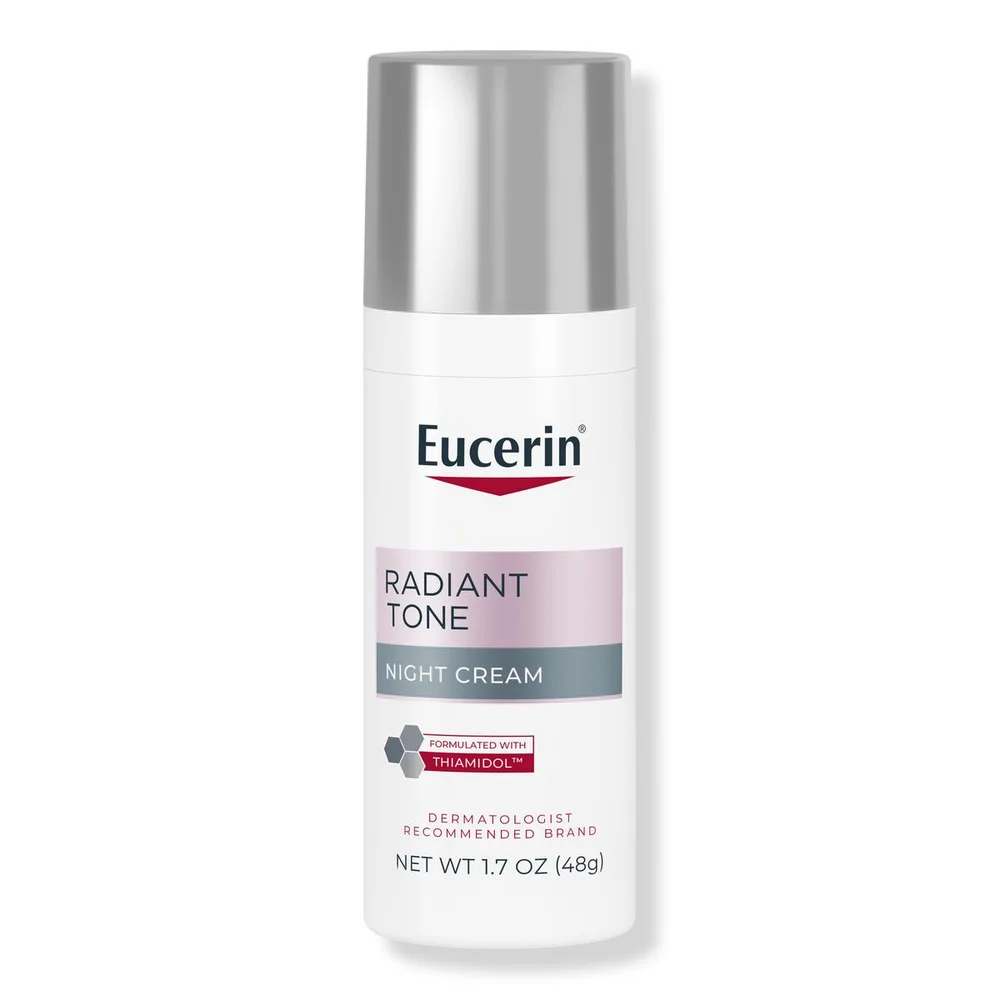
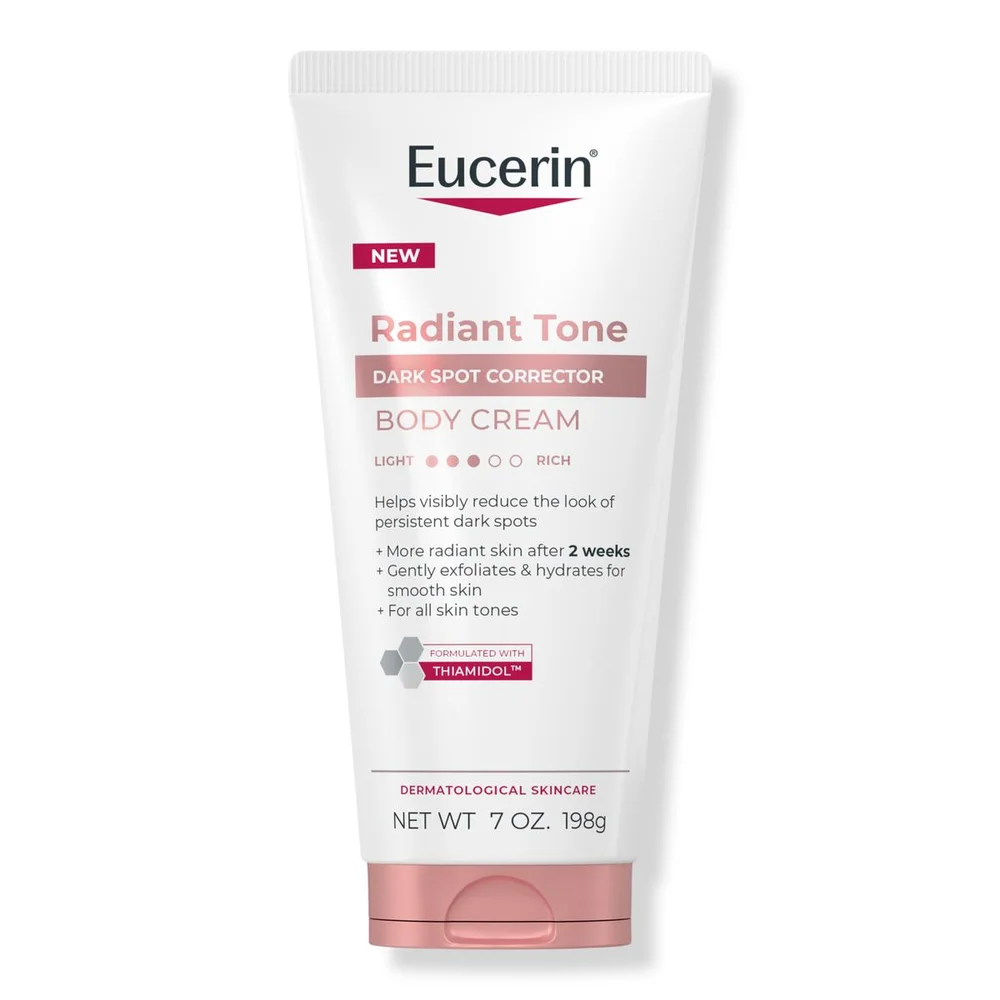
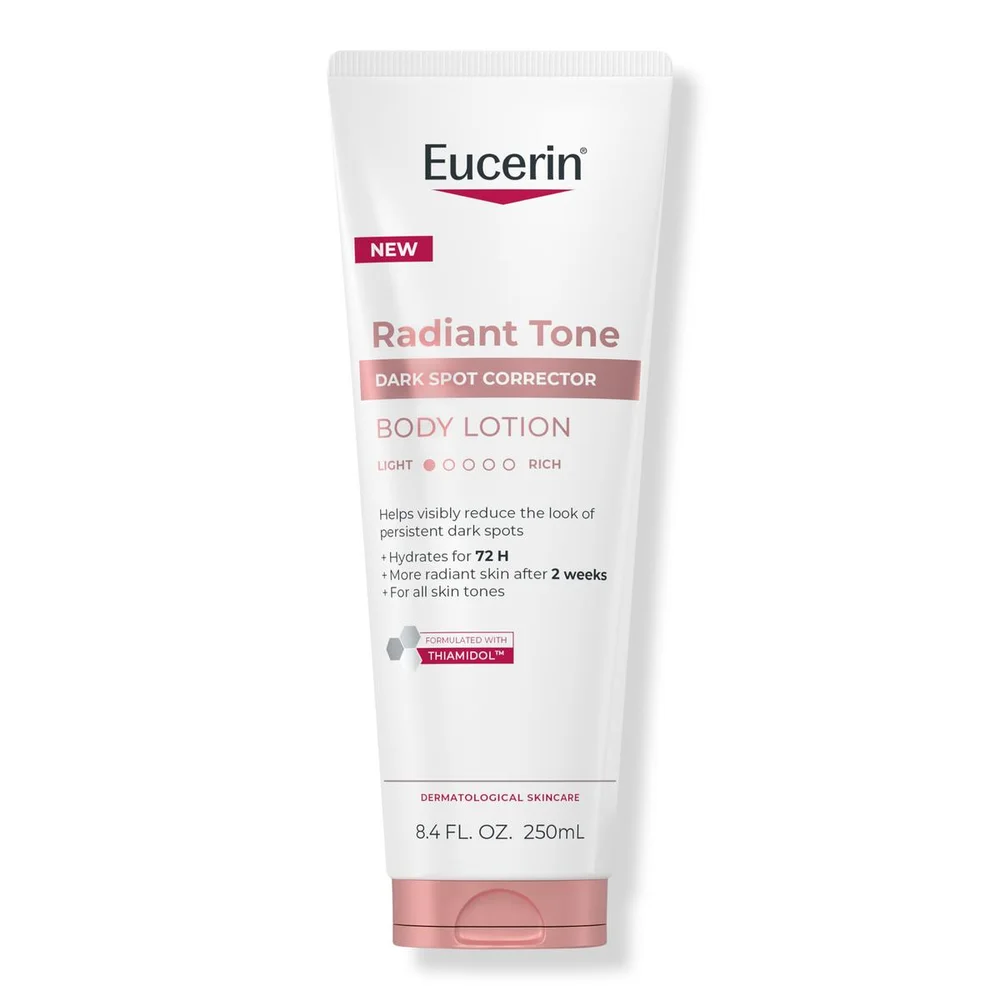
Radiant Tone Daily Face Lotion SPF 30 Dark Spot Corrector is the daytime choice, pairing moisture with broad-spectrum sun protection and Thiamidol. Radiant Tone Night Cream Dark Spot Corrector carries that tone-focused idea into bedtime. Radiant Tone Dark Spot Corrector Body Cream adds lactic acid and 72-hour hydration, while Radiant Tone Dark Spot Corrector Body Lotion is lighter and fast-absorbing. I would pick the lotion for a quick after-shower step and the cream when I want a more substantial feel.
Two useful face-to-face comparisons
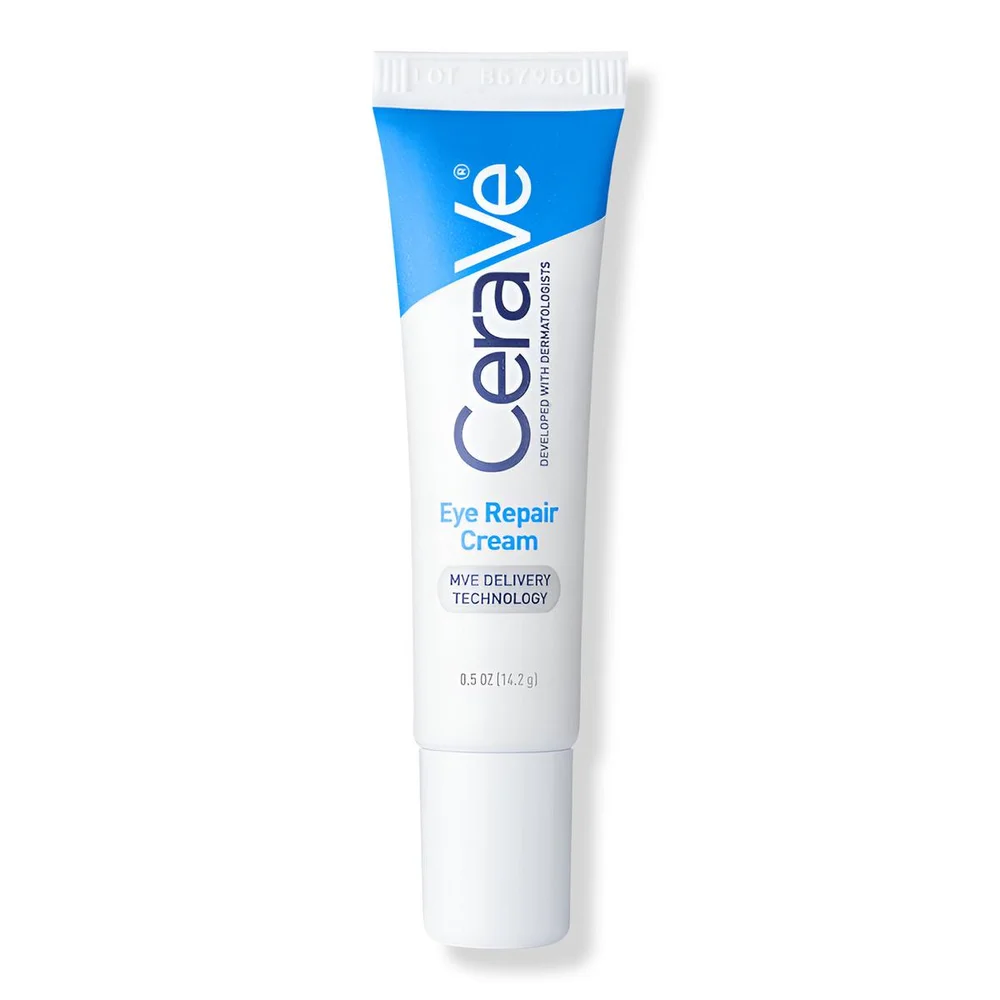
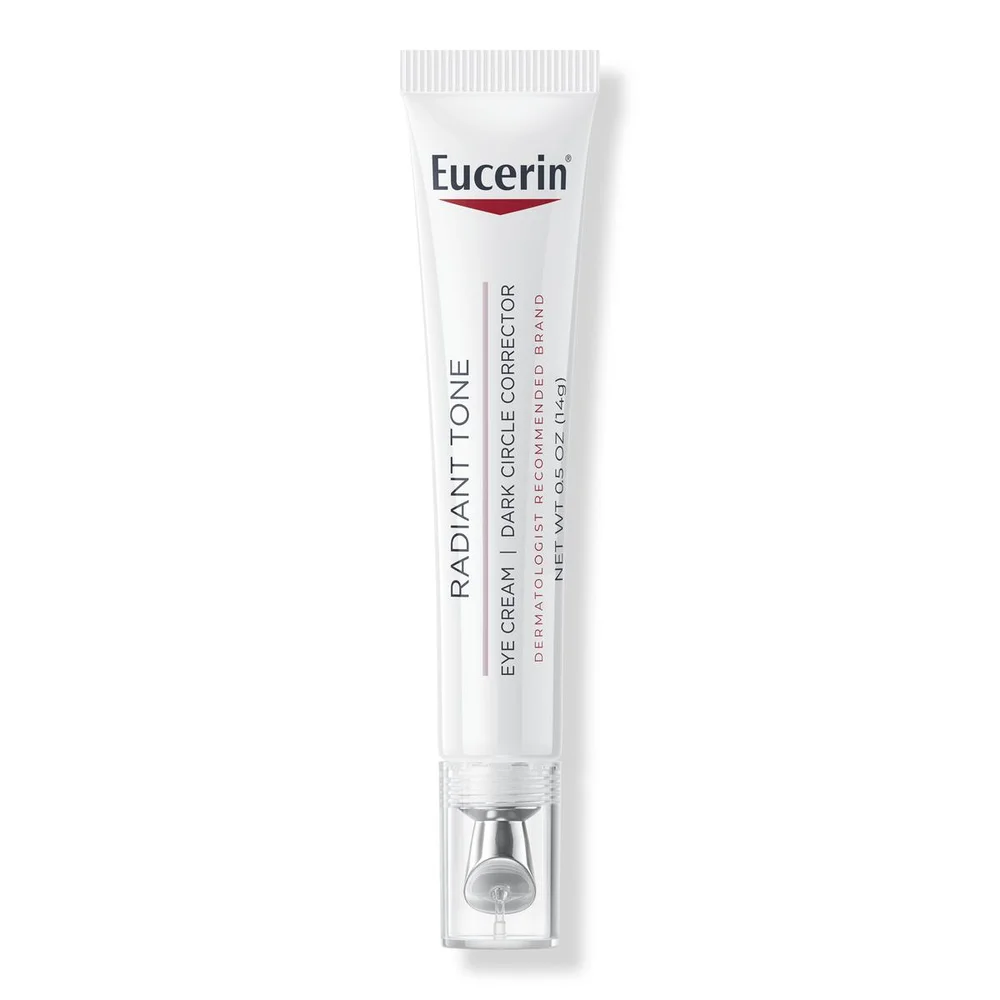
The more targeted facial picks make the difference easier to see. CeraVe Eye Repair Cream for Dark Circles and Puffy Under Eyes combines ceramides, hyaluronic acid, niacinamide and MVE for barrier-supportive hydration around the eyes; Eucerin Radiant Tone Eye Cream Dark Circle Corrector brings Thiamidol and light-reflecting pigments to the dark-circle question, plus a metal applicator.
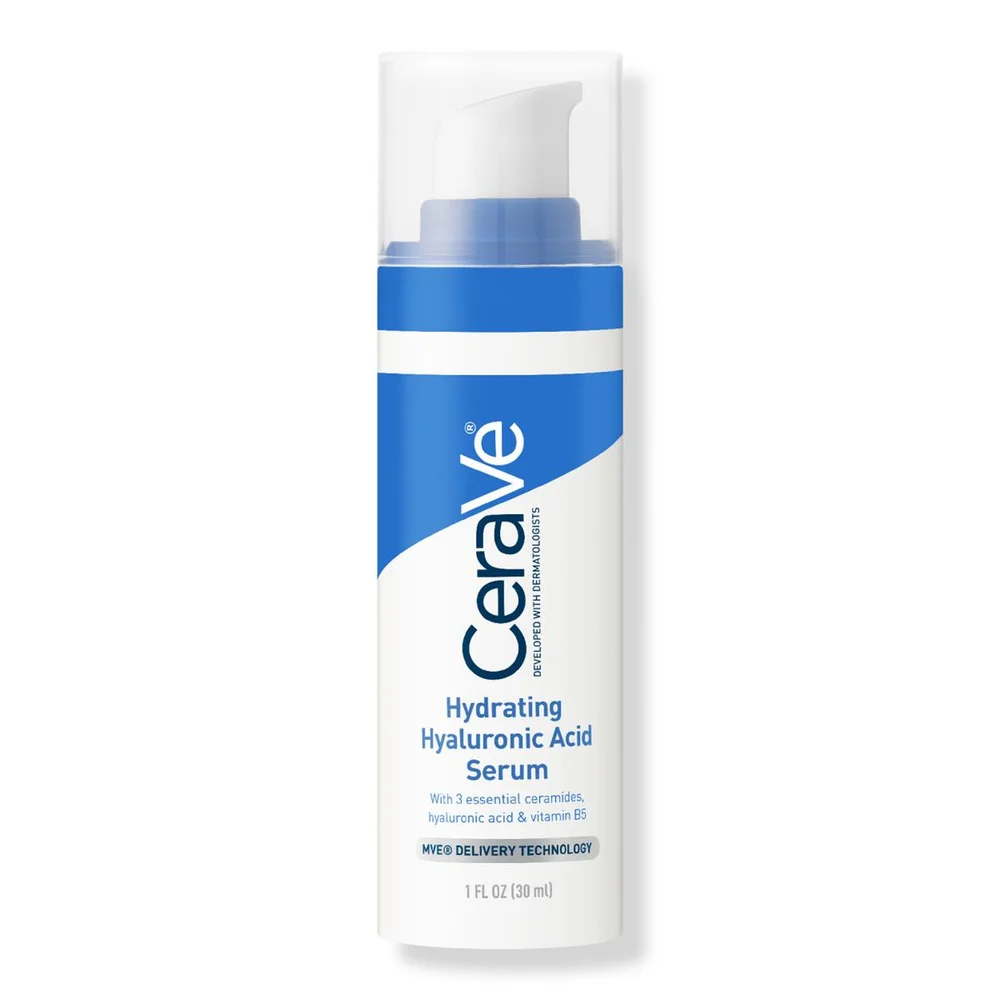
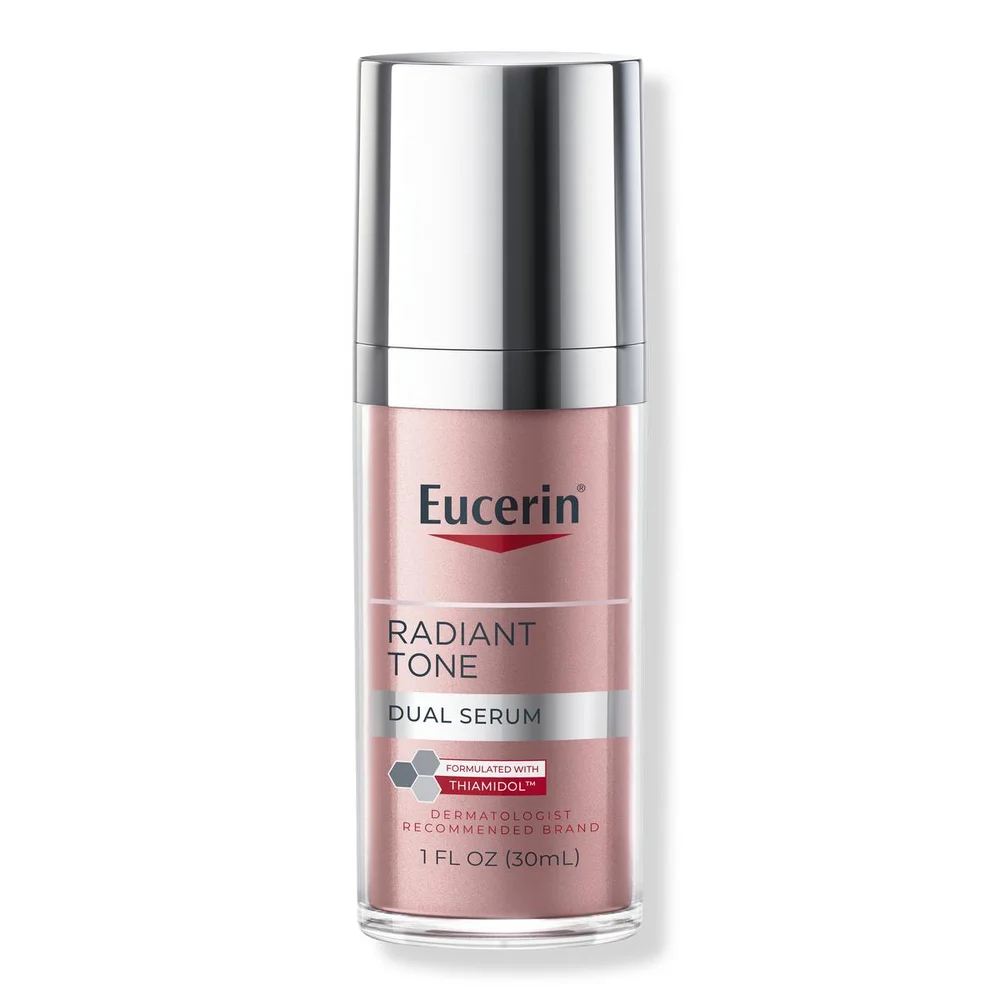
For a serum layer, CeraVe Hydrating Hyaluronic Acid Serum is the moisture-first option and can sit under moisturizer; Eucerin Radiant Tone Dual Serum Dark Spot Corrector is aimed at dark spots with Thiamidol and hyaluronic acid. If you want a direct pair, I would compare CeraVe for hydration and barrier support with Eucerin for spot and tone concerns, rather than expect the two serums to do the same job. A serum is an add-on, not a replacement for your basic moisturizer.
What I would buy first
For under-eyes, I would start with CeraVe Eye Repair Cream if hydration and barrier support matter more to me; choose Eucerin Radiant Tone Eye Cream when its dark-circle focus and metal applicator sound useful. CeraVe Hydrating Hyaluronic Acid Serum suits someone who wants a layerable hydration step beneath moisturizer, while Eucerin Radiant Tone Dual Serum is the more intentional dark-spot treatment.
Buy CeraVe if you want barrier care and straightforward textures across face and body; buy Eucerin if you want moisture paired with targeted tone care and broad-spectrum SPF in the daytime lotion. If you are still asking cerave or eucerin, I would not let the serum comparison decide which basic moisturizer to buy: pick for your everyday skin feel, then add a treatment only if it solves a second problem.