Christian Louboutin is the statement-shoe specialist; Louis Vuitton is the travel-rooted house for bags and leather goods. Choose what you need.

Christian Louboutin vs Louis Vuitton: How the Two Houses Differ
Start with the job the piece will do
Choose Christian Louboutin if you want the shoe to set the mood; choose Louis Vuitton if you want a bag rooted in travel history that can carry a day. That is the practical answer to louboutin vs louis vuitton, and the decision is less about one house being better than the other than about the job you want the piece to do. Louboutin grew from shoes: its first Paris boutique opened in 1991, its red sole followed in 1992, and its first handbag came in 2003. Louis Vuitton opened in Paris in 1854 as a trunk maker; Georges Louis Vuitton created the Monogram in 1896 as a tribute to his father.
When shoppers type christian louboutin vs louis vuitton, I would start with the main category: Louboutin's most legible signature is footwear, while Vuitton's beginnings in trunk-making carry into a broad bag and travel range. The products make that difference tangible: red-soled patent and suede shoes on one side, coated canvas, structured leather, and roomy bags on the other. louis vuitton vs louboutin is really a use-case question. I would choose the shoe when I want the outfit to lead with one sharp detail, and the bag when it needs to carry more than a phone and lipstick.
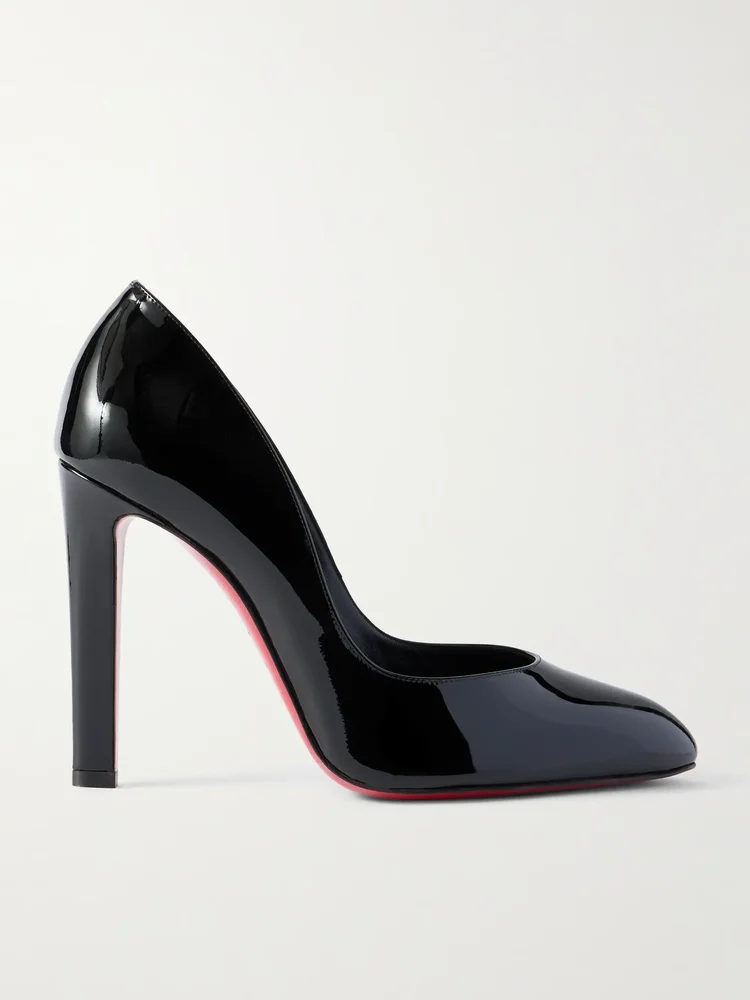
When the shoe does the talking
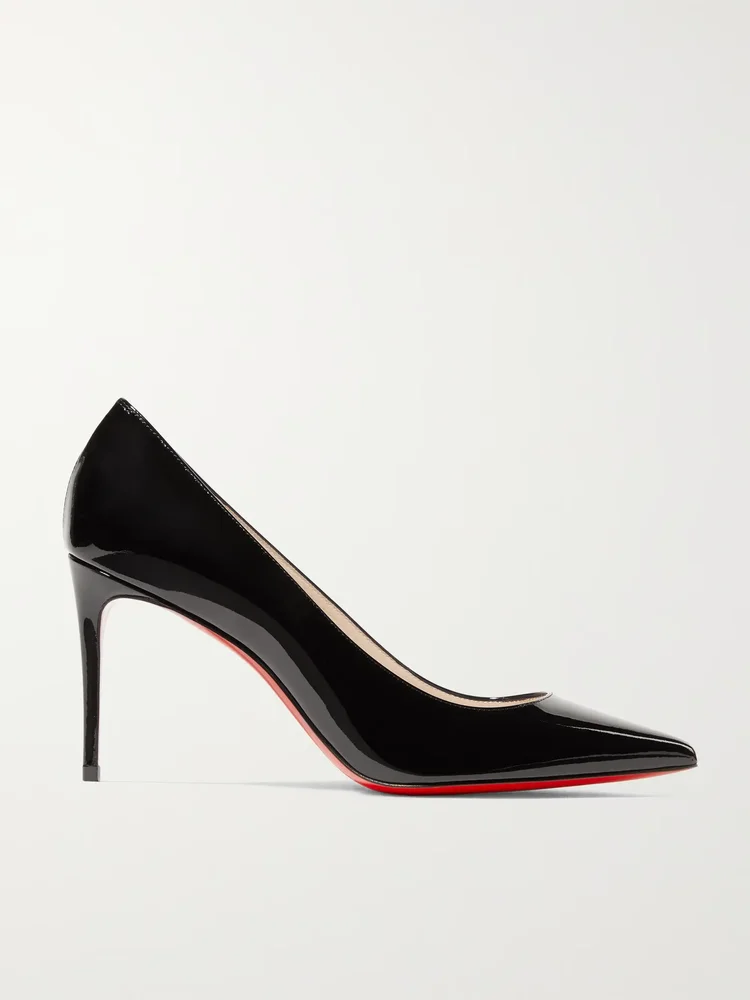
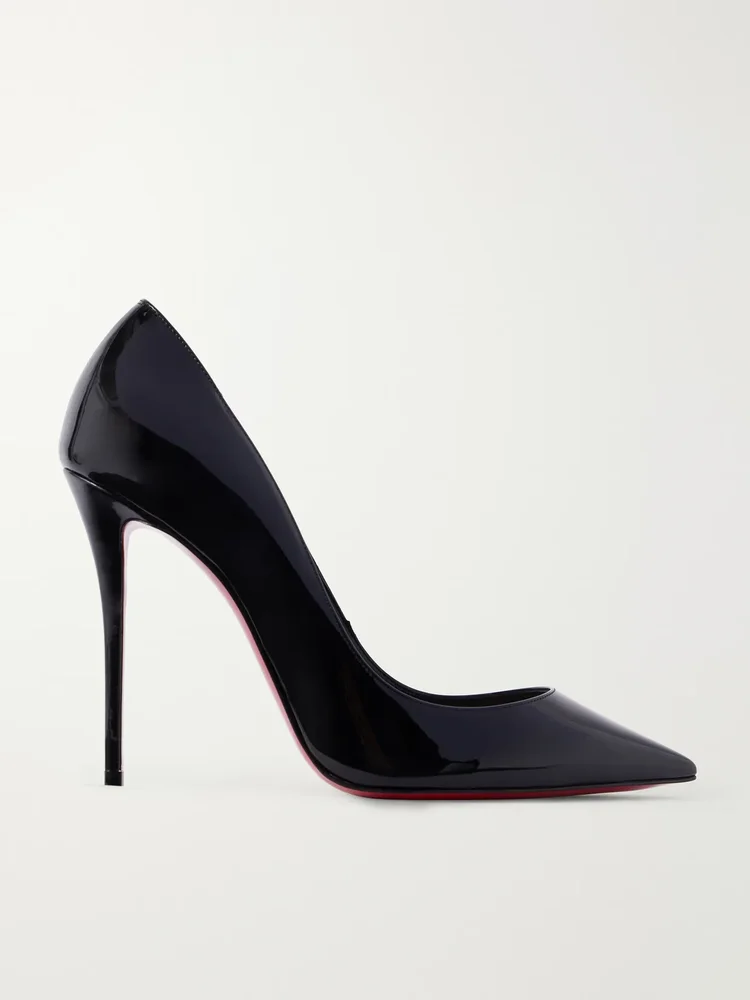
Christian Louboutin's origin story is unusually visual: the red sole began in 1992 when he painted the black sole of a Pensée prototype with his assistant's red nail polish. I like that it started as a color correction, not a committee decision. The Kate 85 Patent-Leather Pumps are the black pointed pump at the calmer 85mm height; La Pigalle 100 Patent-Leather Pumps takes that shine to a taller 100mm heel.
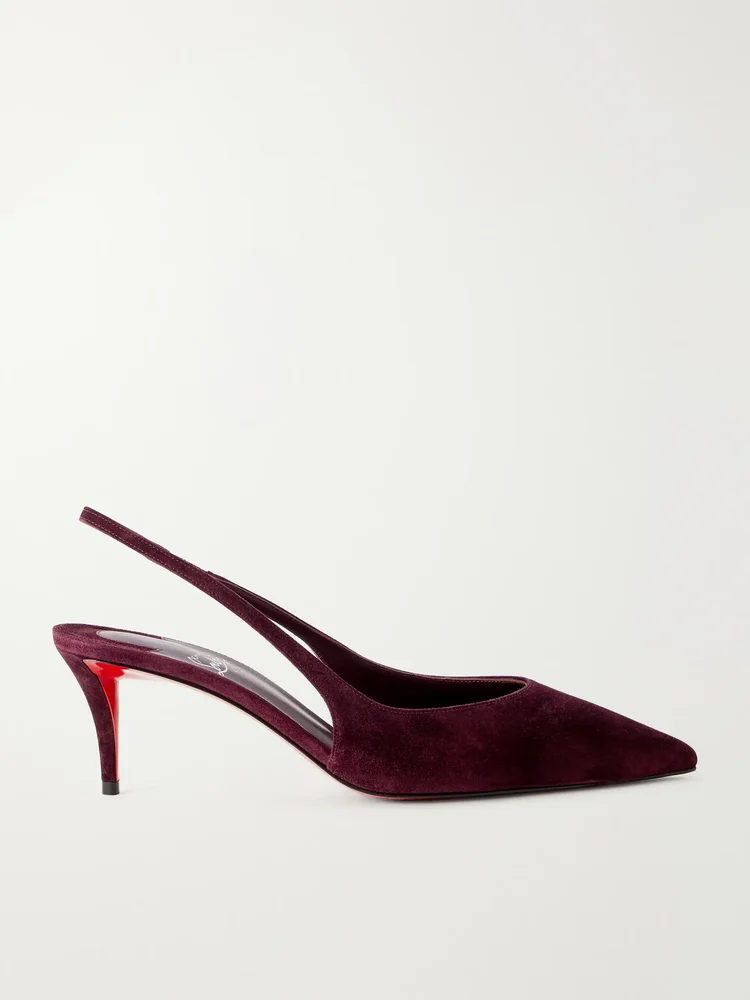
Miss Z 60 Suede Slingback Pumps shifts to burgundy suede and a 60mm kitten heel, so it is the pick for someone who wants the red sole with less height. Fannylove 100 Patent-Leather Pumps has a rounder toe and sturdy heel, which makes its black patent look a little less severe than Kate's. My first choice is Miss Z for actual errands or a long dinner; I would reserve the tall pumps for nights when standing is the plan.
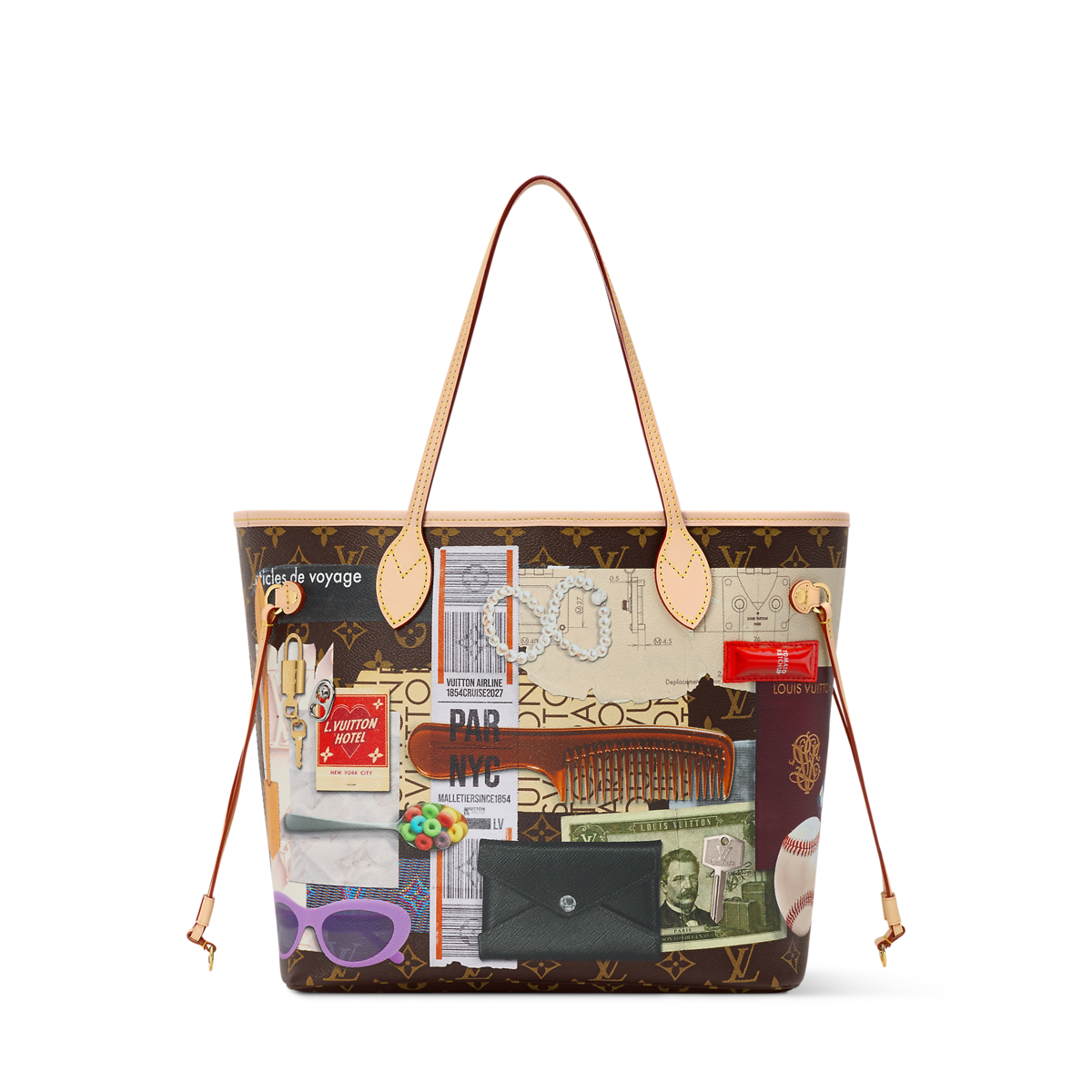
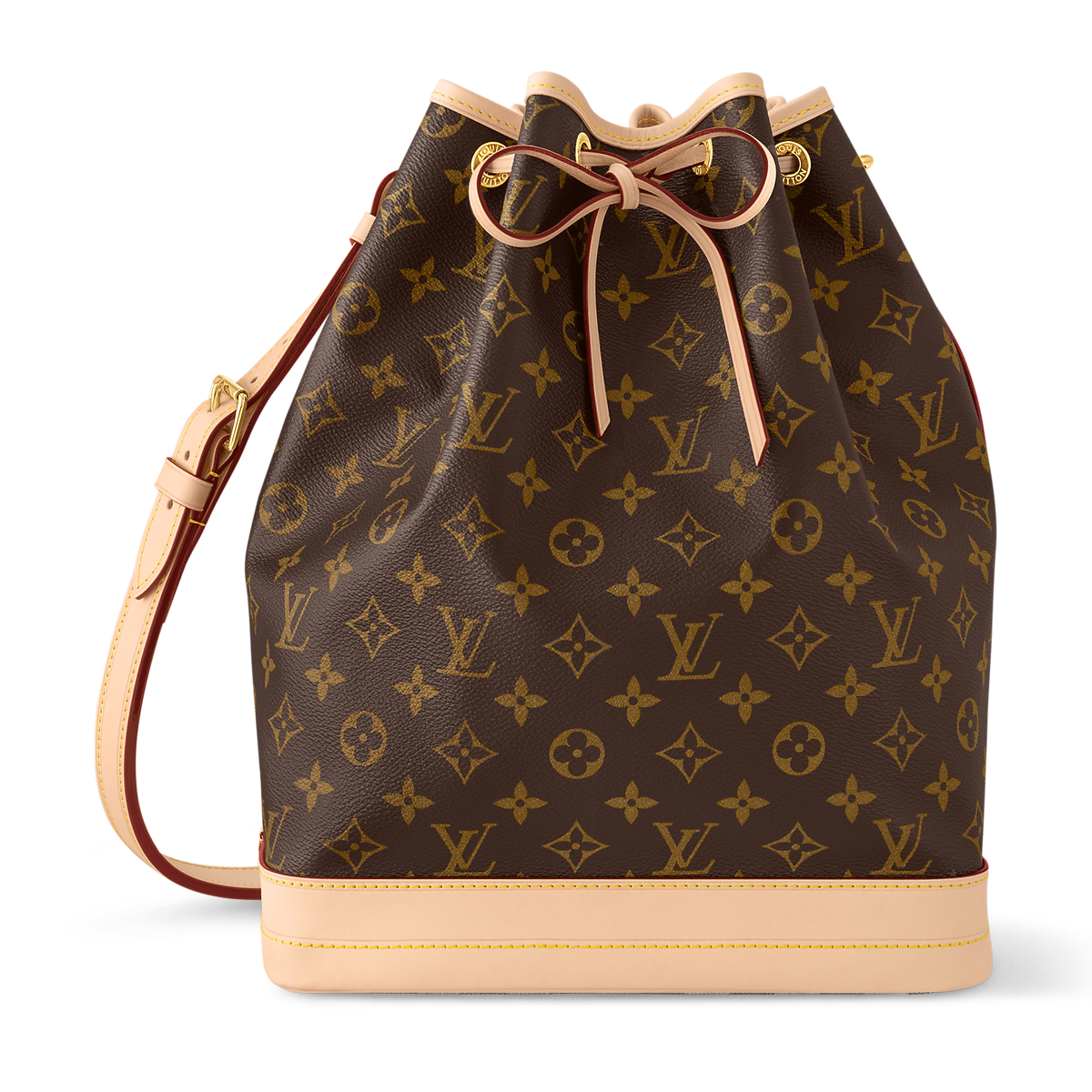
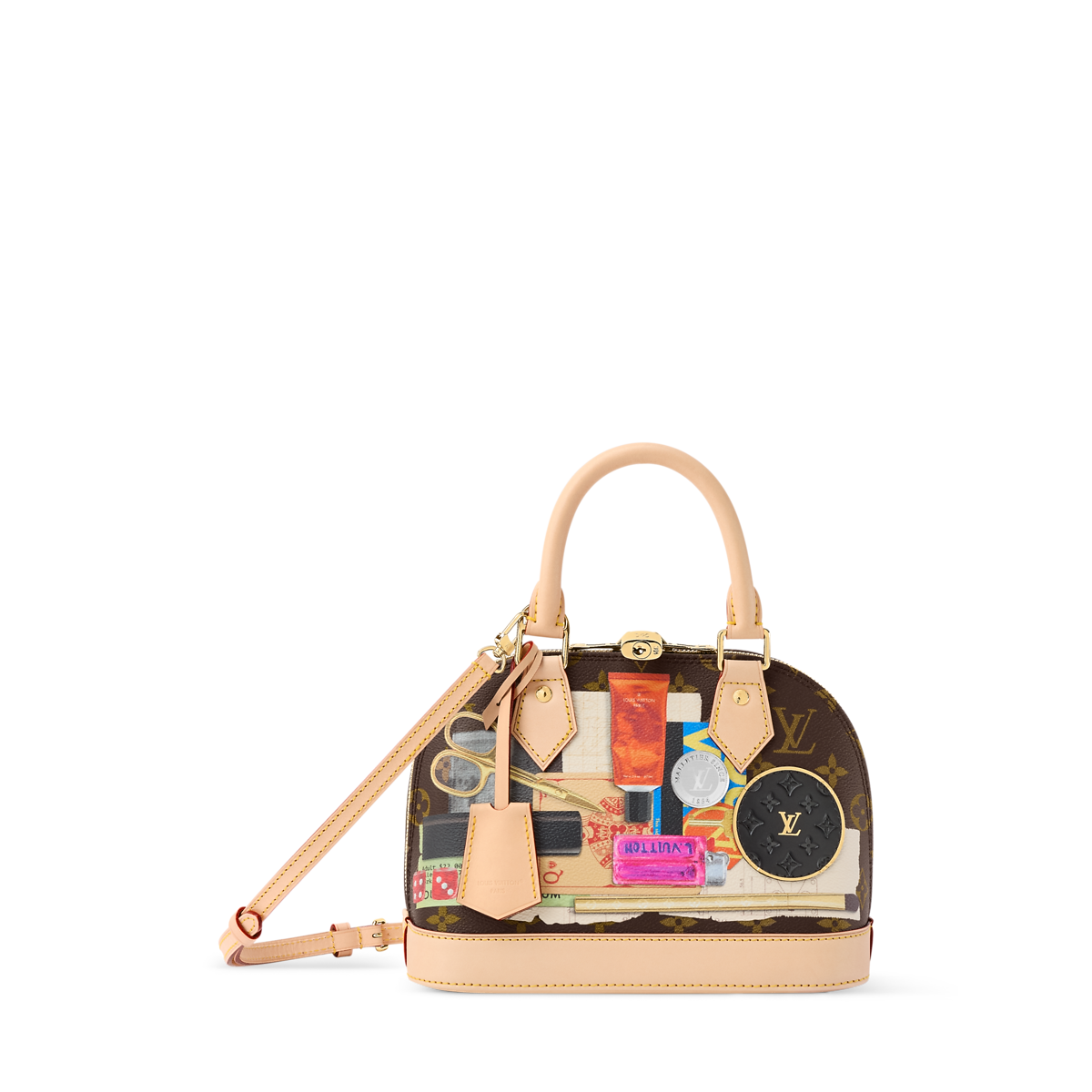
Travel, translated into handbags
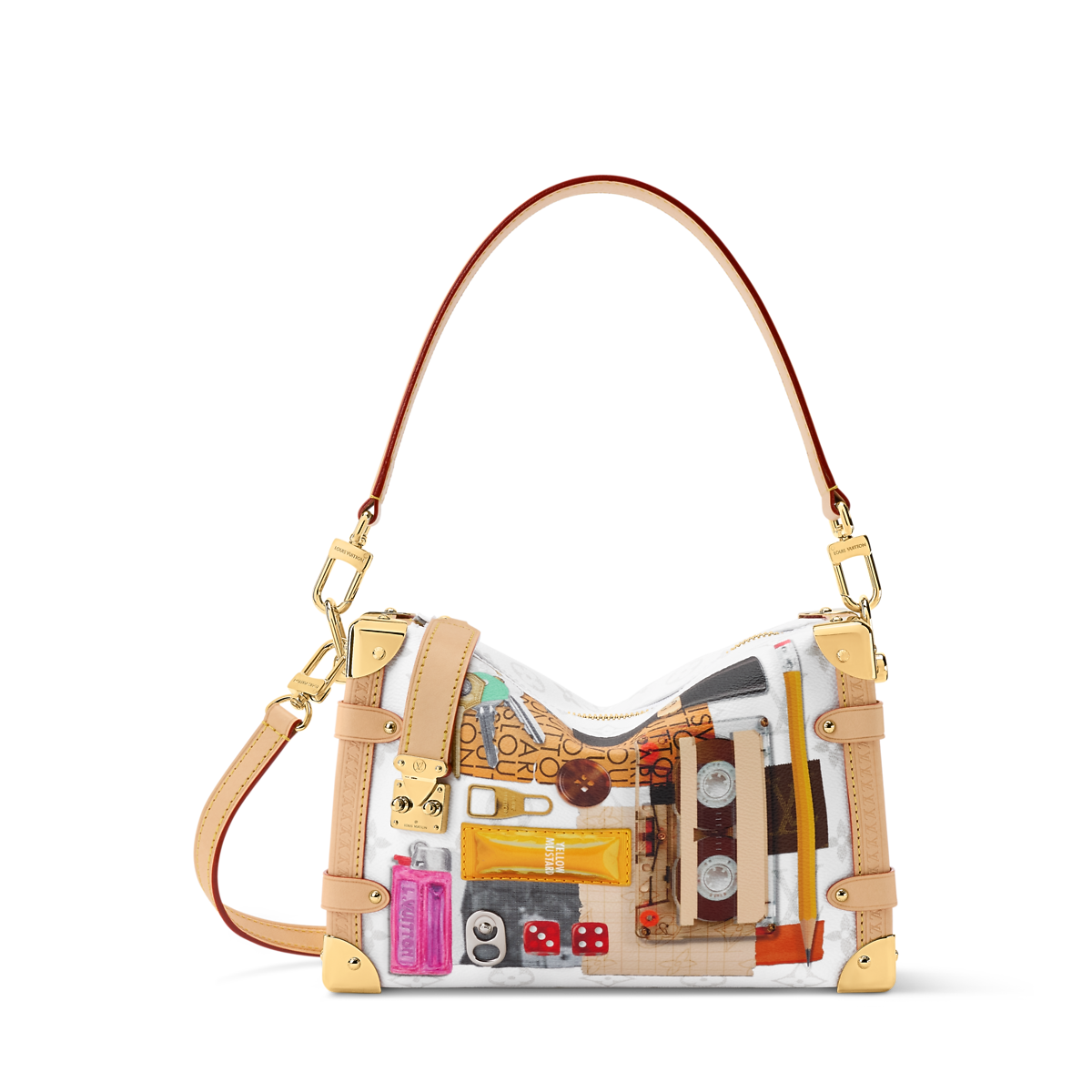
Louis Vuitton started with packing and trunkmaking, not a stiletto: it opened a Paris shop in 1854, and its own heritage account credits the house with flat-top trunks, lightweight canvas, signature patterns, and a tumbler lock. The Monogram arrived in 1896 as Georges Vuitton's tribute to his father. That useful, travel-minded thread still appears in the bags. The Noé began as a 1932 commission for carrying five bottles of champagne and keeps its drawstring bucket shape; the Neverfull MM is a roomy shoulder tote reimagined in a Cruise 2027 trompe-l'oeil canvas. The Alma BB is another structured shape in that In My Bag visual language, while Side Trunk MM brings the same playful canvas treatment to a silhouette rooted in trunkmaking.
I would start with Neverfull if I need a real workday bag, or Alma if I want something compact enough for dinner.
Small bags, two directions
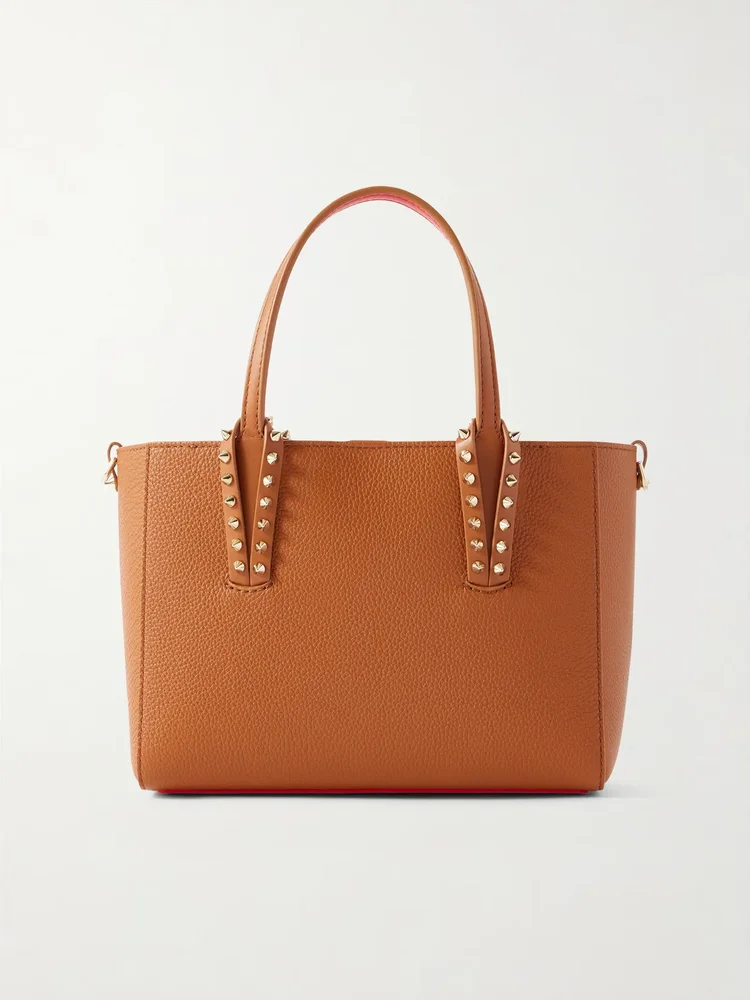
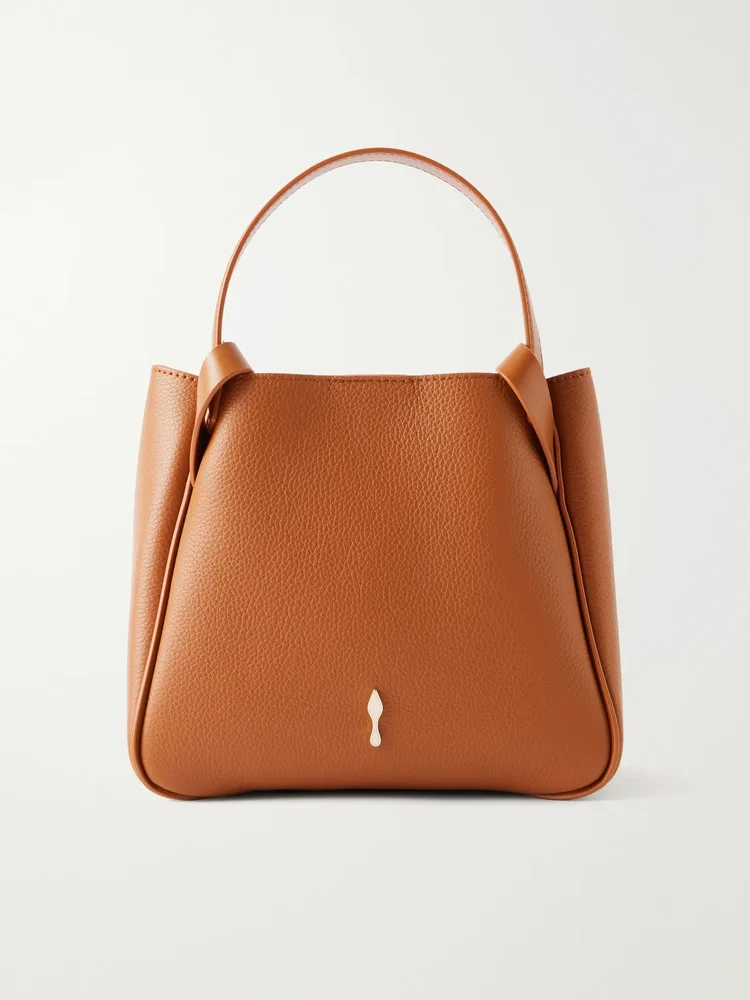
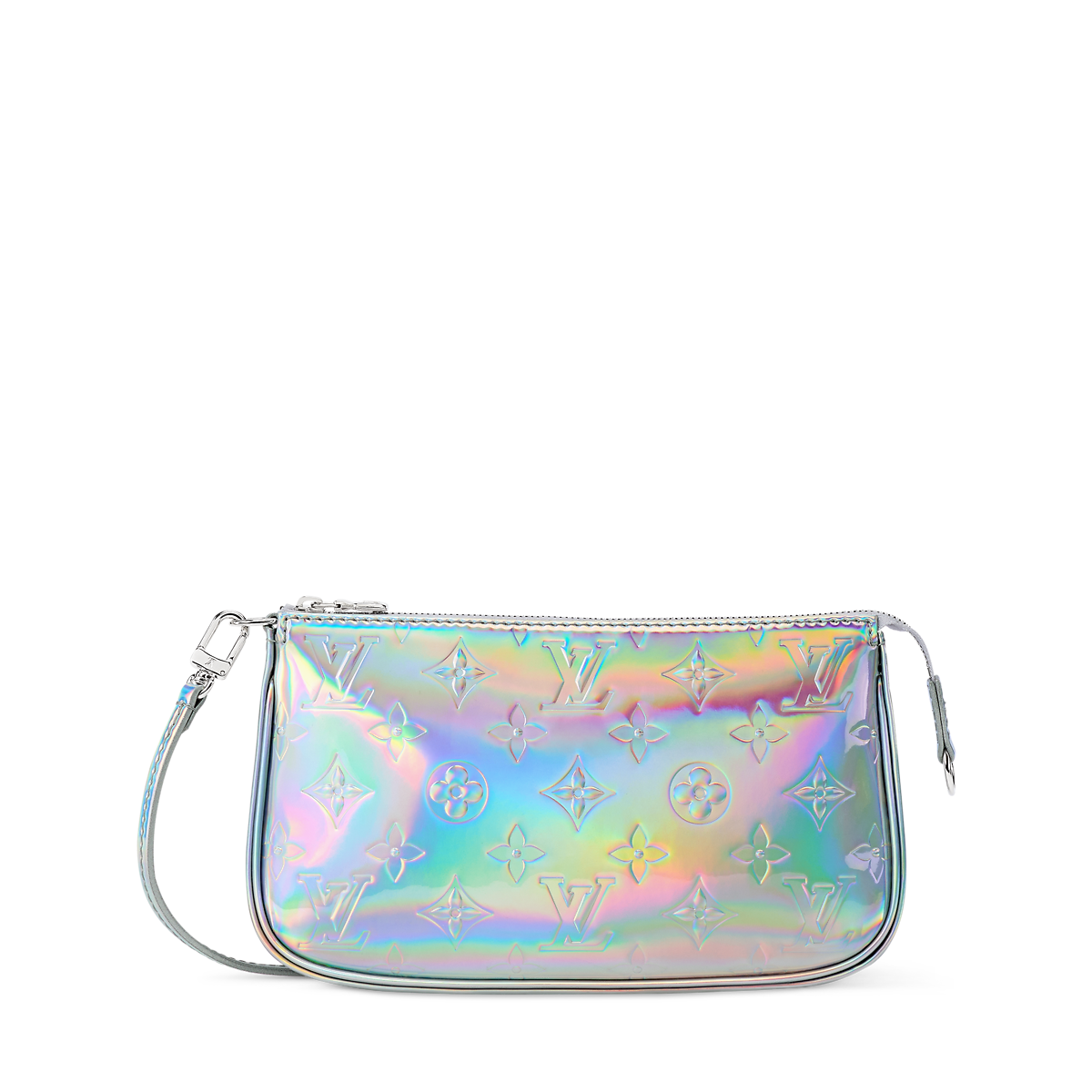
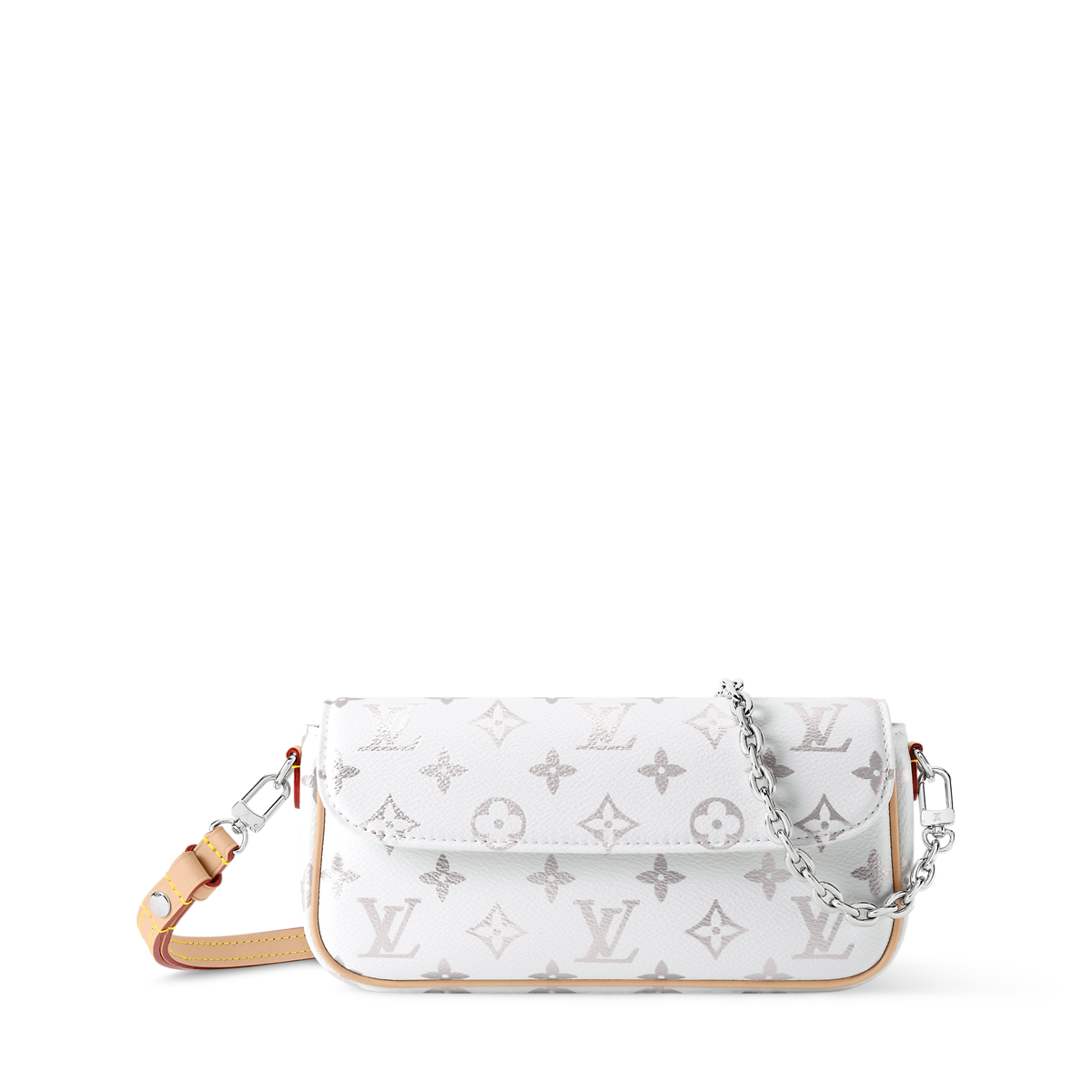
Small bags are the closer comparison: Louboutin's Cabata mini spiked textured-leather tote has a top-handle-to-crossbody option, gold-tone spikes, and its red base; the Bettina mini is a softer leather top-handle bag with rounded handles and phone-and-key capacity. Louis Vuitton's Pochette Accessoires takes a reflective Monogram Miroir finish and comes with a removable strap, while Wallet On Chain Ivy wears a pearly Monogram finish with a removable silver-tone chain and strap.
The Louboutin pair gives the small-bag category a more sculptural accent; the LV pair leans on shine and flexible carry options. Buy Christian Louboutin if you want the bag to echo the bravado of its shoes. Buy Louis Vuitton if you need a flexible little companion that can change how you carry it. I would pick the Cabata as the fun option and the Pochette as the everyday one.