Eau de toilette meaning, in plain English: a lighter fragrance label with a grooming-water history, plus comparisons with parfum, cologne and mists.
Eau de Toilette Meaning: EDT, Parfum, Cologne and Mist
What eau de toilette means
Eau de toilette meaning, in plain English: a perfumed liquid with less fragrant oil than ordinary perfume or eau de parfum, from French for “water for washing and dressing.” The word toilette belongs to getting ready, not the bathroom joke; I like that a label this French and formal began as language for dressing.
For a current rule of thumb, IFRA gives eau de toilette a typical 5 to 15 percent fragrance concentration, eau de parfum 10 to 20 percent, eau de cologne 3 to 8 percent and perfume extract 15 to 40 percent. Those are ethanol-based ranges, not fixed definitions: IFRA says the names vary by region and market, and the bands overlap. The Perfume Society makes the useful extra point that different strengths of one fragrance can have different notes, not just less or more of the same.
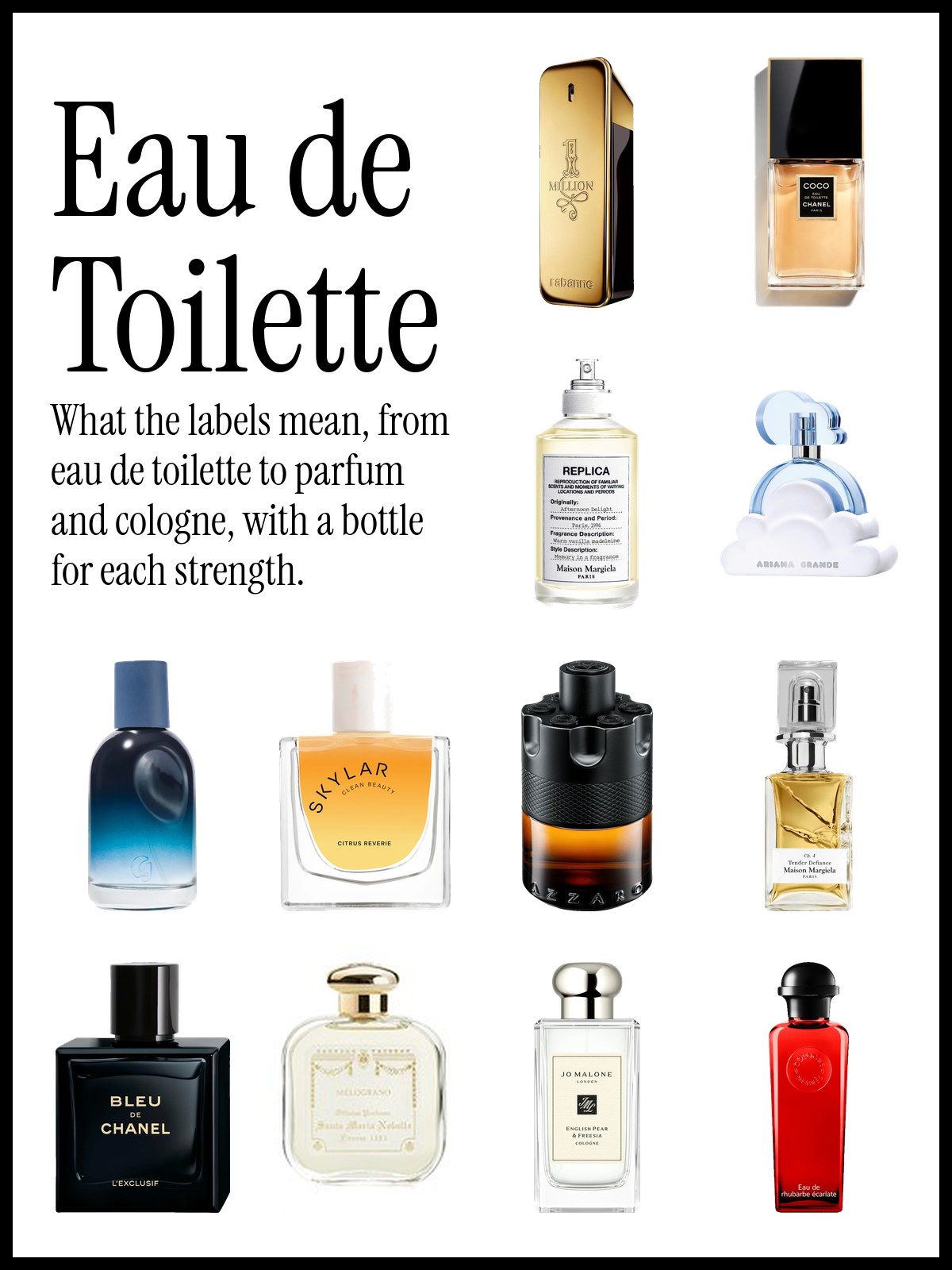
Rabanne 1 Million Eau de Toilette is a good example of an EDT that is not automatically wispy: its brand describes blood mandarin, woody cinnamon and leathery amber. I would choose it for the warm spicy-wood character, not because the three-letter label promises a certain wear time. If you are choosing between two related concentrations, Toilette vs Parfum, and How to Choose Between Them is the more practical comparison.
Eau de toilette, the lighter everyday strength
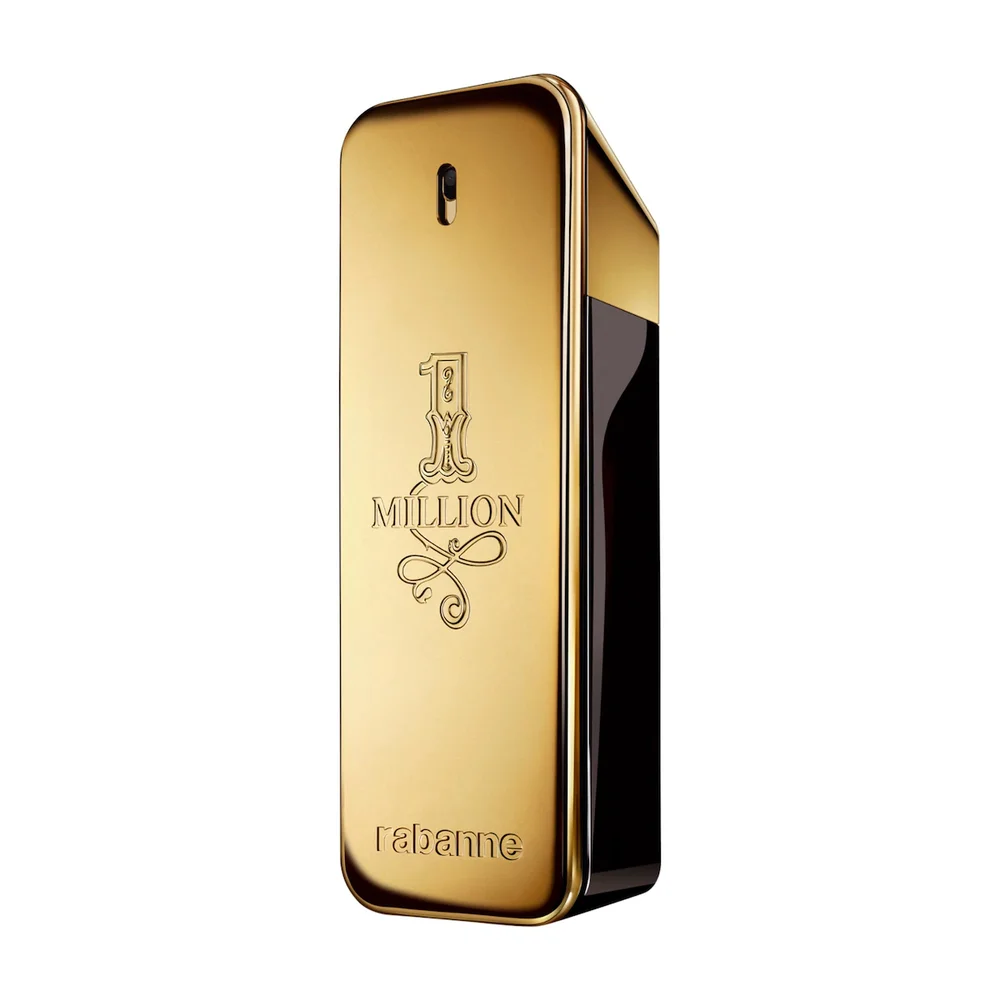
1 Million Eau de Toilette with Leather
Rabanne
$126
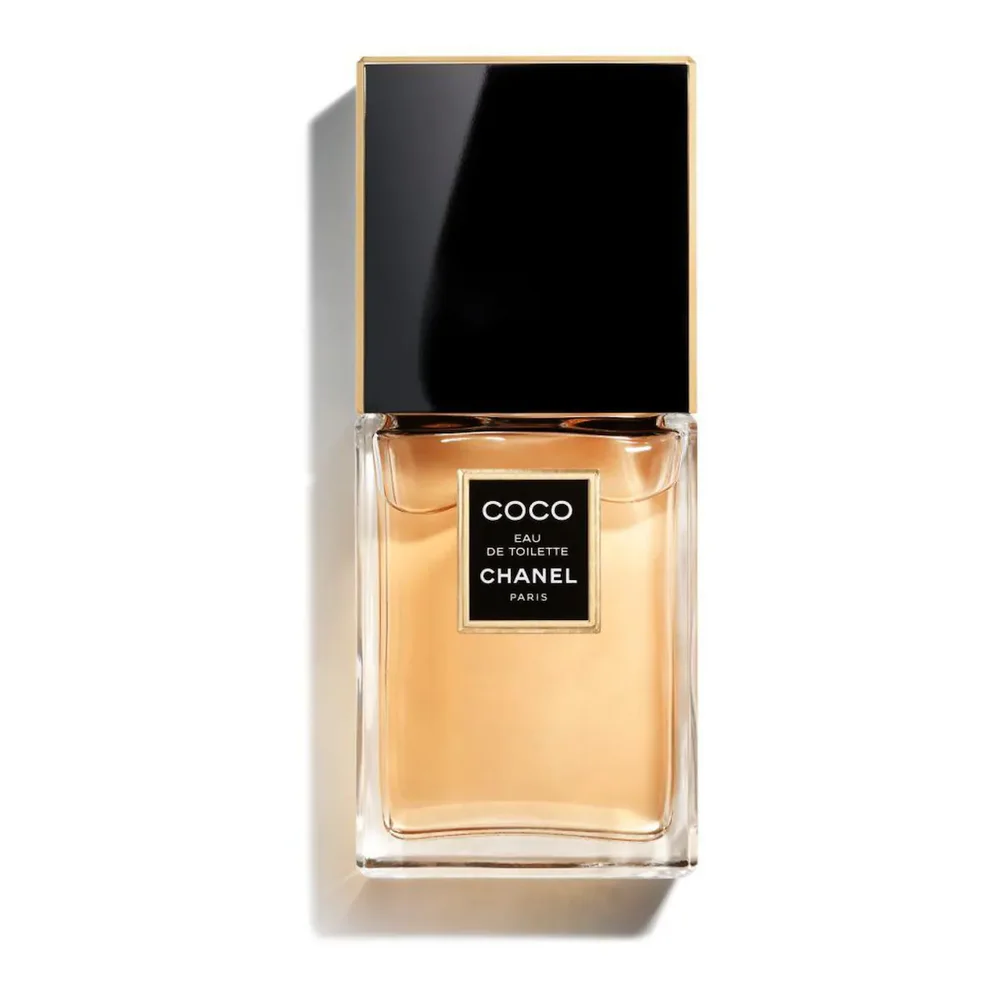
COCO Eau de Toilette
Chanel
$124
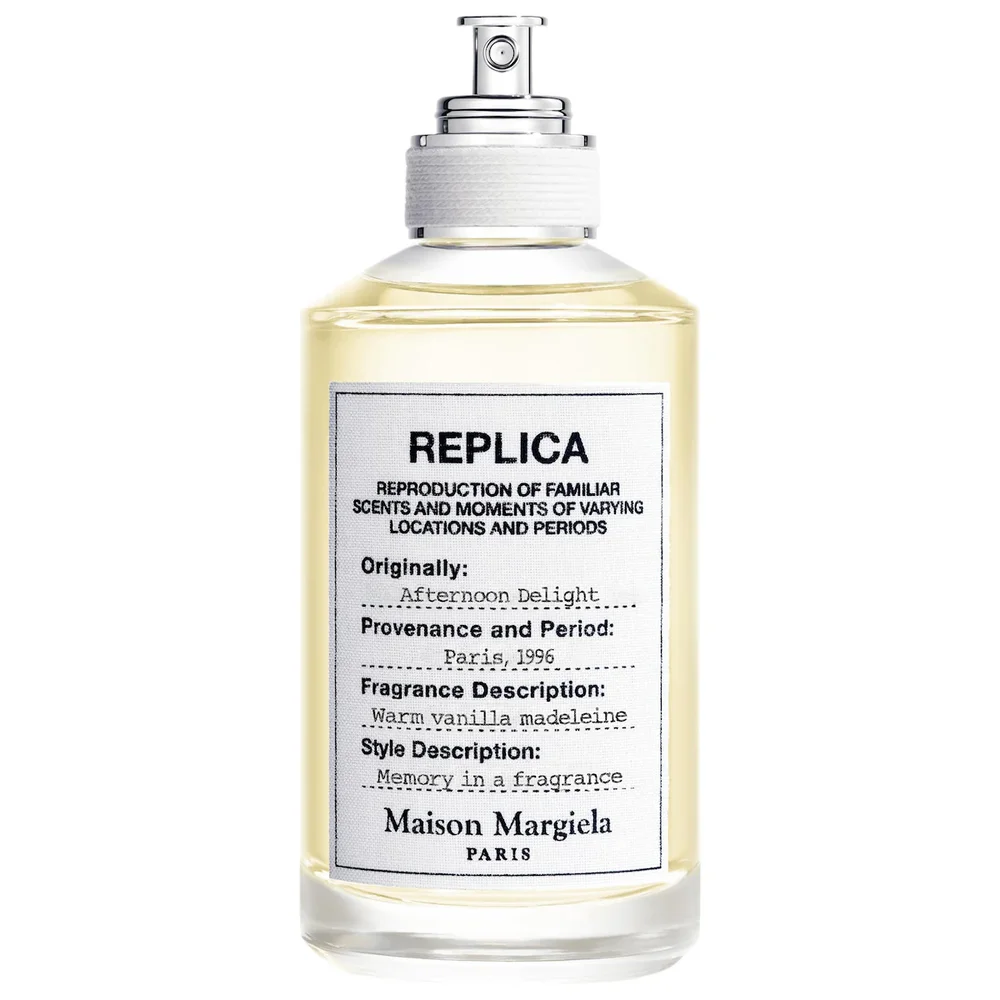
'REPLICA' Afternoon Delight Eau de Toilette
Maison Margiela
$170
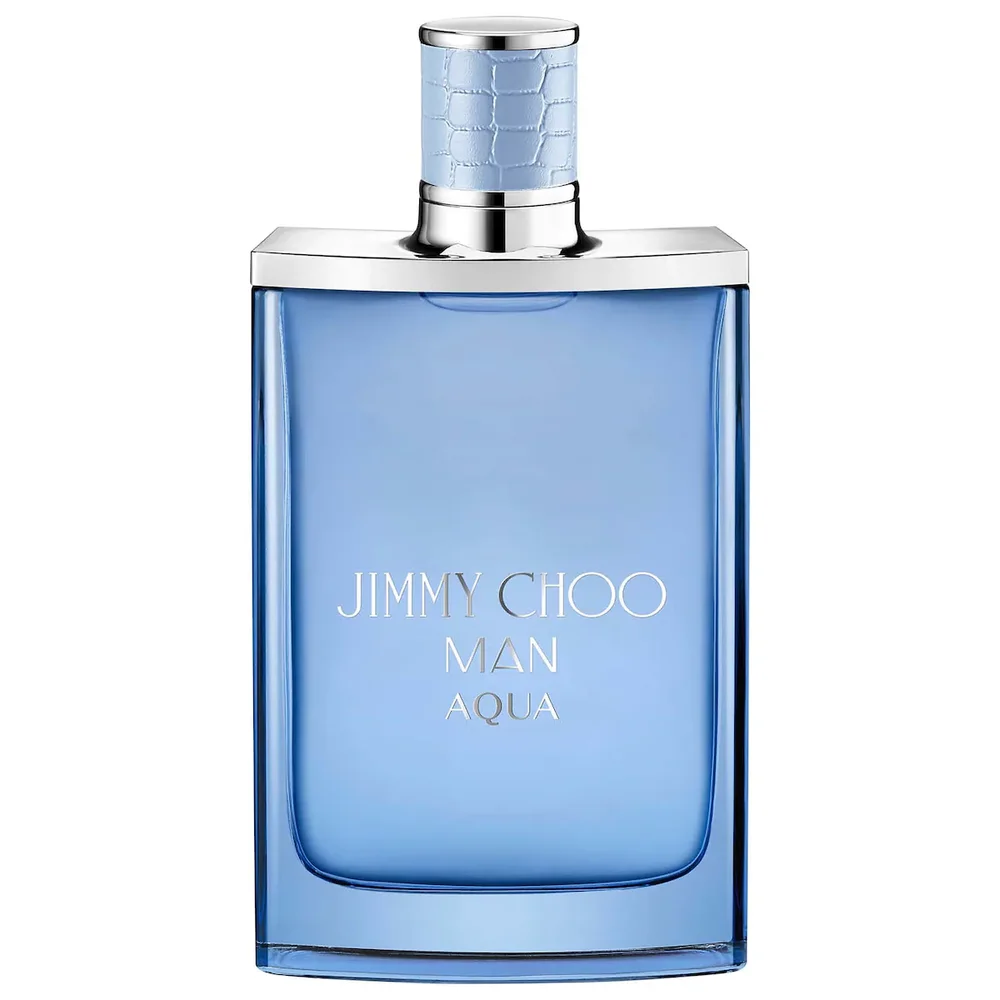
Man Aqua Eau de Toilette
Jimmy Choo
$120
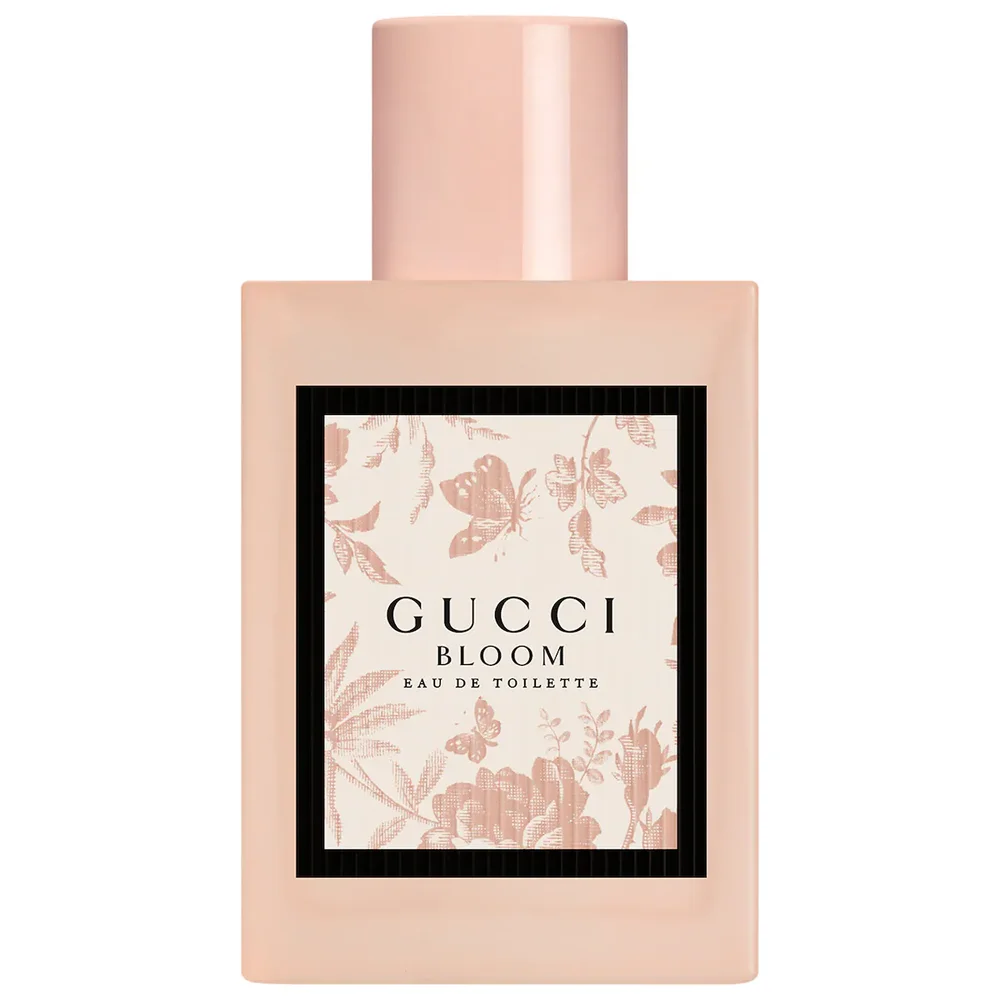
Bloom Eau de Toilette with Jasmine, Tuberose, and Neroli
Gucci
$122
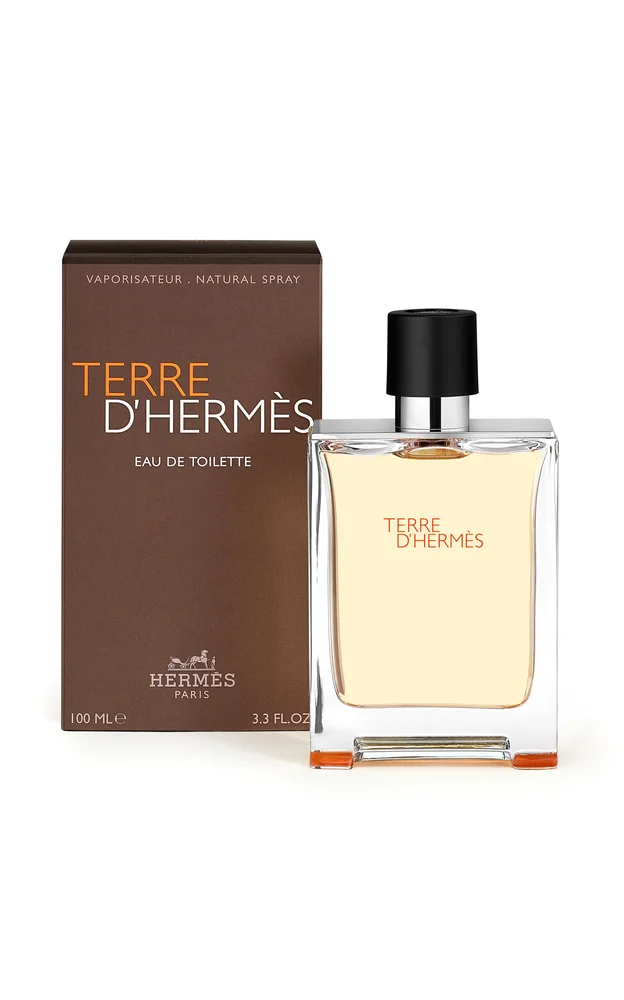
Terre d'Hermès Eau de Toilette
Hermès
$145
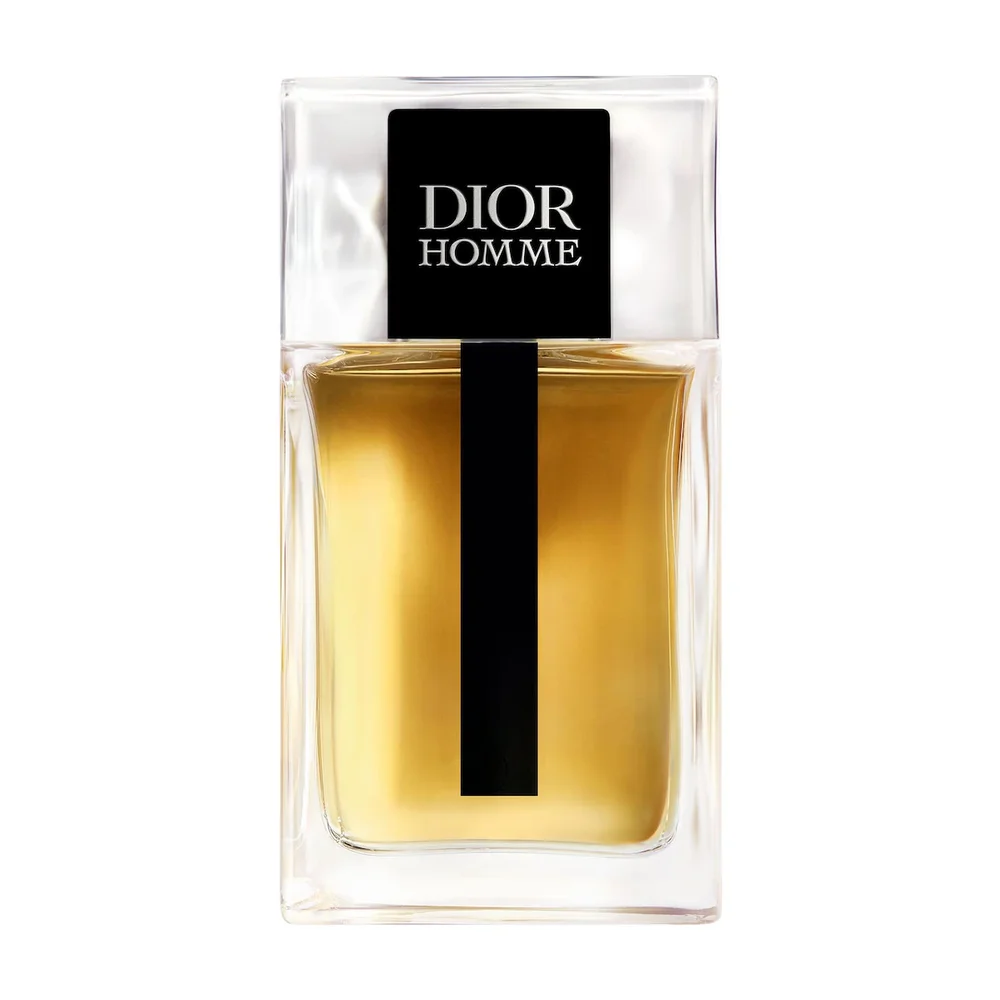
Homme Eau de Toilette
Dior
$115
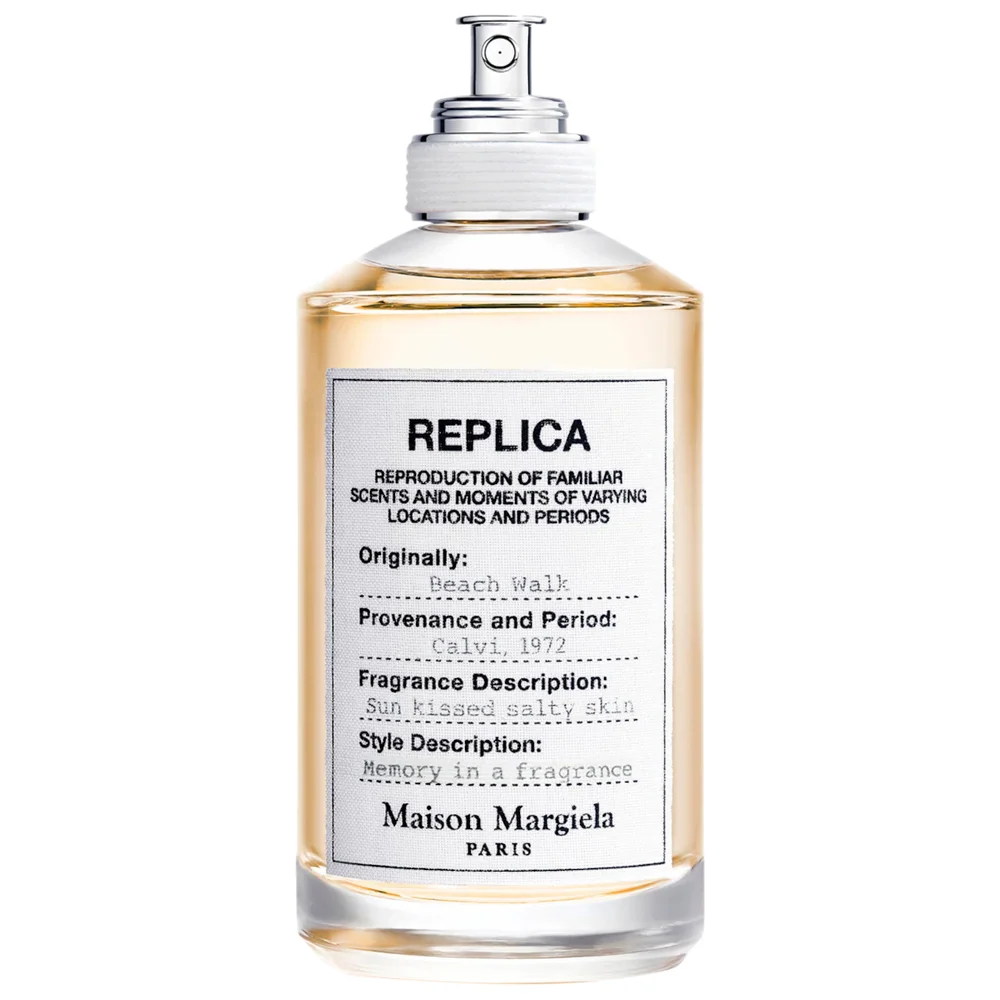
'REPLICA' Beach Walk Eau de Toilette with Coconut Milk & Musk
Maison Margiela
$170
Eau de parfum, with a little more weight
An eau de parfum often sits in a higher concentration band than an EDT, but IFRA's ranges overlap, so I do not read EDP as a guarantee of longer wear or a scent that is simply the same as an EDT turned up.
With Ariana Grande Cloud Eau de Parfum, the brand's notes start with lavender, pear and bergamot, then move to coconut, praline and vanilla orchid, with a cashmere base. That is the sweet, creamy direction I notice first, but the fresh opening keeps it from reading like a single-note dessert.
I would pick Cloud if you want a recognizable sweet, creamy drydown, not simply because EDP sounds stronger. I would take one spray on skin and let the notes shift before deciding; this is the option I would try if a soft gourmand with a fruity-floral opening sounds like your kind of evening scent.
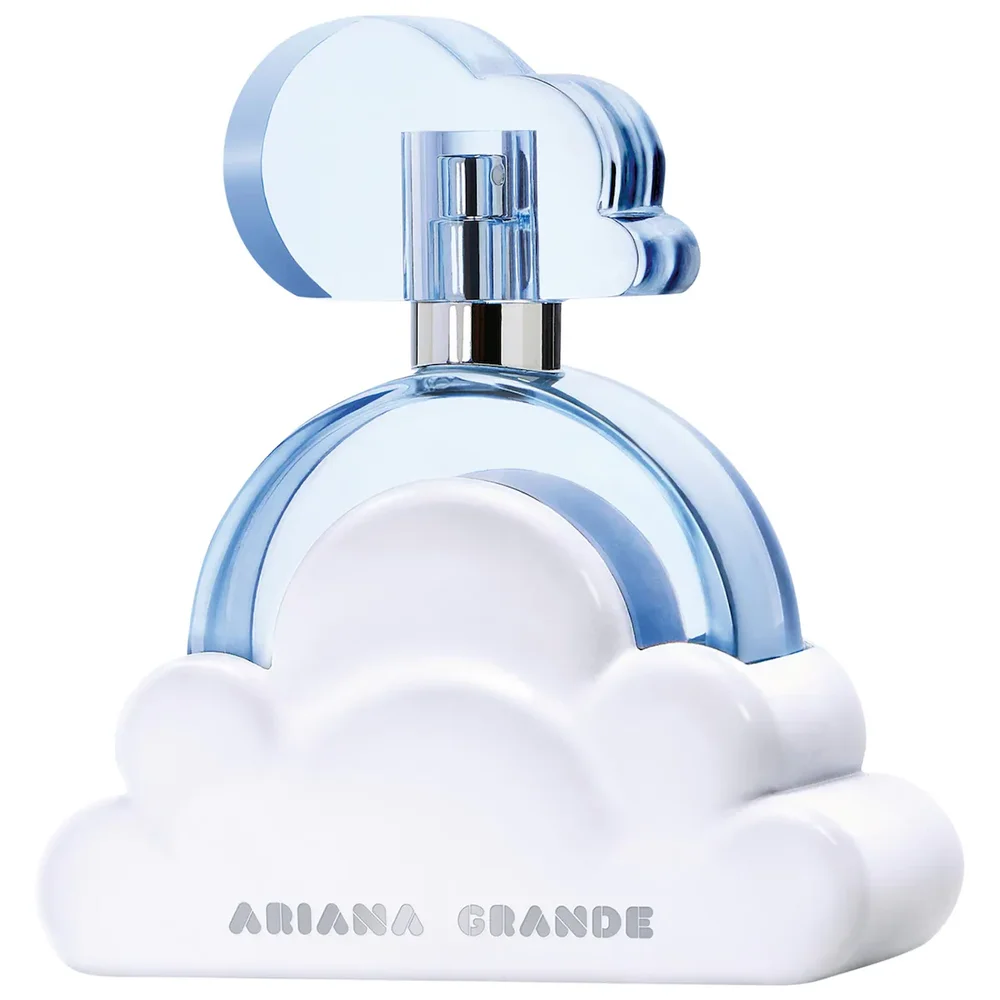
Cloud Eau de Parfum
Ariana Grande
$75
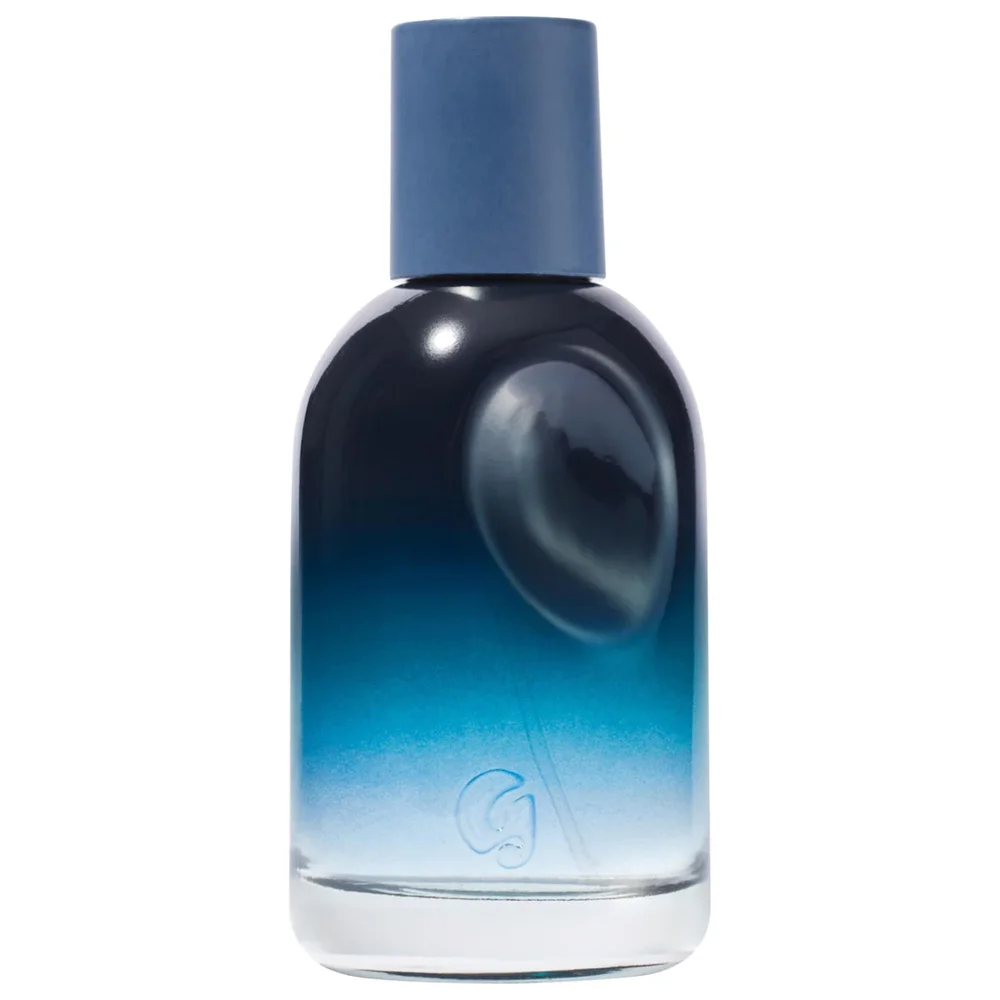
You Soie Eau de Parfum
Glossier
$82
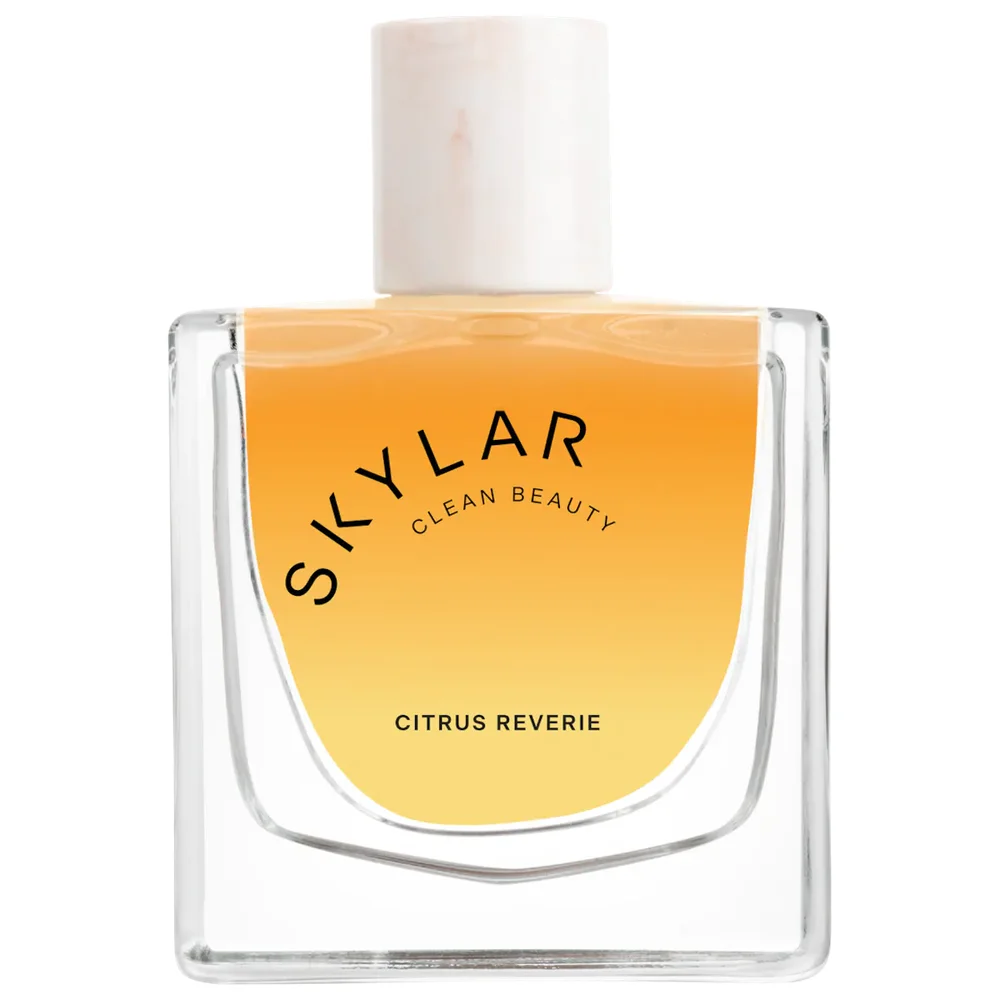
Citrus Reverie Eau de Parfum
SKYLAR
$96
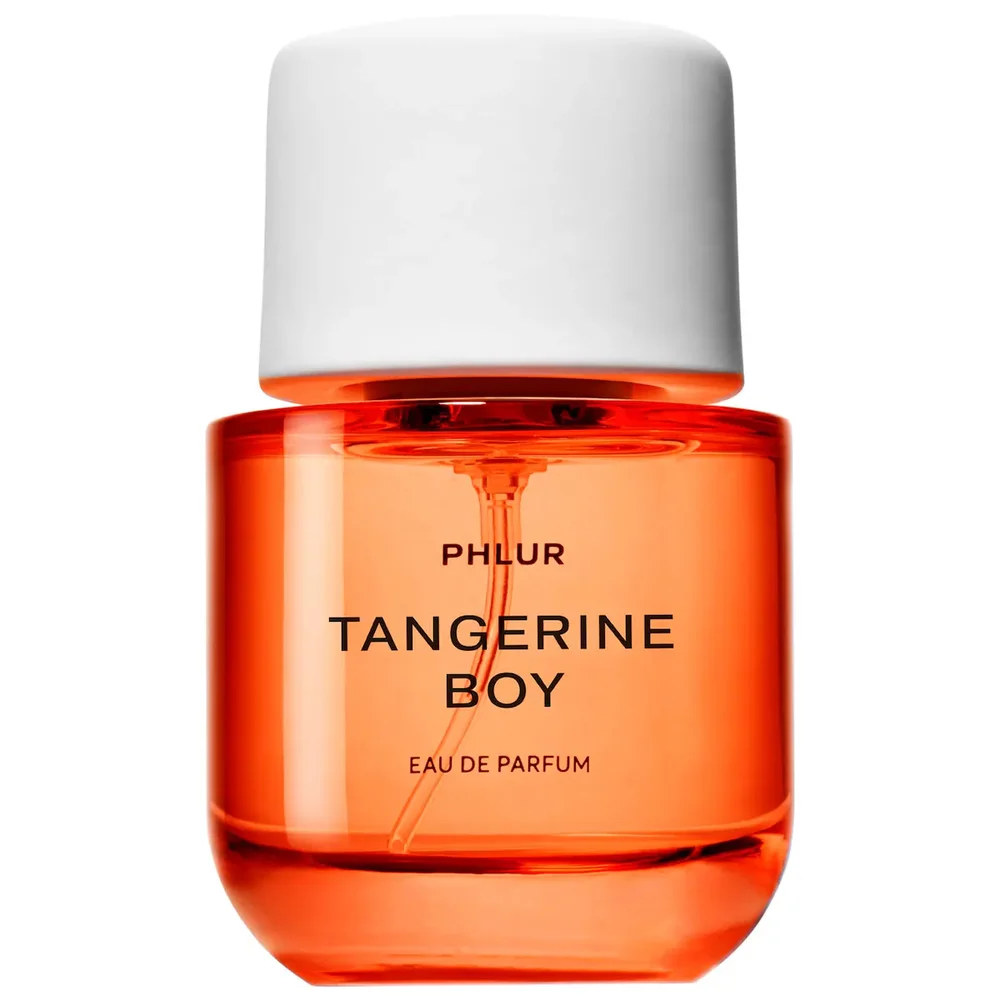
Tangerine Boy Eau de Parfum
PHLUR
$99
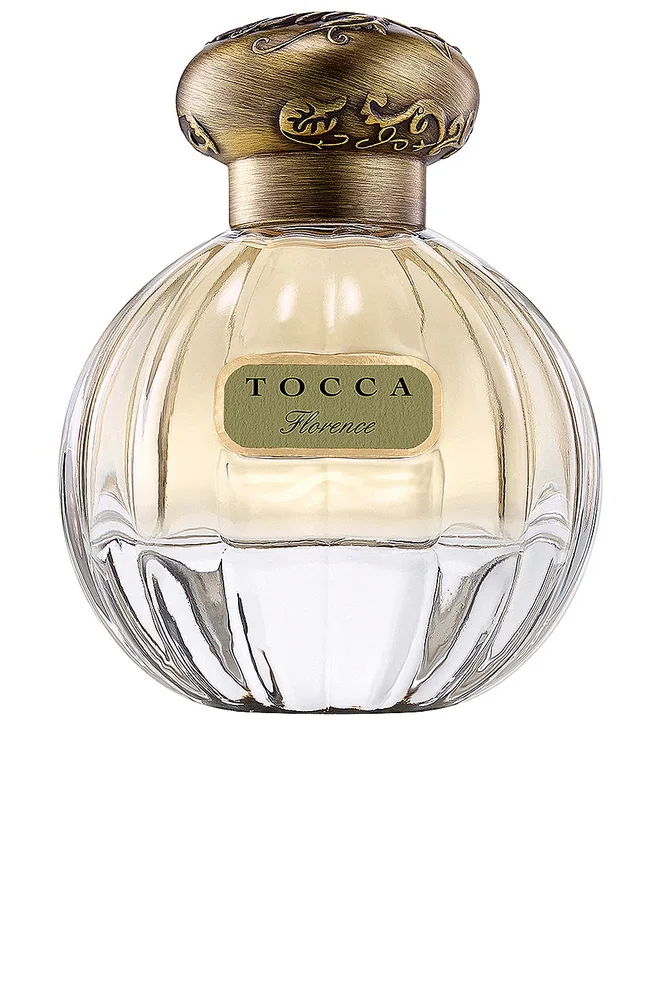
Florence Eau de Parfum
Tocca
$92
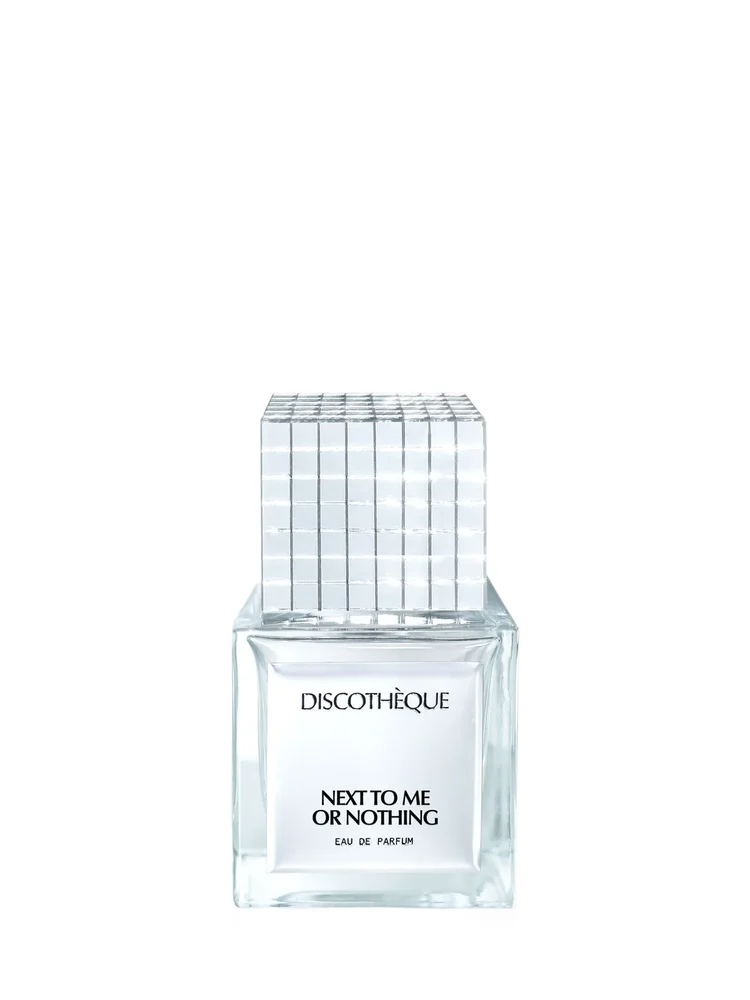
Next to Me or Nothing Eau De Parfum
Discothèque
$175
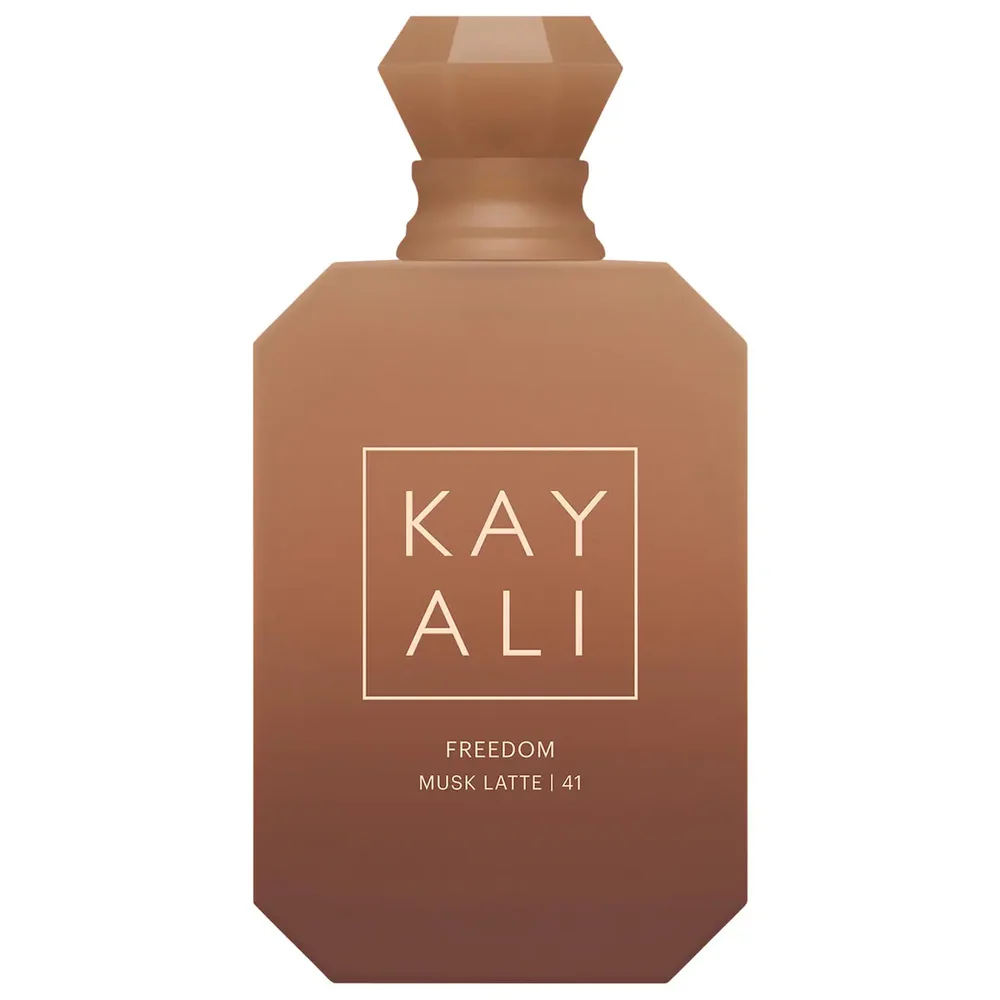
FREEDOM MUSK LATTE | 41 Eau de Parfum
KAYALI
$150
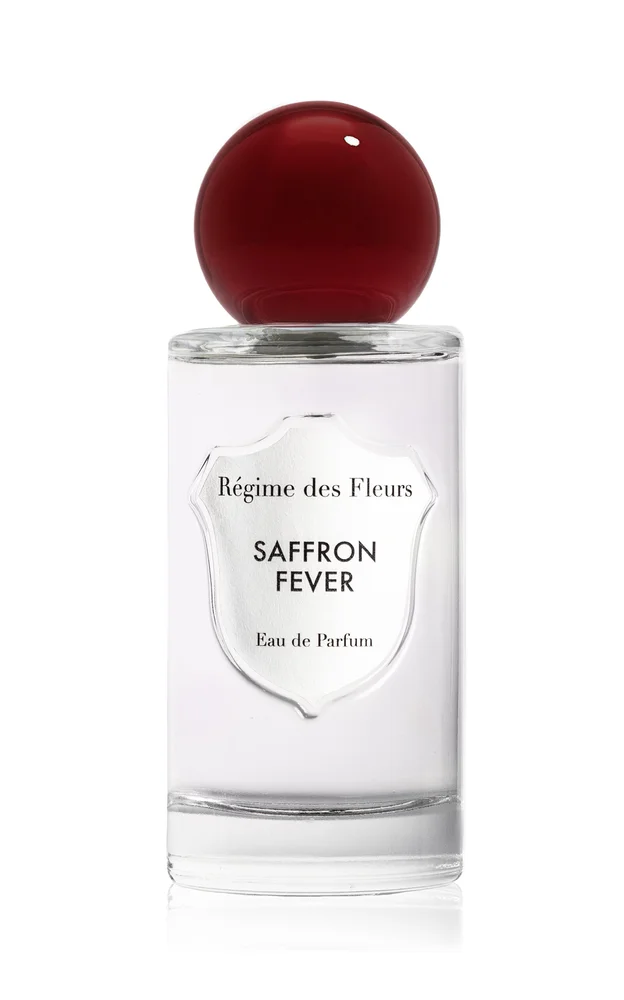
Saffron Fever Eau de Parfum
Régime des Fleurs
$275
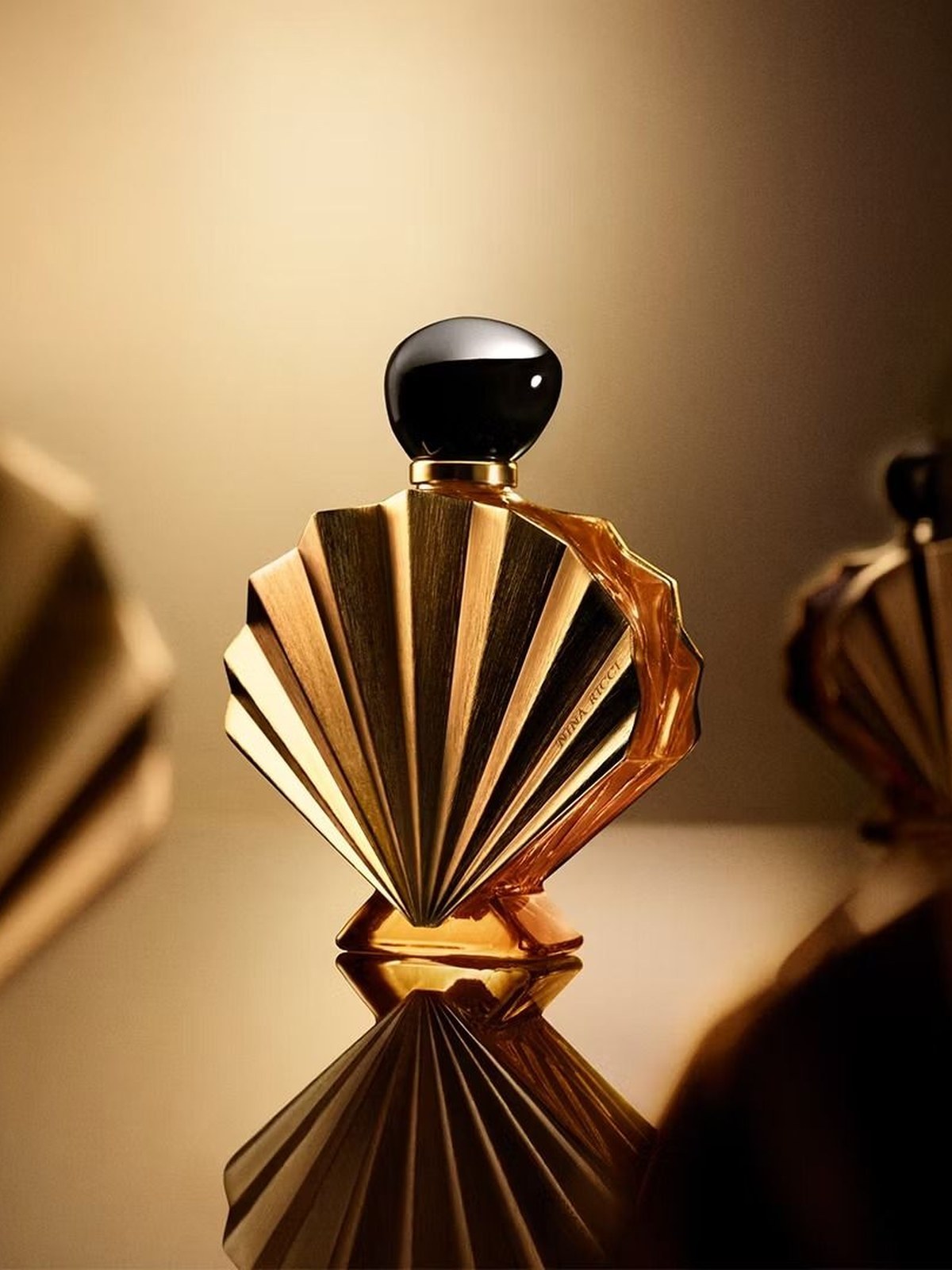
Parfum and extrait, not a legal tier
Parfum and extrait sound like fixed top rungs, but the label does not tell you a universal percentage. IFRA lists a typical range of 15 to 40 percent for perfume extract and says these category names are not strictly defined. Even the shape of a fragrance can change between concentrations, so I would smell the version I plan to wear rather than purchase the boldest word.
Azzaro The Most Wanted Parfum with Bourbon Vanilla and Red Ginger is described by Azzaro as a spicy Fougère Ambery fragrance with fresh woody notes. That sounds warmer and more composed than a simple dose of vanilla, which is why I would sample it if you like an ambery profile. The thing I would skip is assuming parfum always means heavier, louder or longer lasting; the name only gets you part of the way. This category is most useful for someone who likes choosing by scent and wants to compare specific formulas, not shop by hierarchy alone.
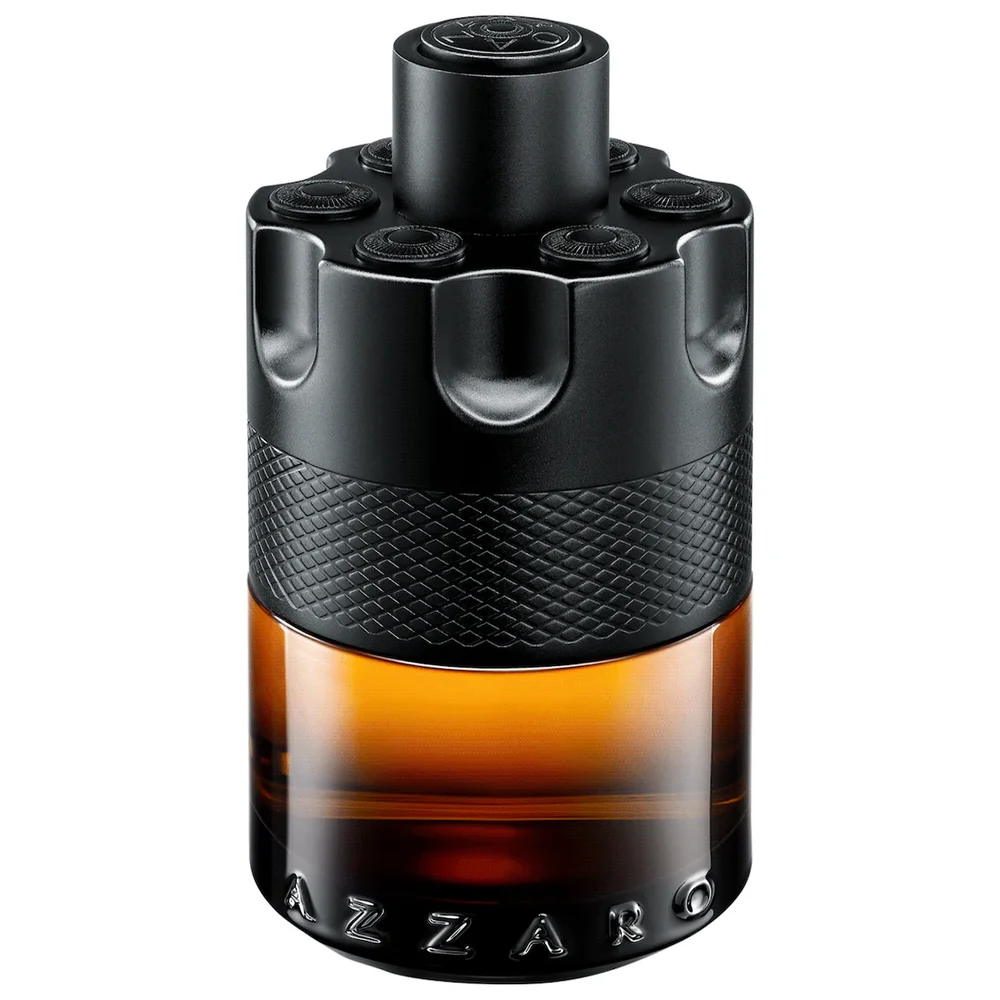
The Most Wanted Parfum with Bourbon Vanilla & Red Ginger
Azzaro
$145
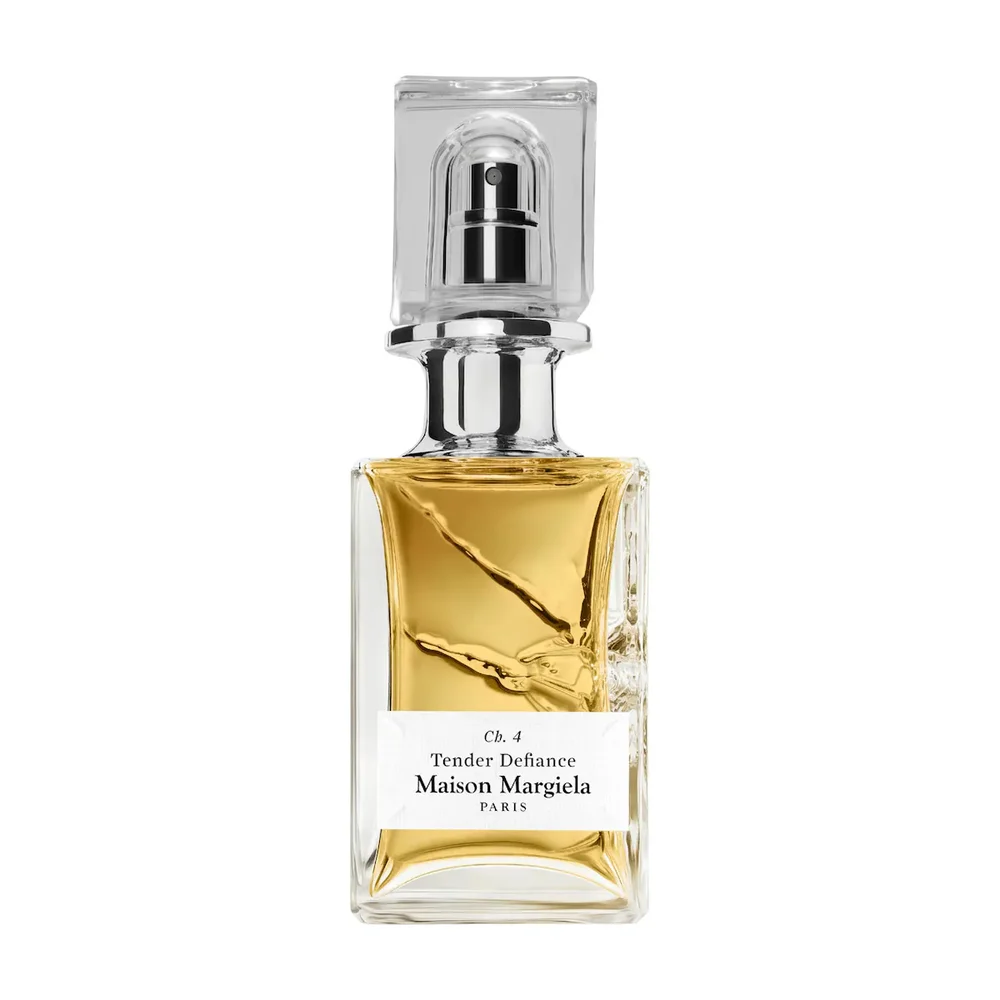
'SCENTSORIUM' Tender Defiance Parfum with Licorice
Maison Margiela
$350
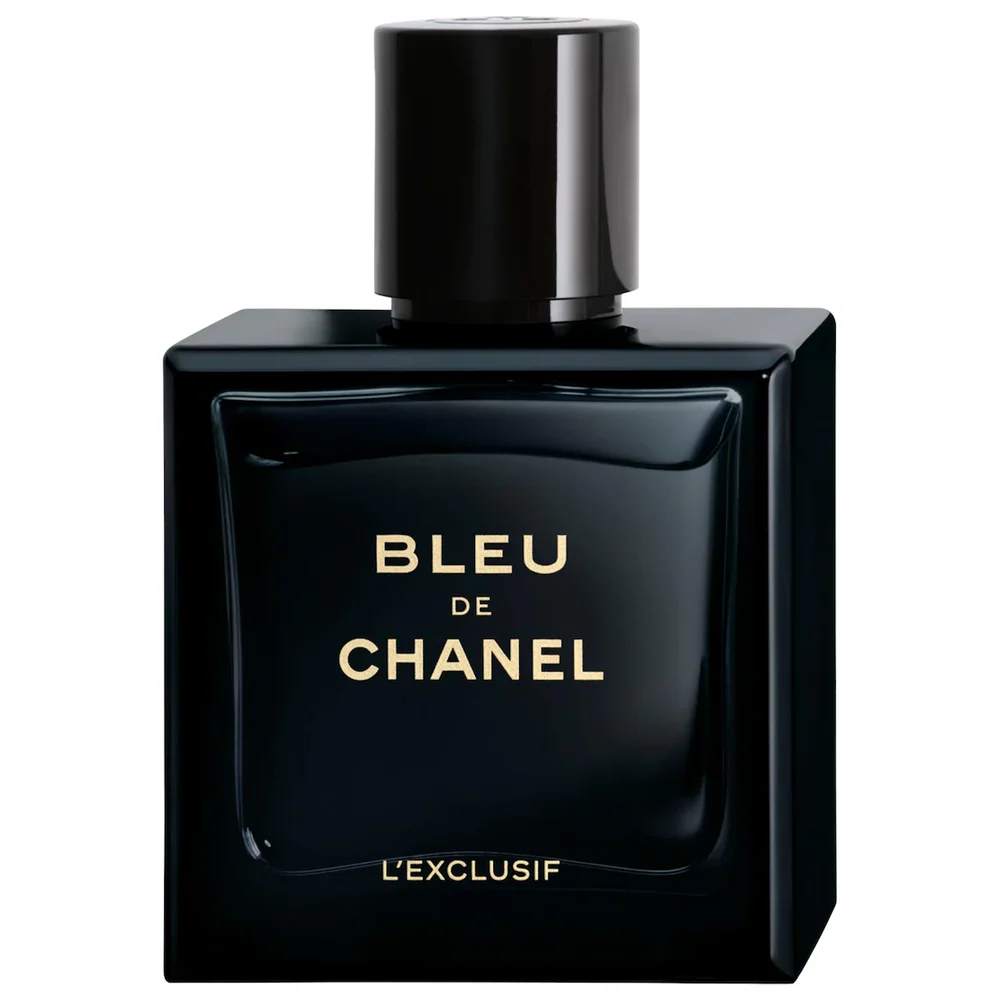
BLEU DE CHANEL L’EXCLUSIF Parfum Spray
Chanel
$275
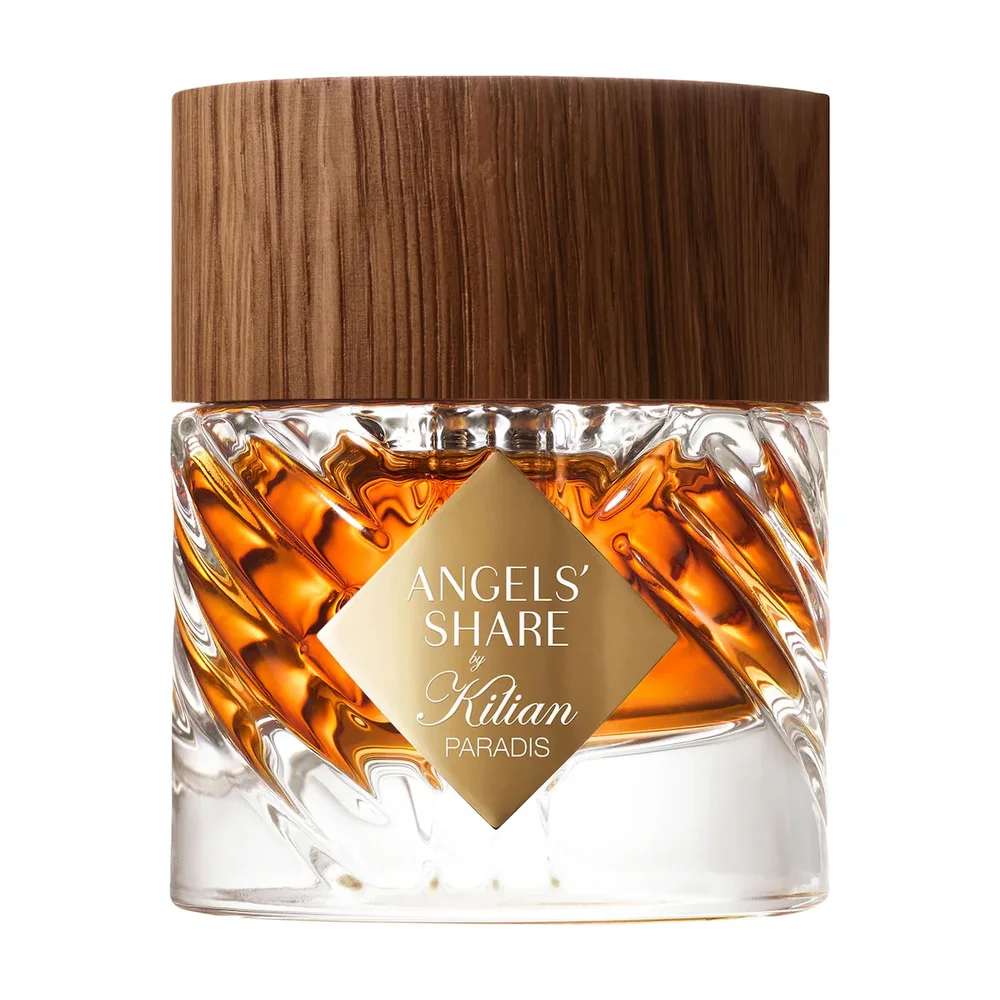
Angels' Share Paradis Extrait de Parfum with Raspberry
Kilian Paris
$390

Invictus Parfum with Lavender & Cashmere
Rabanne
$157
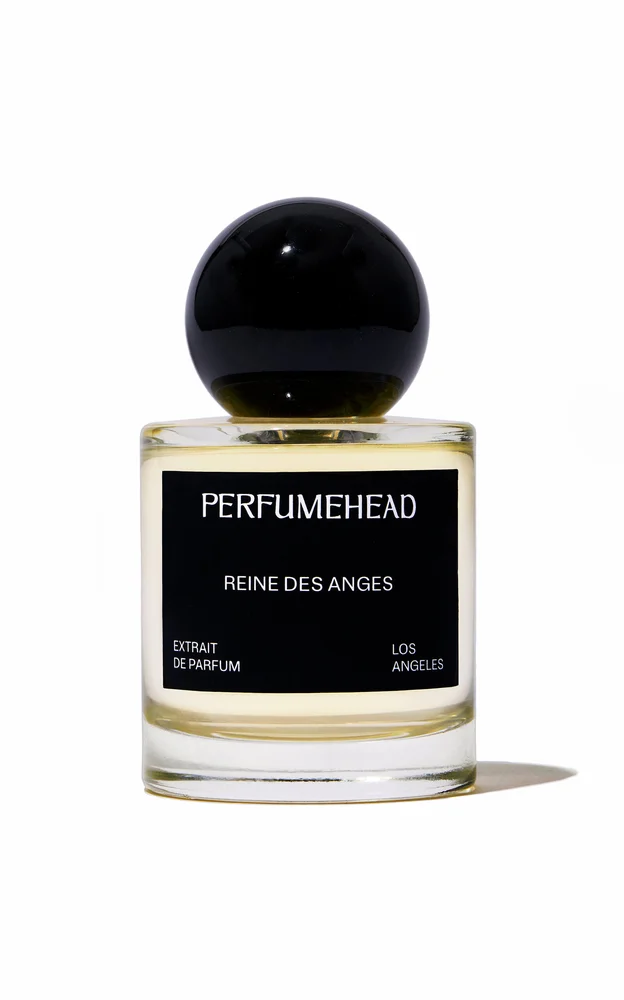
Reine des Anges Extrait de Parfum
Perfumehead
$395
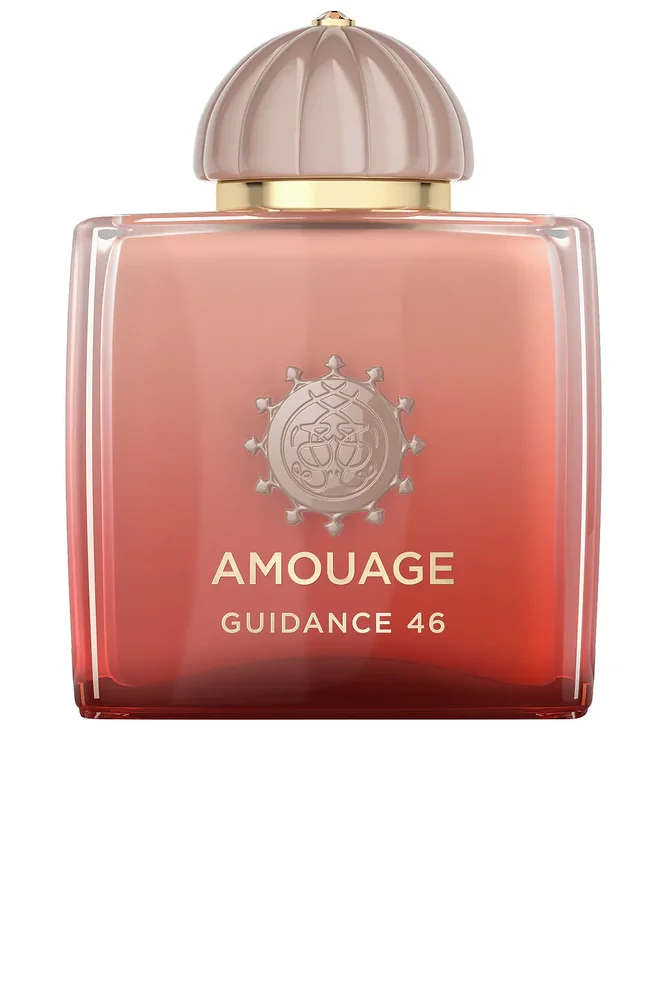
Guidance 46 Extrait De Parfum
Amouage
$550
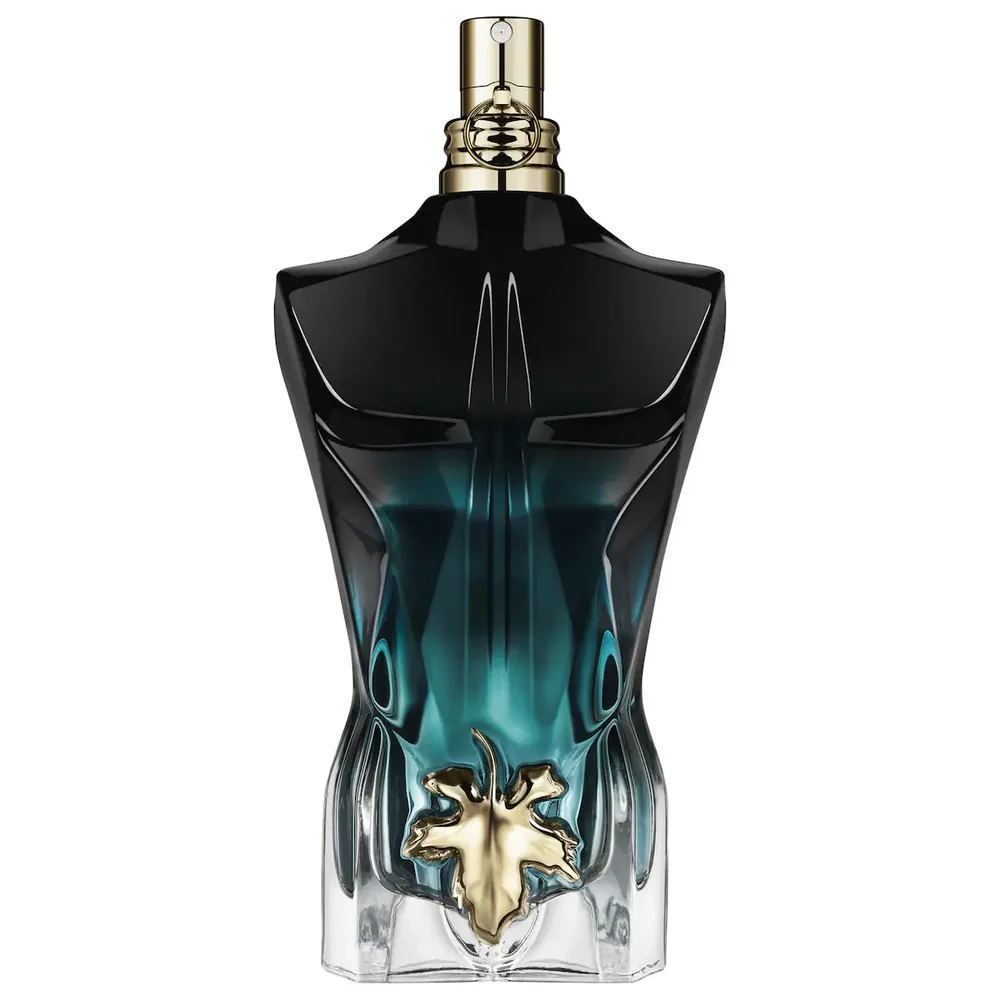
Le Beau Le Parfum with Coconut Wood & Ginger
Jean Paul Gaultier
$169
Cologne and mists, two different cues
Eau de cologne is often on the lighter end of IFRA's typical ethanol-based ranges, at 3 to 8 percent, though that band overlaps an EDT and the name is not an exact formula. Santa Maria Novella Melograno Eau de Cologne gives the label more personality: bergamot and bitter orange open it, pomegranate, rose and ylang-ylang sit at the heart, and oakmoss, labdanum, patchouli and musk ground it. I would try it if you want a citrus-floral cologne with a mossy, resinous finish.
For this comparison, I treat a hair-and-body mist as its own format, not an IFRA percentage rung to compare directly with cologne. PHLUR Cashmere Skin Hair & Body Fragrance Mist brings almond, cyclamen and cashmere into cream, vanilla and santal, then ambrette, musk and Peru balsam. I like the close, soft contrast between its name and warm base. I would reach for it to scent skin and hair gently, not to imitate the structure of a cologne.
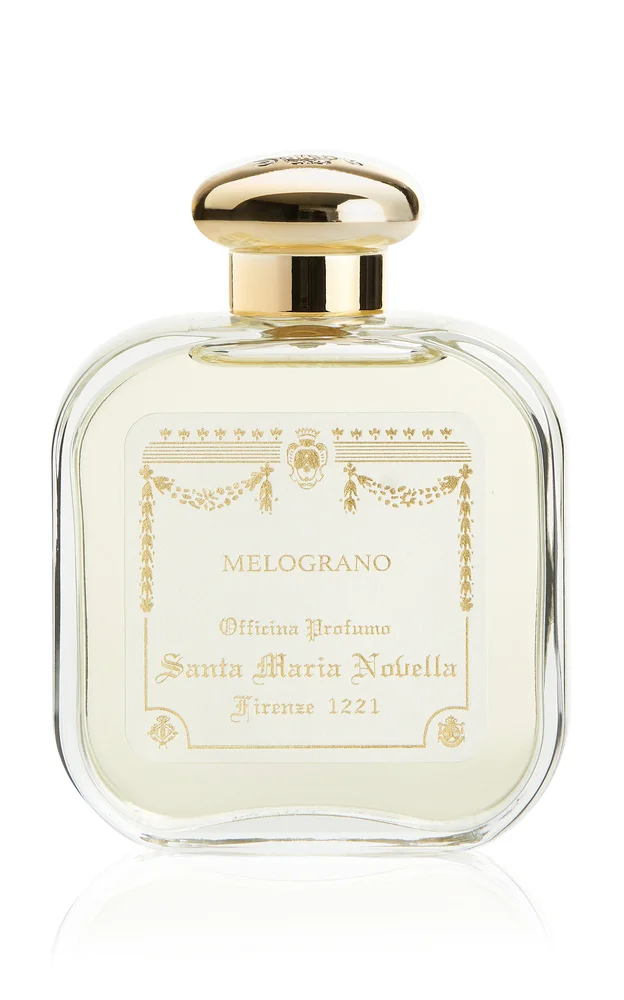
Melograno Eau de Cologne
Santa Maria Novella
$180
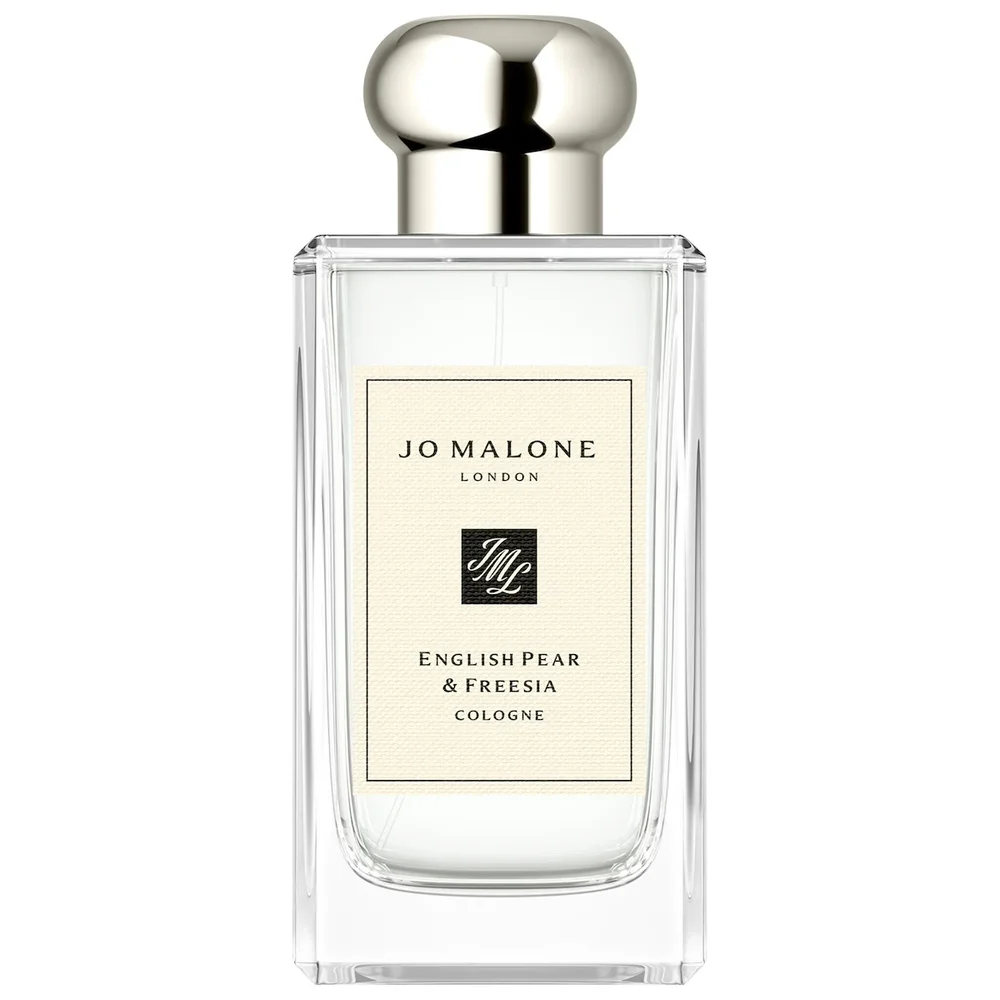
English Pear & Freesia Cologne with Rose
Jo Malone London
$175
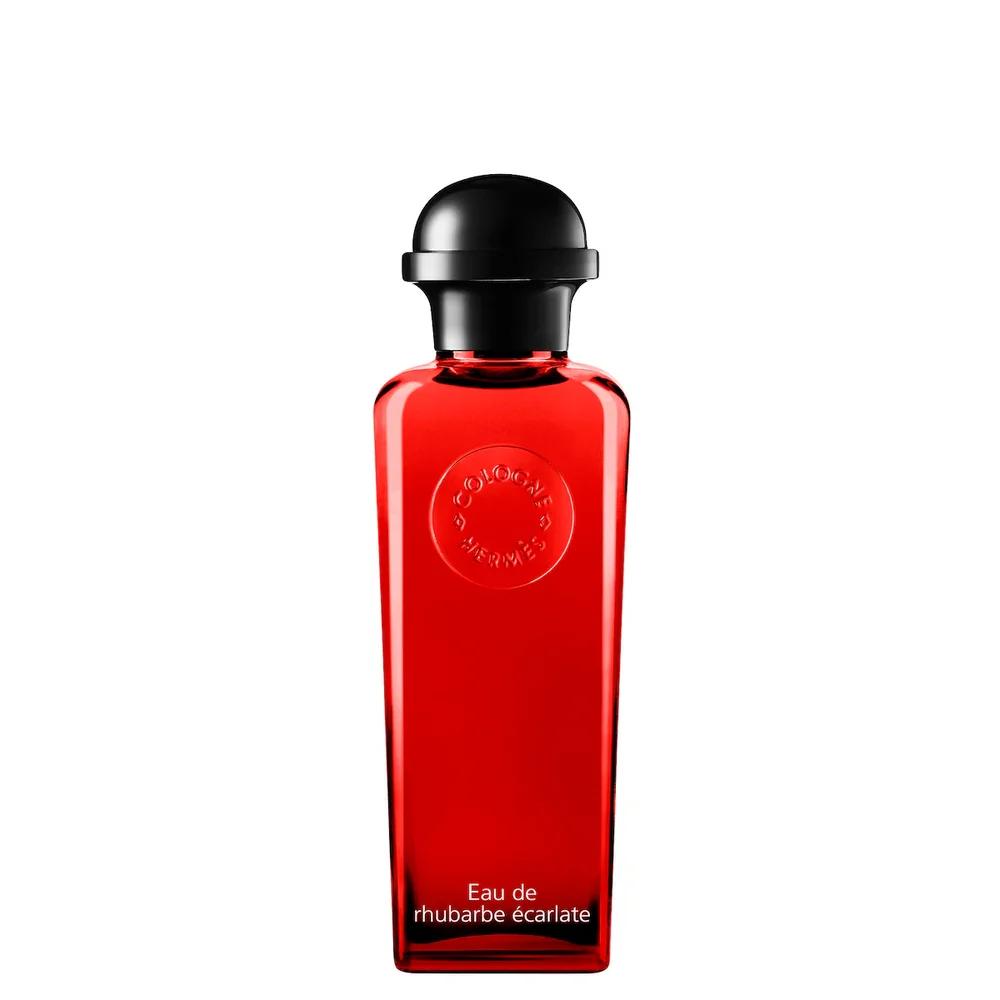
Eau de rhubarbe écarlate Eau de Cologne
Hermès
$151
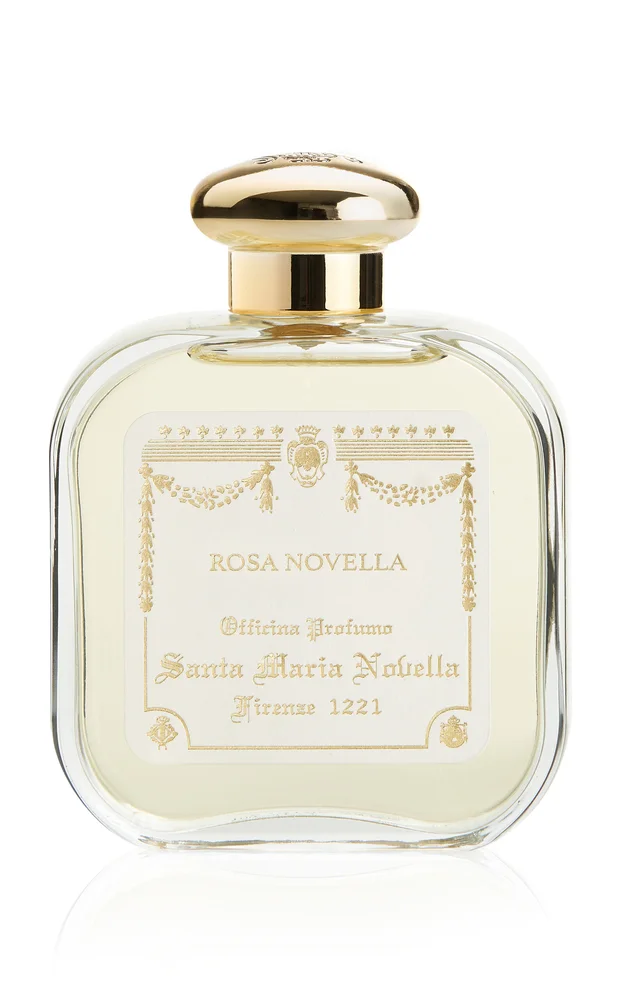
Rosa Novella Eau de Cologne
Santa Maria Novella
$180
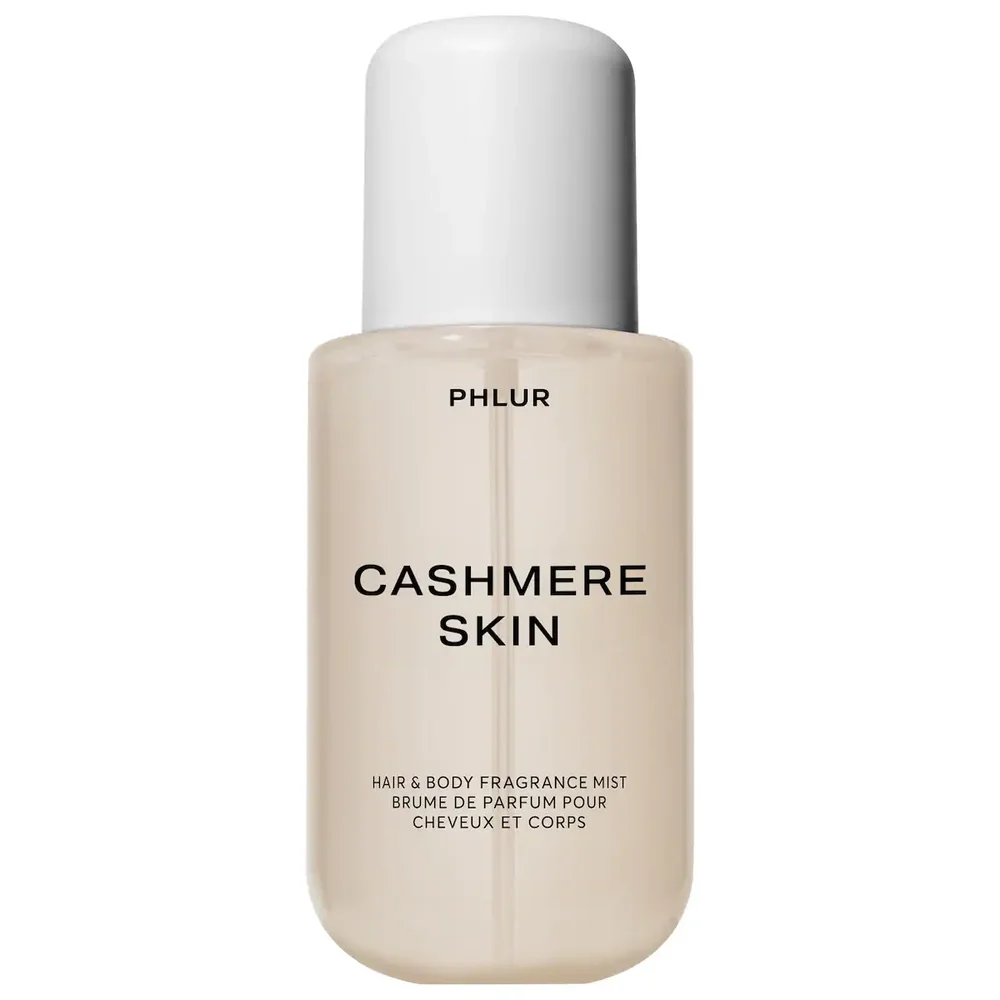
Cashmere Skin Hair & Body Fragrance Mist
PHLUR
$39
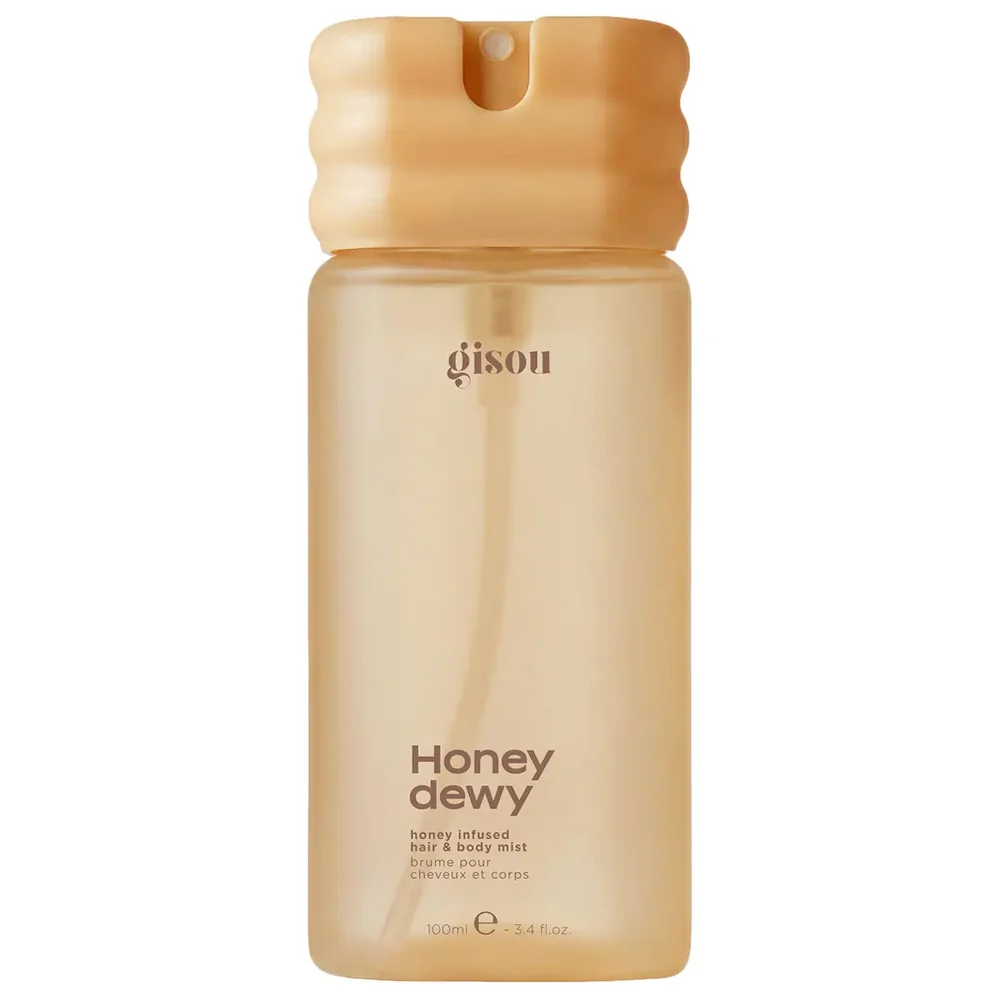
Honey Dewy Honey Infused Hair & Body Mist
Gisou
$29
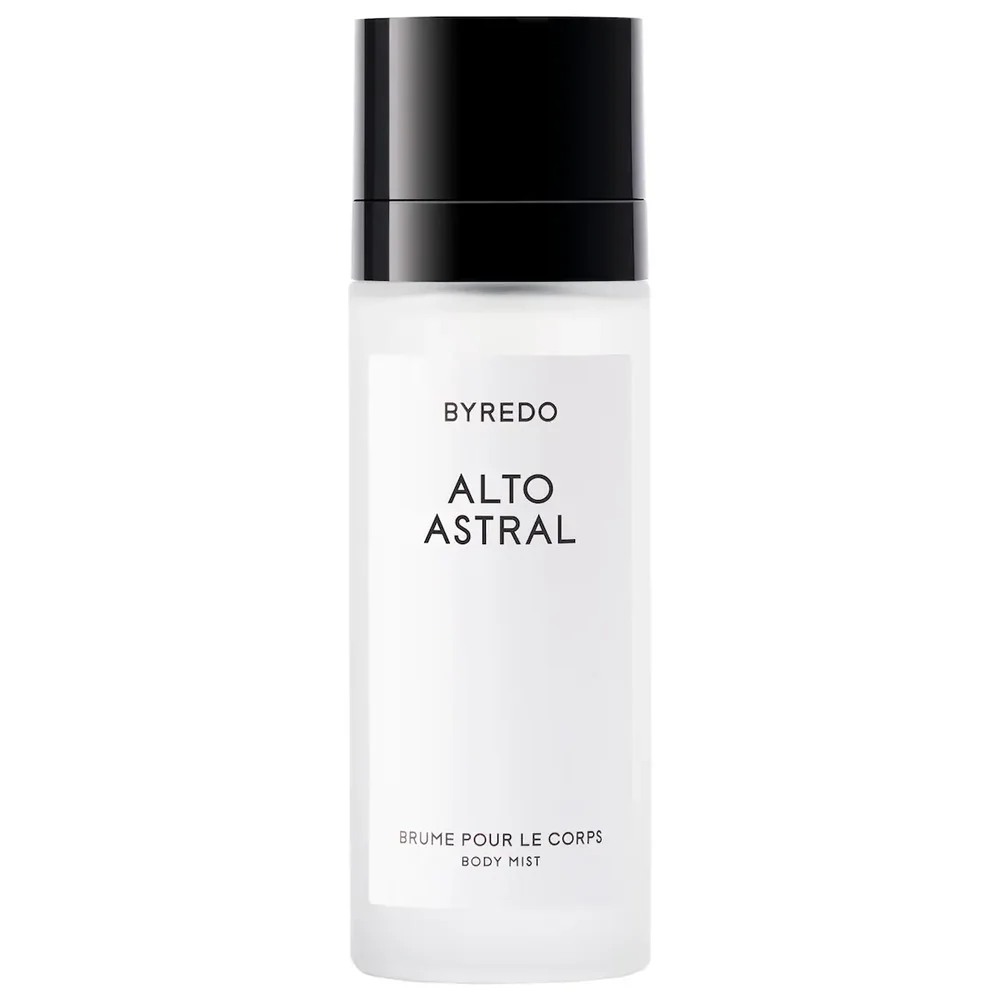
Alto Astral Body Mist
Byredo
$85
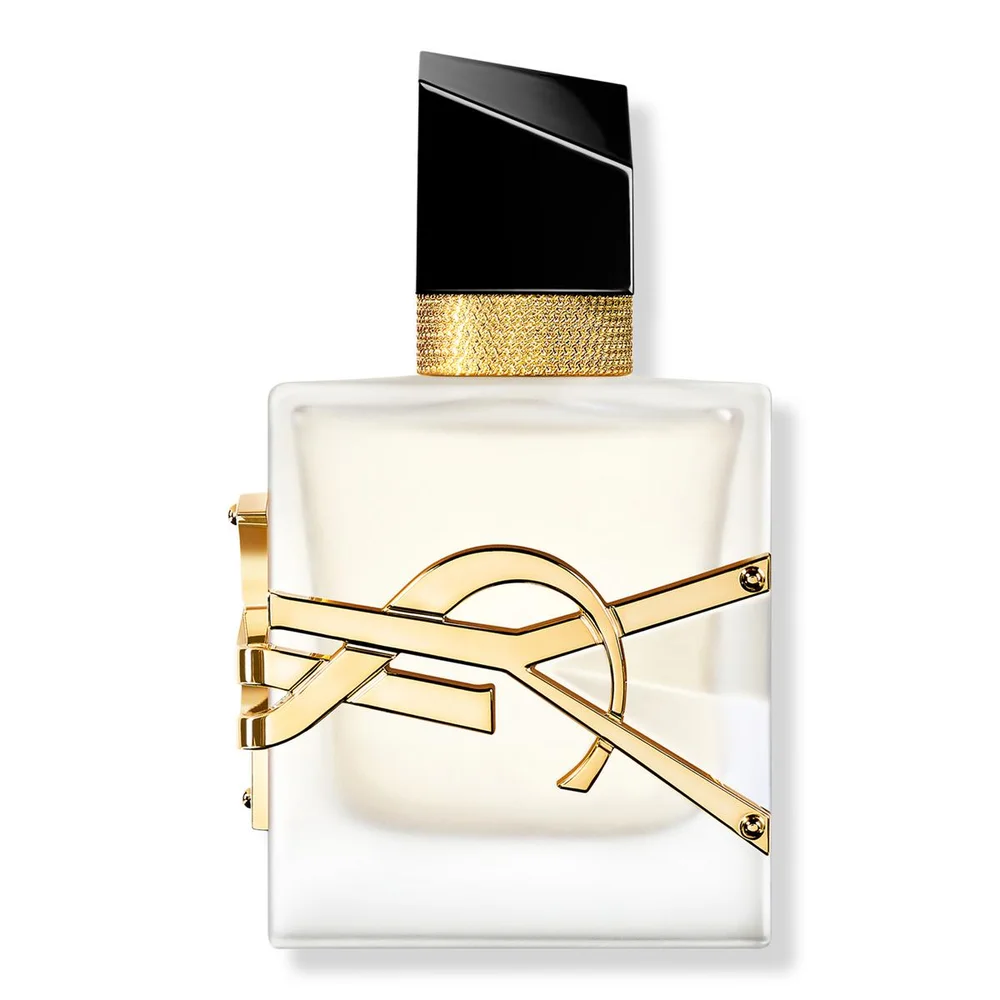
Libre Hair Mist
Yves Saint Laurent
$65
The label questions I hear
What does eau de toilette mean literally?
Merriam-Webster gives the French etymology as “water for washing and dressing,” and defines eau de toilette as a perfumed liquid with a lower percentage of fragrant oils than ordinary perfume or eau de parfum.
Is eau de parfum always stronger than eau de toilette?
Not by a fixed percentage rule. IFRA gives typical ethanol-based ranges of 5 to 15 percent for EDT and 10 to 20 percent for EDP, and says these labels are not strictly defined, so the ranges overlap.
Is cologne the same as a body mist?
Not as a label category. IFRA gives eau de cologne a typical range of 3 to 8 percent for ethanol-based fragrance, while a mist can be sold as a hair or body spray format; check the actual brand description and directions.
I would start with the scent, then read the label
I would pick a fragrance by the notes I want first, then use EDT, EDP, cologne or parfum as a rough hint about concentration. IFRA says those labels are general descriptors and not strictly defined; the range bands can overlap, so I would skip buying based on a promise that one tier must last longer or project more. The Perfume Society also notes that a different concentration can bring different notes, which makes trying the exact version more useful than comparing names on paper.
Start with Rabanne 1 Million EDT for a spicy woody leather profile, Ariana Grande Cloud EDP for vanilla and coconut sweetness, or Santa Maria Novella Melograno Eau de Cologne for pomegranate and resinous woods. If you like the EDP and EDT question more than the history, Lancôme Idôle Flankers Compared: Power, Now and L'Eau de Toilette is a concrete comparison across one line. This is for anyone decoding an unfamiliar label, not for anyone looking for a guaranteed number of hours.