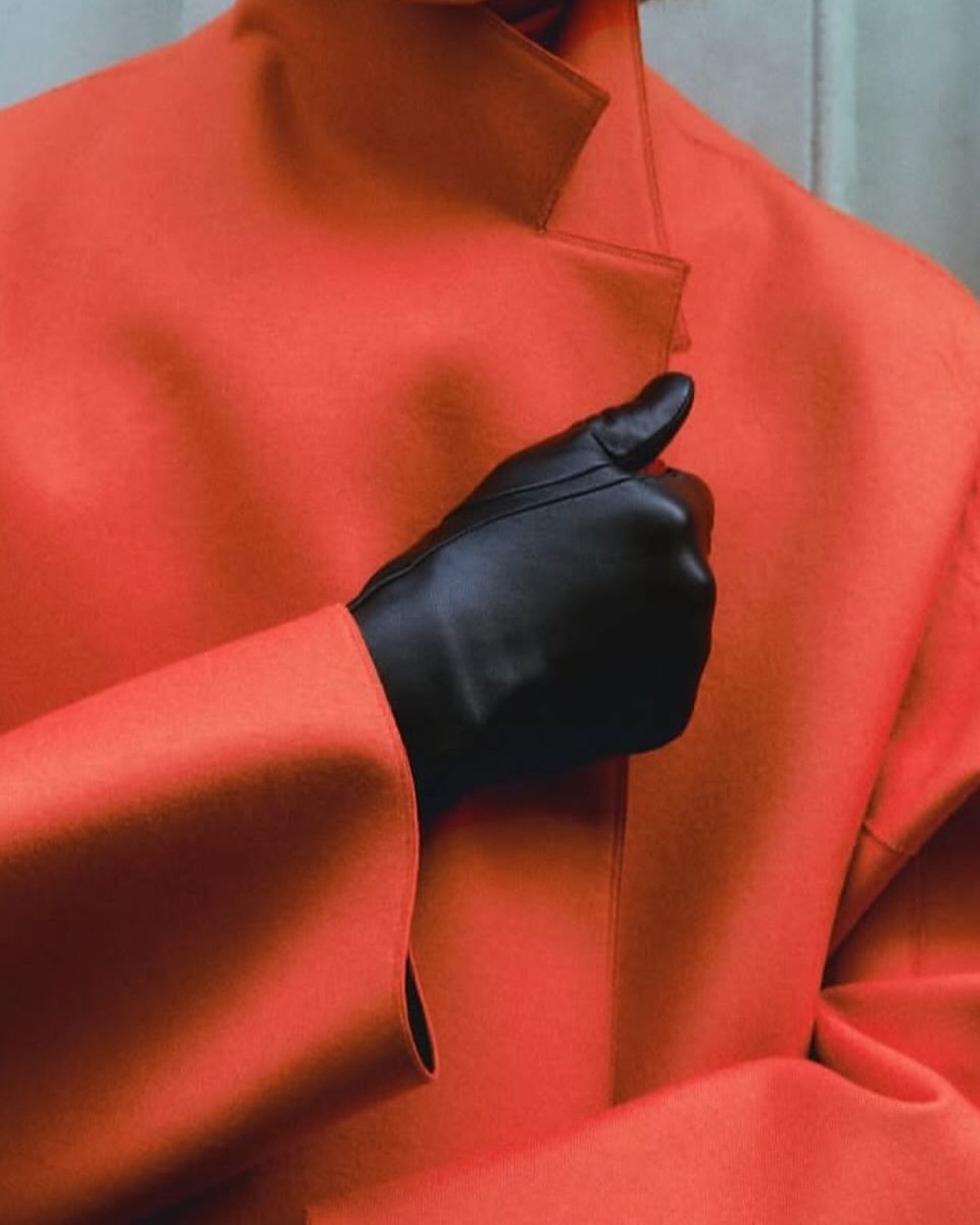
The best fall jackets for women fit a knit underneath: denim truckers, wool jackets, leather layers and field cuts, grouped by type.

Fall Jackets for Women: The Best Styles for 2026
The mid-weight gap
Between a shirt and a proper coat there is a two month window most wardrobes cover badly. A jacket in wool, twill or denim fills it, provided the cut allows a knit underneath. That fit detail is what separates useful from decorative. The mid-weight layer is the piece most wardrobes are missing, and mild autumns have made that gap wider rather than narrower. A coat is now a six-week garment in most of the country.
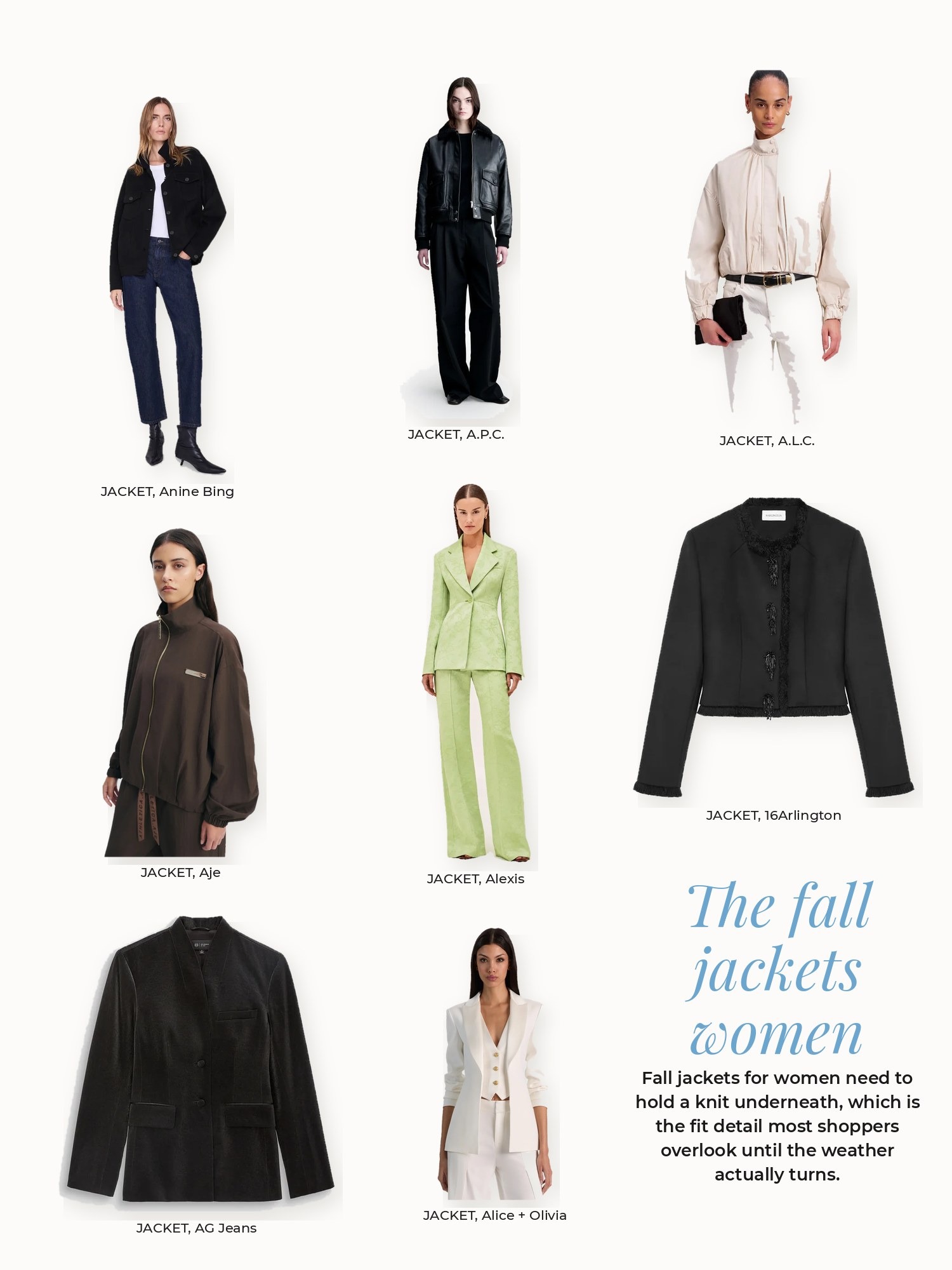
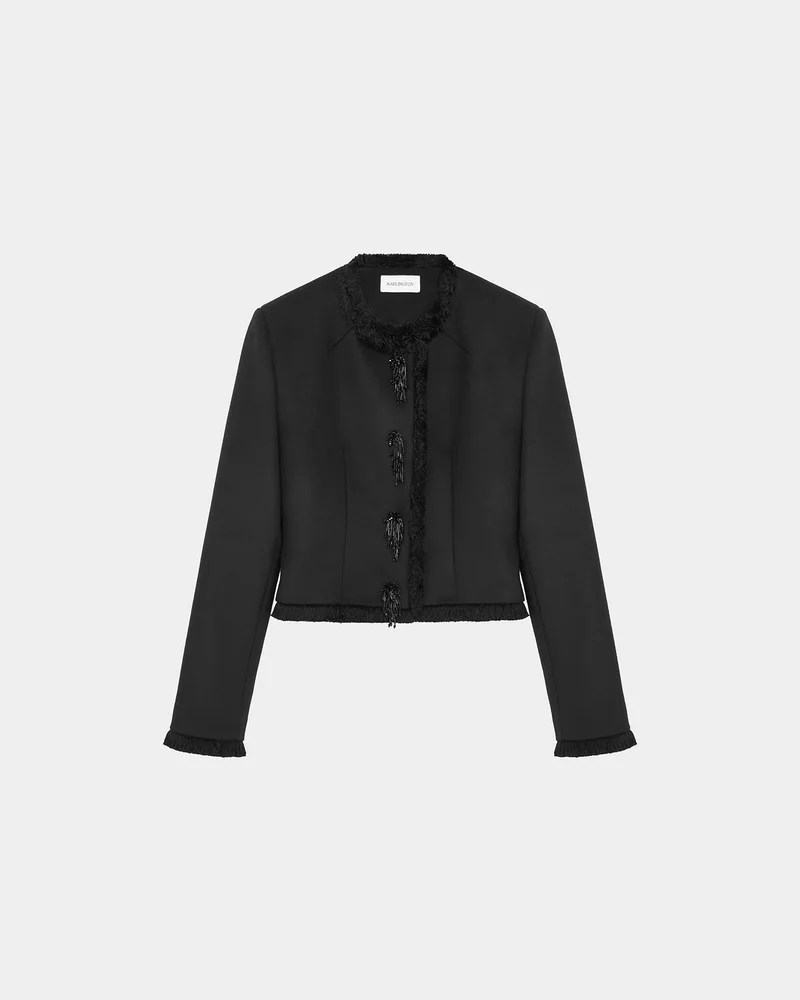
Jenna Jacket in Wool
16Arlington
$1,190
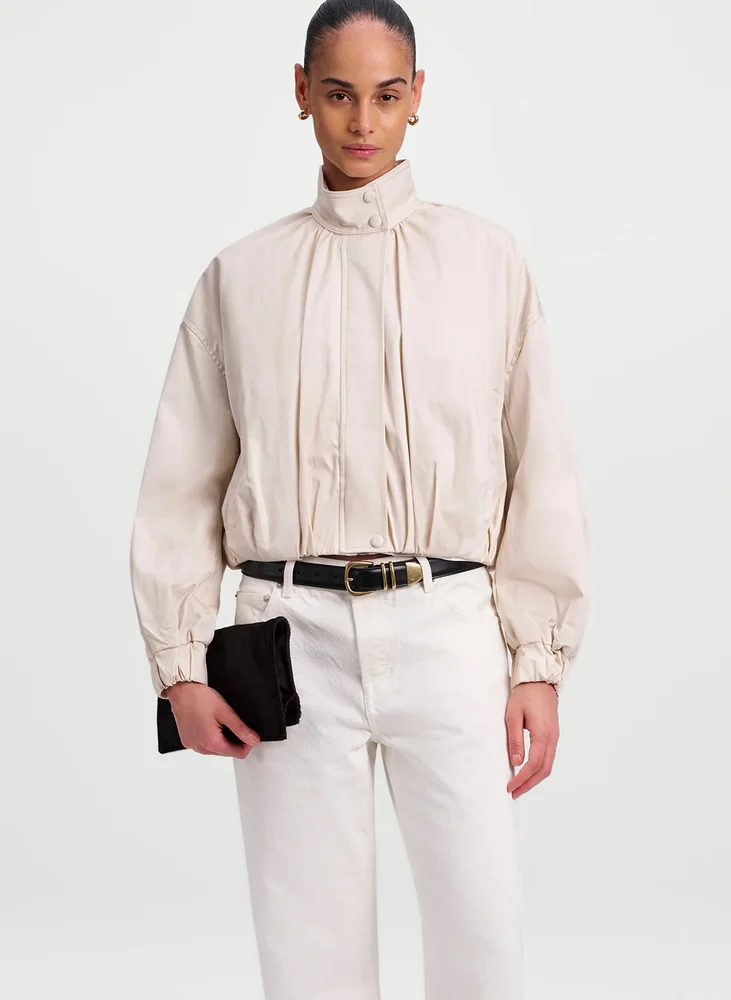
Amélie Cotton Twill Jacket
A.L.C.
$550
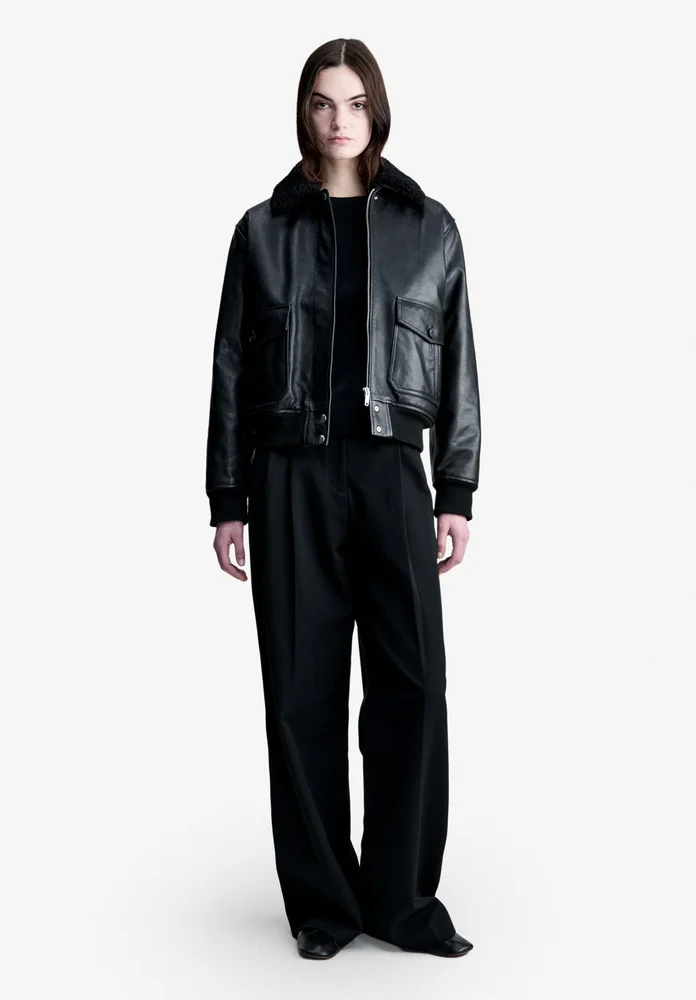
Amelia Jacket - Black leather bomber jacket
A.P.C.
$1,990
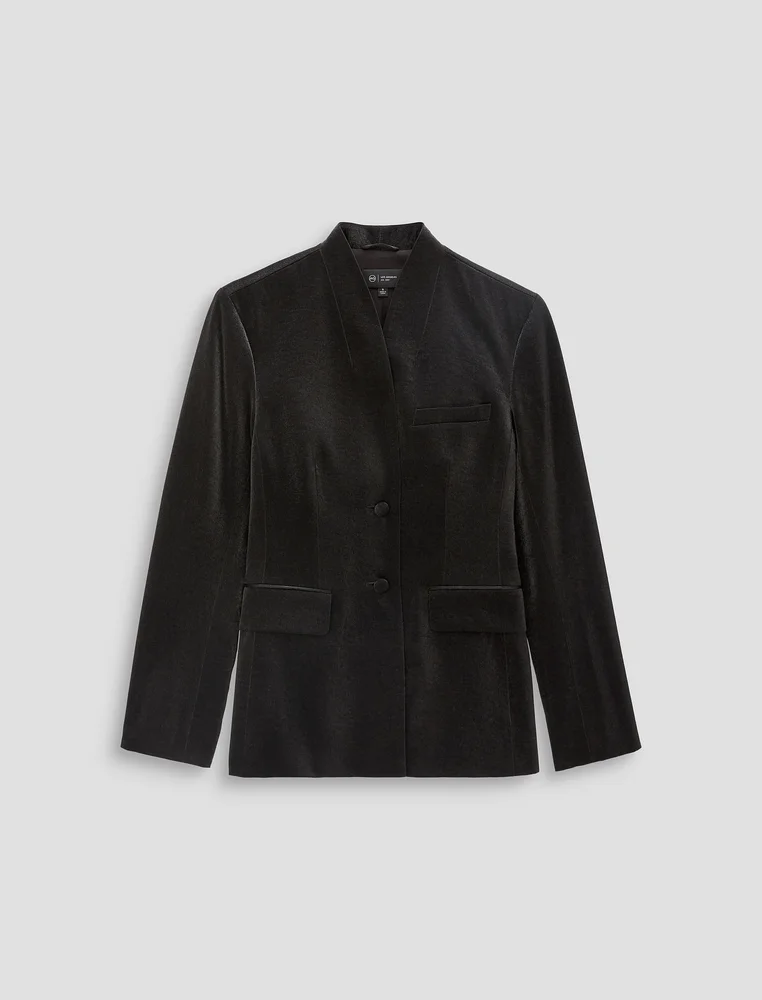
Beverly Jacket
AG Jeans
$495
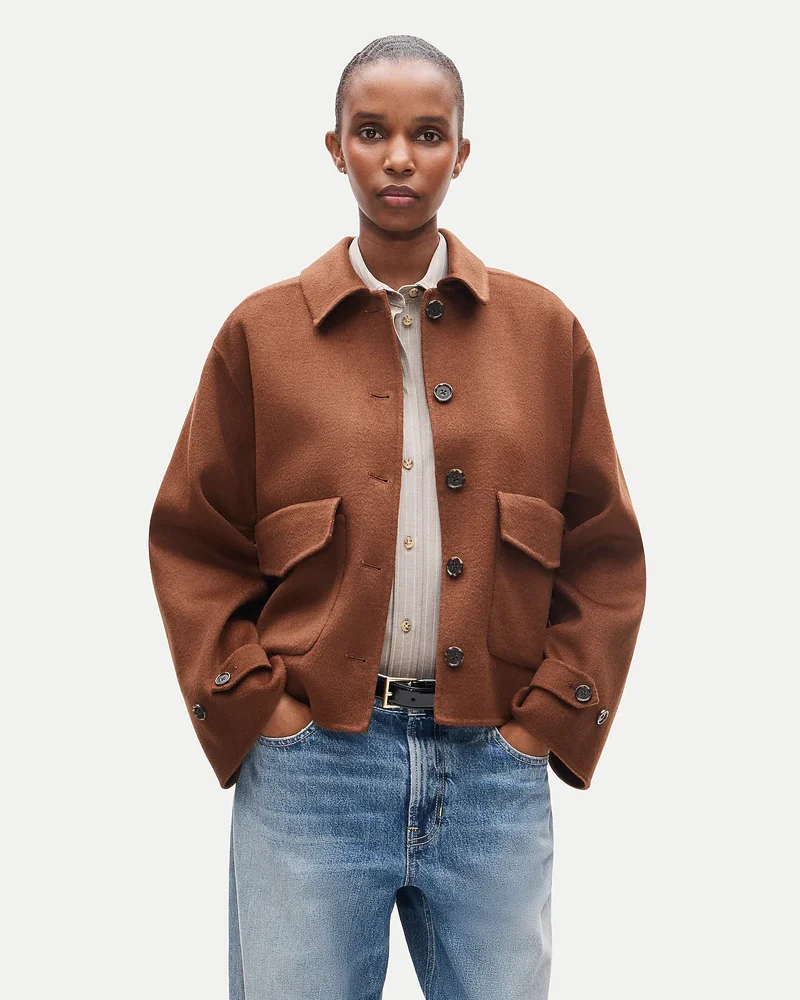
2026 Barn Jacket (Rich Camel)
J.Crew
$298
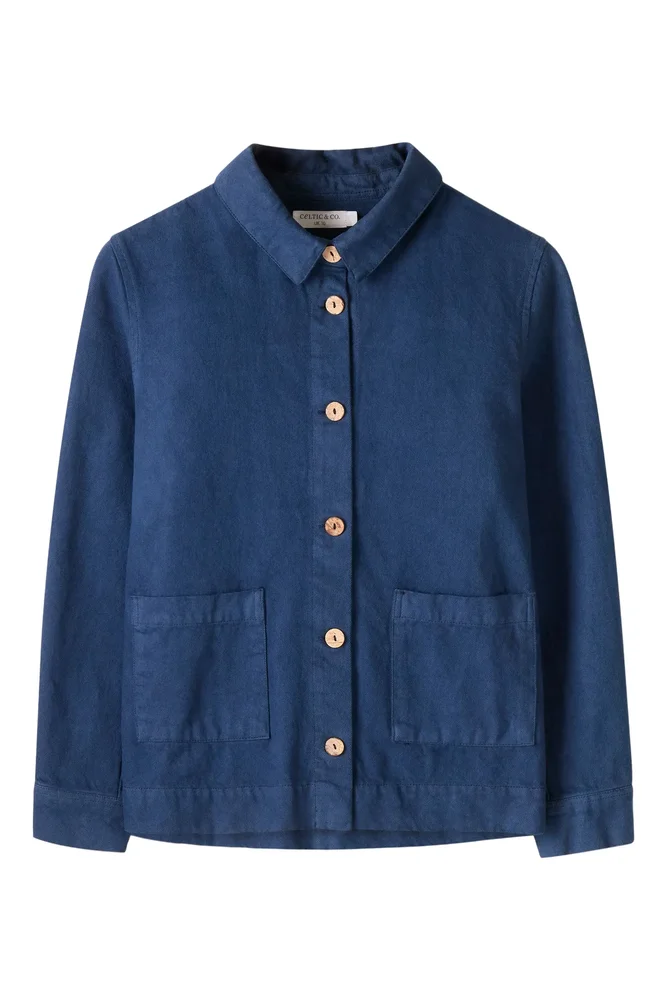
Cotton Twill Pleat-Back Jacket (Dark Navy)
Celtic & Co.
$150
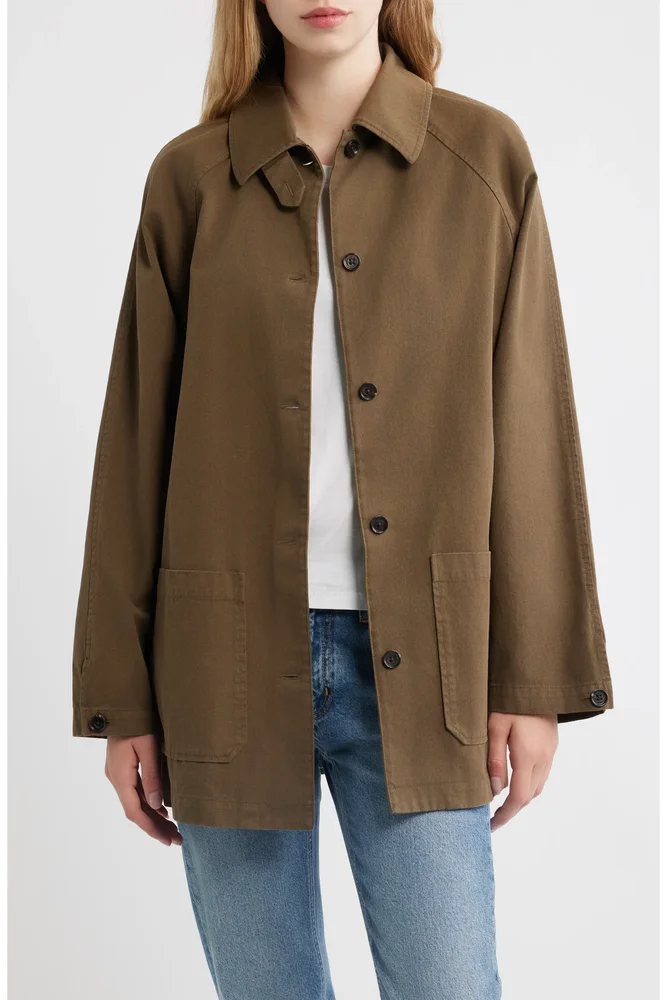
Stafford Cotton Utility Jacket (Olive)
Rails
$278
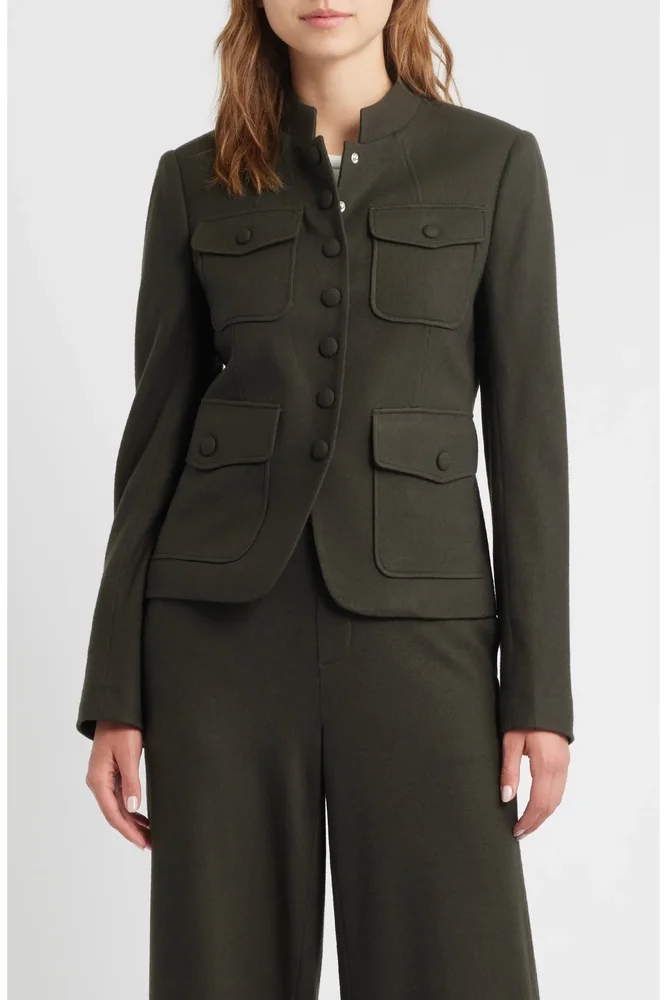
Mercer Wool Jacket (Army)
rag & bone
$598
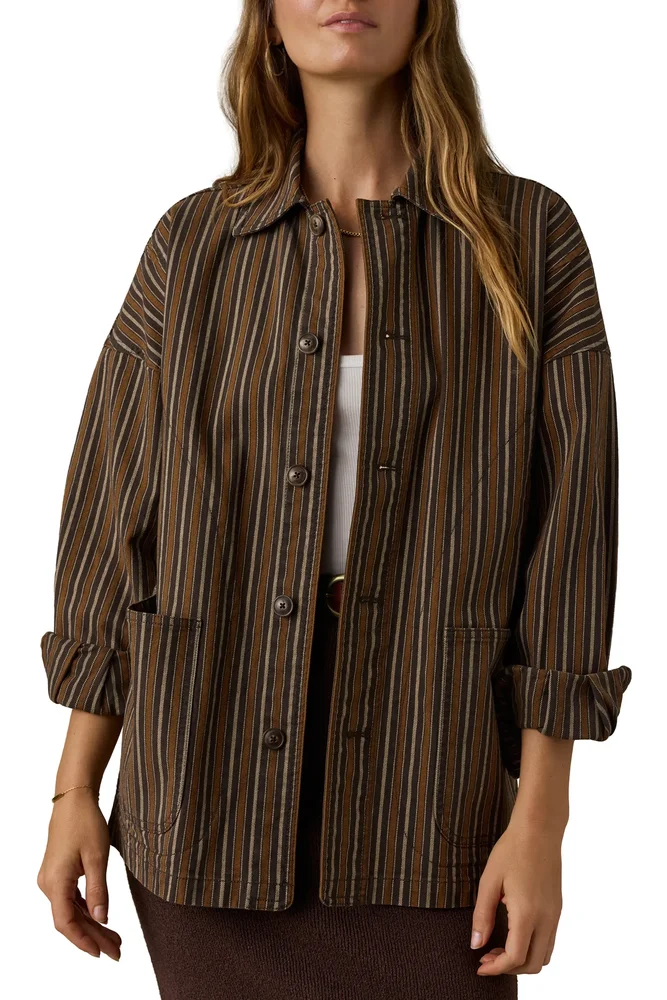
Organic Cotton-Twill Chore Jacket (Maple Cove Stripe)
Faherty
$298
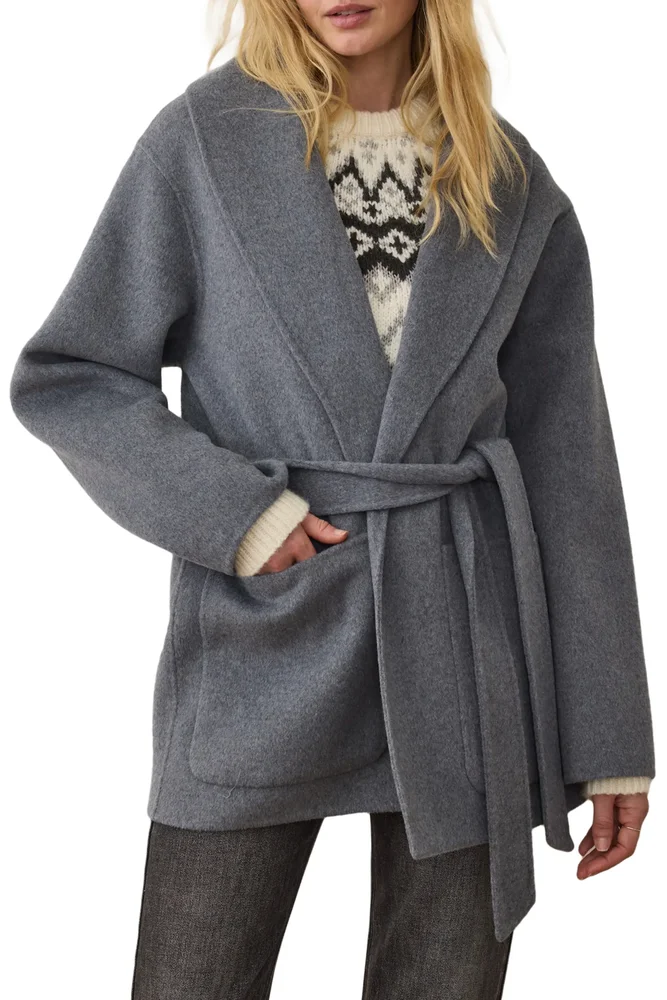
Colette Belted Wool-Blend Jacket (Medium Grey Heather)
Marine Layer
$248
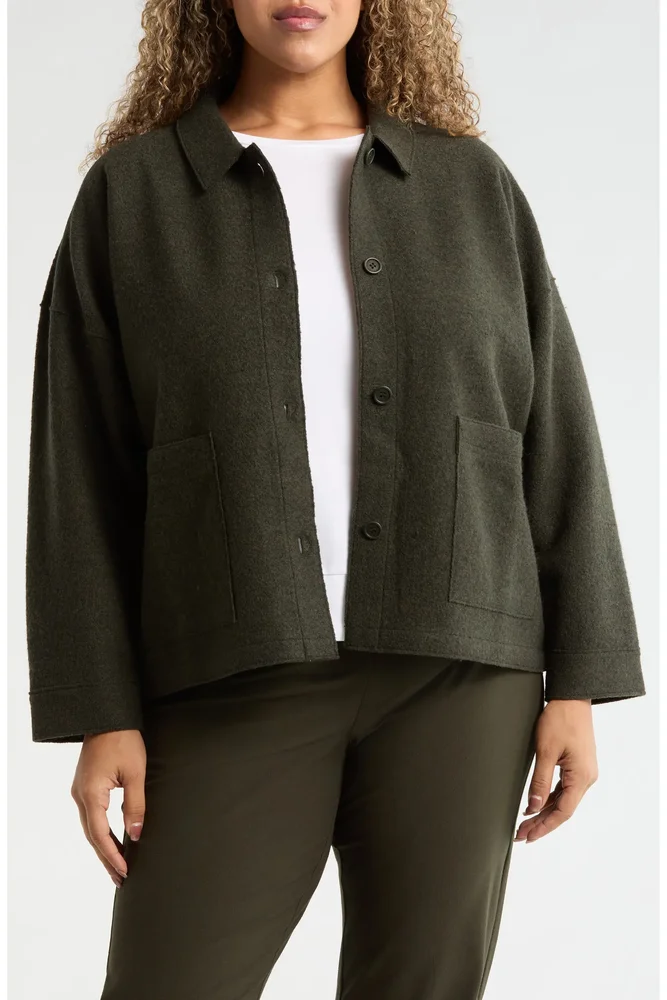
Classic-Collar Boiled-Wool Jacket (Woodland)
Eileen Fisher
$368
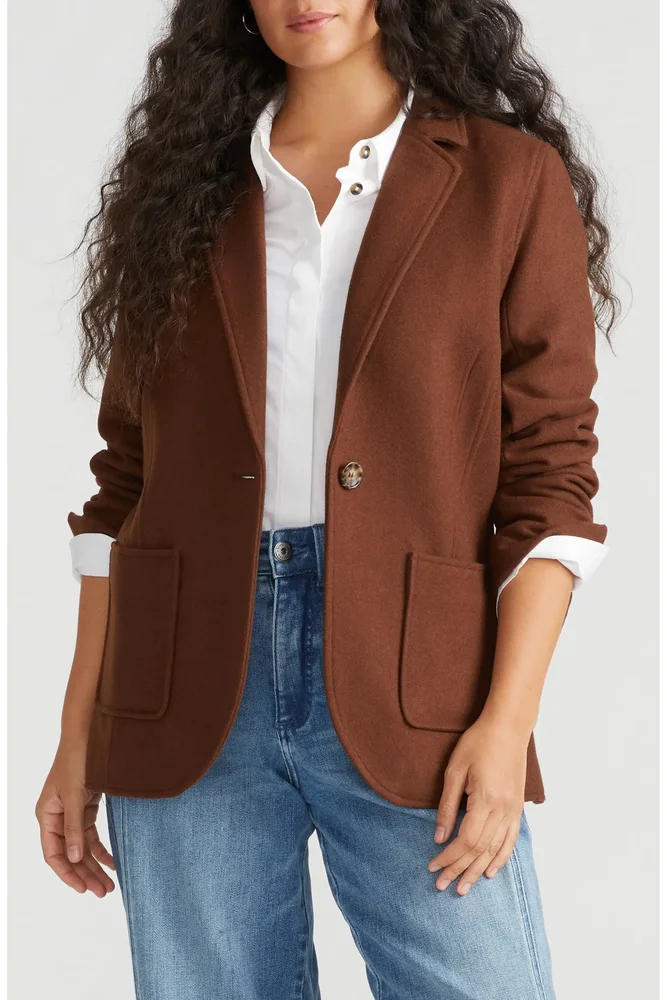
Kidjo Wool-Blend Jacket (Custom Brown)
Universal Standard
$288
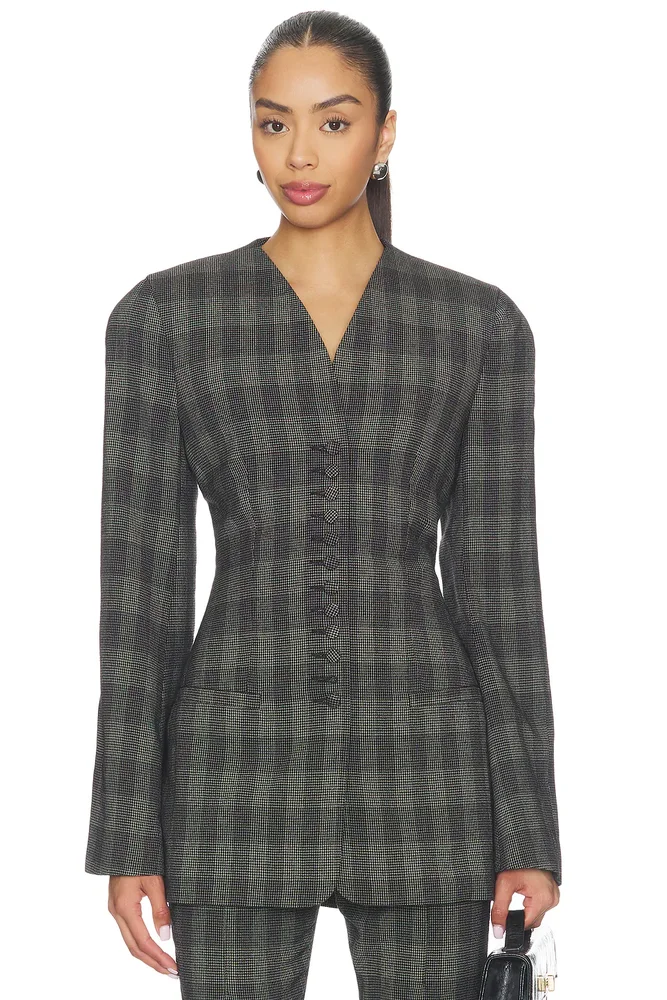
Jett Tailored Jacket in Glen Check
KNWLS
$483
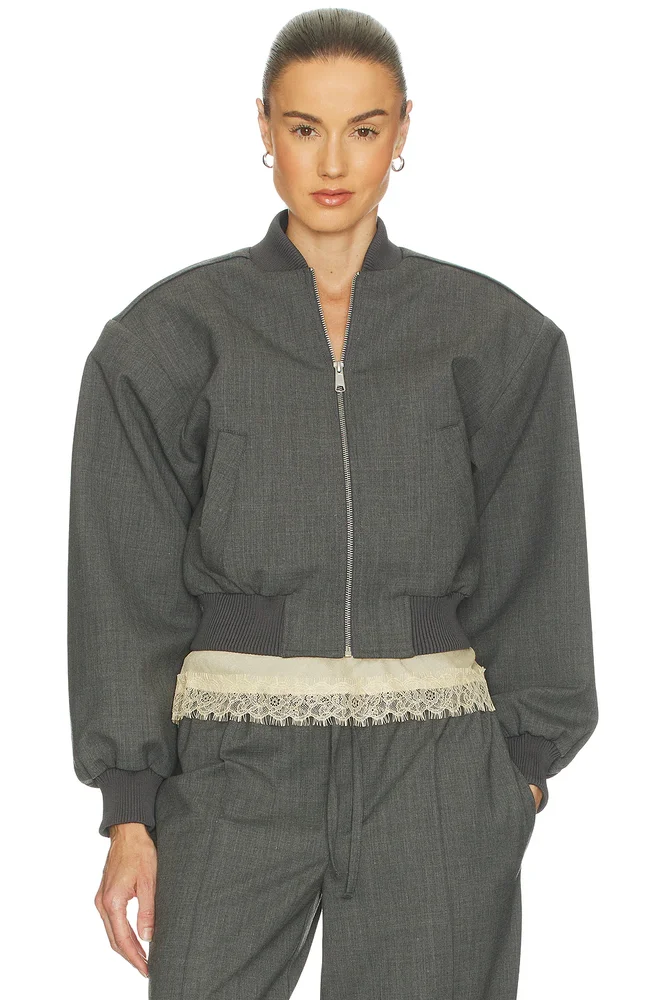
Wool Blend Bomber Jacket in Medium Heather Grey
Helsa
$324
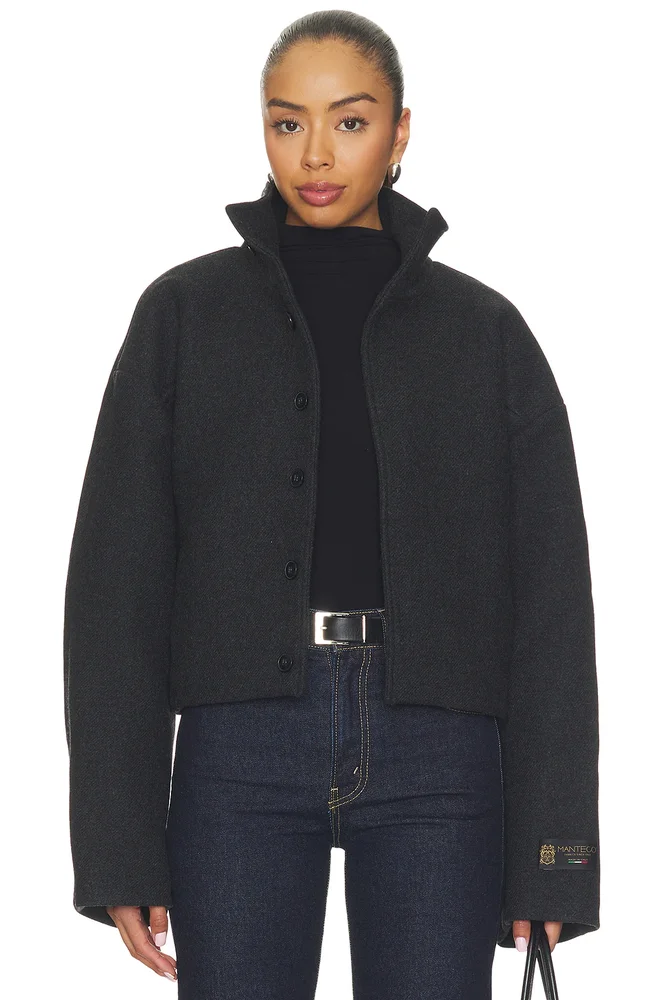
Karlie Manteco Wool Funnel Neck Jacket in Dark Charcoal
EAVES
$549
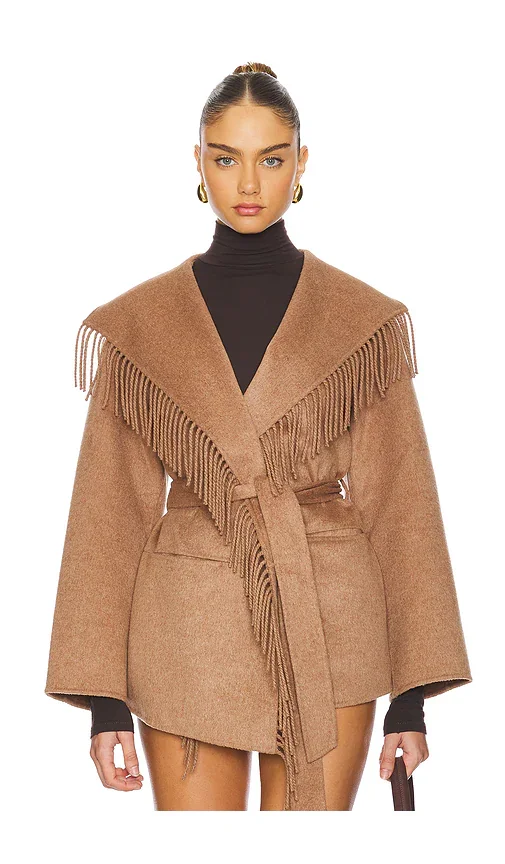
Rowen Fringe Lapel Jacket in Camel
SIMKHAI
$595
Denim and wool do different jobs
A trucker reads casual and layers under a coat later in the year, while a wool jacket can carry a whole outfit on its own. Most people need one of each rather than two of one. Levi's '90s Trucker and Mavi's Rubie are the denim; Helsa's wool-blend bomber, EAVES's Karlie funnel-neck jacket, NICHOLAS's wool-blend bomber and Helsa's asymmetrical suiting jacket keep wool in the mix, while KNWLS's Jett check jacket, SIMKHAI's Rowen fringe jacket and AEXAE's suede funnel bomber bring pattern and texture, and AllSaints, Cole Haan and Schott cover the leather bikers. Those are the fall jackets women will find below, in leather, suede, denim and wool, and they are doing genuinely different social jobs despite living in the same slot. One reads off-duty and one reads competent.
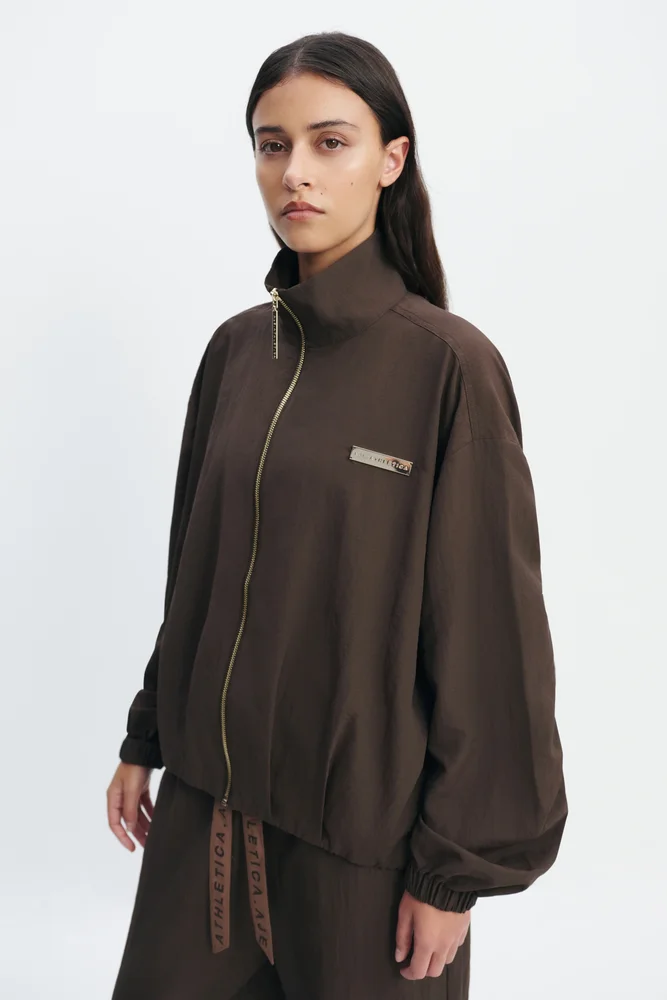
Ruched Bomber Jacket
Aje
$219
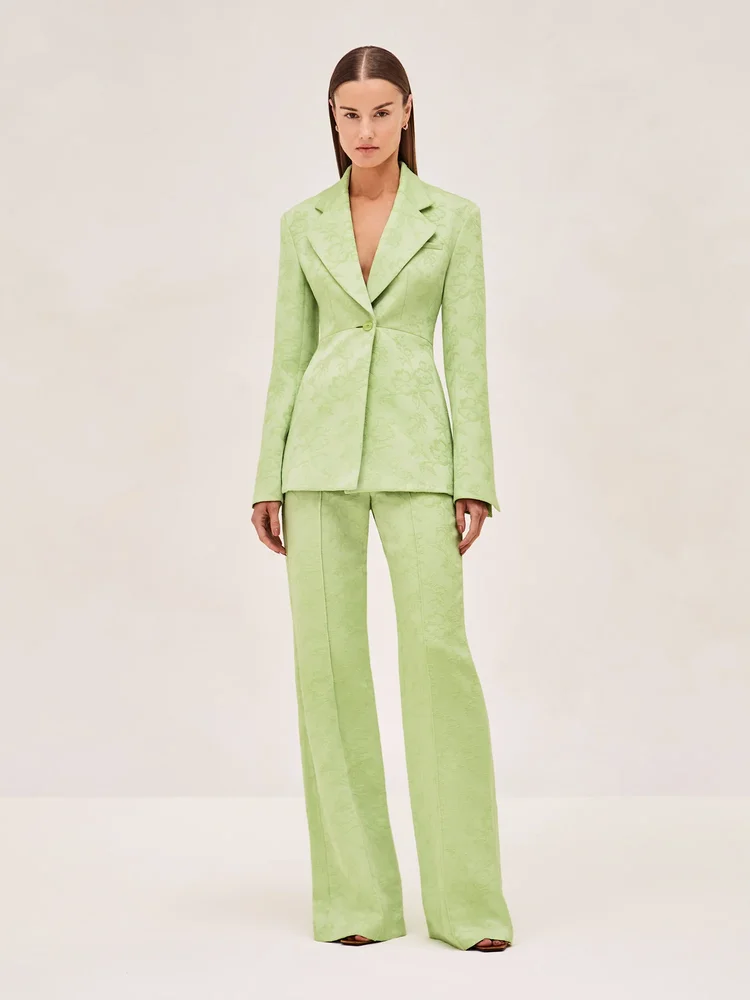
Varo Jacket
Alexis
$595
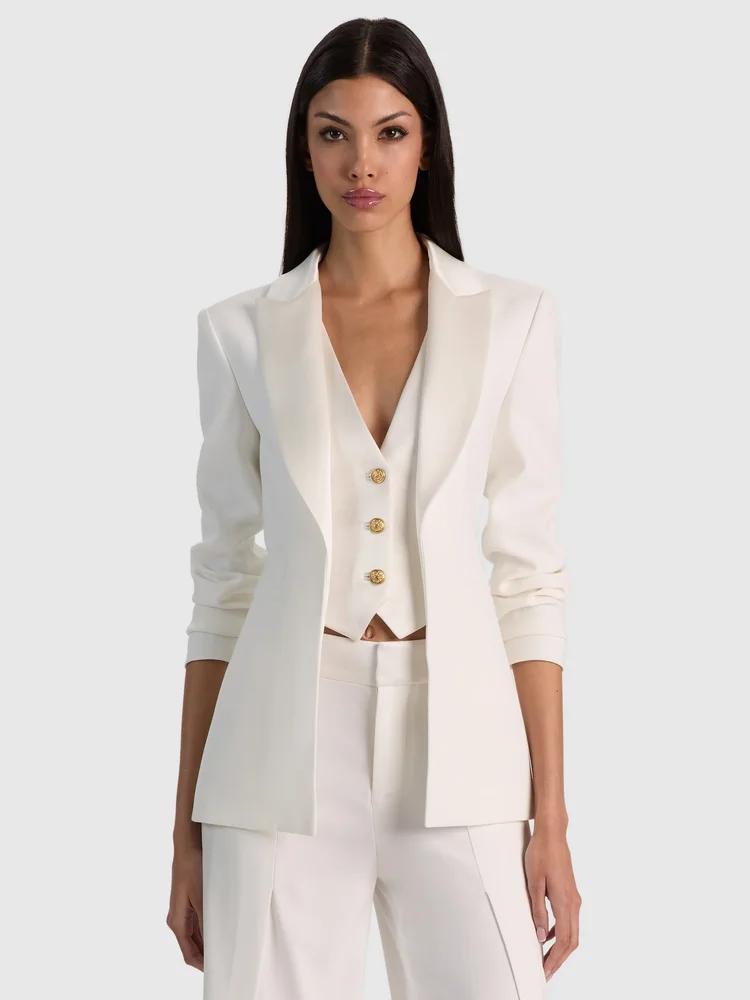
ALTON BLAZER WITH VEST - OFF WHITE
Alice + Olivia
$695
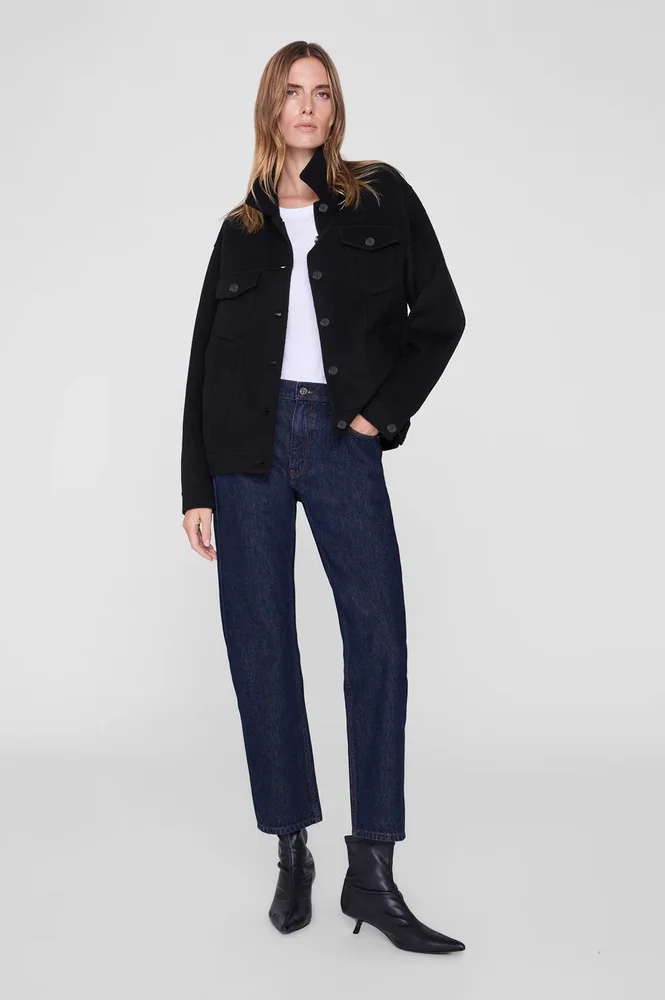
Rory Jacket - Black
Anine Bing
$550
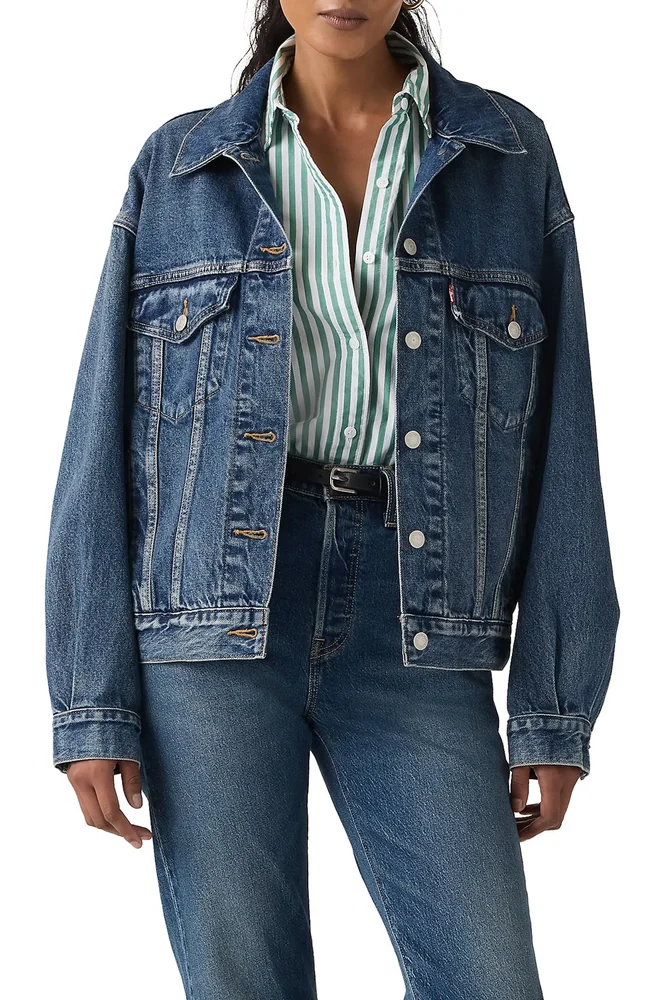
’90s Trucker Jacket (Wonder Why)
Levi’s
$110
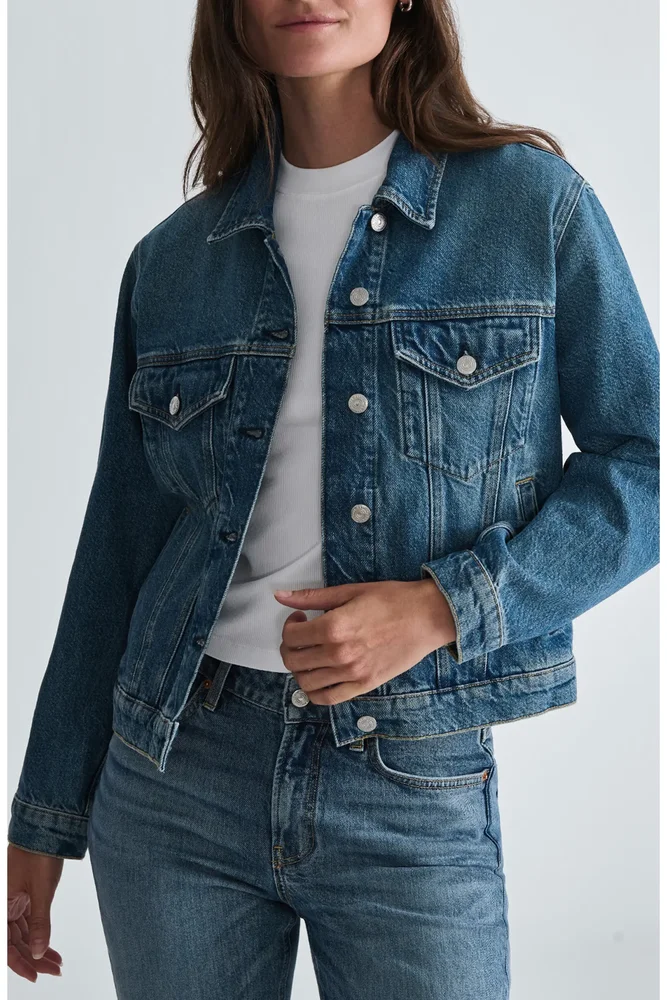
Rubie Denim Trucker Jacket (Mid Shaded Classic)
Mavi Jeans
$128
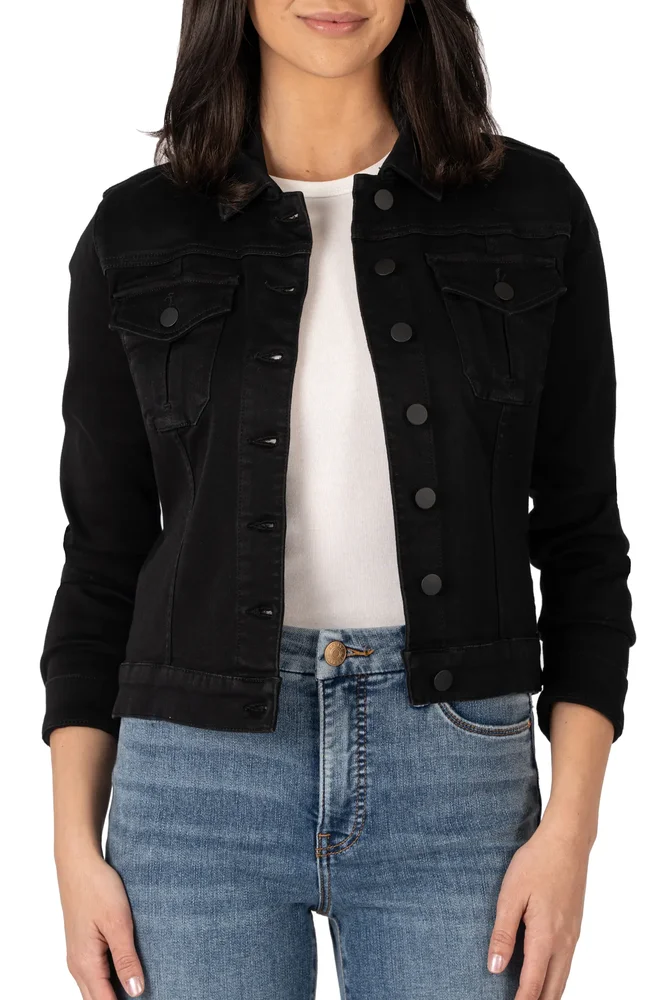
Julia Crop Denim Trucker Jacket (Black)
KUT from the Kloth
$109
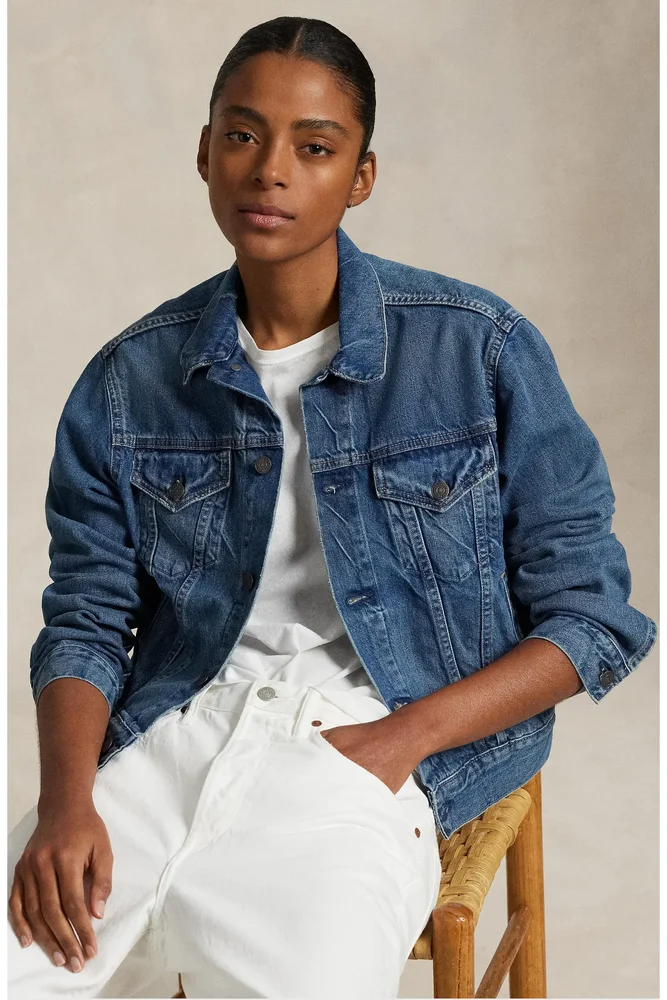
Denim Trucker Jacket (Meuse Wash)
Polo Ralph Lauren
$298
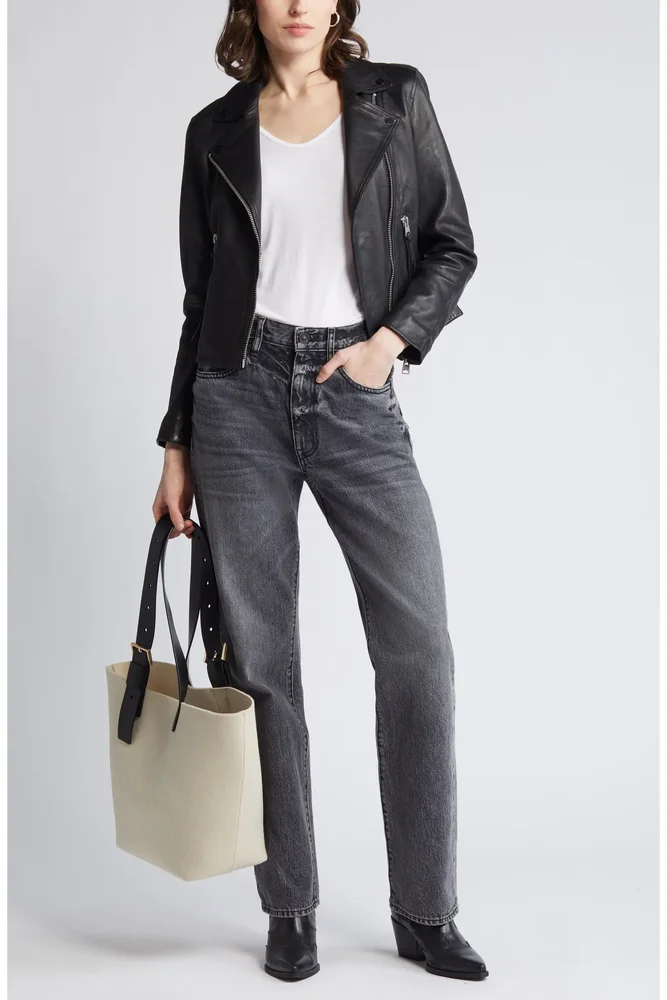
Dalby Leather Biker Jacket (Black)
AllSaints
$569
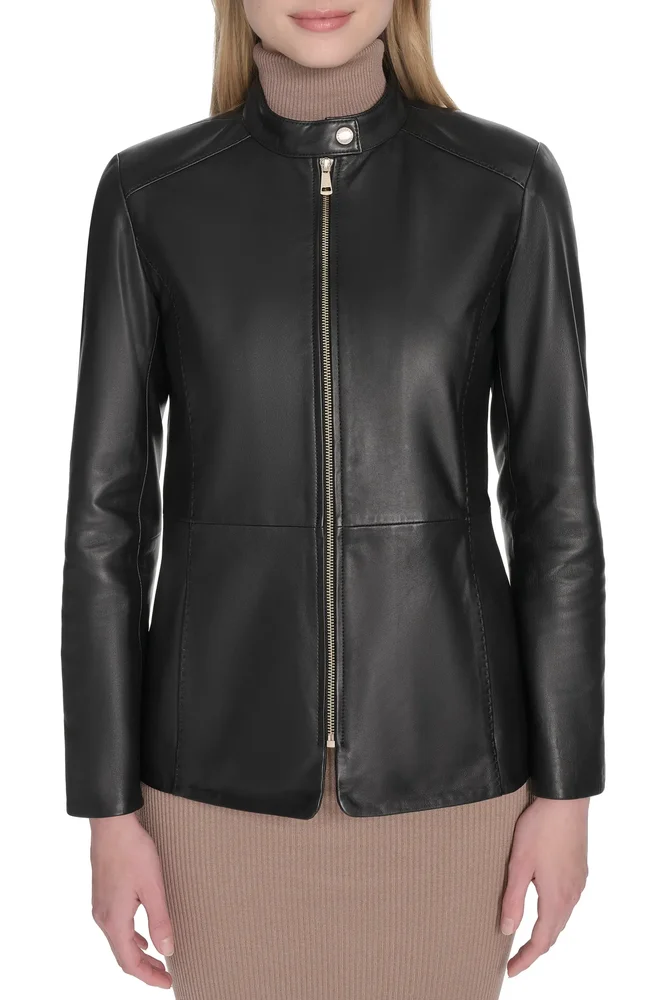
Leather Biker Jacket (Black)
Cole Haan
$350
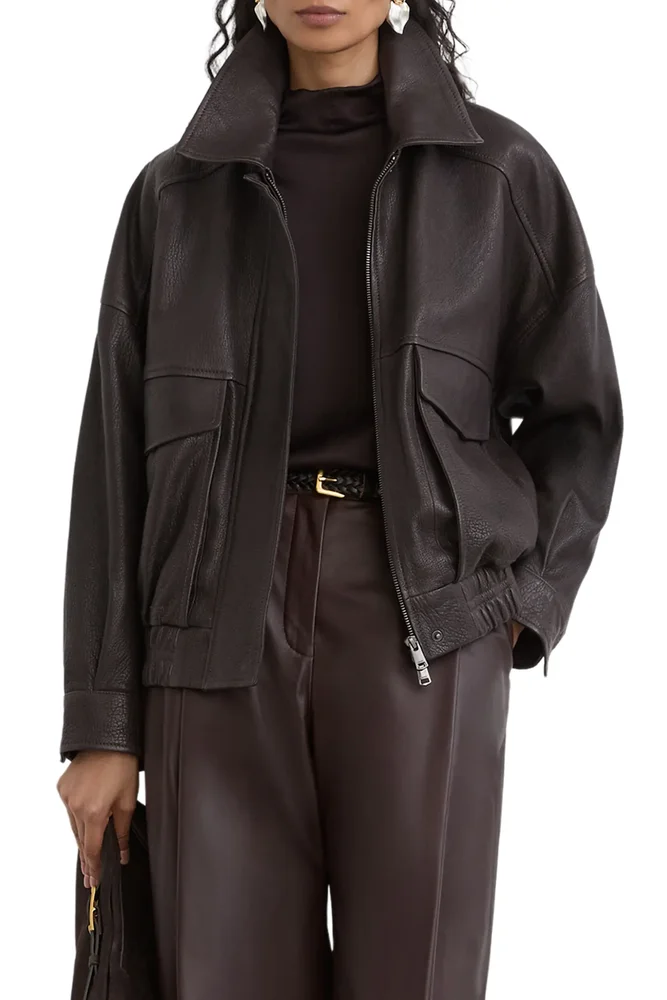
Petra Leather Jacket (Ebony Brown)
Reiss
$895
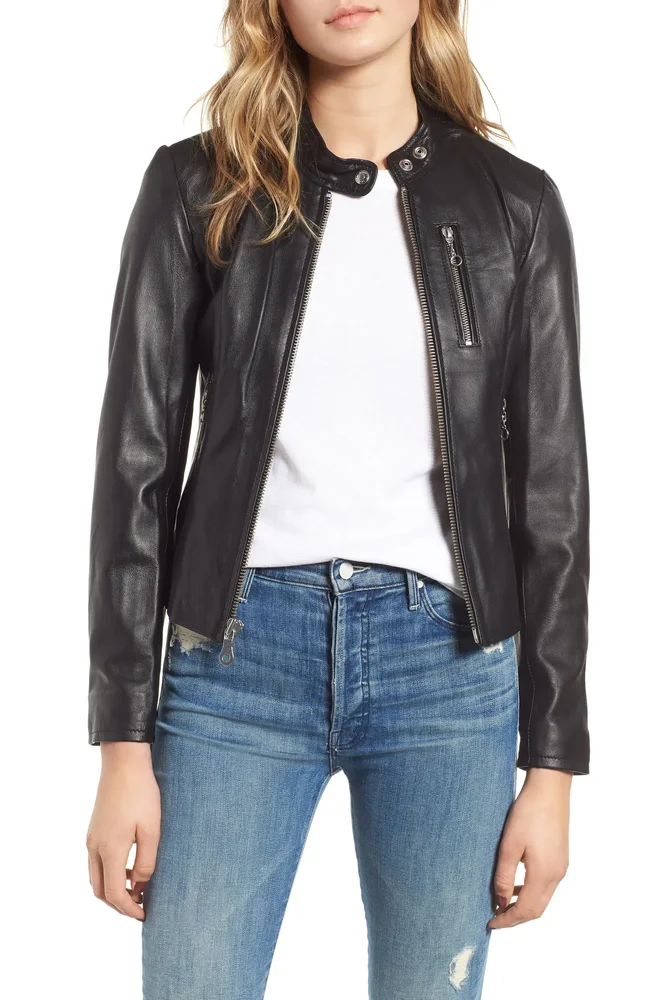
Lambskin Leather Moto Jacket
Schott NYC
$425
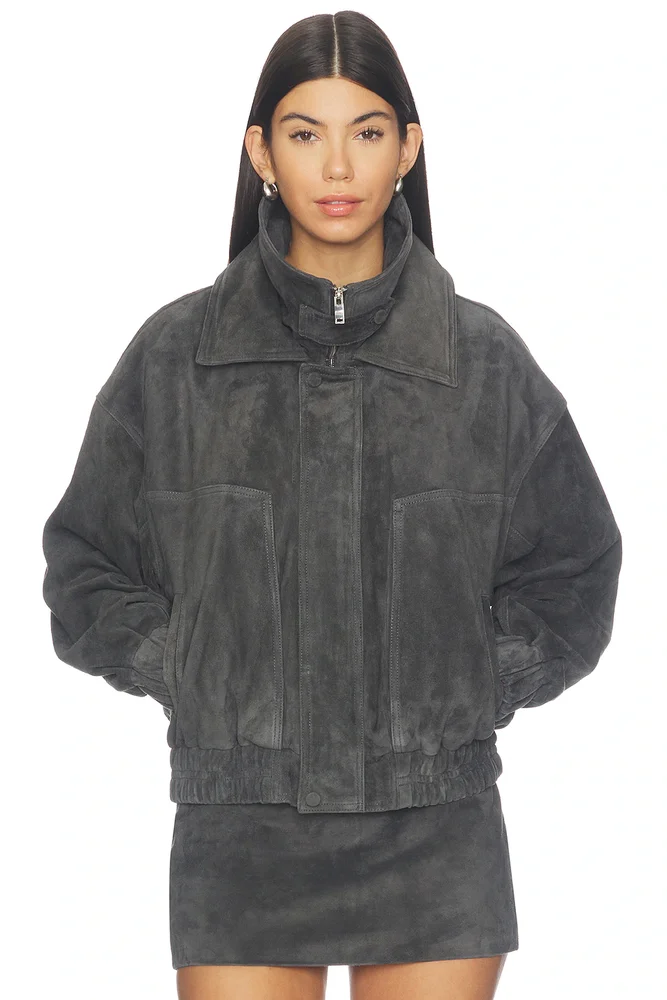
Leather Suede Funnel Bomber Jacket in Dark Grey
AEXAE
$1,190
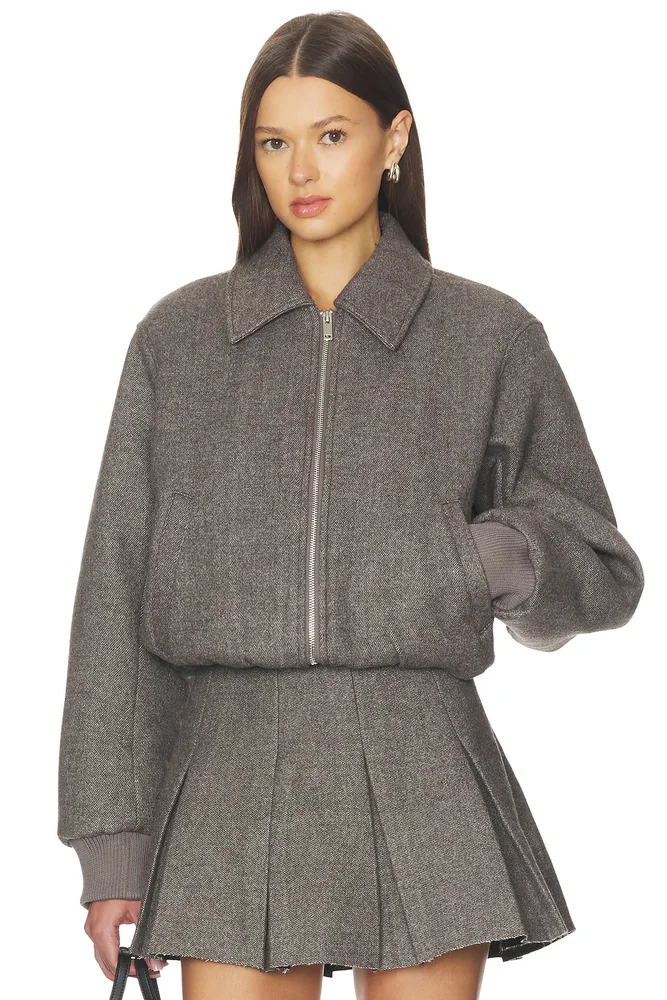
Frida Bomber Wool Blend Jacket
NICHOLAS
$375
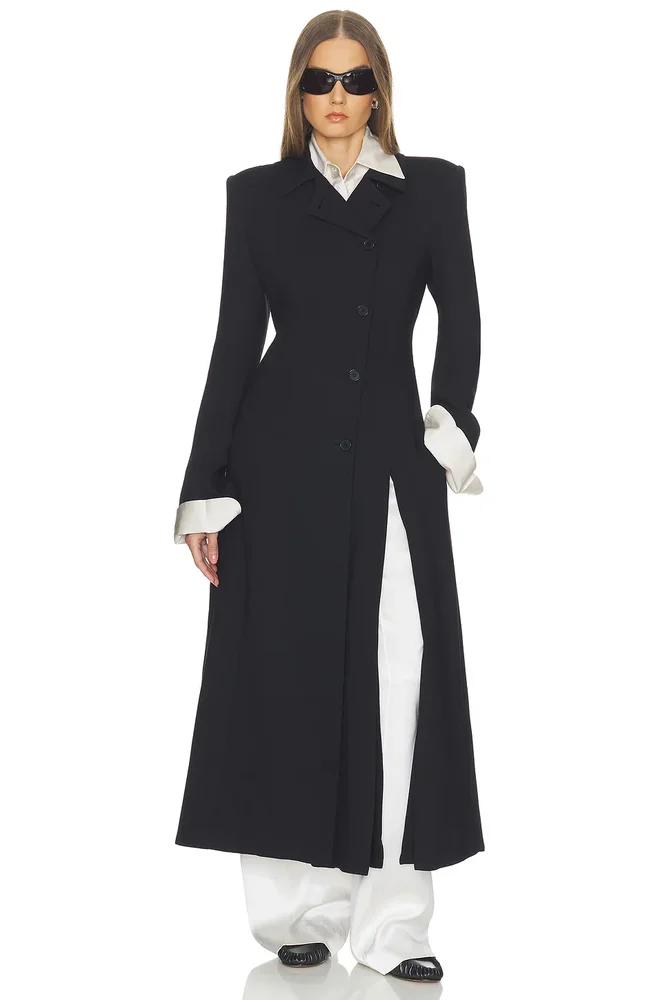
Wool Blend Asymmetrical Suiting Jacket With Slits in Black
Helsa
$800
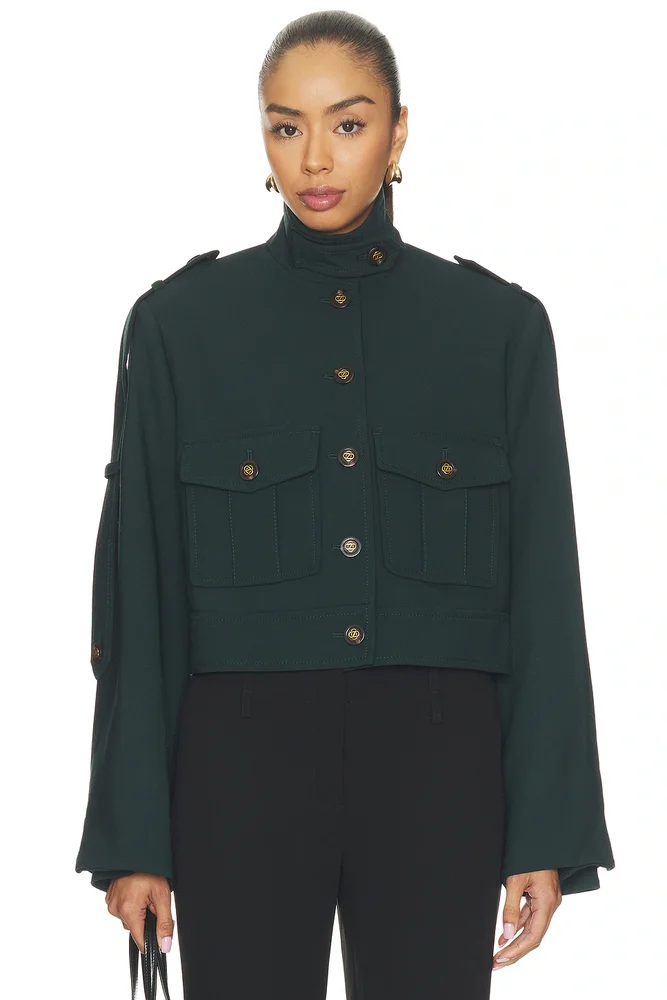
Wool Cropped Jacket in Bottle Green
Zimmermann
$1,500
Three archetypes cover almost everything
The trucker, the field jacket and the blazer between them account for most of what sells in this category, and each came out of a specific working uniform. The trucker is 1960s Levi's, the field jacket is military surplus that reached civilians after Vietnam, and the blazer is nineteenth century rowing kit. Every seasonal variation is one of those three with the proportions moved: Rails' Stafford utility jacket and Polo Ralph Lauren's camel field jacket are the field styles, and Boden's Dartmouth is the blazer. Recognising which archetype a jacket belongs to tells you immediately what it will and will not layer over. It also explains why some of them look wrong with tailoring and others do not.
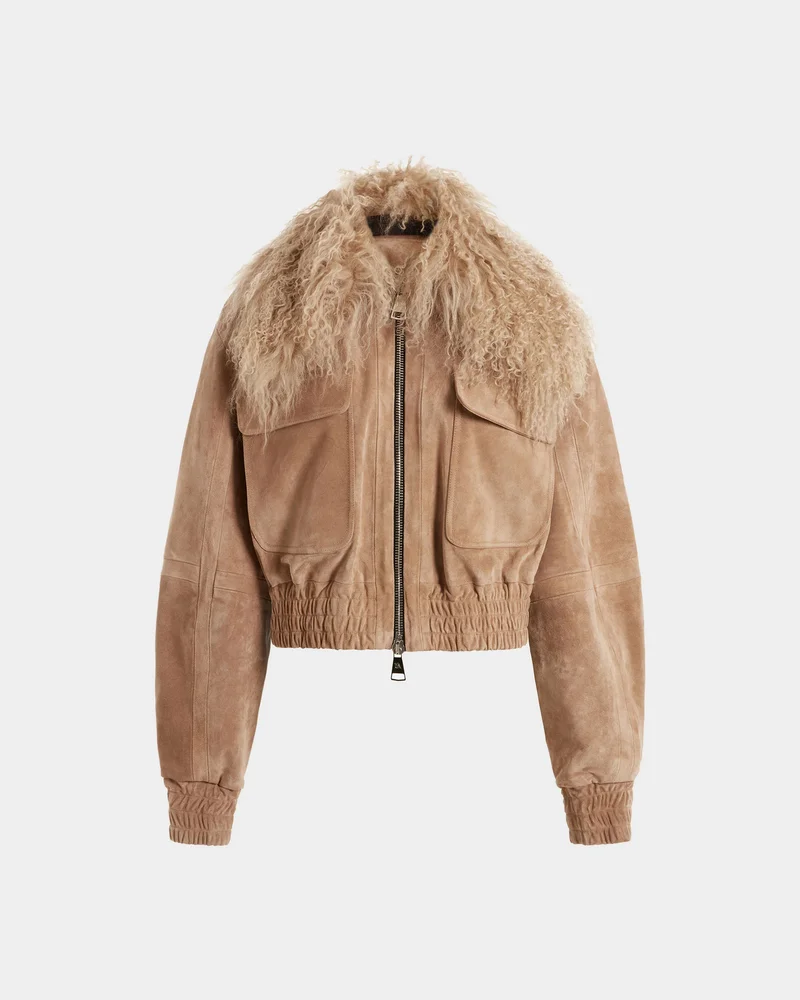
Cie Jacket in Suede
16Arlington
$2,200
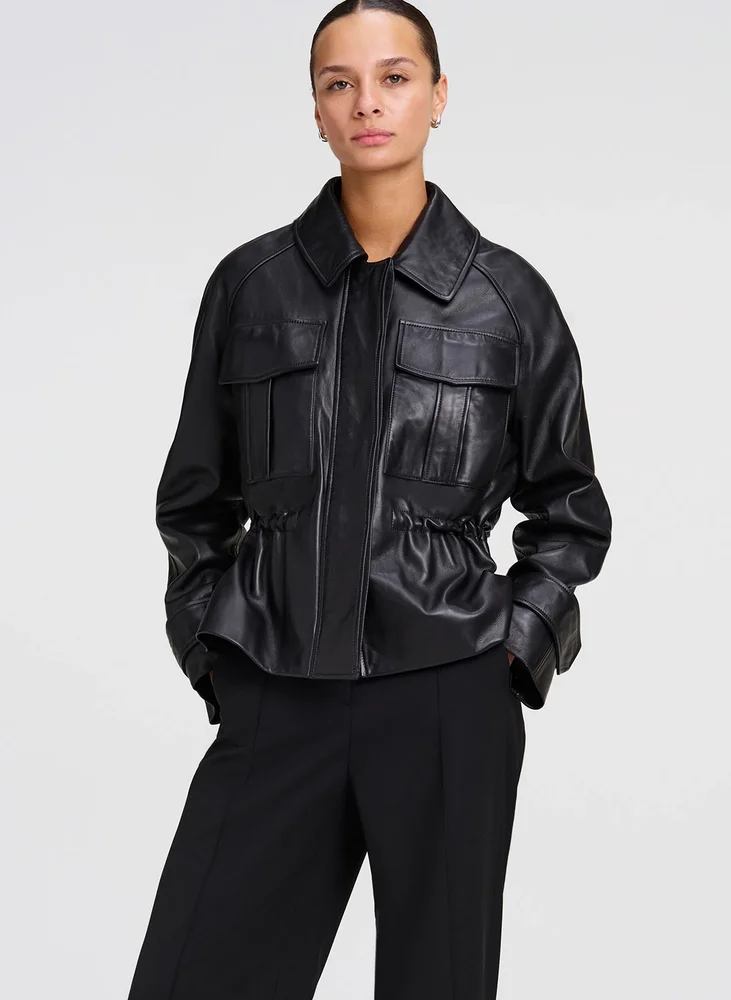
Maeve Leather Jacket
A.L.C.
$1,995
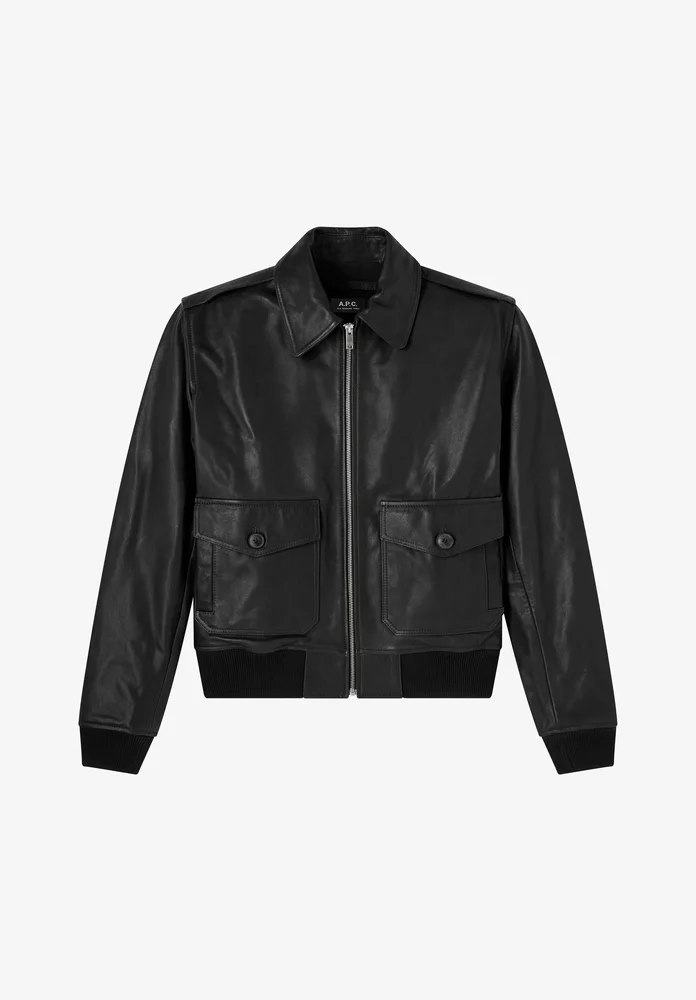
Gael Jacket
A.P.C.
$1,750
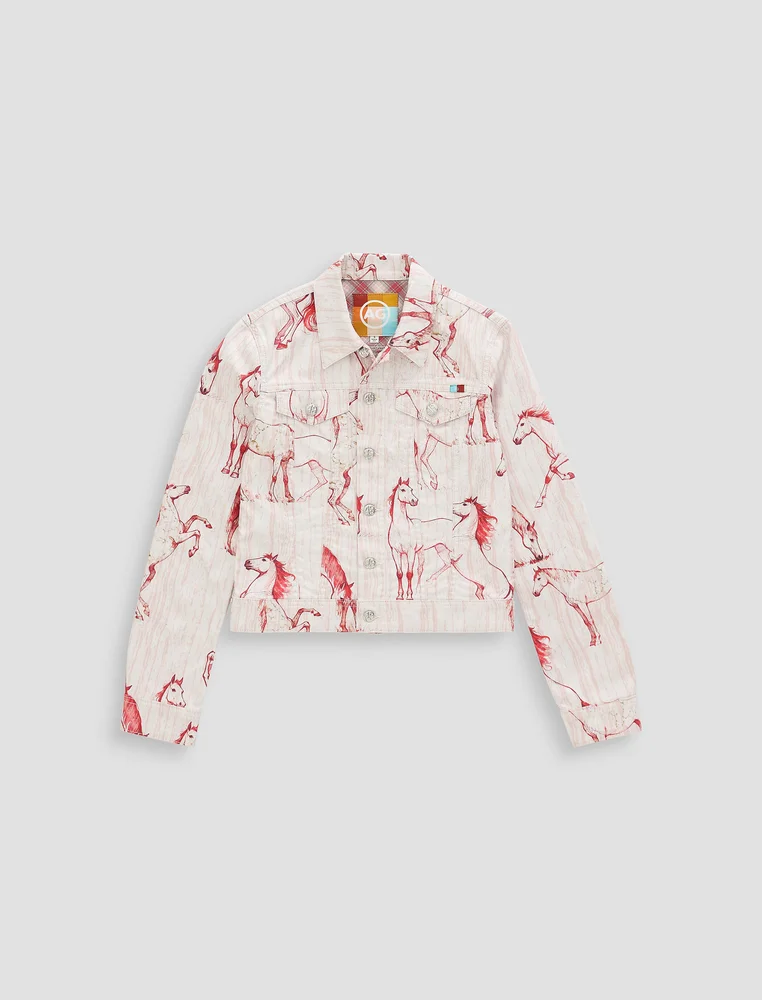
Robyn Jacket
AG Jeans
$427
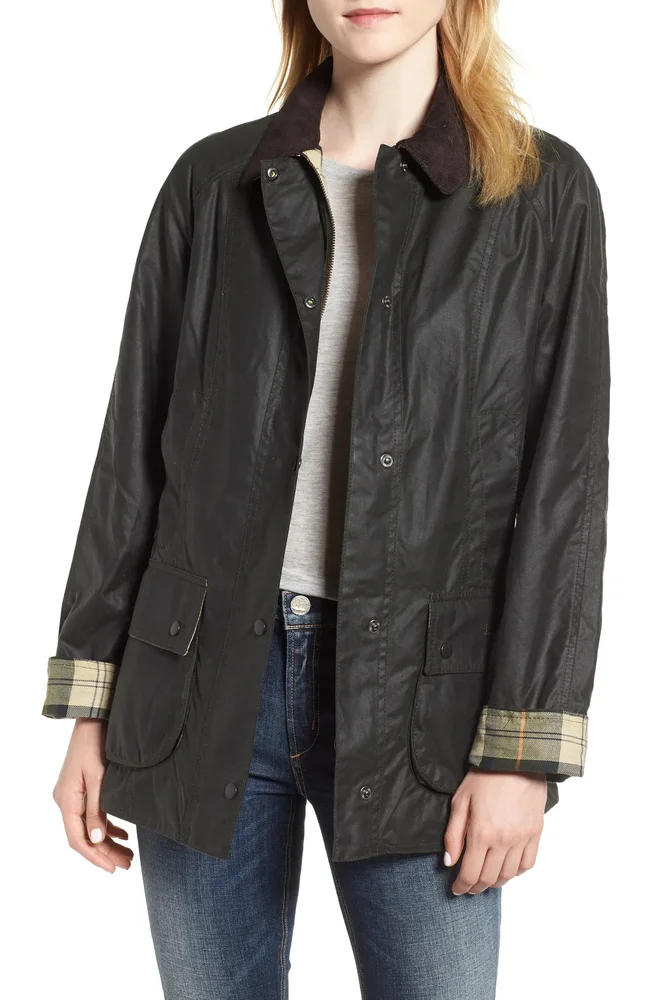
Beadnell Waxed Cotton Jacket (Olive)
Barbour
$415
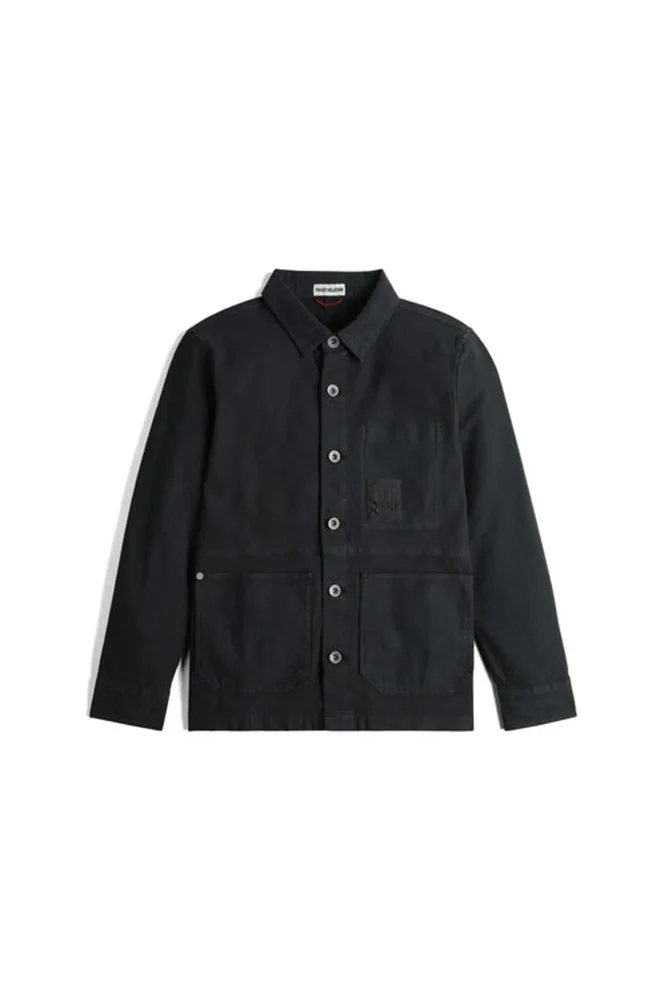
Women’s Utility Jacket (Black)
Topo Designs
$169
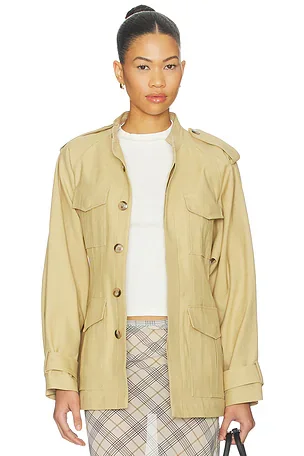
Field Jacket in Classic Camel
Polo Ralph Lauren
$598
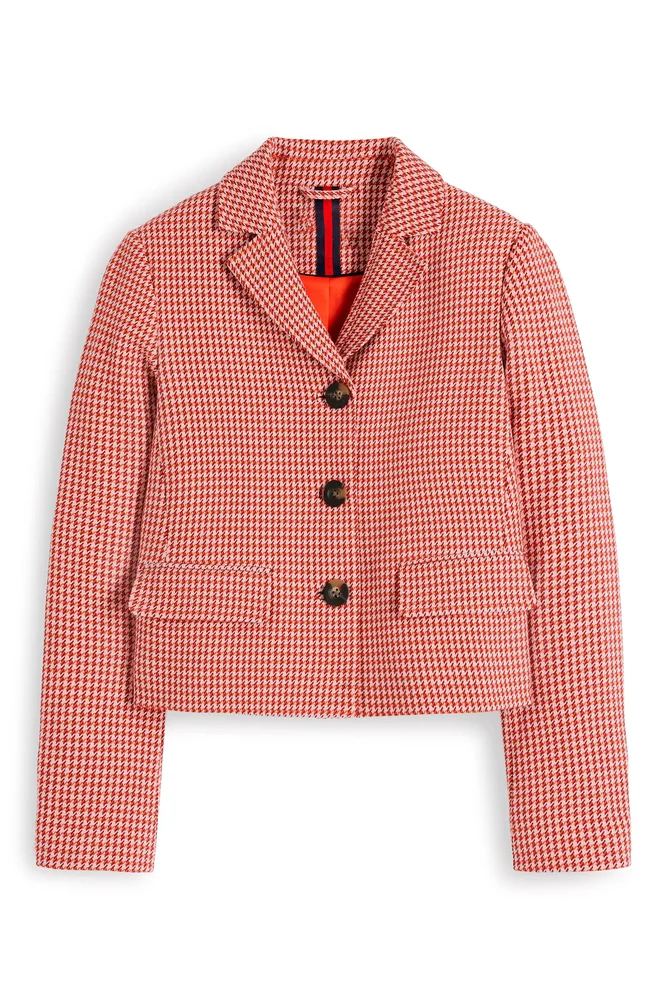
Dartmouth Cotton-Blend Blazer (Pink Brown Puppytooth)
Boden
$260
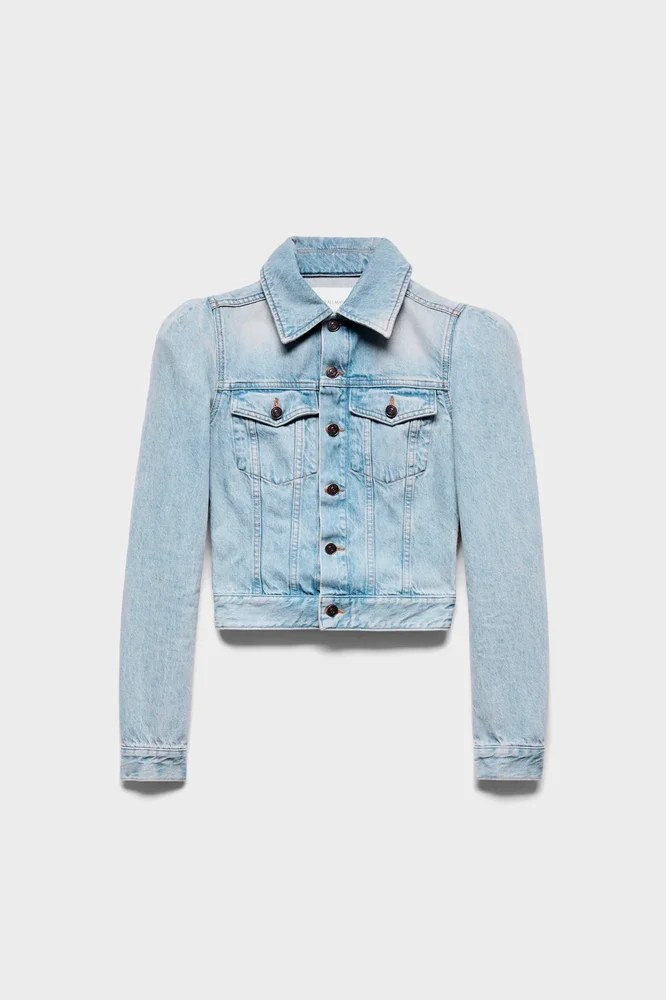
PUFF SLEEVE TRUCKER JACKET in Denim Chelsea
7 For All Mankind
$348
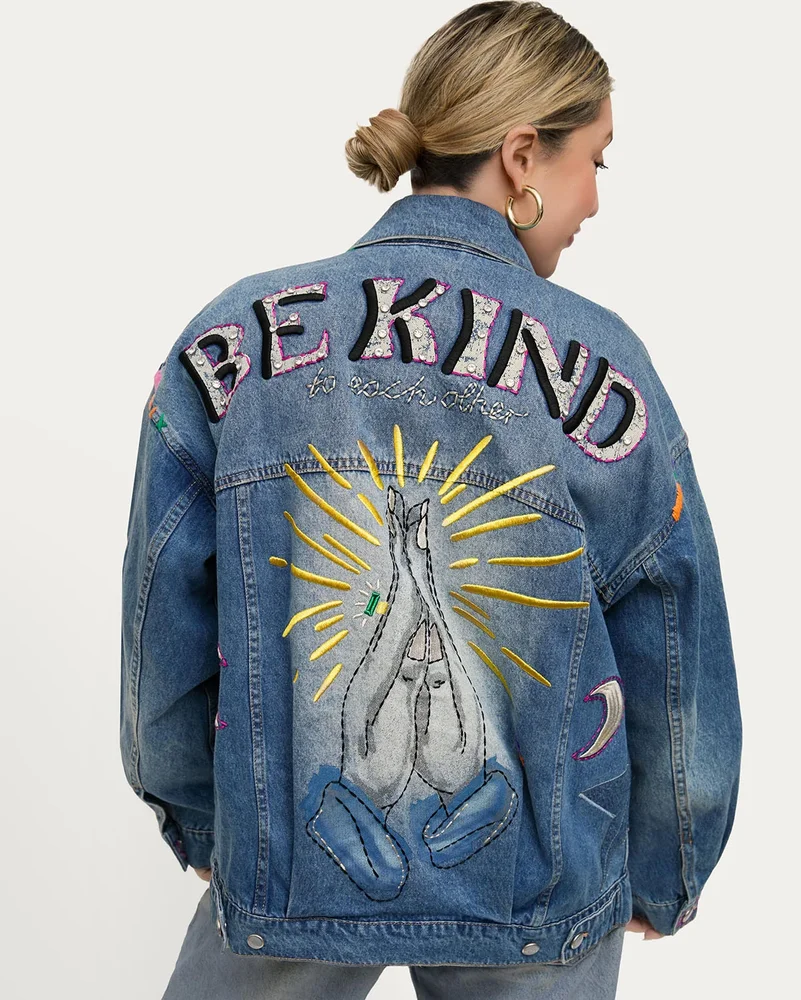
Cool To Be Kind Embroidered Denim Jacket
Aimee Kestenberg
$248
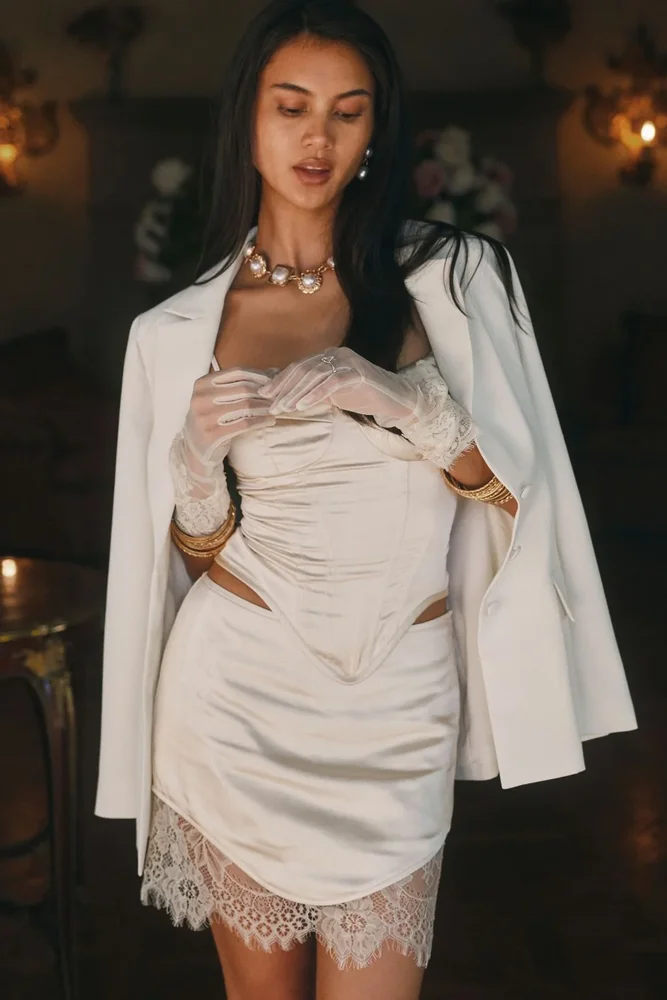
Chloe White Tapered Blazer
12th Tribe
$98
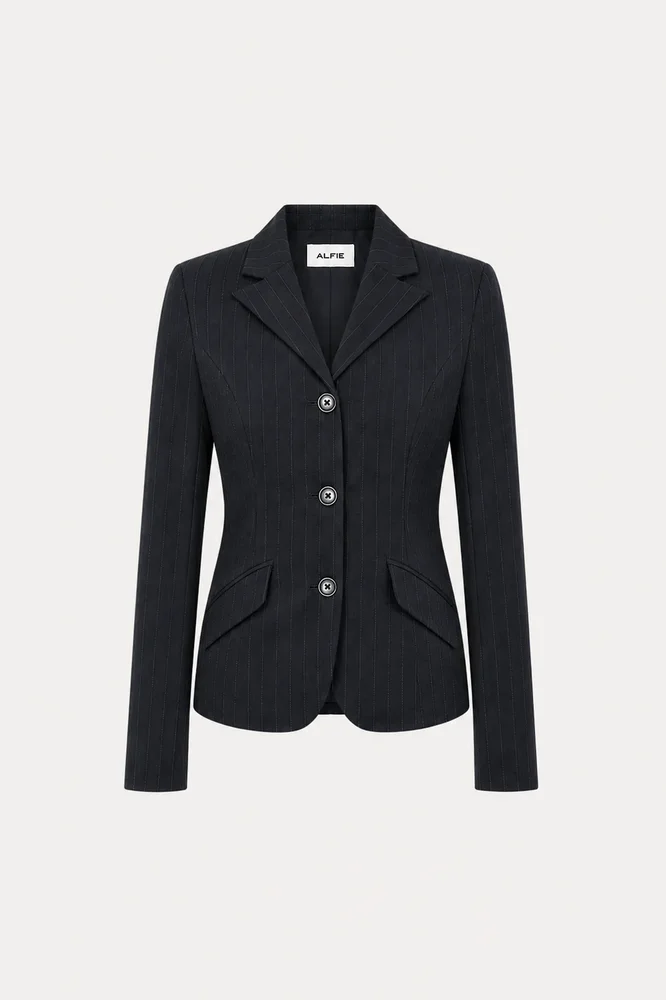
The Alma Jacket
Alfie
$650
Lining tells you the honest use
An unlined jacket is a three-season piece whatever the marketing says, and a quilted or flannel lining moves it into genuine cold. Check the sleeve lining specifically, because a jacket lined only through the body will fight every knit you try to put under it. Satin or cupro sleeve linings let a jacket slide over a sweater instead of dragging it up the arm. Armhole height matters just as much, since a low armhole restricts movement the moment you add a layer. These two details separate a jacket you actually reach for from one that stays on the hook.
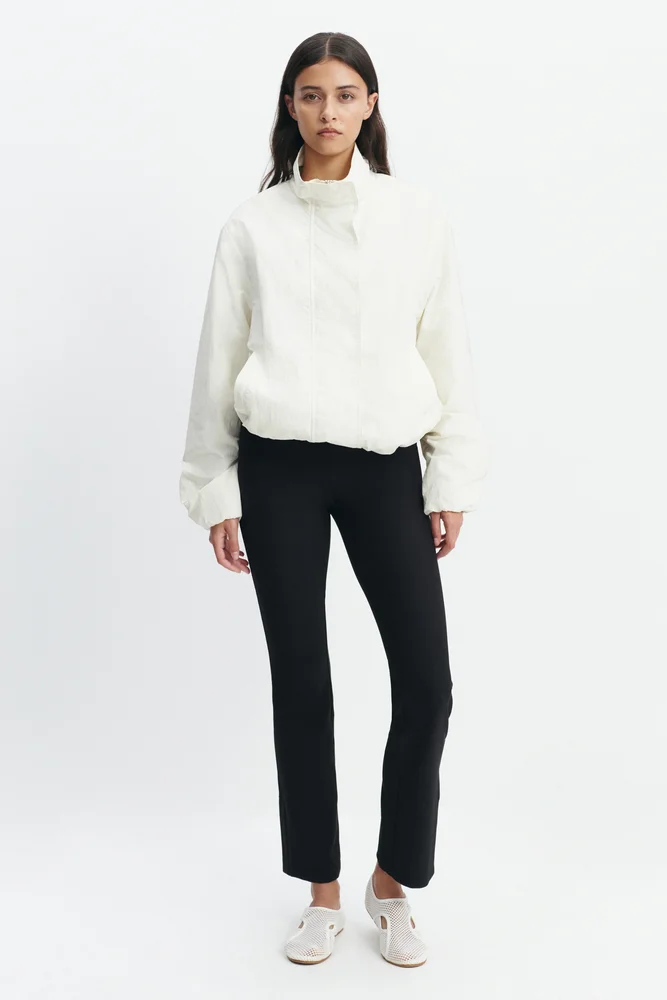
Windbreaker Jacket
Aje
$279
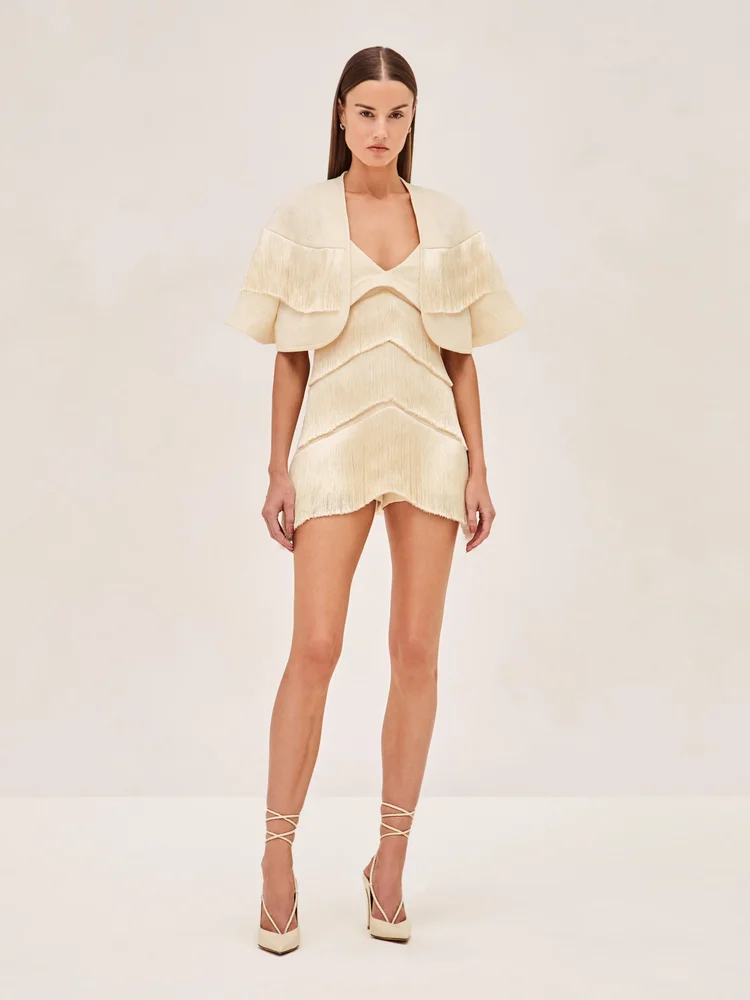
Tadeo Jacket
Alexis
$398
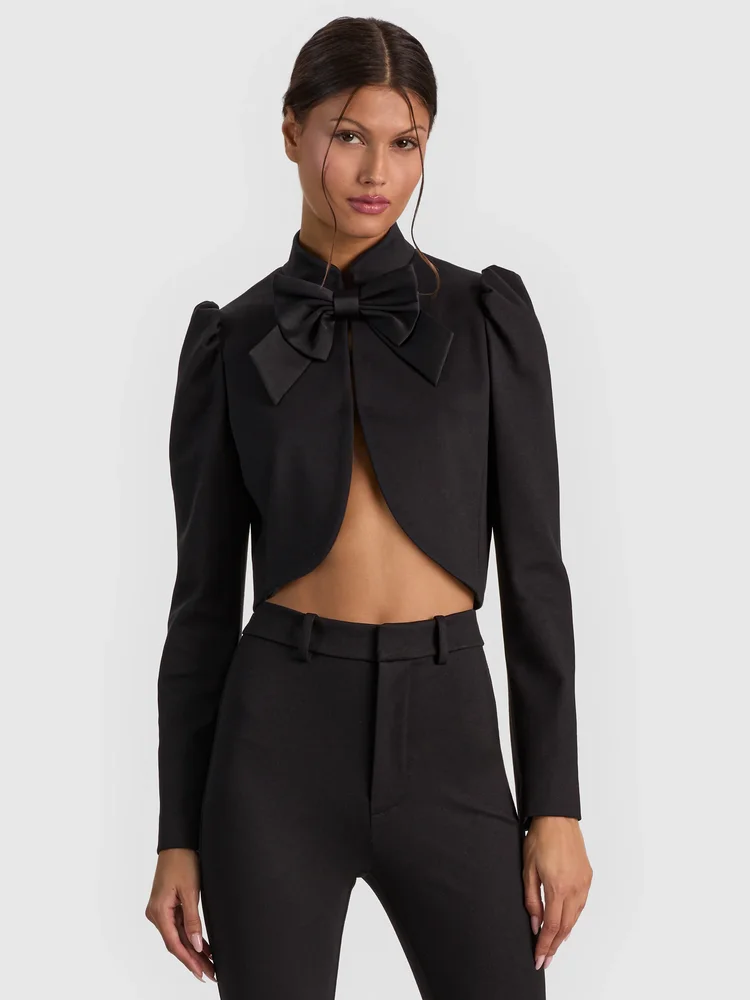
ILARIA CROPPED JACKET - BLACK
Alice + Olivia
$550
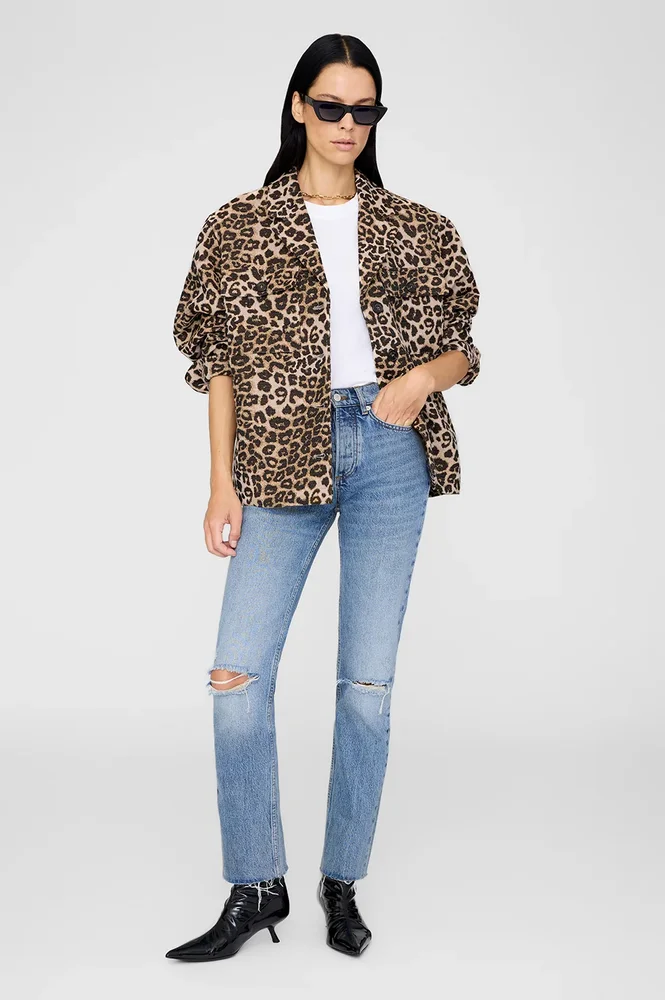
Flynn Jacket - Leo
Anine Bing
$200
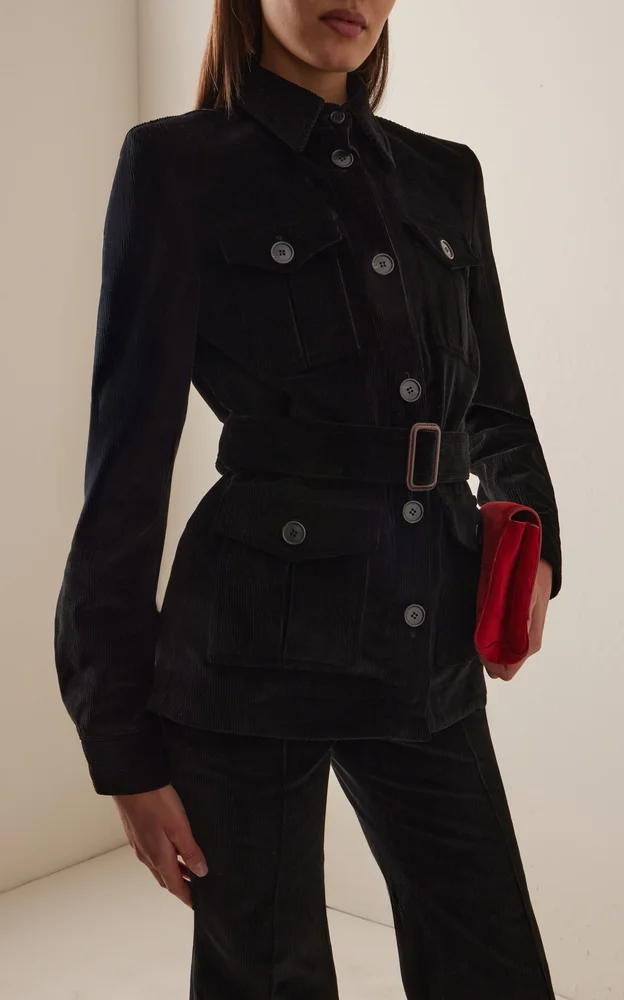
Sutton Belted Cotton Jackets
FRANÇOISE
$1,370
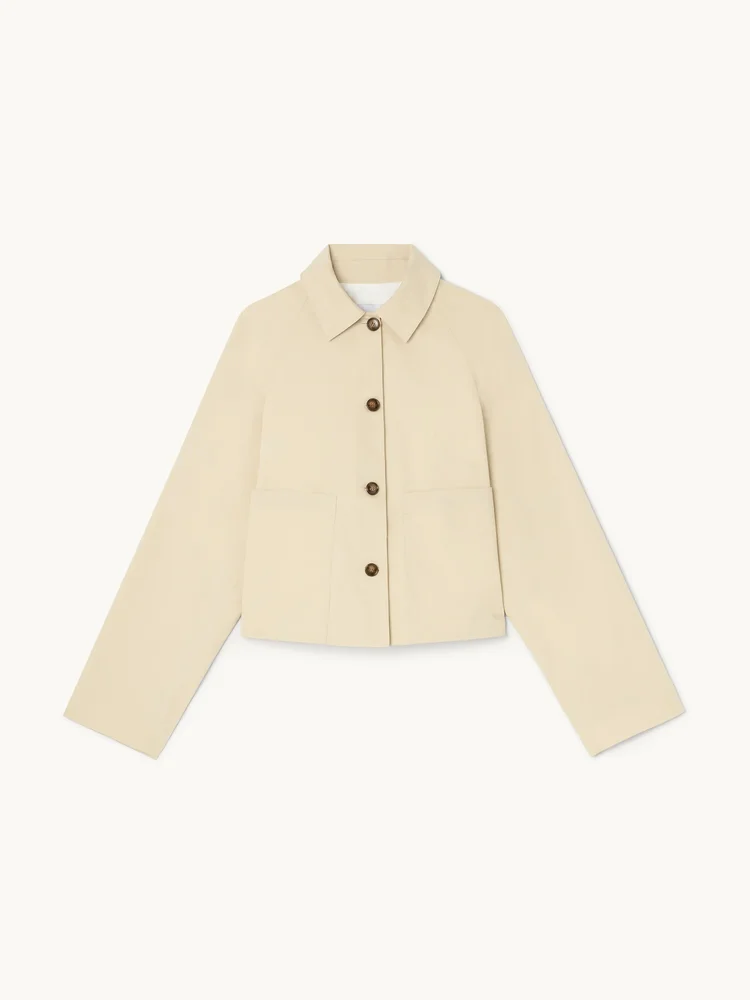
Cate Jacket
GWYN
$248
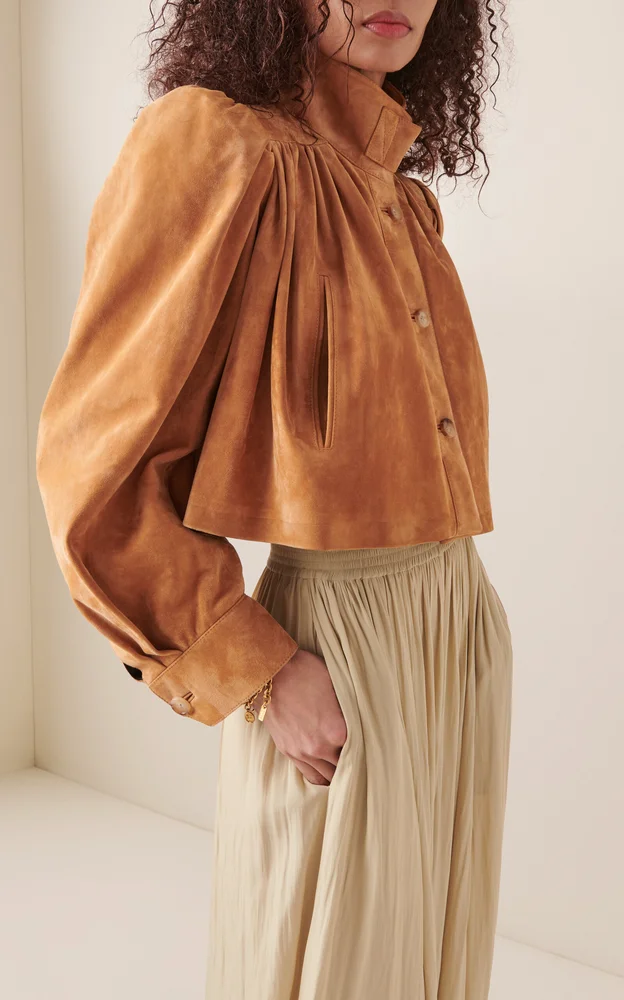
Cropped Suede Jacket
Chloé
$5,250
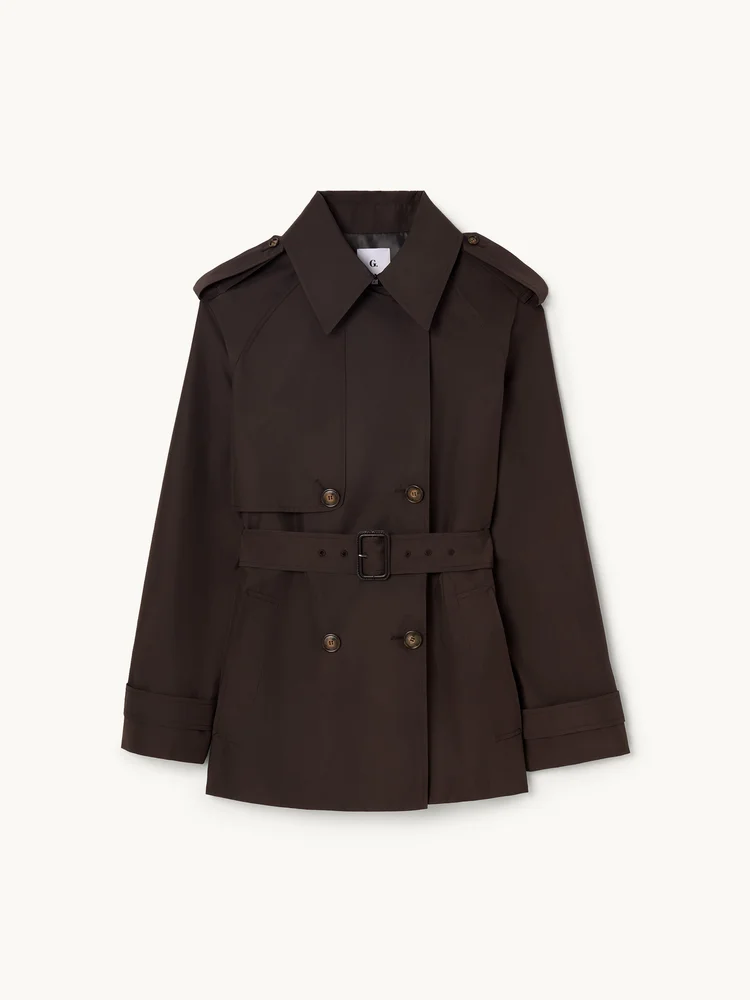
Nina Trench Jacket
GWYN
$340
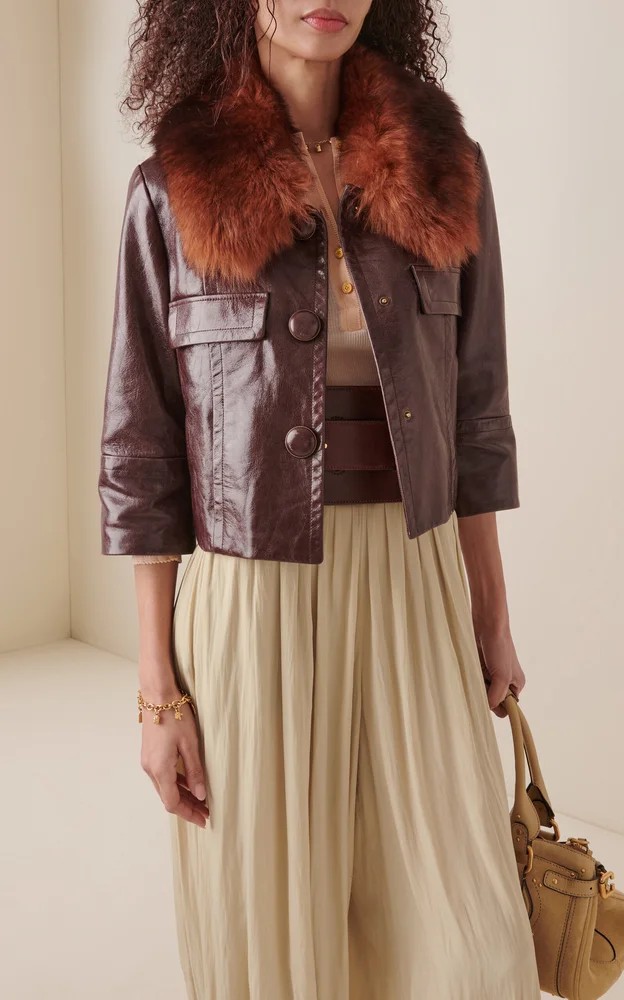
Shearling-Trimmed Leather Jacket
Chloé
$4,500
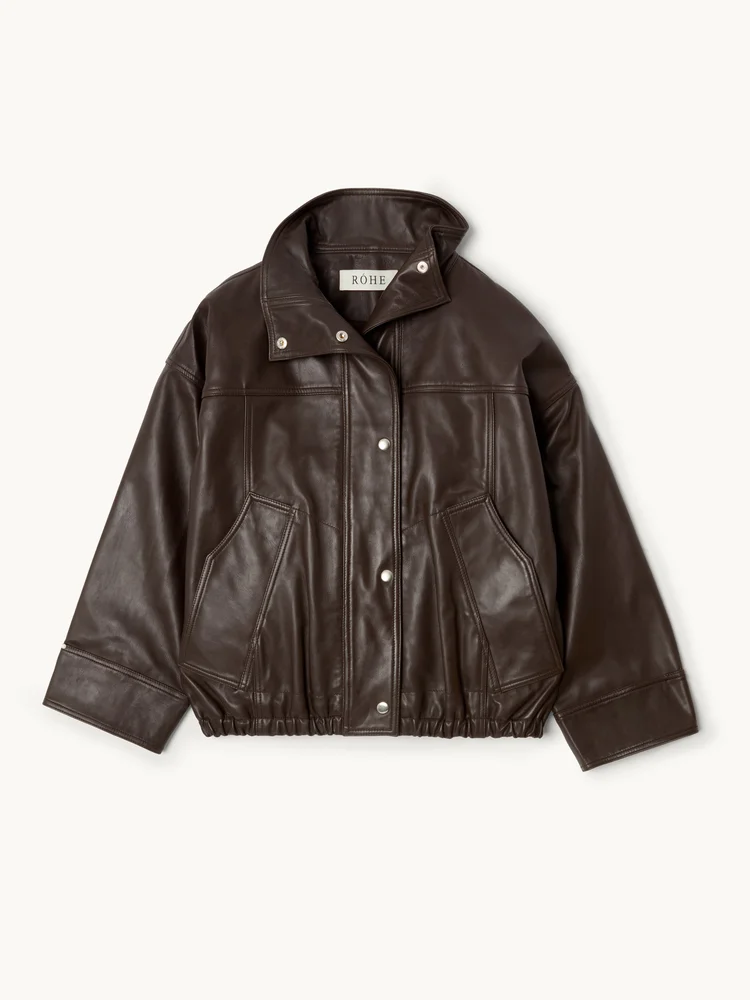
Reinvented leather jacket
Róhe
$452
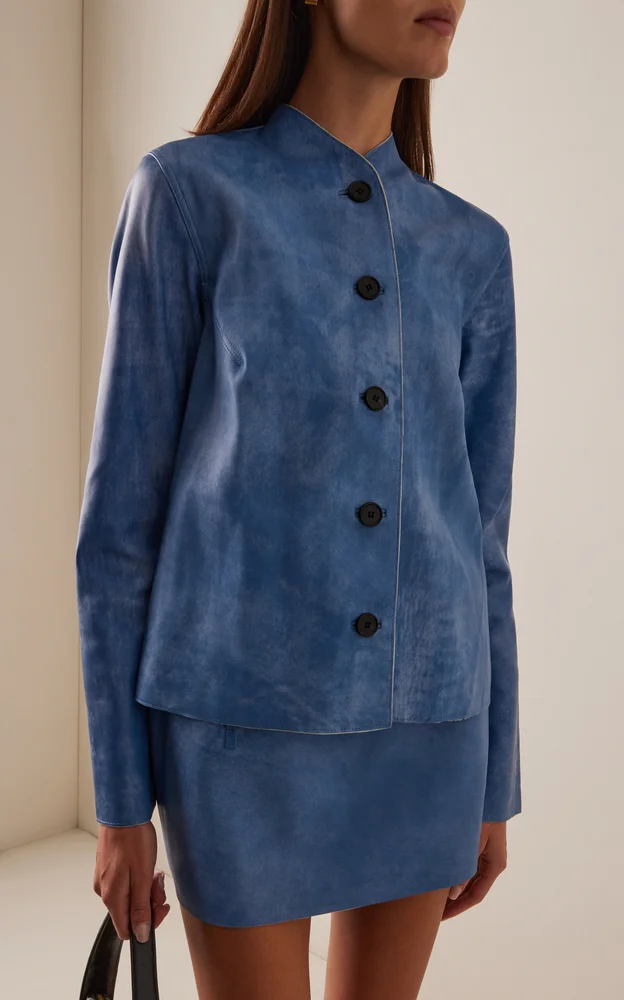
Emanuelle Leather Jacket
All Three
$1,395
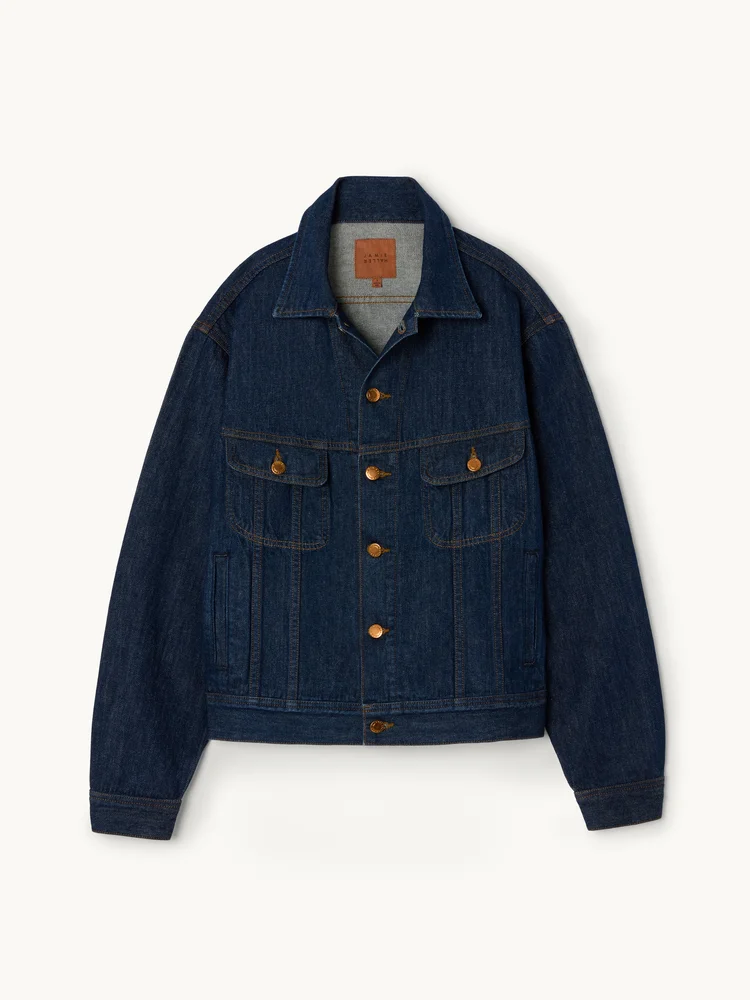
The Loverboy Denim Jacket
Jamie Haller
$240
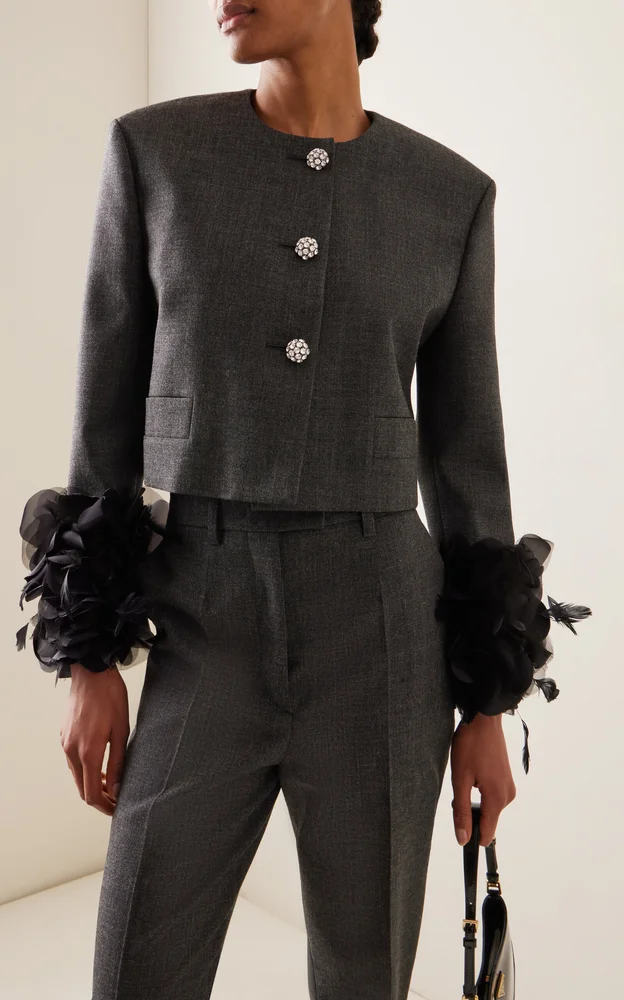
Feather-Embellished Wool Jacket
Prada
$6,800
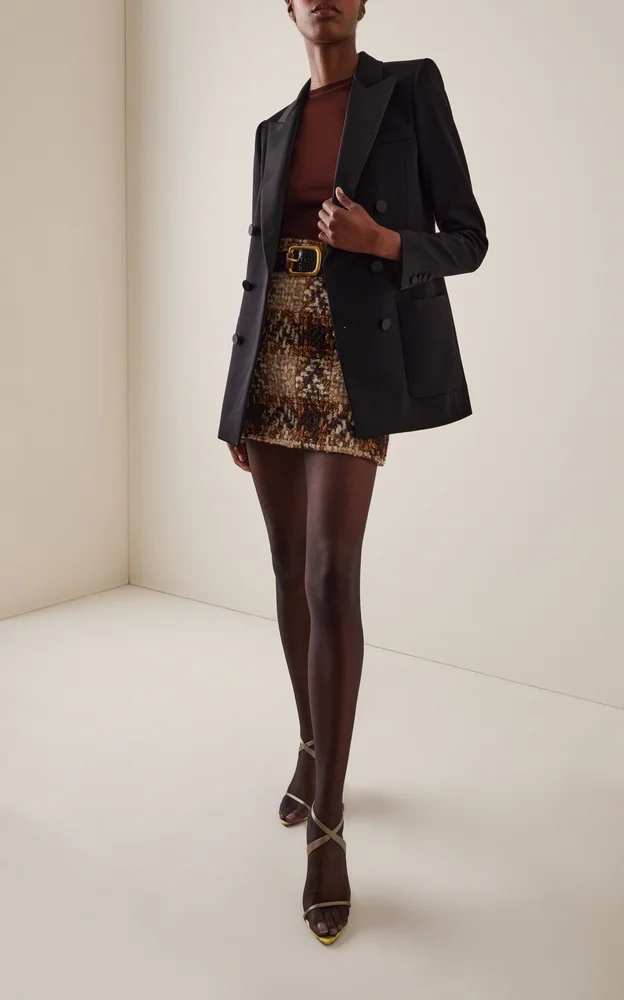
Double-Breasted Wool Jacket
Saint Laurent
$4,400
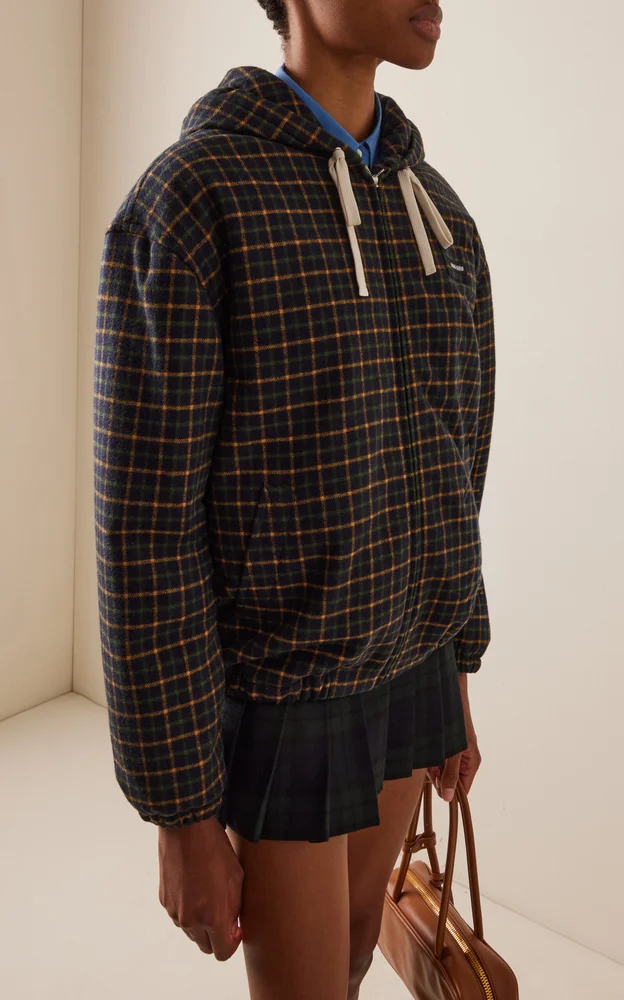
Checkered Wool-Blend Jacket
Miu Miu
$4,100
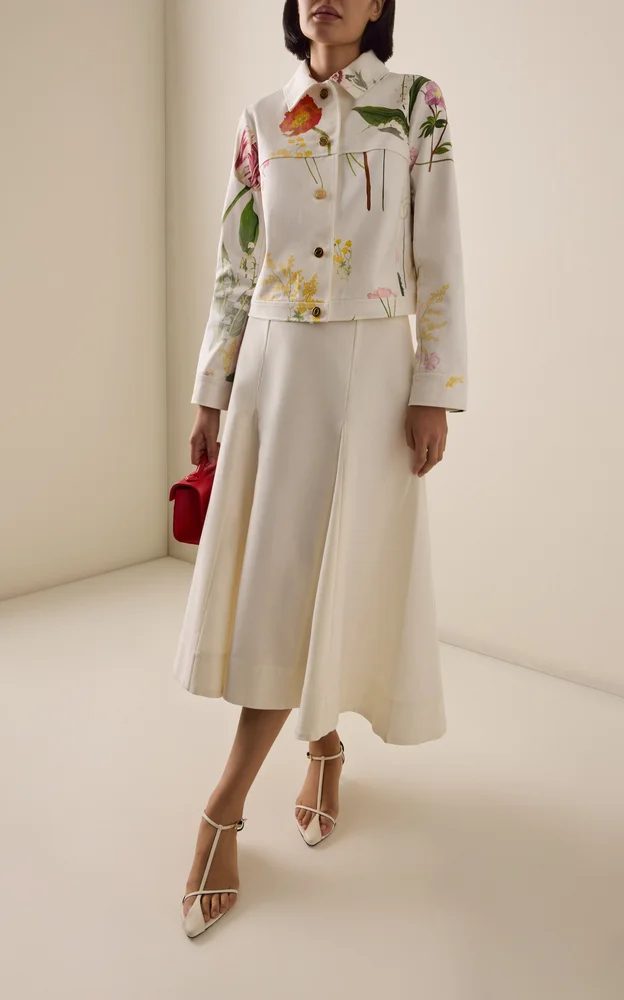
Faded Botanical Denim Jacket
Oscar de la Renta
$3,690
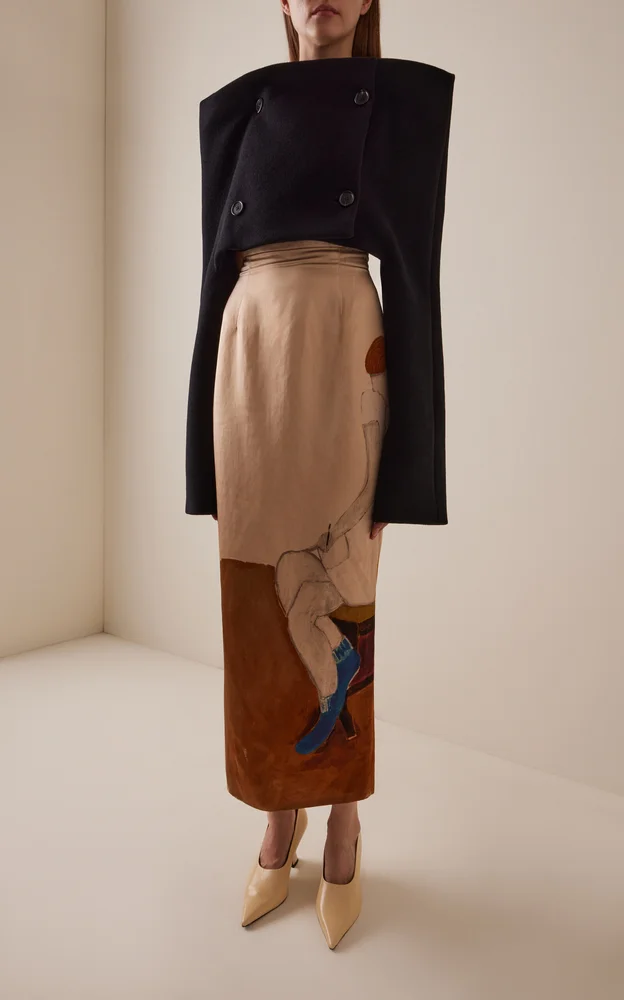
Meko Cropped Wool Jacket
Khaite
$3,600
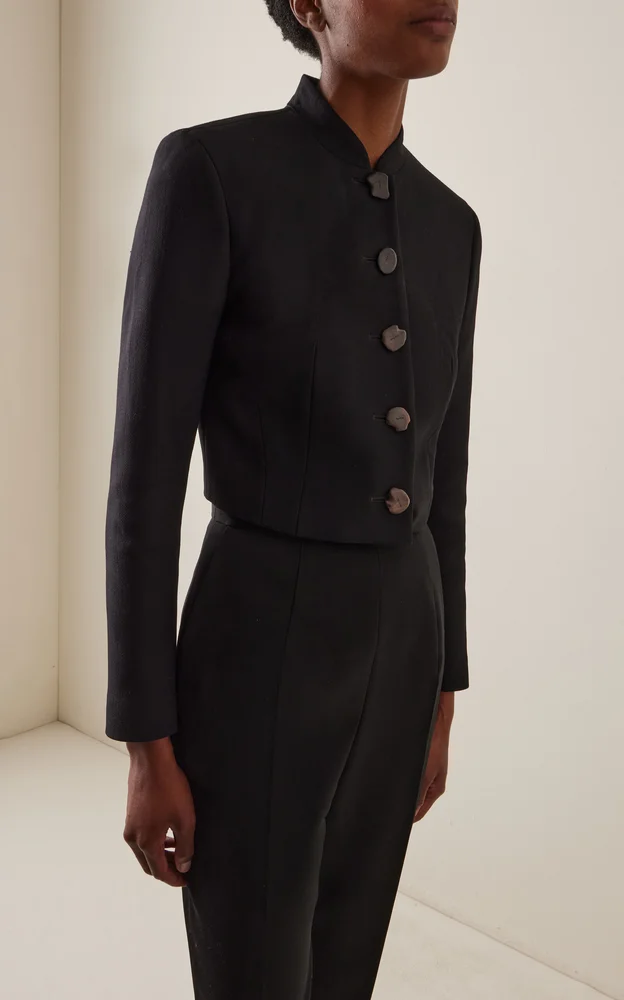
Bellamy Cropped Wool Jacket
The Row
$3,400
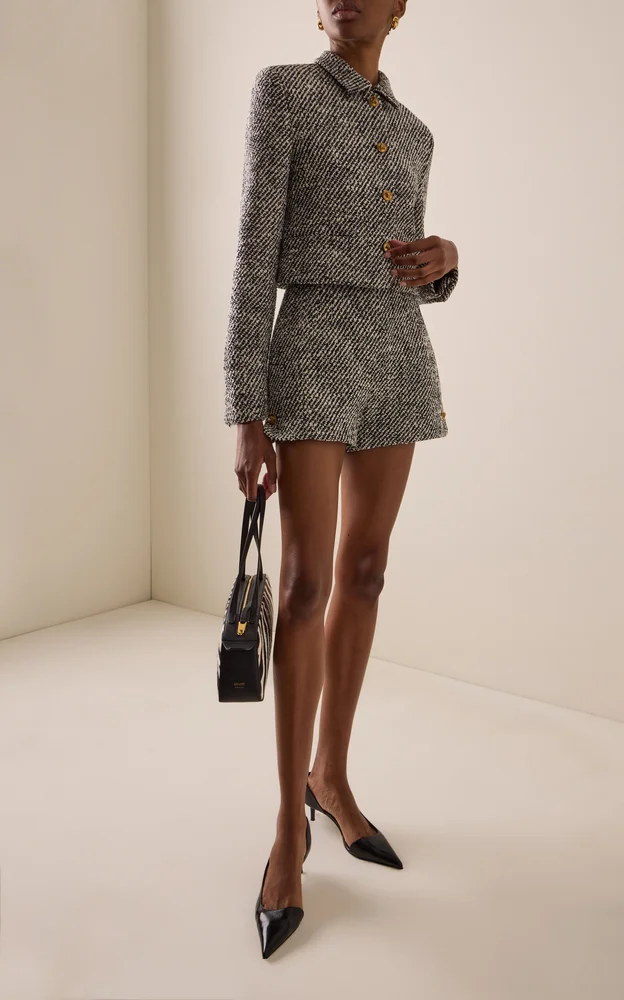
Wool Boucle Jacket
Versace
$3,250
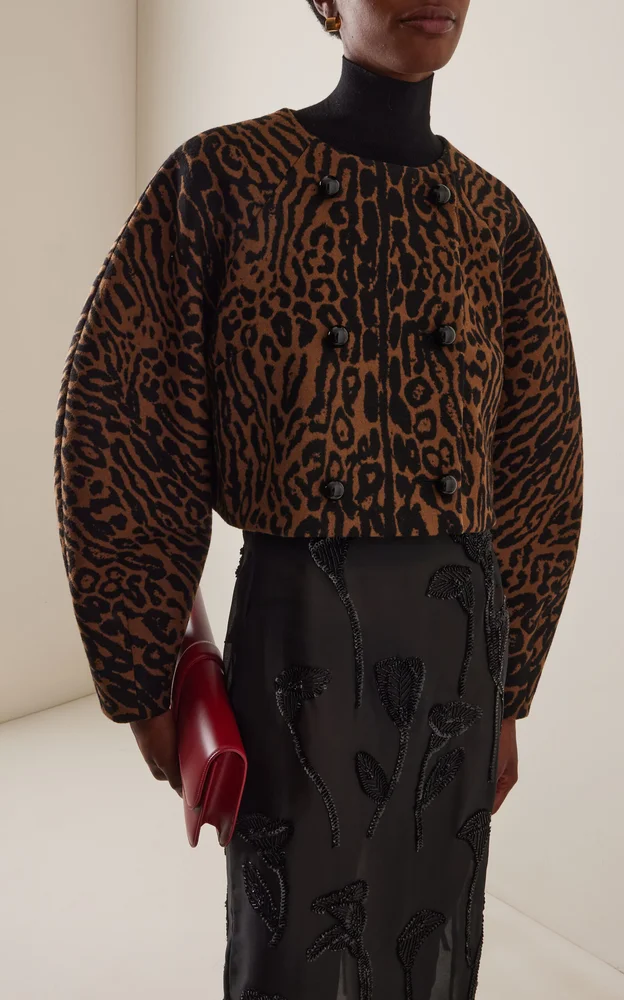
Leopard Jacquard Wool Cocoon Jacket
Carolina Herrera
$2,990
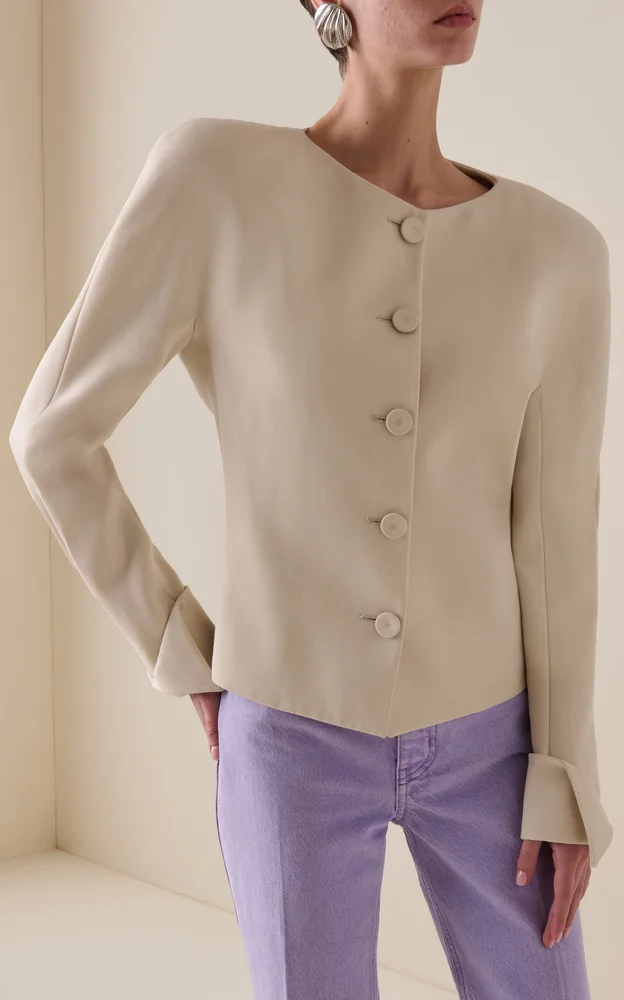
Cinched Collarless Wool Jacket
Chloé
$2,690
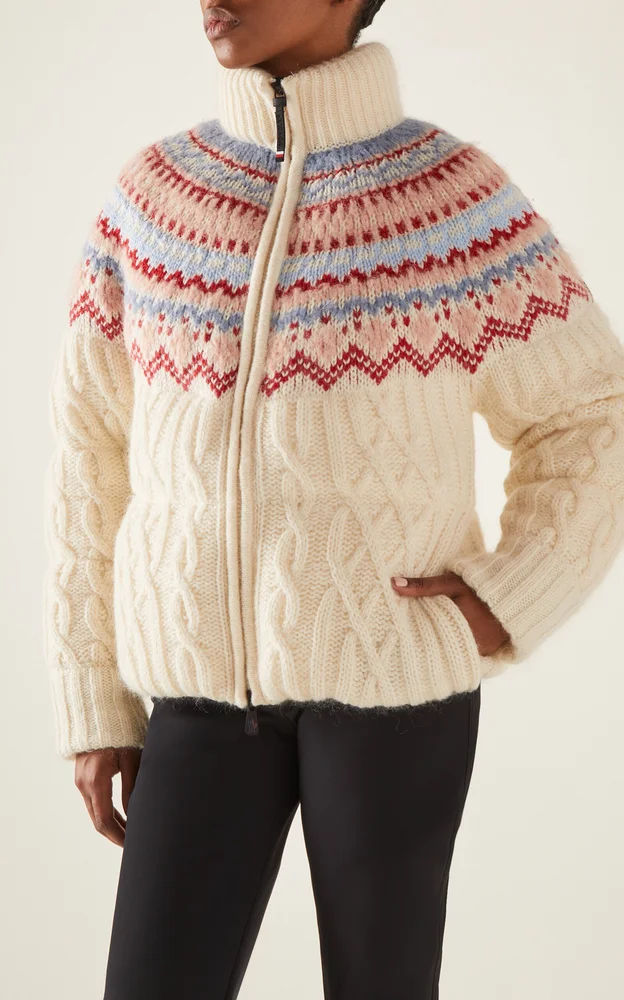
Knit Wool-Mohair Down Jacket
Moncler Grenoble
$2,625
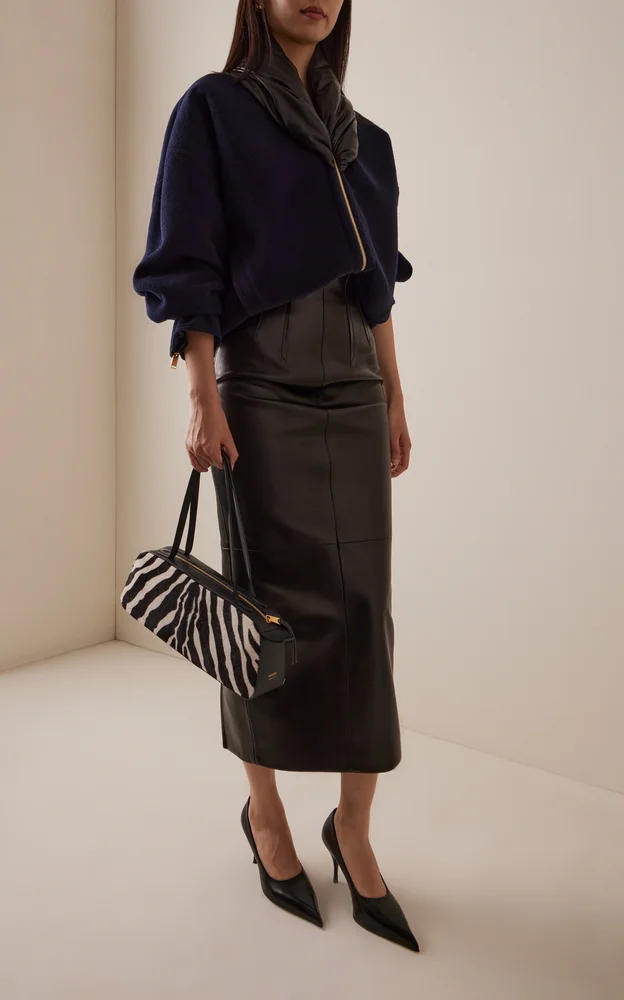
Anya Wool-Blend Bomber Jacket
DARKPARK
$2,495
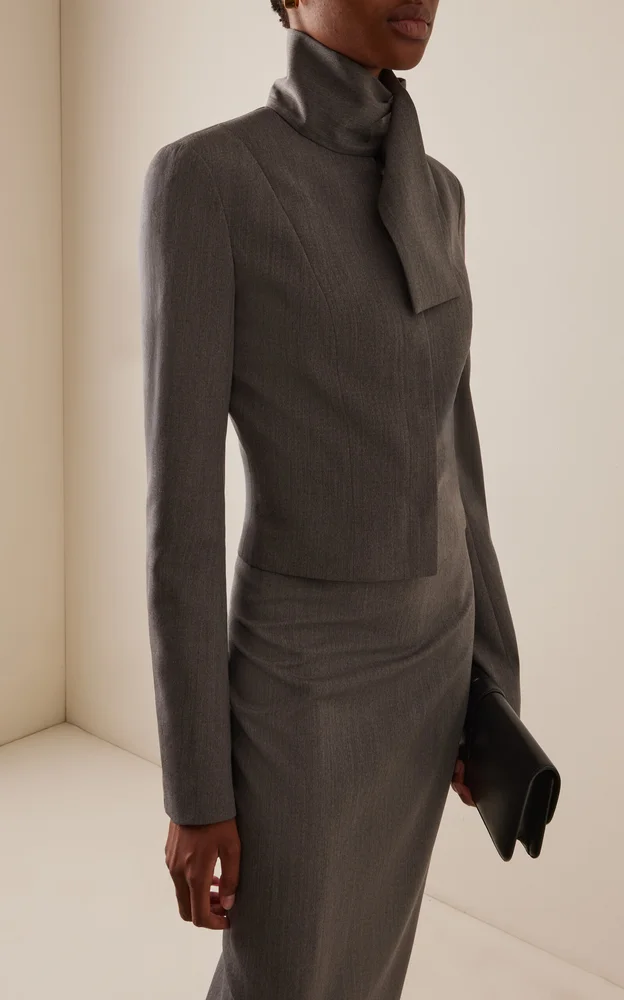
Tailored Wool Scarf Jacket
COLLEEN ALLEN
$2,280
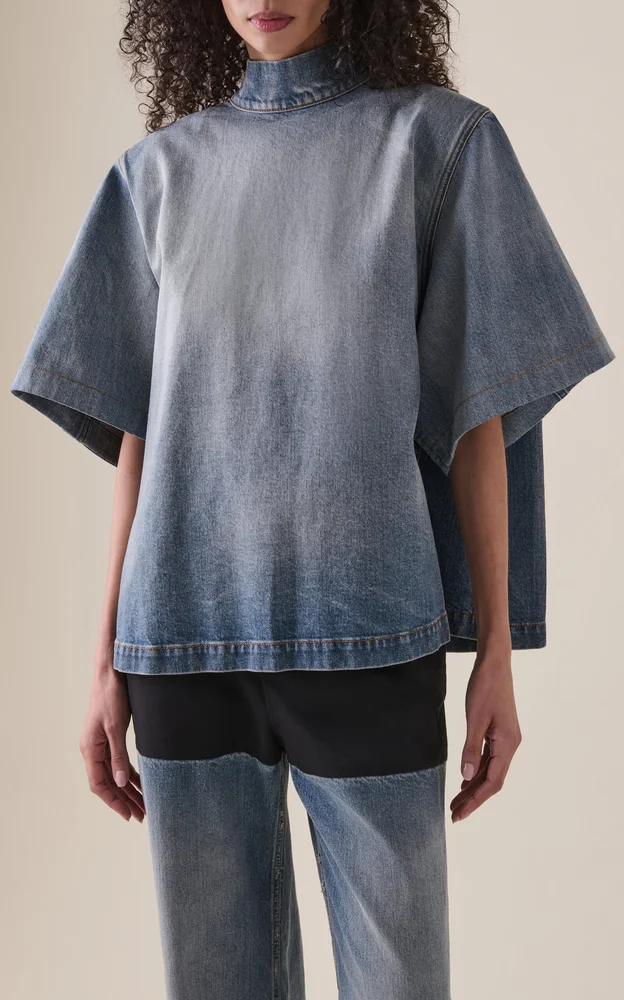
Reversed Denim Jacket
ALAÏA
$2,100
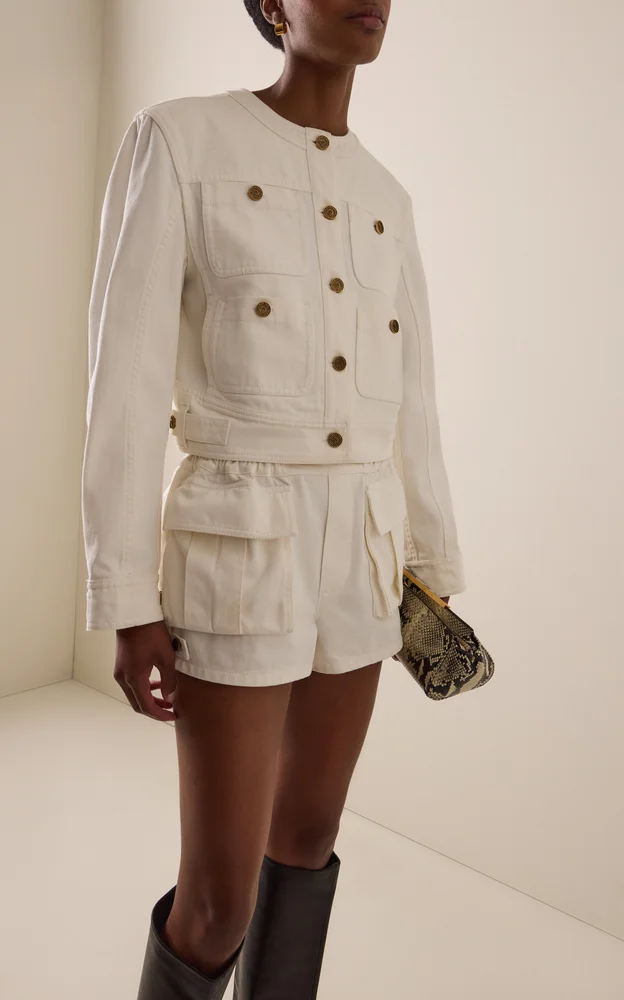
Denim Jacket
Balmain
$1,990
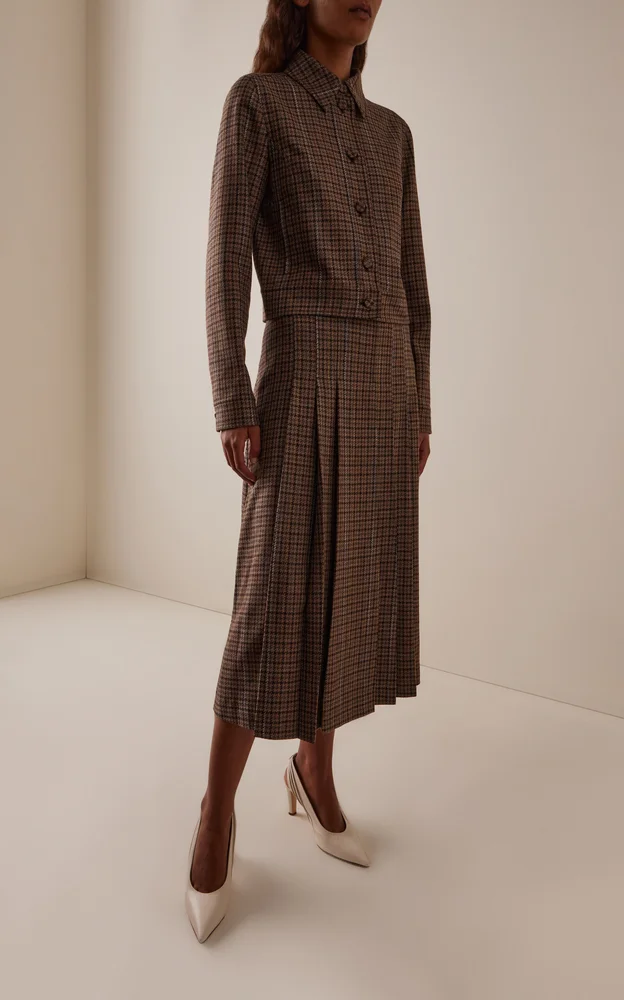
Thereza Checked Wool-Silk Jacket
Gabriela Hearst
$1,990
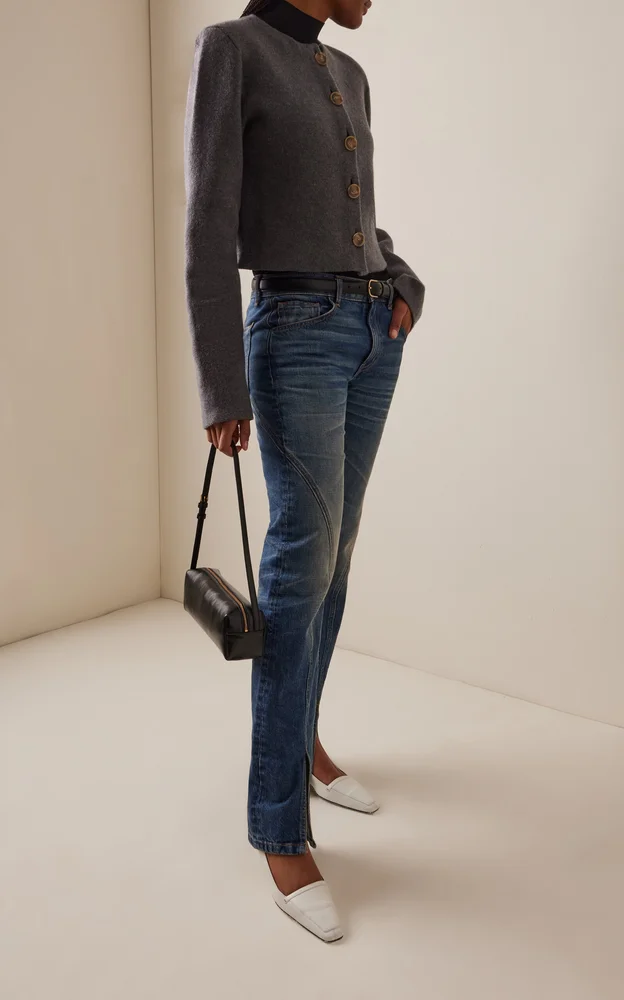
The Ryder Cropped Virgin-Wool Jacket
Brandon Maxwell
$1,980
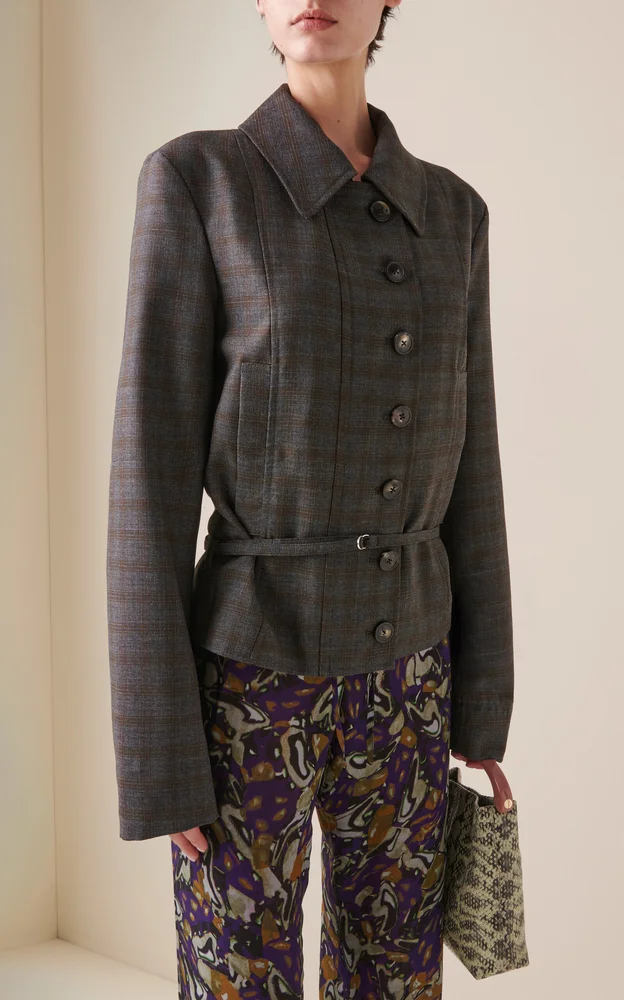
Valena Checked Wool Jacket
Dries Van Noten
$1,825
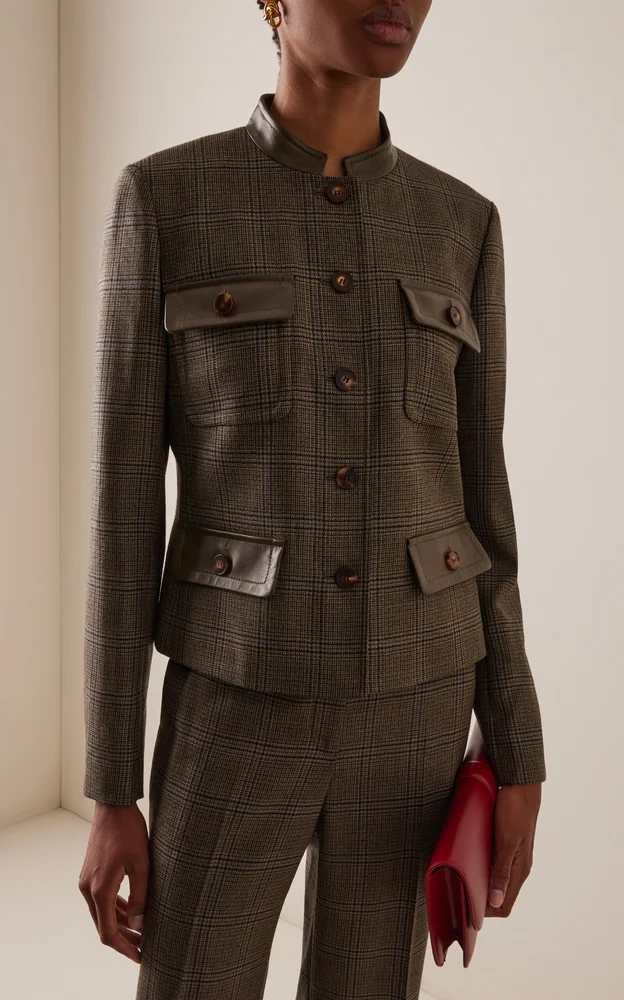
Glen Plaid Wool Cropped Jacket
Lafayette 148
$1,798
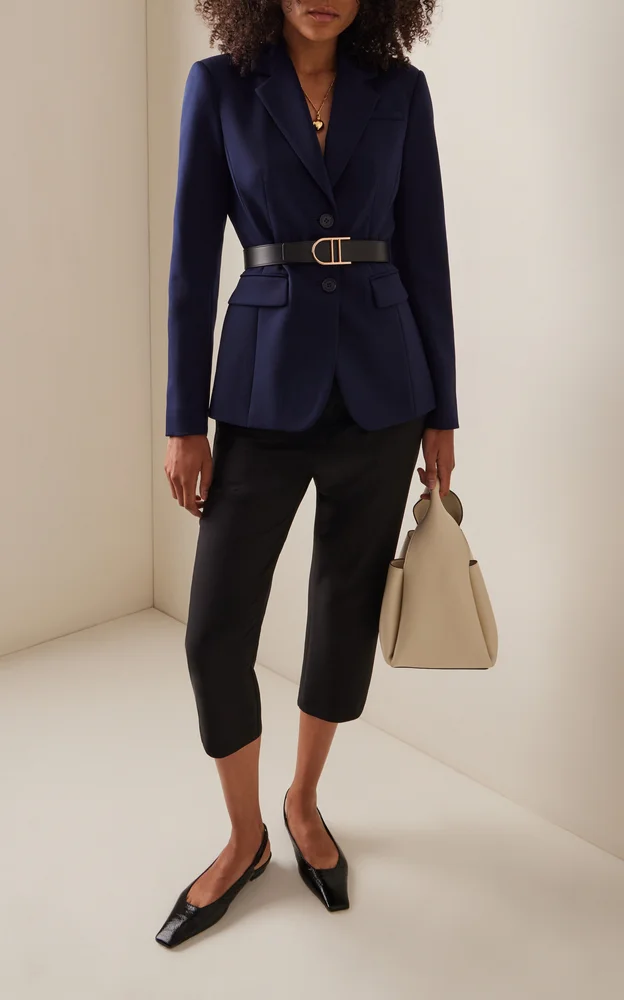
Fenice Wool Jacket
Altuzarra
$1,645
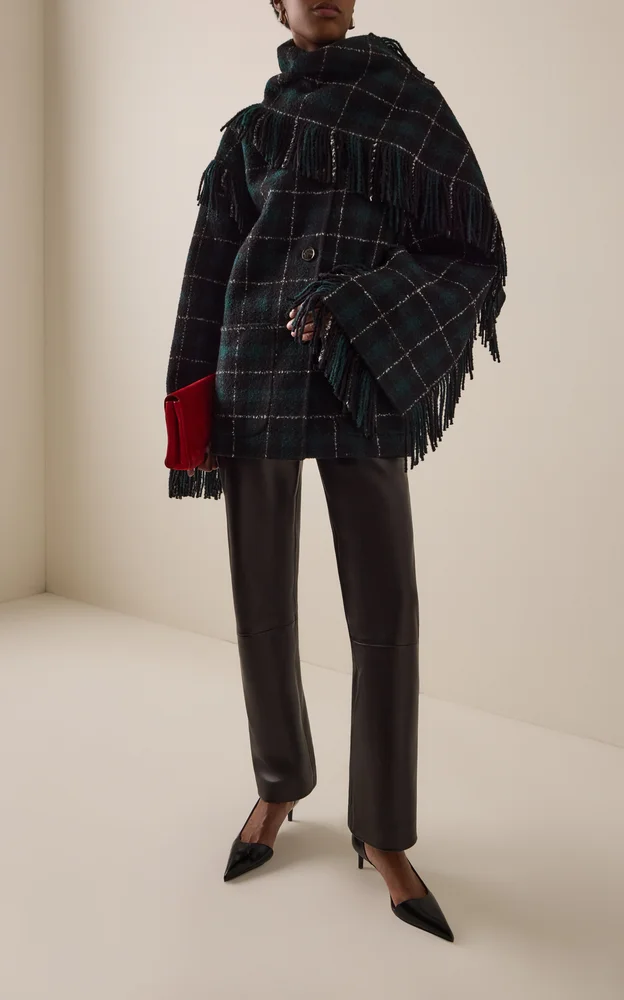
Fringed Scarf Wool-Blend Jacket
Toteme
$1,580
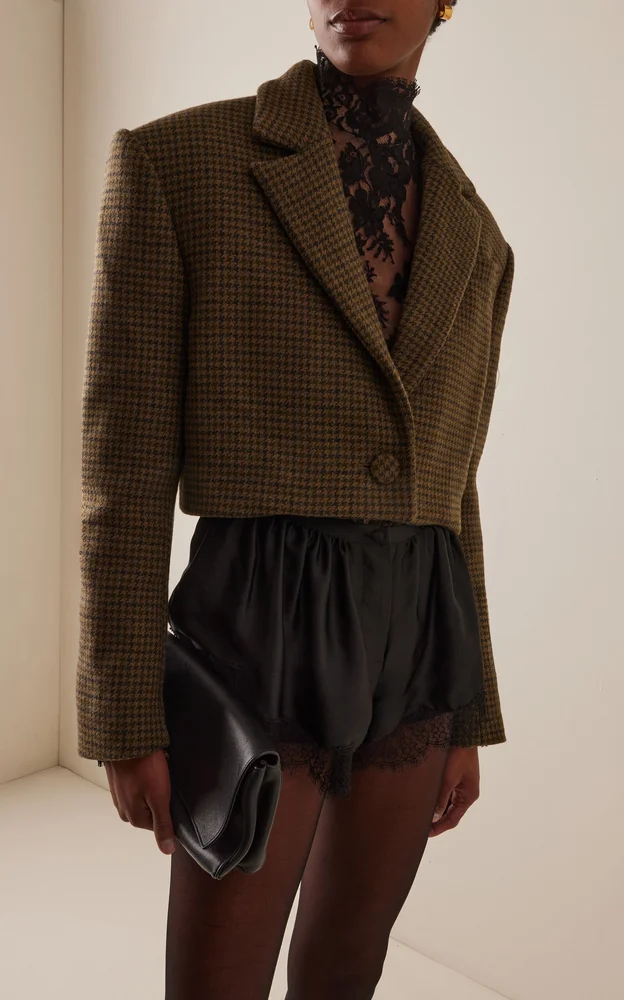
Asani Cropped Wool-Blend Jacket
FRANÇOISE
$1,505
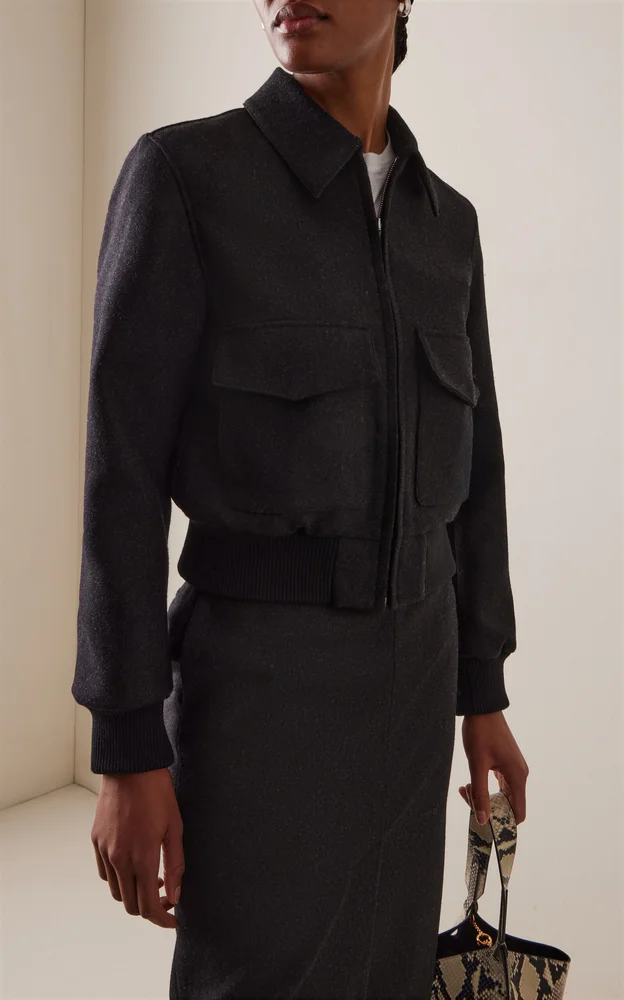
Redley Wool Bomber Jacket
NILI LOTAN
$1,390
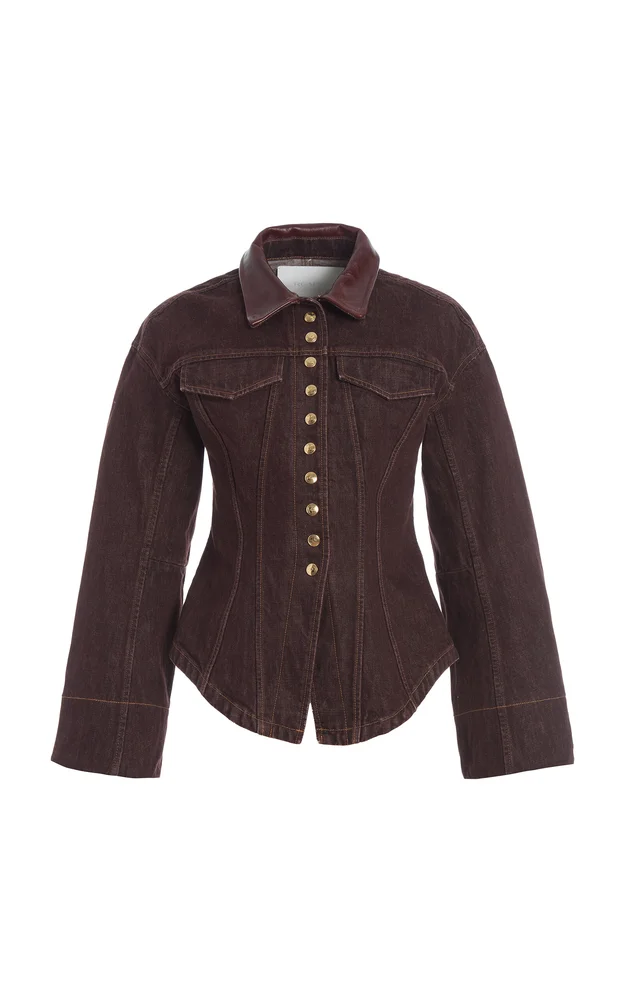
The Lennox Peplum Denim Jacket
RÙADH
$1,350
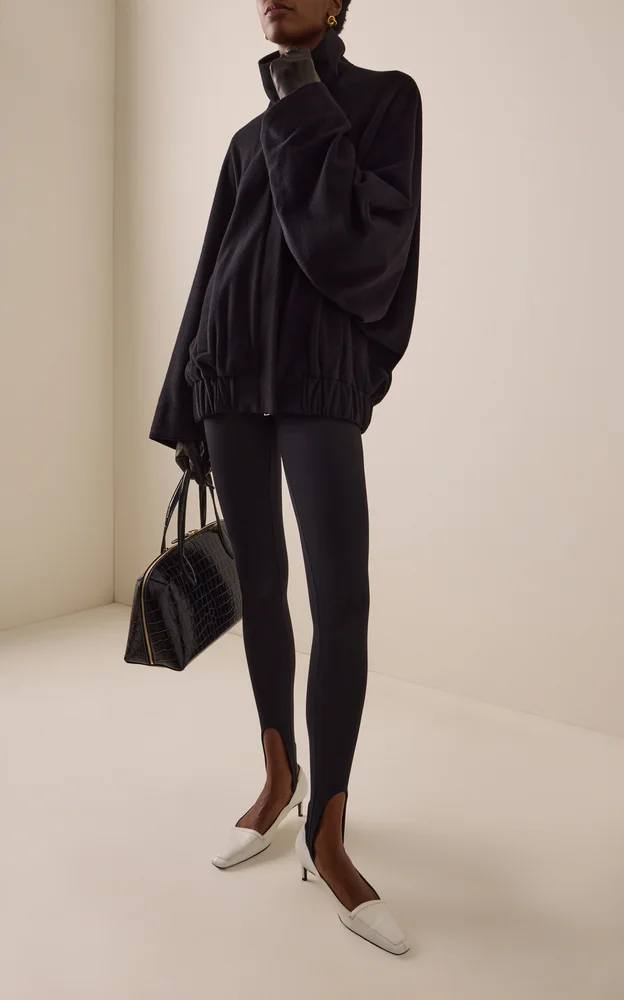
Batwing Wool-Cashmere Bomber Jacket
Auter
$1,350
Room for a knit underneath
Buy the jacket a size up from your usual if you intend to wear knitwear under it, because that is the whole point of this layer. A tight autumn jacket becomes a spring jacket by accident, and a jacket cut with room stays useful for the entire in-between season instead of three good weeks. Sizing up is a simple habit that people consistently refuse to follow, usually because the jacket looks better on the hanger without a sweater underneath it. Check the sleeve lining and the armhole height before the cut, since both decide whether a knit will slide in or fight you every time. Choose room over a perfect fit on the rack, because the fit only matters once the layer is actually on. If you want to keep browsing, I also put together Rain Jackets for Women and Bright Windbreakers and Track Jackets for Fall.