Gold vermeil is gold over sterling silver; compare its U.S. standard with gold plating, gold-filled jewelry and solid gold.
What Is Gold Vermeil: A Clear Comparison of Four Gold Types
Gold vermeil, plated, filled, or solid?
If you are asking what gold vermeil is, it is sterling silver coated with a durable layer of gold. The FTC's jewelry guidance recognizes vermeil when sterling silver is gold-coated on all significant surfaces with gold alloy of at least 10 karats and a minimum thickness equivalent to 2.5 microns of fine gold. That silver base is the key difference from gold plating, which describes a surface coating but does not specify sterling silver underneath; plated gold still needs reasonable durability and an accurate karat description. Gold-filled jewelry takes another route: gold alloy is mechanically applied and must make up at least one-twentieth of the article's metal weight. Solid 14k or 18k gold is not a coating; it is a gold alloy through the metal, and the karat describes fineness rather than pure 24k gold. My rule is to shop construction, not color. I would pick vermeil for gold over sterling, gold-filled for a bonded layer, and solid gold when I want no gold-plated surface to wear through.
Vermeil makes the base metal part of the promise
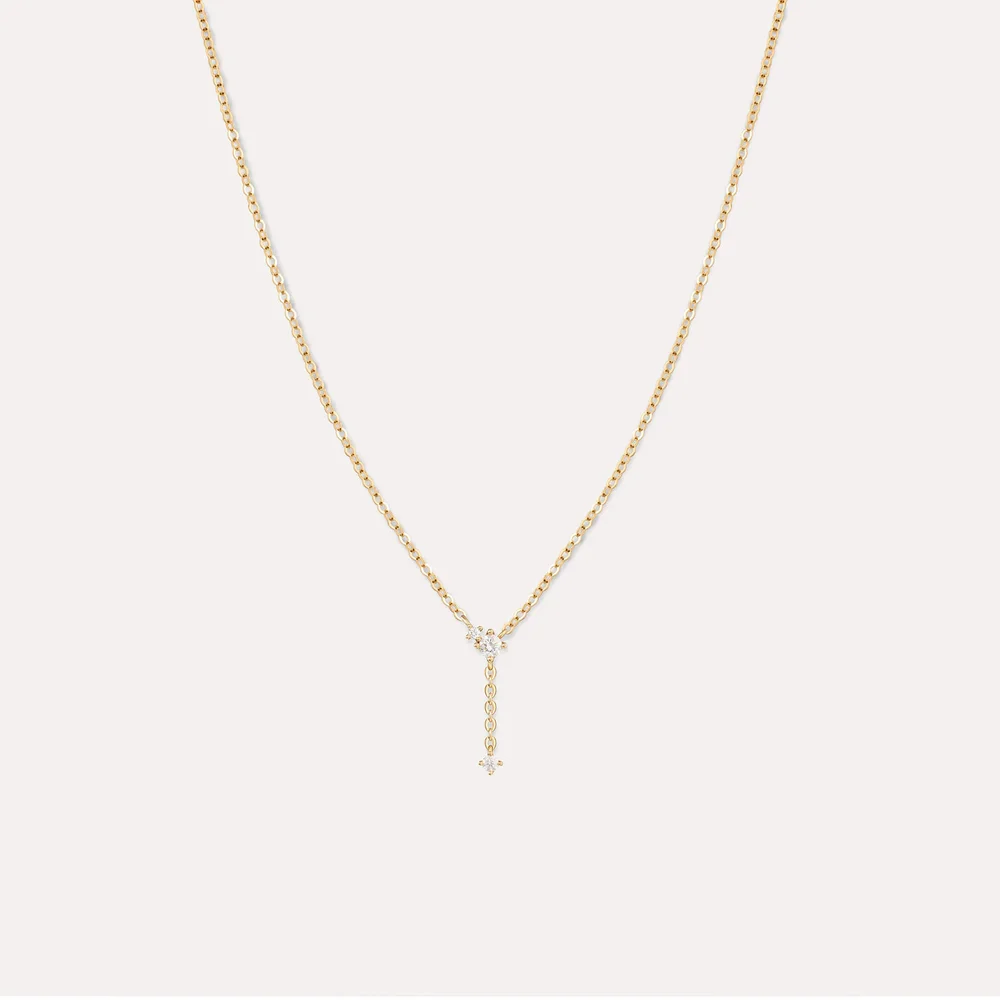
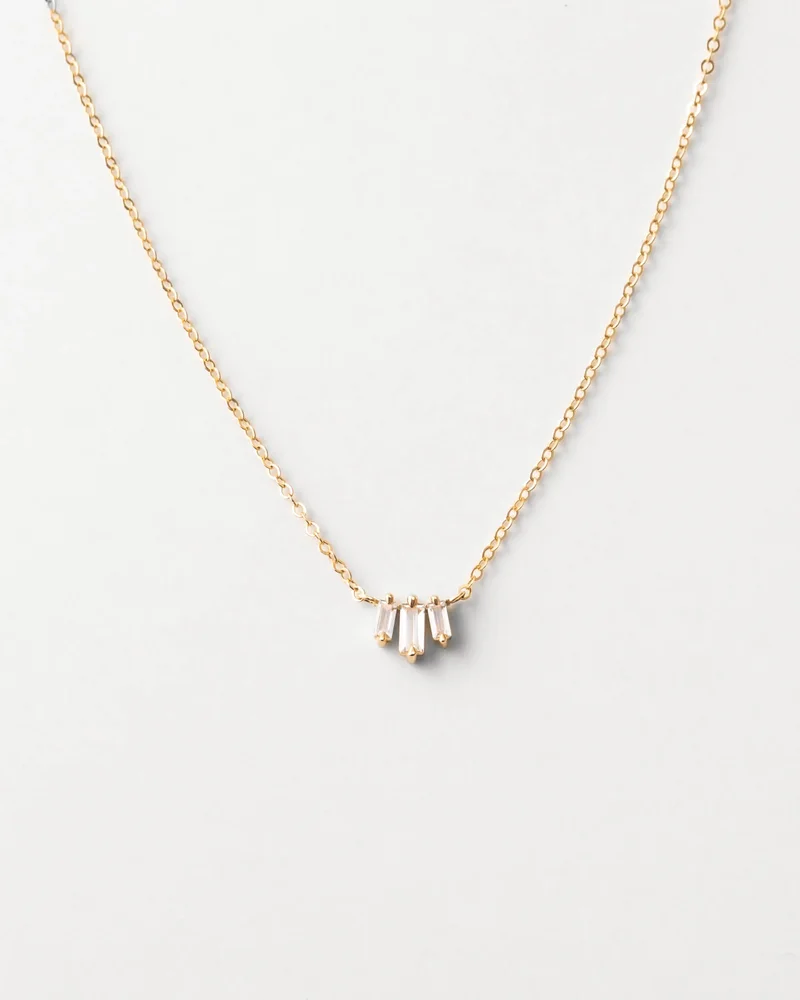
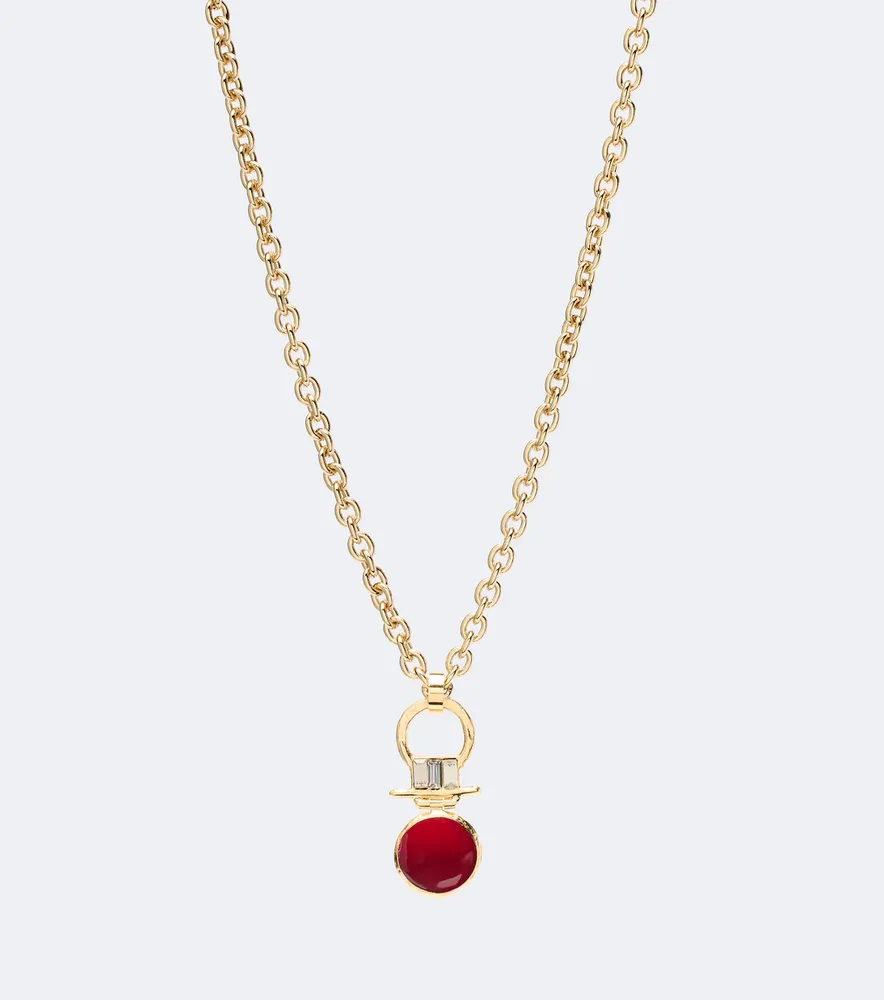
The clearest case for vermeil is that the metal beneath the gold is part of the definition. The GLDN Gold Toi et Moi Necklace makes that construction easy to picture: its product details specify 14k gold vermeil over sterling silver, with one 6-by-4-millimeter baguette and one 3-millimeter round pendant on an adjustable 16-to-18-inch chain. I like vermeil most in a necklace like this, where the gold tone sits over a silver base, rather than in a ring I expect to rub against everything. A coating can fade with friction or liquids, so I would check care advice before calling any plated piece an everyday forever piece. For the narrower comparison with solid gold, Gold Vermeil Versus Solid Gold focuses on that choice.
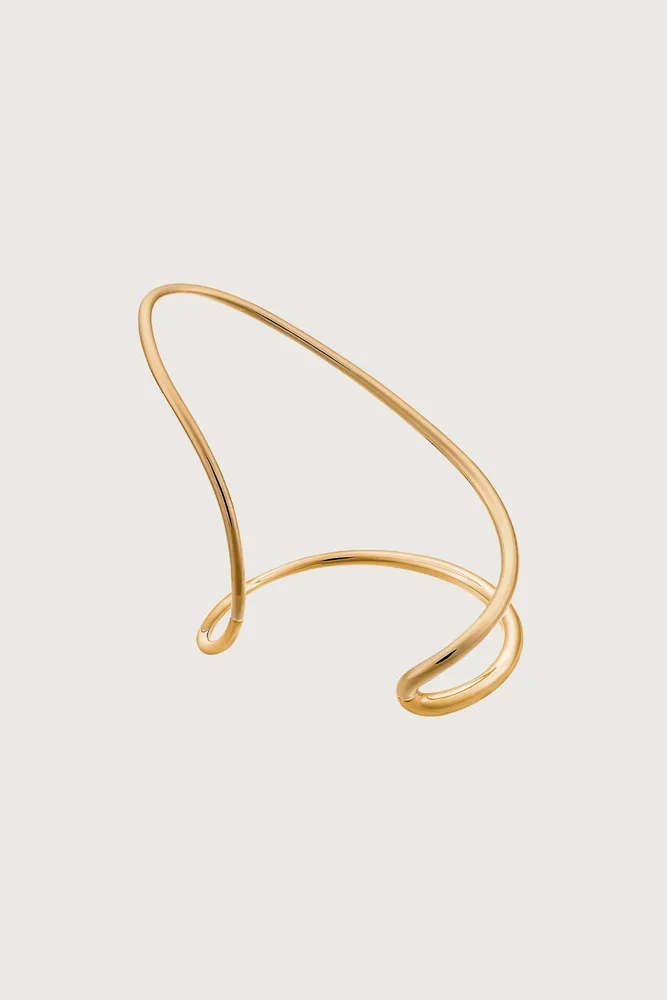
Ivy Left Bracelet Vermeil
Otte
$1,632
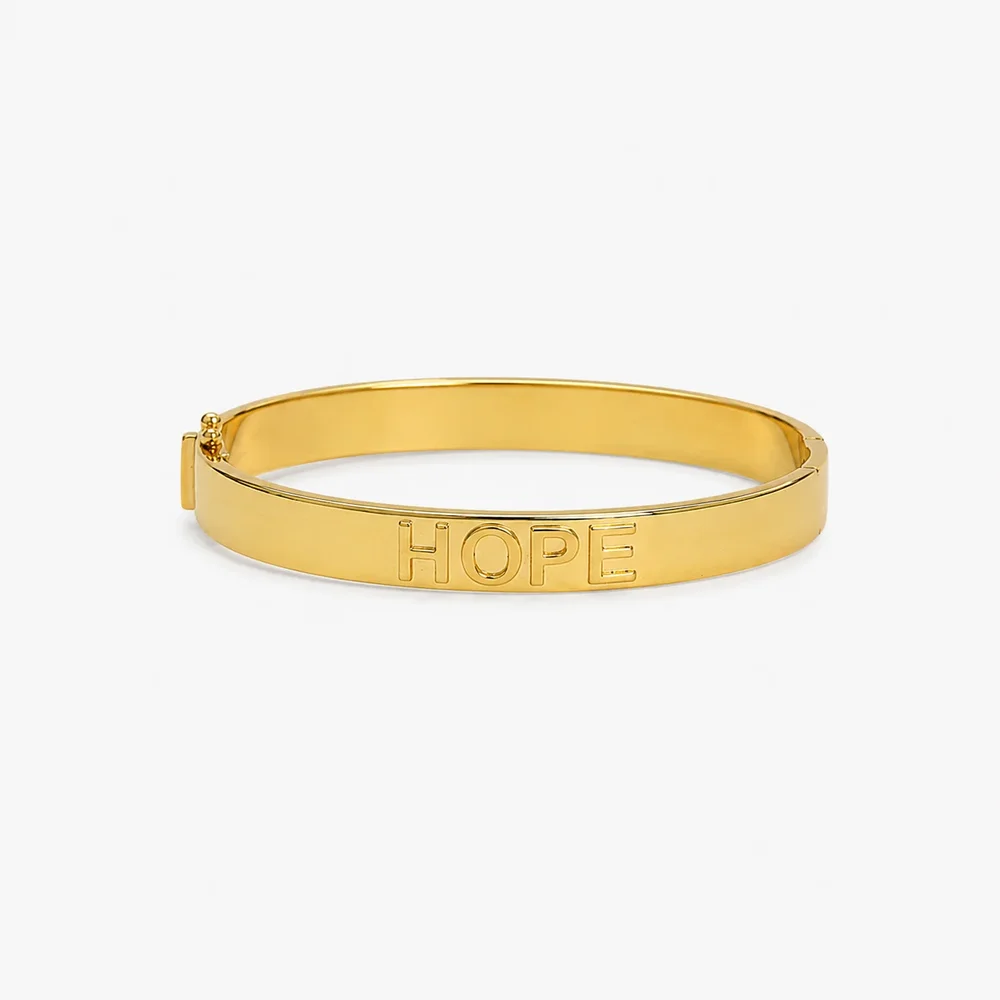
Vault Sale: HOPE Bangle in Vermeil
Stephanie Gottlieb
$636
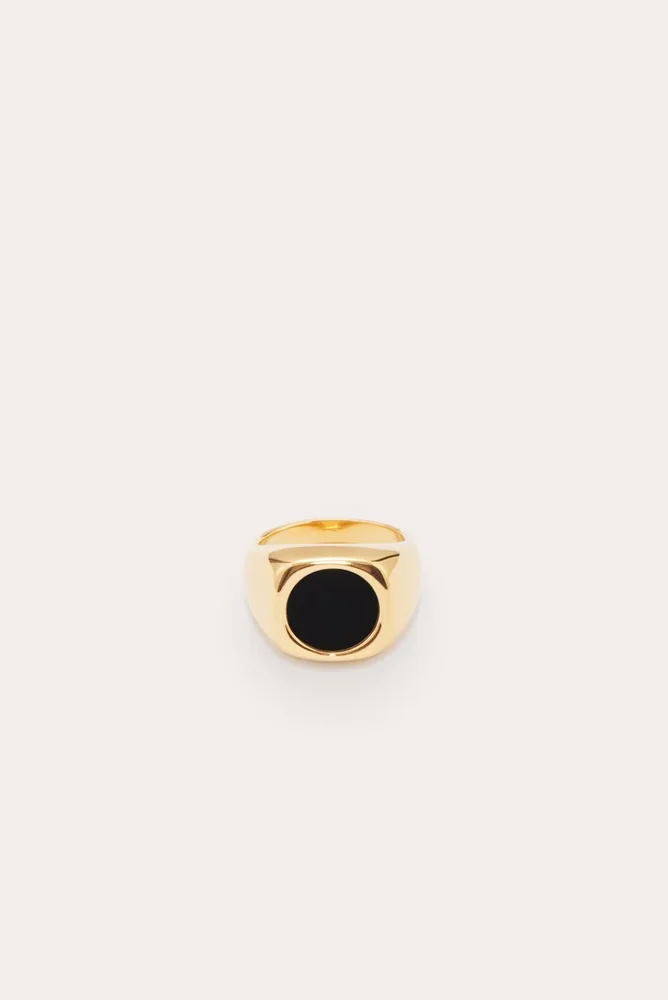
Sunken Stone Signet Ring Gold
Liffner
$138
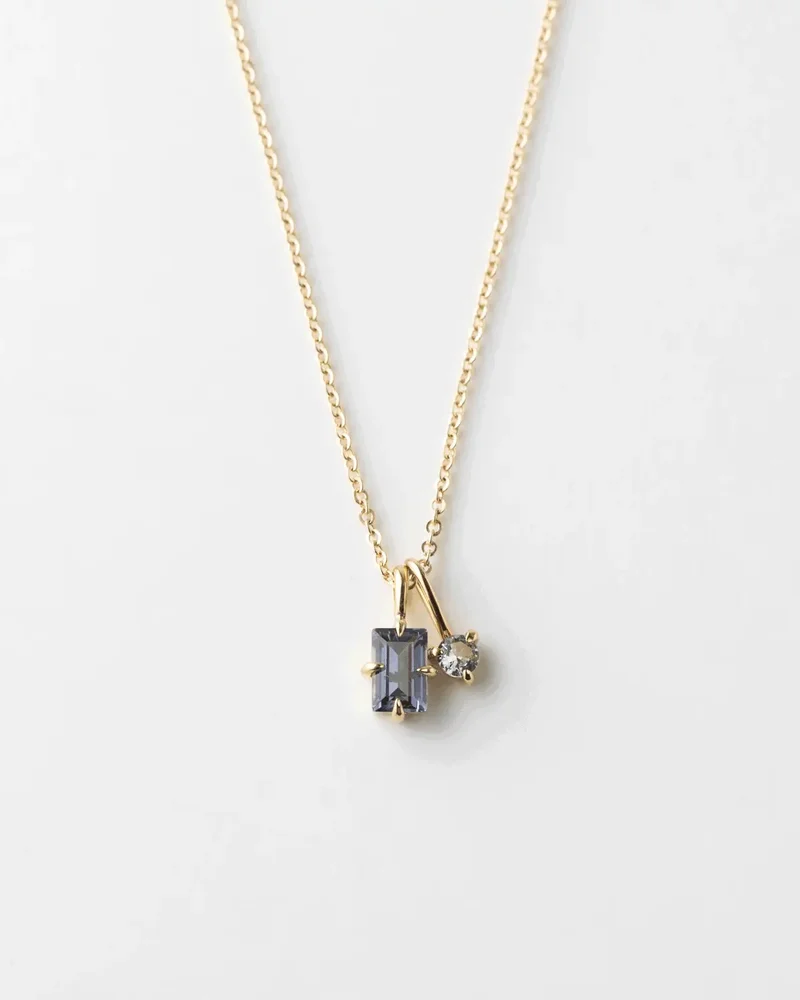
Gold Toi et Moi Necklace
GLDN
$128
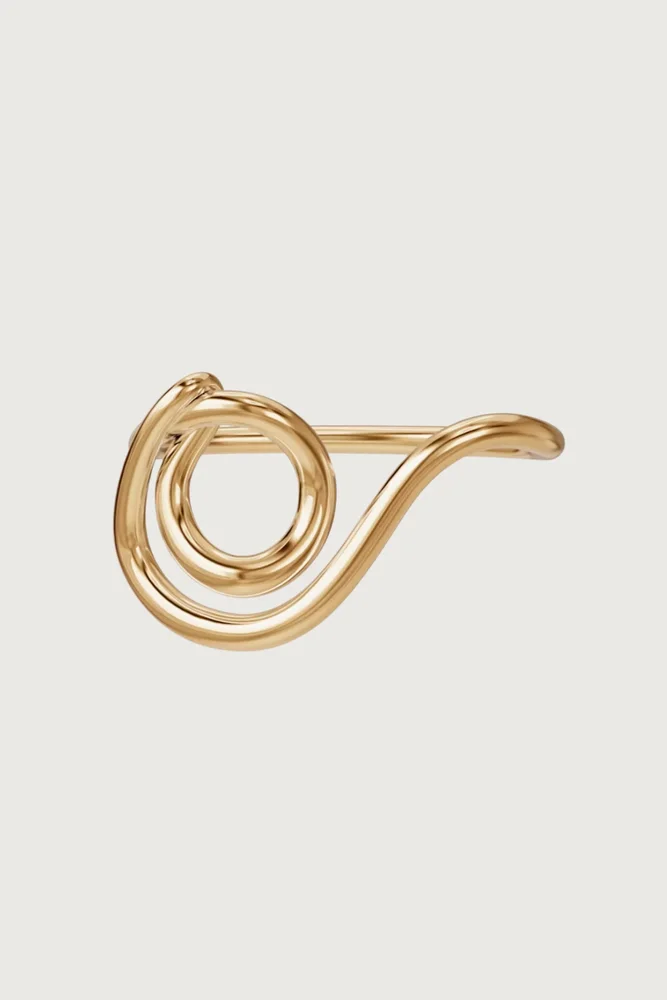
Double Lasso Ring Vermeil
Otte
$826
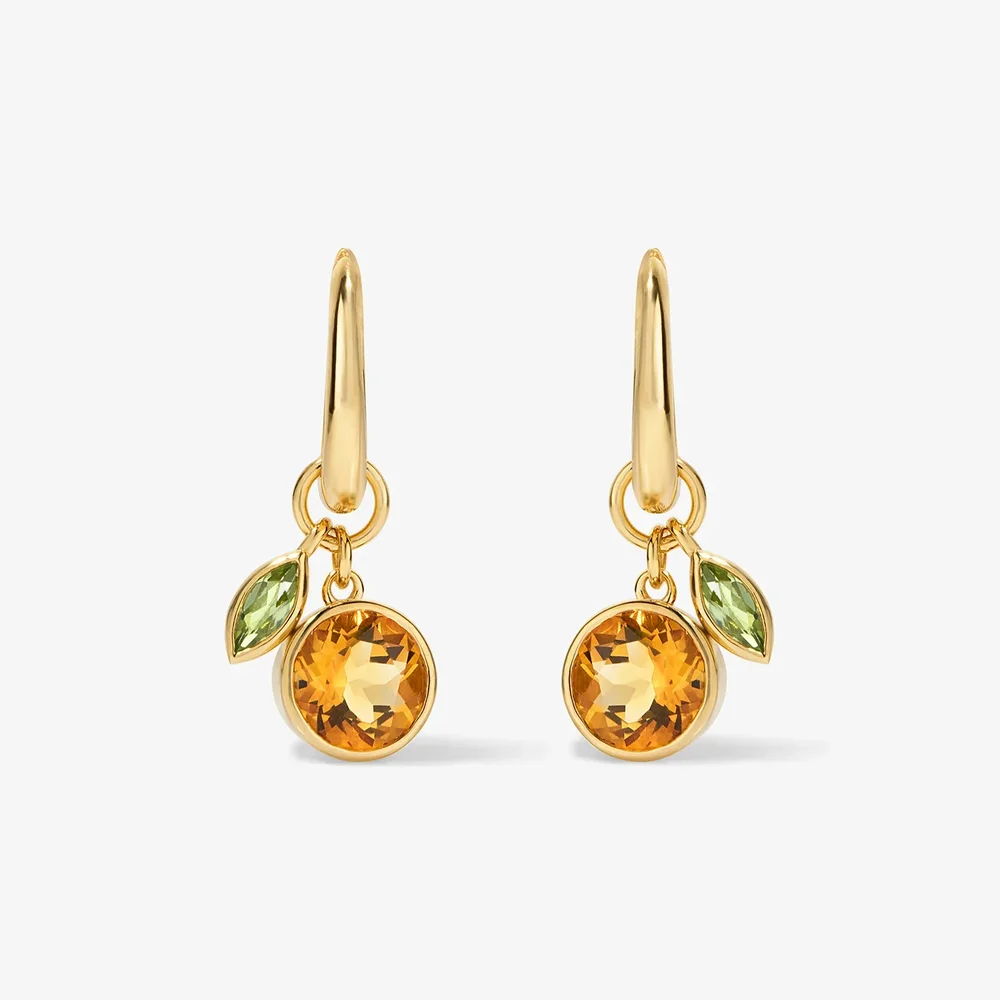
Vault Sale: Cocktail Orange Hoop Earrings in Vermeil
Stephanie Gottlieb
$502.50
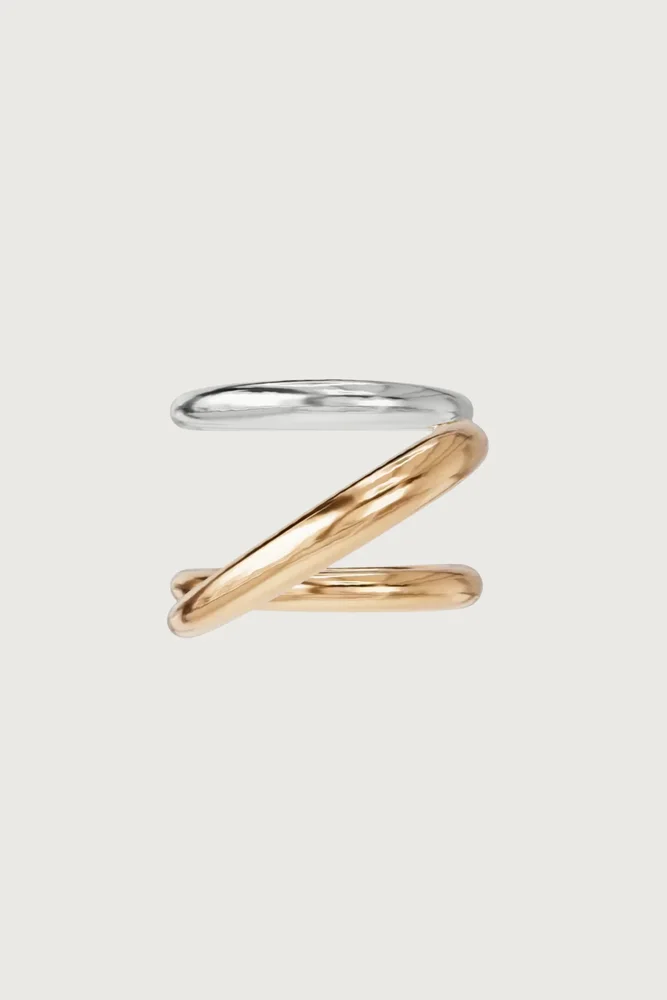
Triplet Ring Vermeil / Silver
Otte
$762
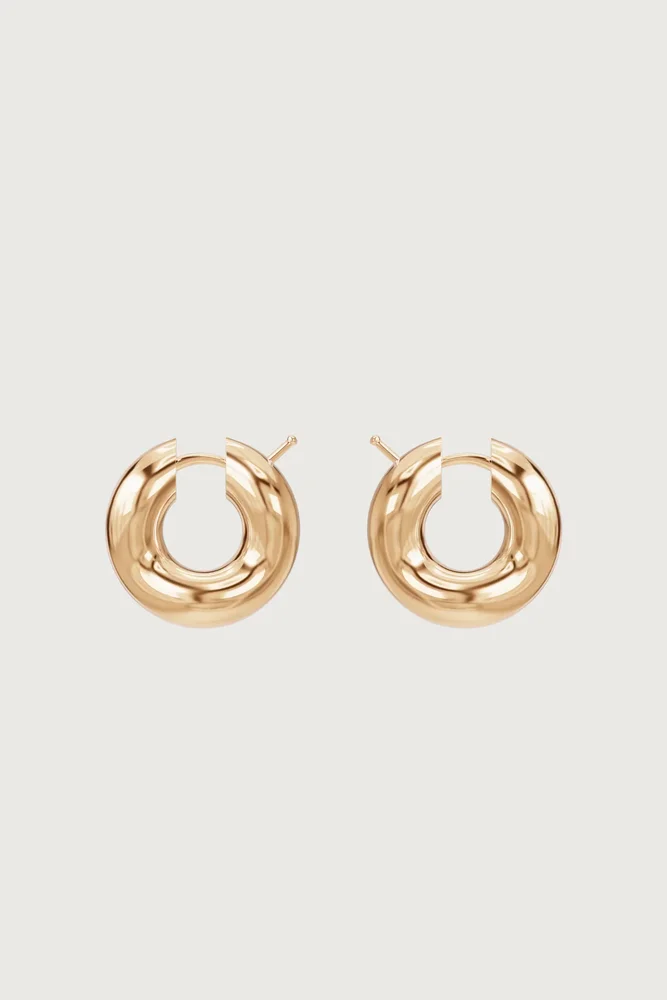
Wave Blow Hoop Earring Vermeil
Otte
$762
Solid gold changes the construction
The point of solid gold is construction, not purity. A 14k alloy is still mixed gold: its karat mark describes fineness, and the gold alloy runs through the piece rather than sitting only at the surface. GLDN's Flora Necklace offers a 14k solid gold option alongside gold-filled and sterling-silver versions, using the same 13mm floral disk and adjustable 19-to-21-inch chain. That same-design comparison is useful because you can choose a metal without also changing the pendant's scale. I would consider the solid-gold version if I wanted an unplated surface and planned to keep the necklace for years; I would not assume that the karat number alone makes every chain indestructible. For me, the extra clarity is worth it when the metal itself is the point, not just the color.
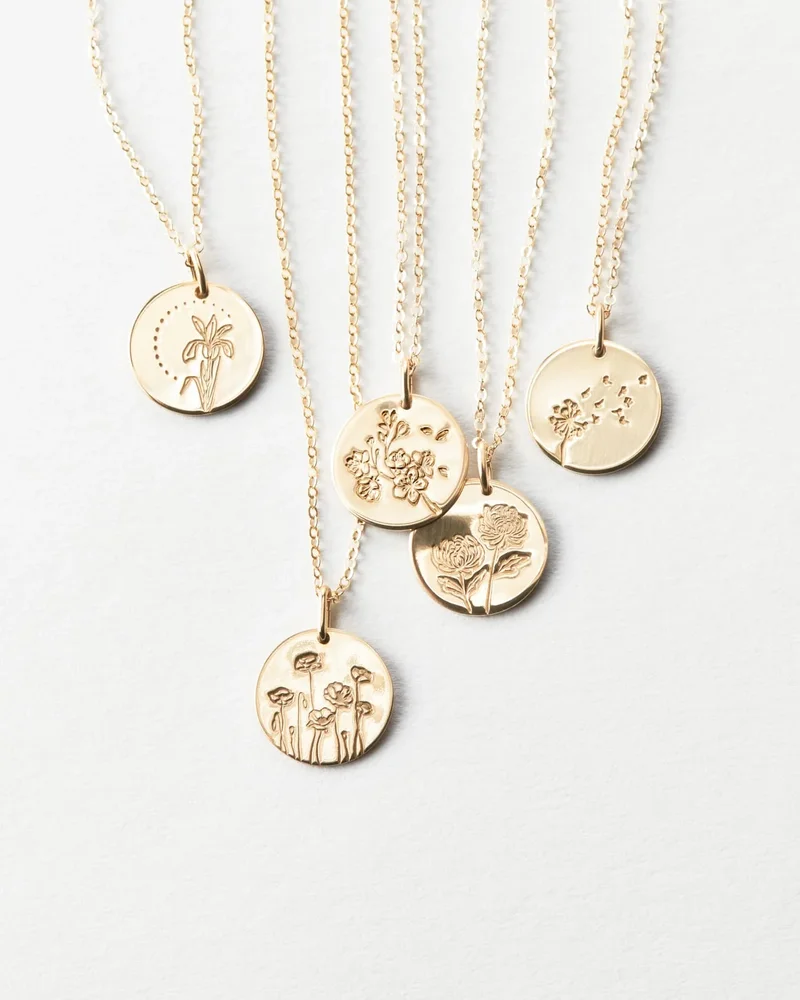
Flora Necklace - 14k Solid Gold
GLDN
$548
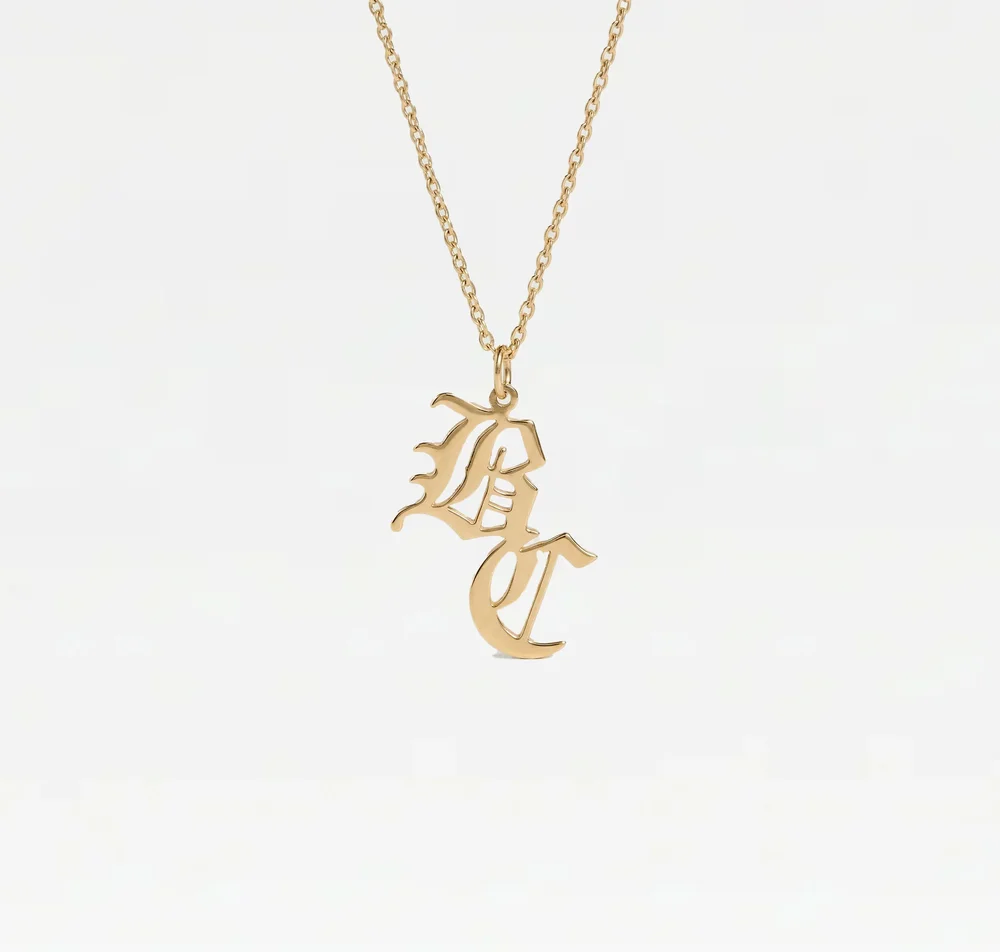
The Solid Gold Double Old English Pendant
The M
$575
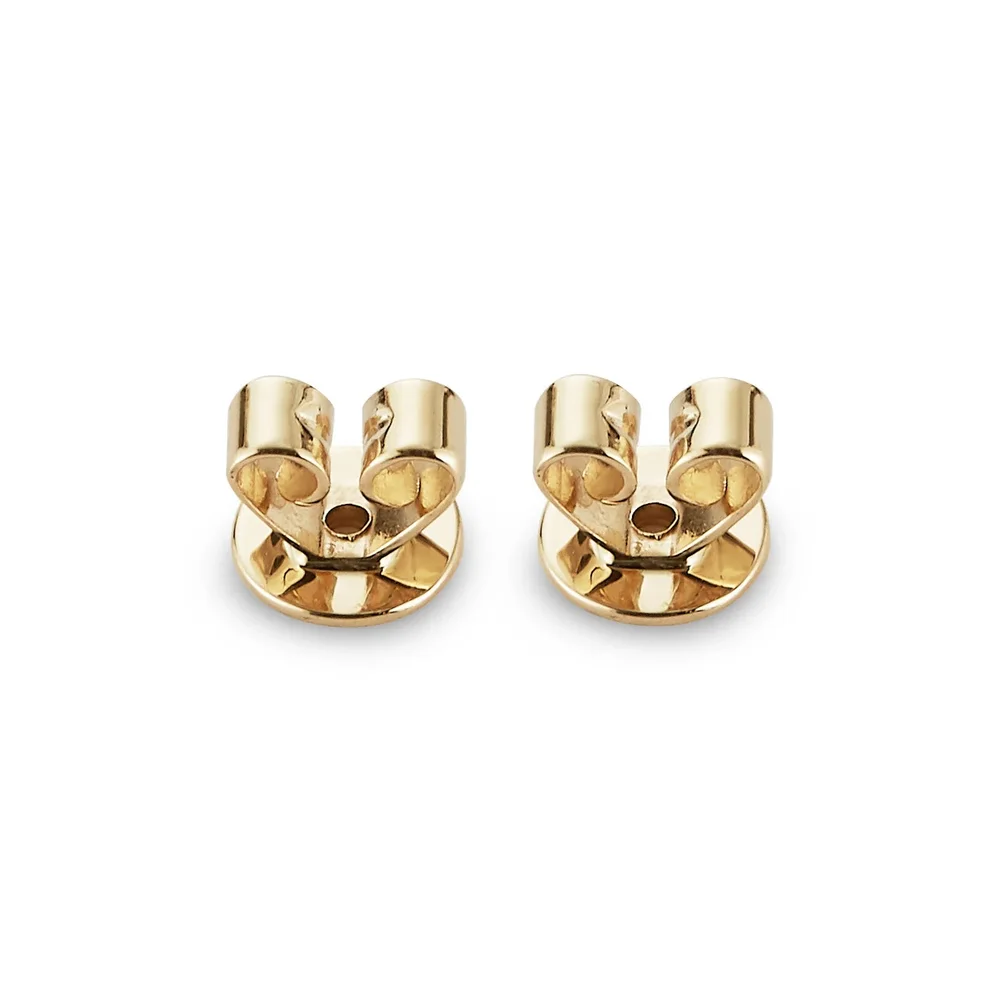
5mm 14k Gold Earring Backs
Dana Rebecca Designs
$100
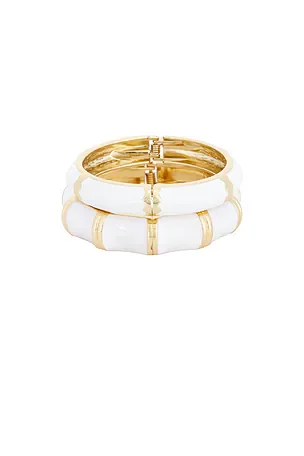
Enamel Stripe Bamboo Set of 2 Cuff
petit moments
$100
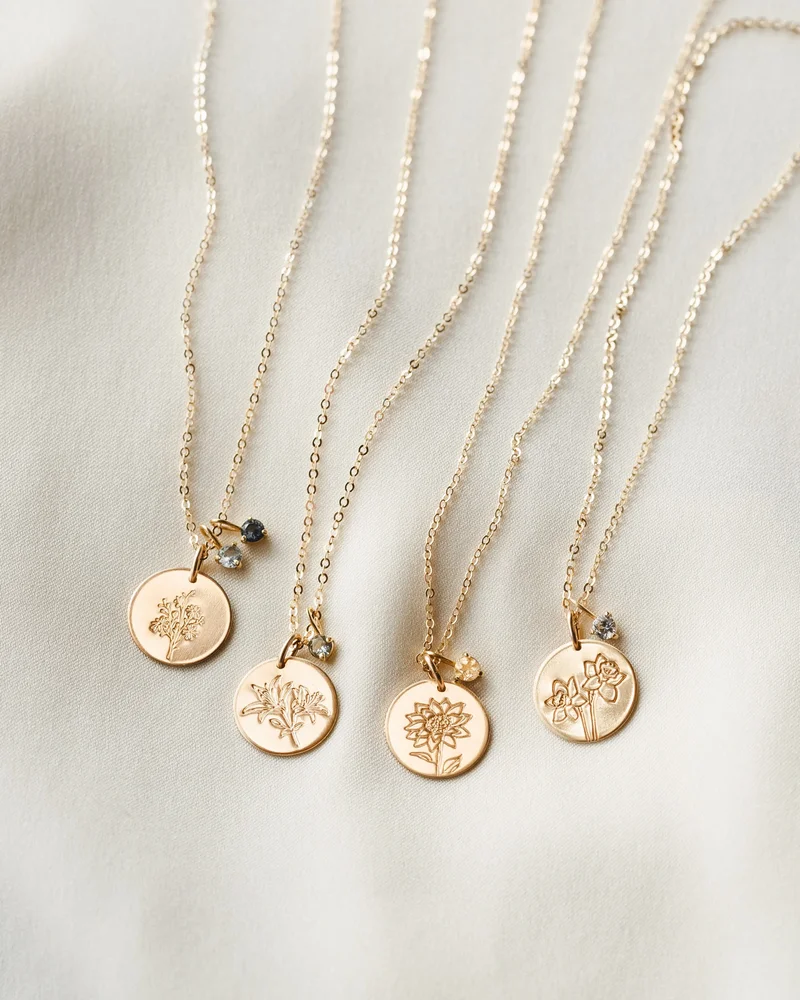
Solid Gold Flora Birthstone Necklace
GLDN
$468
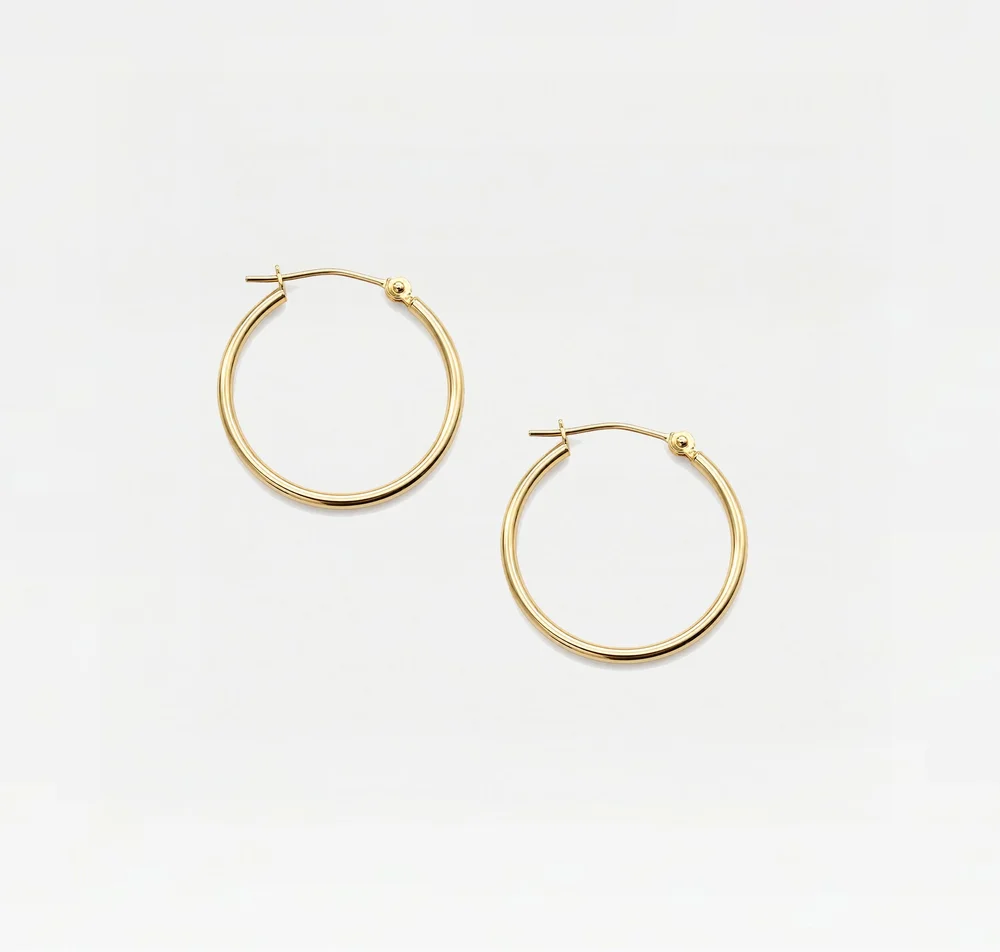
THE 14KT 0.80” ESSENTIAL HOOPS
The M
$230
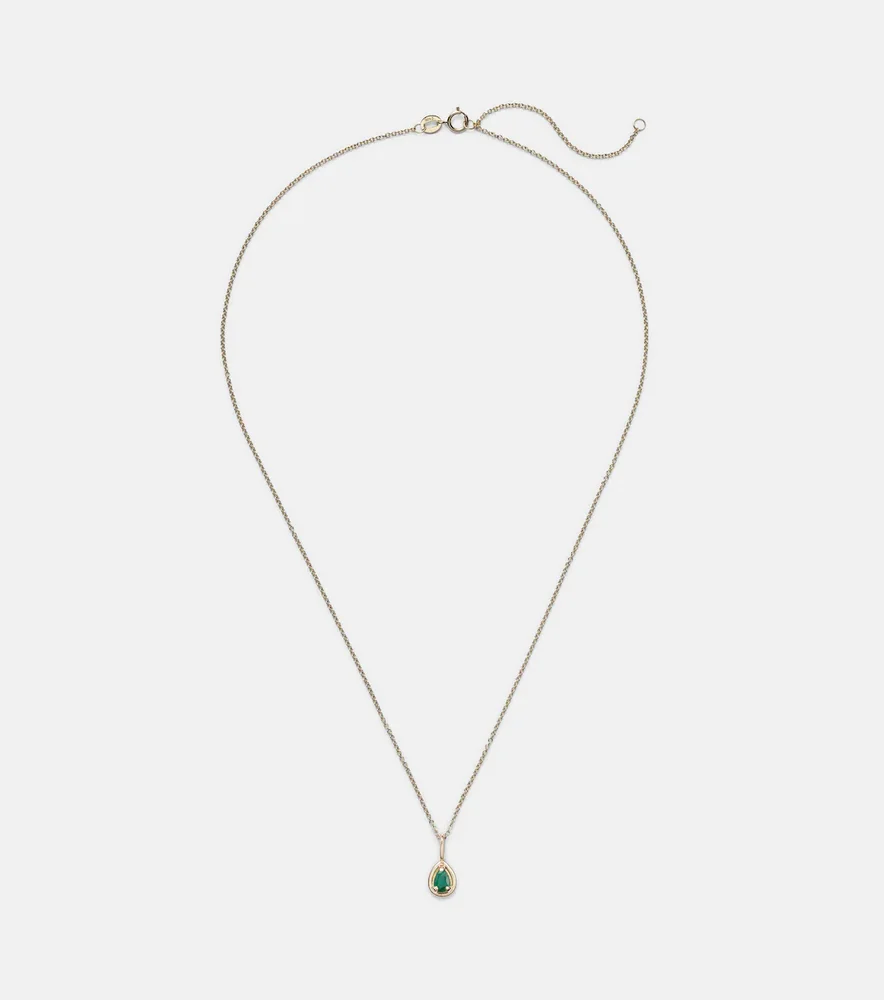
Bonbon 14kt gold pendant necklace with emerald
Stone and Strand
$495
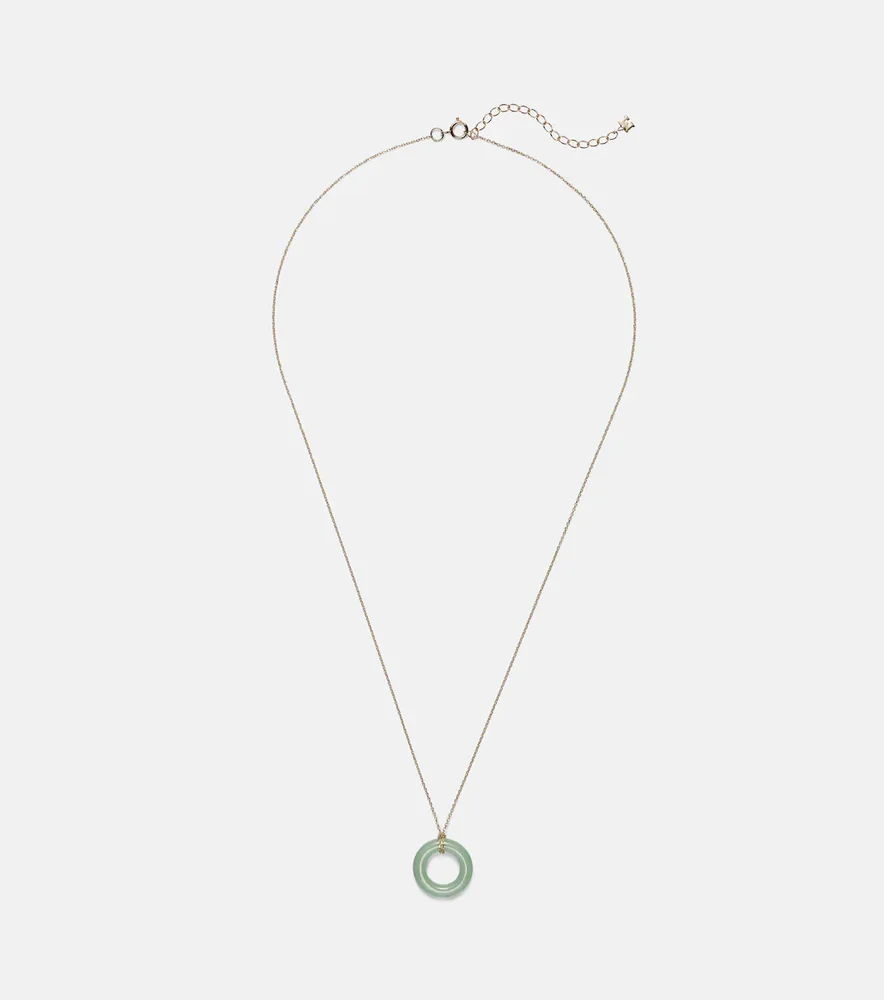
Donut 14kt gold necklace with jade
Mateo
$550
Sterling silver is a choice of its own
Sterling silver is not an imitation of anything: FTC guidance says the term means at least 925 parts per thousand silver. Sterling Forever's Graham Ribbed Micro Hoop Earrings come in plain sterling silver or 14K gold-plated sterling silver, with a 0.45-inch hoop and a friction-latch closure. That pair of finishes makes the construction distinction tangible: the silver option is sterling, while the plated option puts a gold layer over the silver base. Silver can darken over time; Otiumberg's care notes recommend regular wear to slow tarnishing and a microfiber cloth for cleaning. I like silver as an intentional choice, not a fallback. It trades the gold tone for a bright white-metal finish and an easy polishing routine.
Black Enamel Ring with Diamonds in 18kt Gold Over Sterling. Size 6
Ross Simons
$75
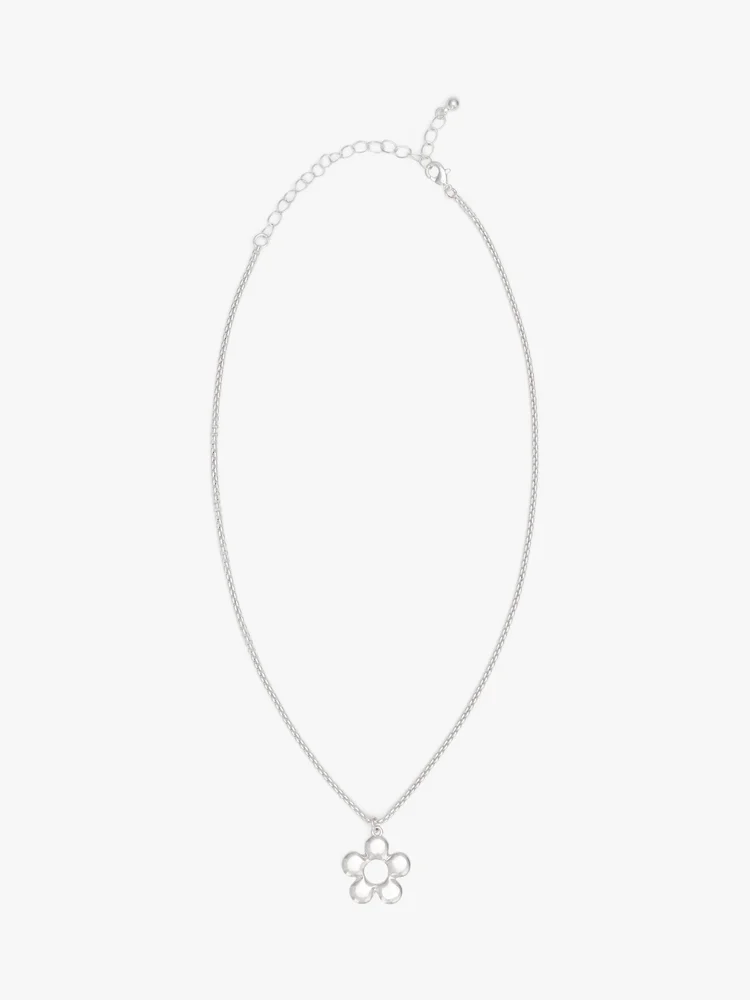
Florette Necklace - Silver
Lisa Says Gah
$65
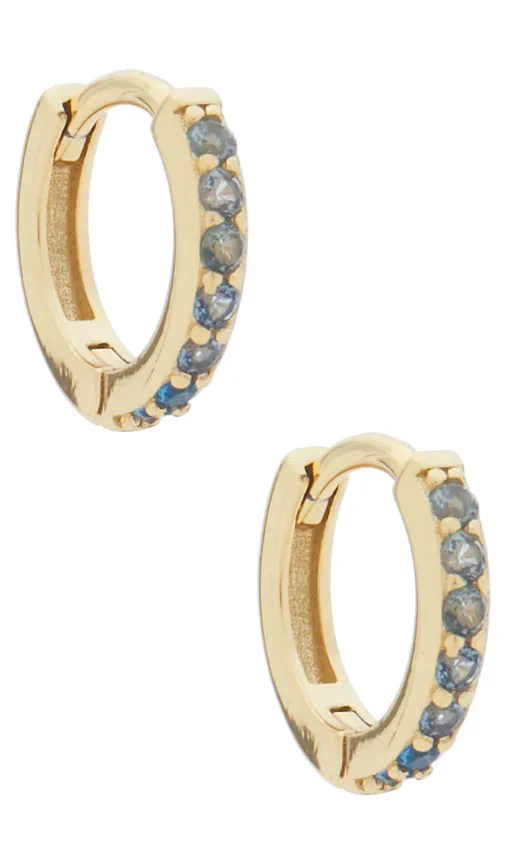
Sterling Silver Graham Ribbed Micro Hoop Earrings
Sterling Forever
$85
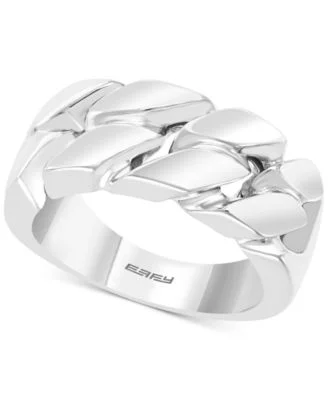
EFFY Men's Polished Chain Link Statement Ring in Sterling Silver
EFFY Collection
$300
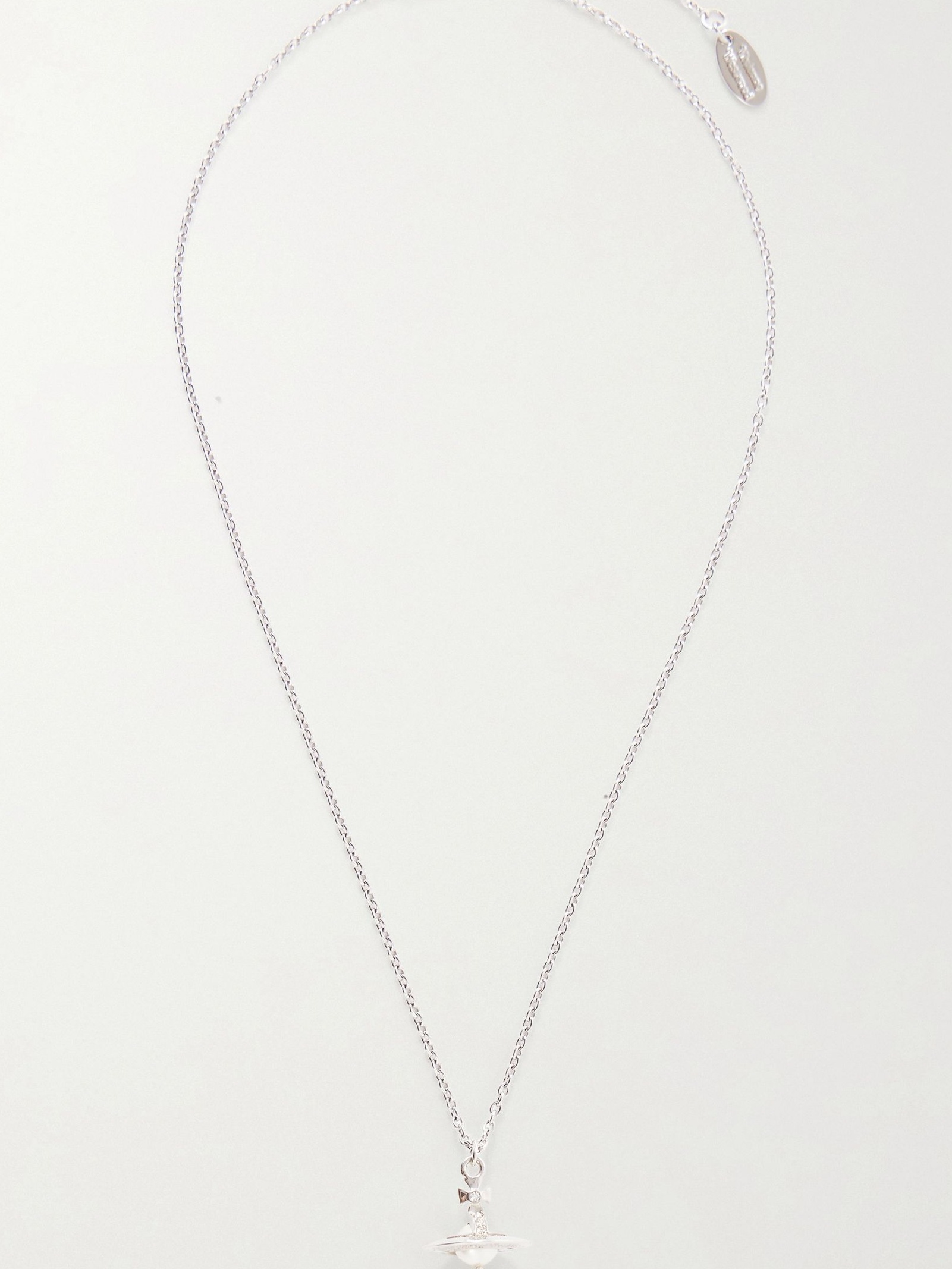
Aleksa Orb-detailed pearl-effect silver-tone necklace
Vivienne Westwood
$230
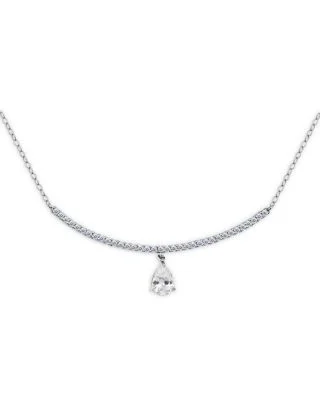
Pear Shape Cubic Zirconia & Pavé Curved Bar Pendant Necklace in Sterling Silver, 16"-18" - Exclusive
AQUA
$42.75
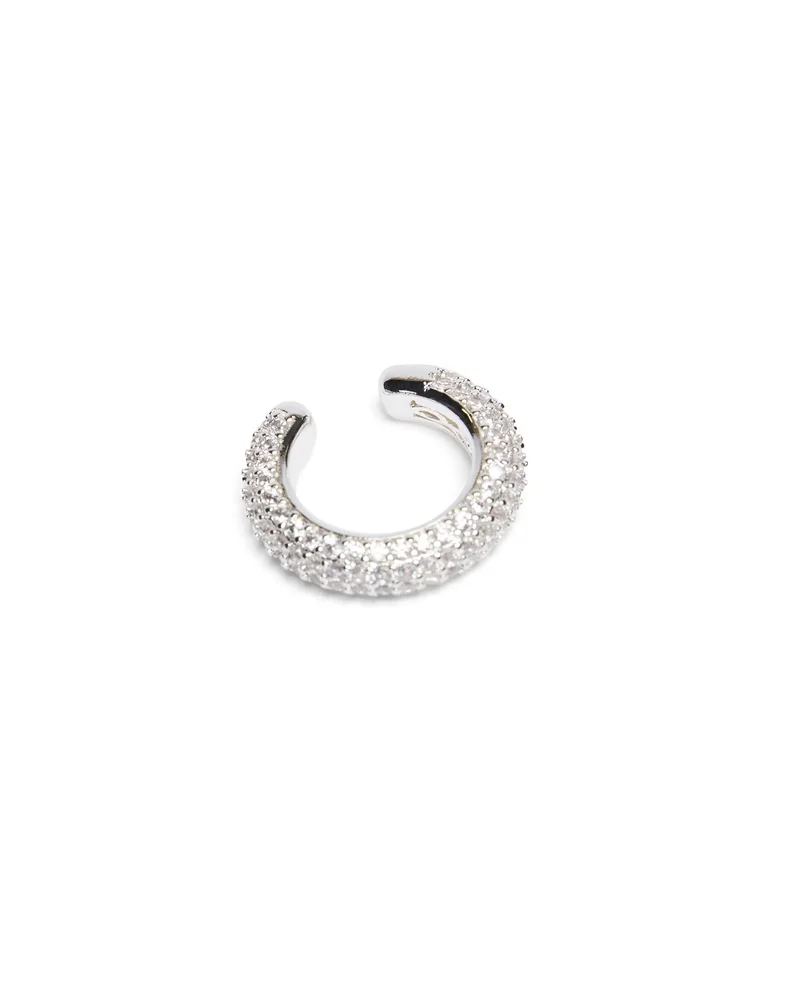
KRYSTAL RIPPLE EAR CUFF SILVER
Ksubi
$70
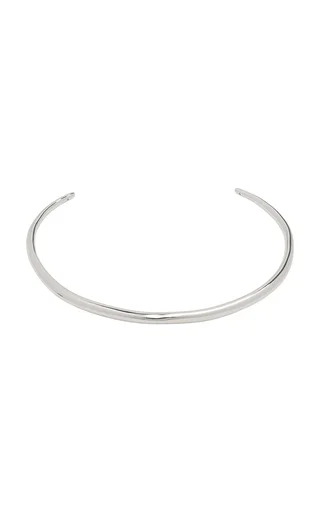
Molten Silver Rhodium-Plated Necklace
ALEXIS BITTAR
$195
GLDN makes the material choice visible
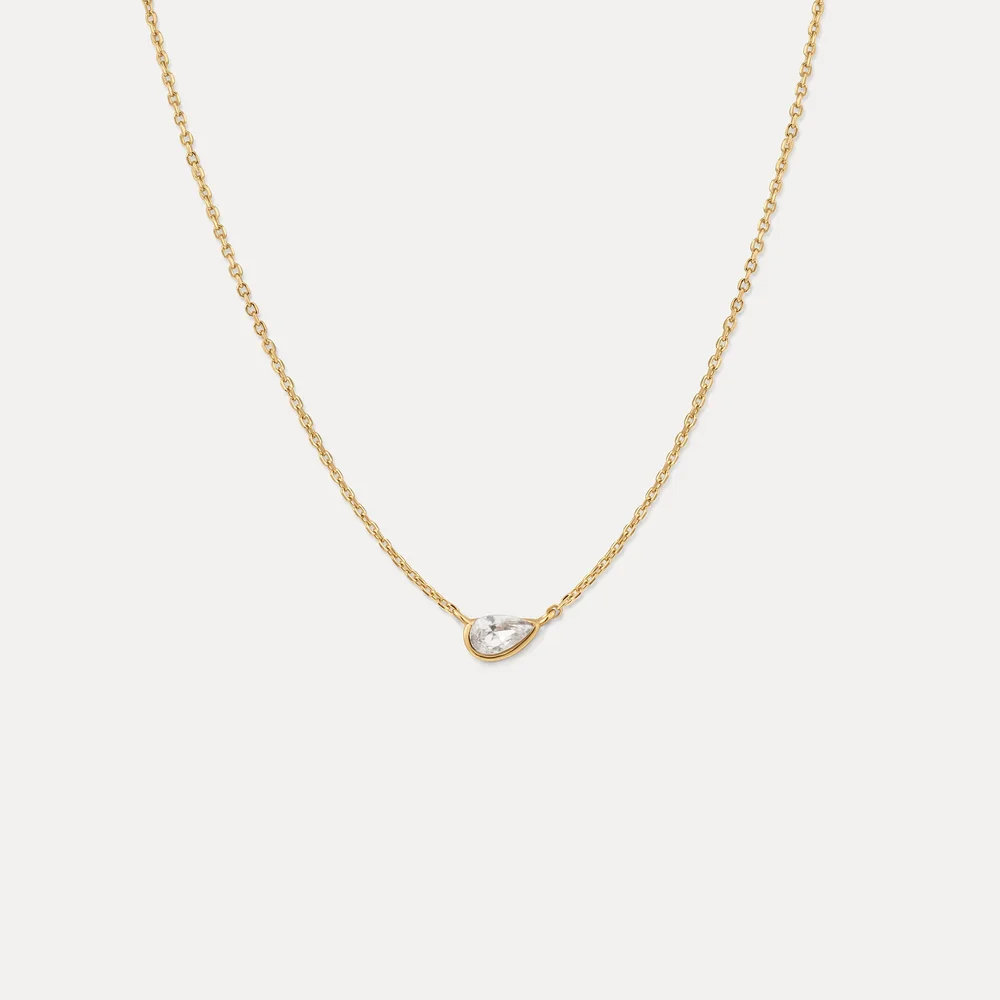
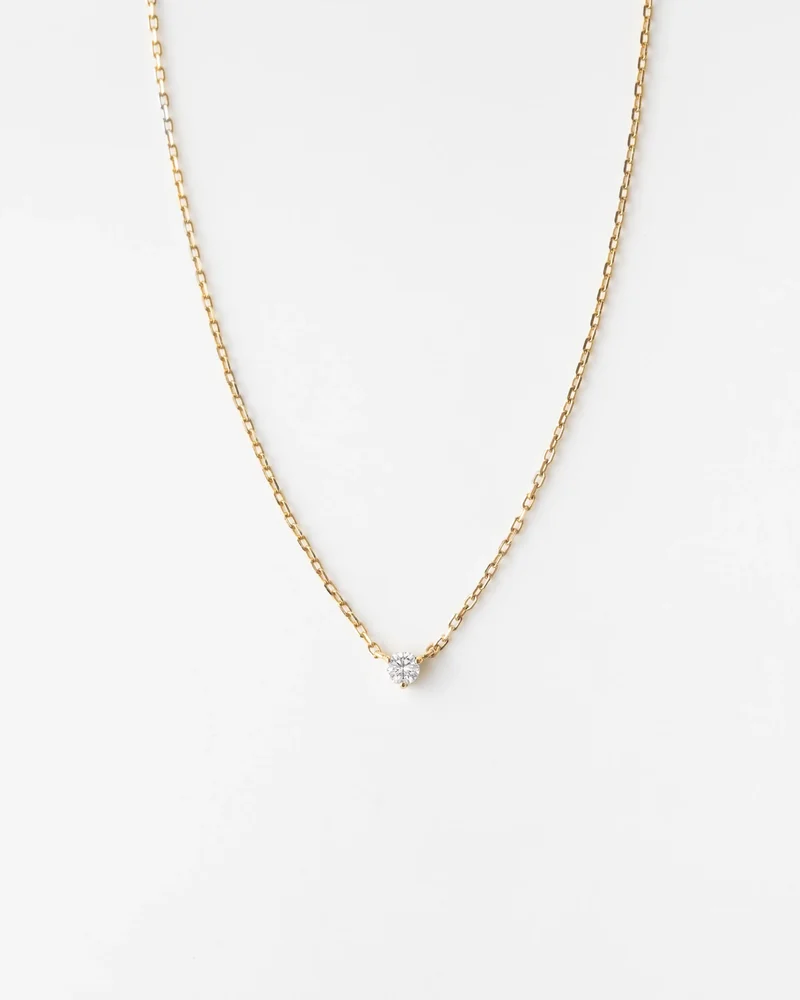
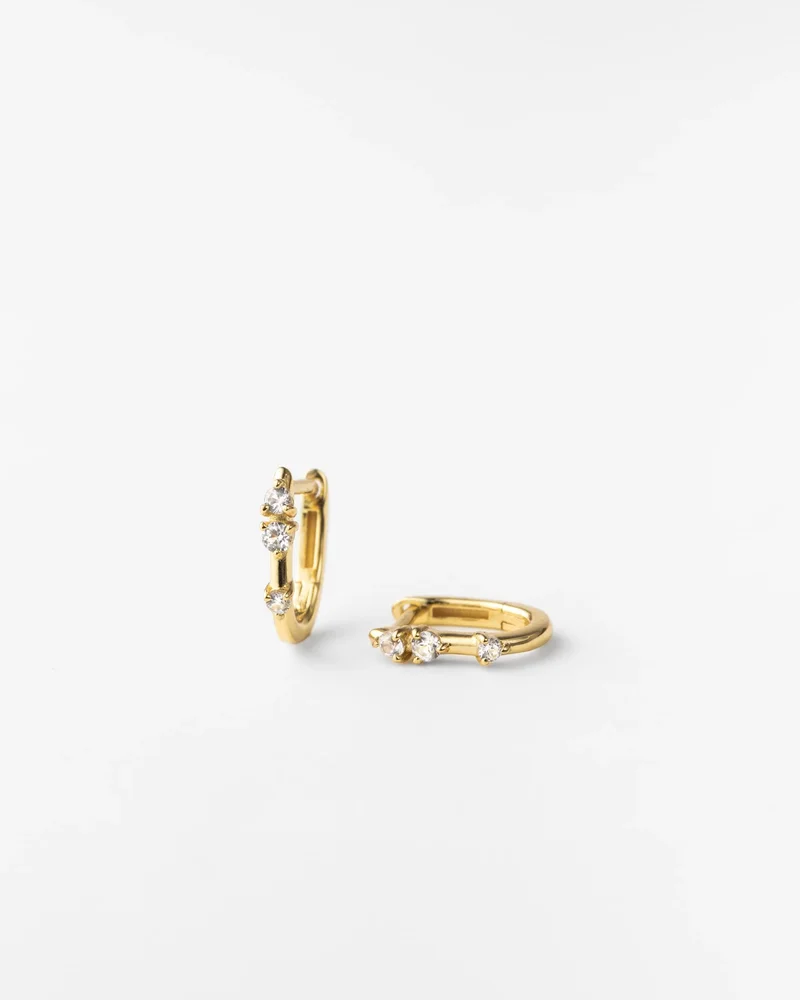
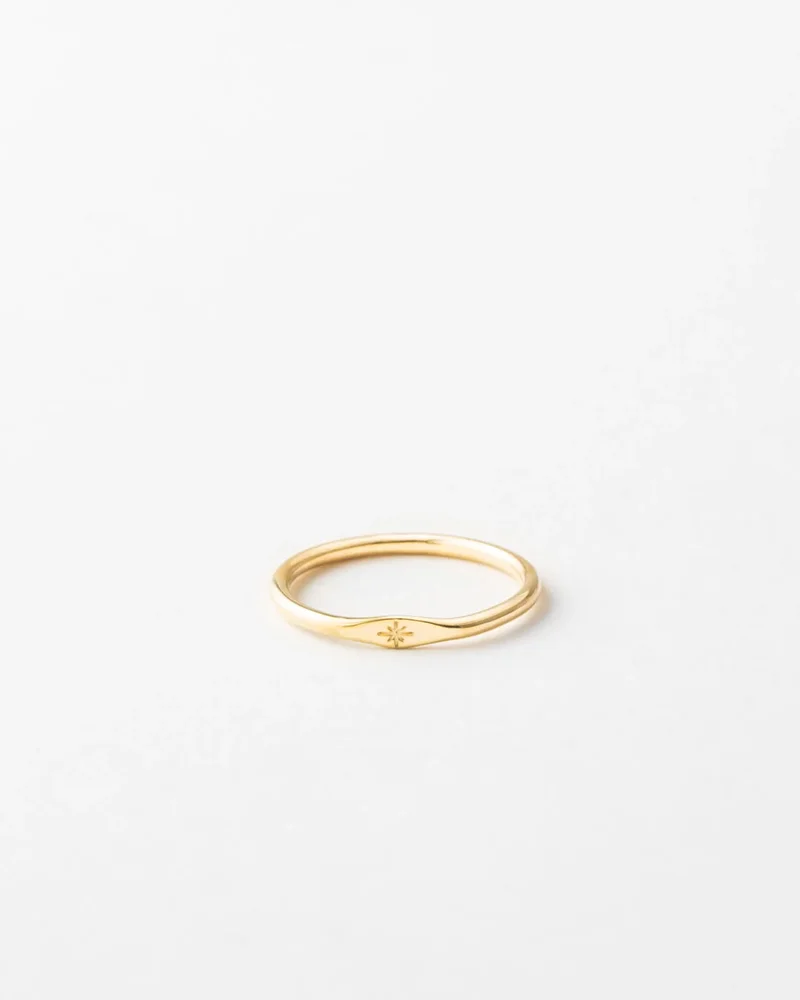
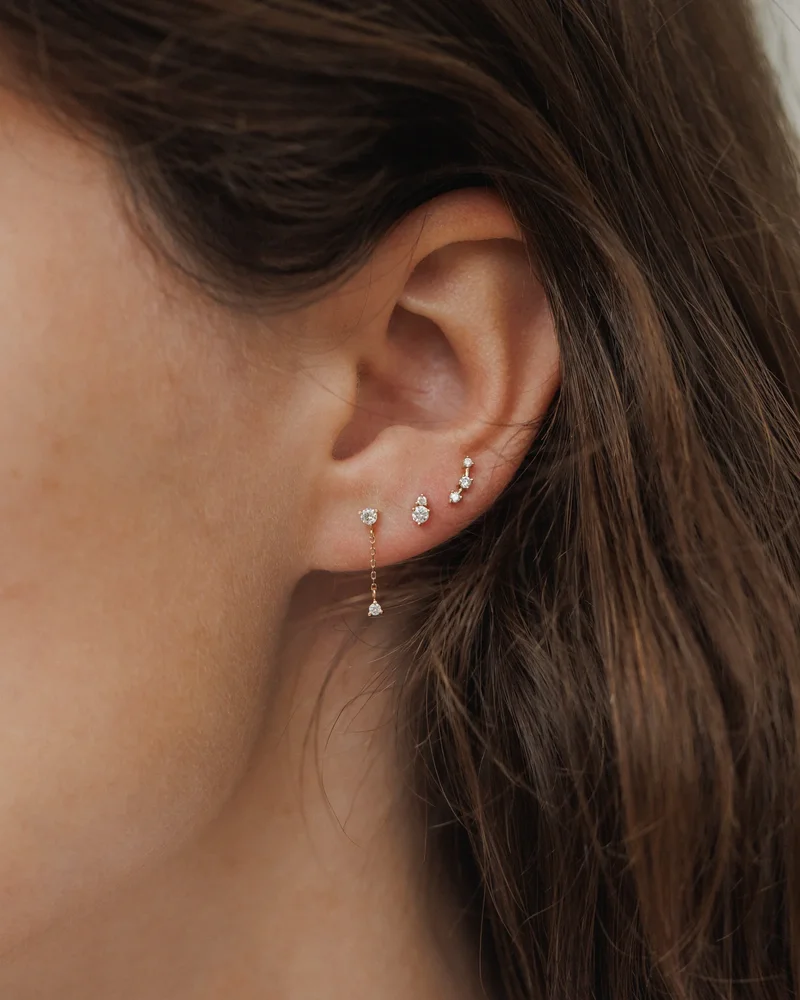
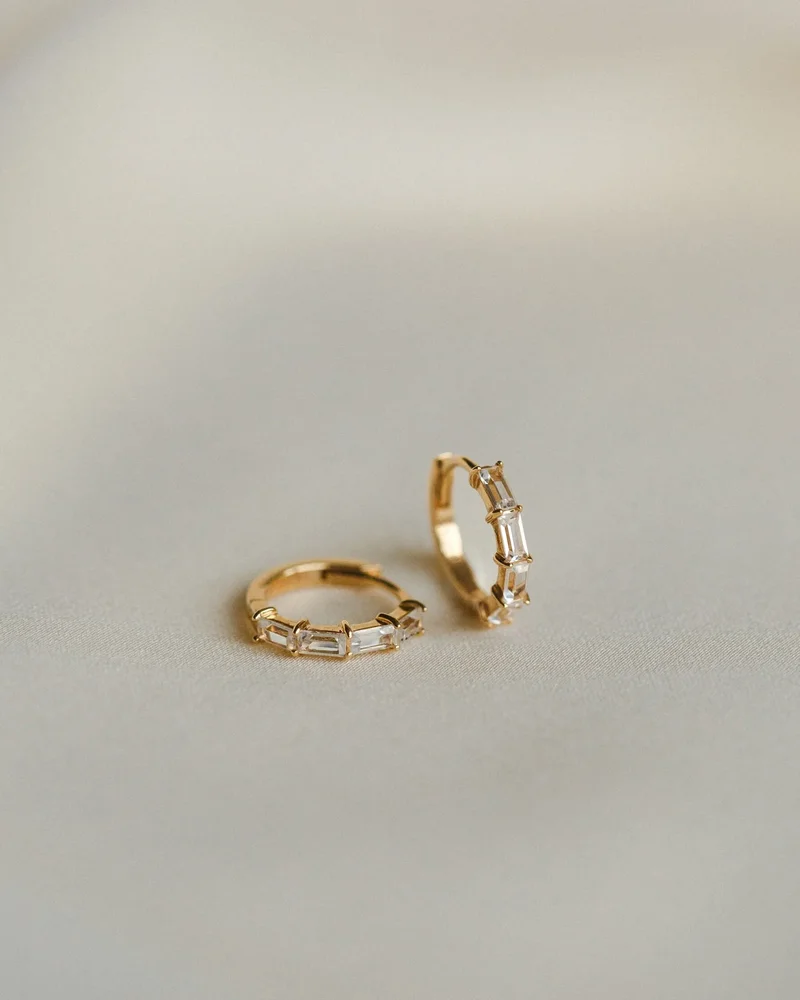
GLDN's material descriptions do useful work: the brand describes gold fill as a thick 14k layer pressure-bonded to brass, vermeil as gold over sterling silver, and solid gold as an alloy. That vocabulary separates the metal itself from its color. One example in this group is GLDN's Nouveau White Sapphire Huggie Hoops: the official details specify 10k solid gold, an 11.5mm hoop, and baguette-cut lab-grown white sapphires. I like that kind of specificity because it lets you weigh the metal and the scale of the earring separately. The useful question is not which label sounds most luxurious; it is whether you want a coating, a bonded gold layer, or an alloy throughout.
Gold plating is a surface description
Gold-plated pieces are defined by their surface layer, not by a single base metal. La DoubleJ's Mini Shen 24kt gold-plated necklace is listed with 24K gold plate and enamel. That description tells me about the finish, but not a sterling base; unlike vermeil, sterling silver is not built into the definition of gold-plated jewelry. Nor does 24K on the surface mean the whole necklace is 24-karat gold. The FTC expects a durable coating and an accurate karat description, with different thickness guidance for different plating processes. I would skip buying by the surface karat alone: the base metal, coating and care advice matter more to how the piece is made.

Jadis Necklace
Rat & Boa
$240
Rosemead Pink Opal Necklace
Otte
$336
Women’s Necklaces
Monica Vinader
$199
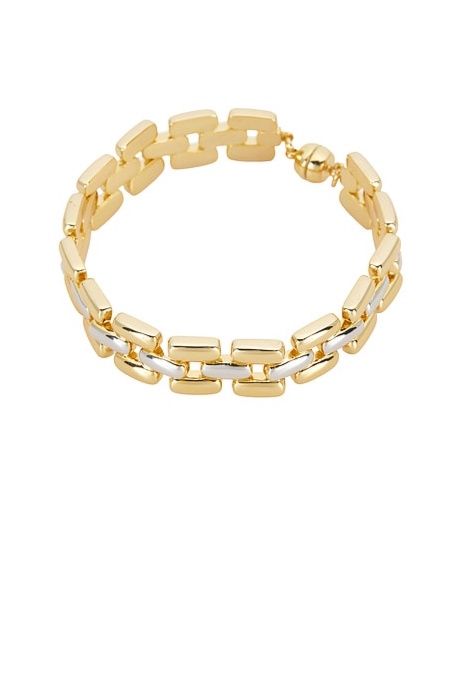
The Noir Link Bracelet
Luv AJ
$98
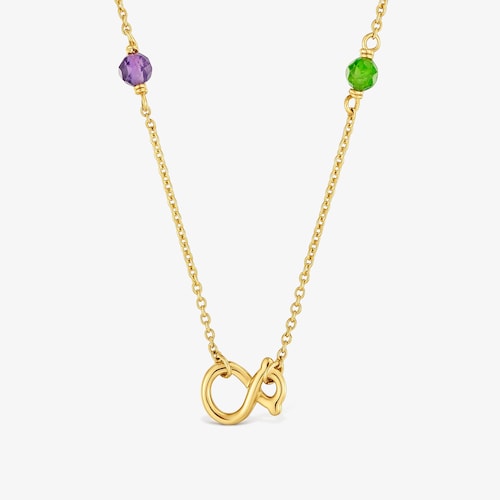
9kt gold Necklace with gemstones and 8 mm bear motif TOUS Infinity
TOUS
$598
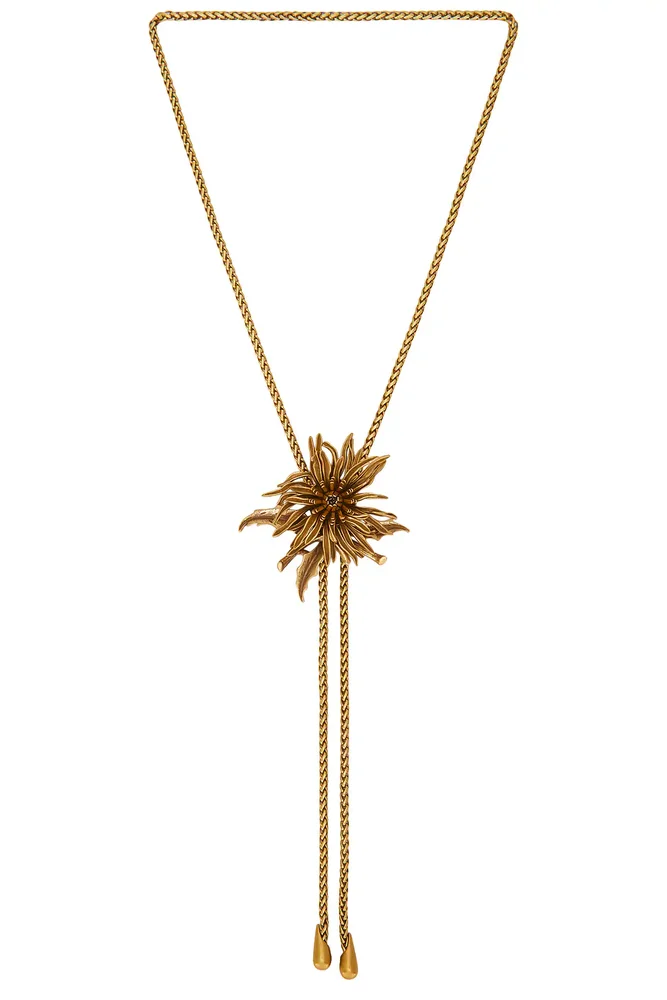
Frangipanier Necklace Gold
The Ysso
$398
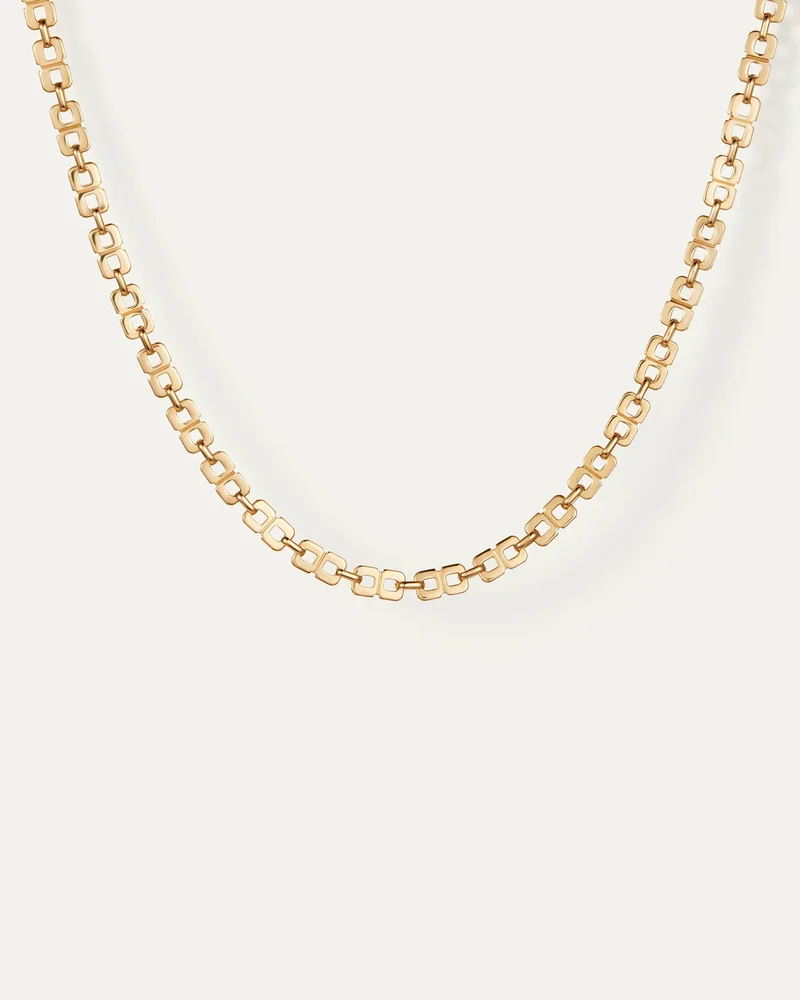
Rome Chain
Jenny Bird
$158
Mini Shen 24kt gold-plated necklace
La DoubleJ
$420
The material questions I get most
Is gold vermeil real gold?
Yes. It is a gold-alloy surface over sterling silver, and FTC guidance uses the term for a coating of at least 10K gold with an equivalent minimum thickness of 2.5 microns of fine gold. It is not gold through the full piece.
What makes gold-filled different from gold-plated?
Gold-filled uses mechanically applied gold alloy that accounts for at least one-twentieth of the article's metal weight. Gold-plated describes a surface coating with separate durability and karat-disclosure requirements, so the labels describe different constructions rather than an automatic quality ranking.
Can gold vermeil wear off?
Yes. It is a surface layer, and friction or liquids can fade it enough to reveal the silver beneath. Otiumberg recommends a soft, dry gold cloth and avoiding harsh chemical cleaners.
Which construction I would choose
My verdict: vermeil is the precise middle ground when you want gold color and a sterling-silver base, but it is still a coating. Gold-filled makes sense when you prefer a mechanically bonded gold layer on brass; solid 14k is the choice when you want an unplated gold alloy. Sterling silver suits someone who wants a bright white-metal finish and does not mind polishing away tarnish. I would skip vermeil for a piece I plan to rub against everything without care, since friction and liquids can fade the layer. For anyone still weighing price against construction, Gold-Filled, Vermeil, or Solid: What Jewelry Prices Actually Mean lays out those trade-offs. This is for the person who wants a gold tone and understands that material is part of its care, not a promise of permanent color.