Scalp exfoliation can lift loose flakes and product residue, but the safest method is gentle, occasional, and guided by the product label.

Scalp Exfoliation: How to Do It Safely and Gently
How to exfoliate the scalp without overdoing it
Scalp exfoliation is a gentle, occasional step to lift loose flakes and product residue from the skin at your roots, not a reason to scrub hard at every wash. Use light fingertip pressure, rinse thoroughly, and follow the exact order on the product label; there is no universal before-or-after-shampoo rule. If your hair is dense, budget extra time for rinsing because physical scrubs can be harder to remove completely.
Oribe Serene Scalp Exfoliating Scrub, for example, is labeled for wet hair before shampoo, followed by shampoo and conditioner, with weekly use. Its formula combines soft polymer beads with alpha hydroxy acids. I would choose one exfoliating step per wash, rather than stacking a scrub, acid, and scrub shampoo. A broader routine built around scalp health is in Hair wellness: scalp first, then everything else.
If you have cuts, sores, or an ongoing scalp condition, pause and ask a dermatologist before adding exfoliation. The American Academy of Dermatology warns that rubbing and scrubbing can worsen scalp psoriasis.
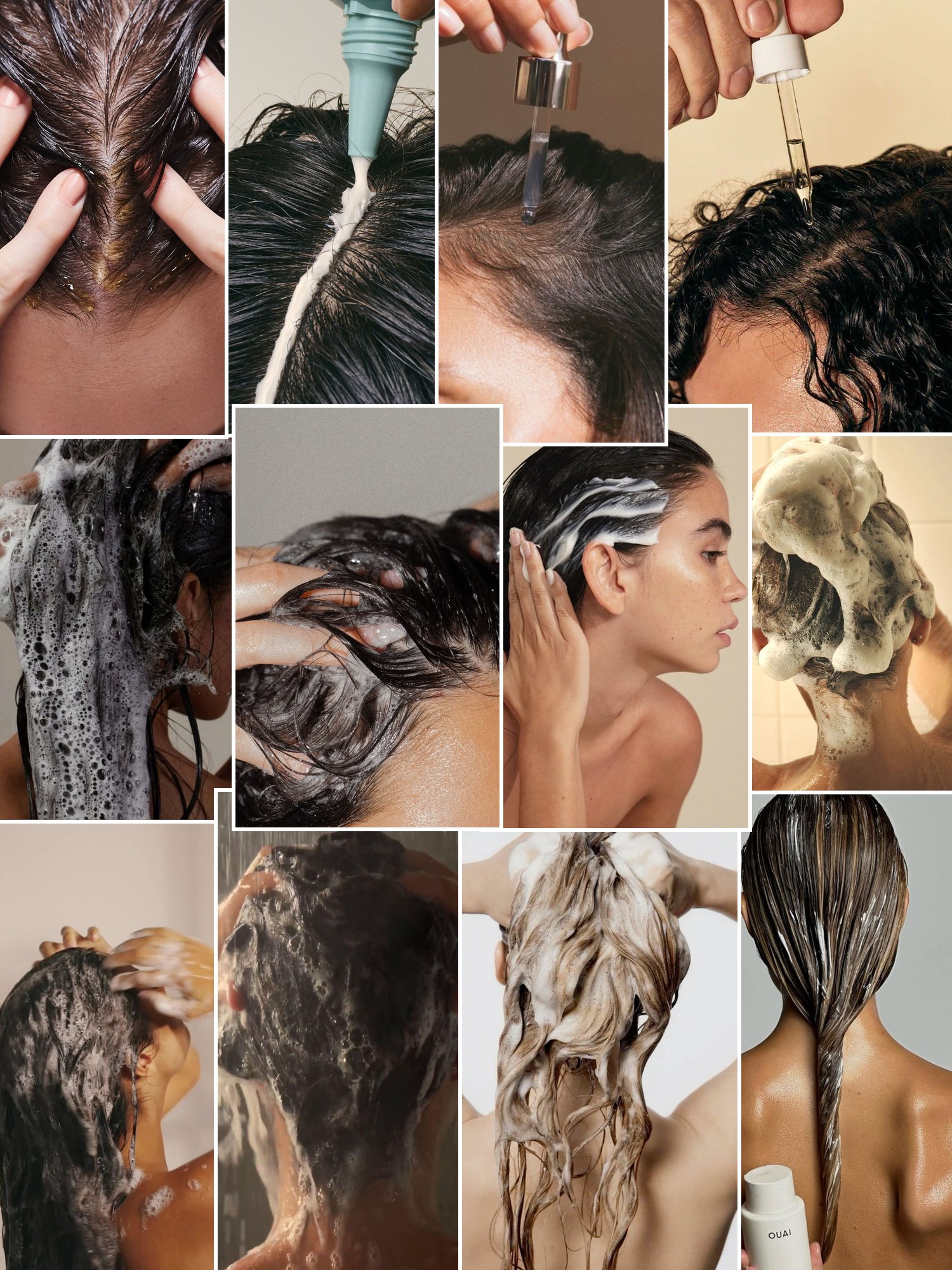
Physical scalp scrubs
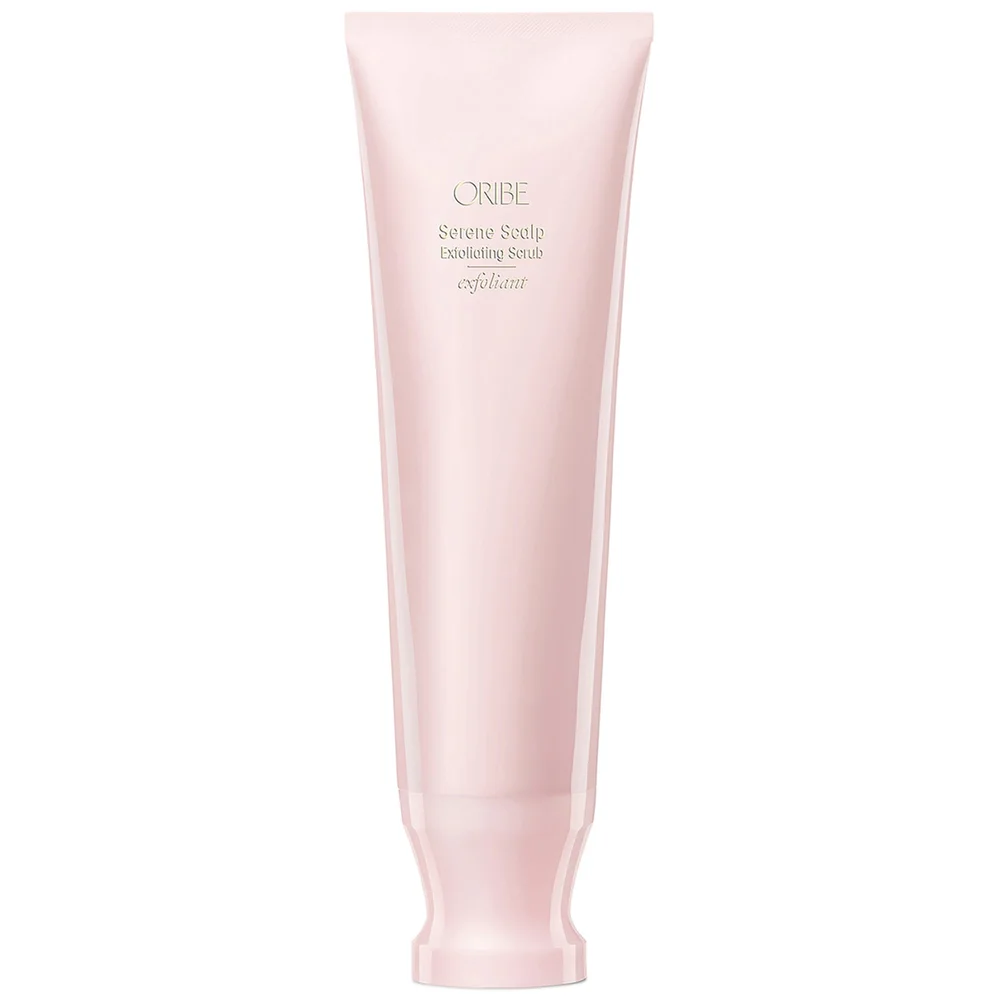
Serene Scalp Exfoliating Scrub
Oribe
$52
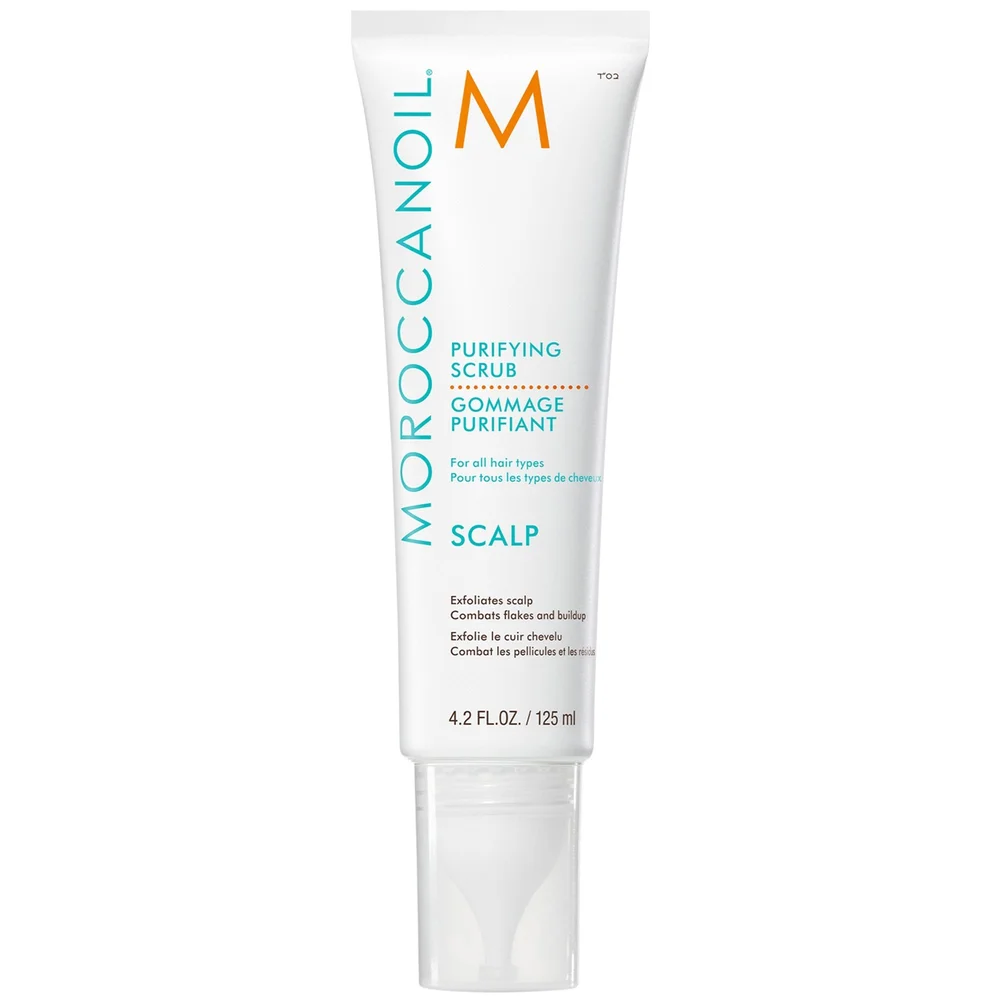
Scalp Purifying Scrub
Moroccanoil
$33
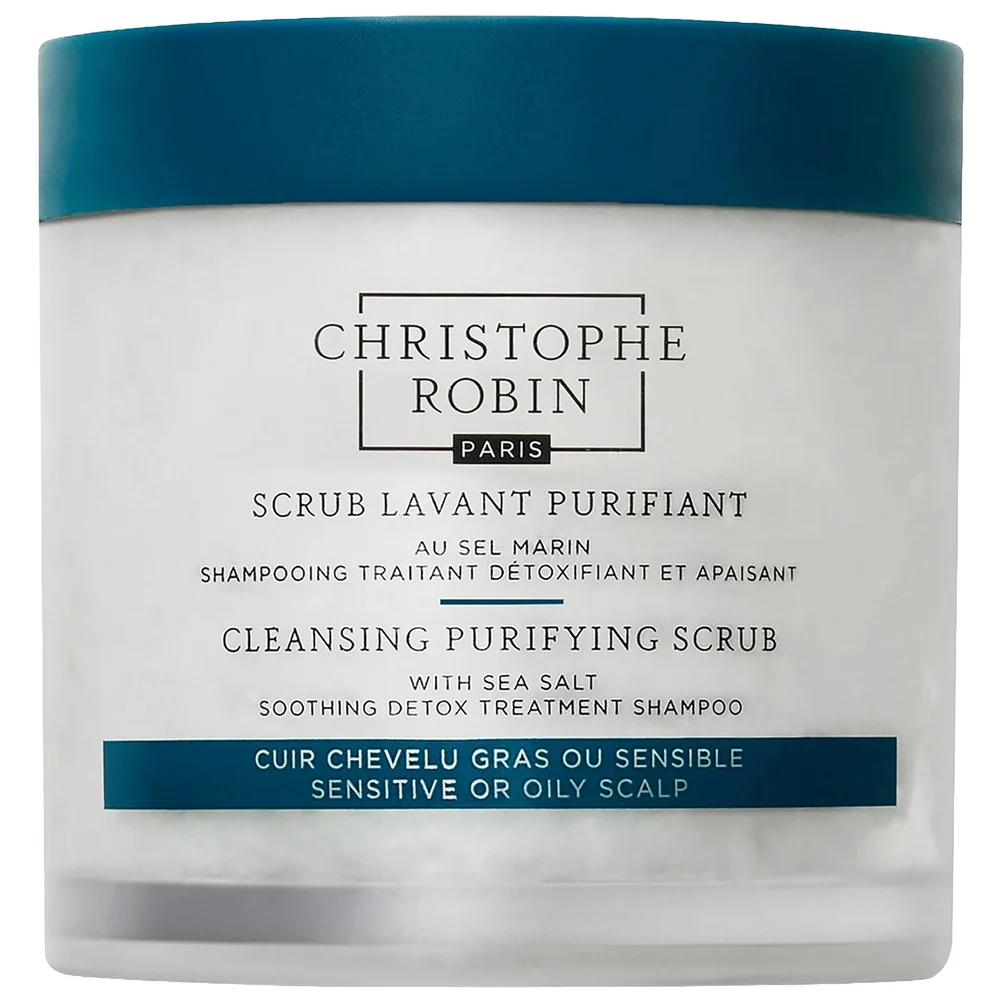
Cleansing Purifying Scrub with Sea Salt
Christophe Robin
$54
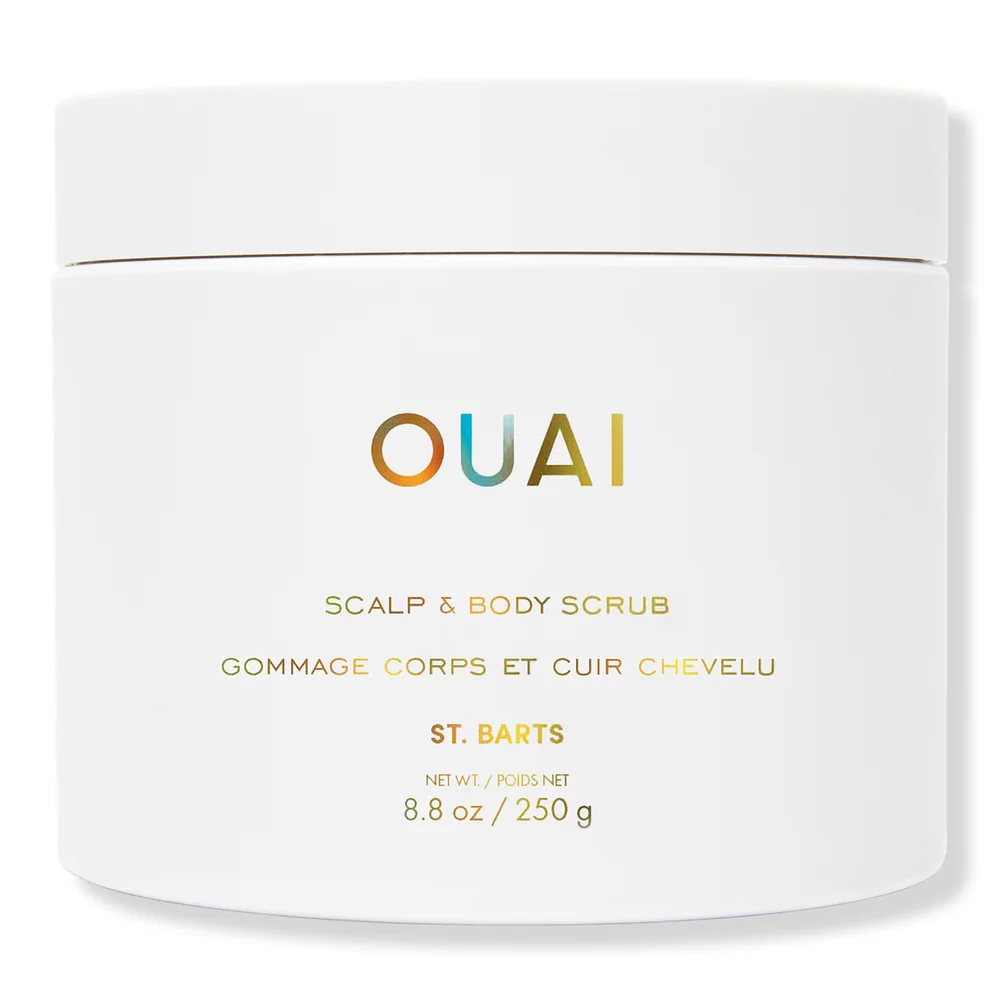
St. Barts Cleansing Scalp & Body Sugar Scrub
OUAI
$42
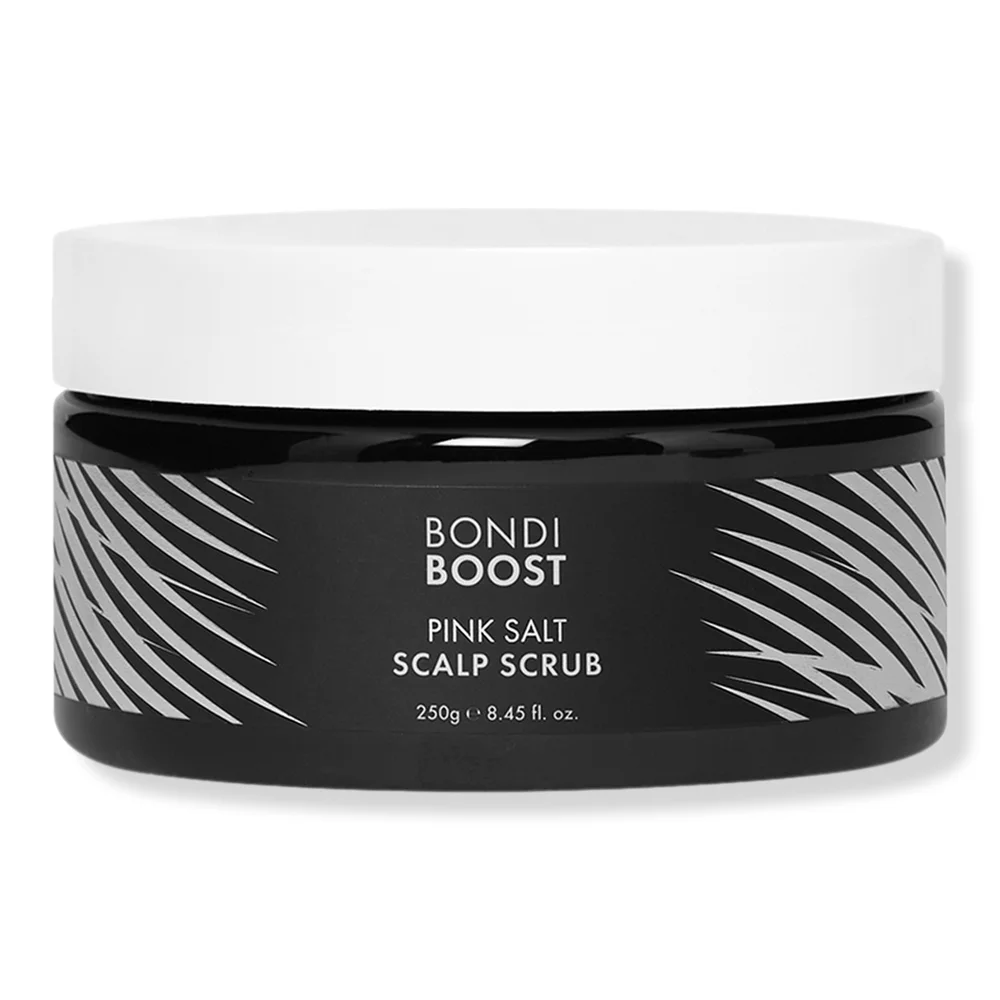
Pink Himalayan Sea Salt Scalp Scrub
Bondi Boost
$27
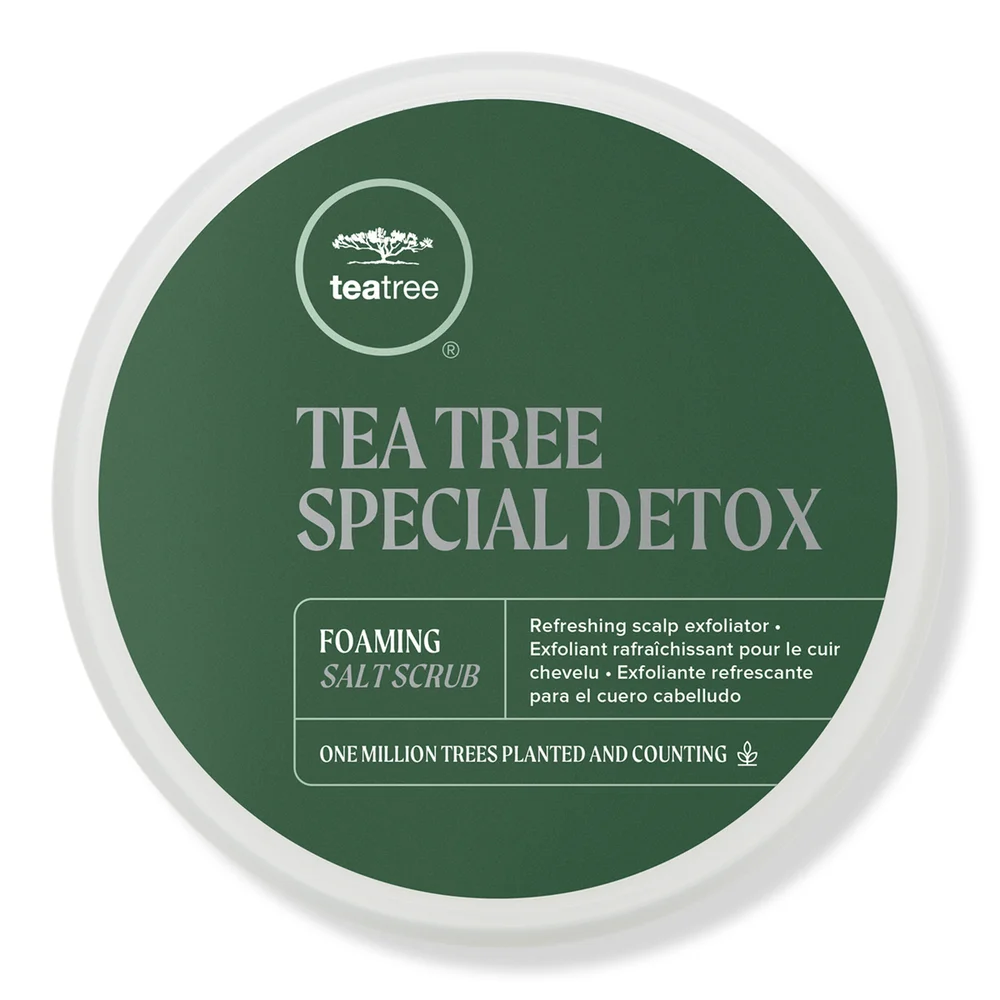
Tea Tree Special Detox Foaming Salt Scrub
Paul Mitchell
$32
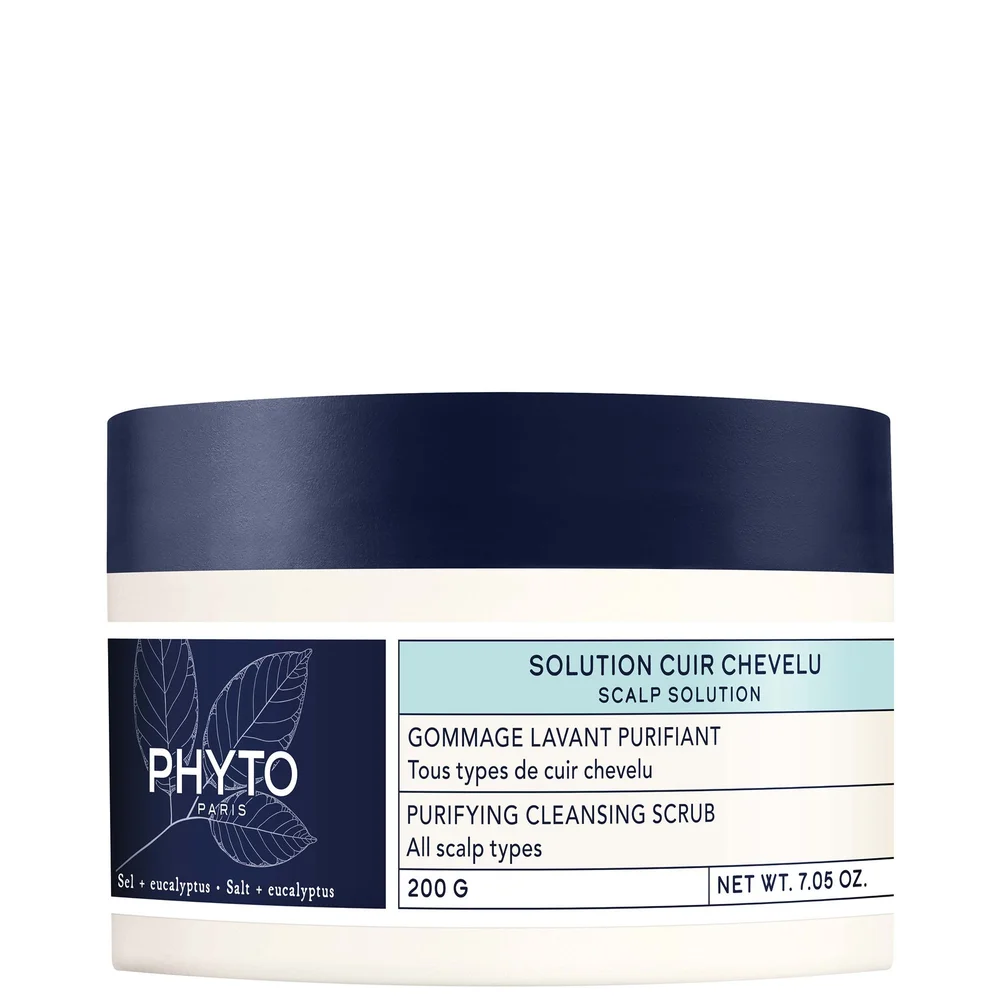
Scalp Solution Purifying Scrub
Phyto
$38
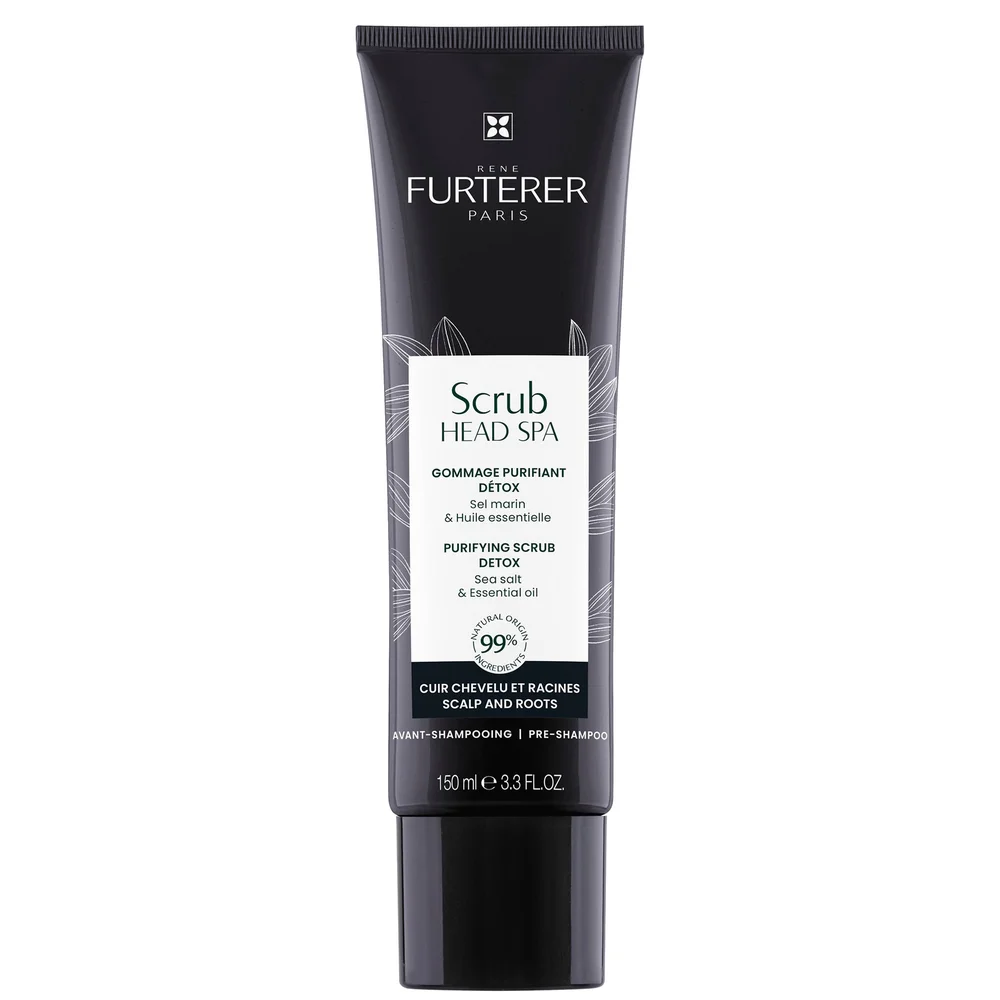
Head Spa Scrub
René Furterer
$47
Chemical exfoliants: let the label set the timing
An acid treatment loosens flakes without relying on scrub particles, but the application instructions still matter. Act+Acre Salicylic Acid Scalp Exfoliator is a pre-wash gel with 0.15% salicylic acid. Its label says to apply a thin line to sections of dry scalp, leave it on for 15 minutes, rinse well, and follow with a thorough cleanse. That is one formula's schedule, not a template for every acid serum.
Mayo Clinic lists salicylic acid among ingredients in some over-the-counter dandruff shampoos and advises applying those shampoos directly to the scalp, following the bottle directions, and rinsing as directed. A cosmetic exfoliator is not a substitute for care if flakes keep returning or the scalp is inflamed. If you have psoriasis, eczema, seborrheic dermatitis, or broken skin, talk with a clinician before using a scalp scrub.
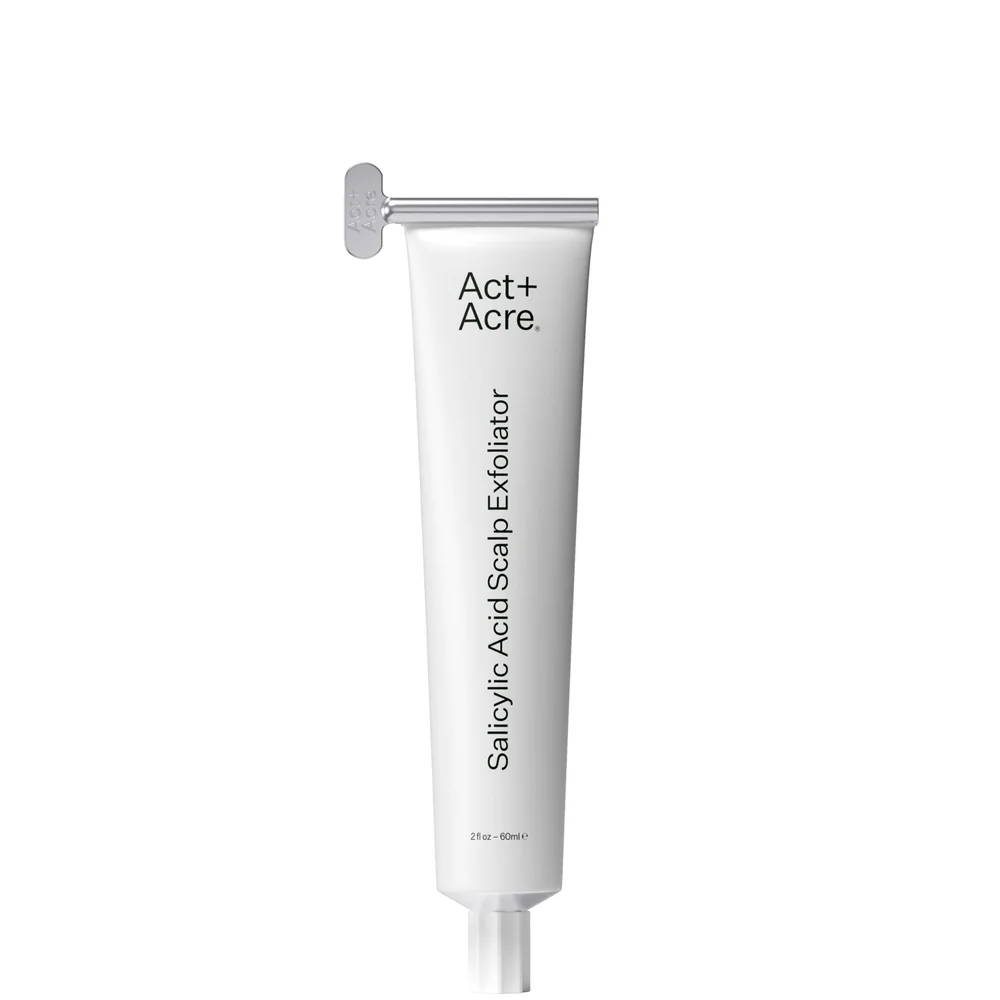
Salicylic Acid Scalp Exfoliator
Act+Acre
$48
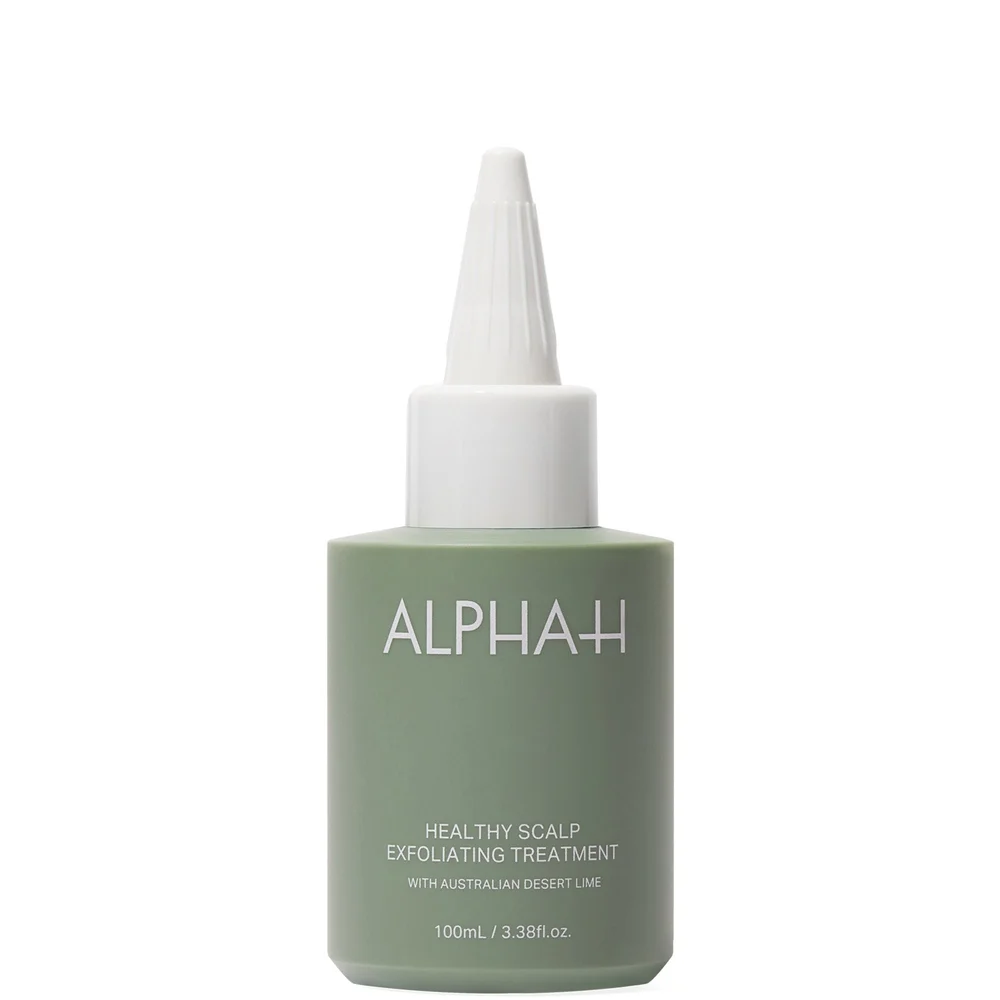
Healthy Scalp Exfoliating Treatment with Australian Desert Lime
Alpha-H
$25
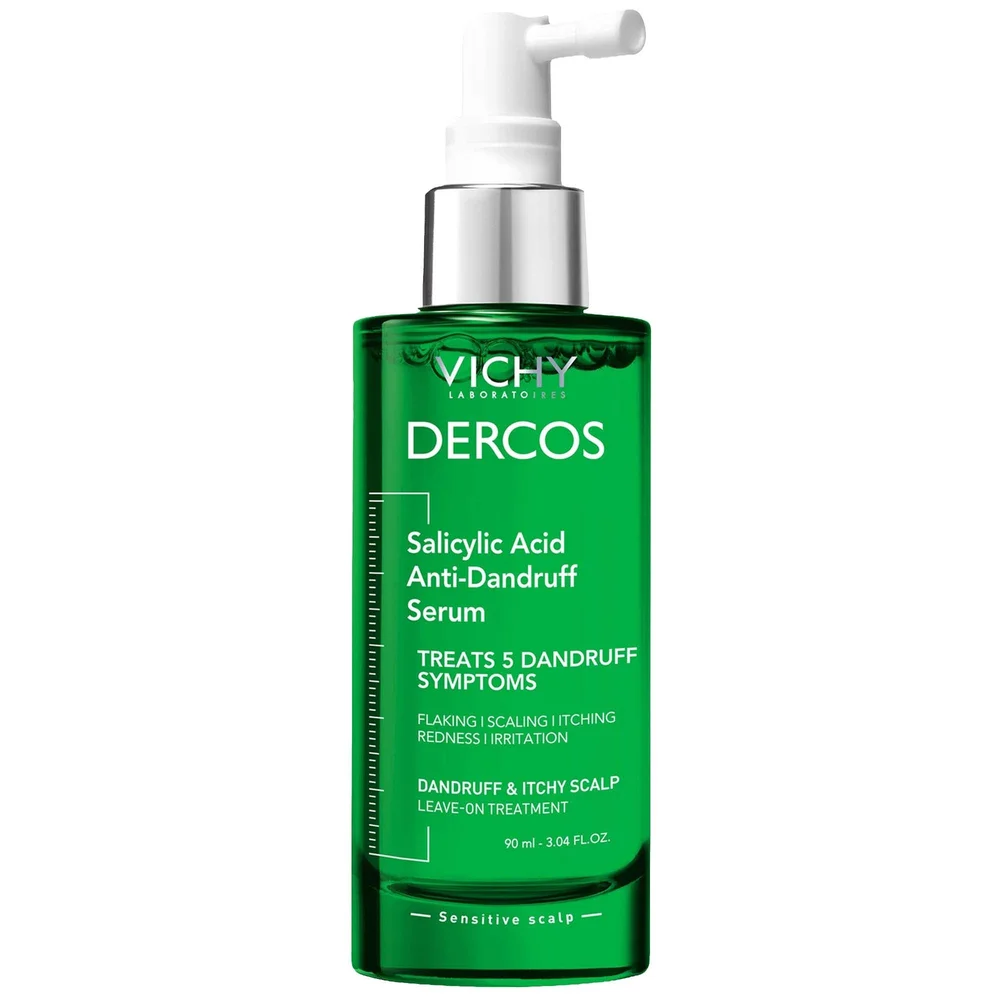
Dercos Salicylic Acid Anti-Dandruff Serum
Vichy
$48.99
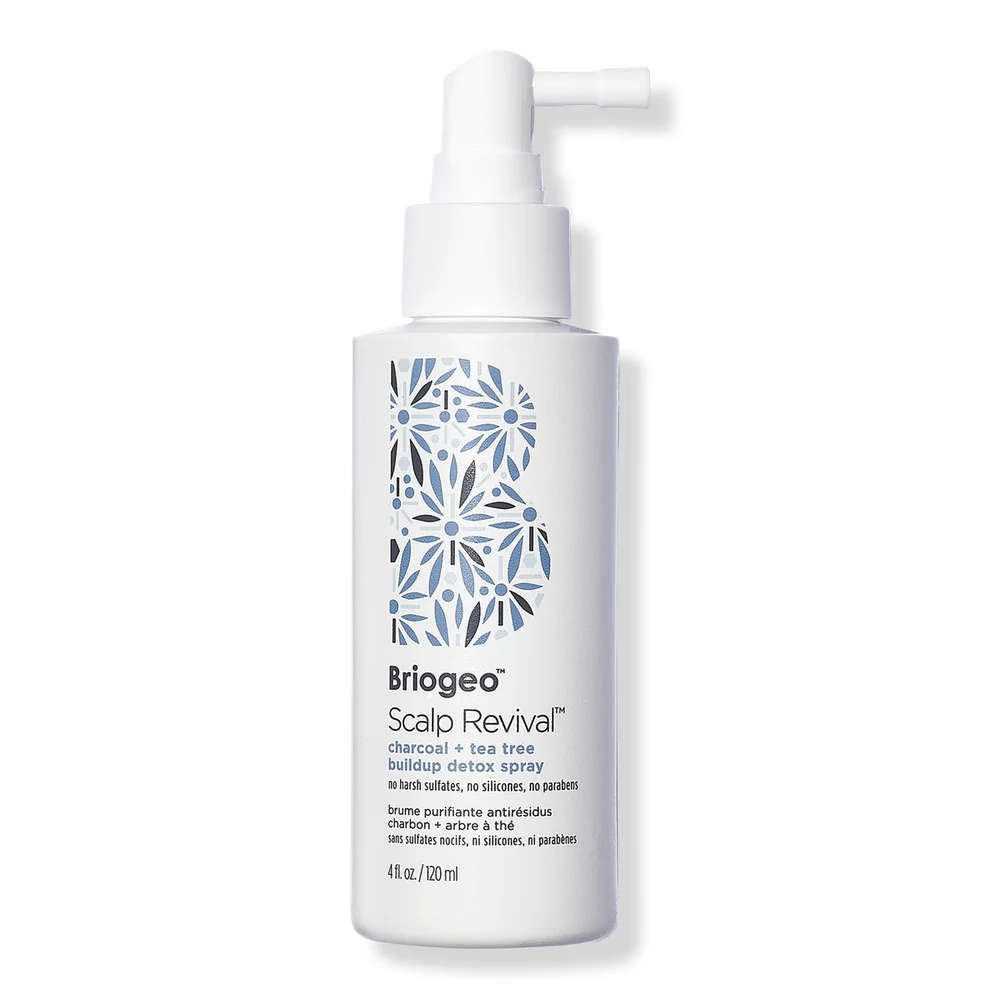
Scalp Revival Charcoal + Tea Tree Buildup Detox Spray
Briogeo
$26
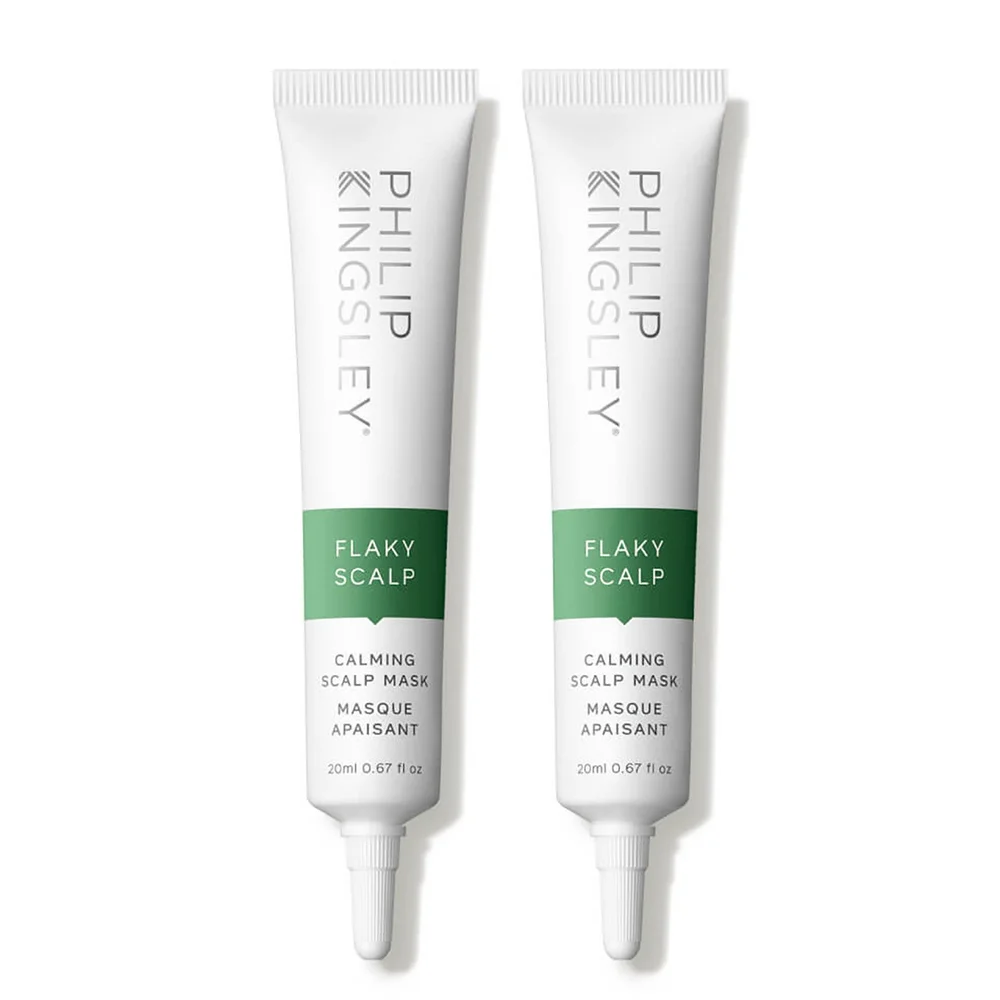
Flaky Scalp Mask
Philip Kingsley
$32
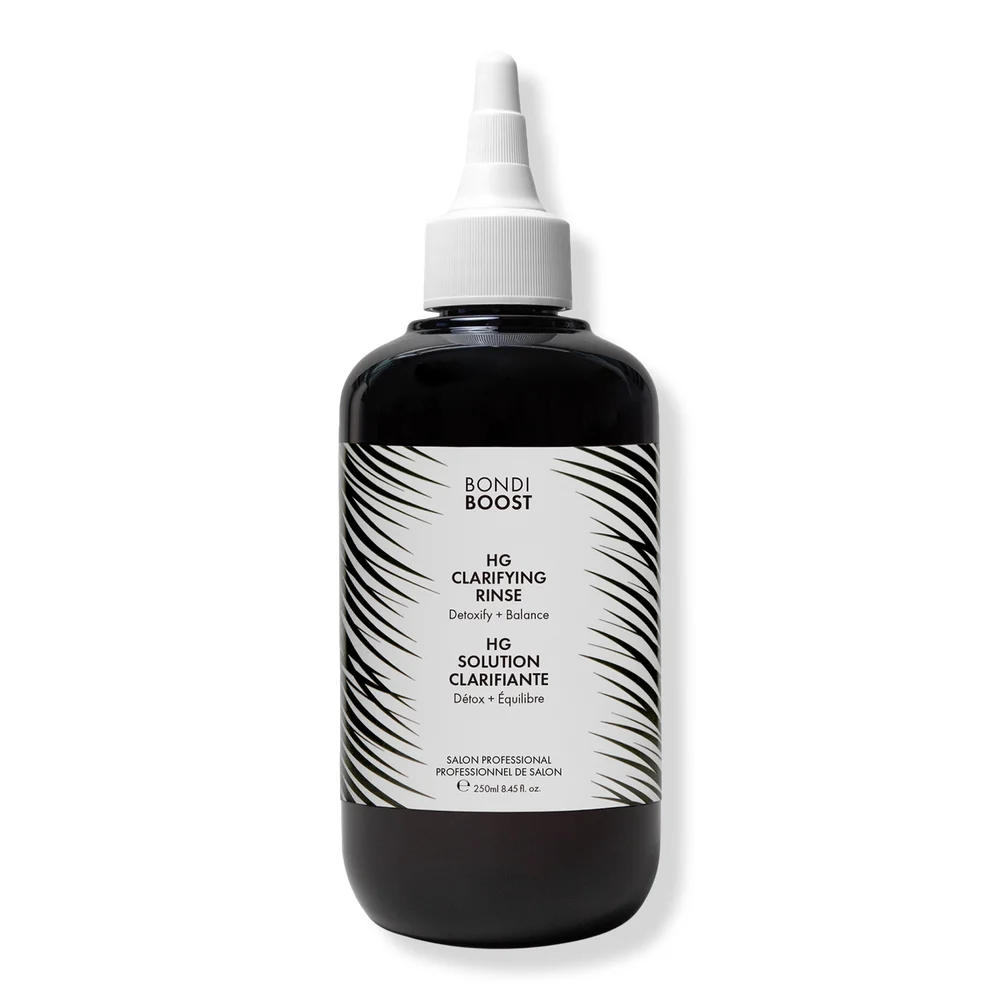
HG Clarifying Scalp and Hair Rinse
Bondi Boost
$33
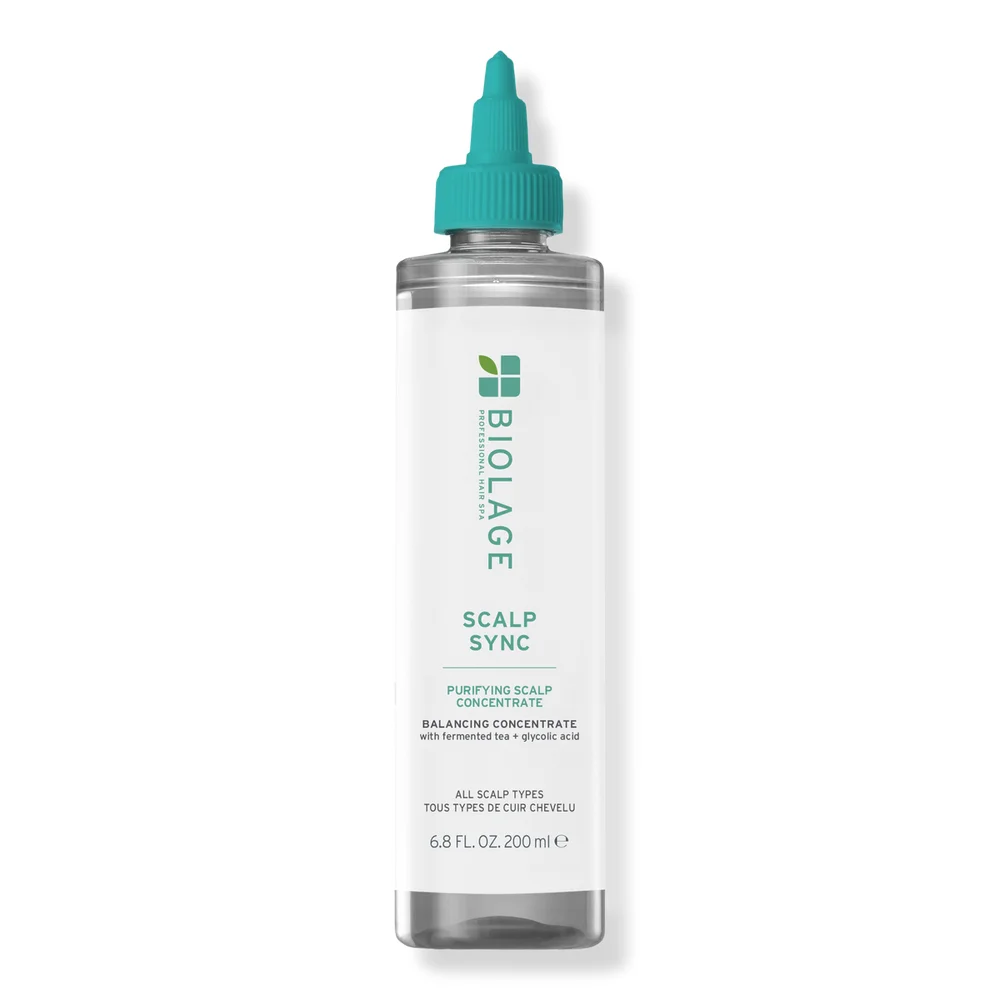
Scalp Sync Purifying Concentrate
Biolage
$29
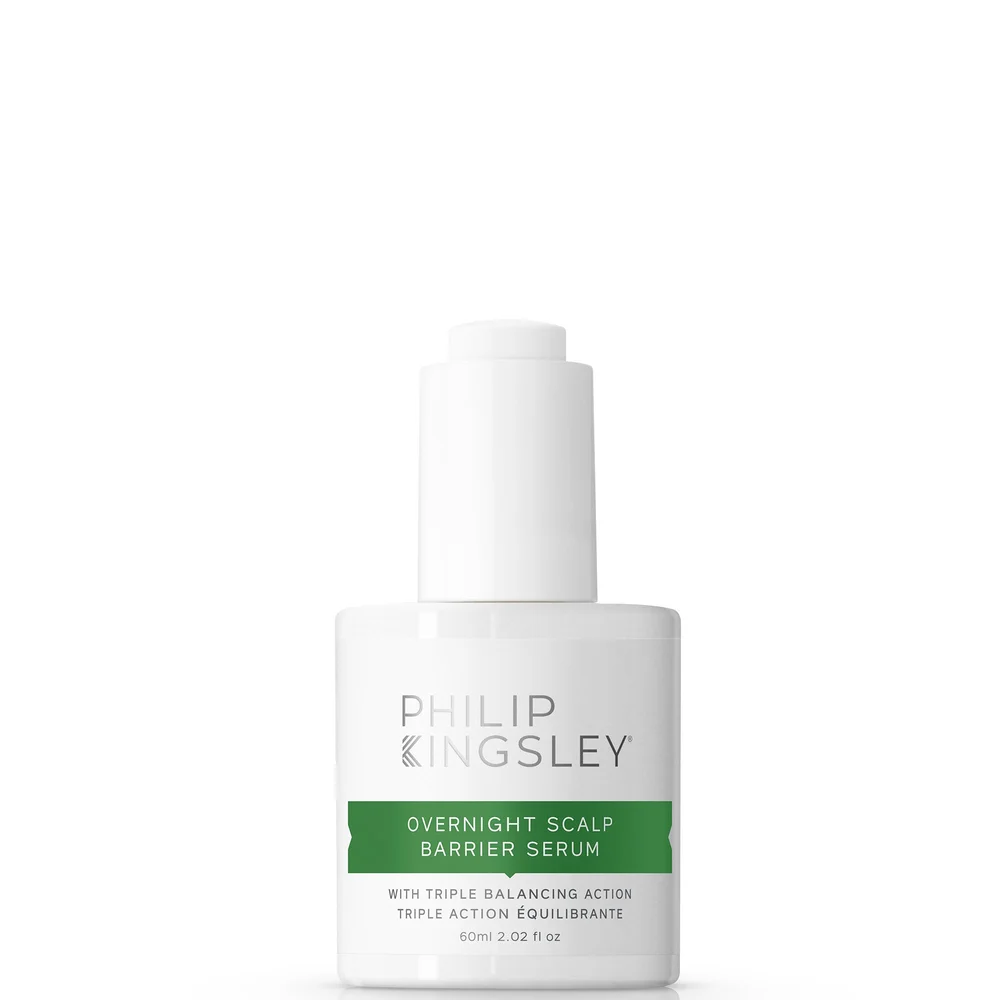
Overnight Scalp Barrier Serum
Philip Kingsley
$44
Scalp brushes and massagers
A brush is a tool for gentle contact, not for scraping visible flakes away. Tangle Teezer's Scalp Exfoliator & Massager has dual teeth and a winged design that the brand says is easier to hold in the shower. Its directions allow in-shower use while shampooing or use on dry hair with oil. I would keep the motion small and pressure light, then rinse the scalp and clean the brush after use.
The American Academy of Dermatology says rubbing, scrubbing, and scratching tend to make scalp psoriasis worse, and advises gentle scale removal rather than picking. That is why I would skip a massage brush over a sore or psoriasis-prone scalp unless a dermatologist has advised otherwise. For a comfortable scalp, the useful test is whether the tool moves easily without pulling hair or leaving the skin tender afterward.
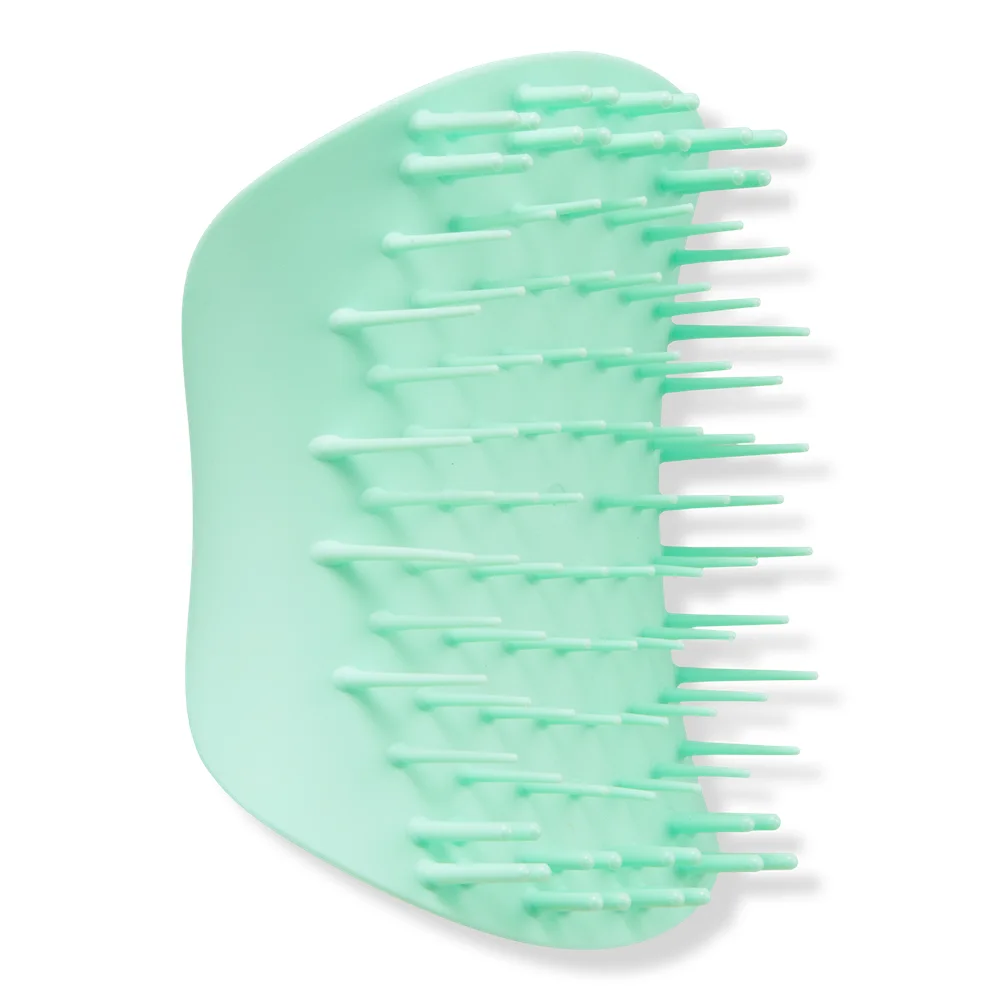
The Scalp Exfoliator & Massager Brush
Tangle Teezer
$11.99
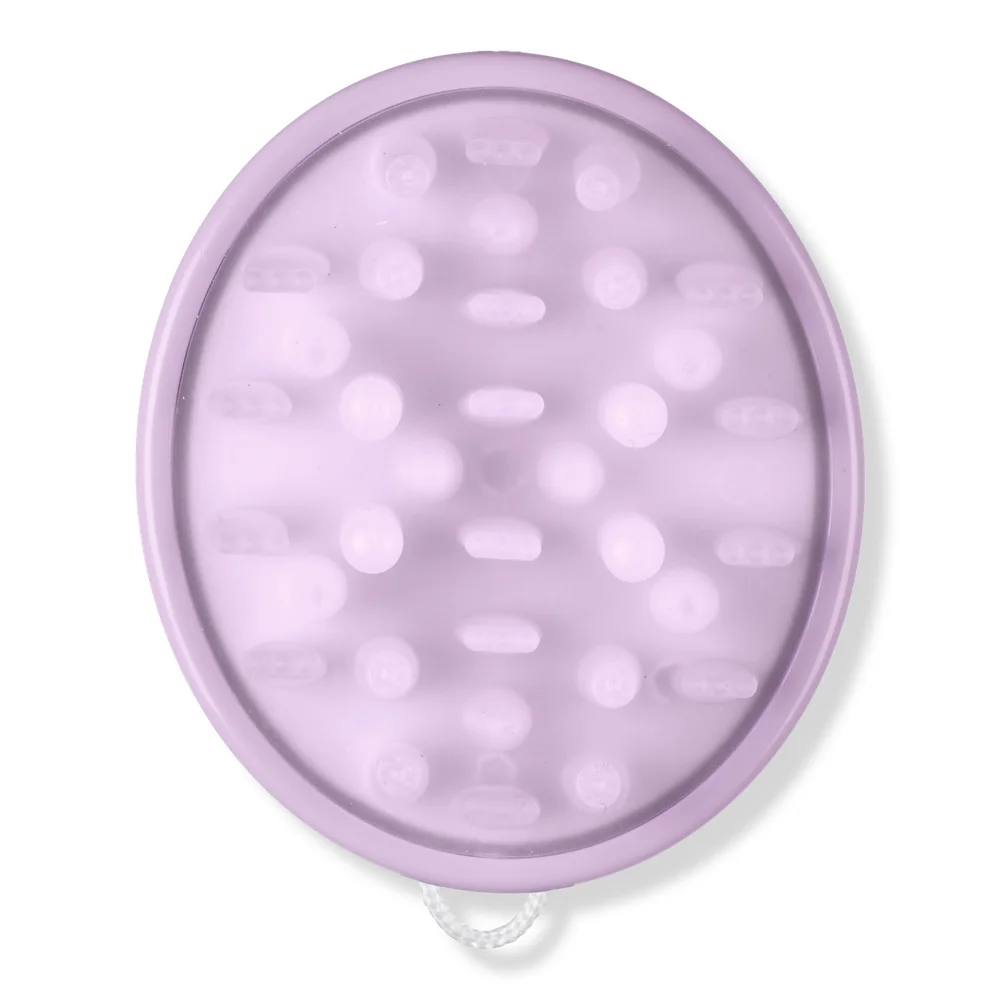
The Basik Edition Scalp Massage Brush with Triple-Action Bristles
Conair
$6.99
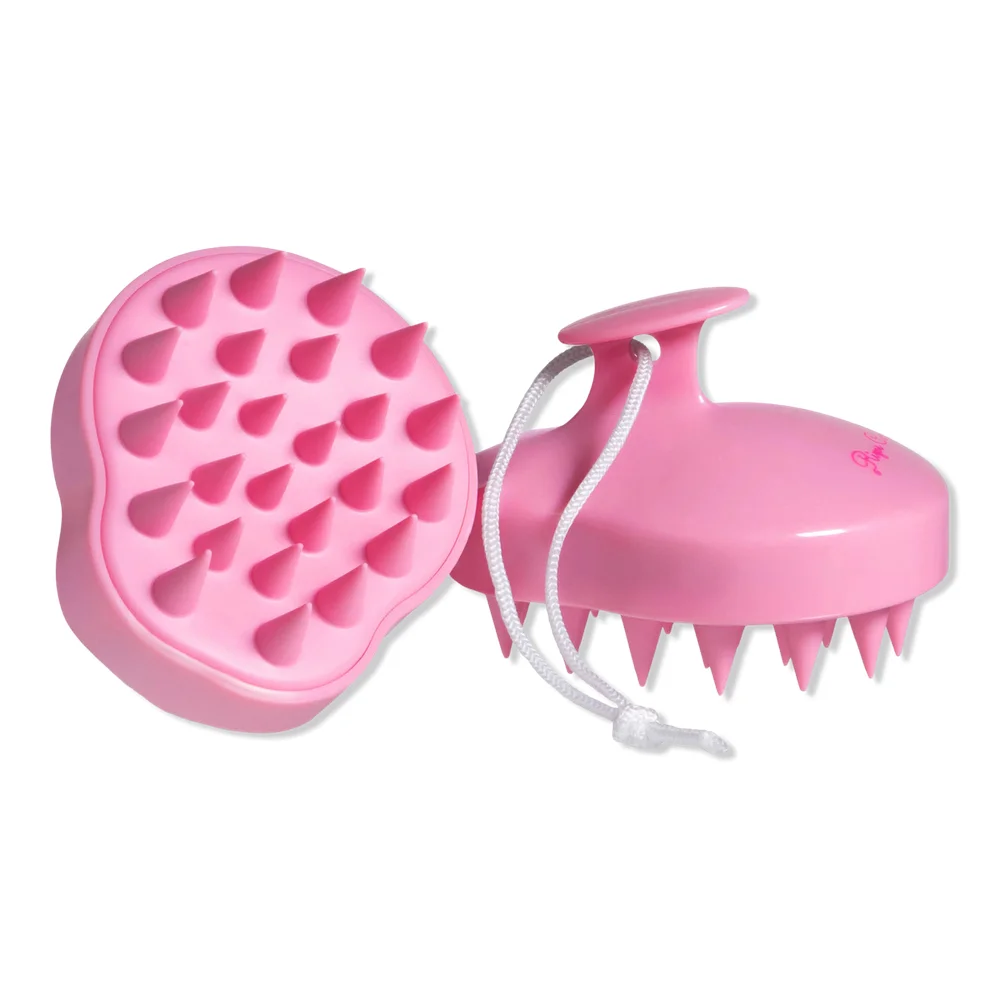
Pink Scalp Massage Brush
Rizos Curls
$13
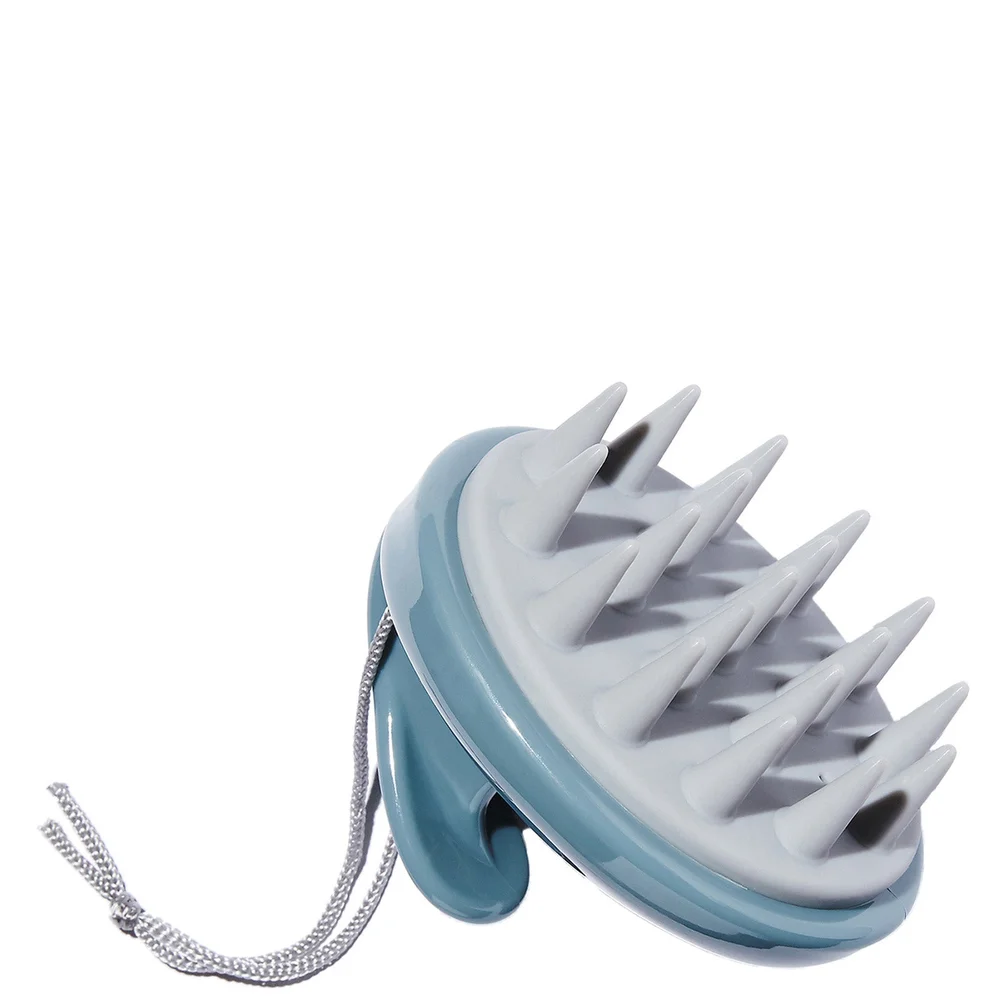
Scalp Revival Stimulating Therapy Massager
Briogeo
$18
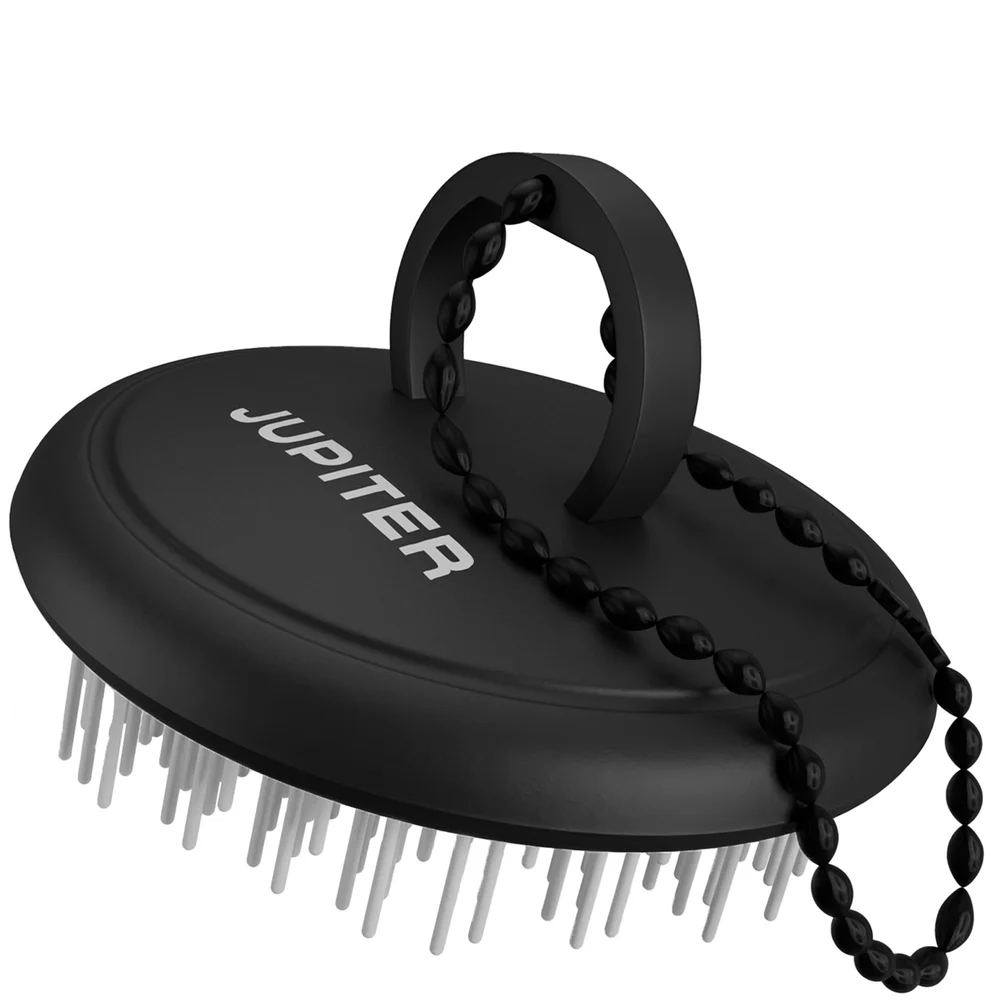
Scalp Brush
Jupiter
$19.99
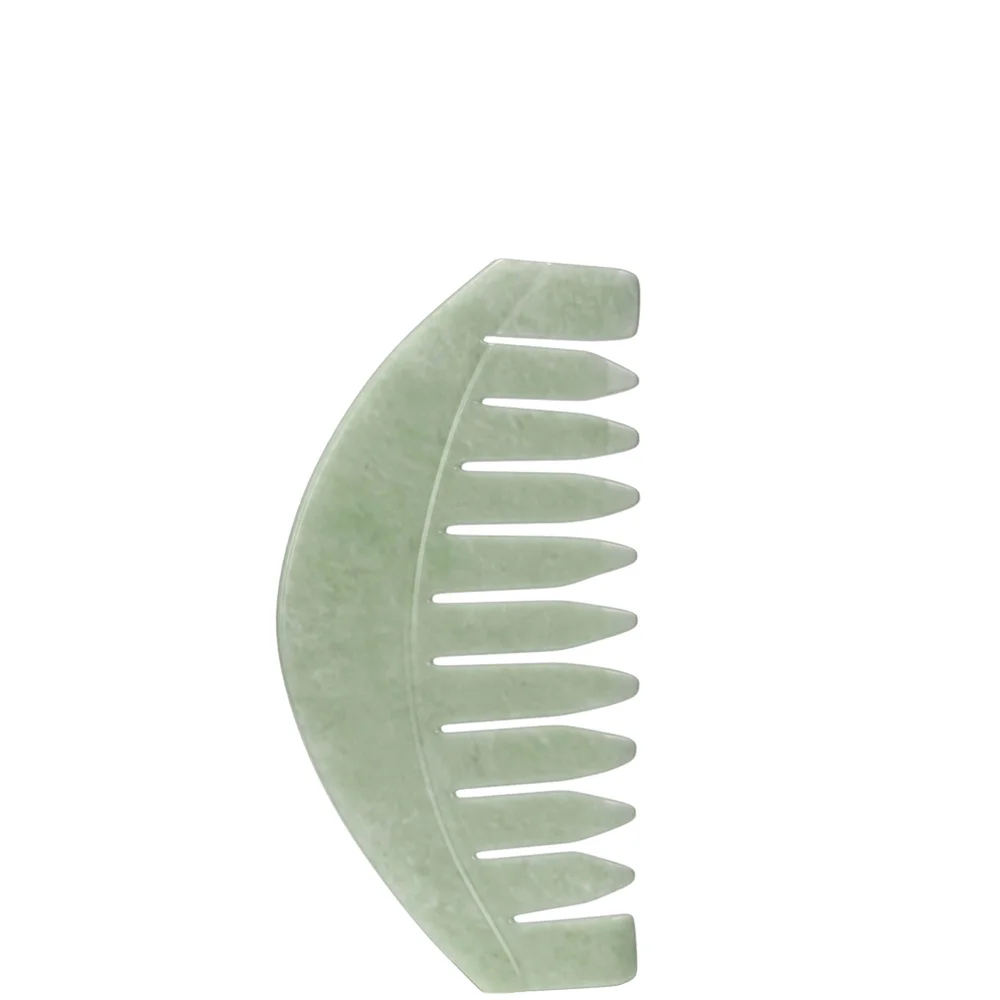
Scalp Gua Sha
Act+Acre
$48
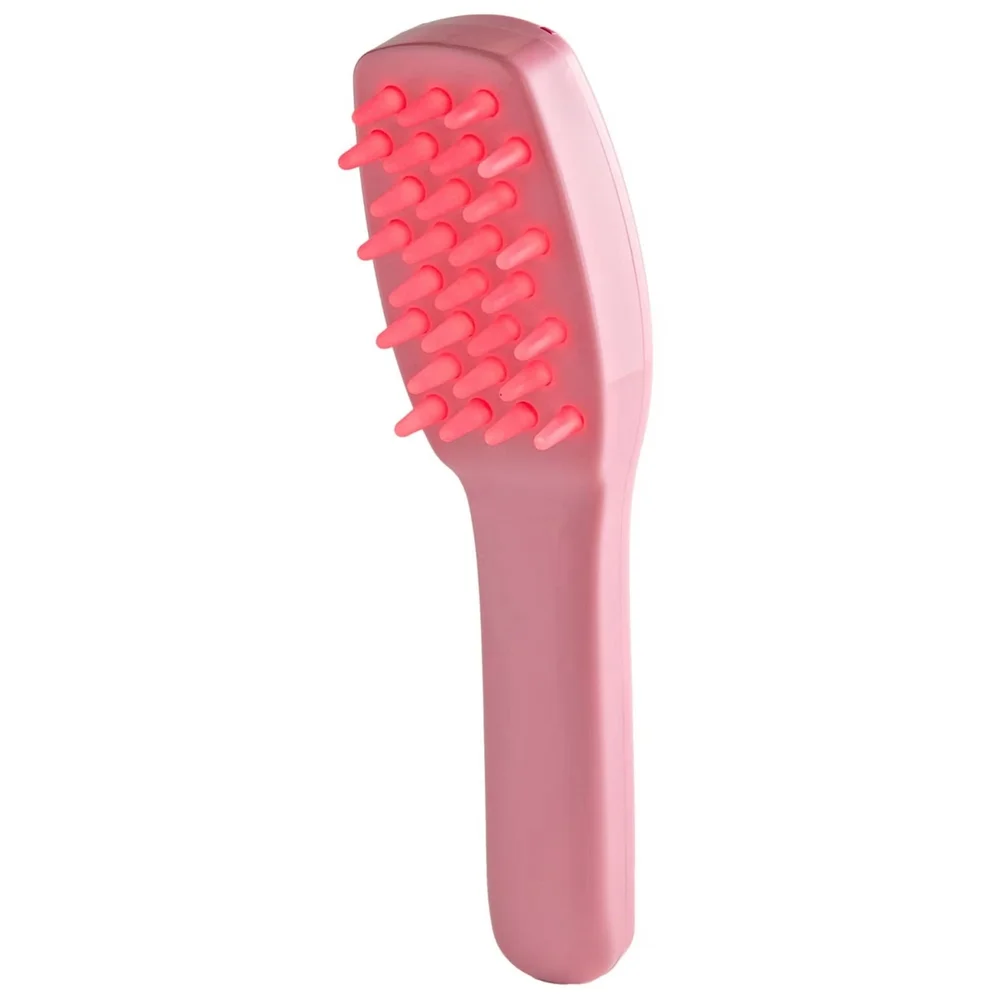
LED Stimulating Hair Brush
Skin Gym
$89.99
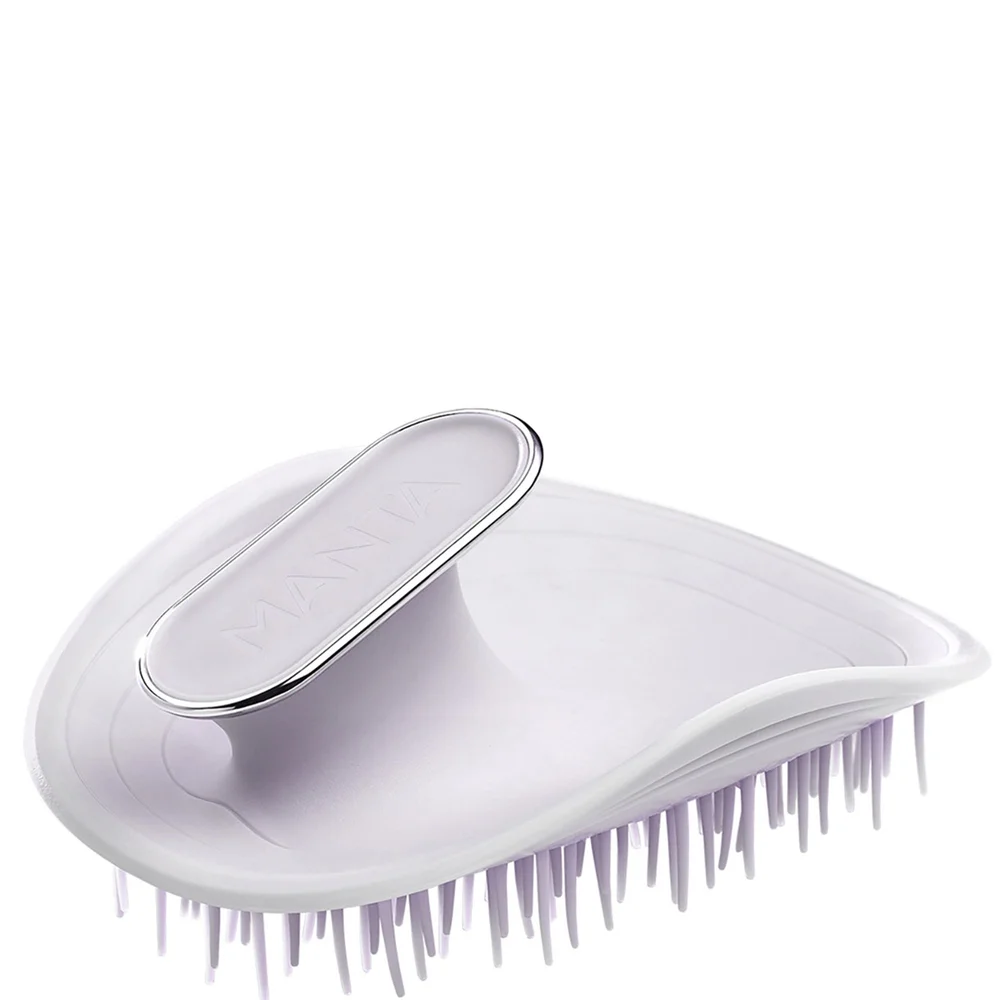
Flourish Manta Brush
Virtue
$36
Clarifying and scrub shampoos
An exfoliating shampoo combines cleansing with a scalp-focused wash, so read its directions before adding a separate scrub. Oribe The Cleanse Clarifying Shampoo is an aerosol mousse with volcanic ash; the brand says it polishes away dirt, oil, and product buildup. The directions are to massage the foam into hair and scalp, rinse, and use weekly or as desired.
I would count it as the cleansing step for that wash instead of layering another abrasive treatment on top. Mayo Clinic also recommends focusing shampoo on the scalp, massaging gently, and rinsing well; it notes that hair texture can affect how often a medicated dandruff shampoo is used. If dandruff shampoo causes itching, burning, or stinging, Mayo advises stopping it. Persistent dandruff after several weeks of shampoo use is a reason to speak with a healthcare professional, not to scrub harder.
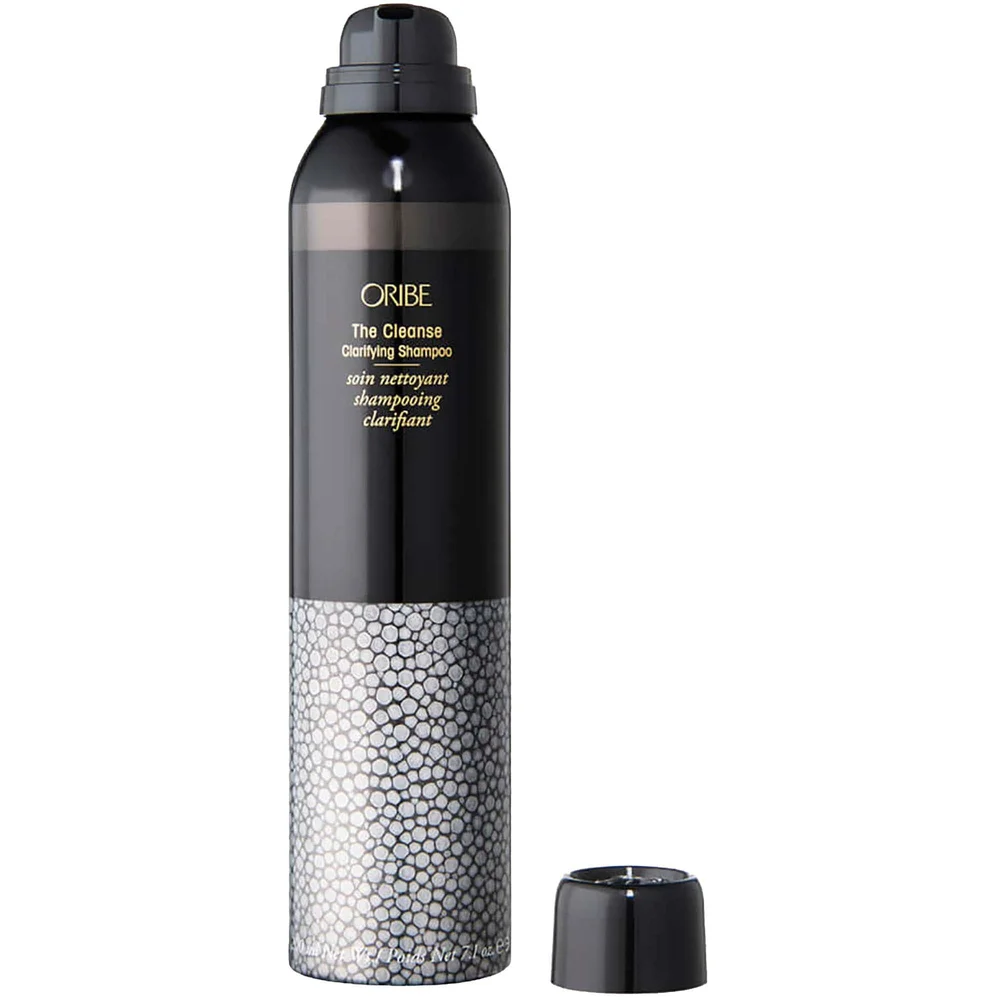
The Cleanse Clarifying Shampoo
Oribe
$49
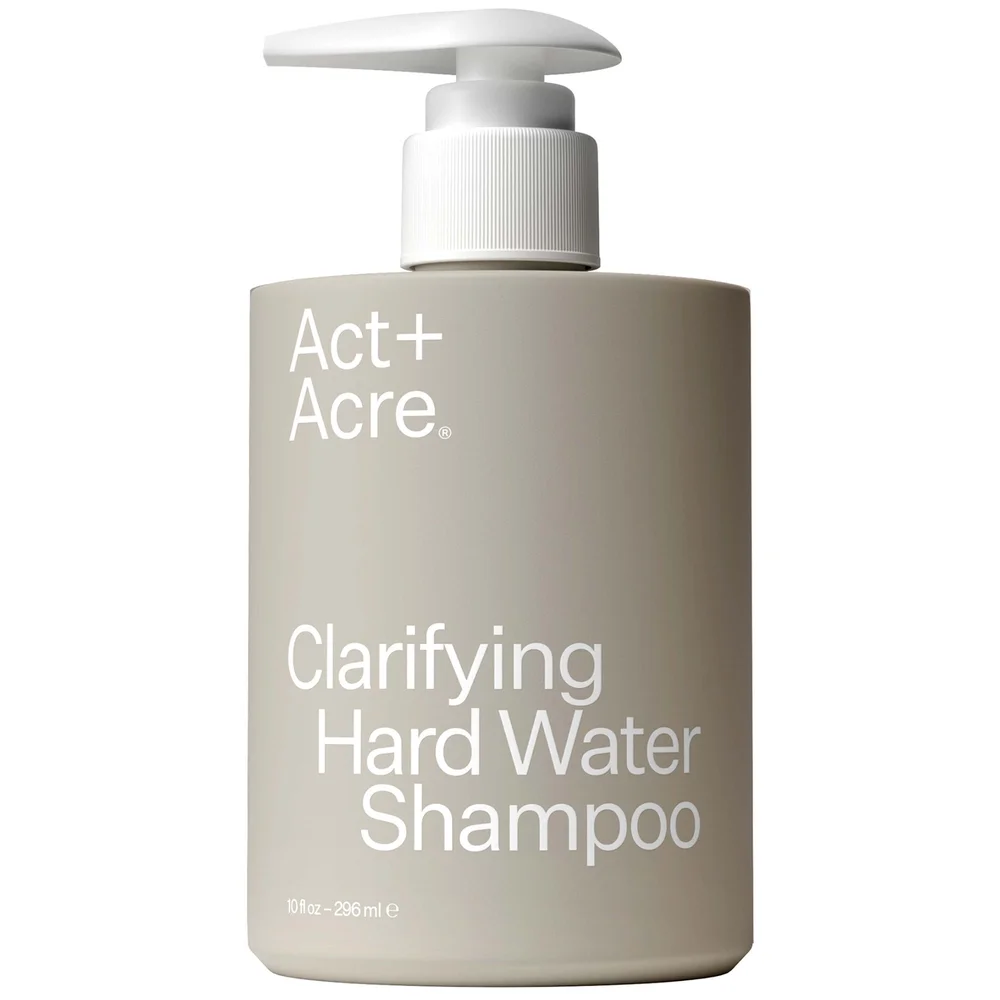
Clarifying Hard Water Shampoo
Act+Acre
$32
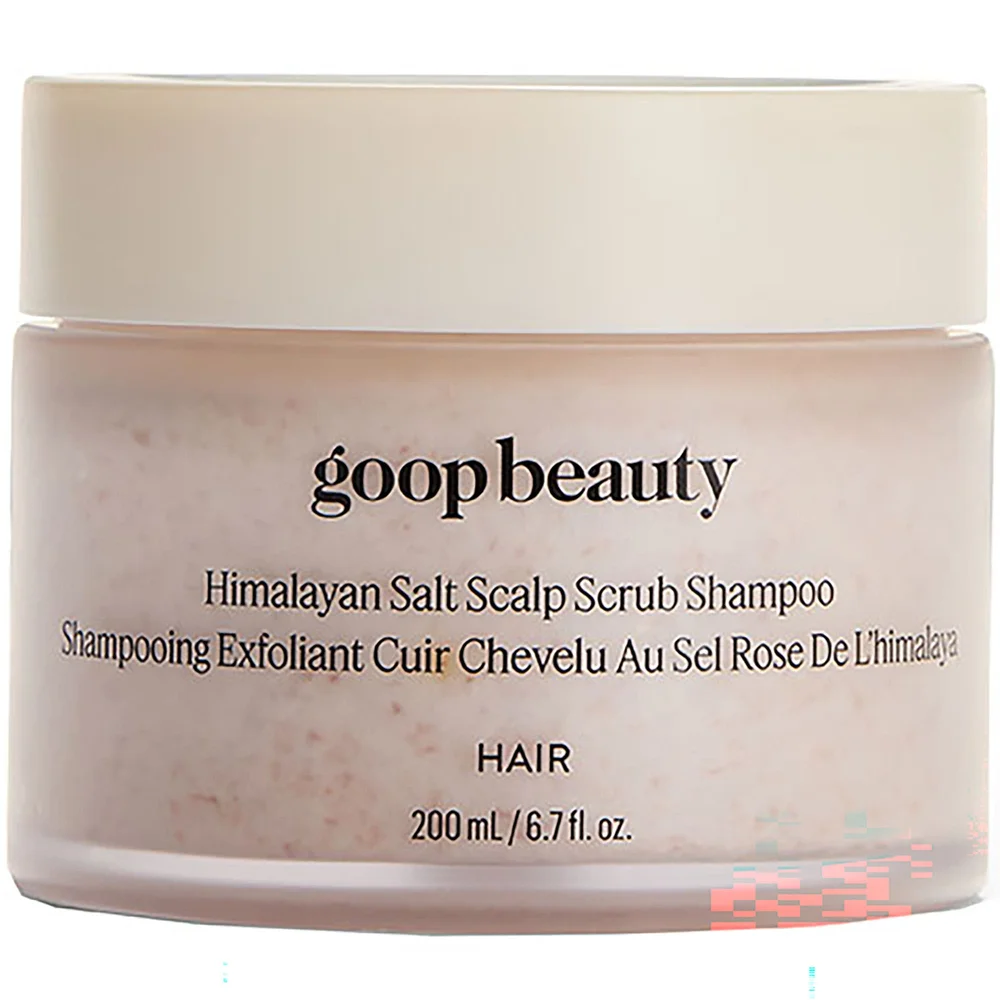
Himalayan Salt Scalp Scrub Shampoo
goop beauty
$55
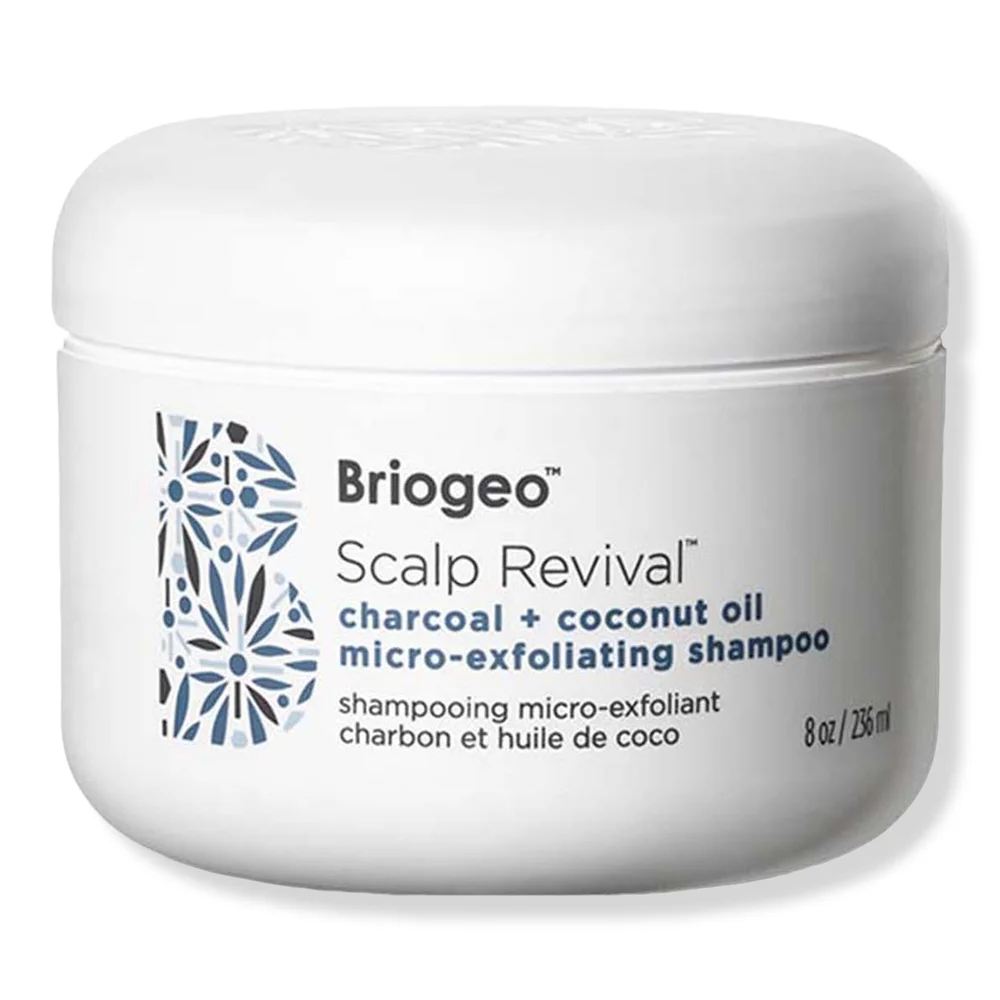
Scalp Revival Charcoal + Coconut Oil Micro-Exfoliating Scrub Shampoo
Briogeo
$42
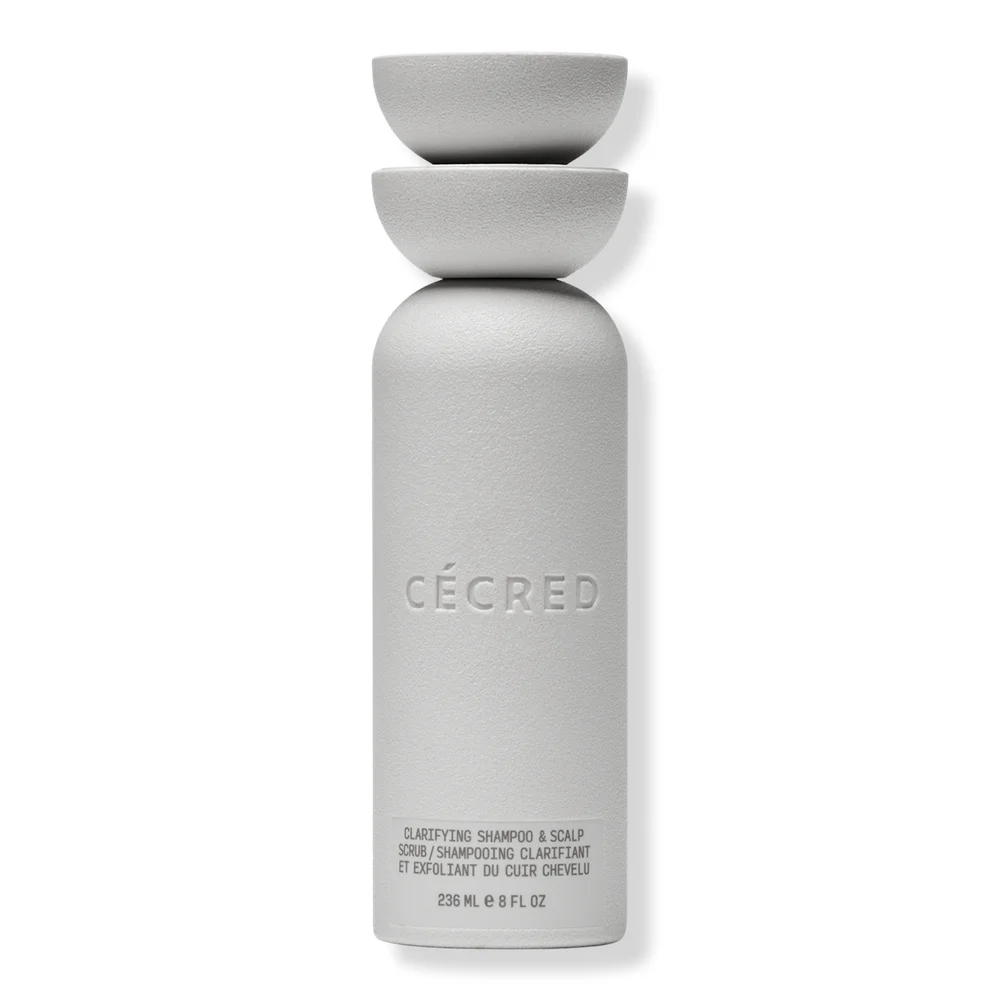
Clarifying Shampoo & Scalp Scrub
Cécred
$39
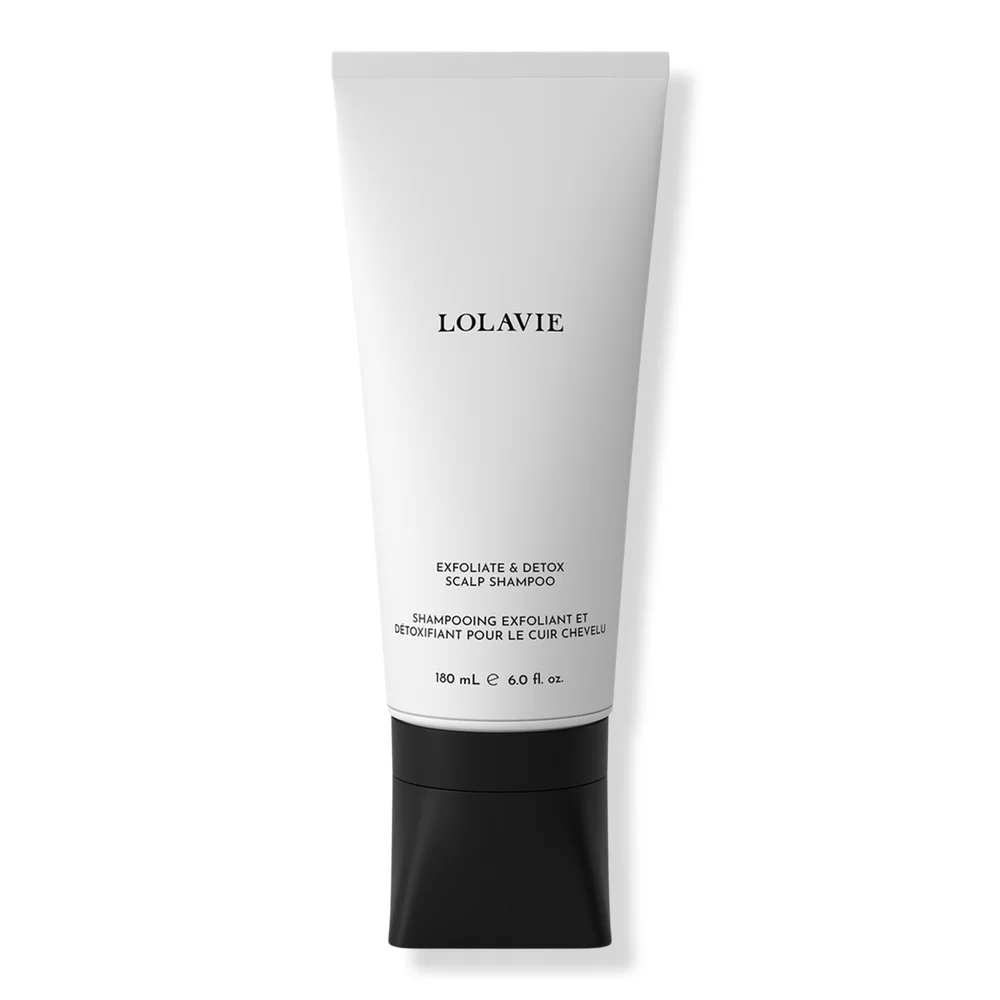
Exfoliate & Detox Scalp Shampoo
LolaVie
$39
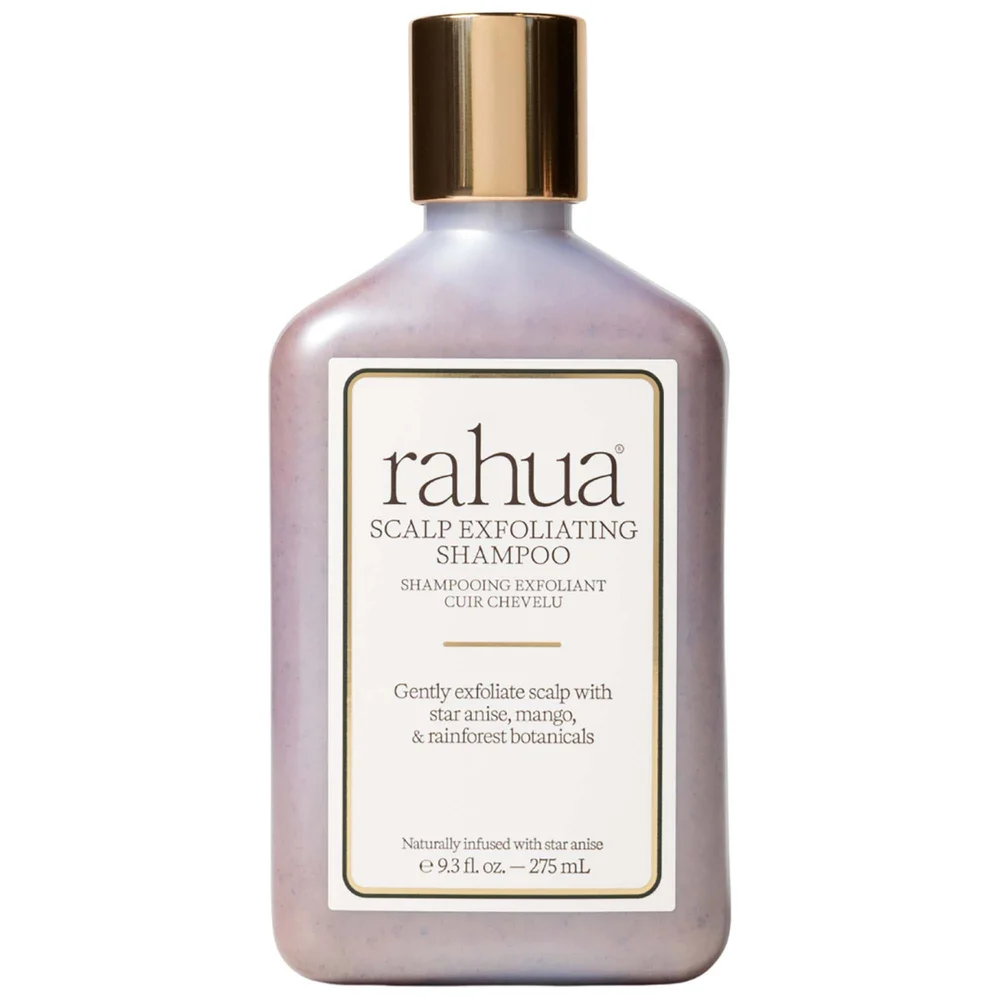
Scalp Exfoliating Shampoo
Rahua
$40
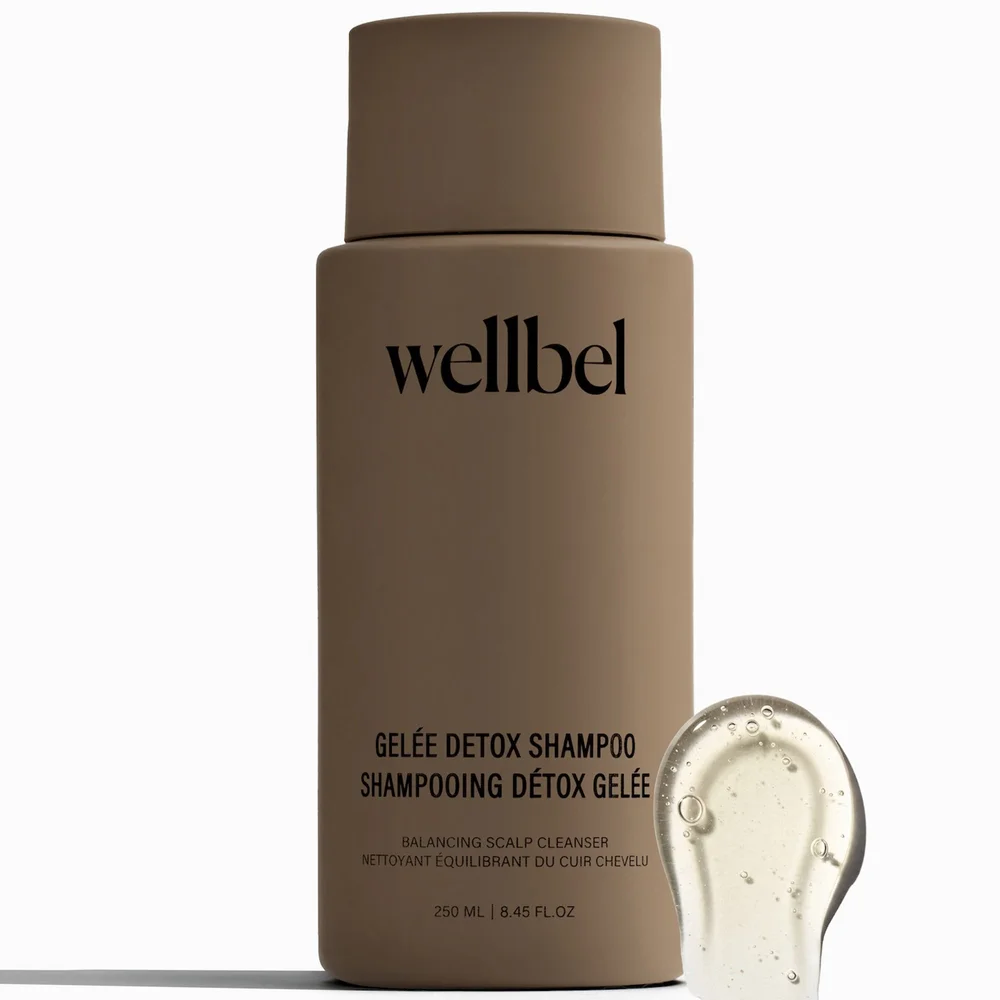
Detox Shampoo
Wellbel
$38
Leave-on care for a dry scalp
Aftercare is a separate job from exfoliation. Act+Acre Daily Hydro Scalp Serum is a leave-in with hyaluronic acid, designed for dry scalps; the brand says to apply it after cleansing or to a dry scalp and leave it on. It is a hydration step, not an exfoliant, so I would not use it as a reason to exfoliate more often.
Shop TODAY's expert guidance favors lightweight, non-greasy moisturizing products after exfoliation and cautions against heavy creams or oils directly on the scalp. Start with a small amount and stop if the skin feels irritated. For a separate read on products used after a cleanse, see Soothing Scalp Serums: Sixteen for the Skin Under Your Hair.
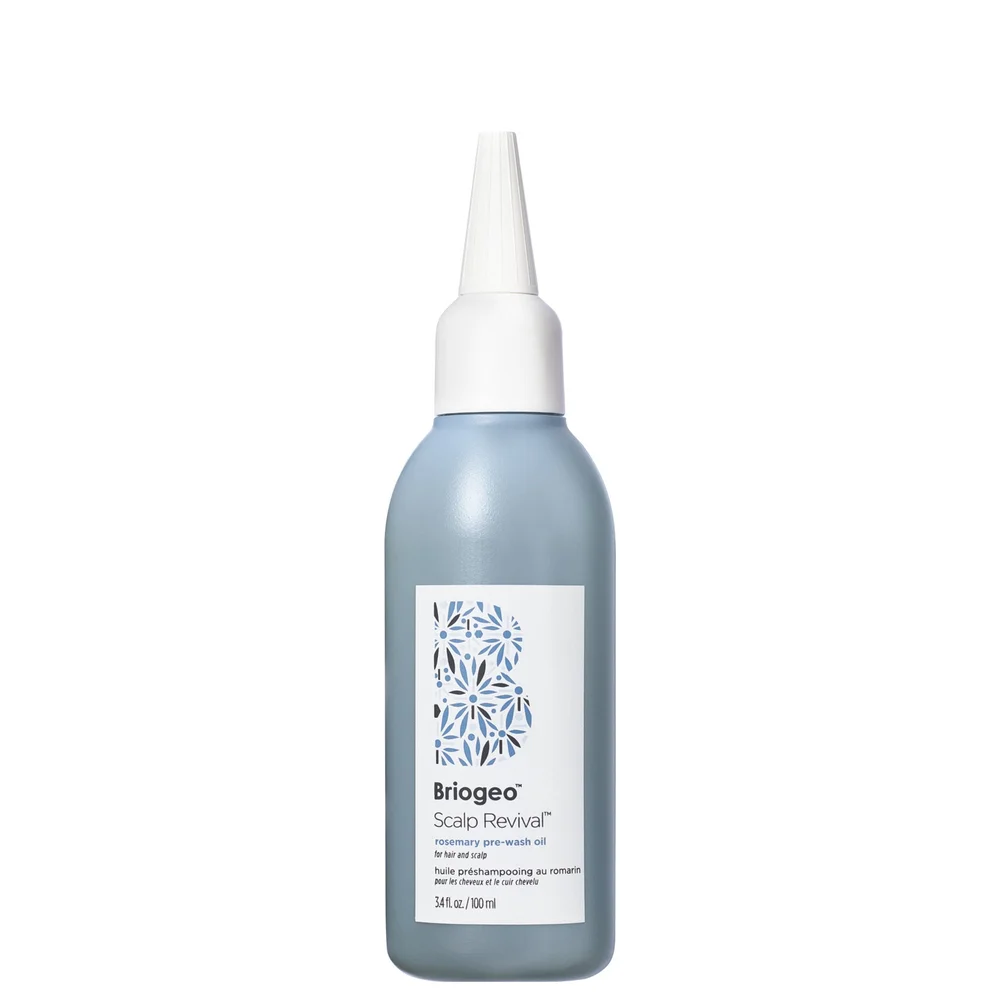
Scalp Revival Rosemary Pre-Wash Oil
Briogeo
$32
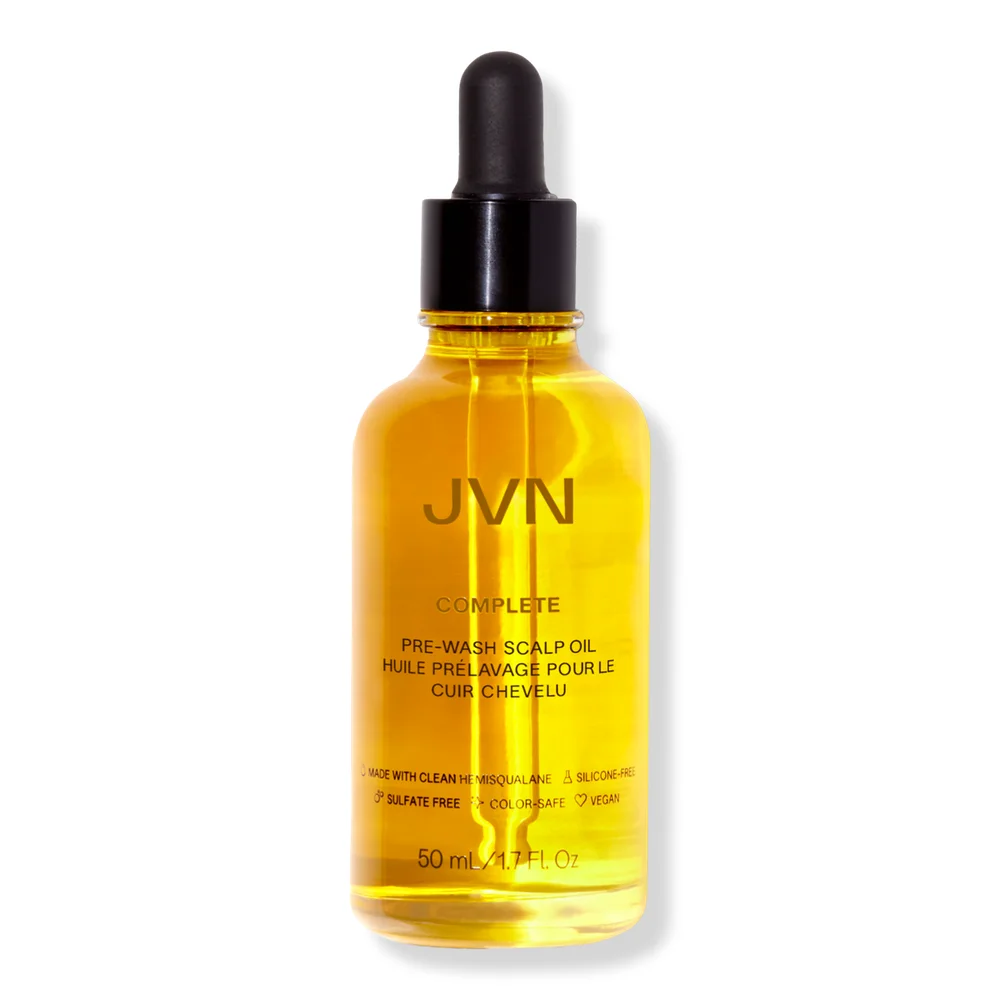
Complete Pre-Wash Scalp Oil
JVN
$32
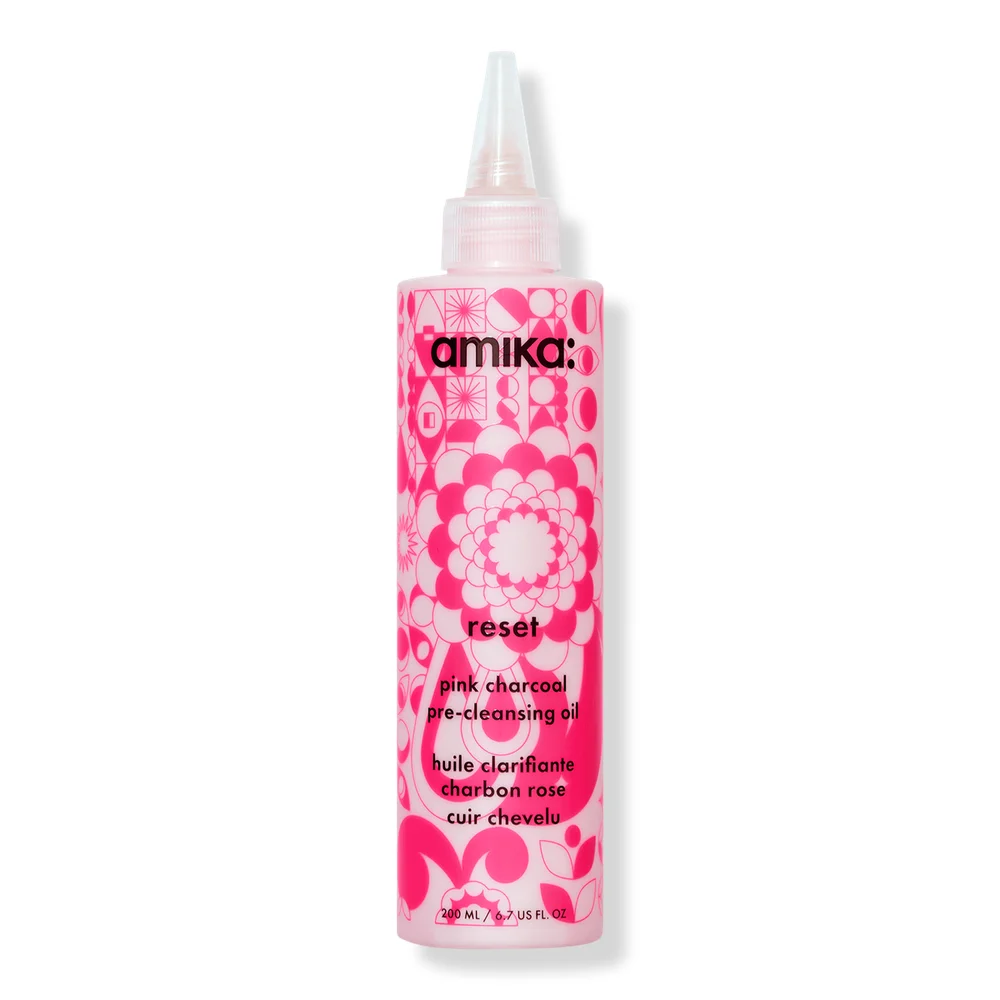
Reset Pink Charcoal Scalp Cleansing Oil
amika
$33
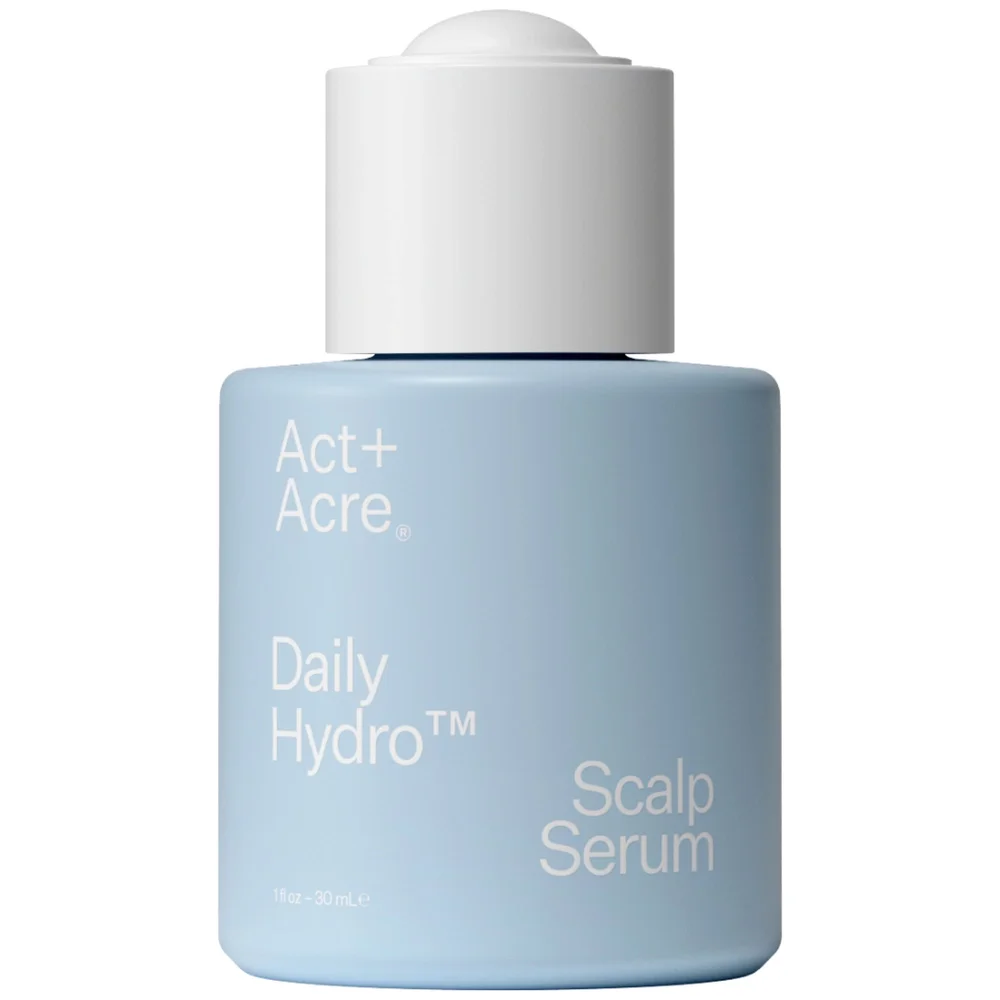
Daily Hydro Scalp Serum
Act+Acre
$24
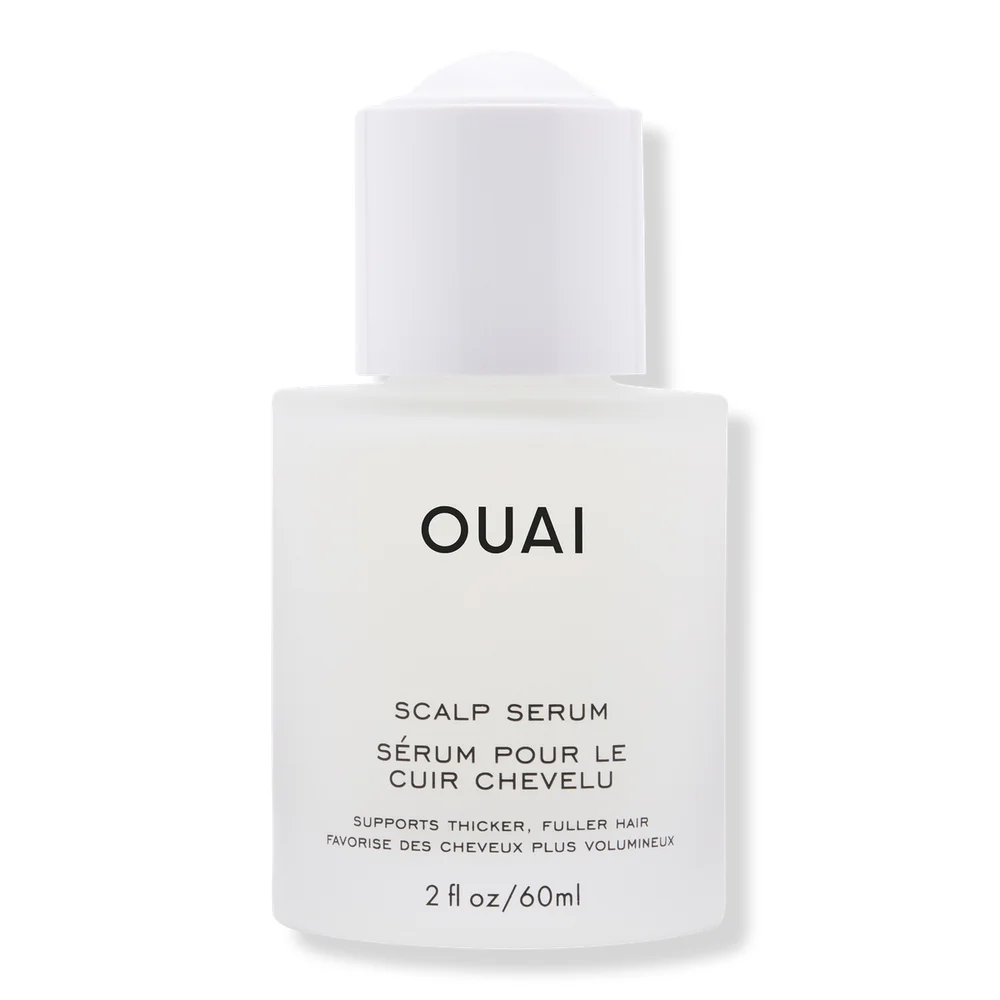
Hydrating Scalp Serum
OUAI
$54
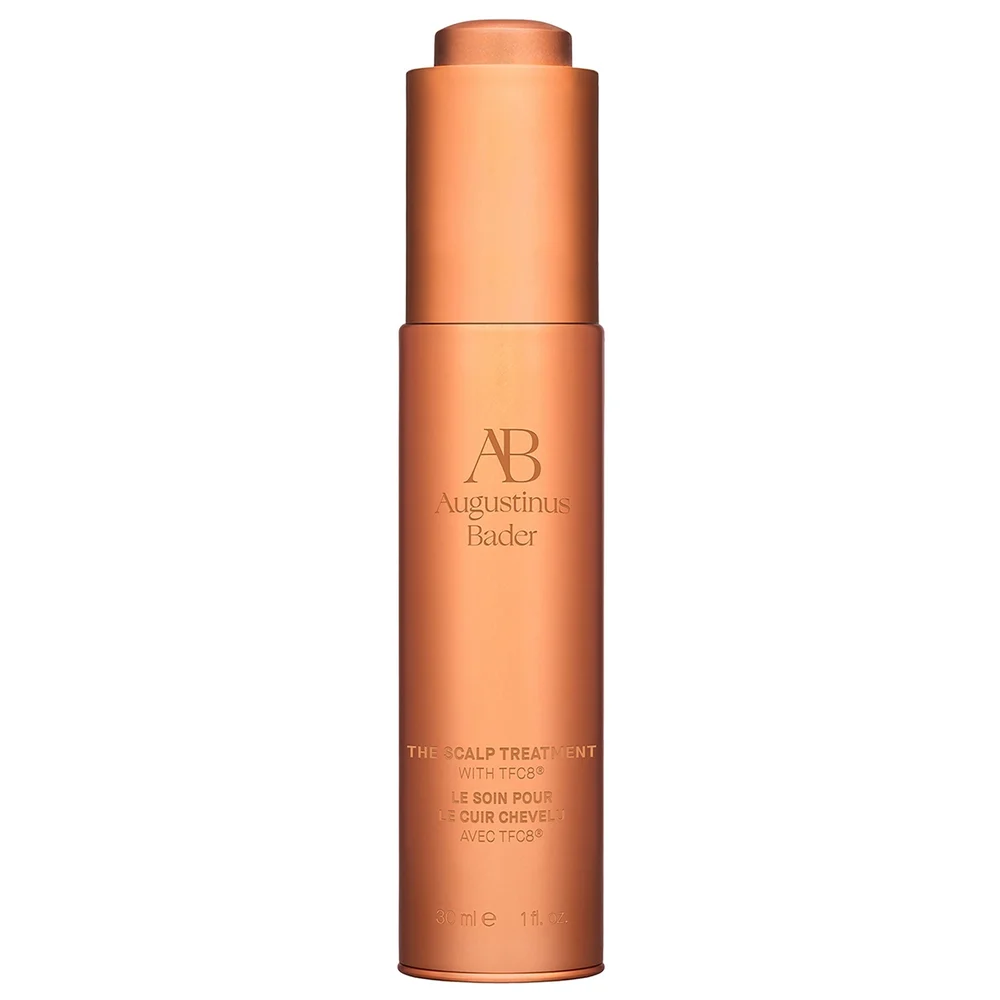
The Scalp Treatment
Augustinus Bader
$93
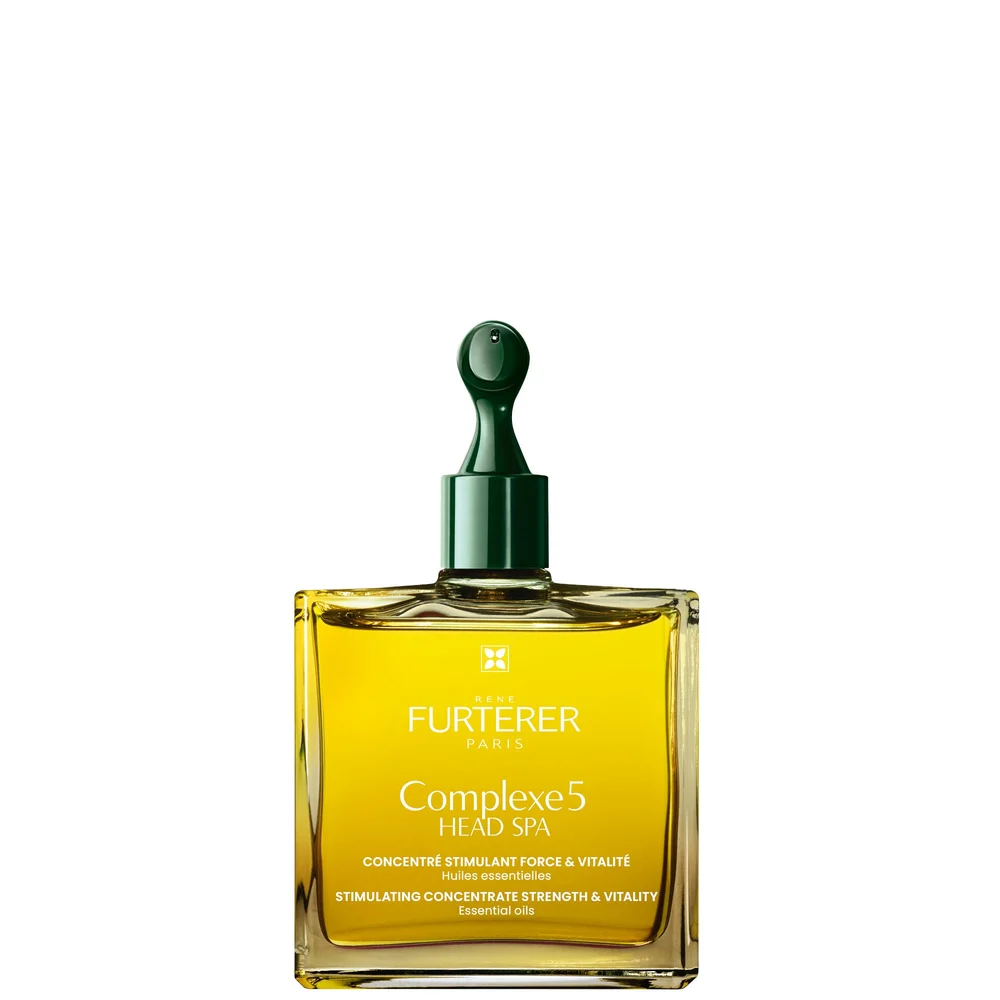
Head Spa Complexe 5
René Furterer
$58
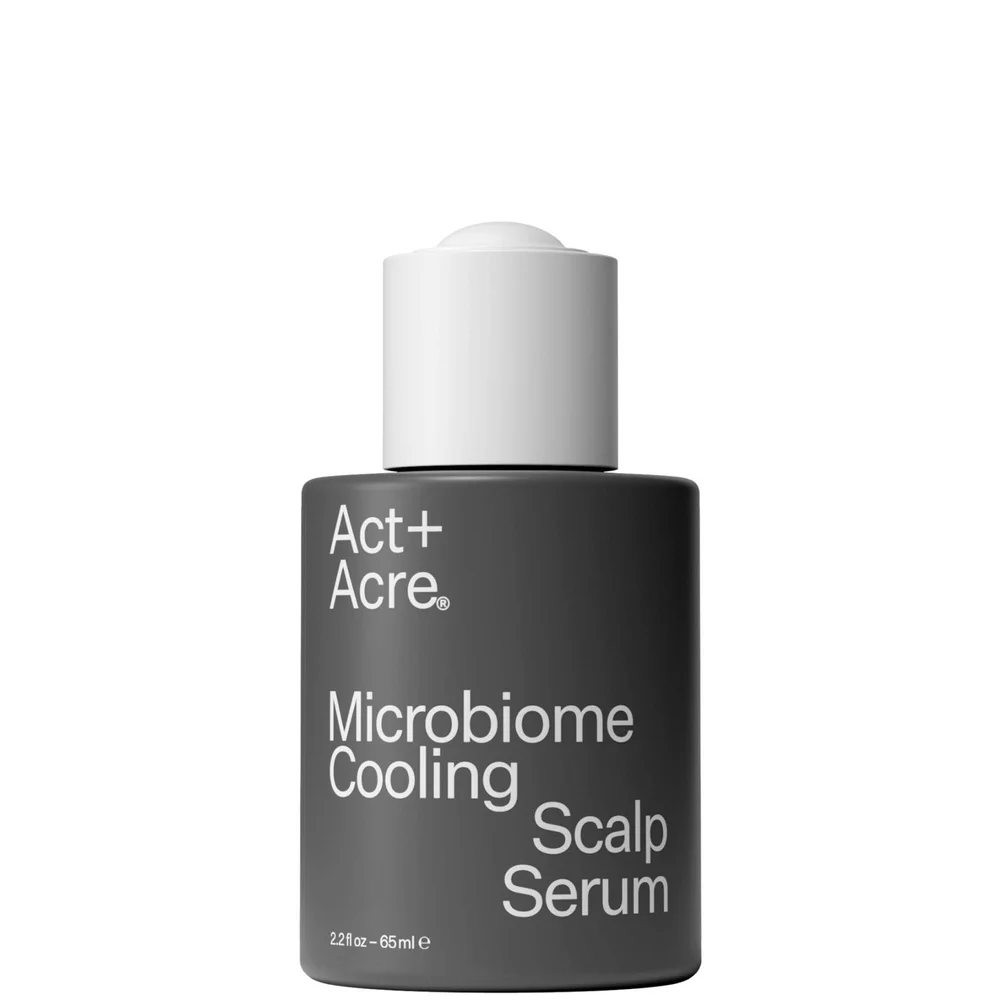
Microbiome Cooling Scalp Serum
Act+Acre
$69
Scalp exfoliation questions
How often should you exfoliate your scalp?
There is no single schedule for everyone. Healthline says people who wash often may need a scrub only every few weeks, while heavier product use may call for about weekly use; avoid exfoliating more than once or twice a week.
Should a scalp scrub go before or after shampoo?
Follow the product label: some scrubs are used in place of or before shampoo, and Oribe Serene Scalp Exfoliating Scrub is labeled for wet hair before shampoo.
Why are scalp scrubs hard to rinse out?
Thick, dense hair can make some physical exfoliants difficult to rinse completely. Take extra time rinsing rather than pressing harder or adding more scrub.
Can you exfoliate your scalp if you have psoriasis?
Do not scrub an affected scalp without advice from a dermatologist; rubbing, scrubbing, and scratching can worsen scalp psoriasis.
A gentle scalp routine, in order
Keep the routine simple: decide whether you need an exfoliating step, choose one product made for the scalp, and follow its own timing and rinse directions. Healthline says people who wash often may need a scrub only every few weeks, while someone using many styling products may try it weekly; it also advises against exfoliating more than once or twice a week.
I would skip any scrub or brush that leaves burning, tenderness, or a raw feeling. People with scalp psoriasis should avoid rubbing and scrubbing unless their dermatologist has given specific instructions, and open sores or persistent symptoms deserve professional advice. Exfoliation is for occasional loose buildup on a comfortable scalp, not a fix for every kind of flaking.