Rimowa is worth it for frequent travelers who value smooth wheels and lasting repair support, but the high price and visible wear are real trade-offs.

Rimowa Review: Is Rimowa Luggage Worth It?
The price of a real travel habit
Rimowa is worth it if you travel often, want a case that rolls smoothly, and can live with a shell that collects visible wear; for an occasional traveler, the price is a tougher sell. The question, “is Rimowa worth it,” is really about paying for familiar design, easy handling, and a repair promise, not a suitcase that stays showroom-clean.
The story starts in Cologne in 1898, when Paul Morszeck opened a saddlery workshop that went on to make travel cases. His son Richard steered the company toward aluminum in the 1920s, and the grooved shell arrived in 1950. Dieter Morszeck developed polycarbonate cases in 2000, and RIMOWA joined LVMH in 2017. I like that this is a real materials story, not just an origin tale for a logo.
The useful part of the promise is that new suitcases bought since July 25, 2022 have lifetime coverage for functional issues; cosmetic wear, misuse, and abuse are excluded. The Original Cabin is currently $1,550, and the Essential Cabin is $990. Rimowa reviews should be read with that gap in mind. A Rimowa luggage review worth reading has to admit that aluminum can dent and scratch, while handling and repair support are why frequent travelers keep considering it.
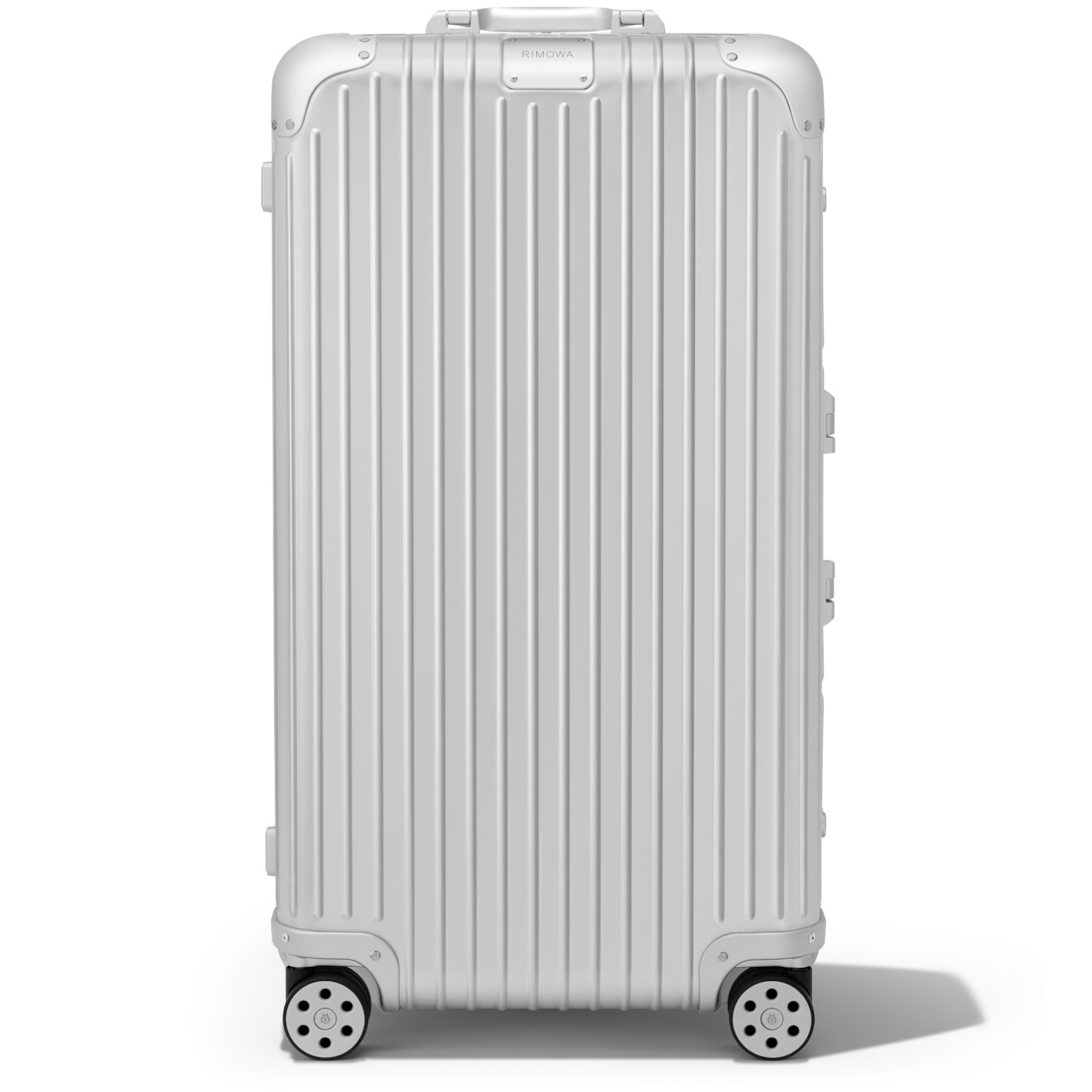
Original: dents are part of the deal
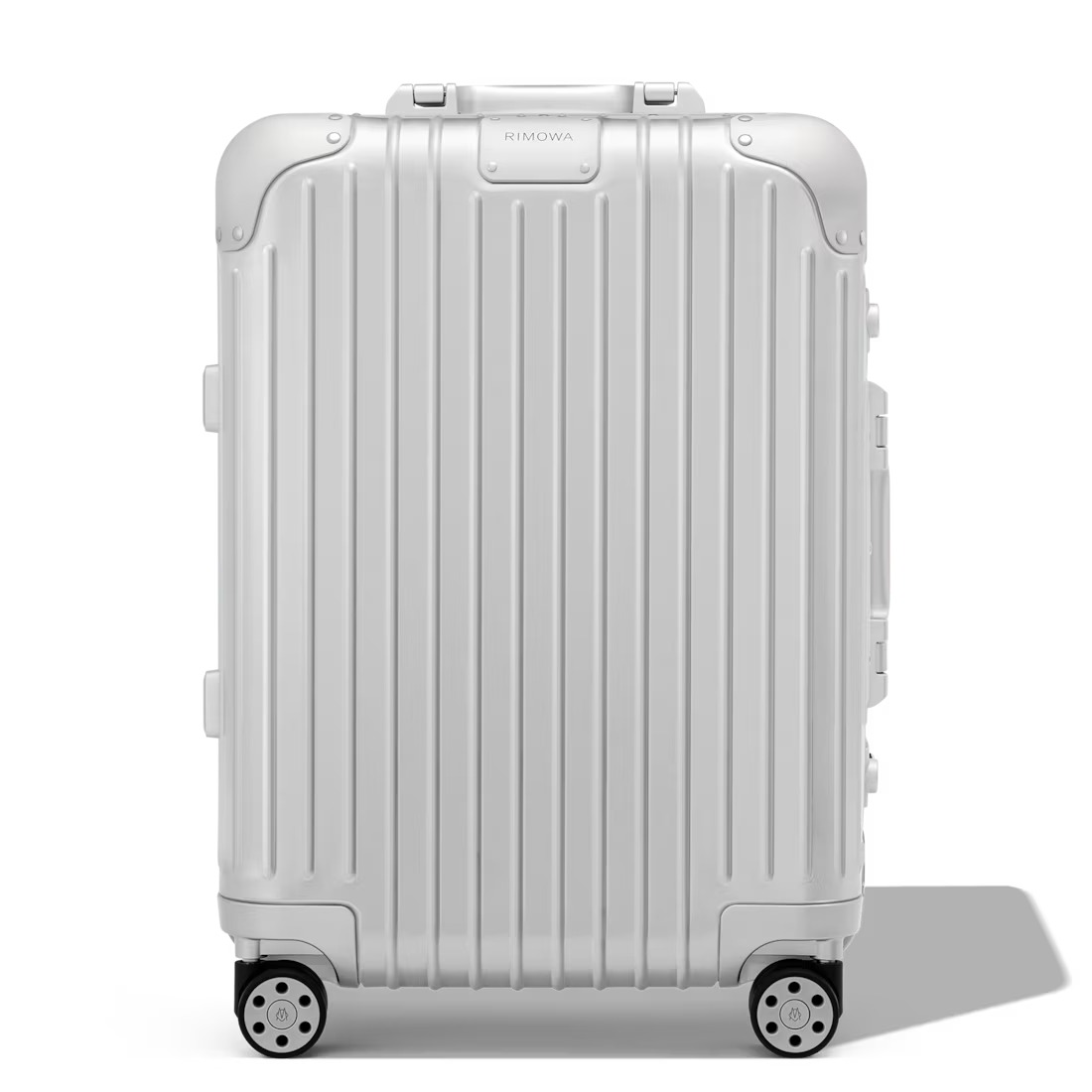
Original is the emotional purchase, and I would make it only if I actually liked aluminum rather than expected it to stay perfect. Original Cabin is the carry-on, but at 9.5 pounds before packing it asks you to check airline weight rules before falling for the look. The ball-bearing Multiwheel system and height-adjustable Flex Divider are the useful details here, not the metal ridges alone.
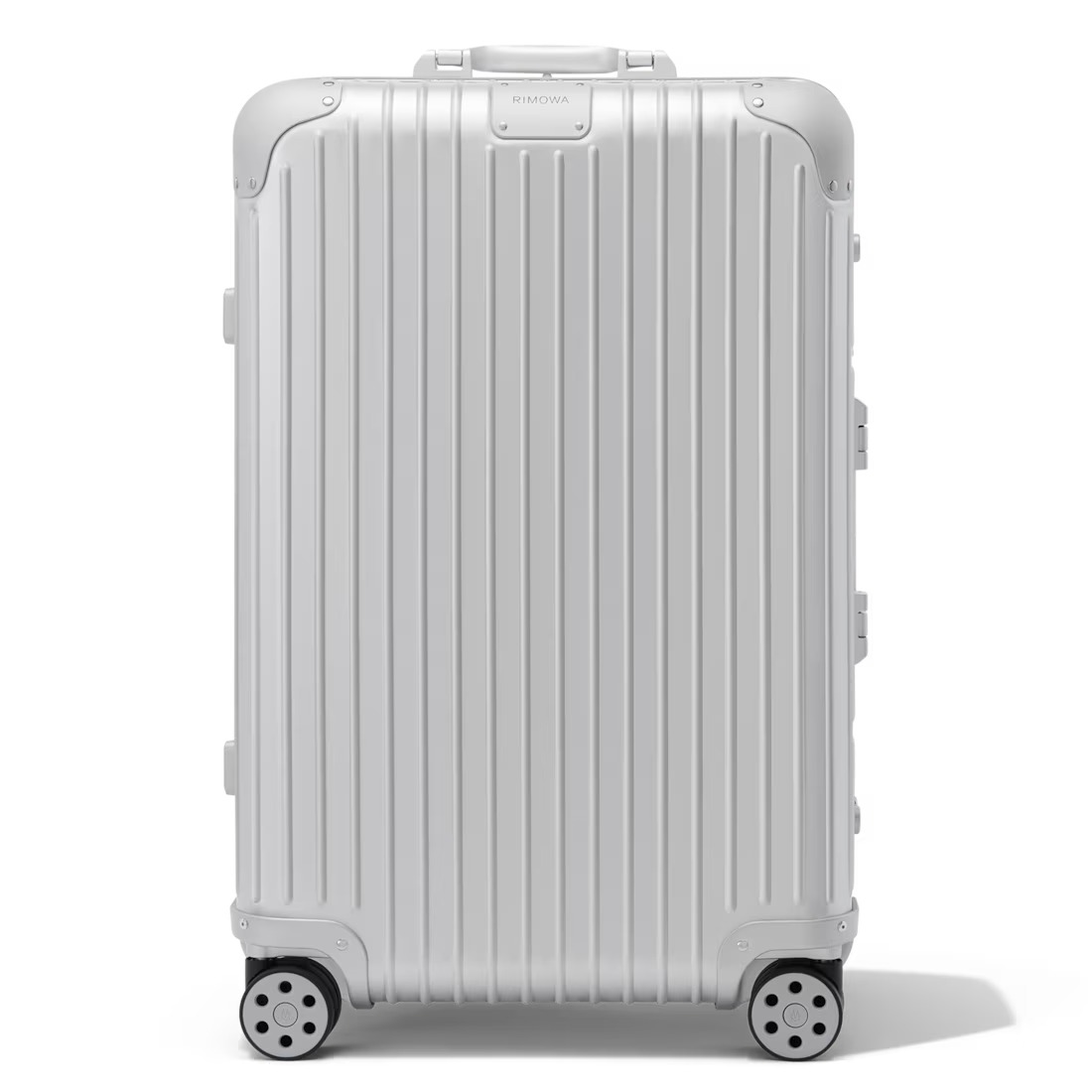
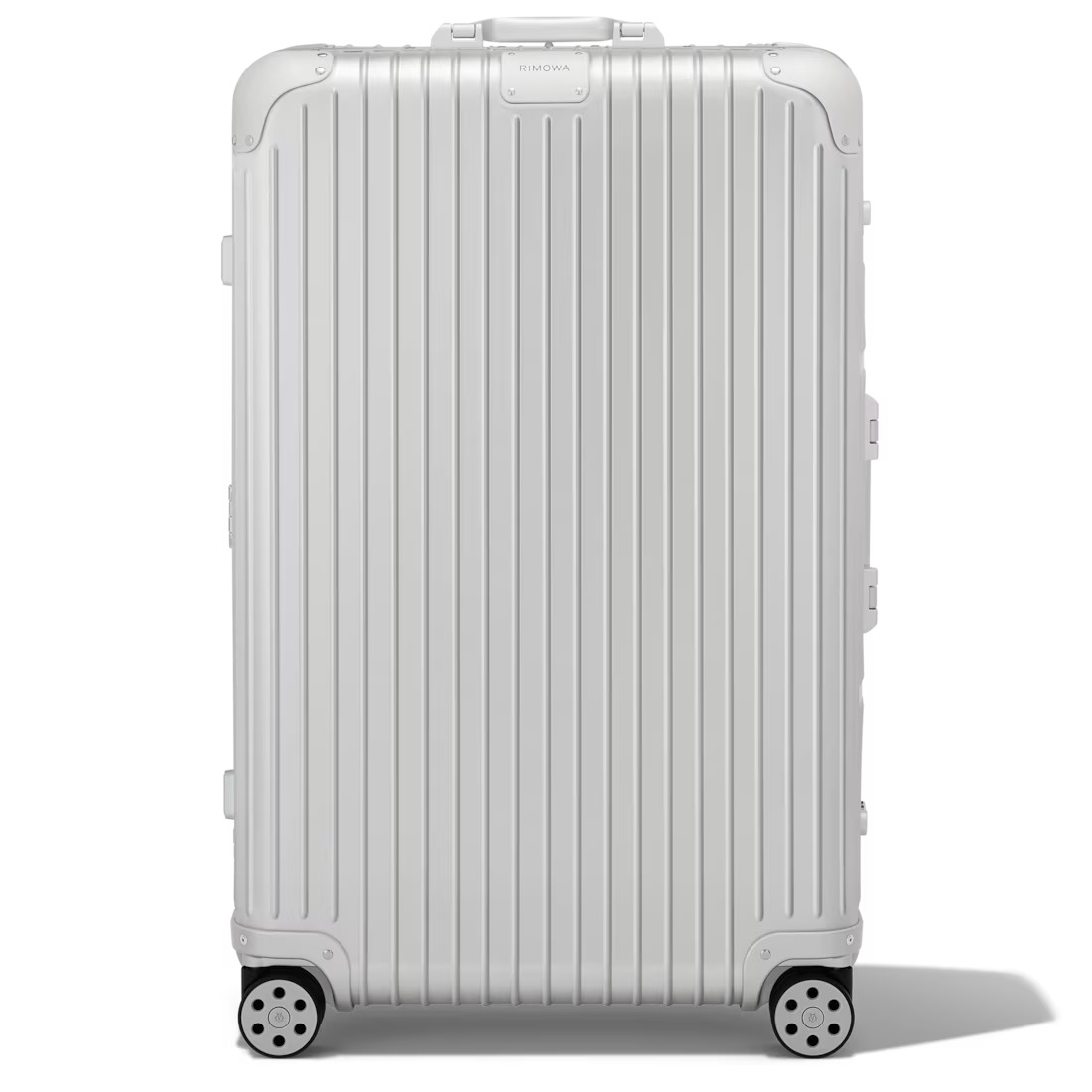
Original Check-In M is the medium checked format, Check-In L gives you more room, and Original Trunk Plus is the tall case for a packing style that favors stacking. I would choose the Cabin if I mostly travel with a carry-on and Check-In M if I really need checked capacity. WIRED's two-year review found the tested Rimowa's wheels still balanced and its seals tight, even as dents accumulated. That's the trade I would buy: hardware that stays useful and a finish that records every baggage belt. I would not spend this much to baby it.
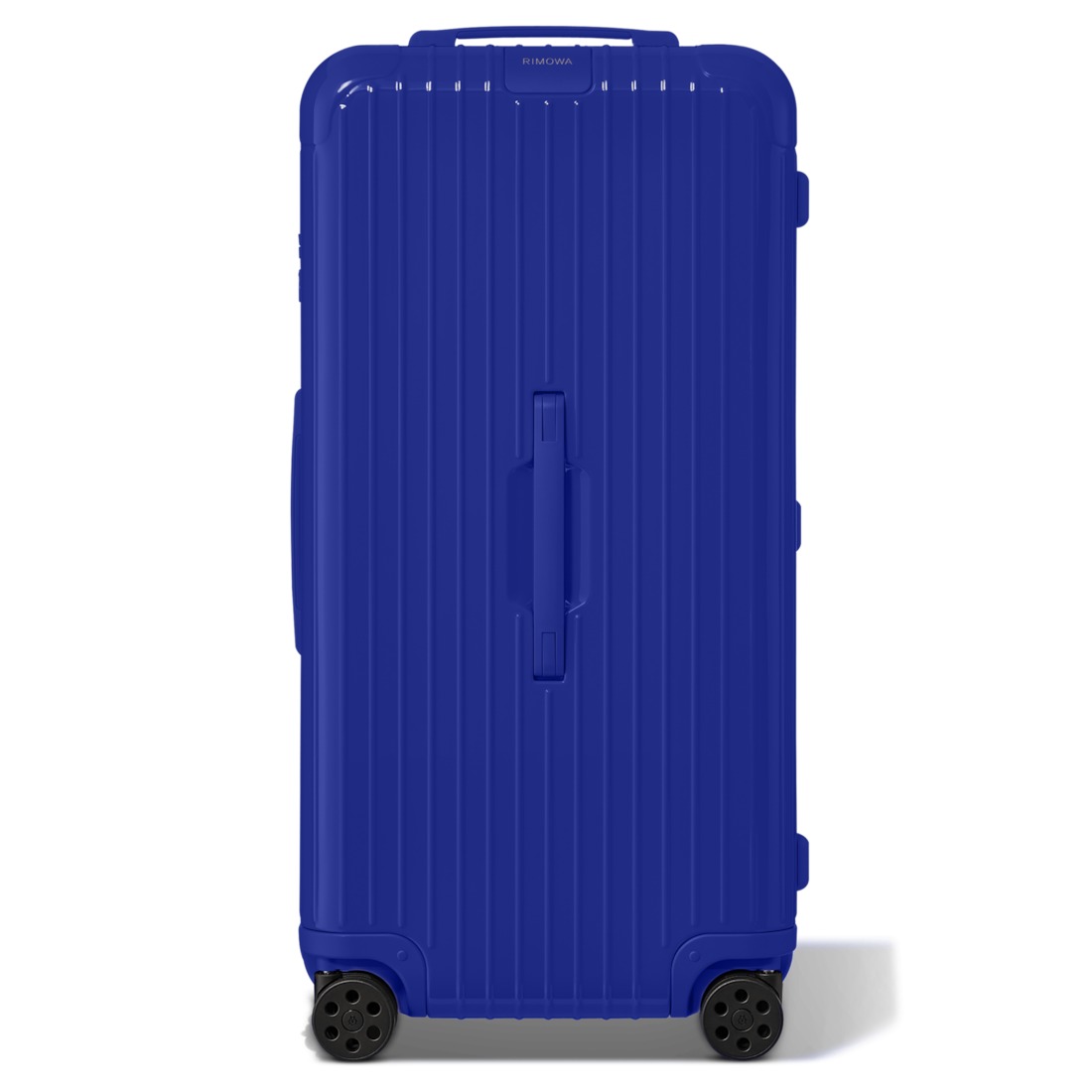
Essential makes more sense for most people
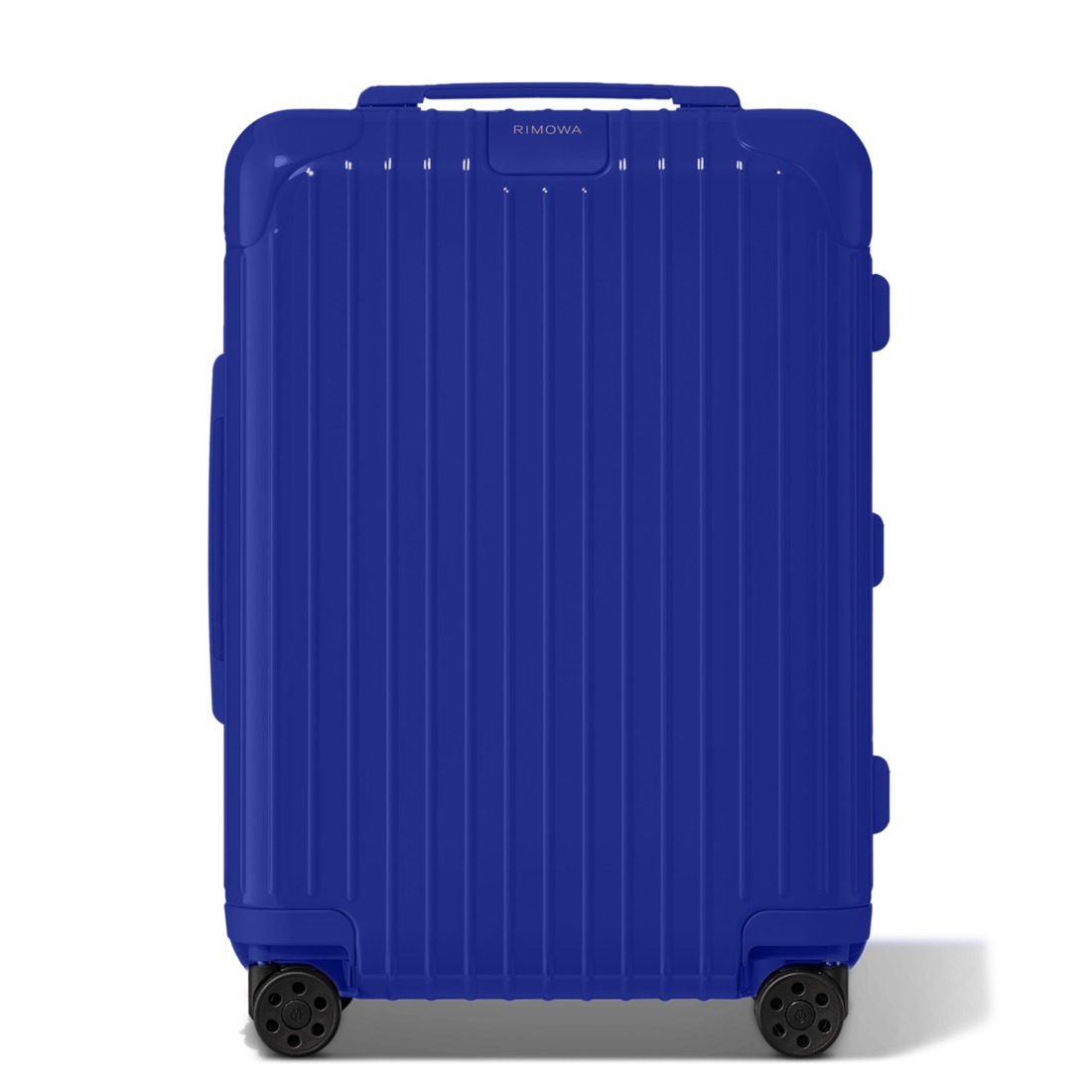
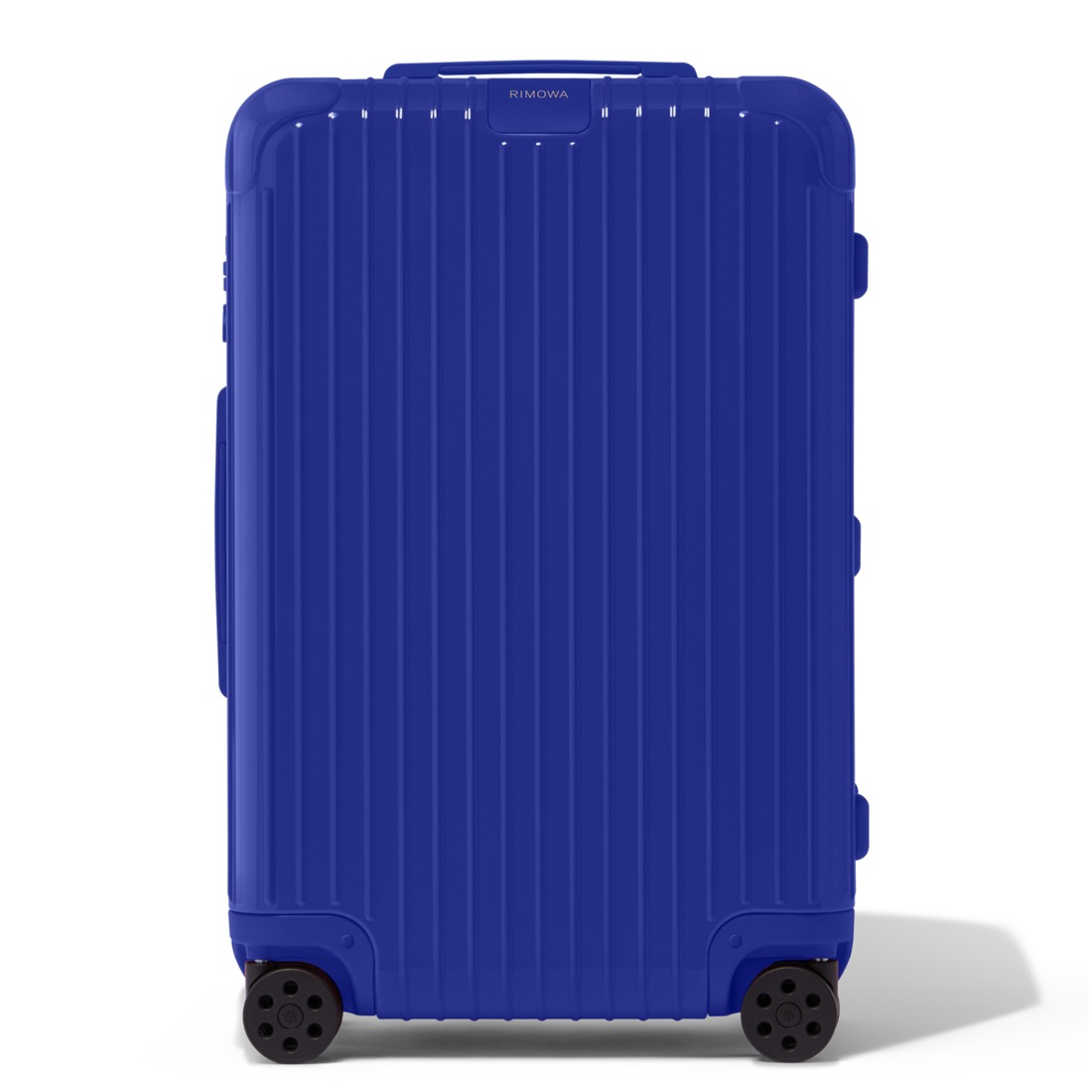
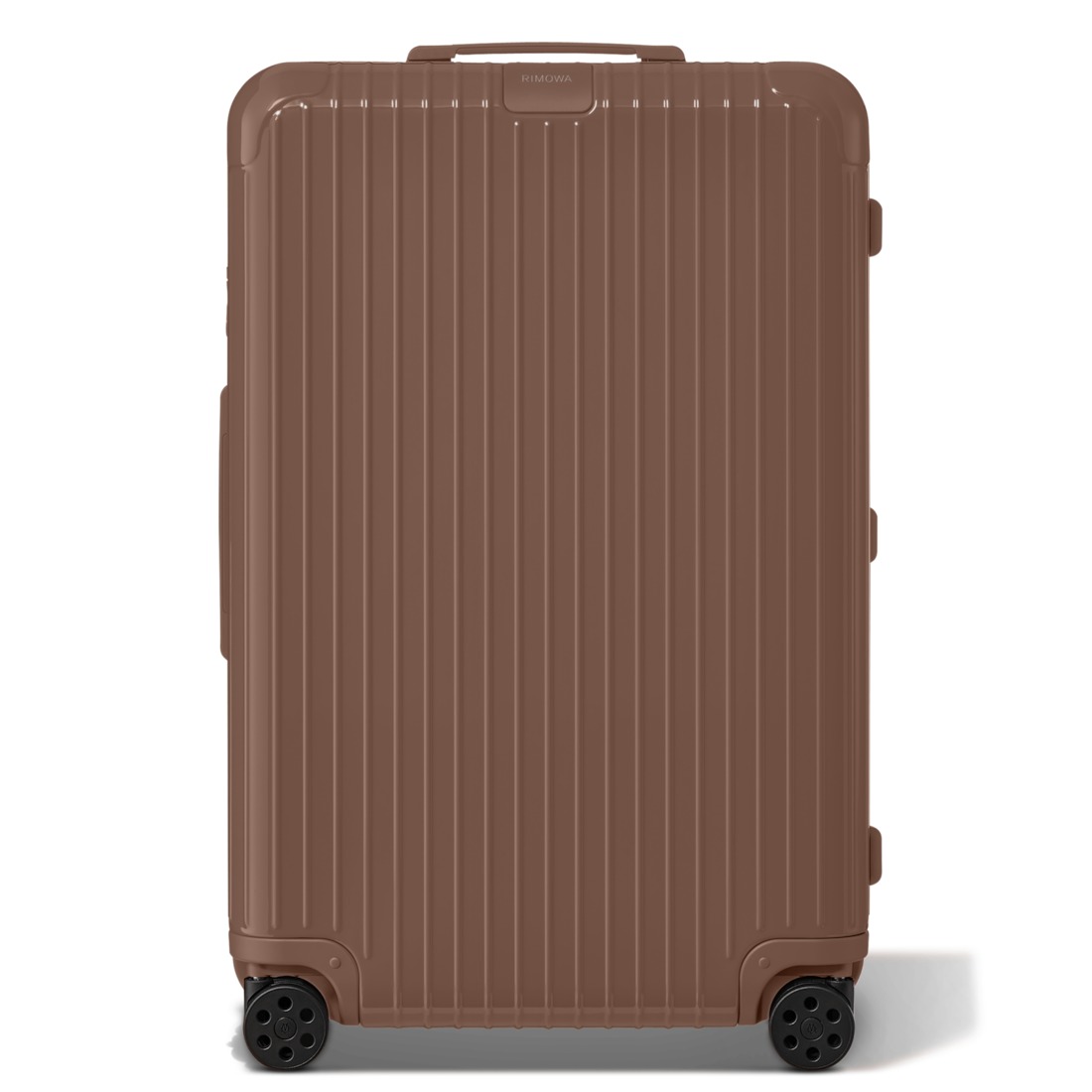
Essential is the rational version I would recommend to anyone who wants Rimowa's wheel system and trip-ready shape without paying more for aluminum. Its Cabin is 7.1 pounds and 36 liters, easier to lift than the 9.5-pound Original Cabin, and the polycarbonate shell comes in at a lower price. It can still get scuffed, and this is not a bargain case; the Essential Cabin is currently $990.
Essential Cabin suits a few days away, Essential Check-In M is the medium checked case, Essential Check-In L adds capacity, and Essential Trunk Plus is the largest shape in the line. The dual-organization interior and compression divider are useful, though I would still use packing cubes instead of expecting a suitcase to organize my life. In Refinery29's test, the Essential Cabin made it through a souvenir-heavy trip with no dents and minimal scuffing; another editor's Check-In L had scratches after two years. That sounds like a believable luxury case to me: light to move, not immune to use.
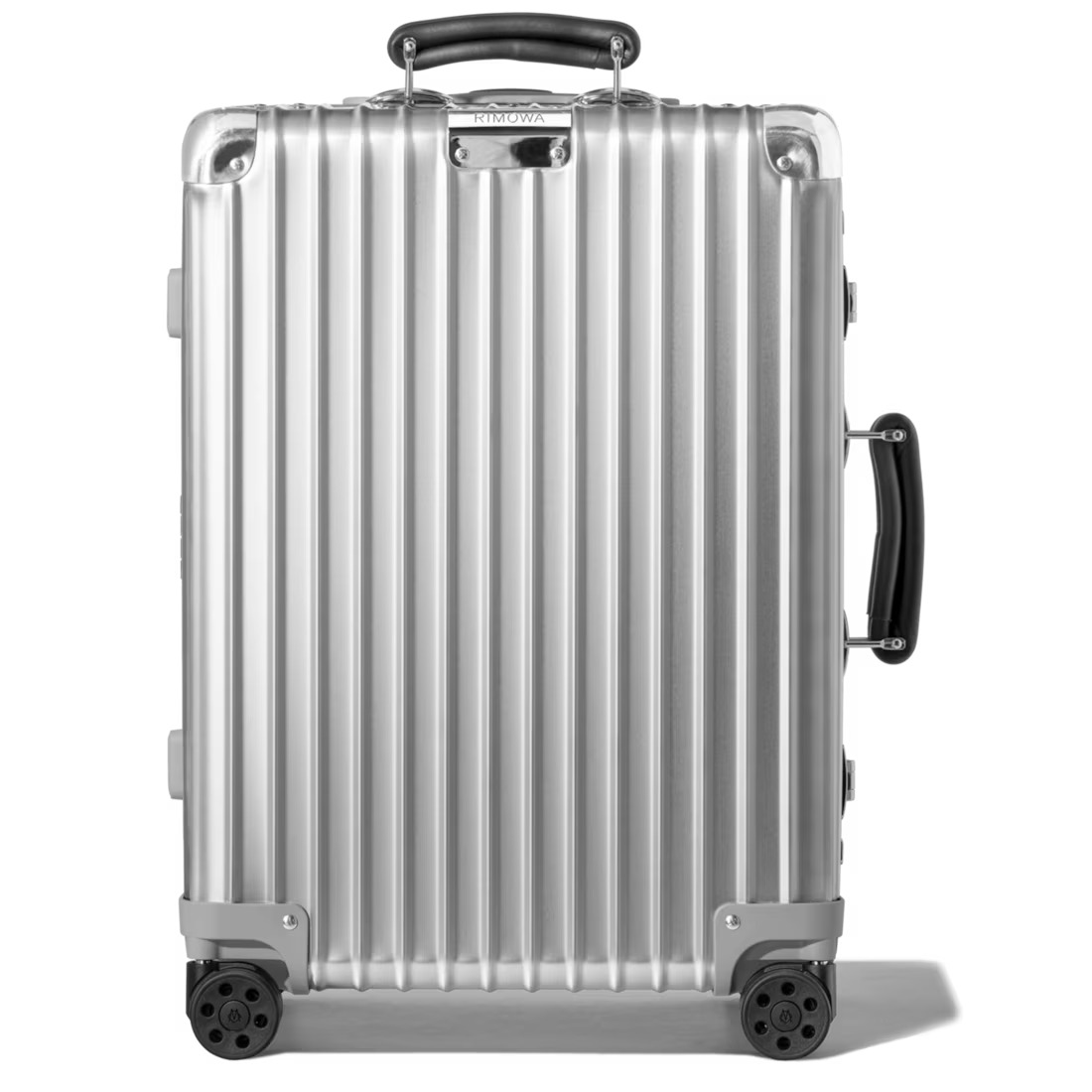
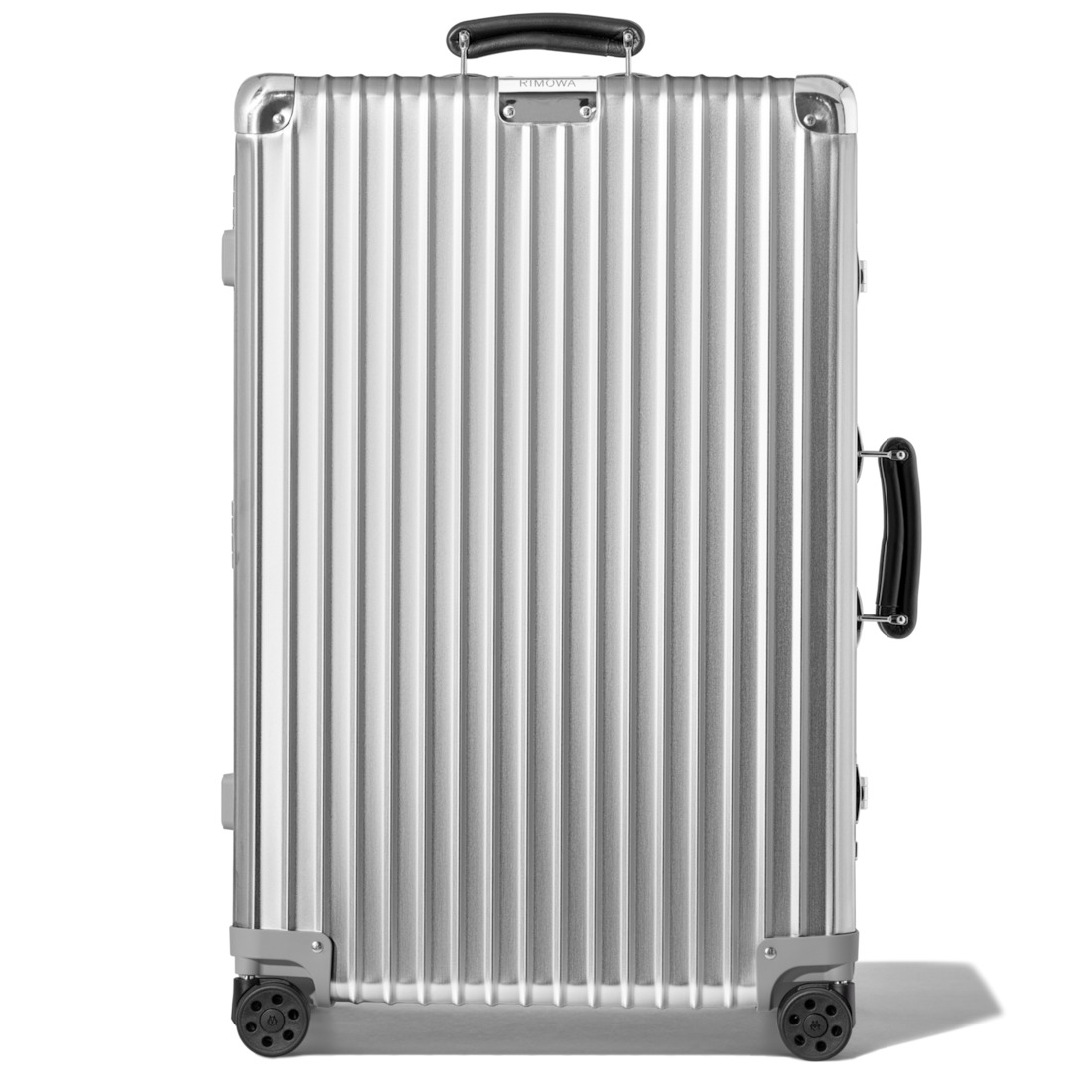
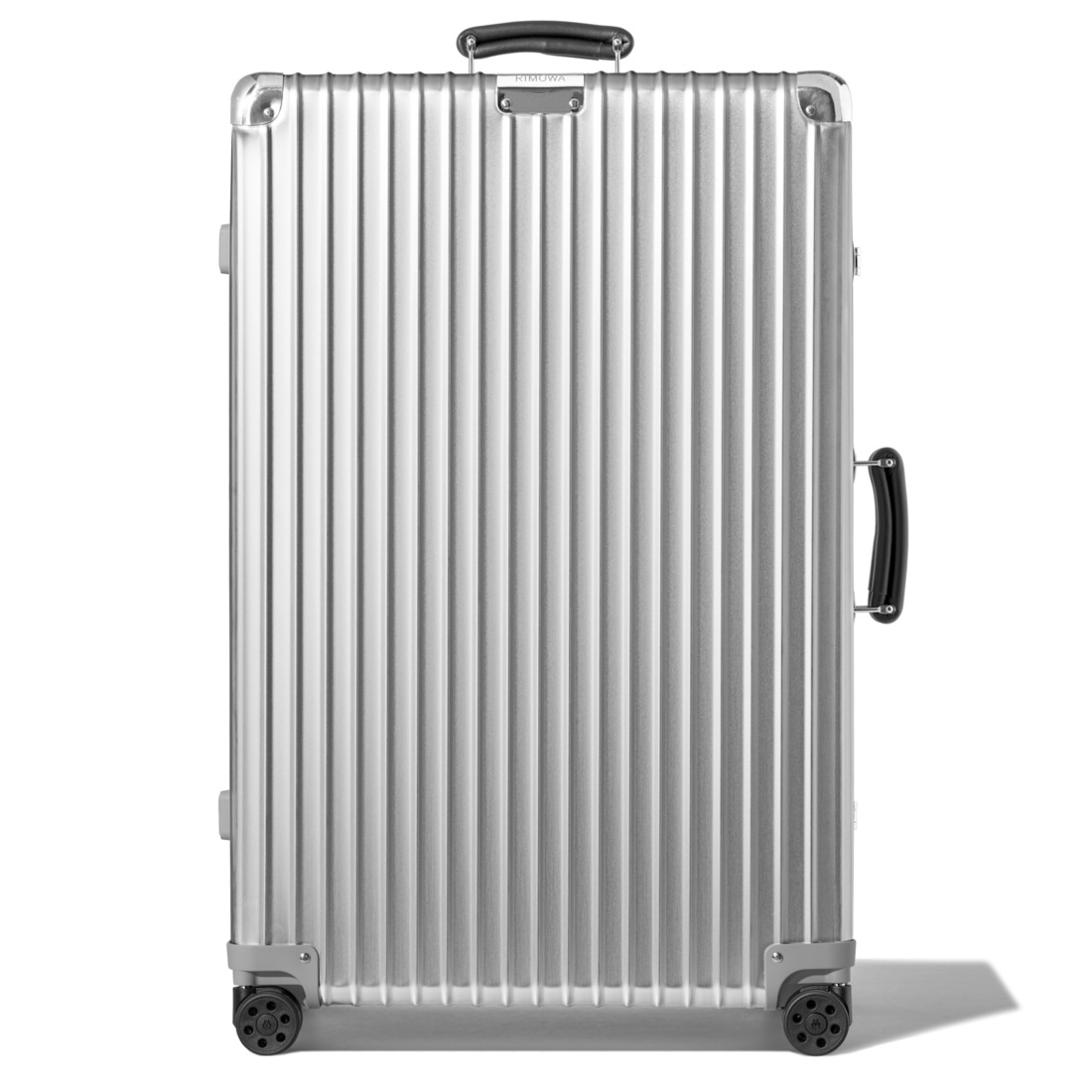
Classic is the polished old-school option
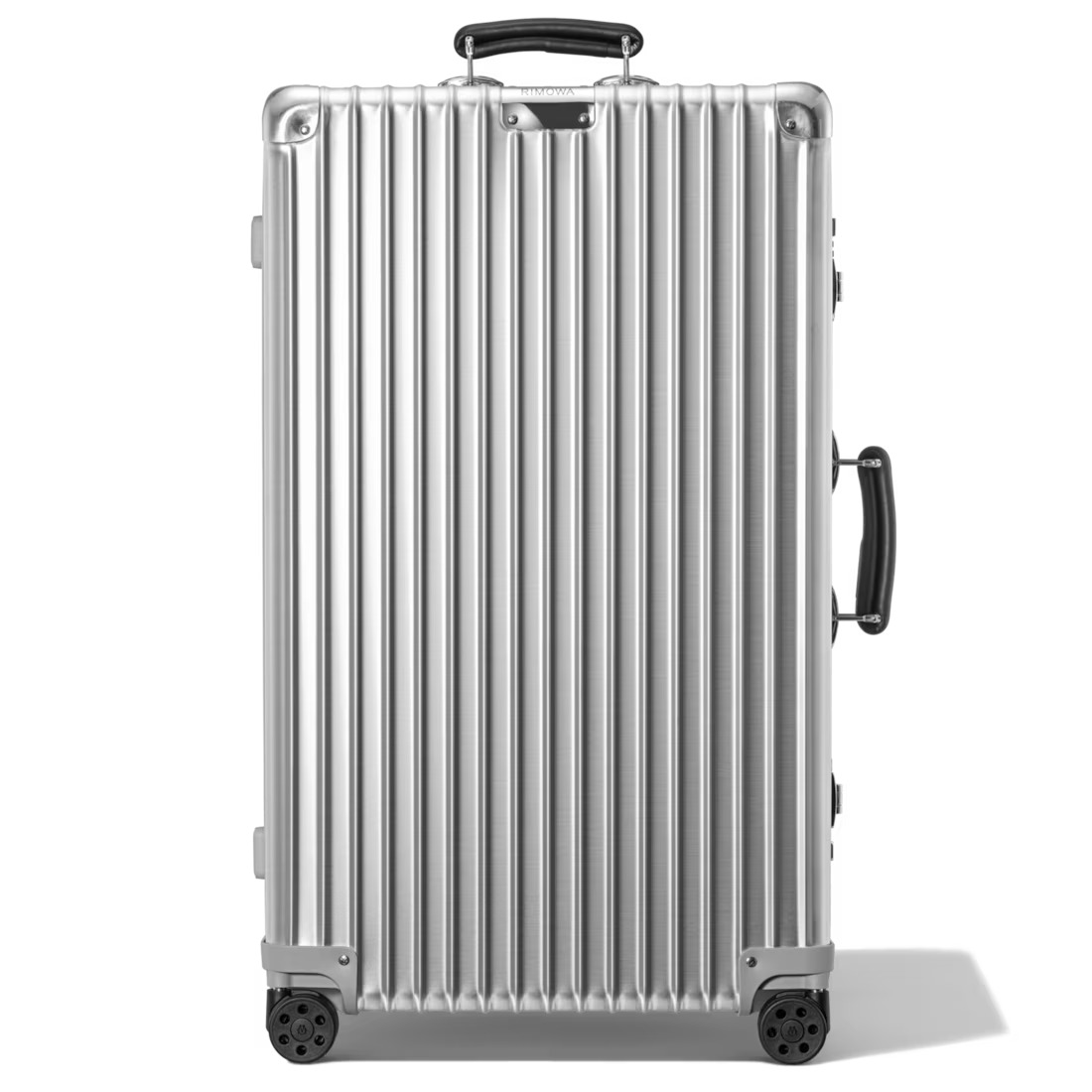
Classic sits at the more polished end of the metal line: the collection has anodized aluminum, and its Check-In M has leather handles. Classic Cabin is the carry-on I would pick if leather matters; Classic Check-In M suits a week away, Check-In L gives you more checked capacity, and Classic Trunk is the larger format for longer trips. The Classic range costs more than Essential, so the extra spend should be for the metal-and-leather feel, not a secret jump in practicality.
What I would skip is oversized aluminum checked luggage if I rarely check bags or hate visible dents; weight and marks come with the material. I would choose Essential if lifting and price matter more, or Original and Classic if I genuinely love the metal shell and expect to use the lifetime guarantee. That guarantee covers function on new suitcases but not ordinary cosmetic wear, so it is protection for usability, not a reset button. My verdict is yes for frequent travelers who enjoy seeing a case acquire a history, and no for anyone who wants an ultralight, pristine, pocket-heavy suitcase.