Saint Laurent shoes vary by style: pointed pumps can feel snug, while sandals may fit closer to true size. Check the EU to US chart by model.
Saint Laurent Shoes Sizing: Do YSL Shoes Run Small?
Start With the Shape
Saint Laurent shoes can feel small in pointed pumps, but there is no reliable rule to size up across every model. For Saint Laurent shoes sizing, I would start with the shape: a narrow toe can pinch without the whole shoe being short. Do Saint Laurent shoes run small? The strongest fit reports I found are style-specific: a Farfetch interviewee said her Jamie pumps felt snug at the toe and suggested half a size up; another wore her usual size in Loulou sandals, while a Tribute flat-sandal owner said width changed the answer. Those experiences do not automatically transfer to Goya 95, Fanny 55, Renée 75 or Secret 30.
The US conversion chart maps women’s YSL 34 to US 4 and YSL 42 to US 12; product selectors also show half sizes, though individual sizes can be waitlist or preorder. YSL shoes sizing starts with the EU to US pair, then the toe-room check. Yves Saint Laurent and Pierre Bergé founded the house in Paris in 1961, and the ateliers’ first creation was a little black dress.
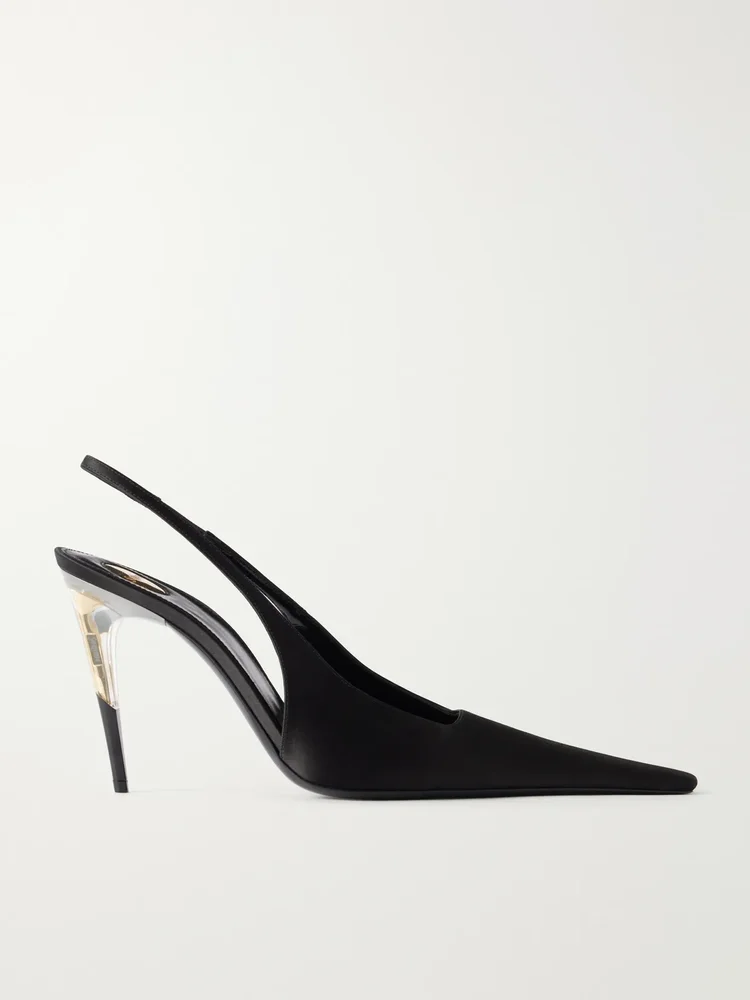
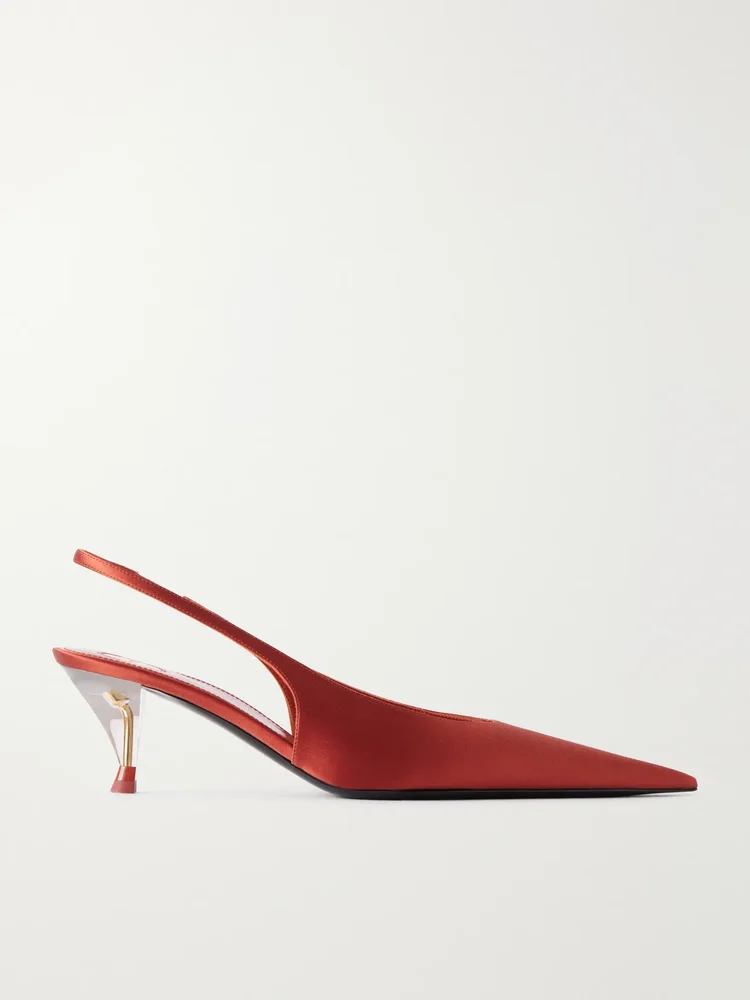
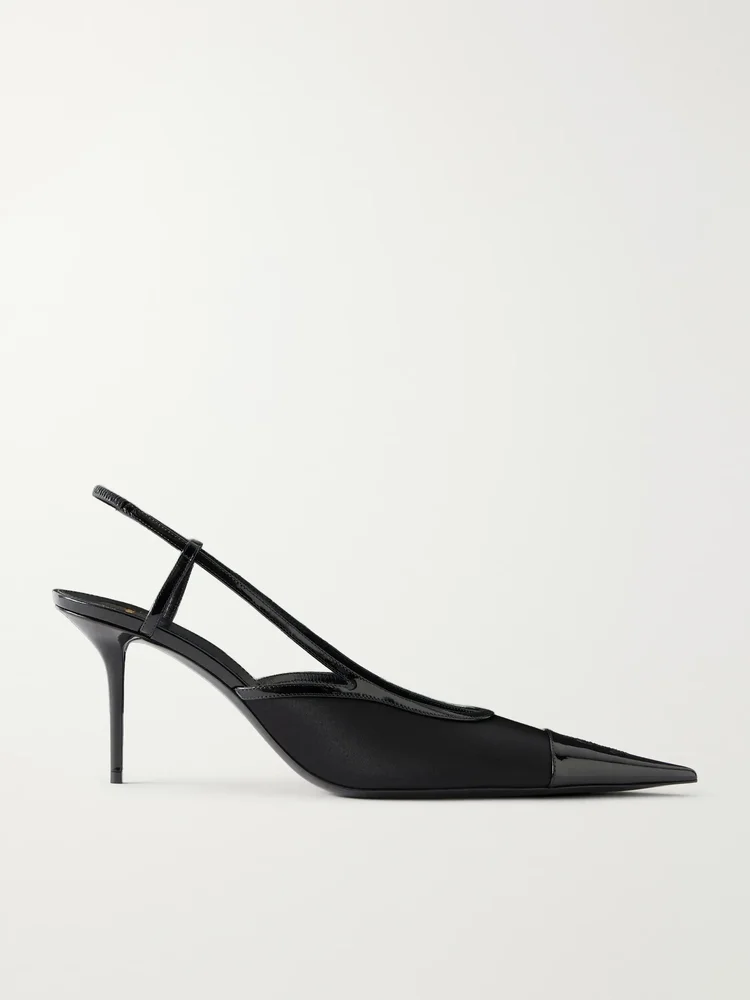
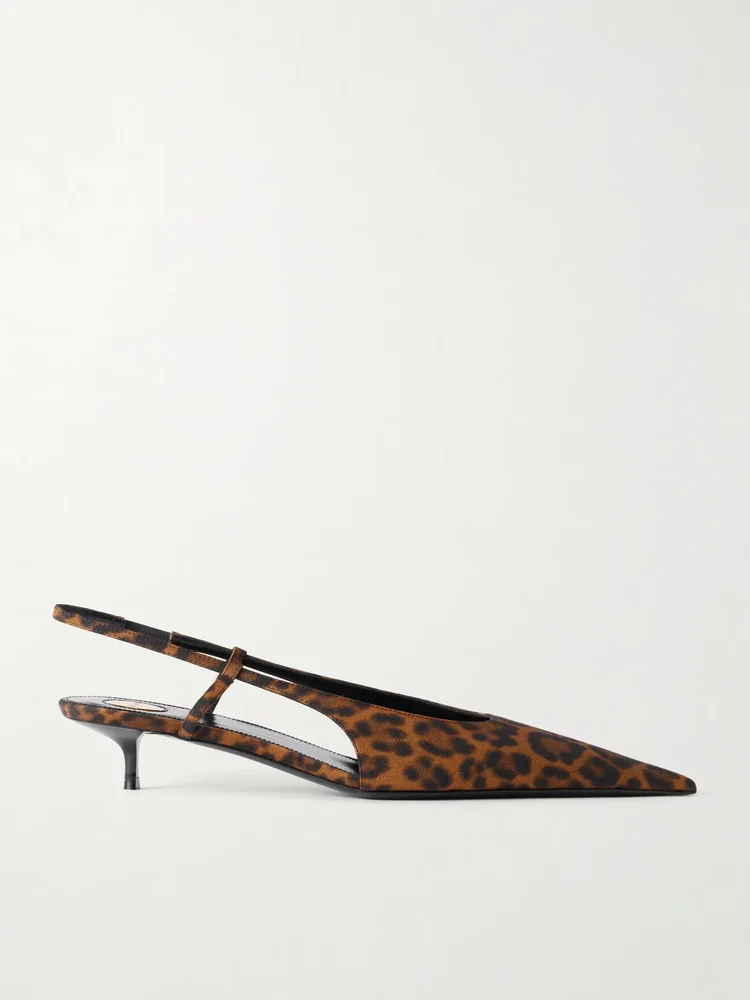
The Goya 95 is a crepe slingback with a sharp toe; Fanny 55 lowers the heel in crepe-satin; Renée 75 adds embroidery; Secret 30 puts leopard print on faille. I would check front-of-foot room in the exact pair rather than size up every slingback.
Boots Need Their Own Check
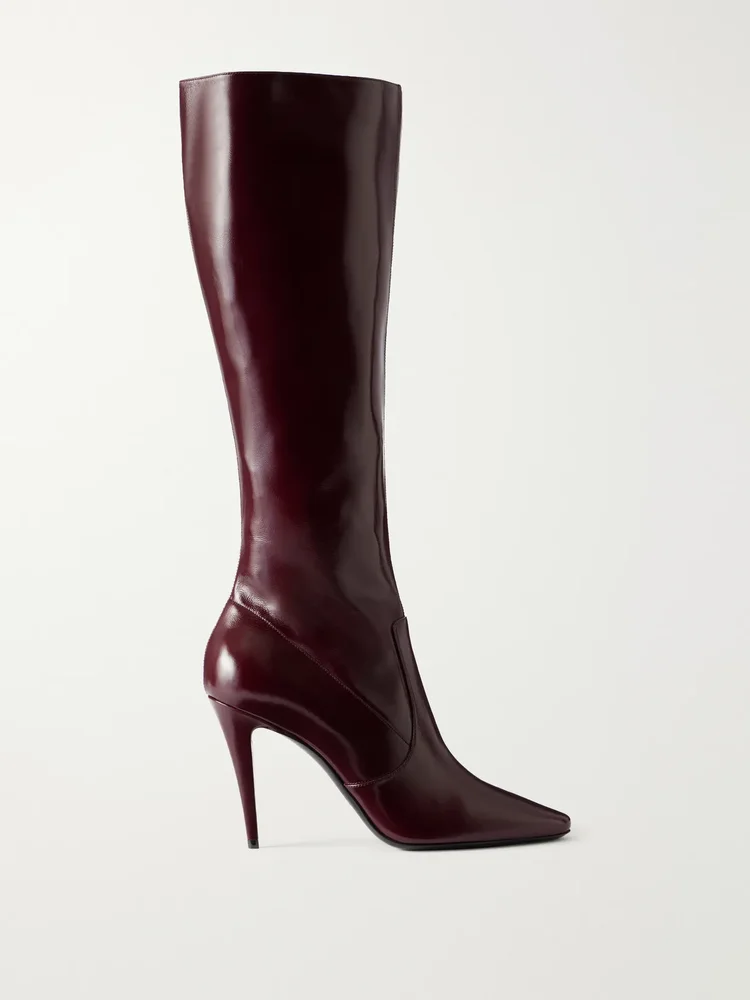
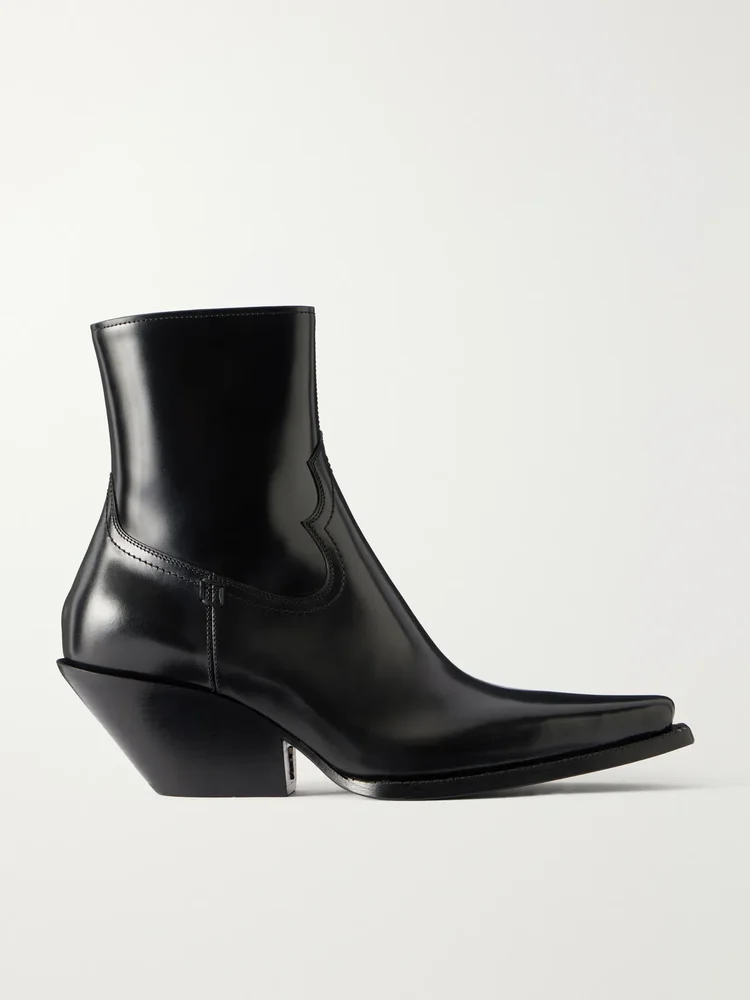
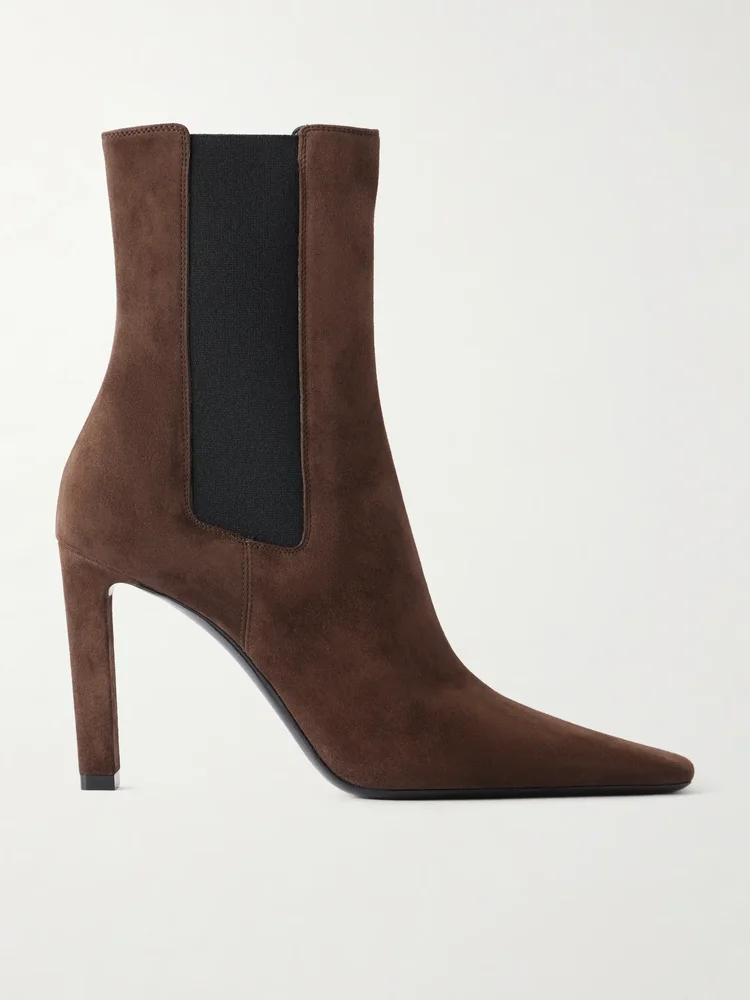
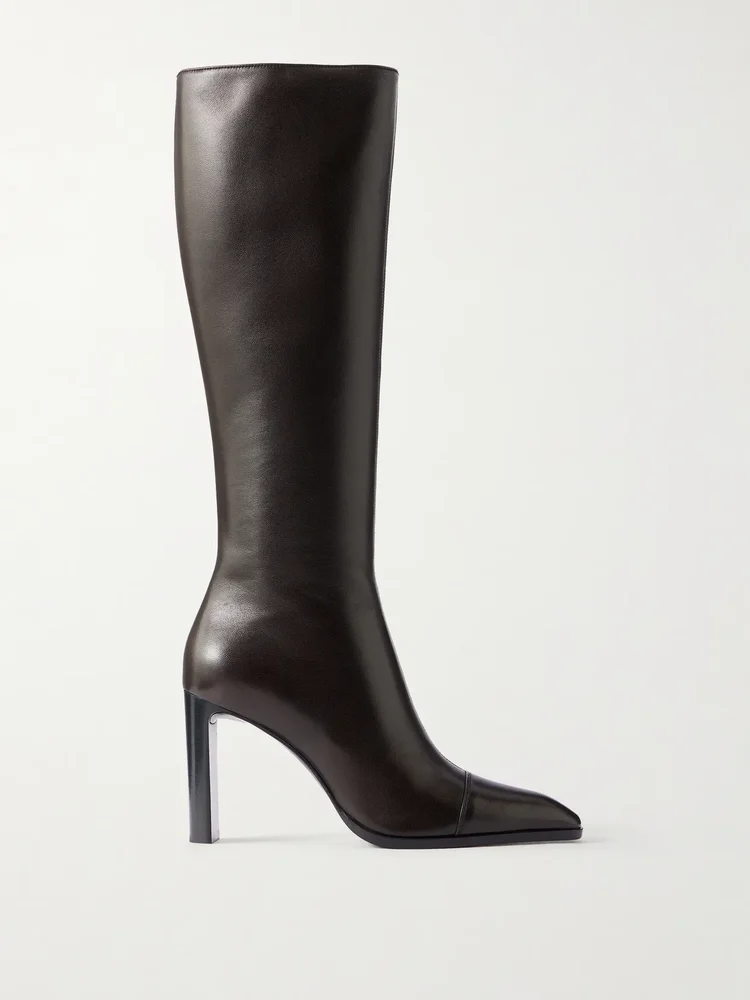
Boots are where I would check the whole shoe, not only toe length. Capucine 95 is the leather knee boot; Dylan 45 is the patent-leather ankle boot; Françoise 95 is a suede ankle boot; Venetia is a leather knee boot. Those silhouettes ask different questions, and I would not treat them as one fit. For Capucine and Venetia, check calf space and shaft height along with your EU length. With Dylan, try your usual sock and pay attention to toe room; with Françoise, test heel hold and the ankle opening while walking indoors.
The house launched Saint Laurent Rive Gauche in 1966 as a ready-to-wear line with the same creative energy as couture. I like that sense of a designed silhouette, but it is exactly why a neat ankle boot can sit differently from a tall one. My start is the size on the chart, plus a deliberate try-on with the socks and pants I expect to wear; I would only move up if the front or instep actually asks for room.
Closed Loafers, Open Sandals
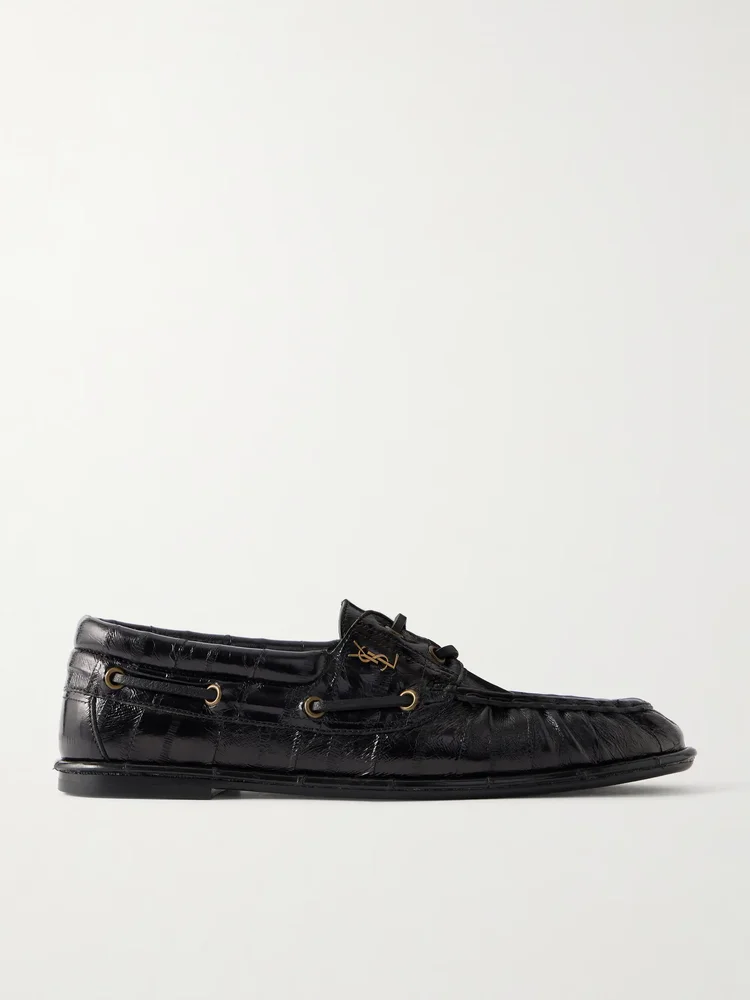
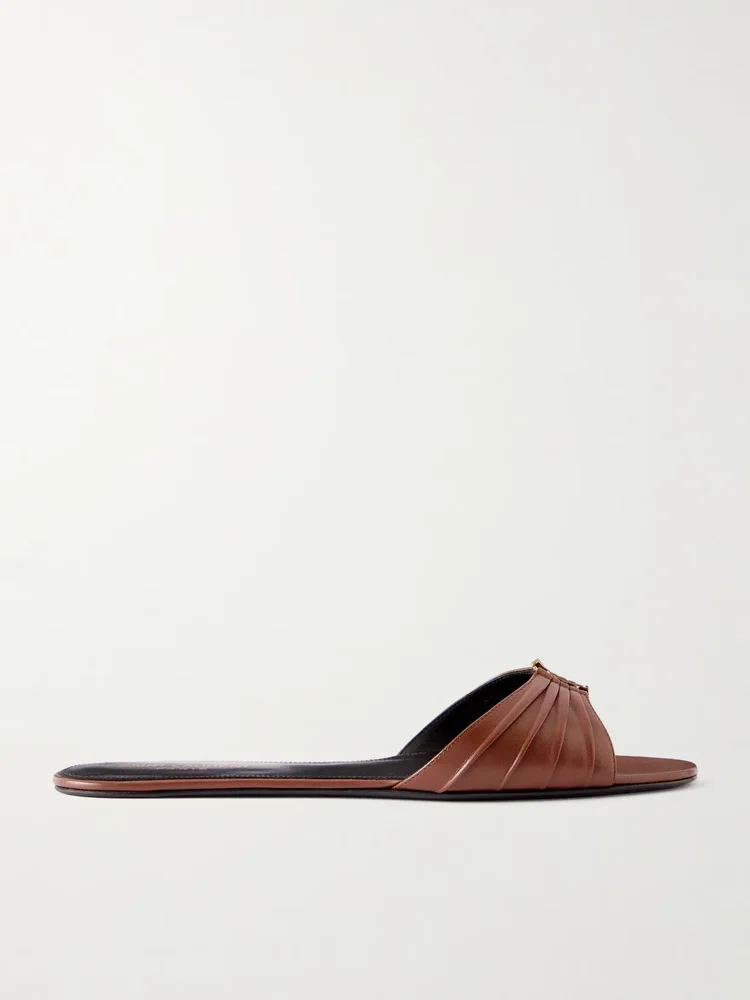
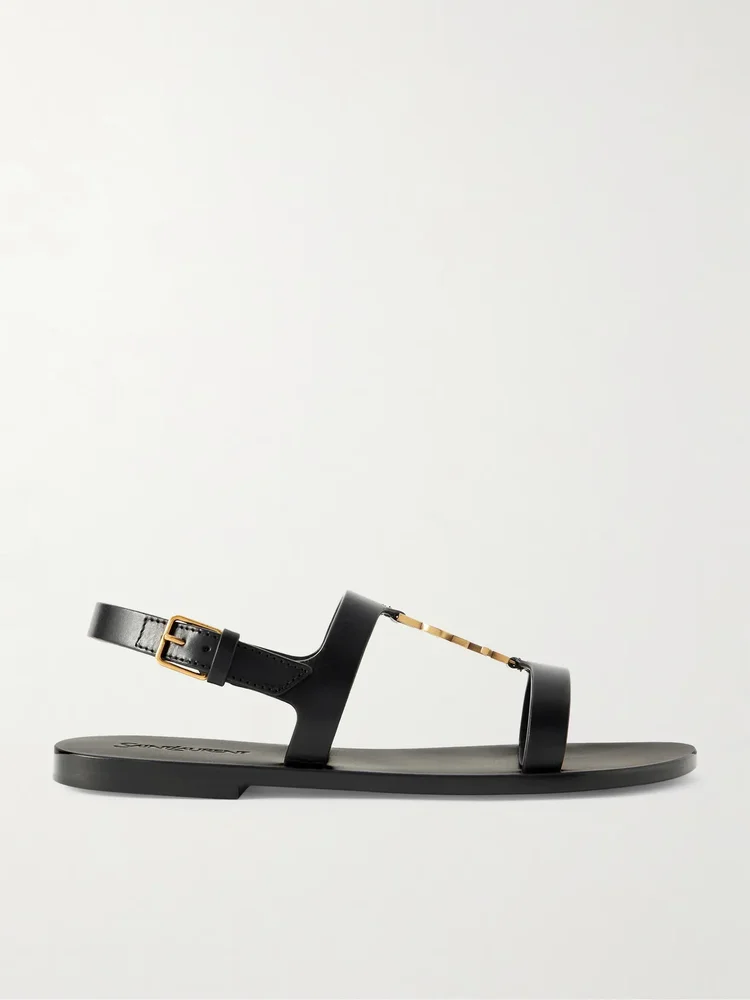
The low styles need separate tests, too. Le Loafer Bateau has Cassandre-embellished textured leather; Alain is a Cassandre-embellished leather loafer; Babylone is a gathered glossed-leather slide; Cassandra is an embellished leather sandal. The Bateau and Alain are closed across more of the foot, so I would check that the heel stays on without crowding the toes. On the Babylone slide, the upper should hold the foot without pushing toes to the edge; for Cassandra, check how the open straps sit across your instep.
A shopper on r/Shoes described their usual-size Saint Laurent sandal as fitting well, while a pump felt too small and narrow; going up would have made that pair too long. I take that as permission to treat open sandals differently from closed pumps, not as proof that every flat runs true to size. For these four, use the size conversion as your baseline and decide by heel hold, toe placement and strap contact.
A Practical Starting Size
My sizing rule, with all the caveats: pointed pumps, try half a size up if you are between sizes or have a wider forefoot; boots, begin with the converted EU size and test instep, calf and sock room; open slides and sandals, begin at your usual converted size and check that your foot sits securely. If you use half sizes, have a wide forefoot or high instep, or switch between brands, I would read the product-specific conversion twice rather than trusting one shoe’s fit.
Saint Laurent accepts online returns within 30 days of delivery and permits size or color exchanges on the same product, provided shoes are unworn and returned with tags and original packaging. For a first pair, I would start with the Babylone slide rather than a severe pointed toe, then check how securely the upper holds your foot.