Solid gold is non-hollow gold alloy, while gold-filled bonds a gold layer to base metal. The choice comes down to construction, price and care.
Solid Gold vs Gold Filled: What Is the Difference?
The construction is the answer
For solid gold vs gold filled, the distinction is construction: the FTC says solid gold means the item is not hollow, while gold-filled describes a layer of at least 10-karat gold mechanically applied to base metal. A karat mark tells you the gold content; 14K is 14 parts gold and 10 parts other metal. Standard gold plating is a separate surface finish, and its wear depends on the plating thickness and how the piece is worn. That makes the exact material line more useful than the color name alone.
The price gap is visible in these examples, not a universal rule: the solid-gold pieces here run from $336 to $758.40, while the gold-filled pieces run from $40 to $128. Gold filled vs solid gold is therefore not just an aesthetic distinction; the two terms describe different constructions. I would buy solid gold when I want gold alloy throughout the piece and can justify the bigger spend. I would choose gold-filled when a mechanically applied gold layer meets my budget, and treat plating as the most surface-dependent finish.
Where solid gold earns its keep
Mejuri's origin story makes solid gold feel less like a ceremony and more like an everyday decision: the company says it has made jewelry for every budget since 2015, and CEO Noura Sakkijha traces her background to three generations in jewelry while shifting the conversation toward buying for yourself. I like that frame because a 14K piece makes sense when it is chosen for the person who will wear it, not saved for a single occasion.
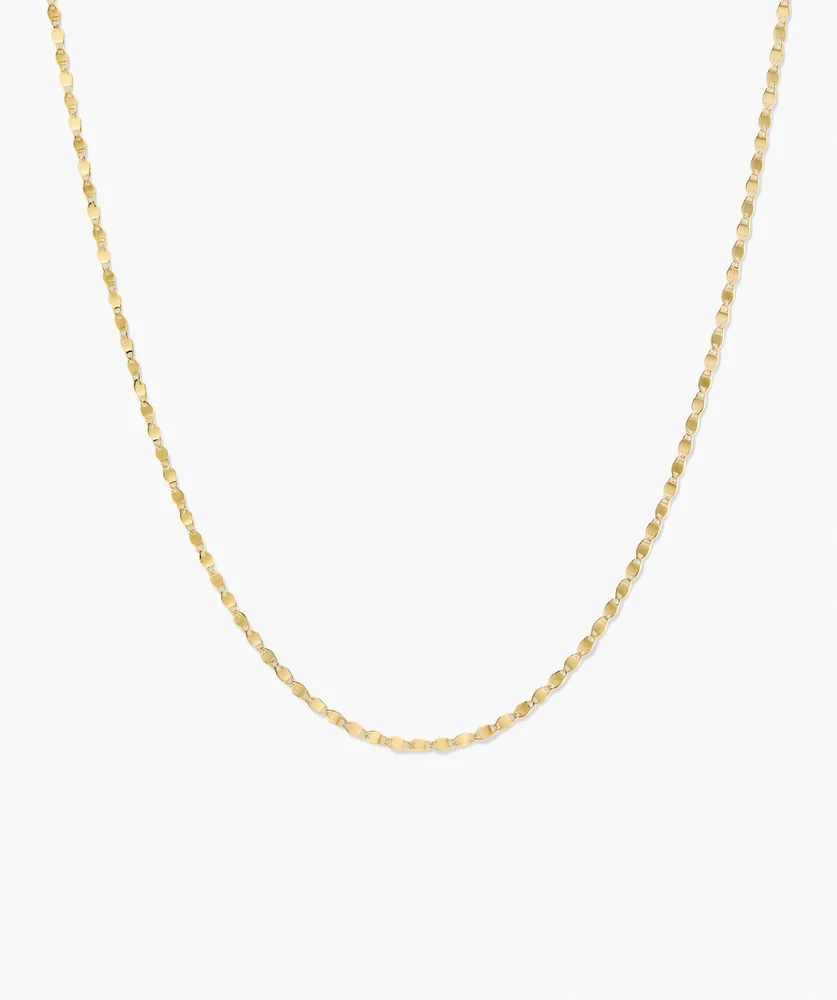
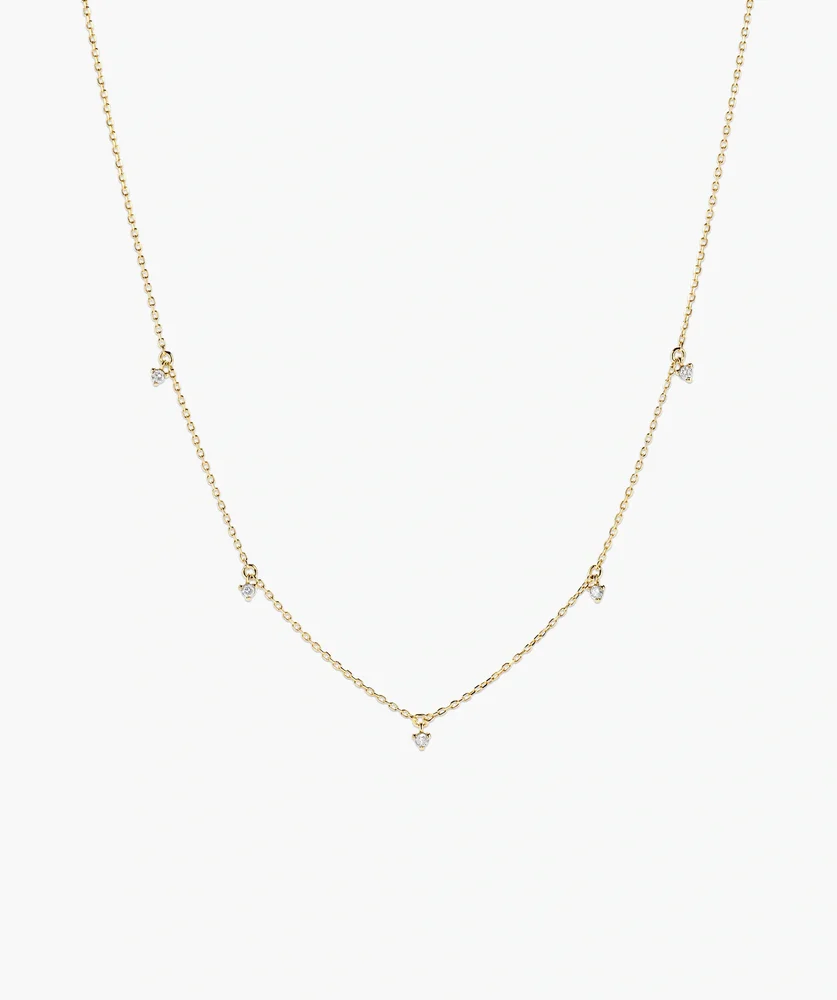
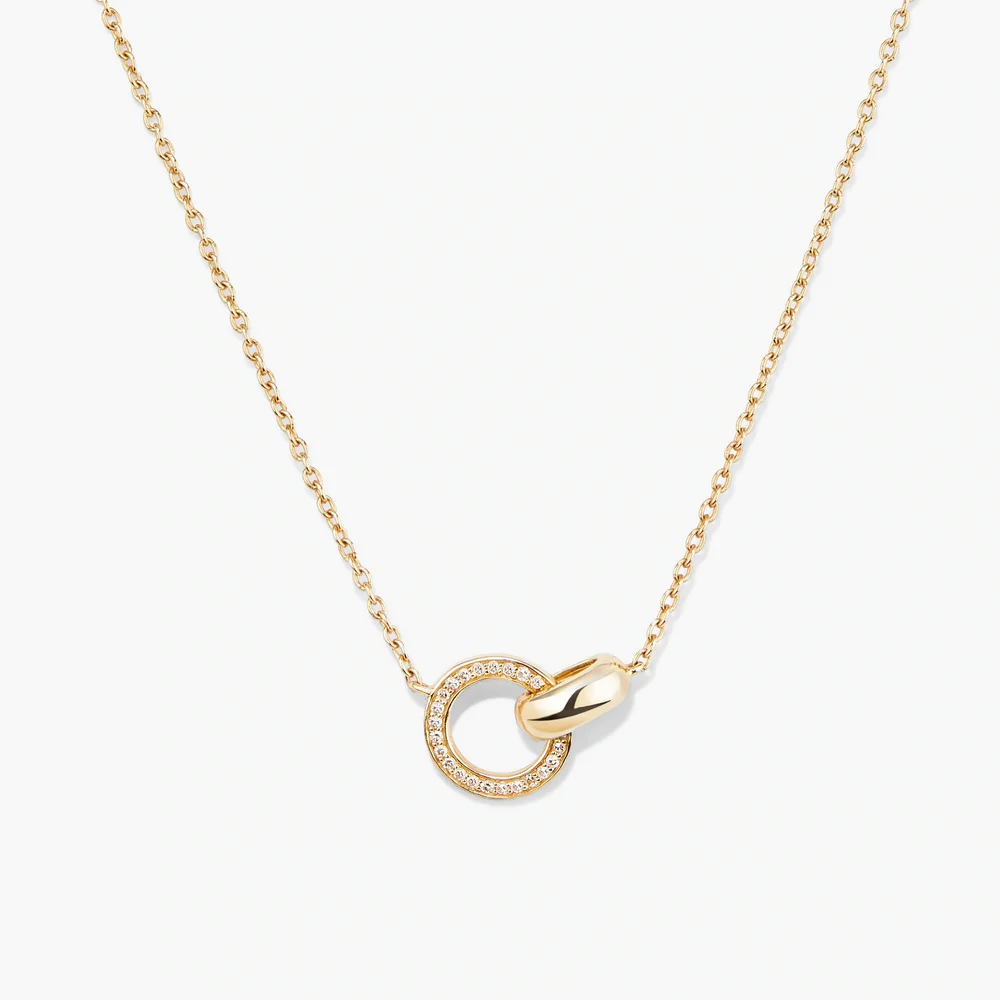
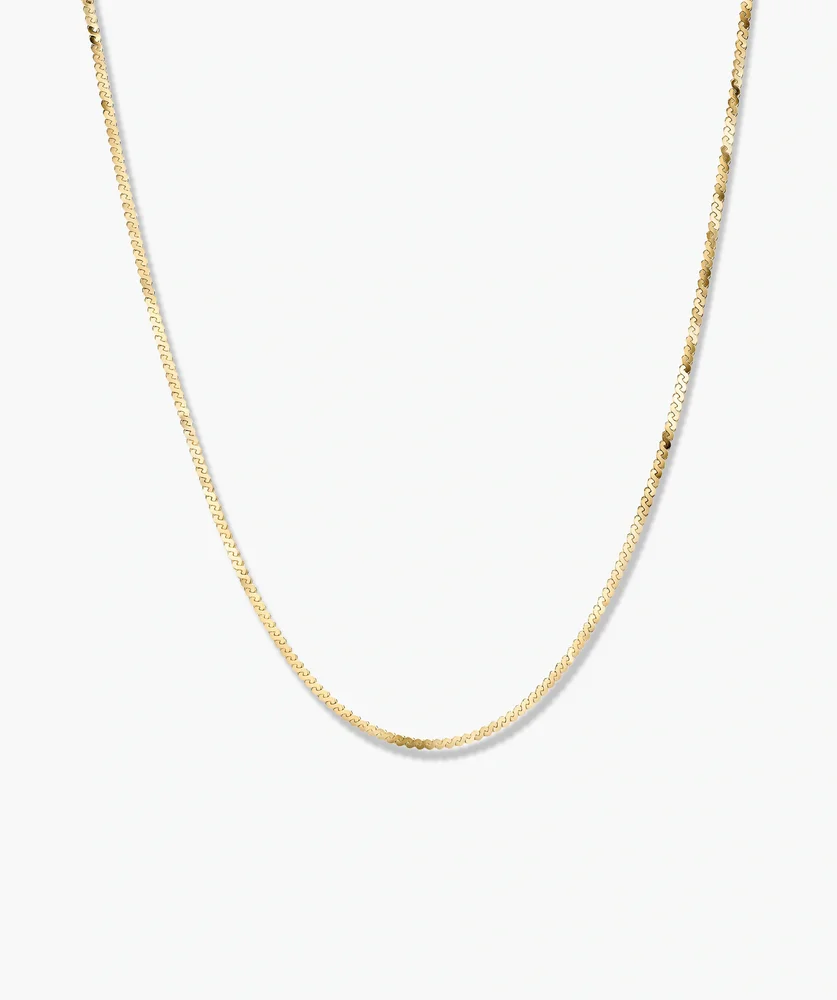
The Mini Anchor Chain Necklace is a 14K yellow-gold necklace with interconnected links, while the Multi Station Diamond Necklace is a short 14K choker with five diamonds. The Pavé Diamond Linked Necklace uses two interlinked rings, one pavé-set with diamonds, and the Serpentine Chain Necklace keeps to a 1.8mm gold line with 16-, 18- and 20-inch options. These prices span $336 to $758.40. I would start with Mini Anchor for a plain chain, choose Multi Station if I want the stones to do the talking, and take Serpentine for a textured necklace without a pendant. Pavé Linked is the more sentimental choice, though I would pick it only if the interlocking motif feels like me.
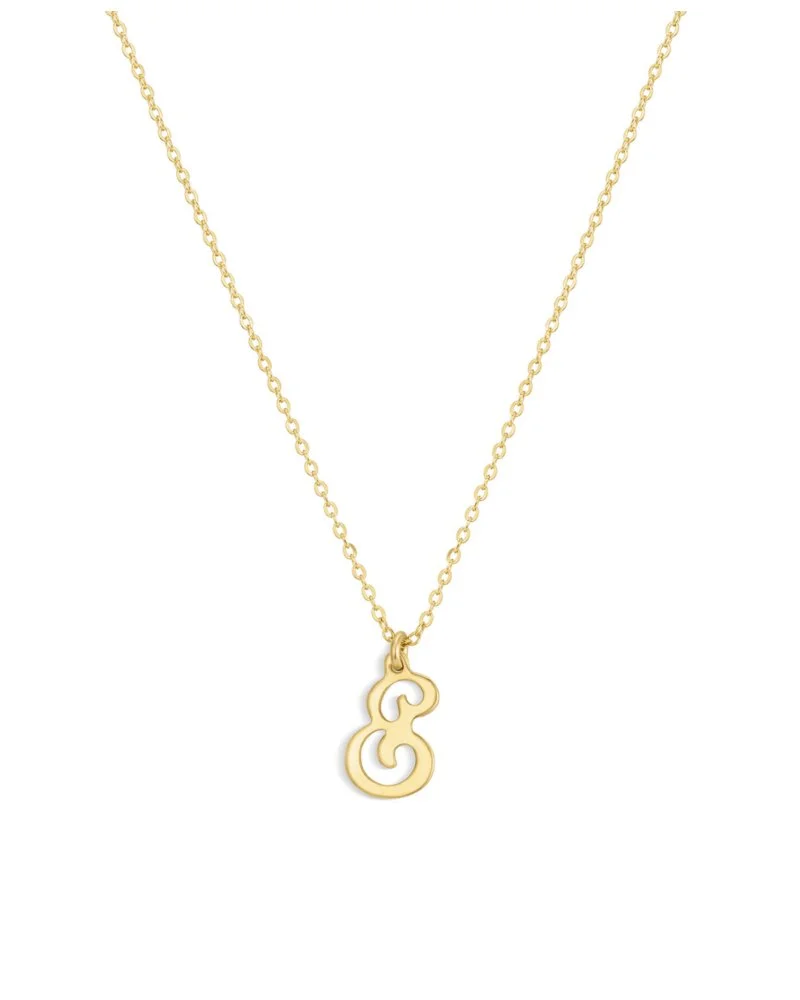
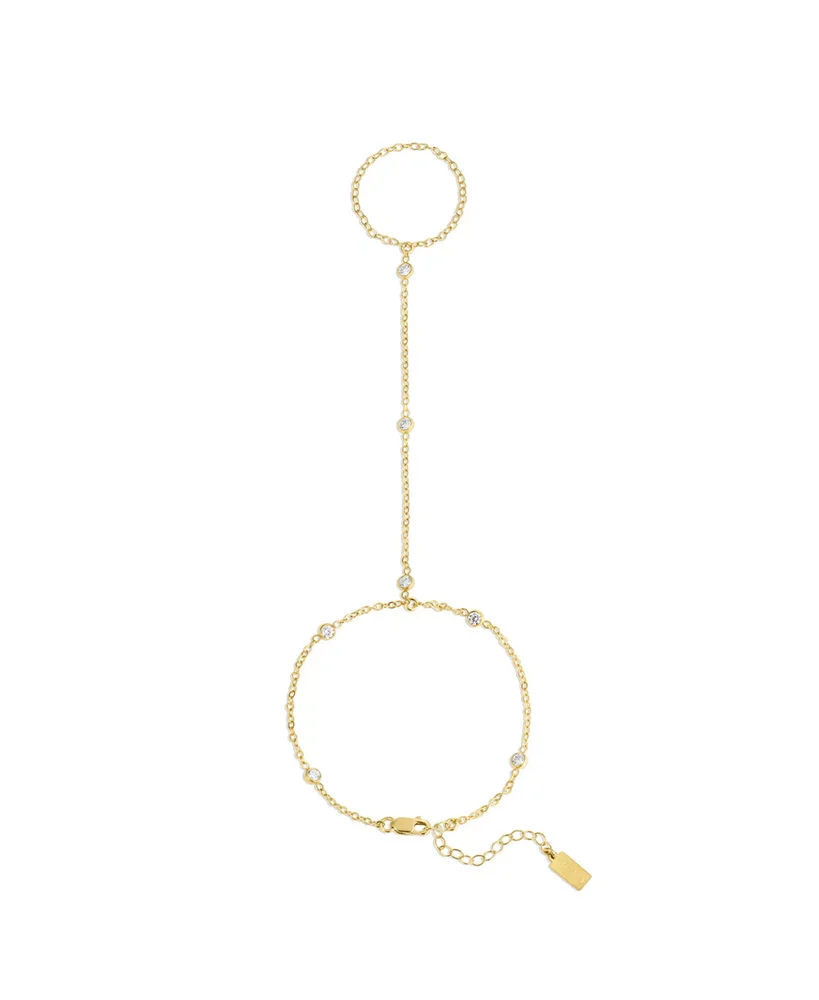
Gold-filled, not solid gold
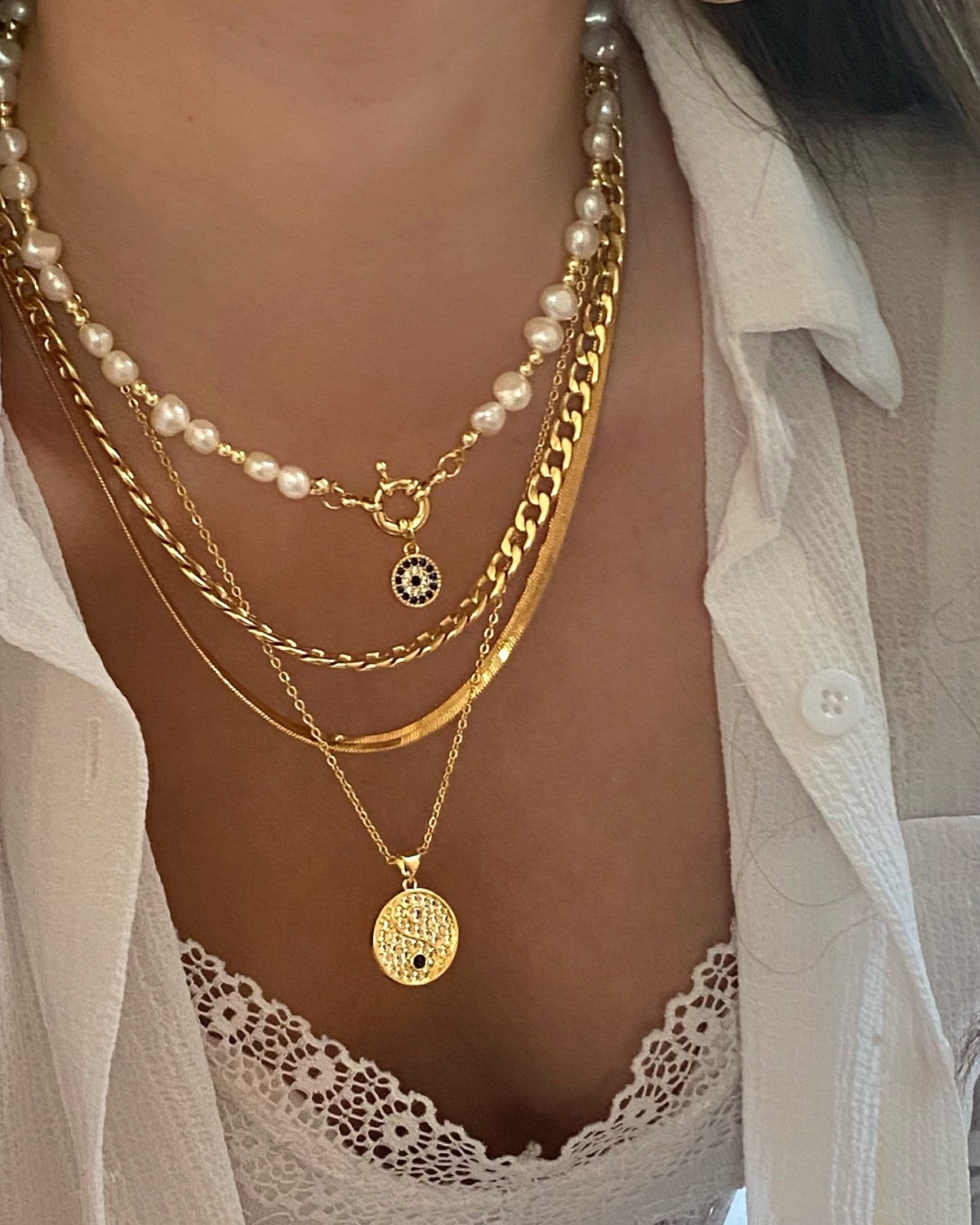
Bloomingdale's describes Set & Stones as a San Diego brand established in 2016; founder and designer Sarah Tullgren was inspired by a box of her grandmother's heirloom pieces. That is a warm beginning for gold-filled jewelry, which is a mechanically applied gold layer over a base metal rather than a solid-gold piece. Gold filled vs solid gold can look close at first glance, but the construction is not interchangeable. I would judge each piece on whether the design is worth keeping in rotation.
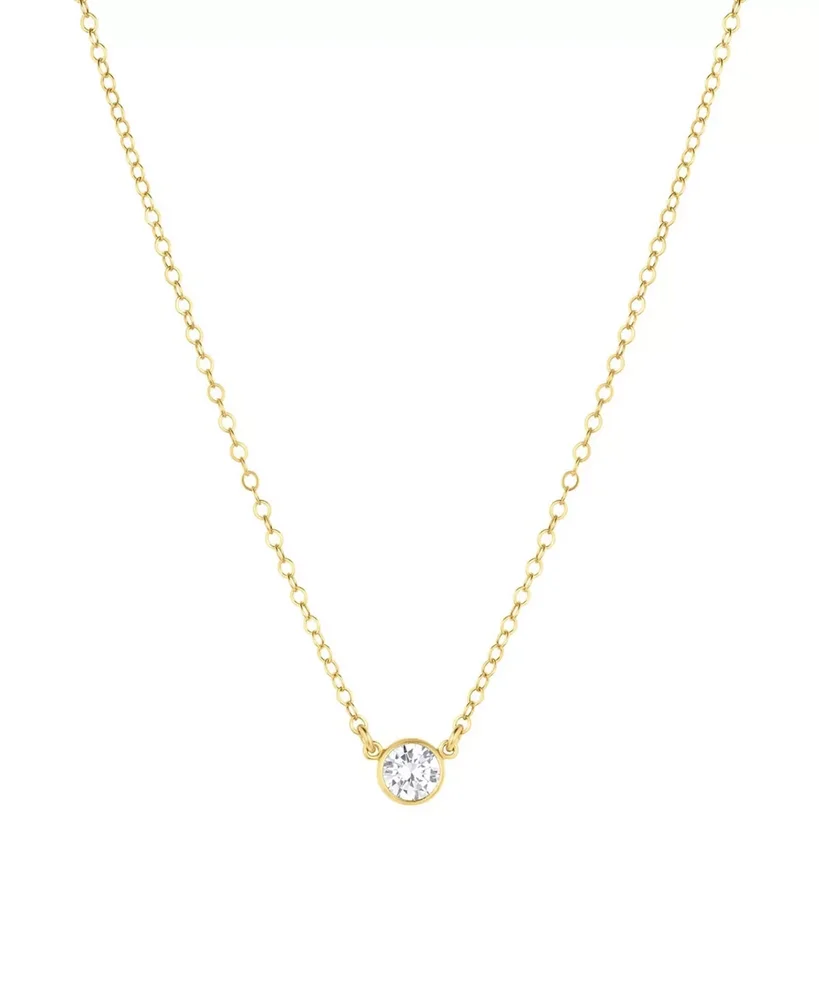
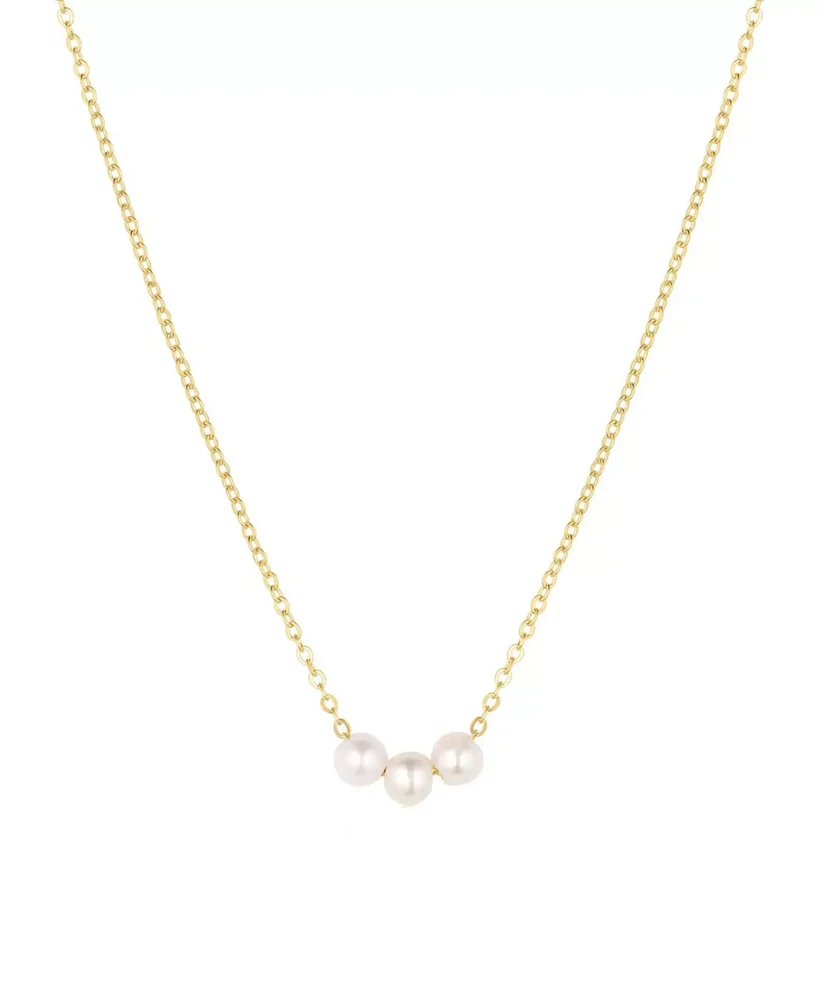
The Blaire Necklace puts a 6mm bezel-set cubic zirconia on a 16-inch chain; the Caroline Pearl Necklace threads three small freshwater pearls across a 16-inch chain. The Gianna Initial Necklace gives the personal detail in an 18-inch chain, while the Serra Hand Chain links wrist to finger with cubic zirconia and a 6.5-inch chain plus extender. The current prices span $40 to $128. I would choose Blaire for one quiet sparkle, Caroline for a lighter pearl detail, Gianna if a letter feels personal, and Serra only if hand jewelry fits how I dress.
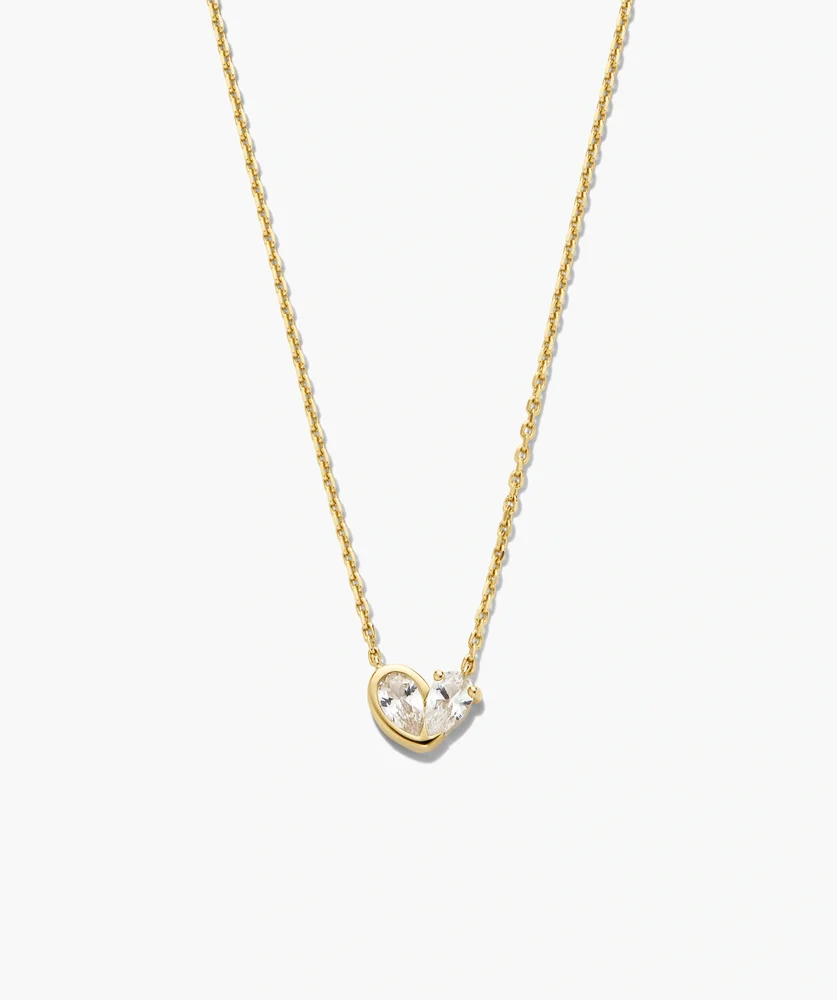
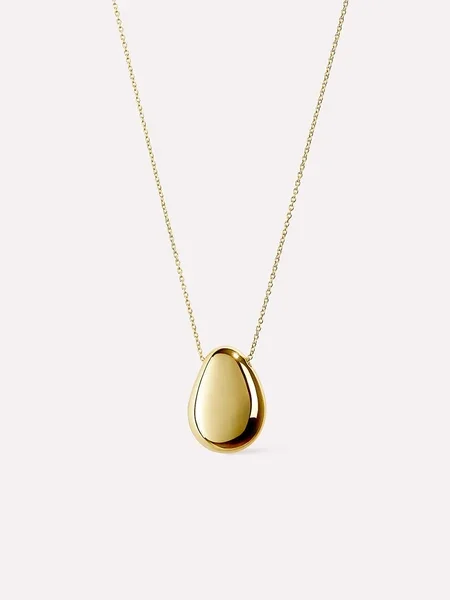
Gold layers with different trade-offs
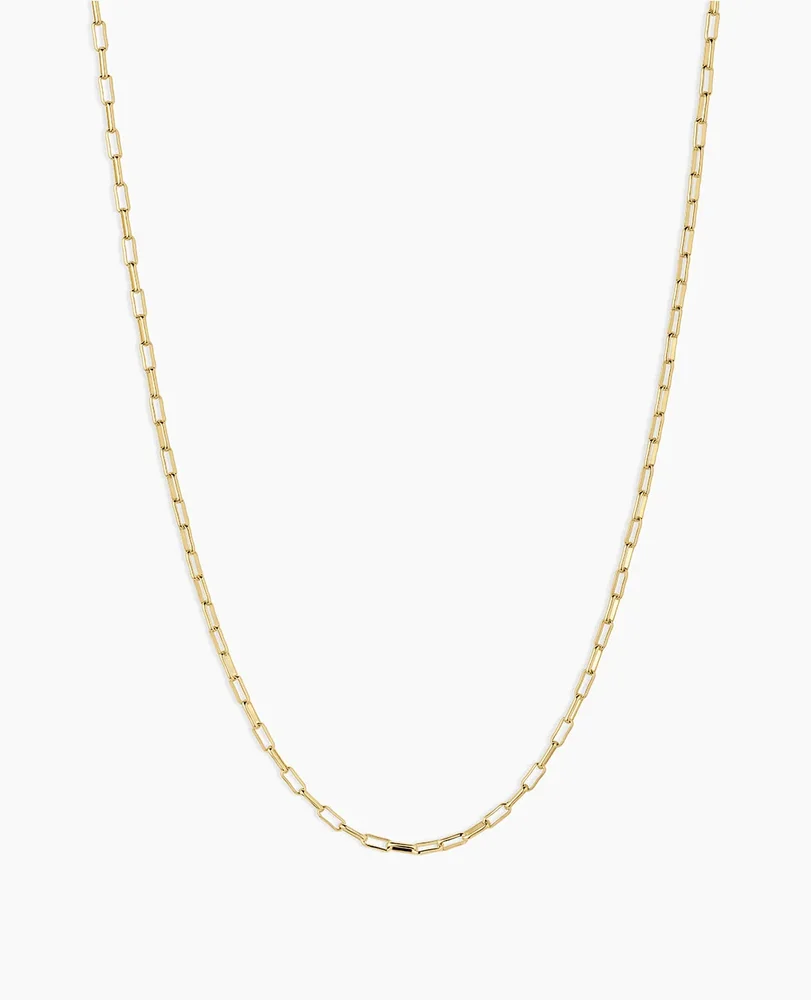
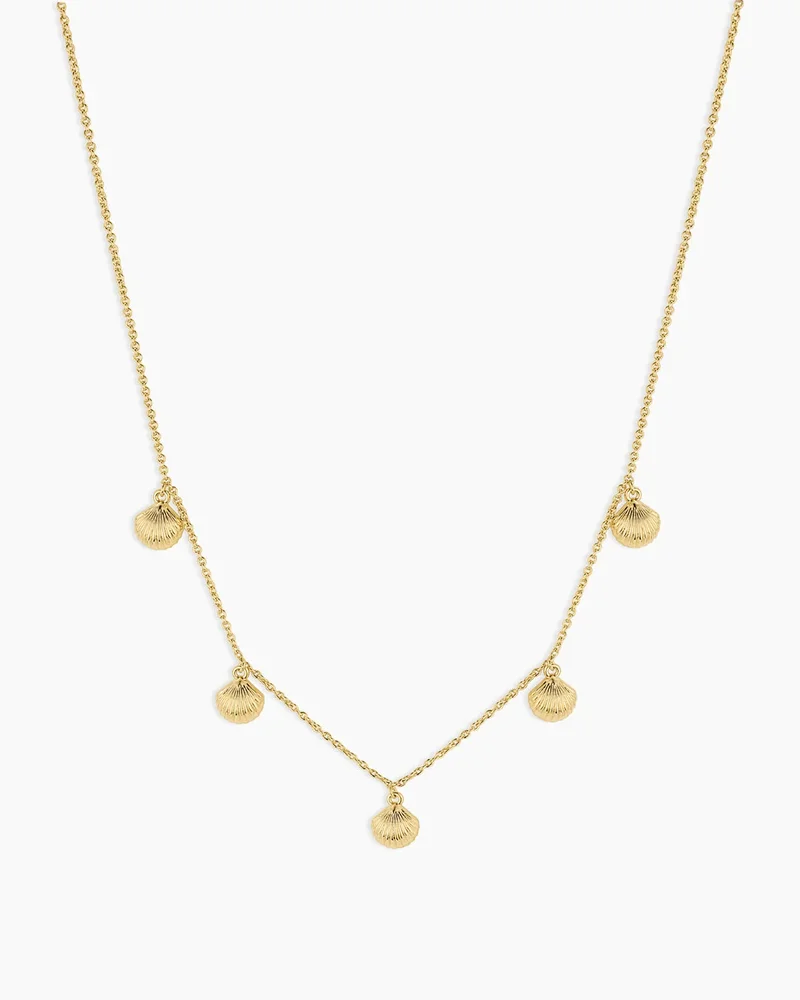
Gold filled vs gold plated vs solid gold is where the label matters most. Mejuri's Two of Hearts Necklace is 18K gold vermeil, with a 2.5-micron gold layer over recycled sterling silver; Ana Luisa's Pebble pendant is 14K gold-dipped over brass. Gorjana's Parker Delicate Necklace is 18K gold plated, and the Scallop Mini Necklace is another plated option with a scallop motif. These choices give you more finishes at lower listed prices, but the FTC says plating can wear with use and thickness, so I would not treat plated as a forever finish.
Buy solid gold if you want a non-hollow gold-alloy piece; buy gold-filled if you want the mechanically applied layer at a lower entry price in these picks. Choose vermeil if sterling silver as the base suits you, and choose plated if the lower price and shape matter more than keeping the surface unchanged. My own pick is gold-filled for a daily chain: it preserves a real gold layer without asking me to pay solid-gold prices, while the trade-off stays clear.