Best face masks for acne support a routine: clarifying formulas for congestion, soothing sheets for irritation, and patches for one surfaced spot.
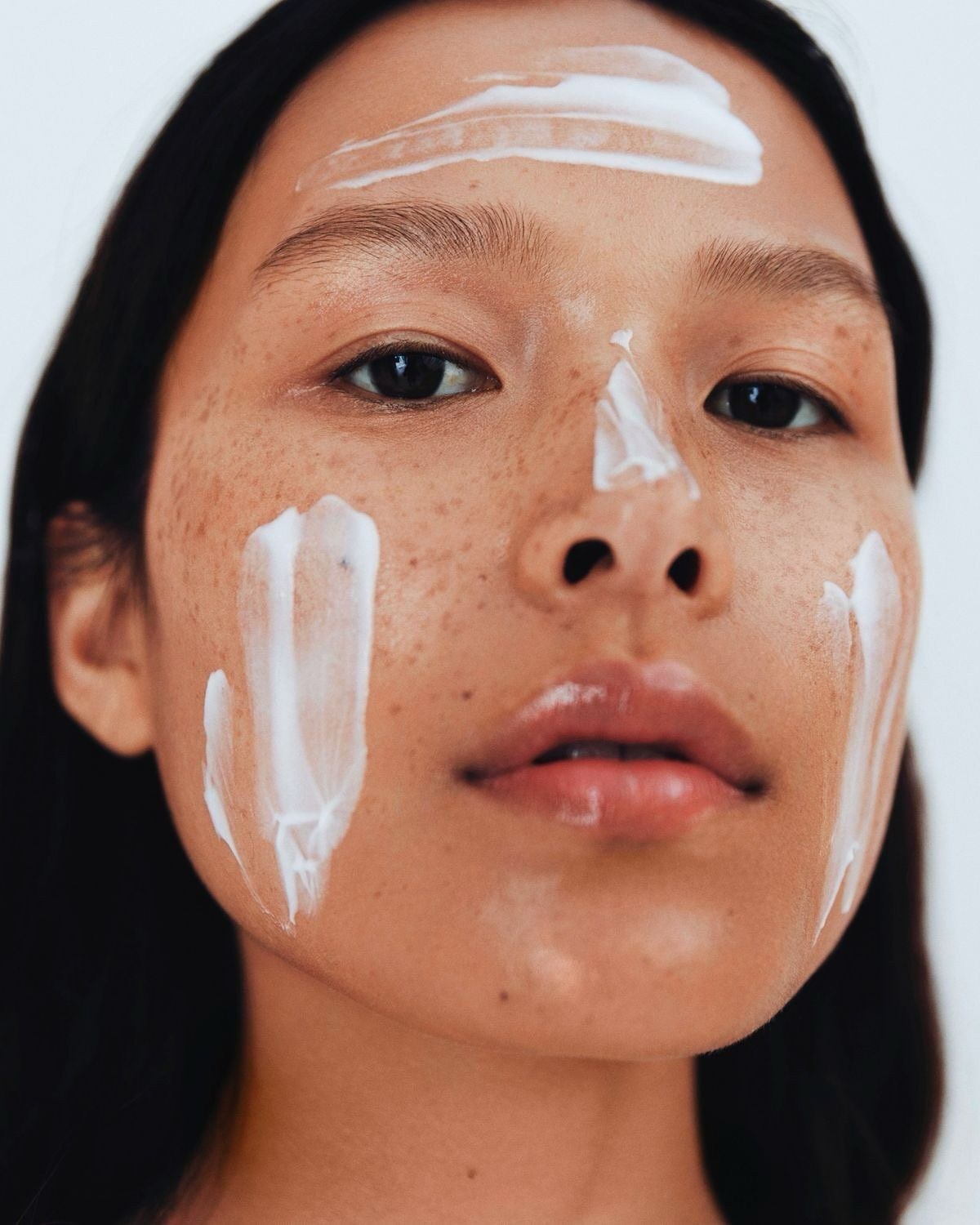
Best Face Masks for Acne: What Helps Each Breakout
A mask should match the breakout
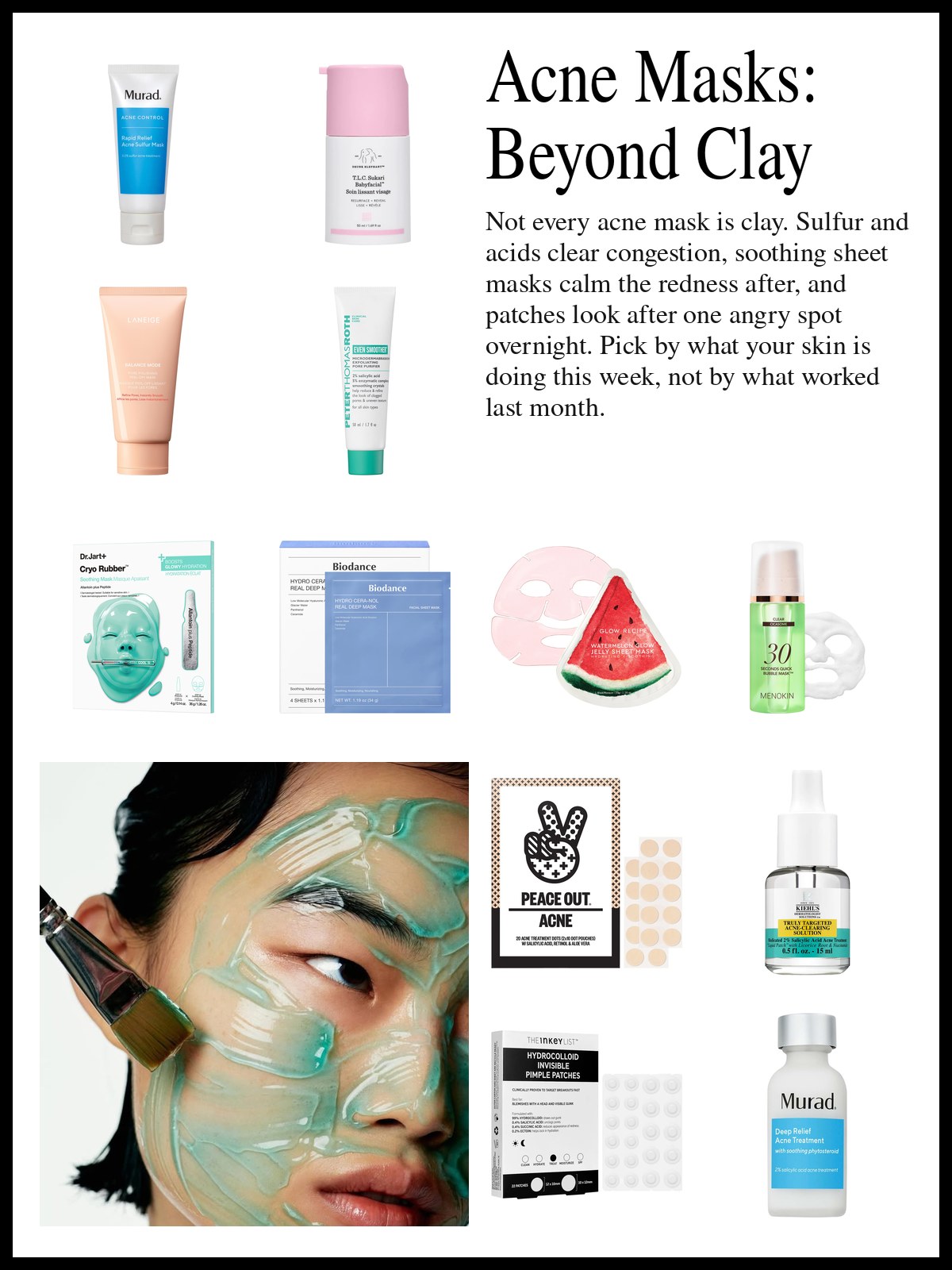
The best face masks for acne depend on the breakout: for oily congestion, I would start with a clay mask that also contains salicylic acid; for skin already irritated by actives, I would skip the peel and choose a hydrating sheet. A mask is a supporting step, not acne treatment: the American Academy of Dermatology says facial masks cannot replace an acne treatment plan.
For blackheads and shine, the AAD names salicylic acid and clays such as kaolin or bentonite as ingredients to look for. Murad's Rapid Relief Acne Sulfur Clay Mask combines 5% sulfur with salicylic acid and kaolin; its directions limit wear to 10 minutes and suggest two or three uses a week. That makes it my practical pick for an oily, congested spell, used exactly as labeled.
Drunk Elephant's T.L.C. Sukari Babyfacial is the more ambitious acid option: it has 25% AHAs and 2% salicylic acid, and the directions say to use it weekly, starting with 10 minutes if new and wearing sunscreen daily. I would not stack it with other acids or retinoids; the AAD warns that overlapping actives and overuse can irritate. If you want to compare textures beyond acne-focused formulas, Face Masks: Clay, Sheet and Overnight Masks is a useful broader read.
Face Mask for Acne: Clarifying and Exfoliating
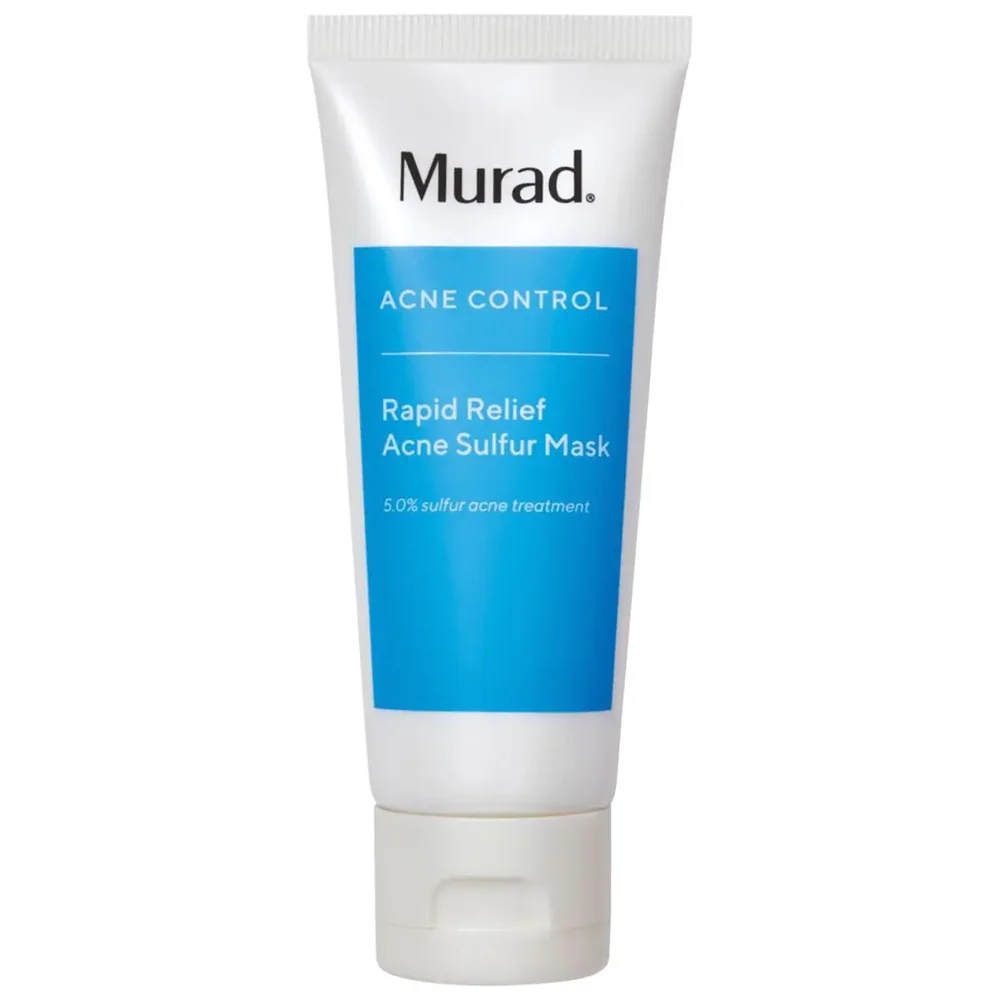
Rapid Relief Acne Sulfur Clay Mask with Salicylic Acid
Murad
$50
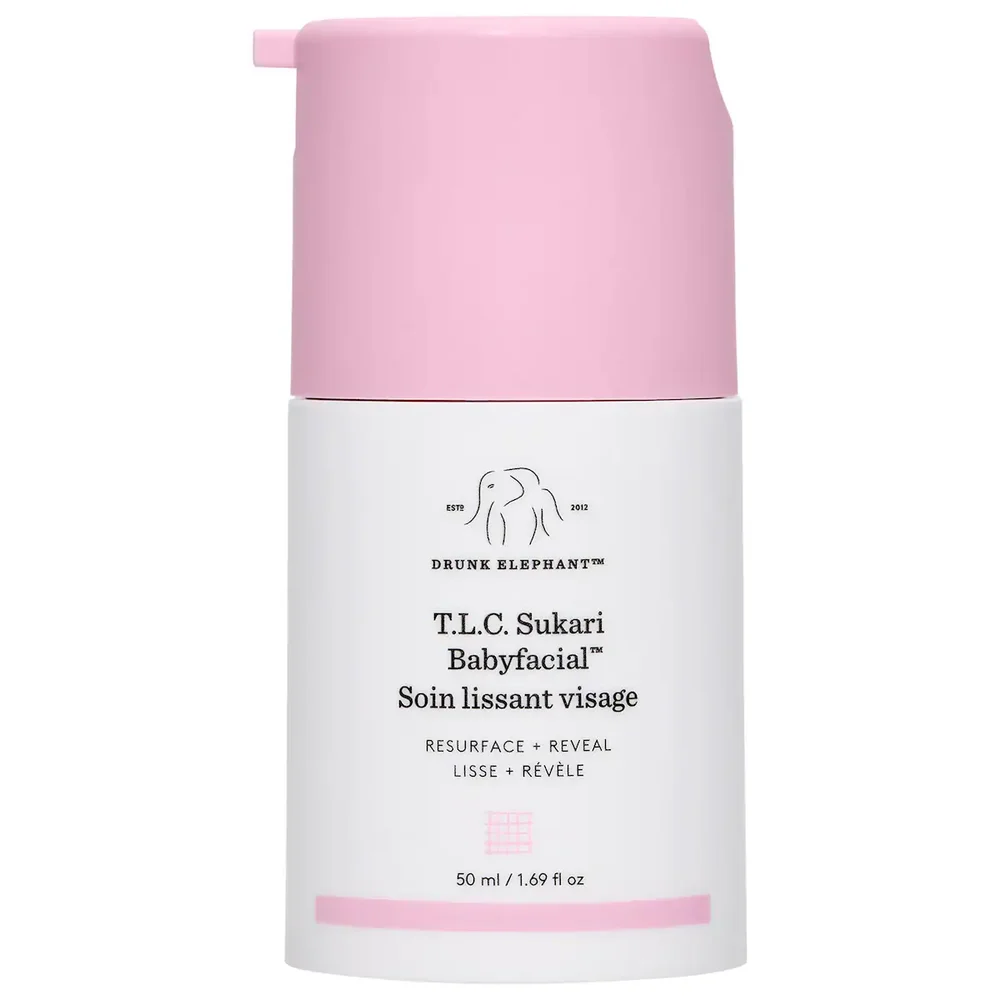
TLC Sukari Babyfacial 25% AHA/ 2% BHA Exfoliating Mask
Drunk Elephant
$80
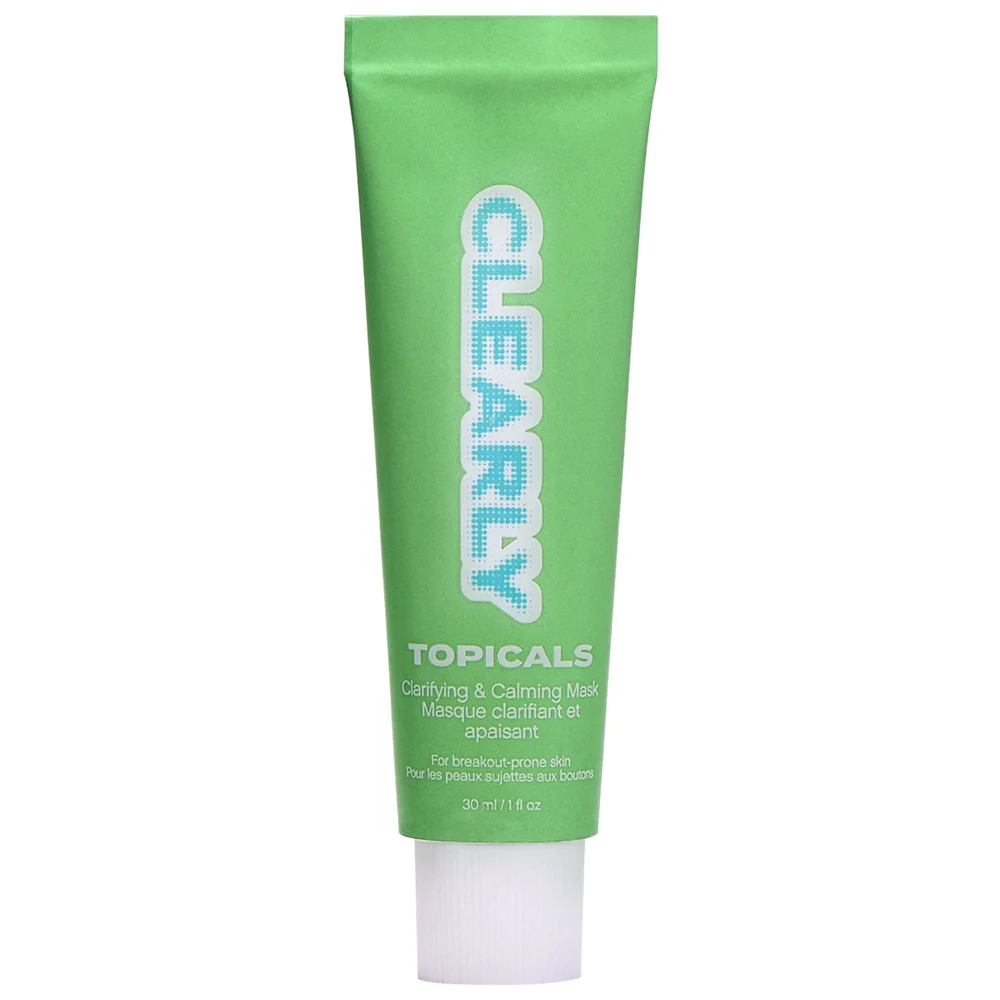
Clearly Clarifying & Calming Mask For Breakout-Prone Skin
Topicals
$26
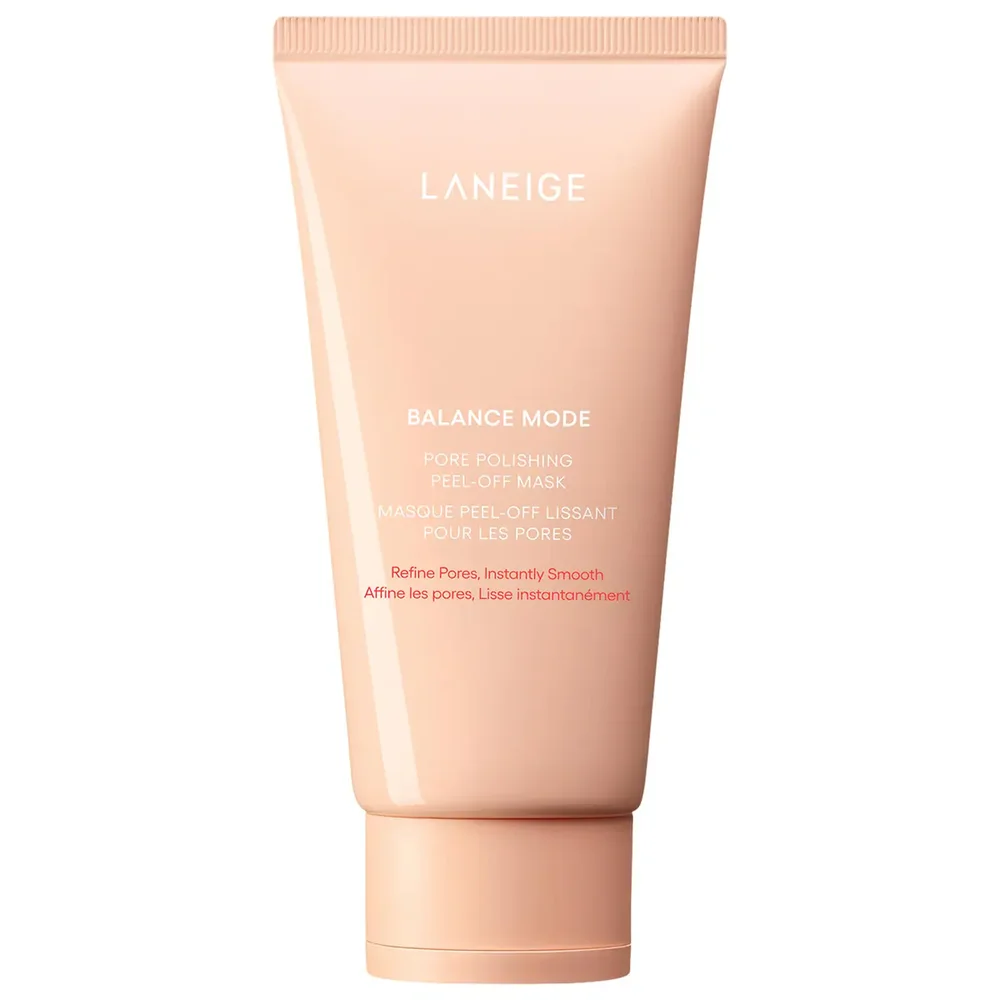
Balance Mode Pore Polishing Peel-Off Face Mask with Salicylic Acid to Control Shine & Smooth Texture
Laneige
$24
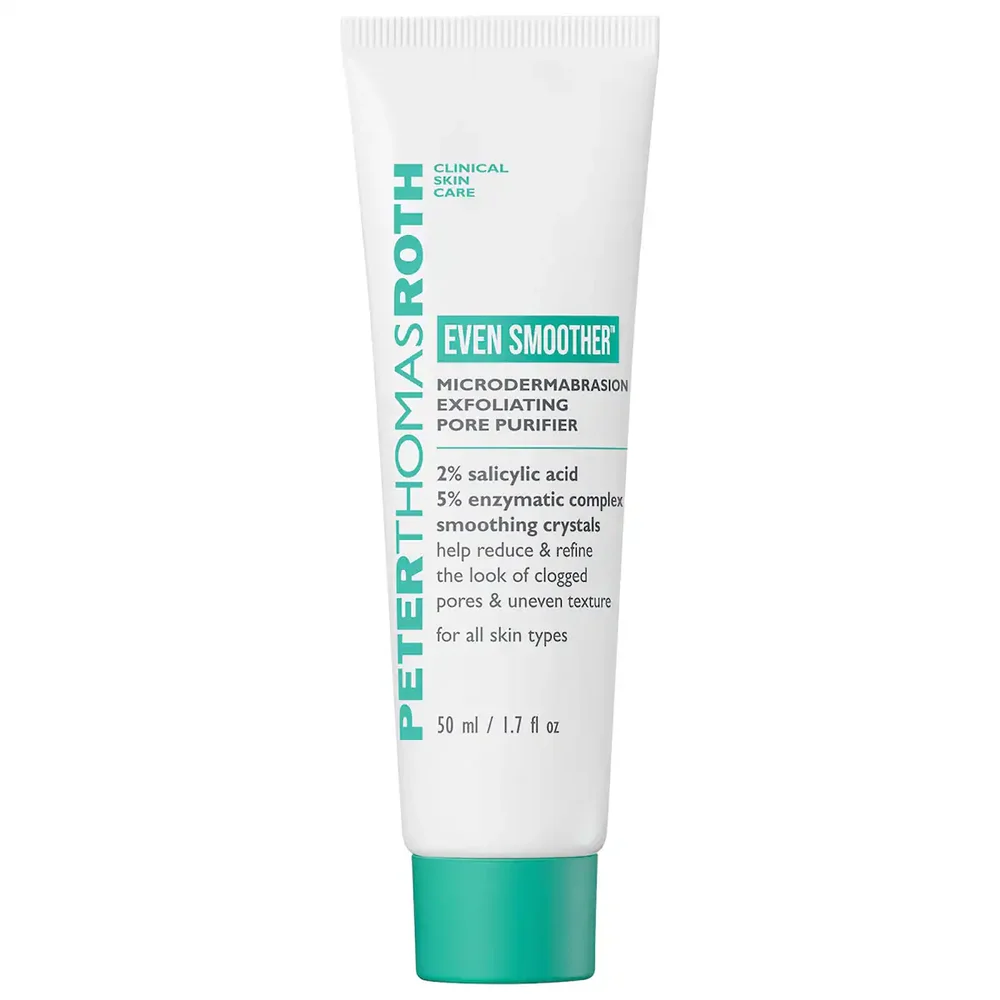
Even Smoother™ Microdermabrasion Exfoliating Pore Purifier with Salicylic Acid for Oil Control
Peter Thomas Roth
$49
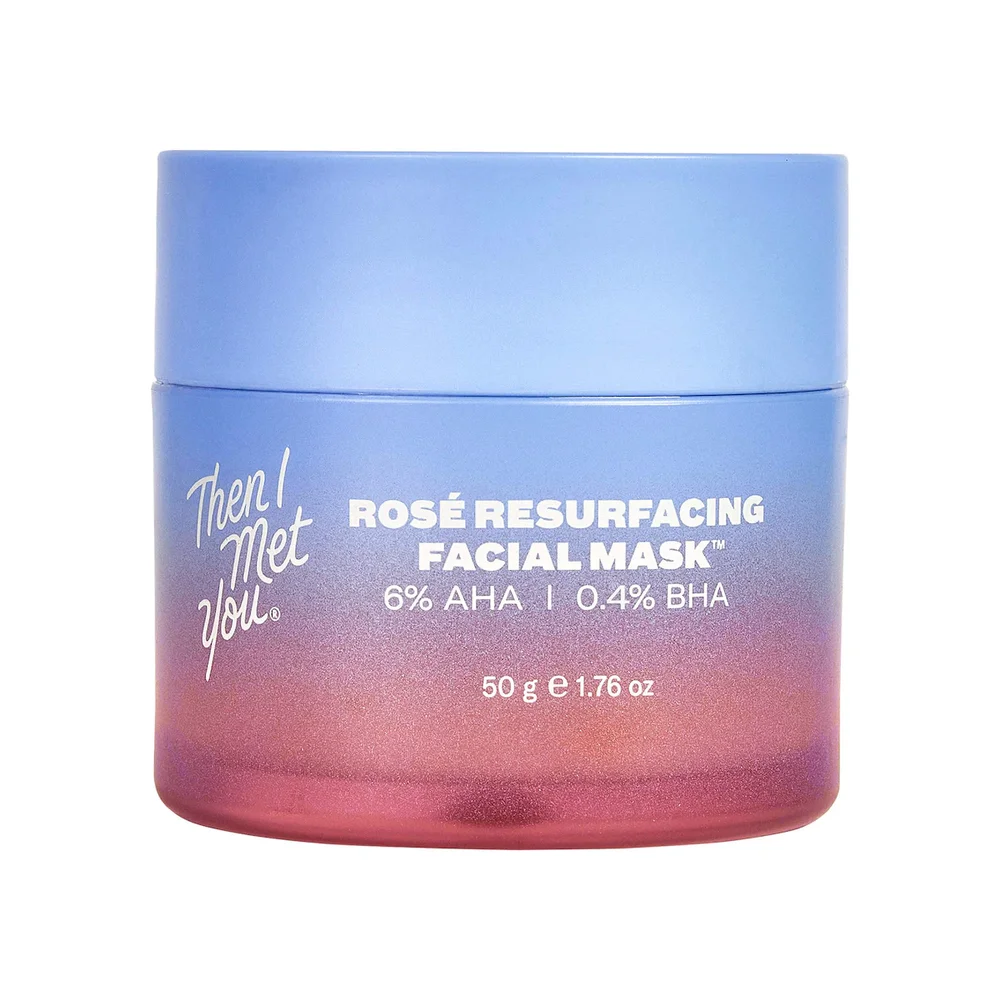
Rosé Resurfacing & Brightening BHA + AHA Facial Mask for Minimized Pores
Then I Met You
$58
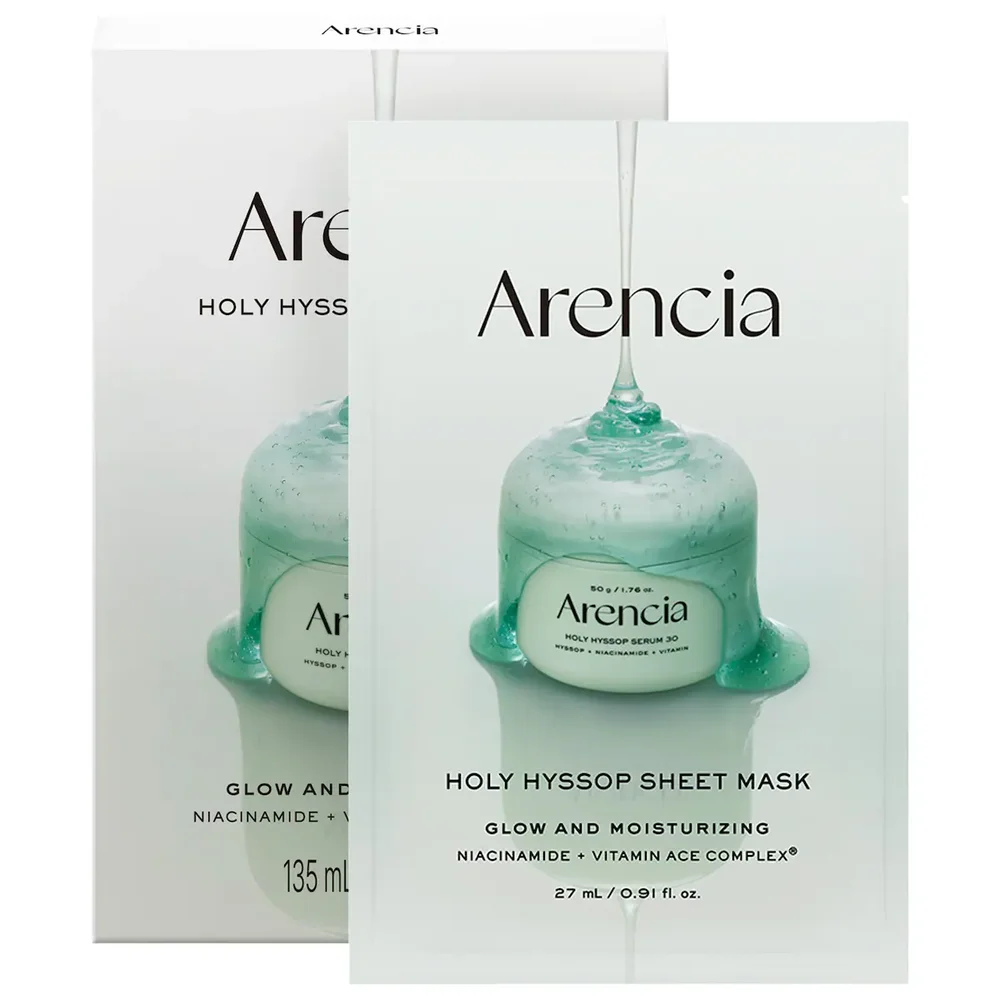
Holy Hyssop Brightening Sheet Mask 5-Pack for Post-Acne Marks with Vitamin A, C, E, and Niacinamide
Arencia
$16
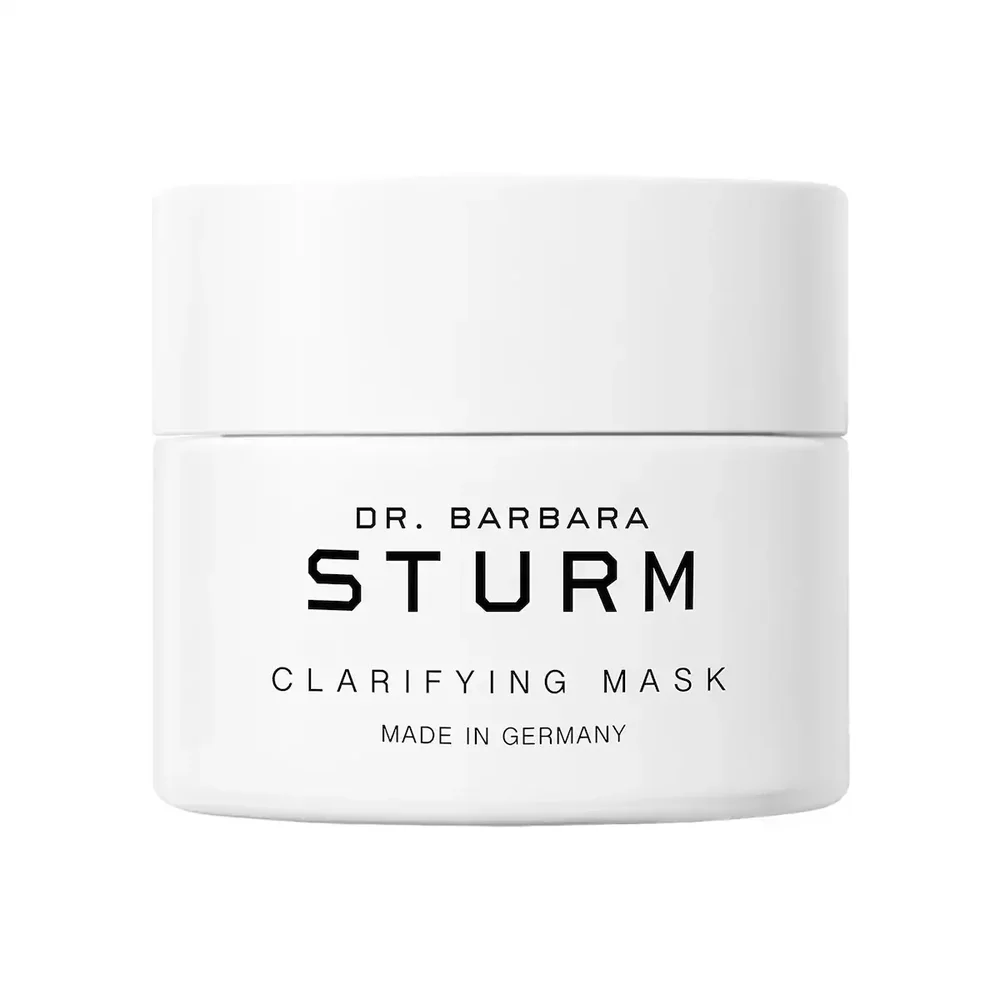
Clarifying Mask — Clarifying & Soothing Face Mask to Control Oil, Reduce Breakouts & Refine Pores
Dr. Barbara Sturm
$150
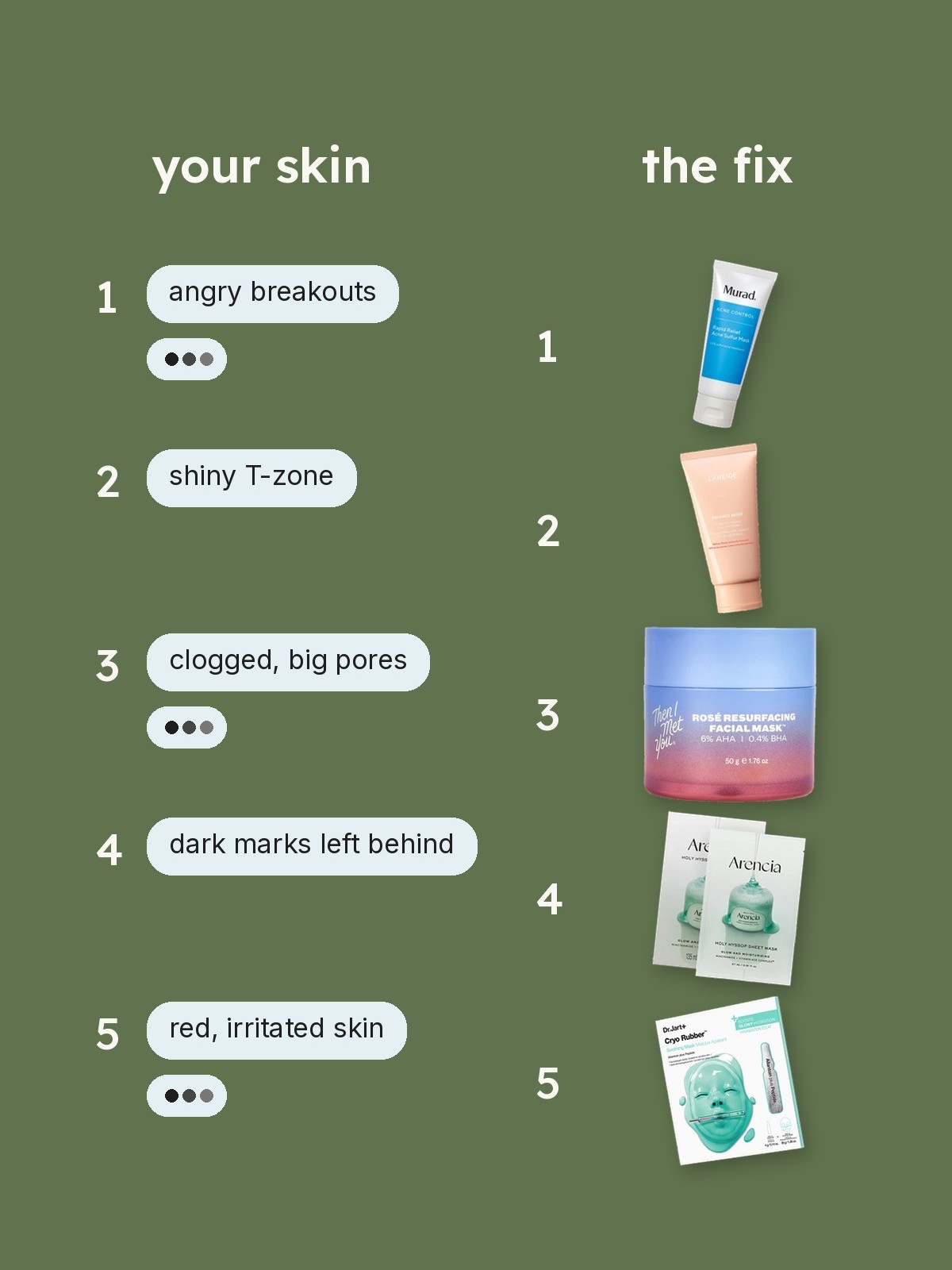
When skin needs a softer night
Not every breakout calls for another active. When the surrounding skin feels tight, hot, or overworked, I would give exfoliants a rest and reach for comfort instead; the AAD says the right mask can support hydration and the skin barrier, but ingredients and frequency matter. Dr. Jart+'s Cryo Rubber Soothing Face Mask pairs an ampoule with allantoin and peptide with a cooling rubber mask, which the directions say to remove after 20 minutes. I think of it as a soothing step, not a pore-clearing treatment.
Biodance's Hydro Cera-nol Real Deep Mask uses a hydrogel format and is positioned for barrier support; it can be worn for three to four hours during the day or overnight. Both make more sense for a dry, irritated-feeling night than an aggressive peel, but the calm should come from not overdoing the routine, too. If a mask burns, stings, or worsens redness, rinse it off and stop.
Calming masks for the nights between actives
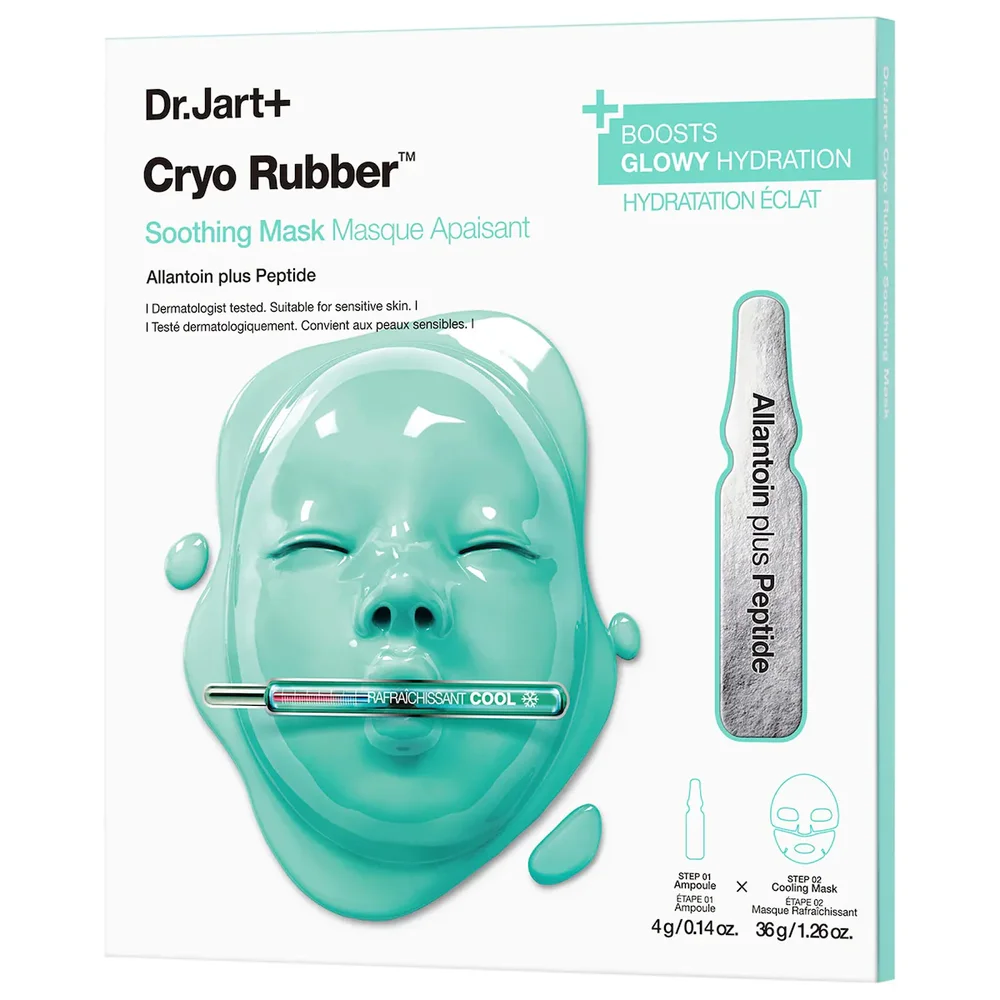
Cryo Rubber™ Soothing Face Mask with Allantoin
Dr. Jart+
$16.50
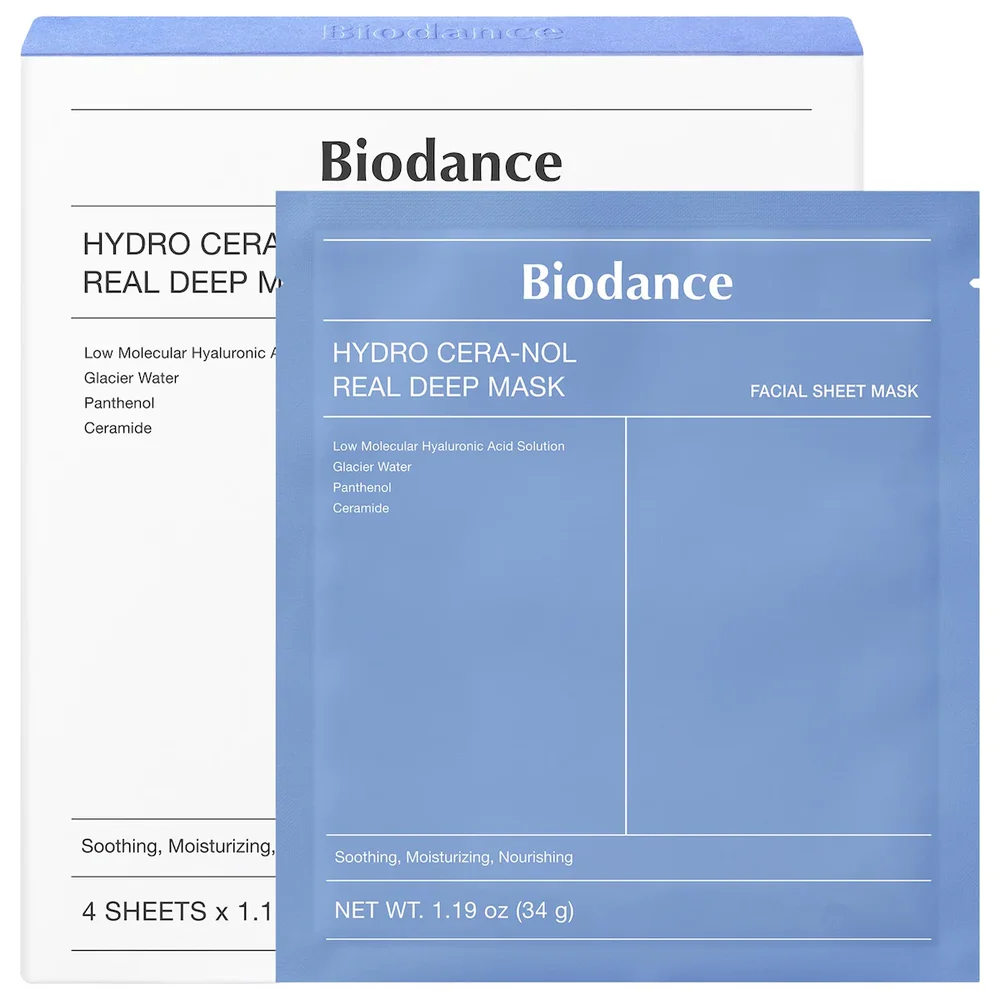
Hydro Cera-nol Real Deep Mask - 4 pack for Dryness Relief & Redness Soothing
Biodance
$19
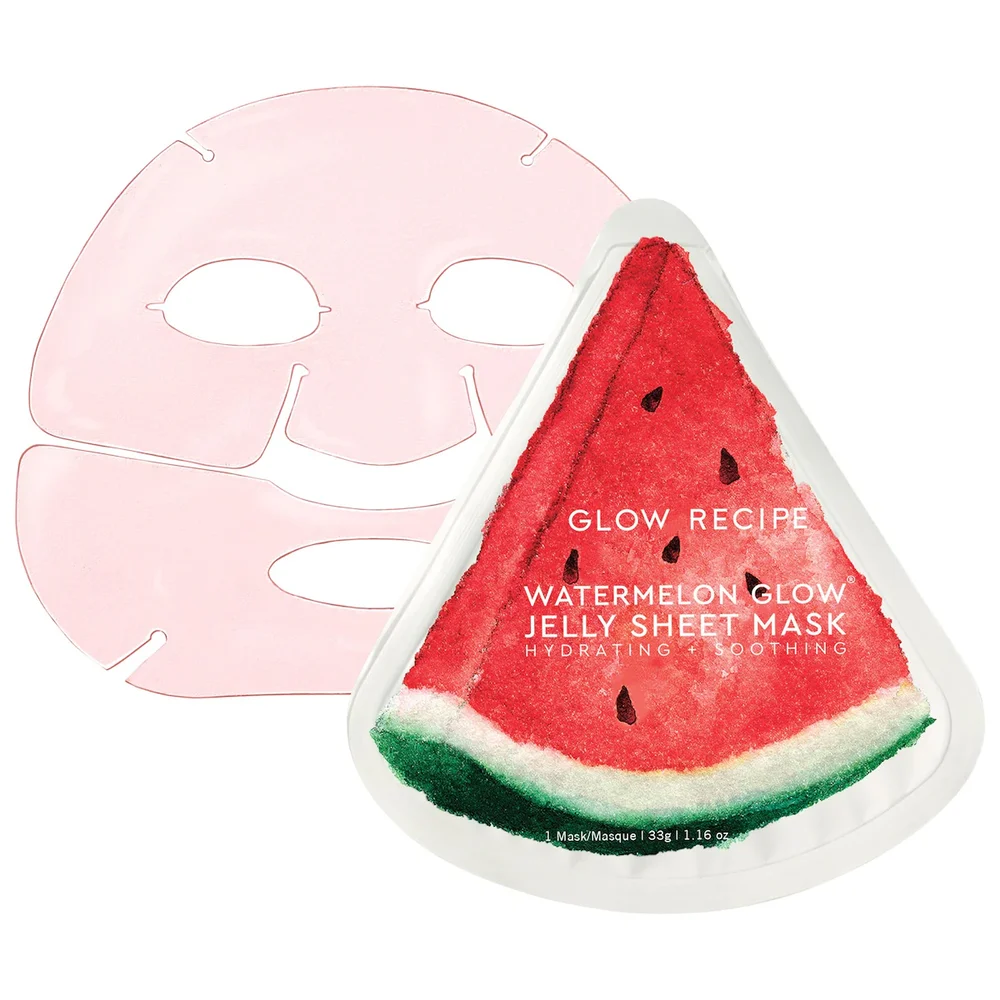
Watermelon Glow Hydrating & Soothing Jelly Sheet Mask
Glow Recipe
$8
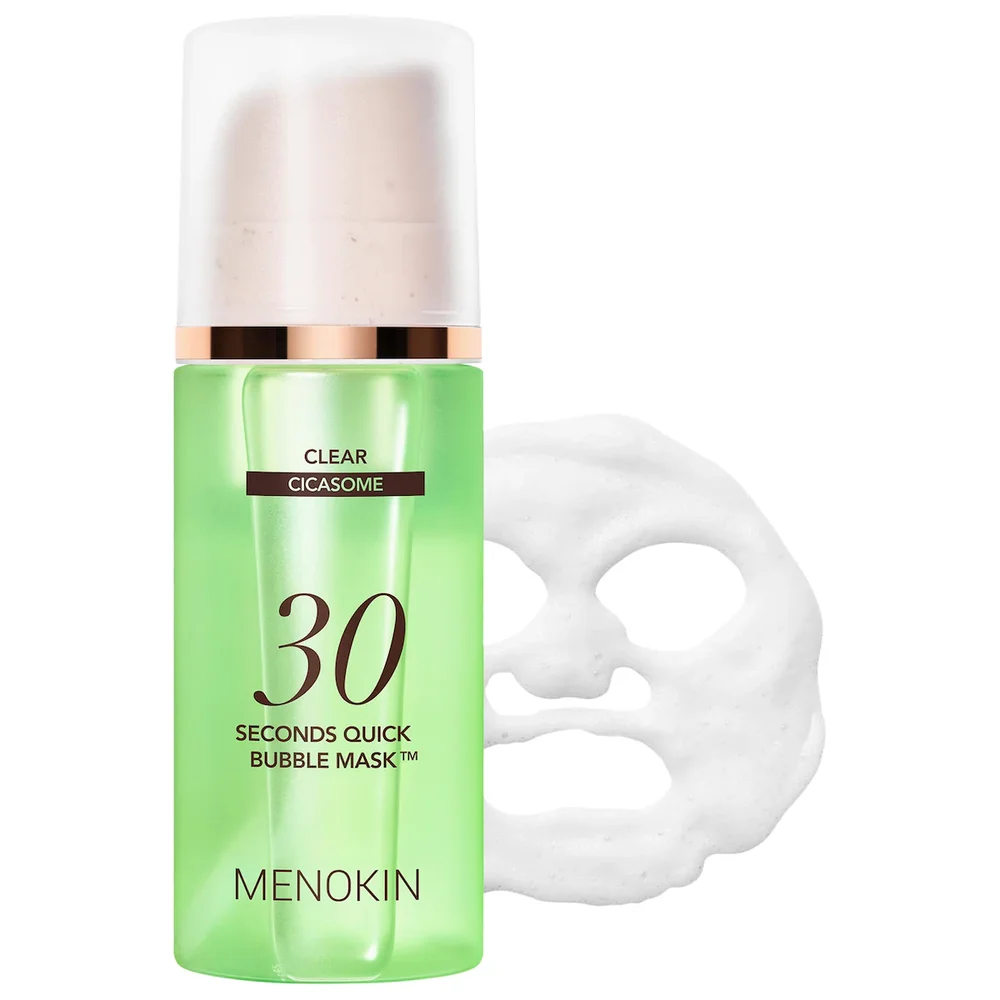
30 sec Quick Bubble Mask, Clear
MENOKIN
$32
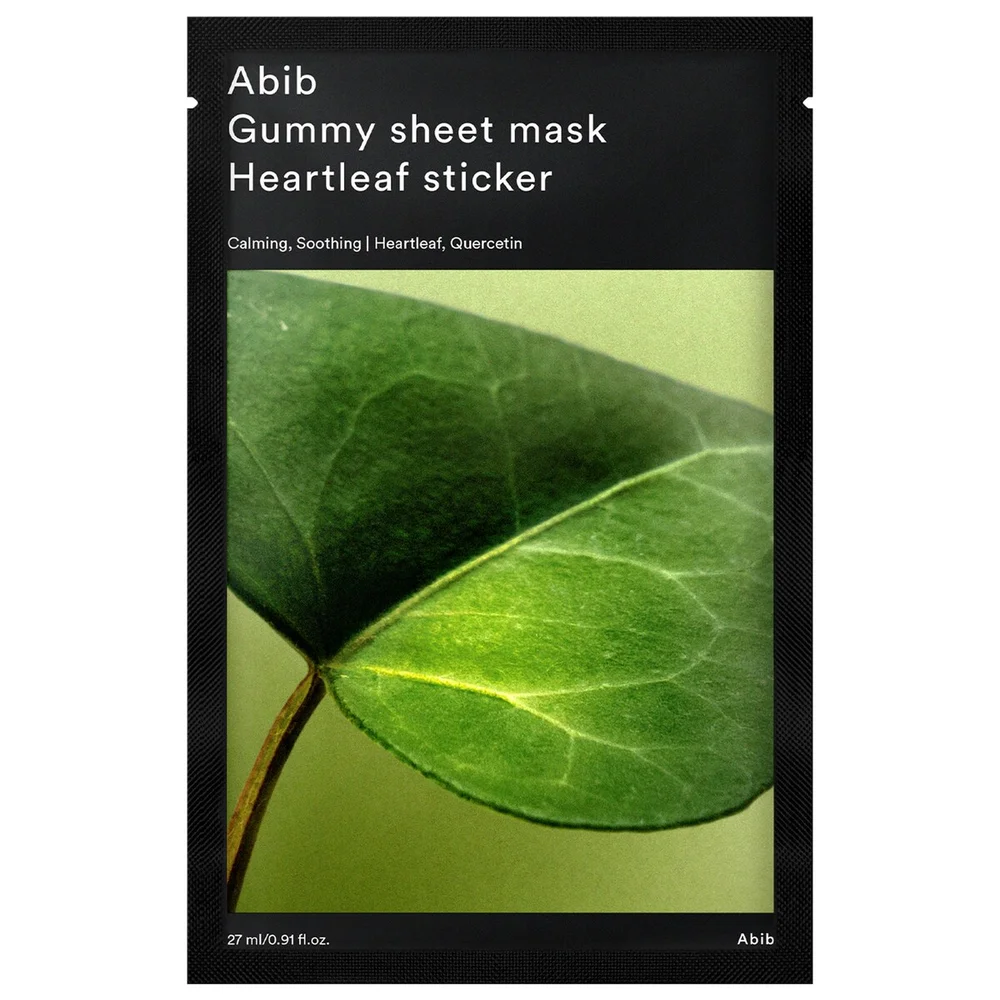
Gummy Sheet Mask Heartleaf Sticker Korean Face Mask for Sensitive Skin, Soothing & Redness Relief
Abib
$4
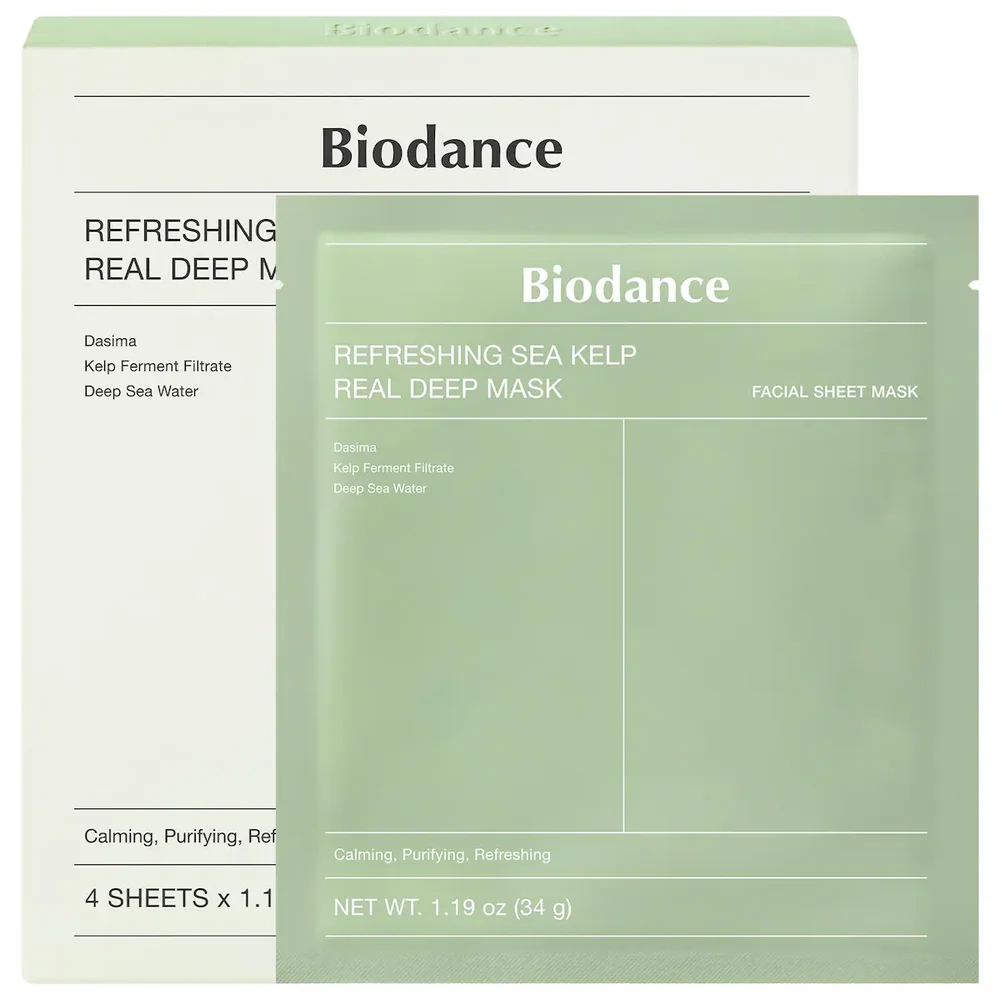
Refreshing Sea Kelp Real Deep Mask - 4 pack for Calming & Sebum Control
Biodance
$19
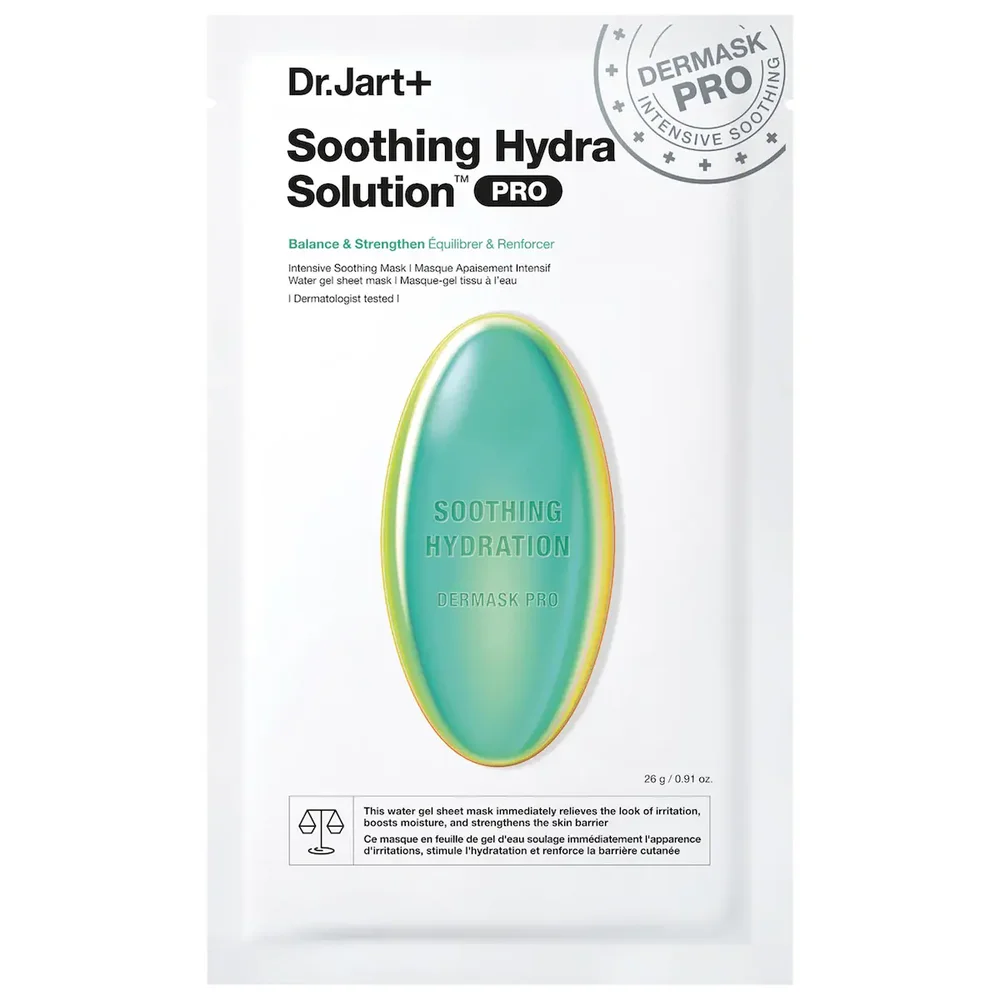
Soothing Hydra Solution™ PRO Face Mask for Irritated Skin
Dr. Jart+
$10.50
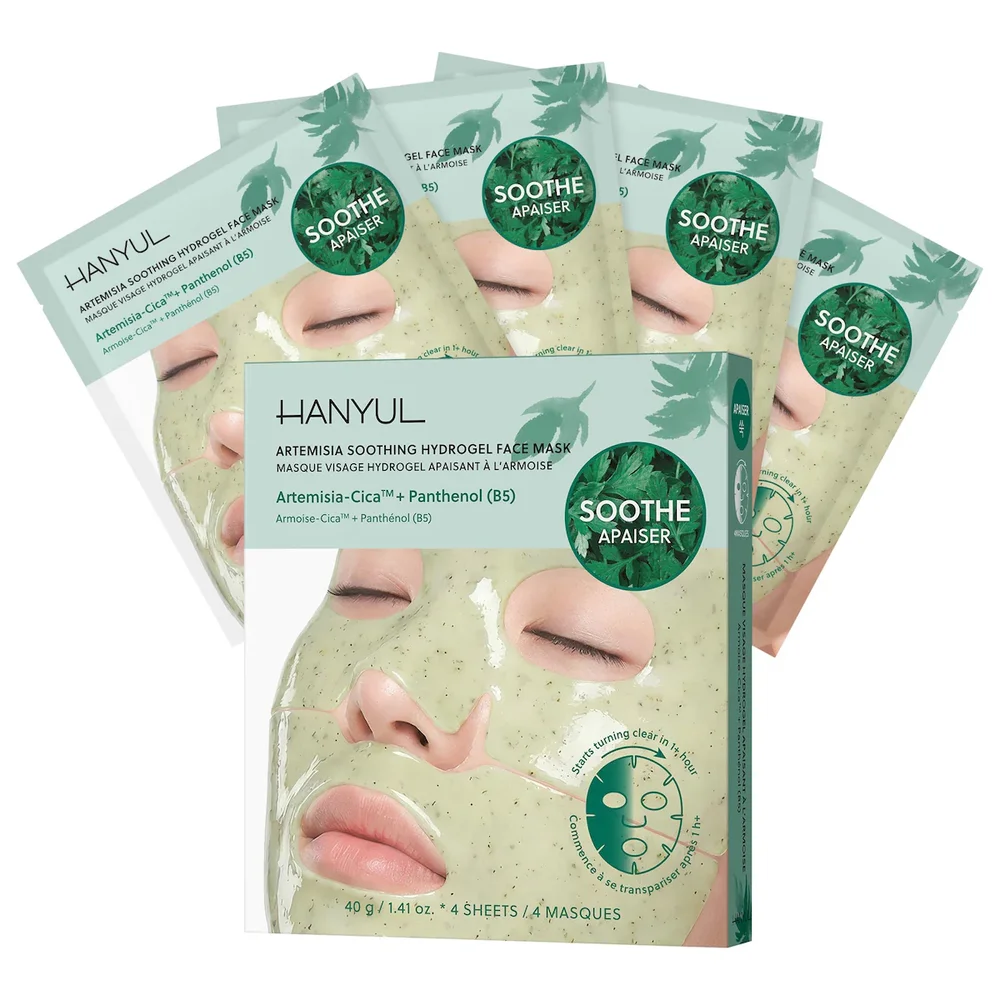
Korean Artemisia Soothing Hydrogel Sheet Mask Set with Centella Asiatica + Panthenol
Hanyul
$19
Patches for one surface spot
One blemish is a different problem from a face full of congestion, so I use a patch for a spot rather than coating the whole face. The AAD says a hydrocolloid patch can protect skin and improve healing; for deep, painful pimples, it also advises against picking and recommends a dermatologist if the bump does not settle or several appear.
Peace Out's Salicylic Acid and Hydrocolloid Acne Treatment Pimple Patches combine hydrocolloid with 0.5% salicylic acid. The directions call for clean skin and a wear time of four to six hours or overnight. I like the narrow job: cover one blemish, keep fingers away, and let the rest of the routine stay quiet. I would not treat a persistent, painful lump as a sticker problem, and I would not stack an acid patch on top of an irritating mask night. When the same deep breakouts keep returning, a dermatologist is more useful than escalating spot products.
Pimple patches for single spots
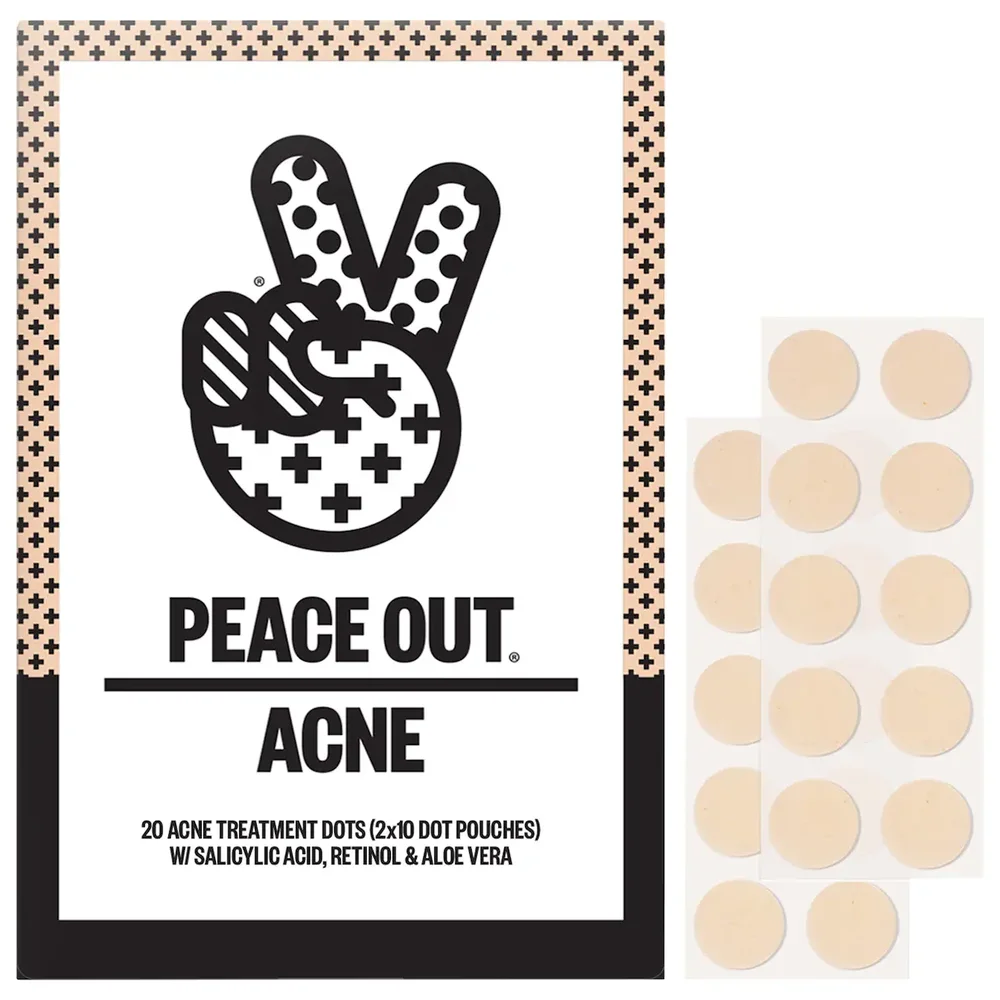
Salicylic Acid & Hydrocolloid Acne Treatment Pimple Patches
Peace Out
$19
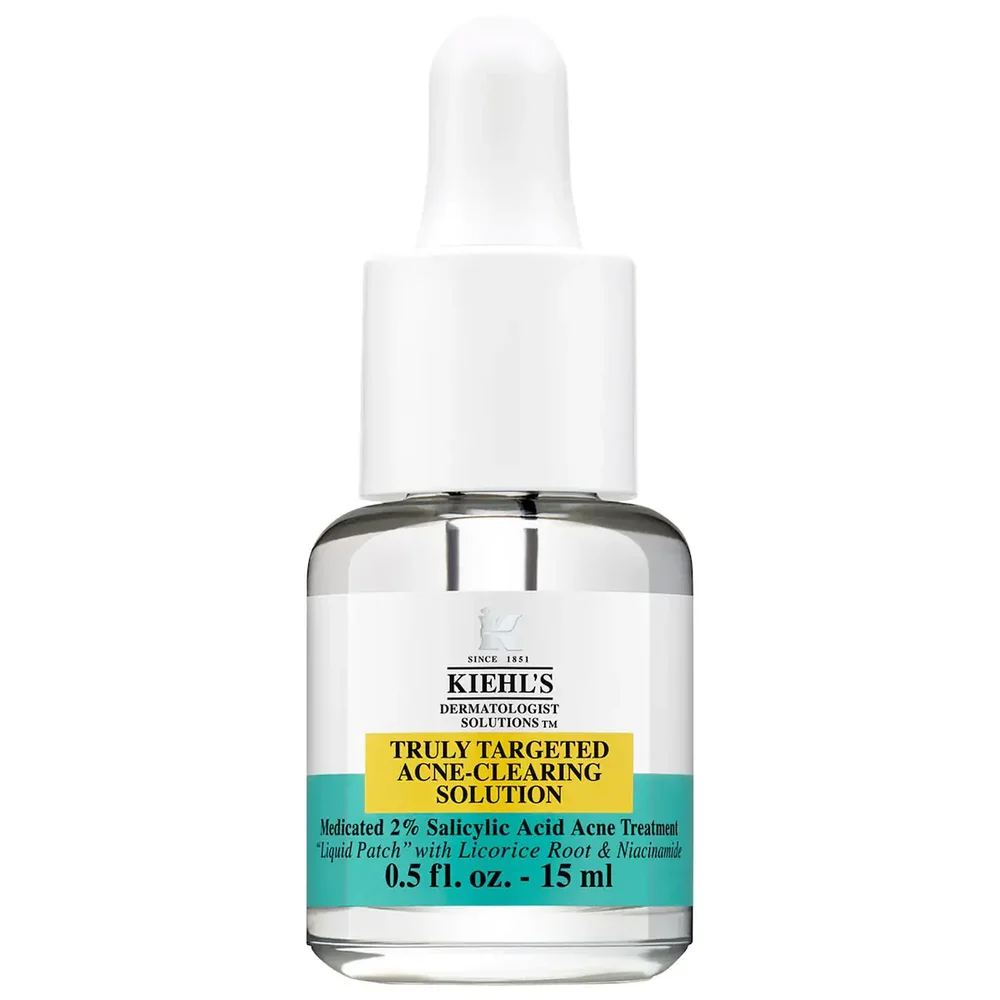
Truly Targeted Acne-Clearing Liquid Pimple Patch with Salicylic Acid
Kiehl's Since 1851
$30
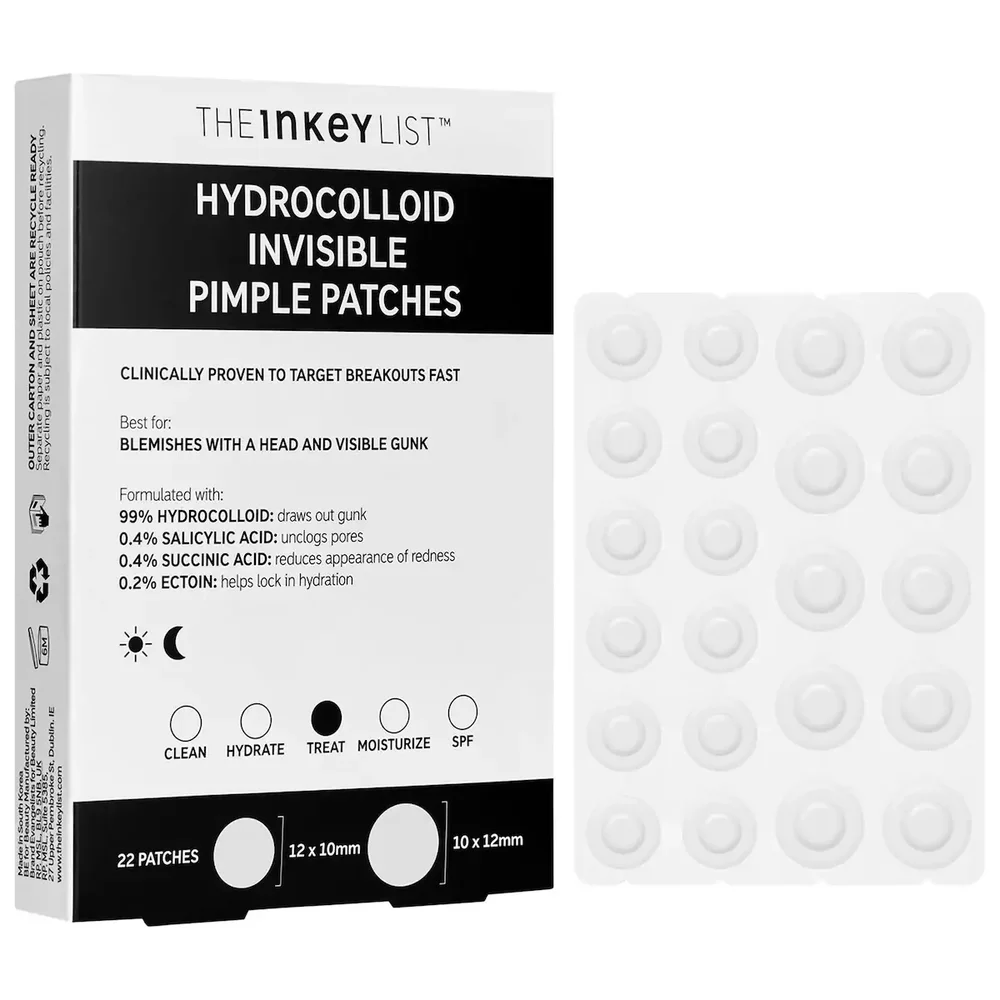
Hydrocolloid Invisible Pimple Patches + Salicylic Acid
The INKEY List
$10
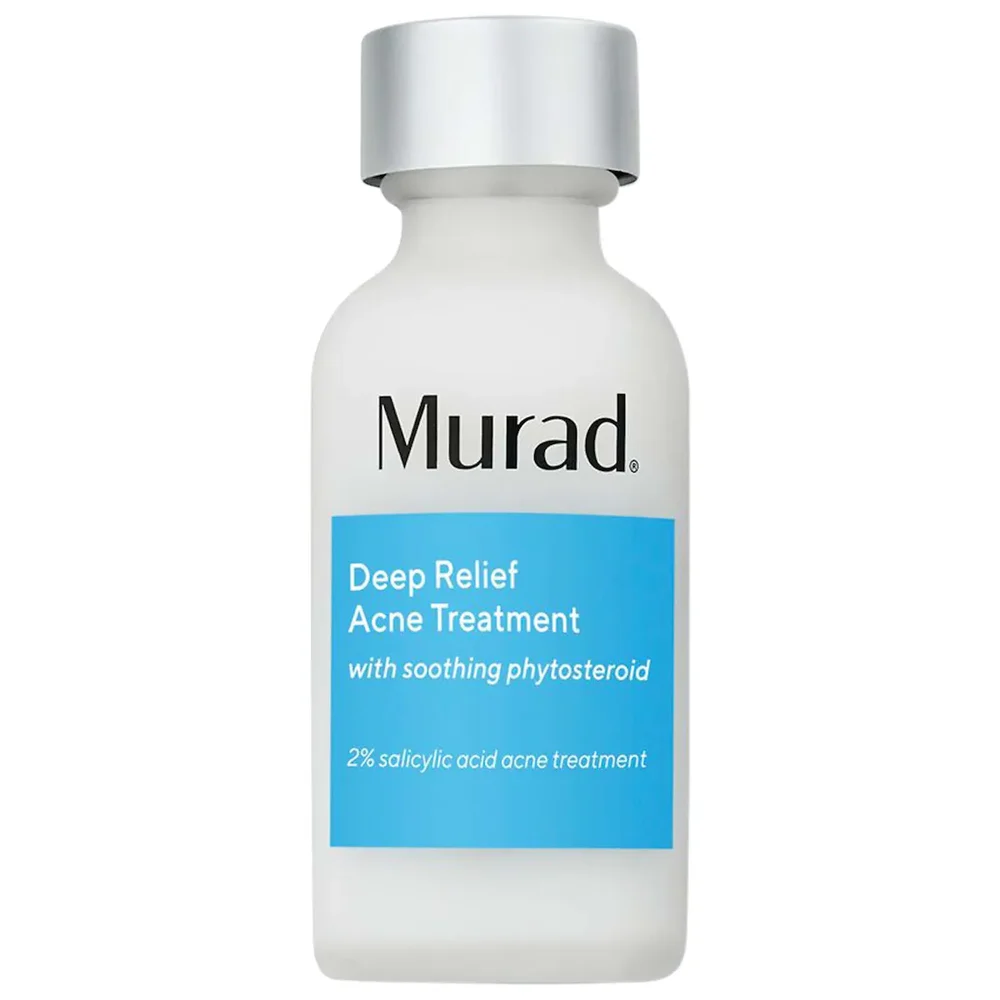
Deep Relief Acne Treatment with Salicylic Acid Liquid Pimple Patch for Painful Acne
Murad
$48
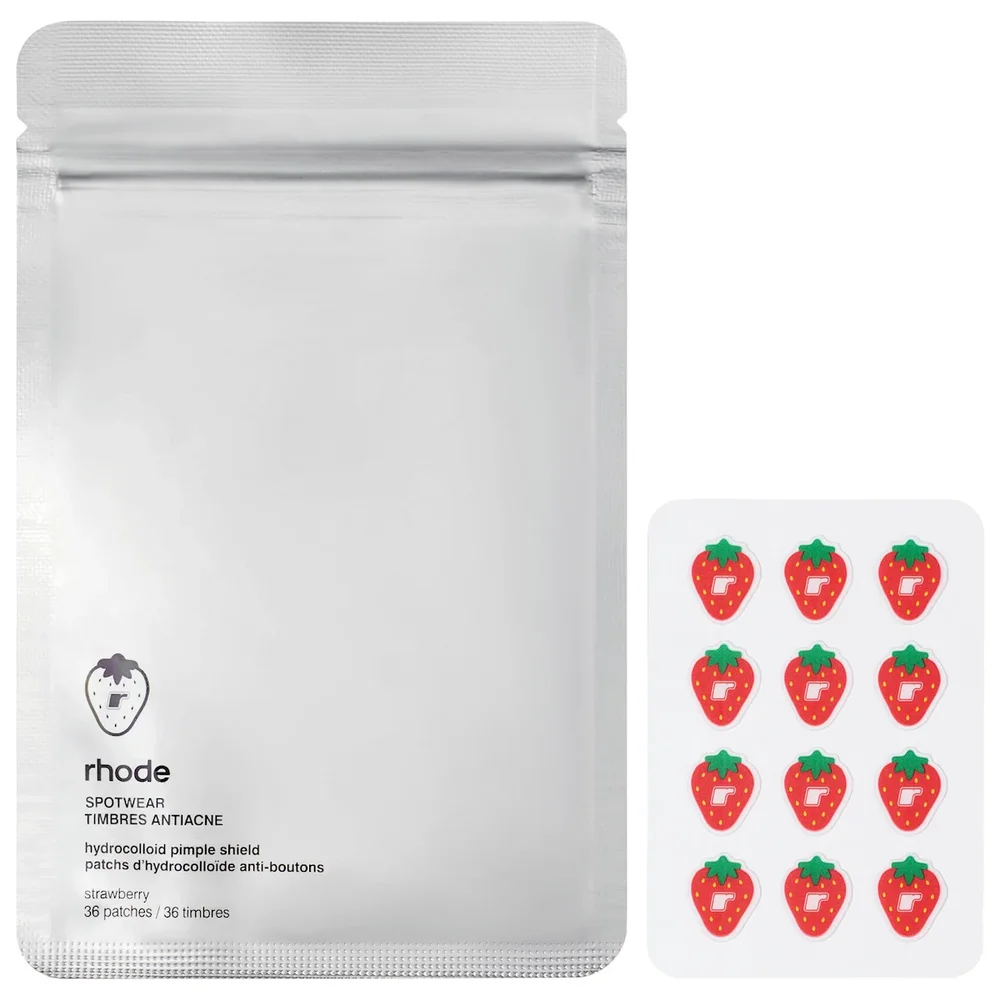
Spotwear Hydrocolloid Patches
rhode
$16

Patch It Azelaic Acid Rescue Pimple Patches
Dr. Idriss
$18
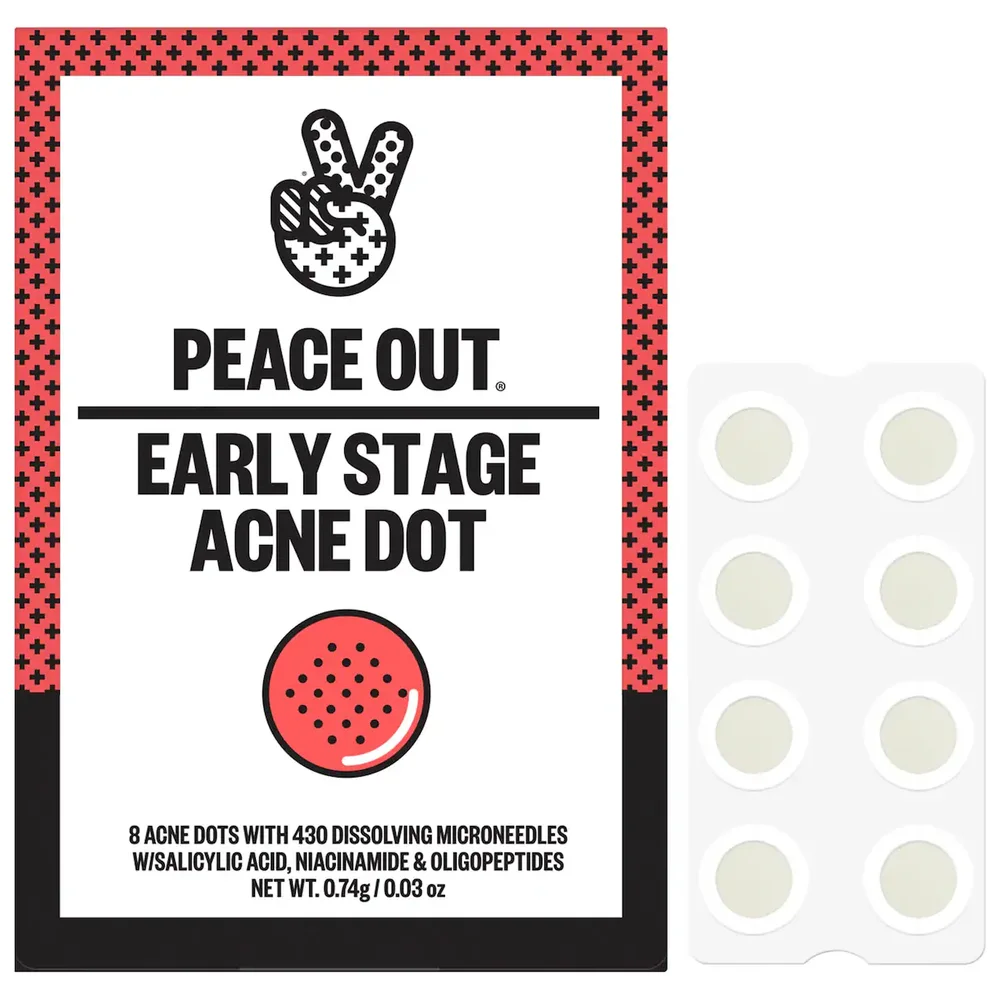
2% Salicylic Acid Early Stage Acne Microneedle Pimple Patch
Peace Out
$20
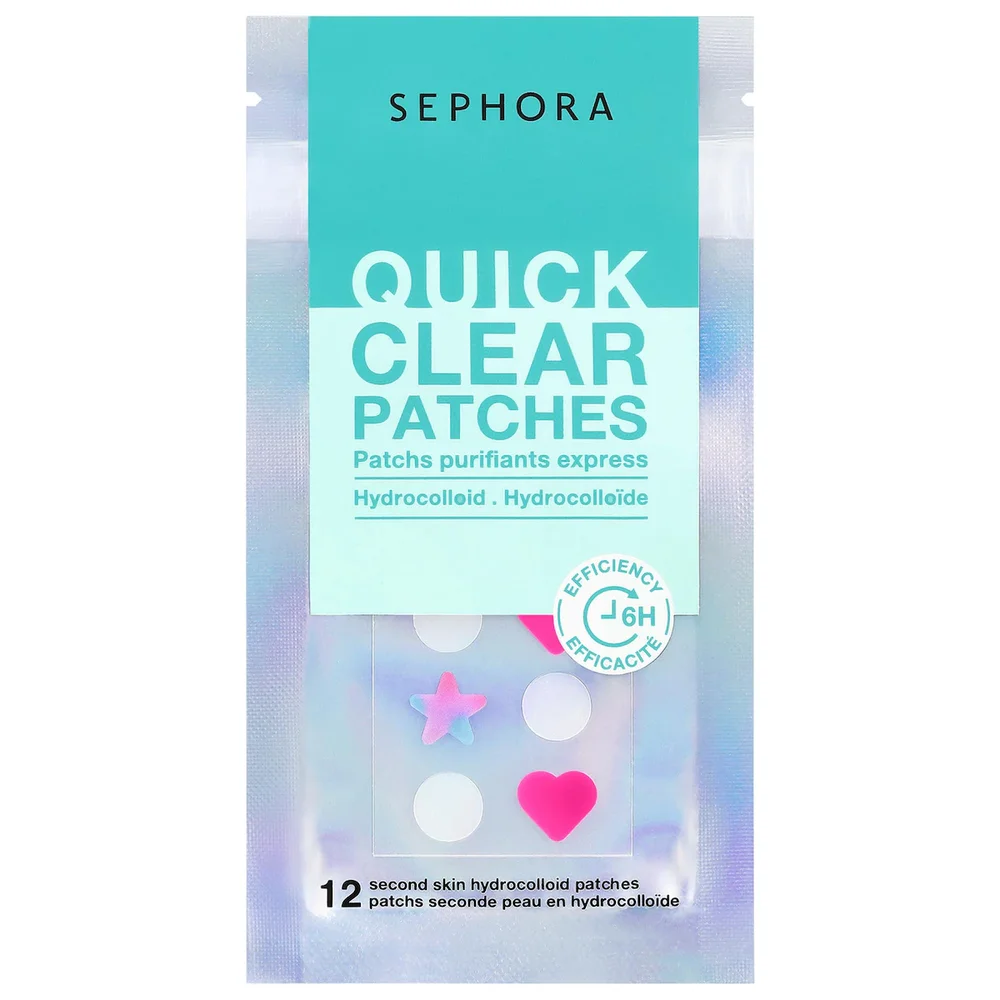
Quick Clear Patches
Sephora Collection
$6
Face mask questions, answered
What is the best face mask for acne-prone skin?
There is no single best mask for everyone. The AAD suggests choosing ingredients for the concern, such as salicylic acid or clay for oily, congested skin, and stresses that masks do not replace acne treatment.
Do face masks help acne?
They can support specific concerns such as oil or irritation, but they cannot replace an acne treatment plan. Using an exfoliating mask too often or alongside similar actives can irritate skin.
Is a pimple patch better than a face mask for one spot?
A hydrocolloid patch can protect a blemish and support healing, while a mask treats a broader skin concern. Do not pick at a deep, painful pimple, and seek dermatology care if it persists or several appear.
When should I see a dermatologist about acne?
Deep, painful pimples or breakouts that leave scars deserve professional care. A dermatologist can tailor treatment, and the AAD notes that acne treatment can take at least six to eight weeks to show fewer breakouts.
When a mask is not enough
Good acne masks have a narrow job: clarify oily congestion, comfort irritated skin, or cover one surfaced spot. I would skip a strong acid mask when skin is stinging or already adjusting to retinoids; the AAD cautions that overlapping actives and overuse can lead to irritation or dryness.
Deep, painful pimples, breakouts that leave scars, or acne that is not responding deserve a dermatologist, not another mask experiment. The best face masks for acne are the ones that fit around a sensible treatment routine, not the ones that promise to do all of its work. My short version is to treat the skin you have today, not chase a stronger sensation. For a more pleasure-led browse, Face Masks Skincare Fans Keep Coming Back To offers a broader look at the ritual side of masking.