Does The North Face run small? Start with your regular size, though waterproof jackets may need extra room for layers. Test arm reach.

The North Face Sizing: Does The North Face Run Small, Big or True to Size?
Start with measurements, then test the fit
The North Face runs most predictably when you start with its women's size chart, not a brand-wide rule that every jacket fits alike. The north face size chart maps chest, waist, hip and arm measurements to tops, and lists pants in short, regular and long lengths. For jackets and tops, the page shows XS through 2XL plus a separate 1X to 3X range; the pants chart runs from 2XS to 4X, with 28, 30 and 32-inch inseams. The coat FAQ says your regular size is a good place to start, then recommends testing a zipped coat with the arms held forward. If the shoulders or elbows feel restricted, try the next size. It also says waterproof jackets may need extra room for fleece or a down layer, while a Nuptse can be more fitted. That is why I would not size every puffer, shell and fleece the same way. Measure a similar pair of pants at the inseam and compare the exact item's size chart. The short answer is to start with your measurements, then size for the layer and range of motion you need.
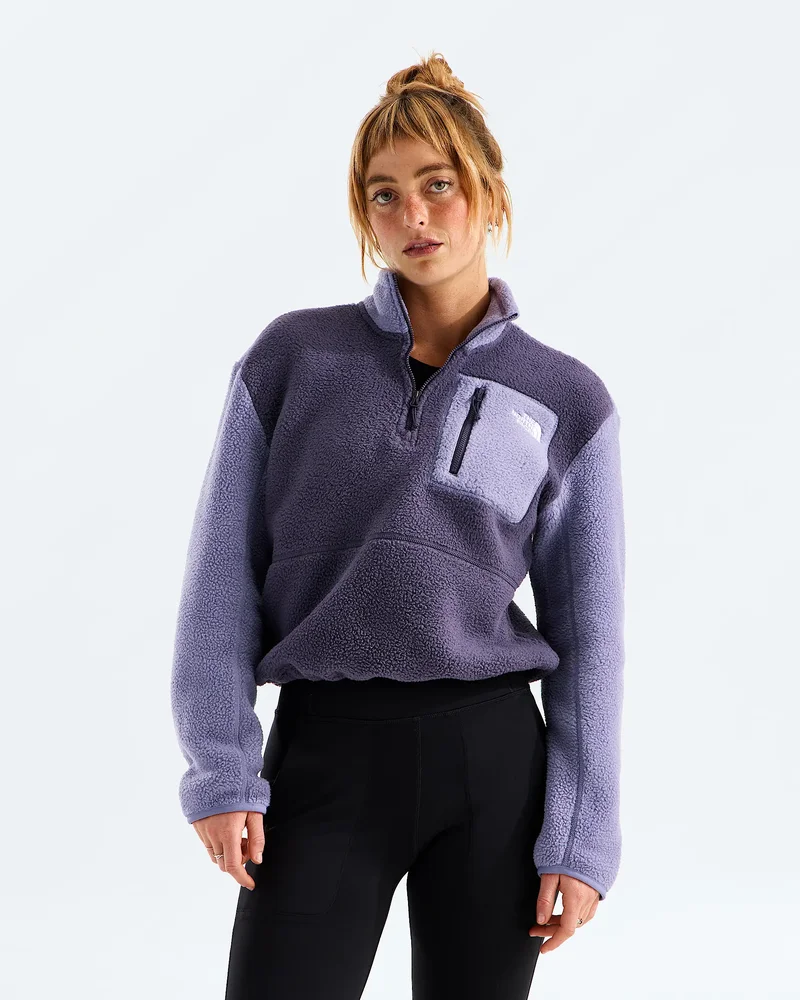
Fleece and light layers
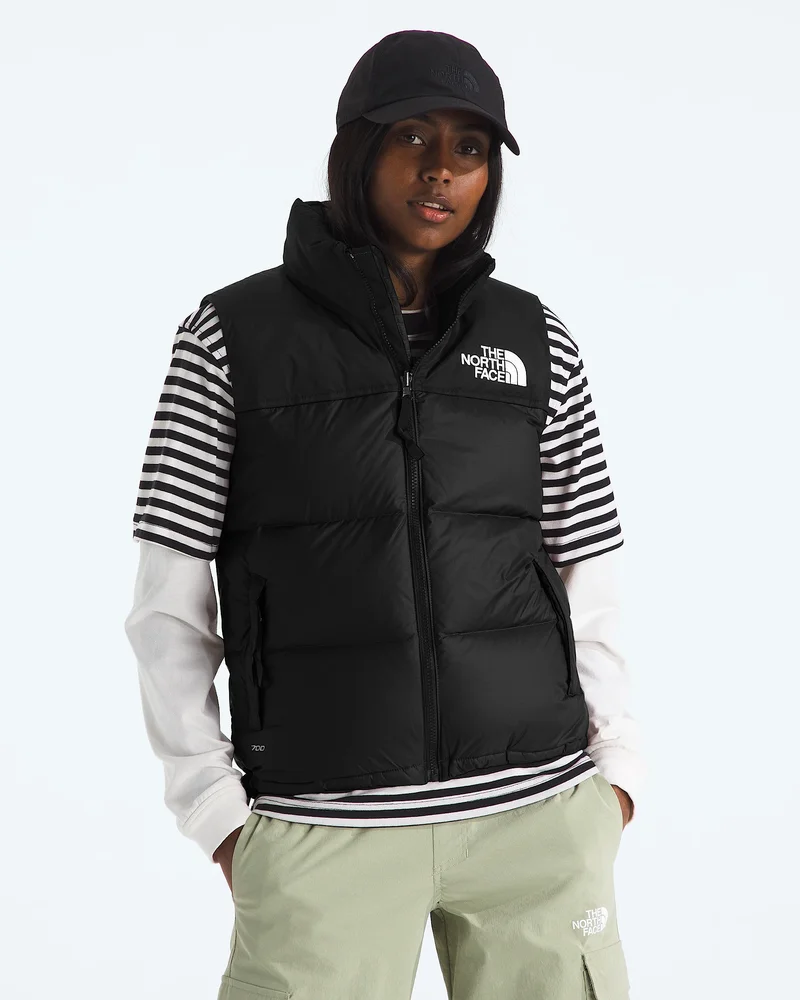
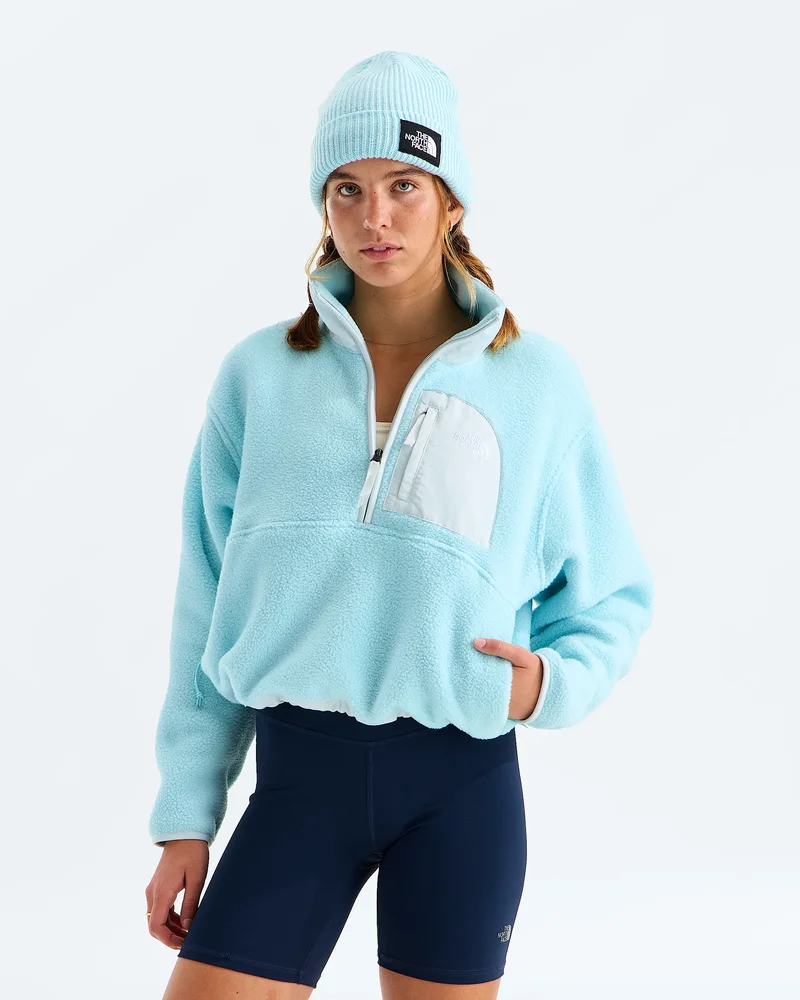
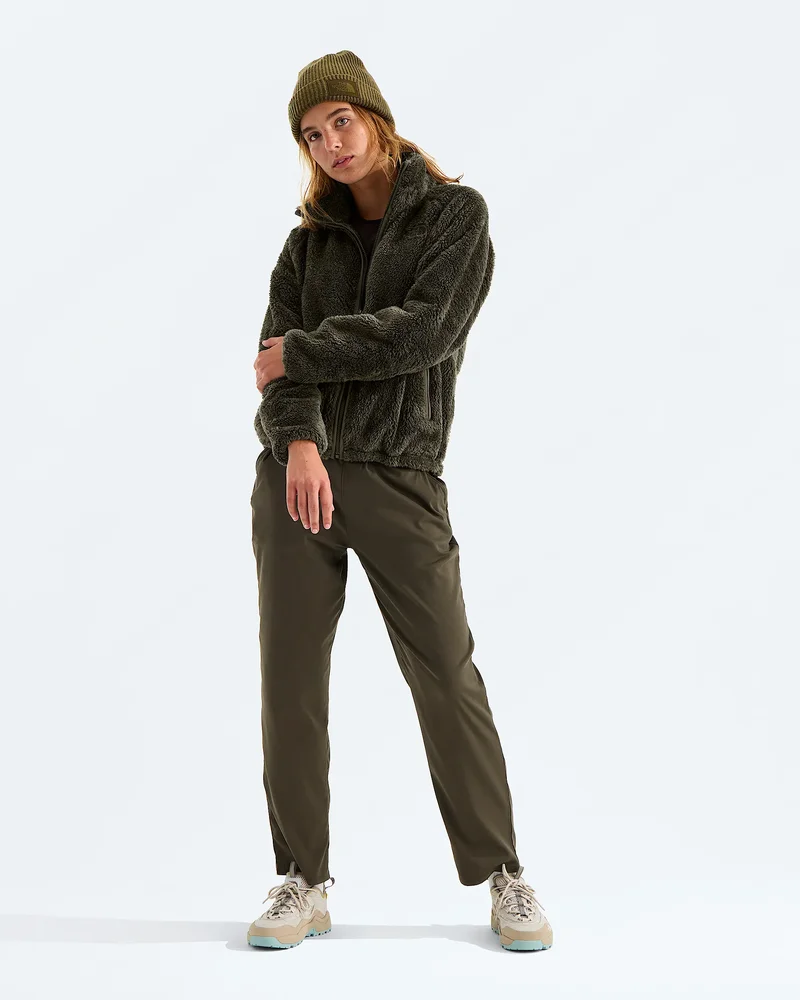
The Yumiori quarter zip and Nuptse vest are useful fit references, while the Off Peak half-zip and Osito full-zip give me two more layers to compare. These are not all the same cut, so use the size chart on each page rather than assuming a shared size block. A quarter zip or fleece pullover is easiest to test with the midlayer you already wear, while a vest avoids sleeves but still needs room across the chest and armholes. The official fit FAQ says regular size is a sound starting point for coats, and it specifically recommends checking movement with the coat zipped. Reach both arms forward, then notice any restriction at the shoulder or elbow. If the fleece will sit over a thick hoodie, try that combination instead of sizing by a T-shirt. On a vest, check that the arm opening does not pull when your arms cross. The size menus show the current color's inventory rather than a universal size promise.
Insulated jackets and a weather shell
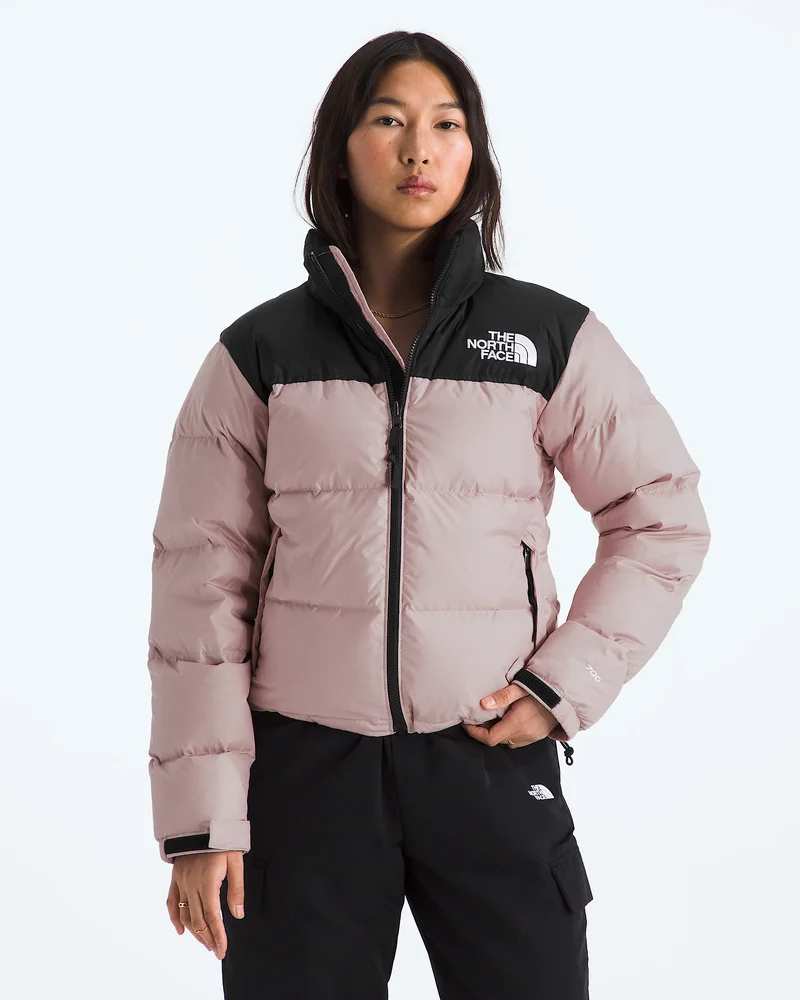
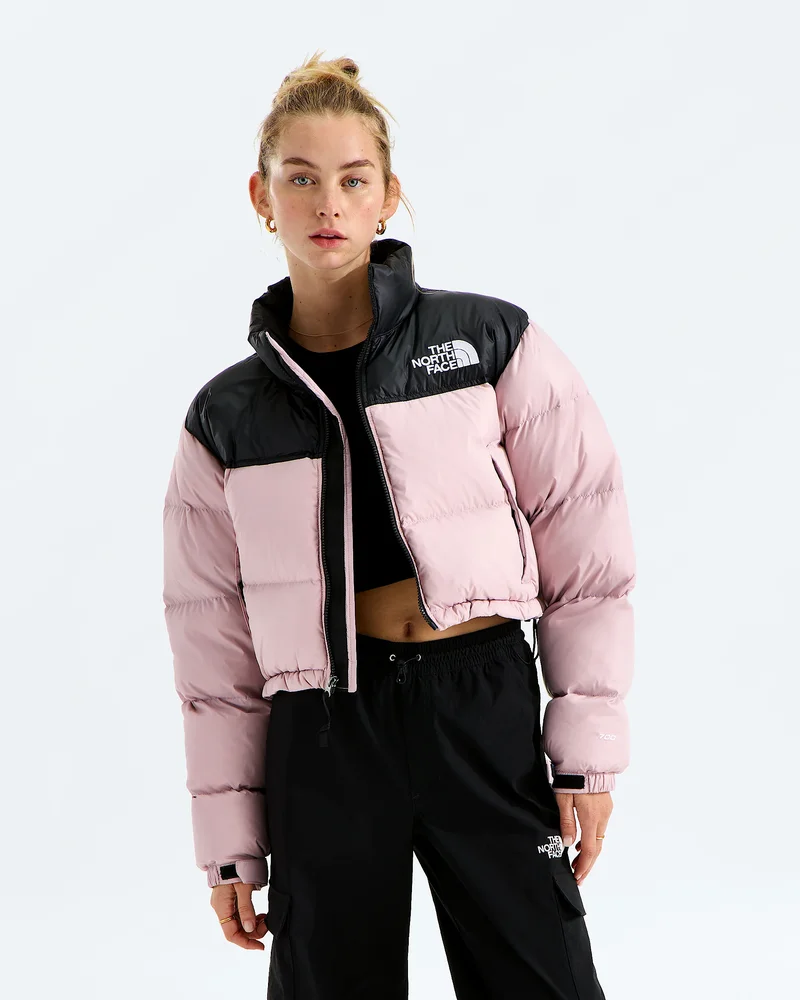
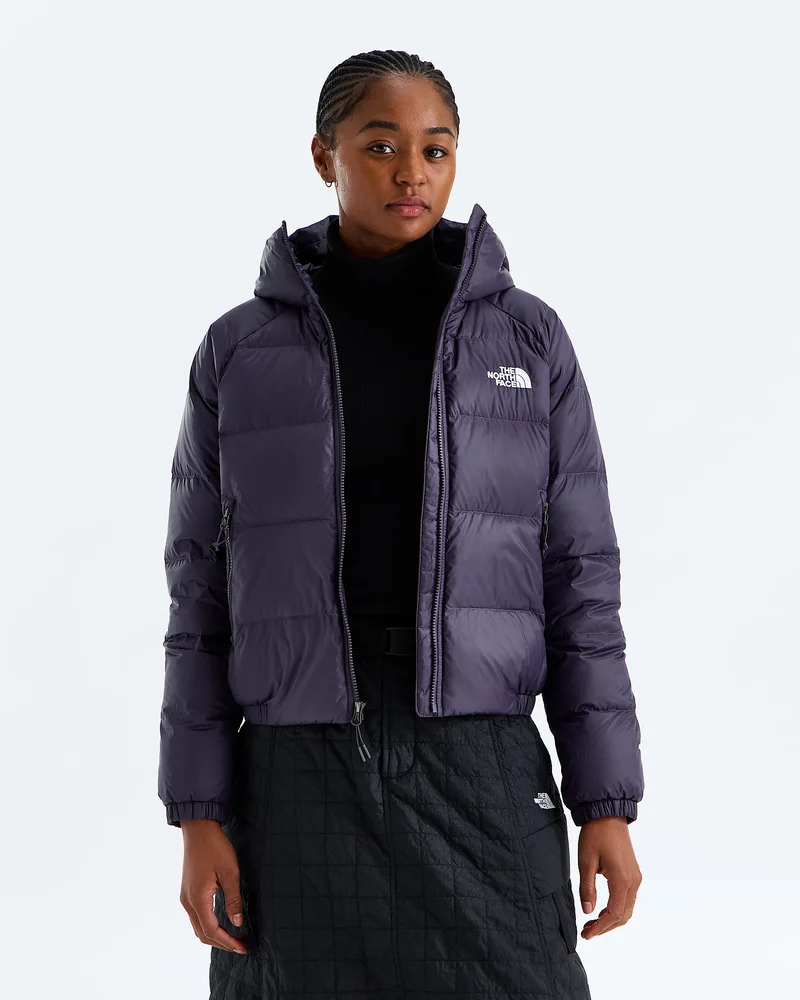
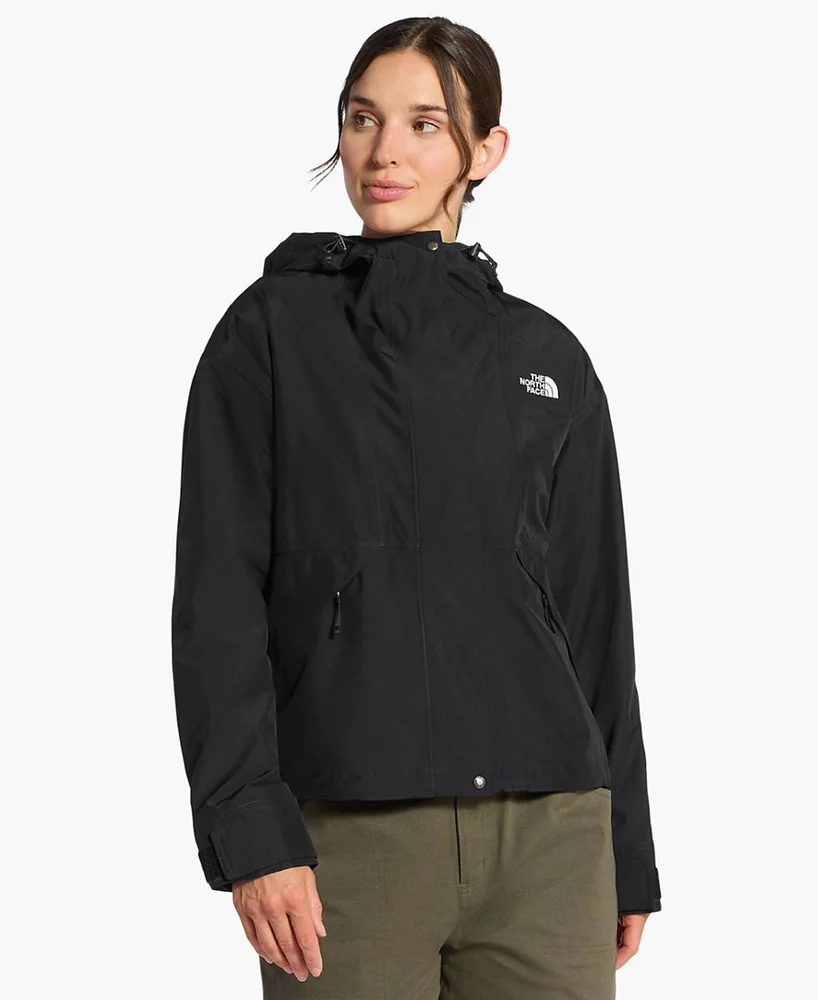
Here the 1996 Retro Nuptse, shorter Nuptse jacket and Hydrenalite down hoodie sit alongside the Reign On 2 rain jacket. The North Face's own fit note is the useful distinction: a Nuptse can be more fitted, while a waterproof jacket may need extra room for a fleece or down layer. I would set your size by the job. If you want a close puffer over a light base, use your body measurements and start at your usual size; if you want the Reign On 2 rain jacket over insulation, leave room through the chest and shoulders. I would use its fit notes as a second reference, then check the size chart. Compare jacket length too; a cropped puffer and a longer shell feel different when seated or reaching. If sleeves ride up or the body lifts in the hug test, try the larger size.
Pants need their own fit check
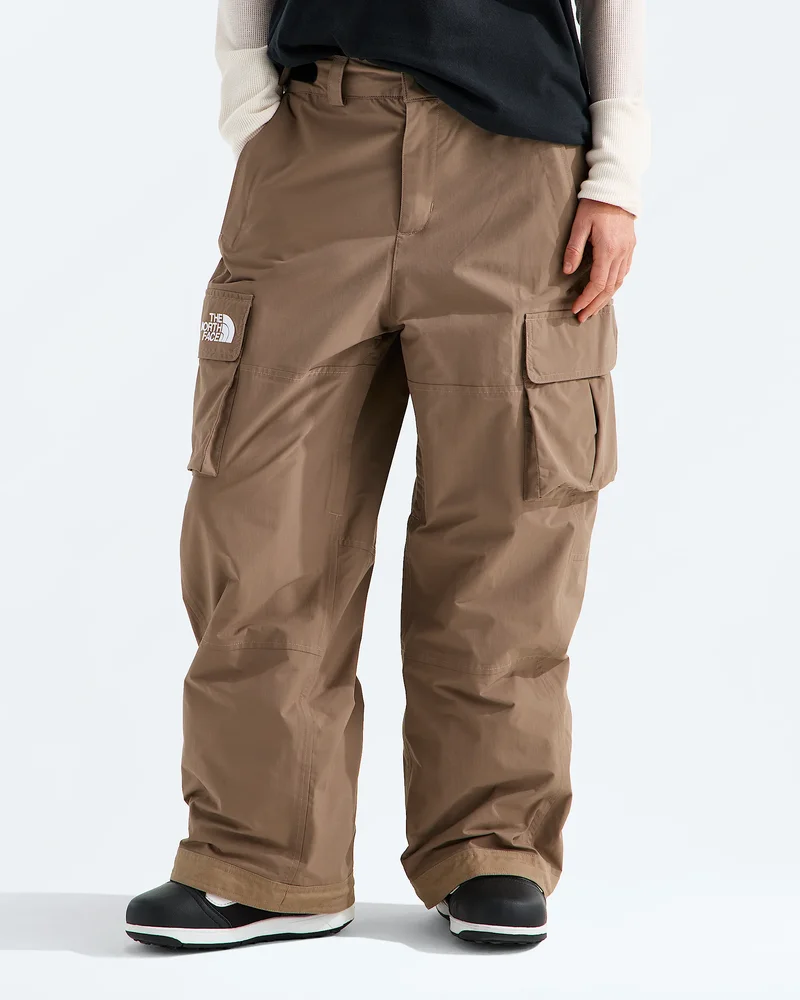
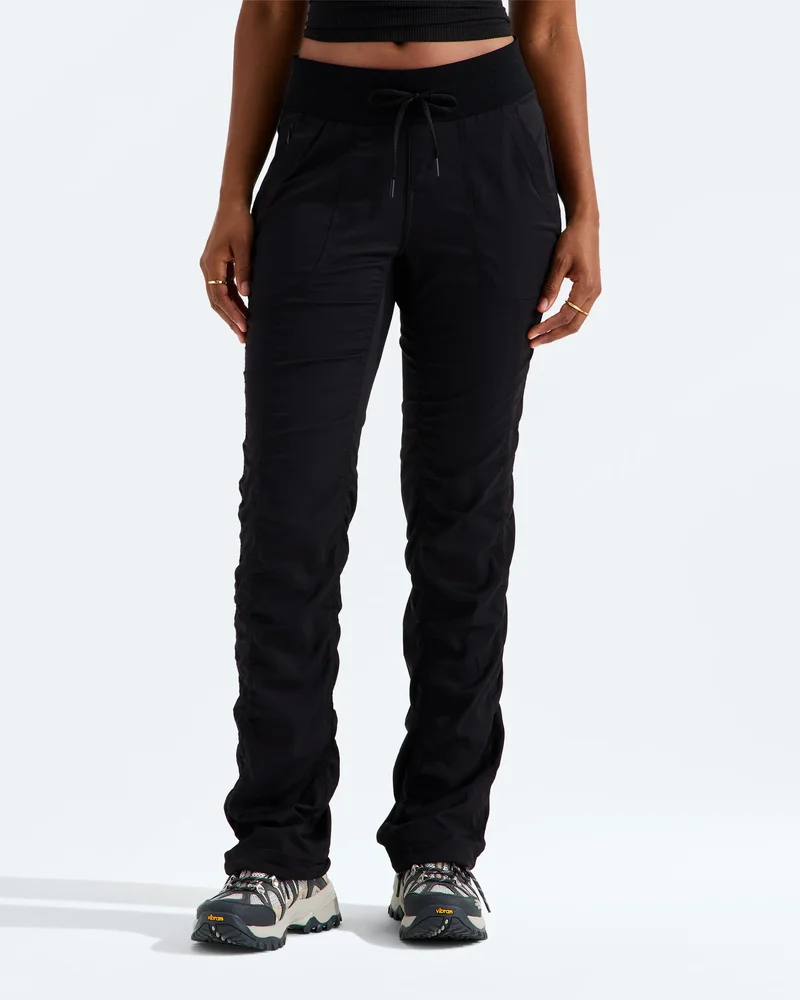
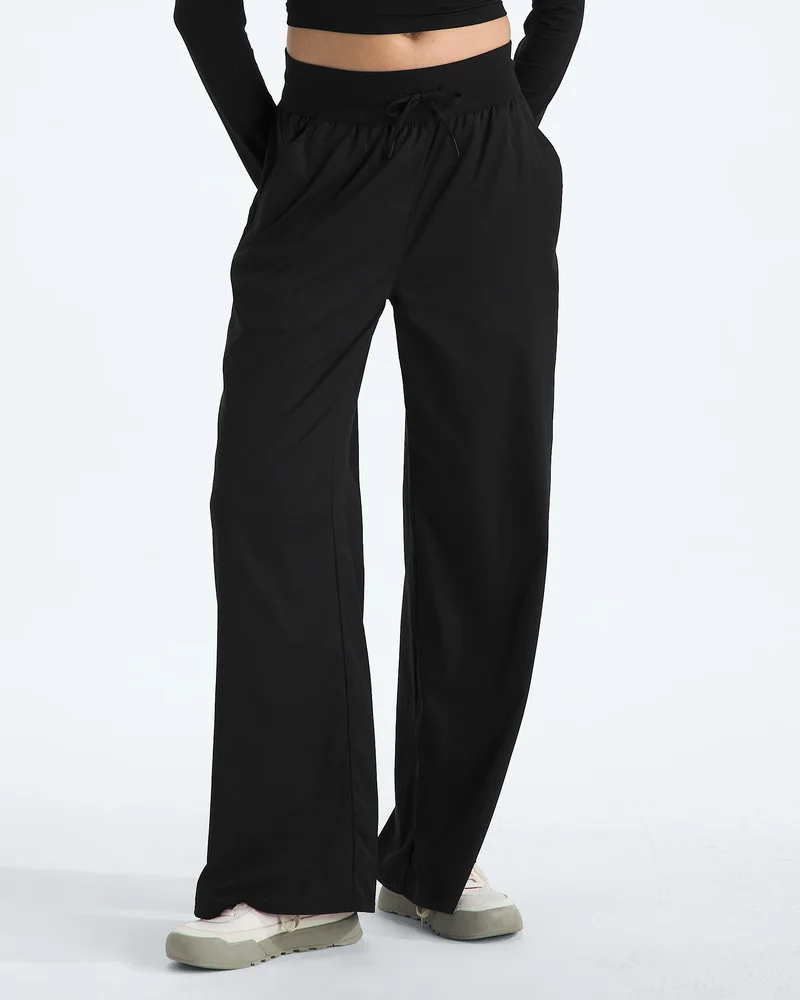
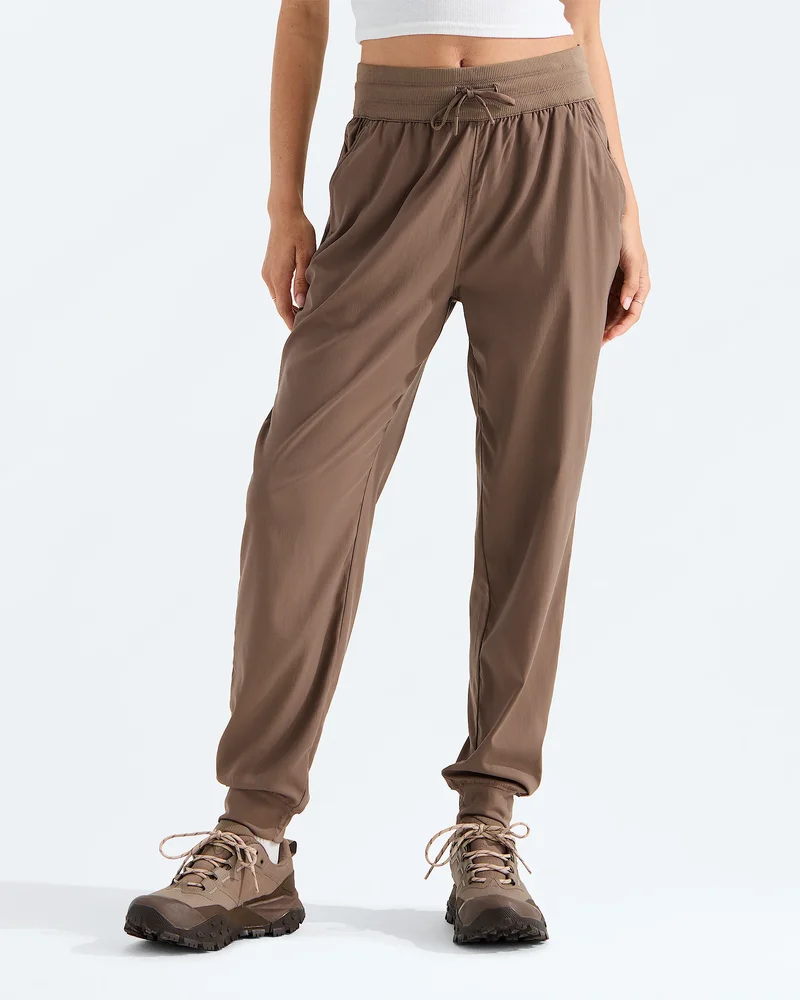
Slaydee cargo pants, Aphrodite 2.0 pants, the Arise wide-leg pant and the Arise jogger make up the bottom half of this page. The North Face chart gives pants three inseams, short 28 inches, regular 30 inches and long 32 inches, while its product pages list regular lengths for the Arise styles; the jogger page lists a 28-inch inseam. For pants, measure a pair you already like from crotch to hem, then compare waist and hip measurements before choosing between sizes. Compare the listed inseams on the product pages, since those lengths can differ. The Slaydee Cargo Pants deserve an item-specific check, so compare their product-page information rather than assuming they behave like a knit fleece pant. If you are between sizes, compare the fit note and waist construction before automatically going up. For outerwear, keep the arm reach test; for trousers, prioritize rise, waist ease and inseam.