The North Face handles wet-weather protection; Patagonia favors packable layers, recycled fleece and lofty down. Choose by shell, fill and use.

The North Face vs Patagonia: Which Jacket Brand Is Better?
Start with the weather
Choose The North Face if your first concern is a genuinely wet, cold commute; choose Patagonia if you want a light-to-midweight layering kit built from fleece, down and synthetic insulation. Patagonia vs North Face is not a blanket quality contest: the Arctic Down Parka is a waterproof, seam-sealed option, while ThermoBall, the Aconcagua 3 and the Patagonia puffers are insulating layers with water-repellent finishes rather than waterproof shells.
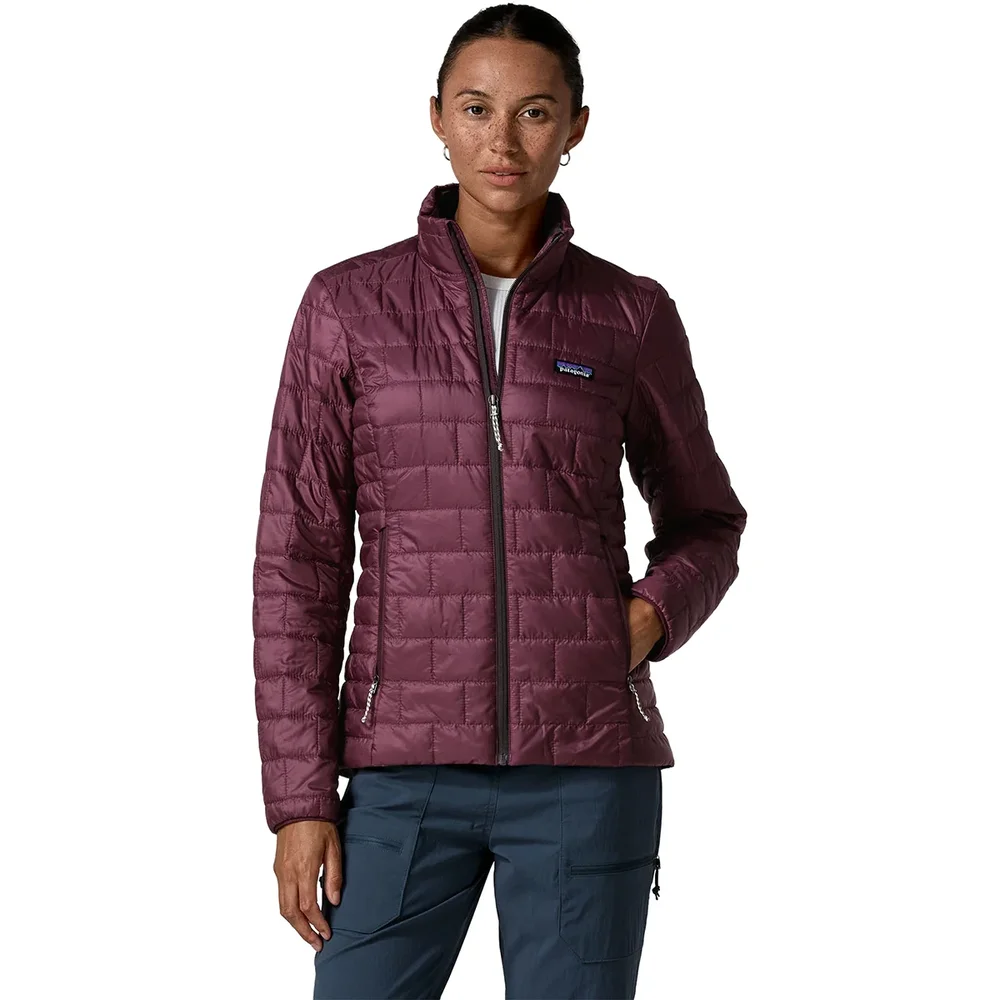
On fill, Patagonia's Down Sweater uses 800-fill Responsible Down Standard down, while The North Face's Aconcagua 3 mixes 600-fill recycled down with synthetic insulation and ThermoBall uses synthetic fill. For damp conditions, synthetic fill in ThermoBall and Nano Puff is the low-fuss choice; for loft in drier cold, the Down Sweater is a clear pick. Both labels use recycled materials in these models, so I would compare construction and the exact job, not claim one brand owns sustainability. North Face vs Patagonia usually comes down to shell protection versus insulation, and if you're asking North Face or Patagonia for one jacket, I would start with your weather forecast.
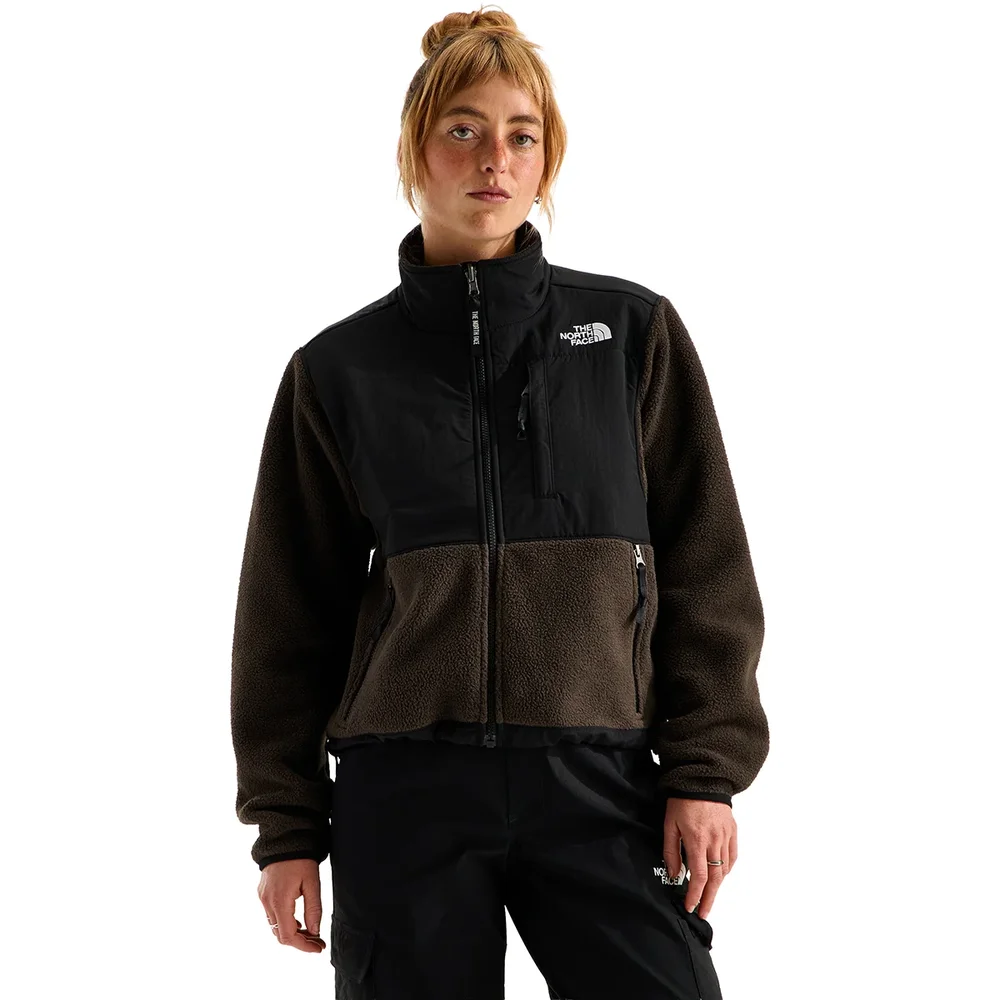
The North Face, from shell to fleece
The North Face's founding story starts with climber Doug Tompkins and a San Francisco shop in 1966; its history later places the Denali as a zip-in fleece compatible with the Mountain Jacket. The brand began with practical mountain problems, and these picks still reward shopping by weather rather than logo.
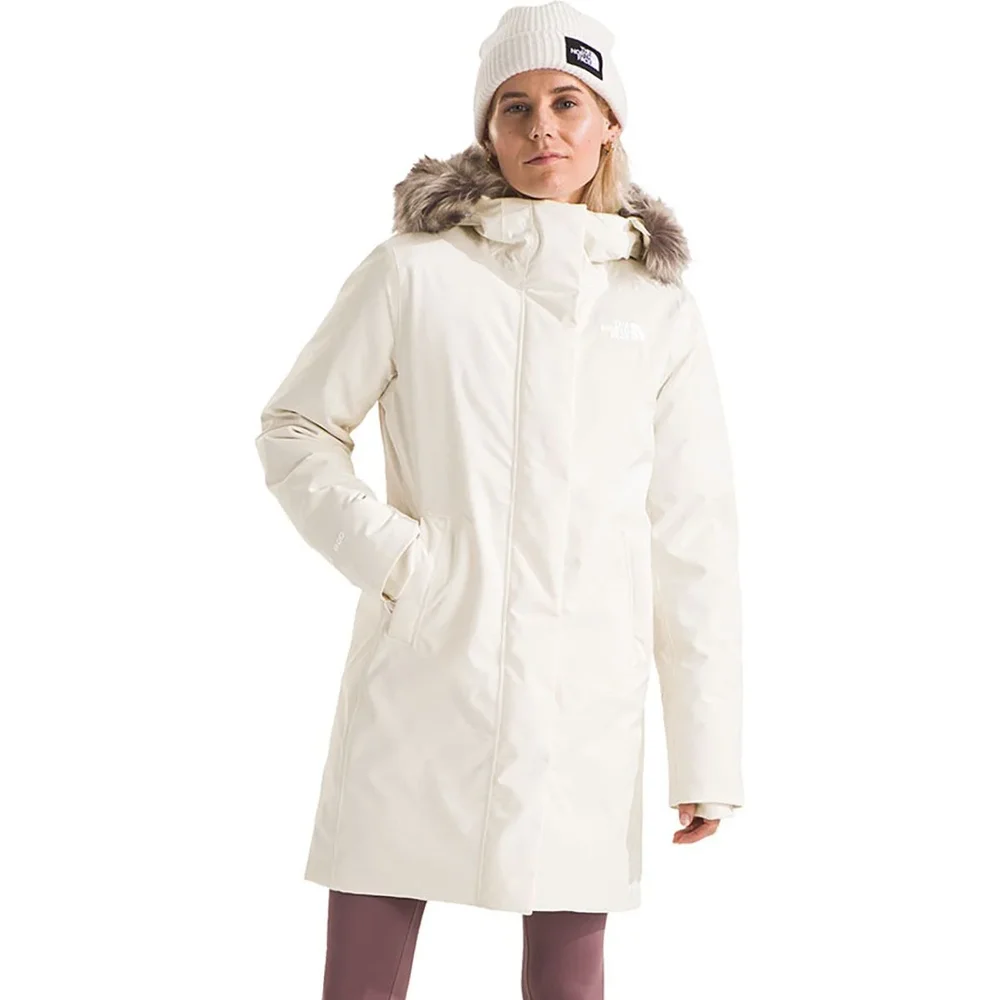
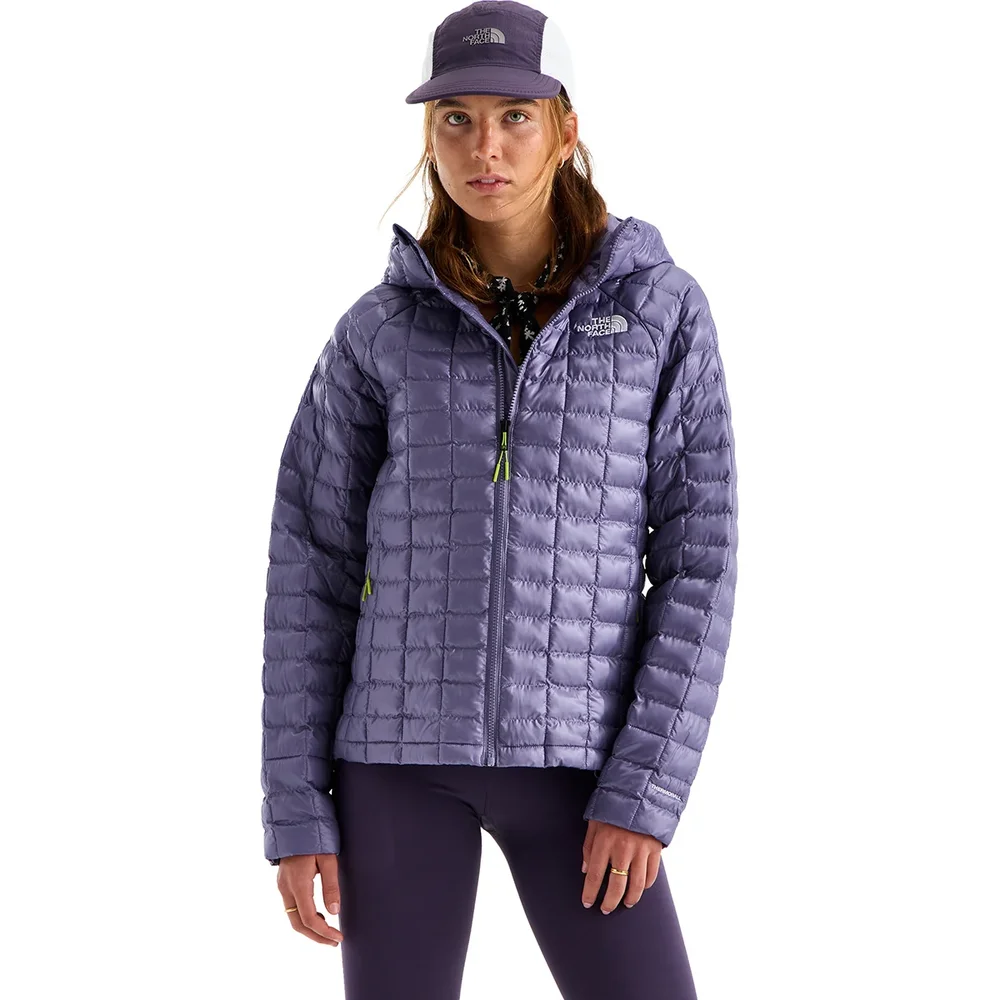
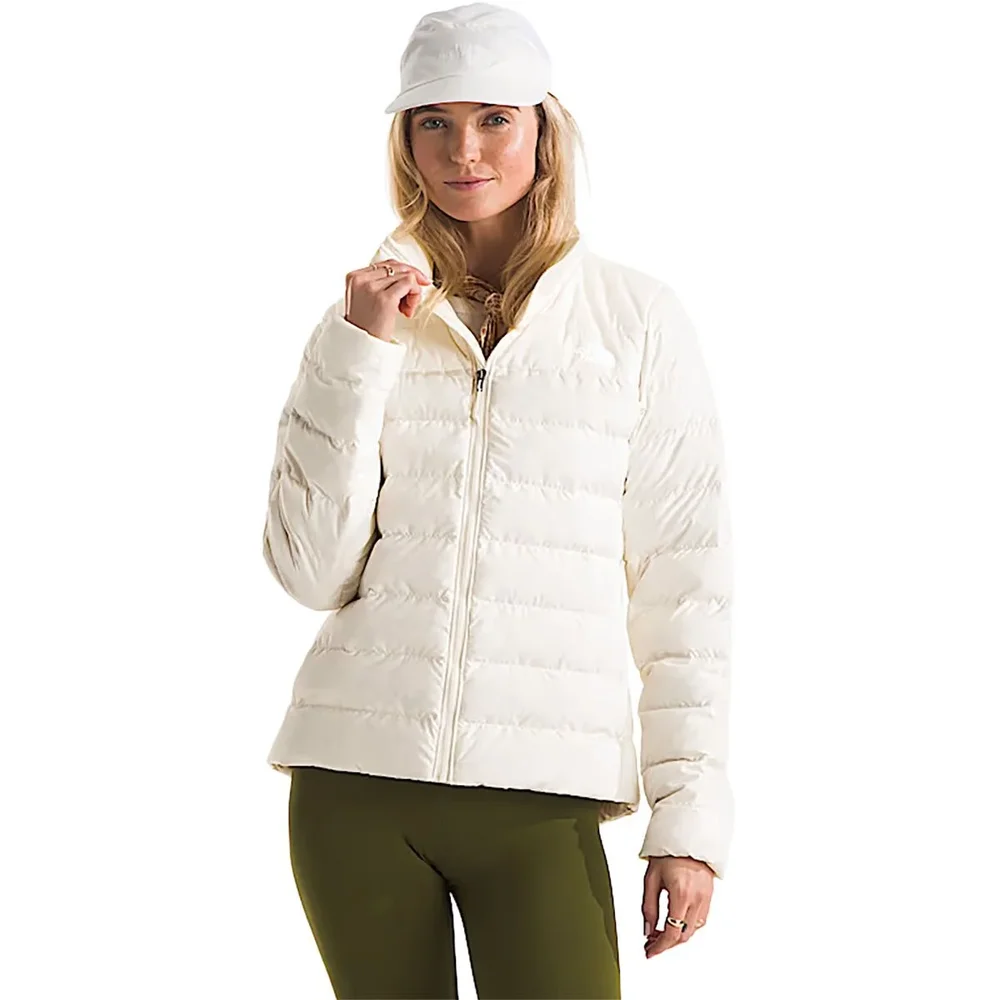
The Arctic Down Parka is the winter commuter: long coverage, a waterproof DryVent shell and 600-fill recycled down. ThermoBall Hooded Jacket swaps down for synthetic fill that holds warmth when damp; I would wear it when packability matters more than a rainproof shell. Aconcagua 3 Jacket mixes recycled down and polyester through the body, then adds synthetic sheet insulation at wet-prone panels, a useful compromise for daily cold. Retro Denali is heavyweight fleece with underarm vents, not a substitute for a waterproof shell but a cozy layer I would throw on for dry cold.
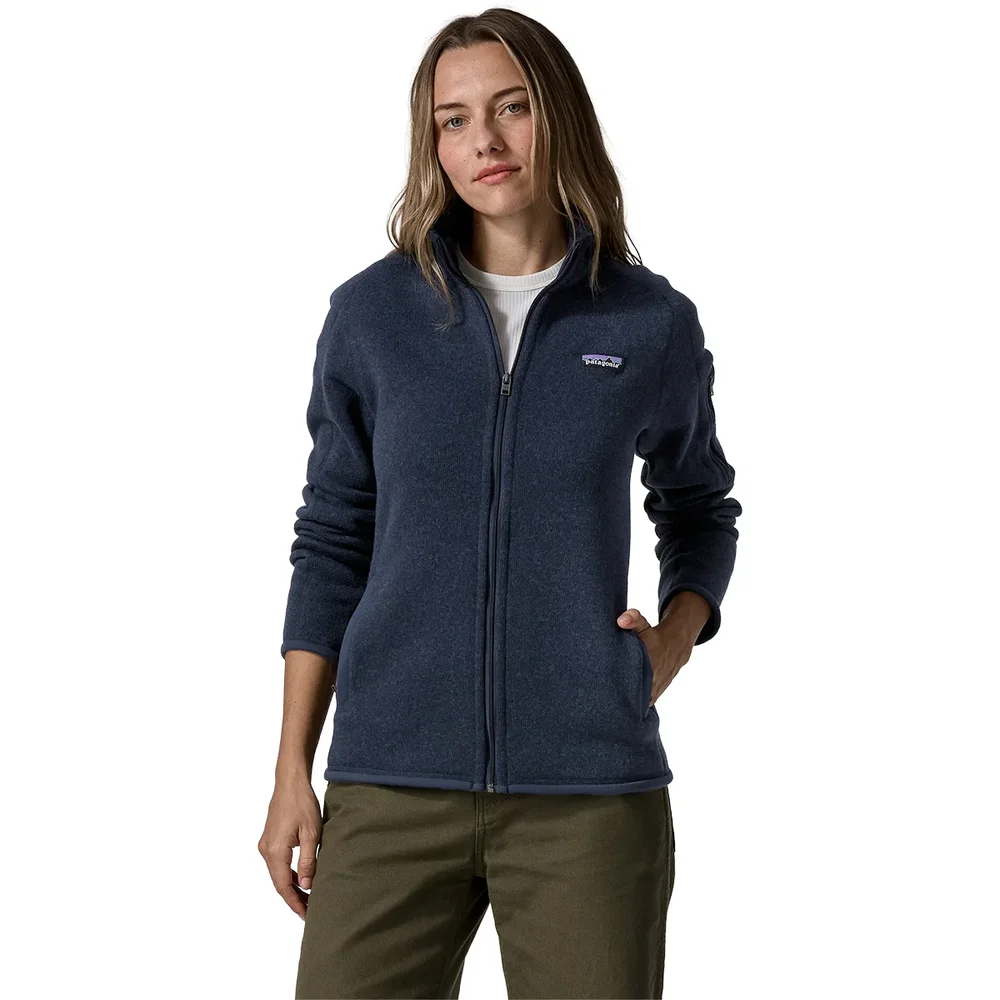
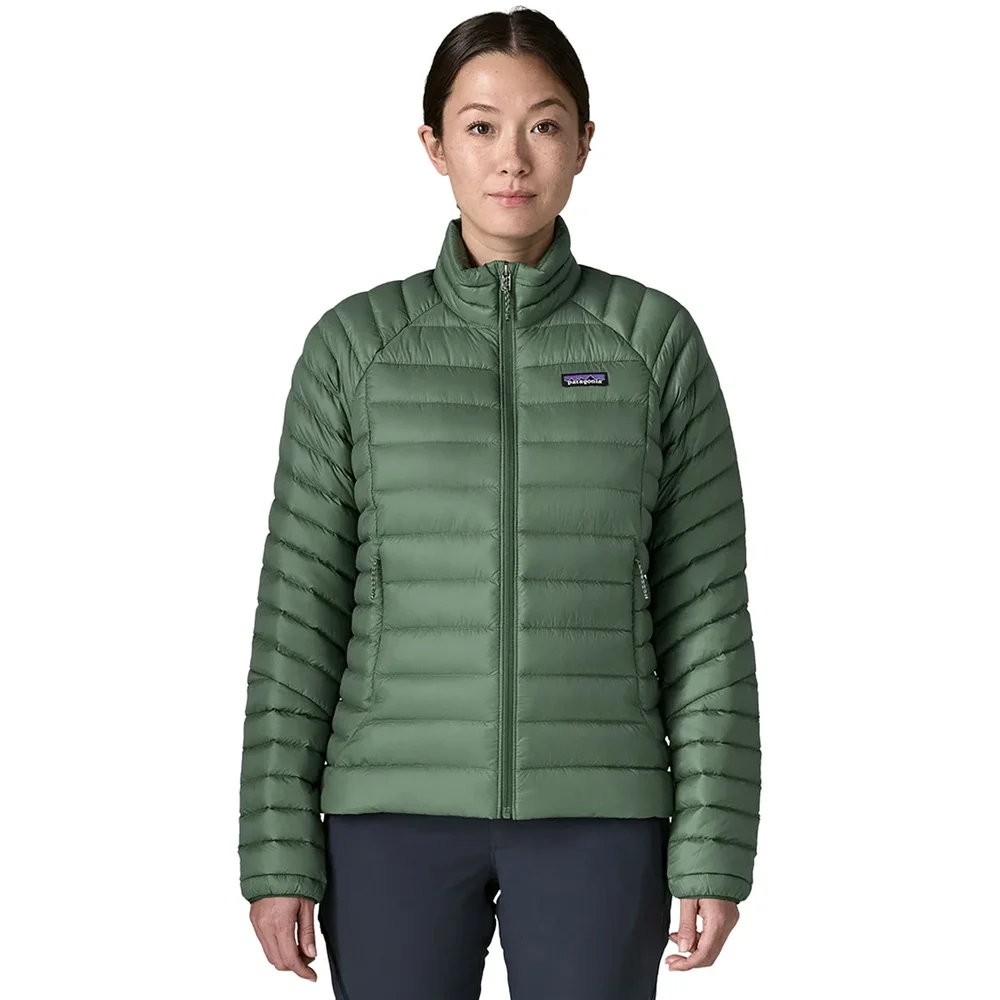
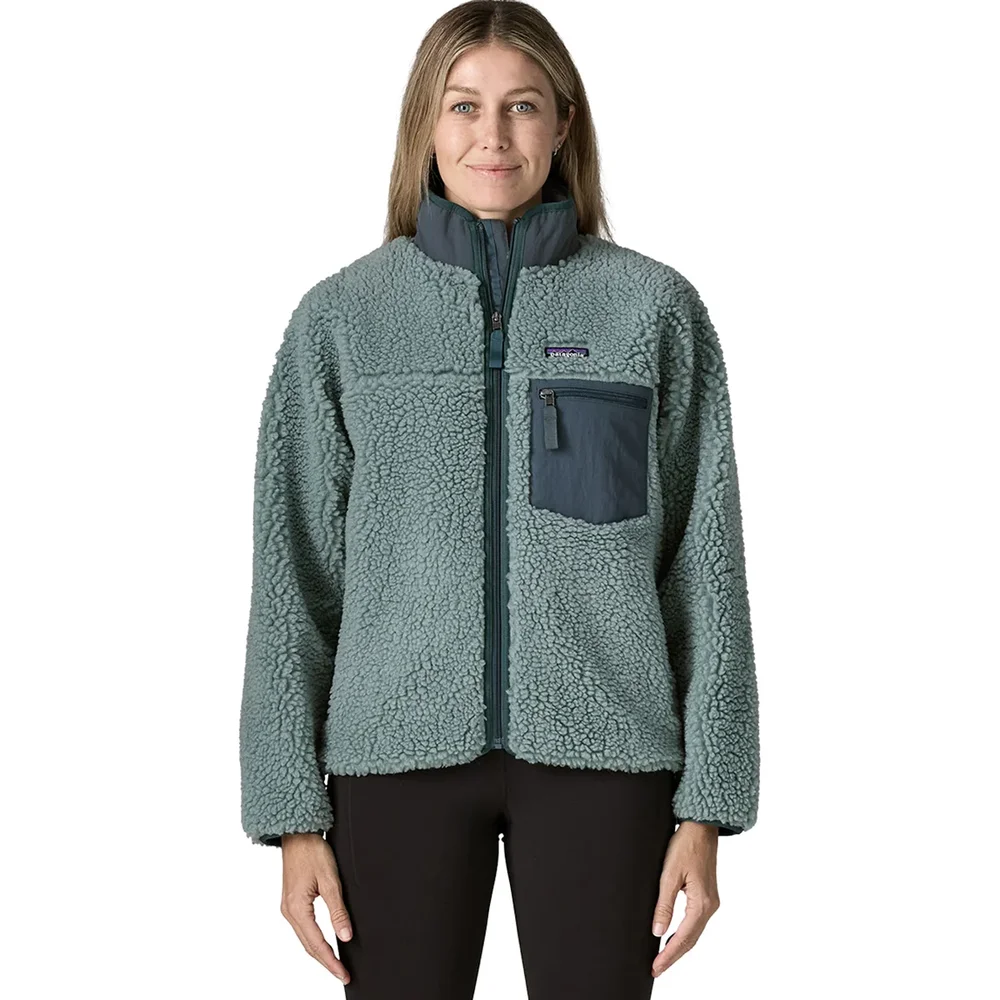
Patagonia's layered point of view
Patagonia starts with Yvon Chouinard's climbing craft: he writes that he made climbing gear for himself and friends before moving into apparel, and the company's stated purpose is to save our home planet. The product mix makes that origin easy to read, if a little less literal than a piton.
Better Sweater is a slim, midweight knit fleece in 100% recycled polyester with five pockets; it is my tidy everyday layer. The Classic Retro-X is the roomier pile fleece, with a wind-resistant bonded mesh backer for cooler walks. Down Sweater is Patagonia's warm-down option, using 800-fill RDS down in a NetPlus shell made from recycled fishing nets. Nano Puff is the synthetic counterpart, with 60-gram recycled PrimaLoft and warmth designed to persist when wet. I would buy one of those last two only after deciding whether I want down loft or a synthetic insulation story.
When you're still choosing
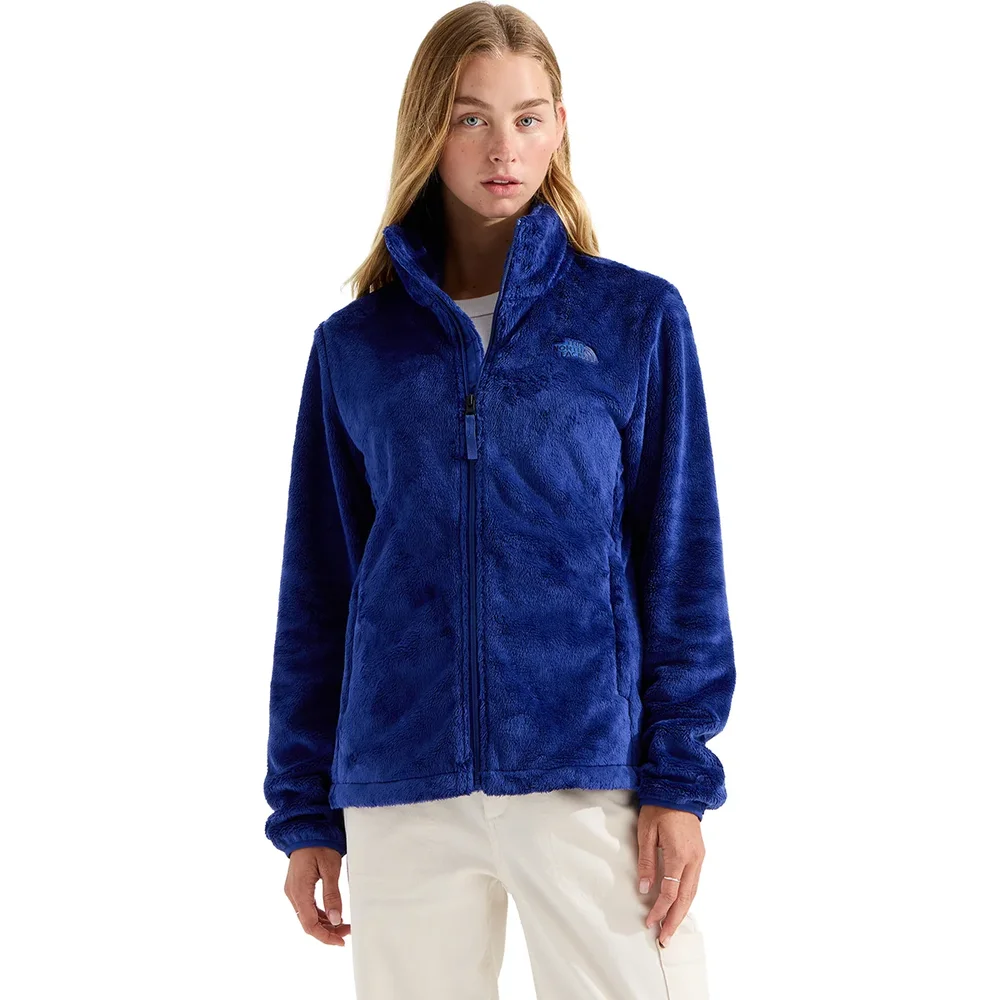
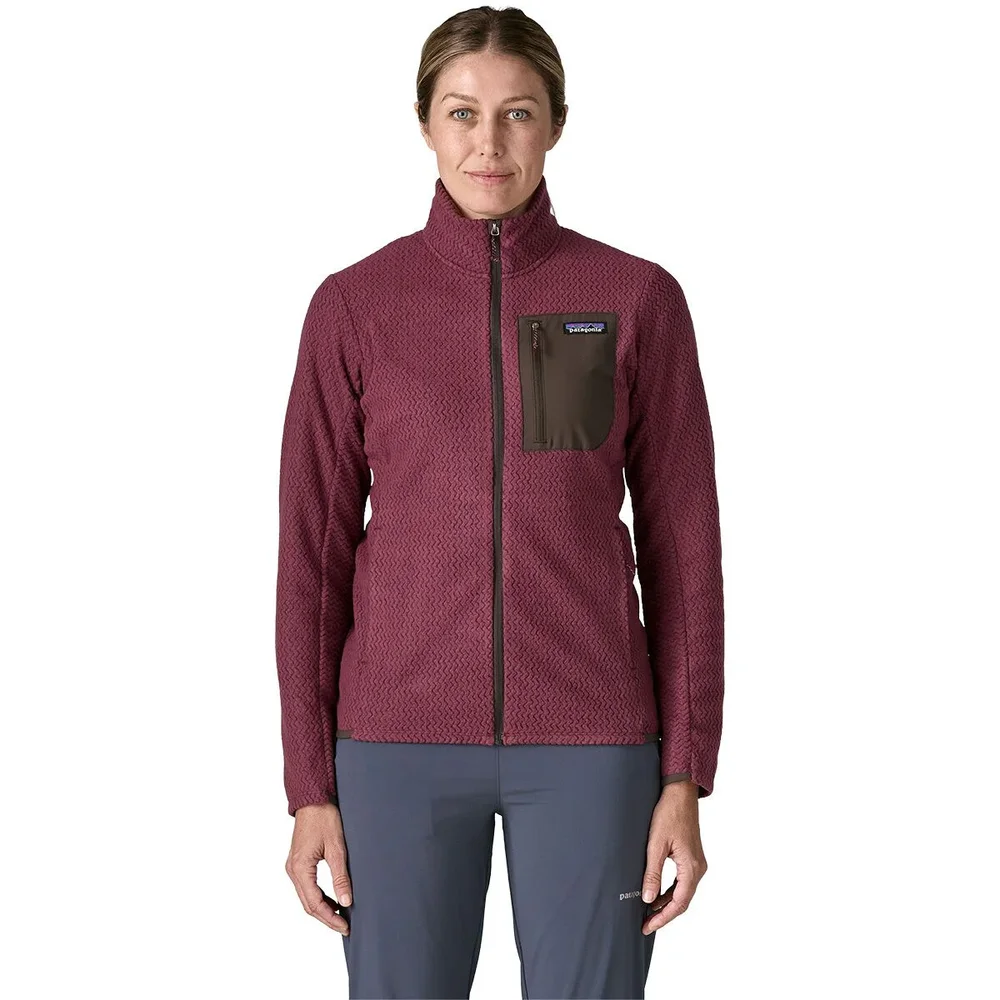
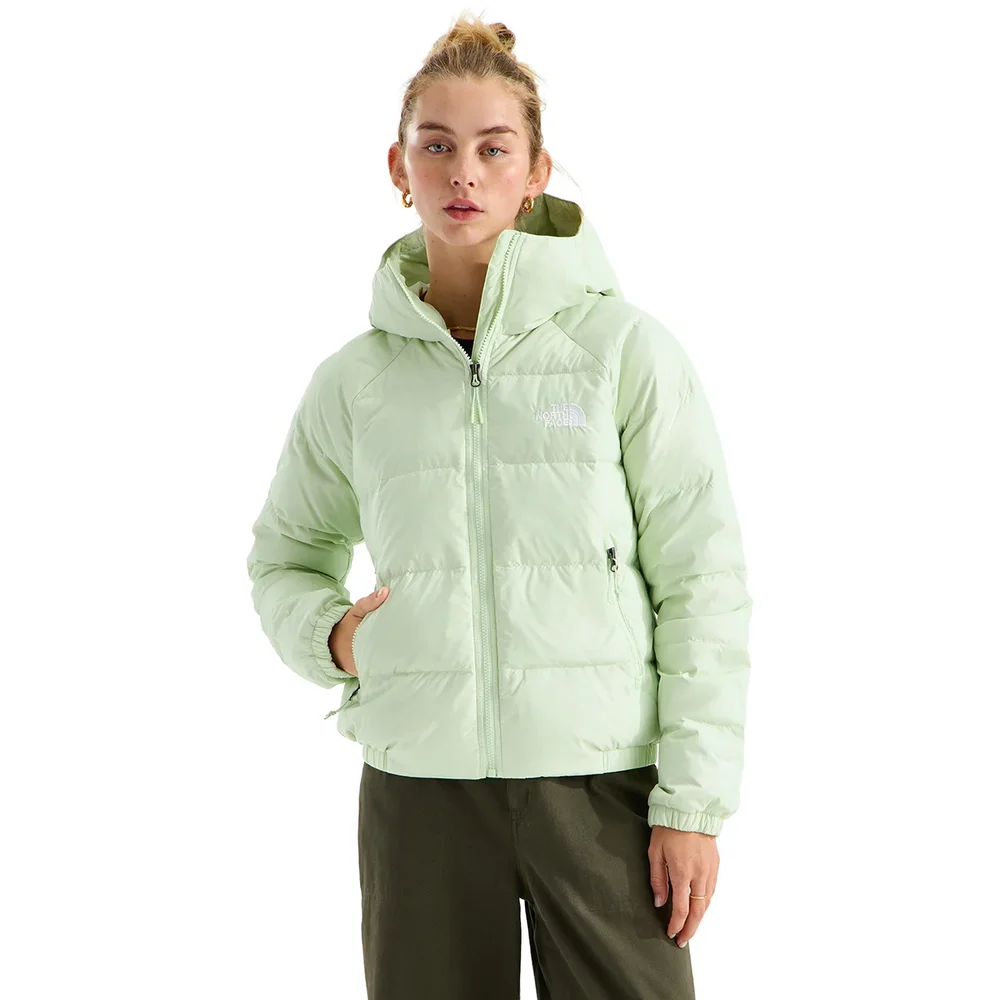
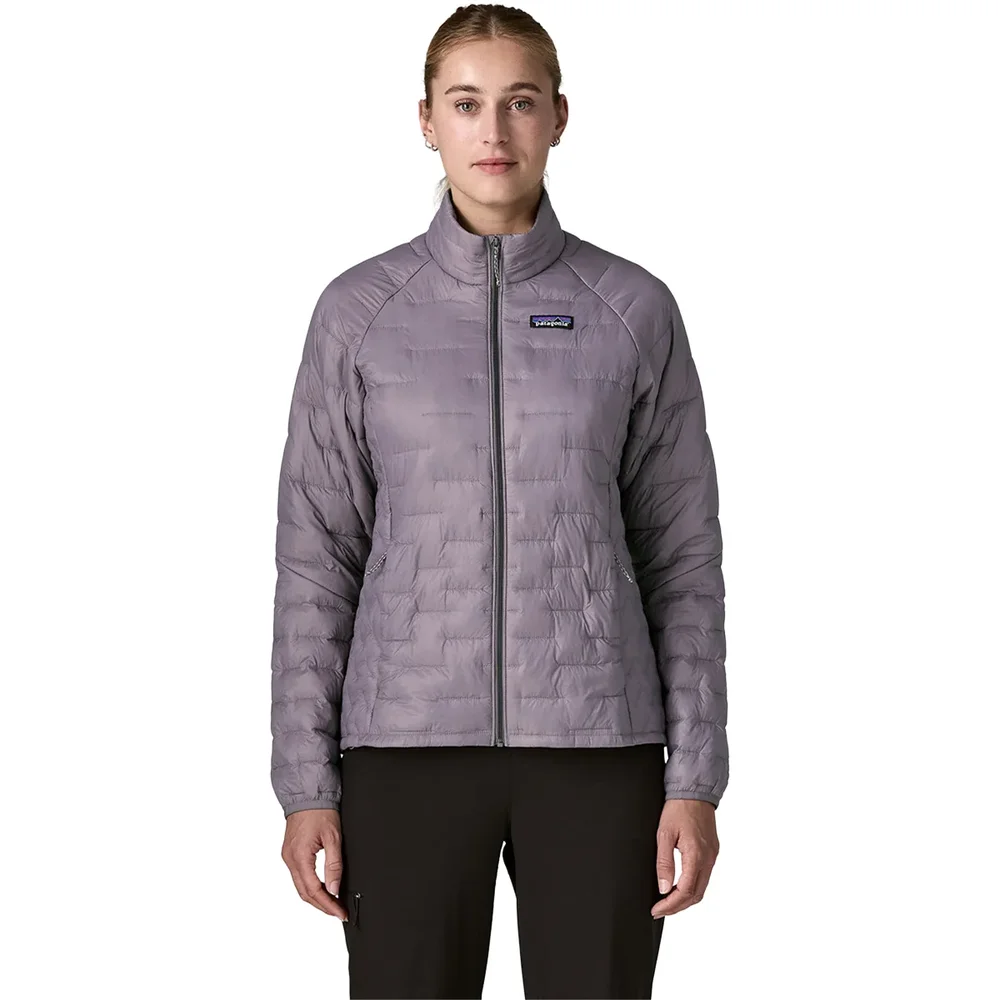
For fleece, Osito's lightweight high-pile recycled fleece is the plush one, while Patagonia's R1 Air uses hollow-core recycled yarns to breathe through harder efforts. The puffer comparison is sharper: Hydrenalite's 600-fill recycled down aims at lofty everyday warmth, while Micro Puff's 65-gram PlumaFill synthetic insulation keeps insulating in damp conditions.
I would choose Osito for comfort, R1 Air for active layering, Hydrenalite for cold, dry days, and Micro Puff when weather is less predictable. Buy The North Face if you need a waterproof parka and easy everyday insulation; buy Patagonia if you want recycled technical layers with a high-fill down option and a more breathable active fleece. My pick depends on whether this jacket is your outer shell or the warm layer underneath it.