Types of Boots, from close-cut ankle pairs to knee-high, over-the-knee, combat, lug, and hiking styles, can change the line of an outfit. I would choose by shaft height first, then decide whether I want a heel, a lug sole, or a quieter profile.

Types of Boots: A Curious Guide to Height, Heel, and Tread
Ankle Boots Set the First Line
London shoemaker J. Sparkes-Hall, also a cobbler to the royal family, is credited with designing an elastic-sided boot for Queen Victoria in 1837; he patented a prototype in 1851. That history is part of the appeal of types of boots: a small change in shaft or heel can make a pair belong to an entirely different sort of day.
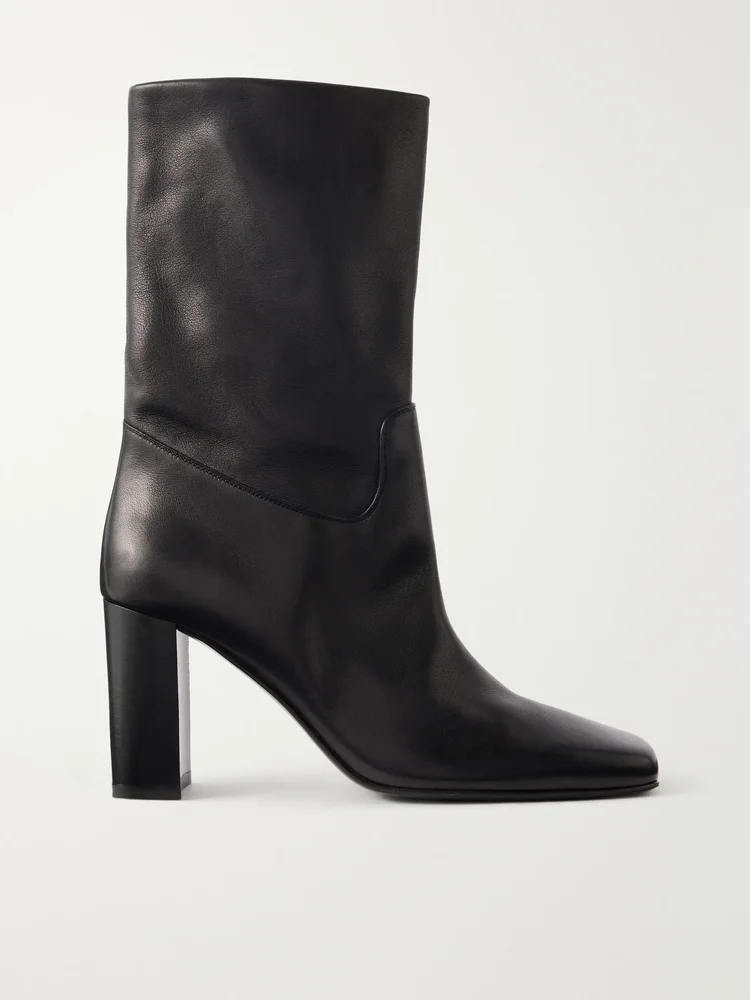
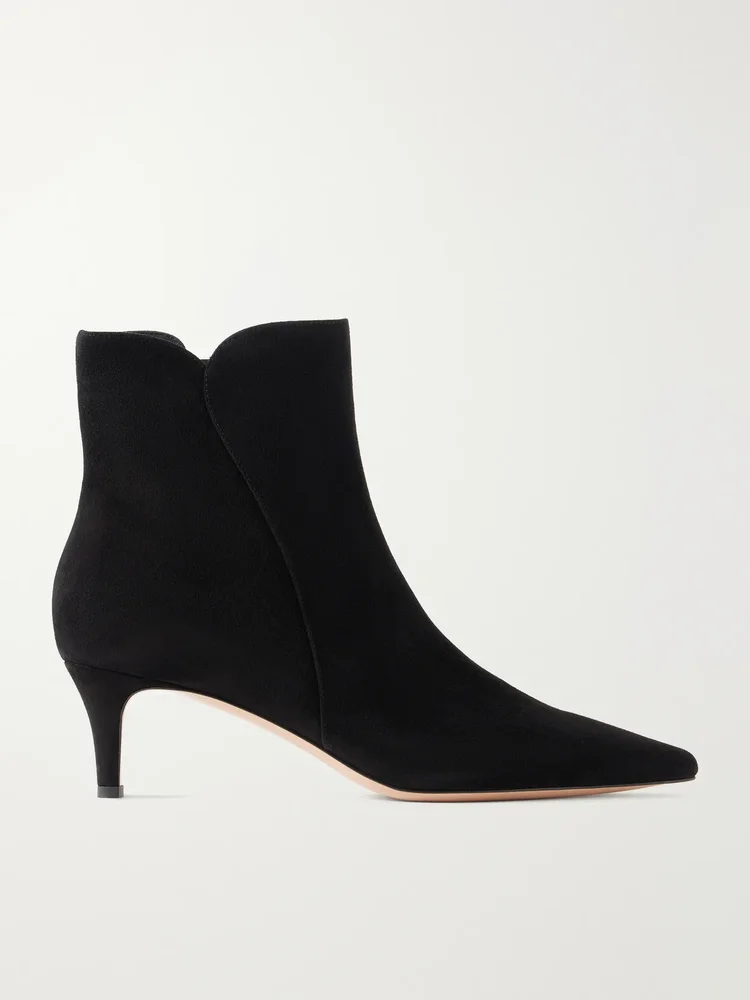
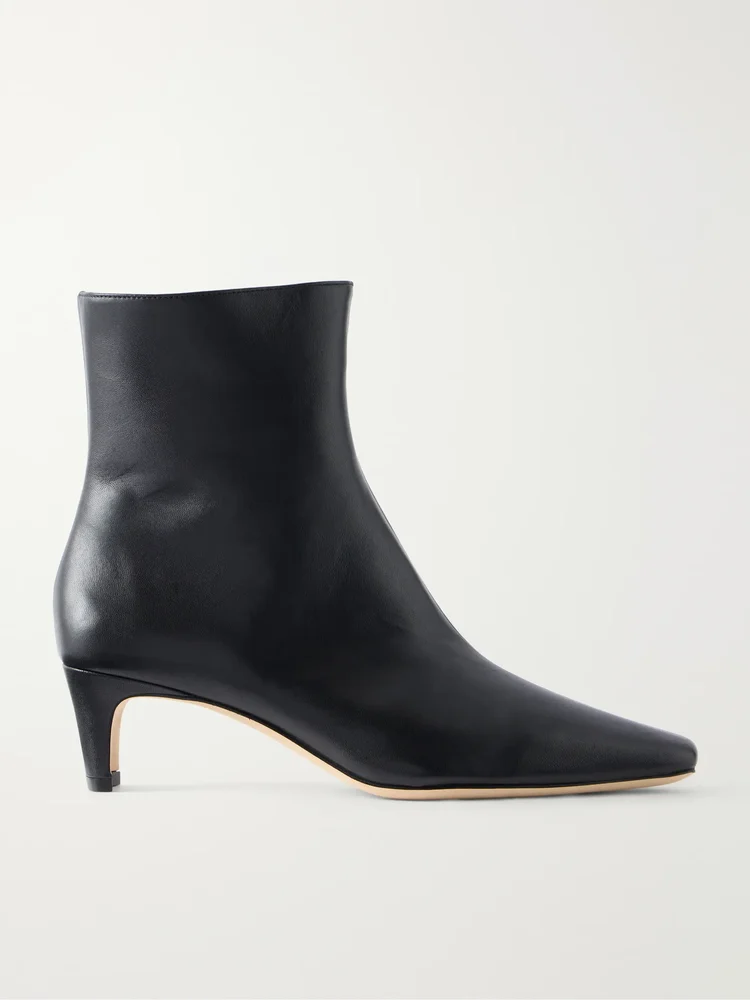
For an ankle boot, I look at the line between shaft and hem. A slim heel keeps the silhouette neat, while leather or suede changes the feel without requiring a taller shaft. These black pairs make the choice especially clear, useful now, when one outfit may need to move from desk hours to dinner.
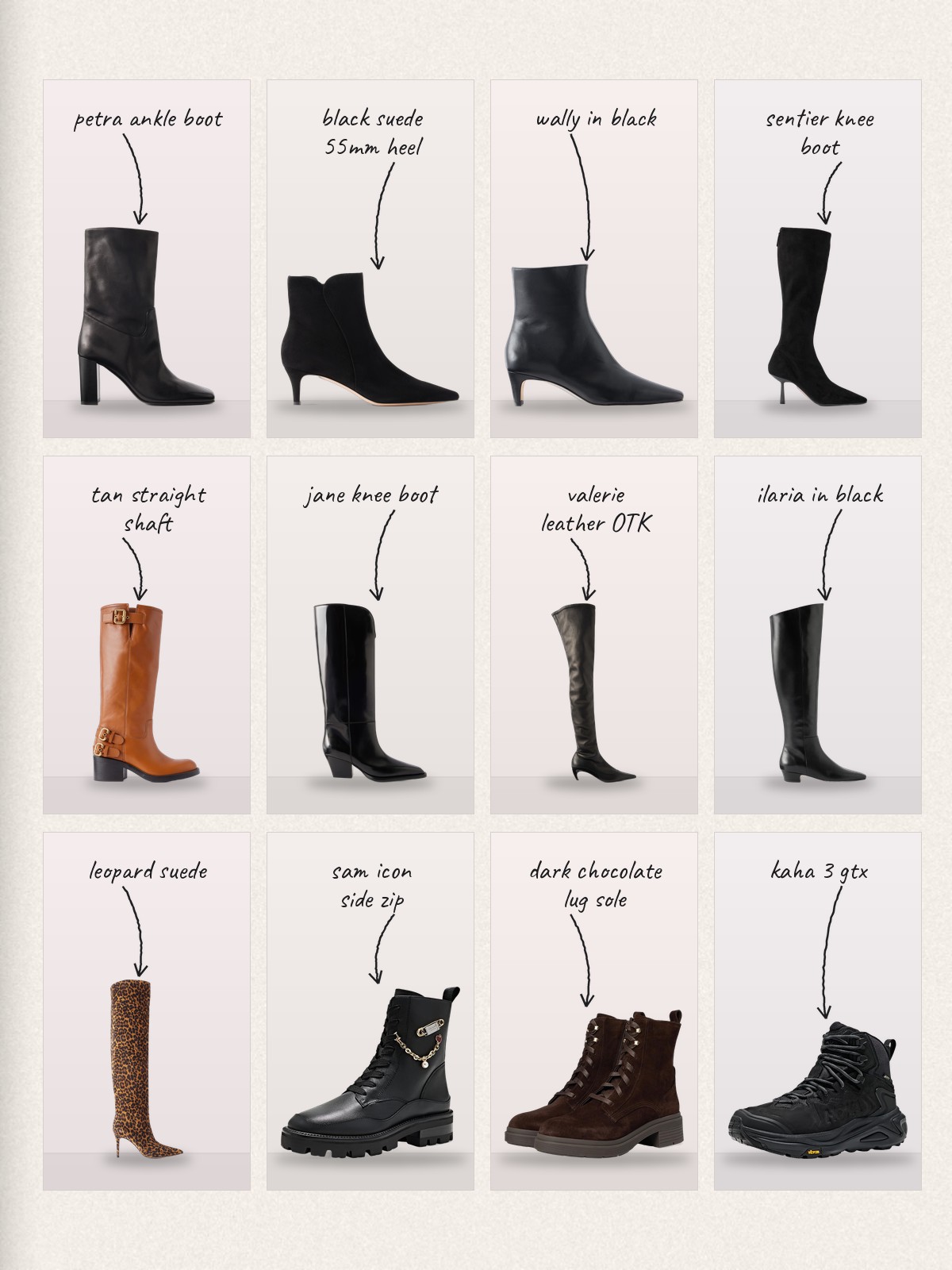
KHAITE's Petra 55 has a close-fitting shaft and a 55mm heel, so I would pair it with straight trousers that stop just above the boot. GIANVITO ROSSI's Levy 55 gives the same heel height a suede finish, a softer note with a wool skirt or dark denim. STAUD's Wally 55 stays with black leather and a sculpted profile, the pair I would reach for with a longer coat and a simple hem.
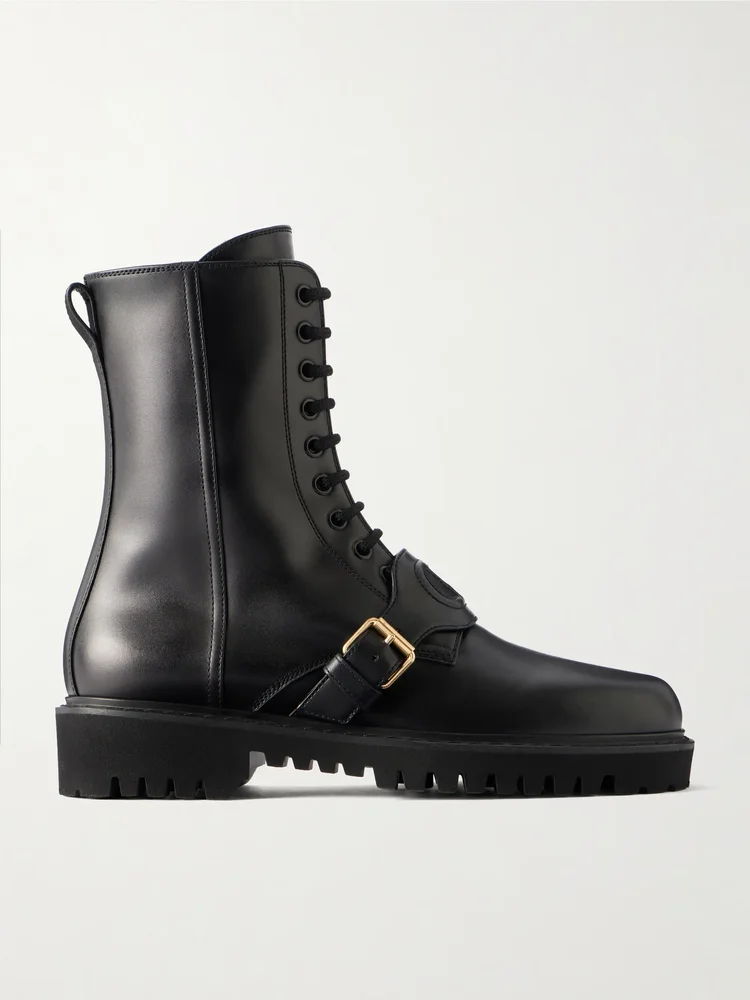
Valentino Garavani's VLogo boot adds embossed leather and its VLogo detail when an outfit needs one clear point of interest. My practical check: compare the shaft opening with your trouser hem, then walk a few steps at home to see whether heel and hem move together.
Knee-High Boots for Colder Days
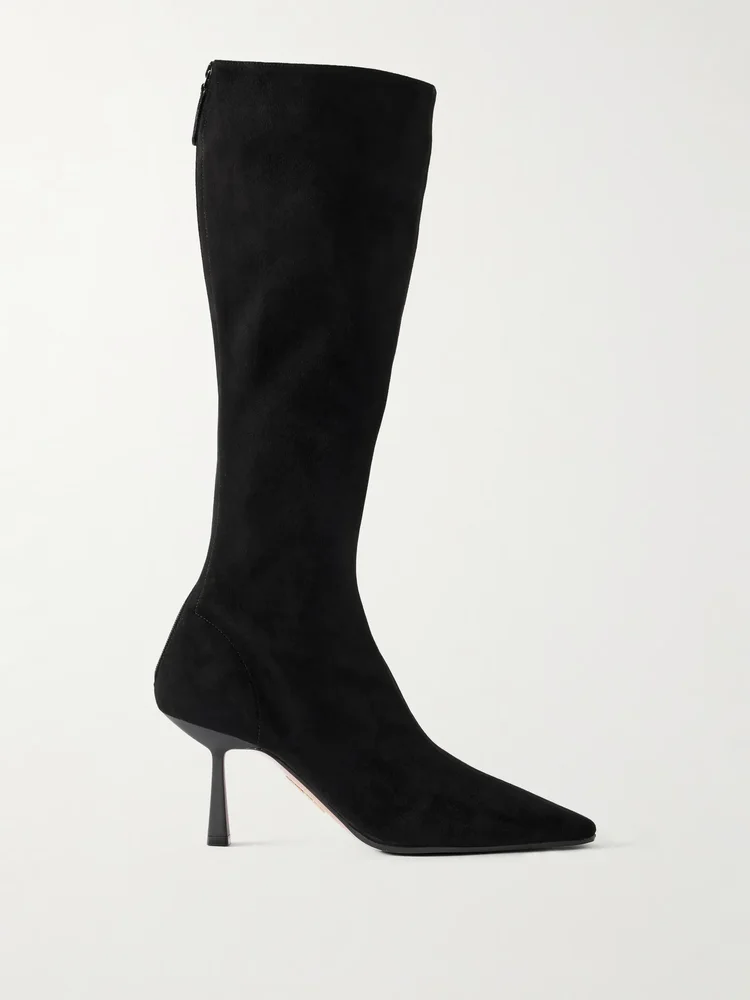
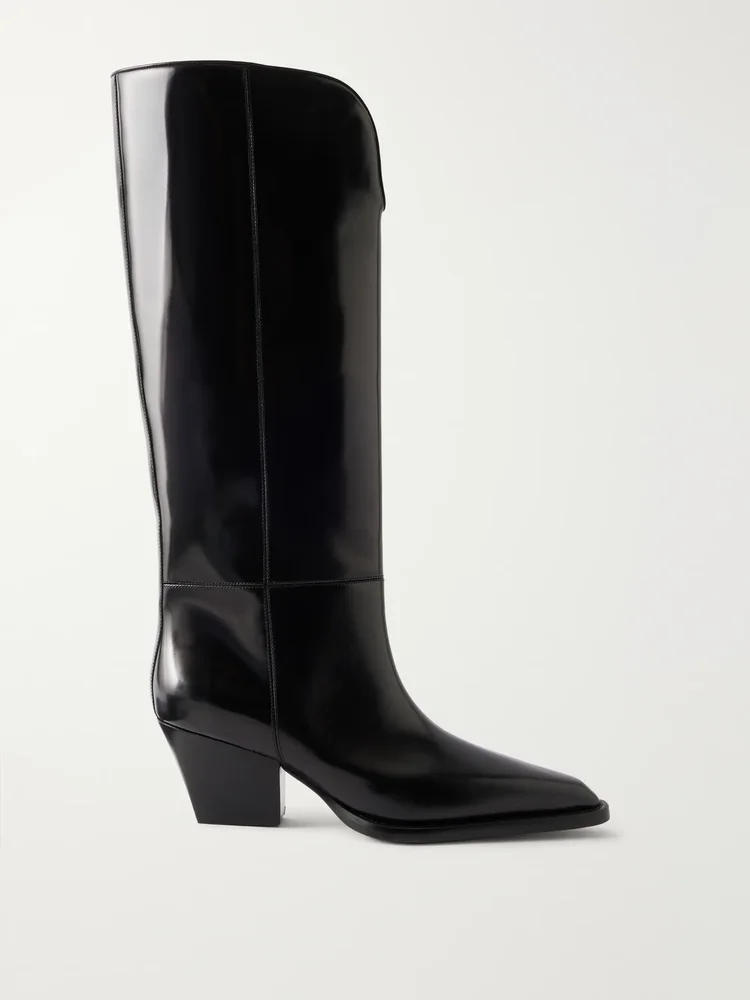
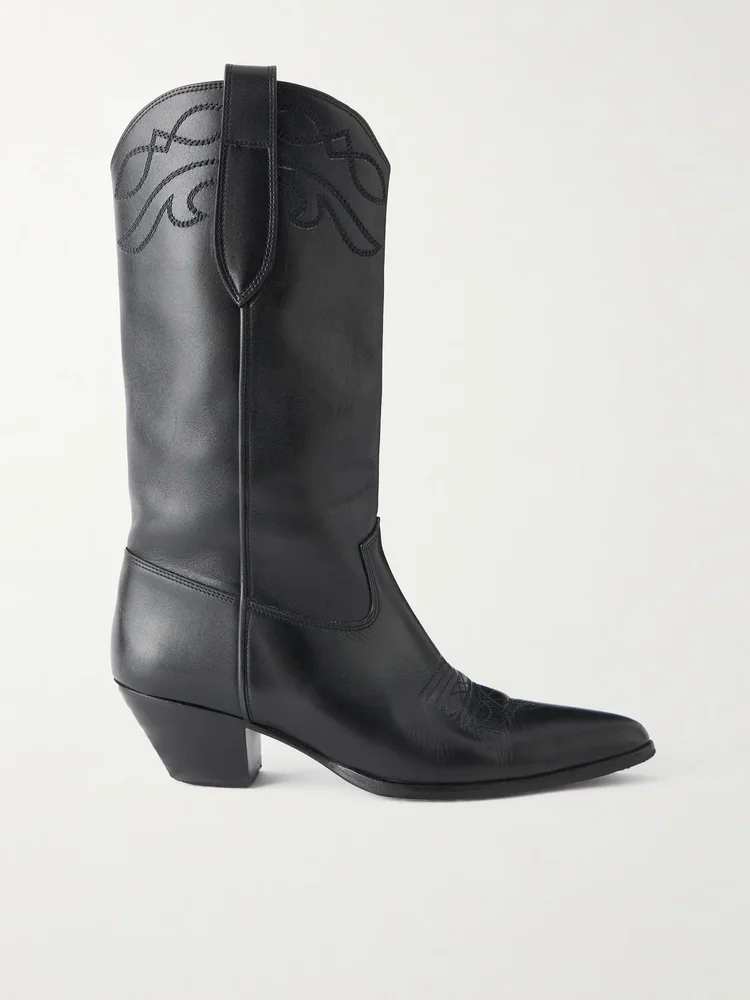
A knee-high shaft changes an outfit's balance before the heel enters the picture. The name is literal: this height ends just below the knee, while riding-inspired shapes can keep the line spare. Among types of boots, I would first decide between a sleek, close fit and a straighter shaft with room around the calf.
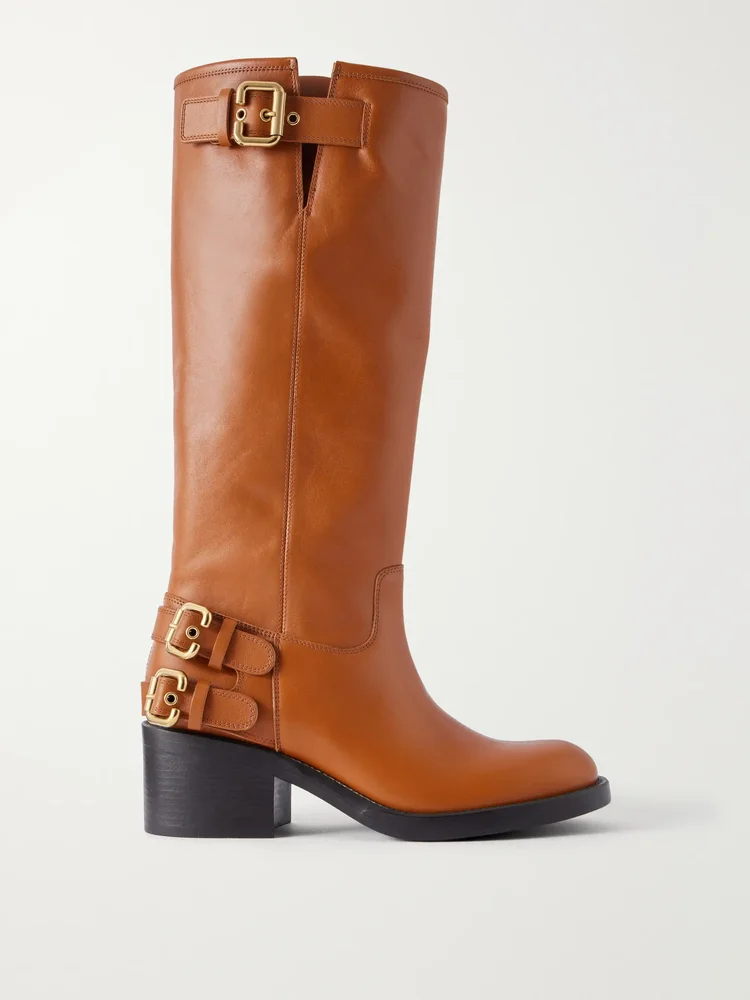
AQUAZZURA's Sentier 75 is black suede with a 75mm heel and discreet back zips. I would let that heel peek out beneath a long skirt, then keep the rest of the outfit quiet. CHLOÉ's Dakota takes the other route in tan leather, with a straight shaft and understated shape; it makes a handsome counterpoint to dark winter layers.
PARIS TEXAS's Jane 60 is black leather with a smooth, close-fitting shaft and a 60mm heel. NILI LOTAN's Towns boot is also black leather, but its tall shaft and riding-inspired profile suggest a more grounded pairing, perhaps a wool coat and clean trouser line. What I would skip is a hem that lands at the widest part of the shaft, if you want an uninterrupted line.
In the fitting room, sit and stand before deciding. Check that the top edge stays comfortable at the knee and that the shaft does not bunch against the hem you plan to wear most.
When a Boot Shaft Clears the Knee
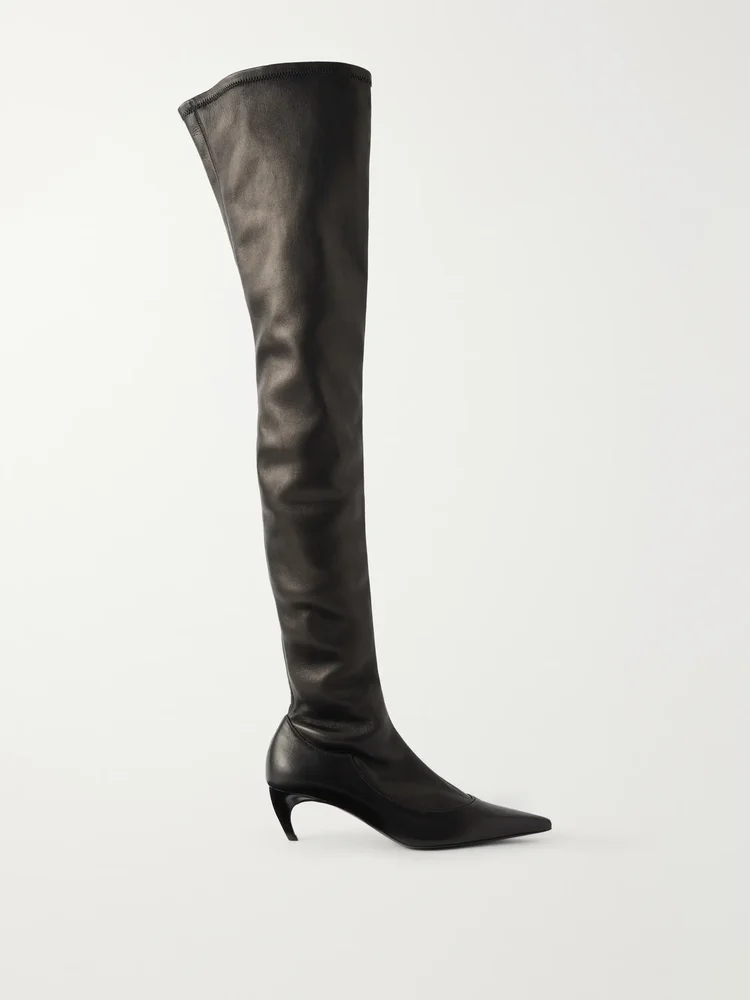
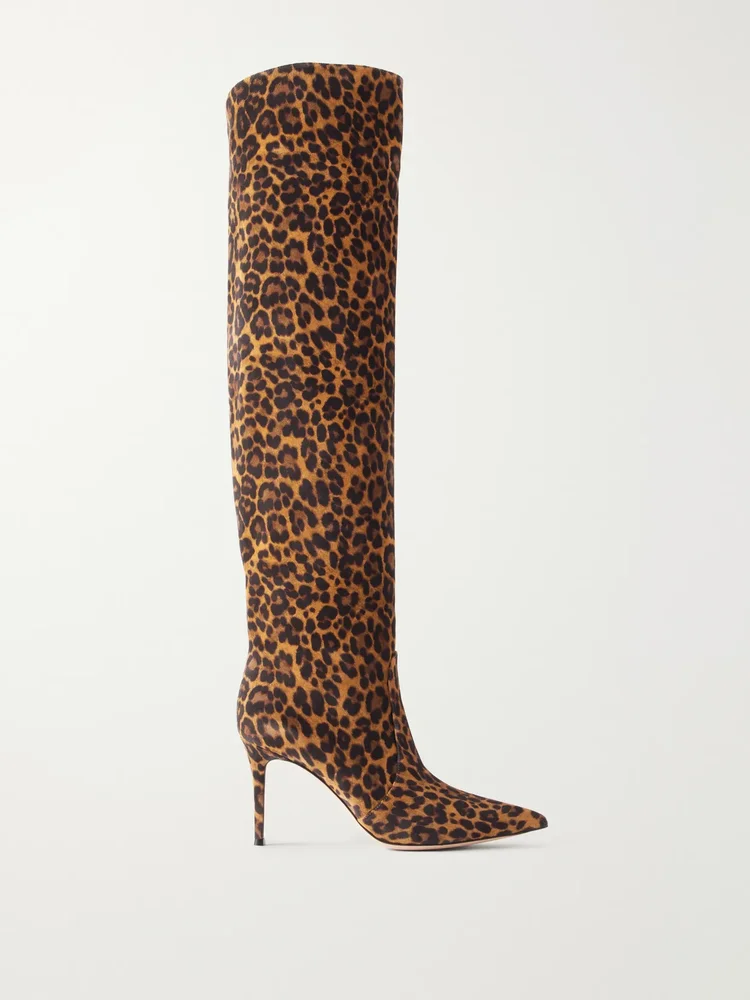
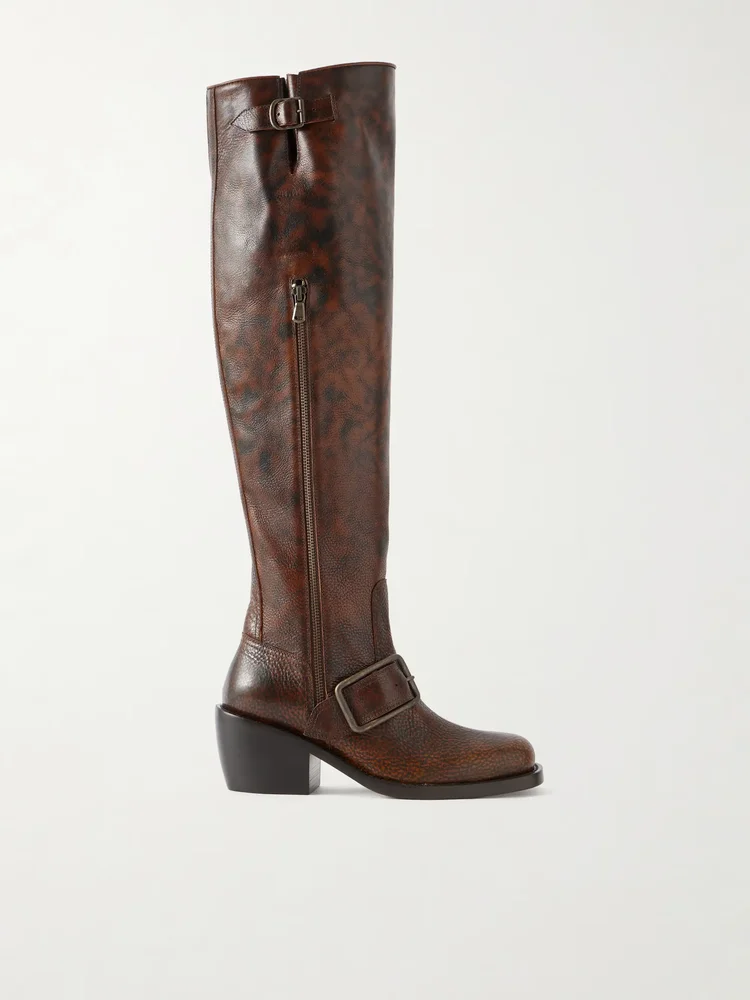
Over-the-knee boots set a decisive line, so I would leave the rest of the outfit quiet. KHAITE’s Valerie is streamlined black leather; AEYDE’s Ilaria pairs a tall black shaft with a clean finish. Height labels put over-the-knee between knee-high and thigh-high, but your own hem is the better guide: check where the top lands seated and standing.
Boots for Rougher Ground
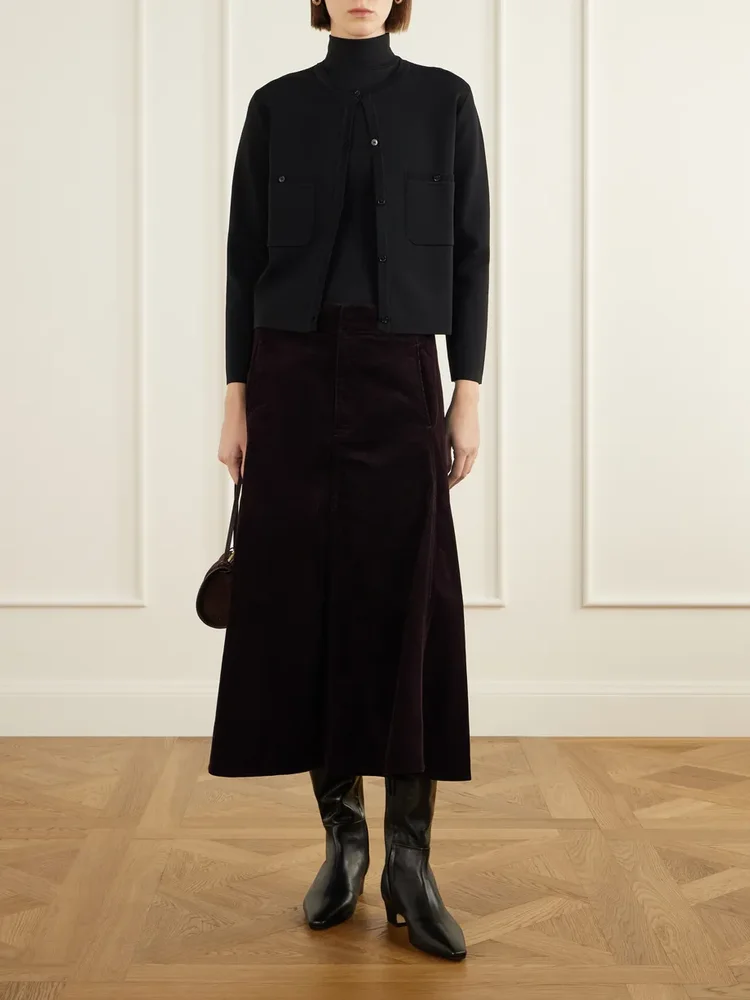
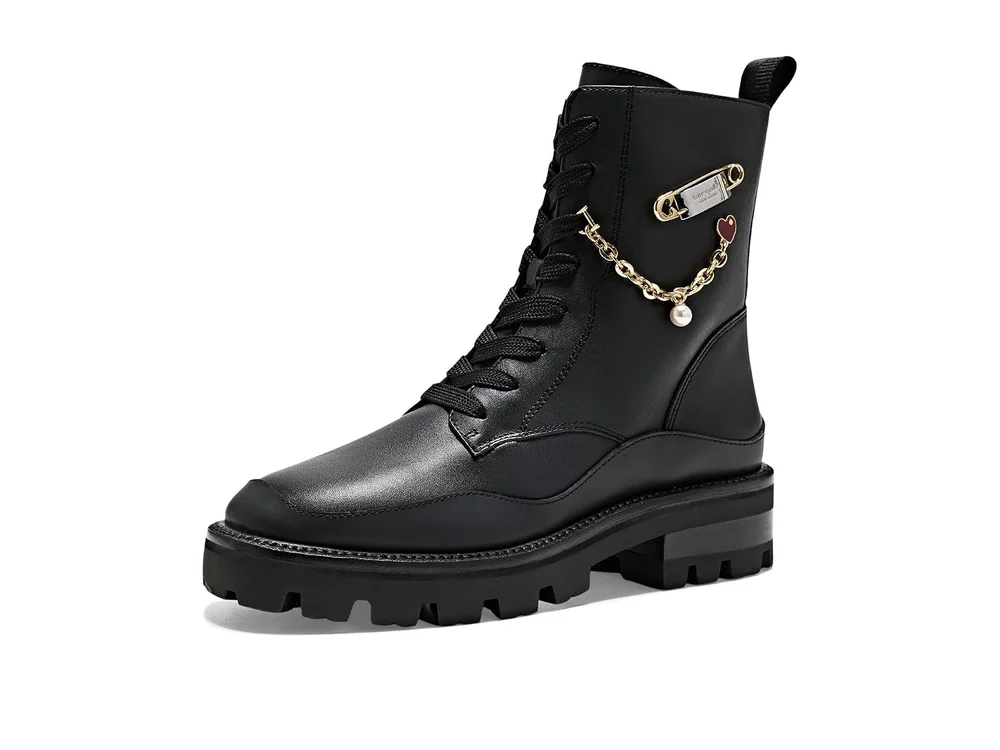
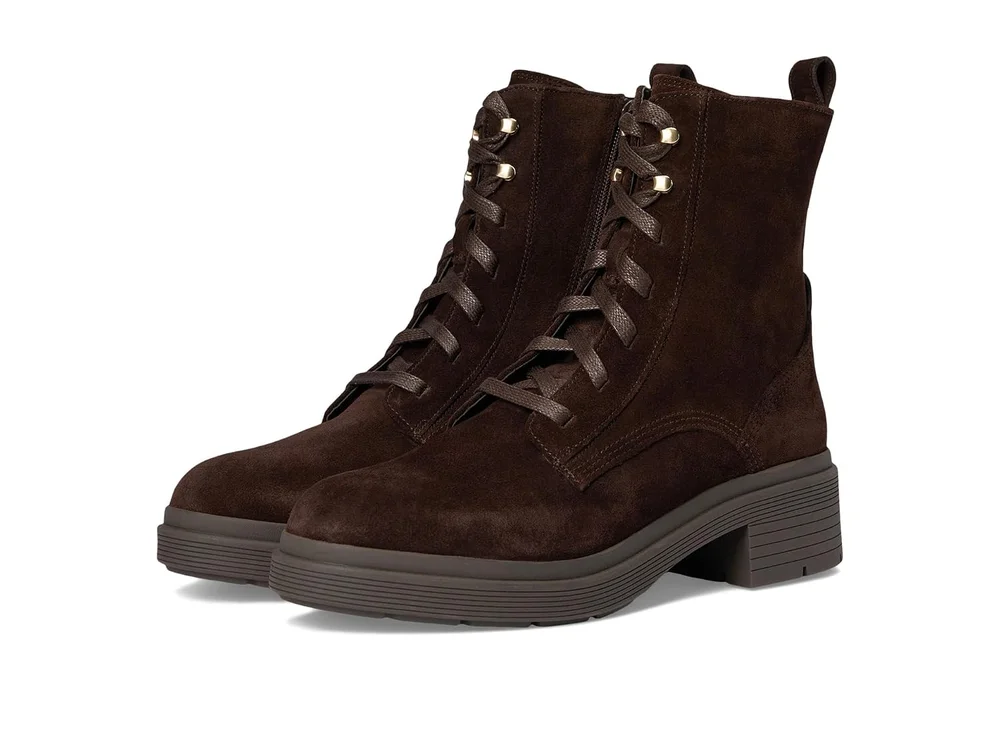
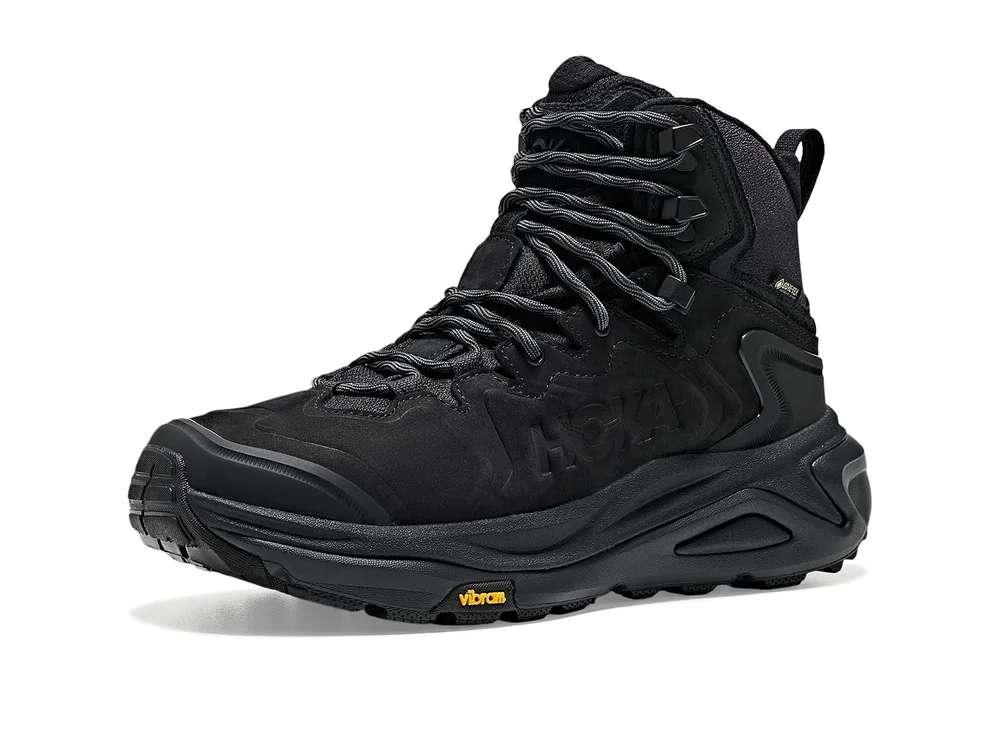
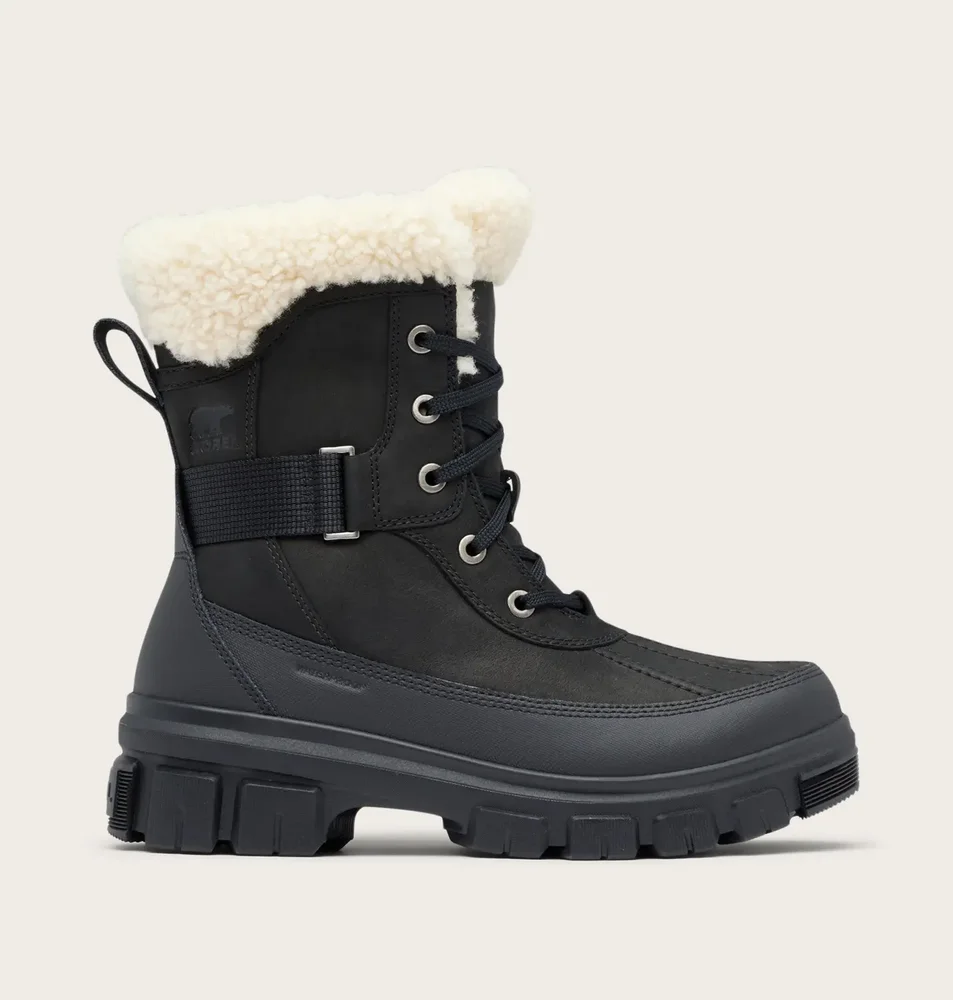
Boots for rougher ground are a question of use, not ornament. Kate Spade New York’s Sam Icon has a side zip and charm detail; Cole Haan’s Cherise adds a 65mm EVA wedge midsole and lugged rubber outsole. HOKA’s Kaha 3 GTX brings Vibram Megagrip traction, while Sorel’s TIVOLI V Parc pairs waterproof full-grain leather with shearling. Before choosing, check the closure and sole against the walk you actually take.
Let the Day’s Hem Decide
I choose types of boots by the hem first, then by the ground I expect to cover. An ankle shaft can sit neatly under a cropped trouser, while a taller shape gives a skirt or dress a different proportion; for wet, cold walks, I would look more closely at the outsole and waterproof details. The V&A records top boots becoming fashionable in the 18th century after their association with riding and sport. That practical history still feels like a good place to begin: dress for the day, then let the boot do its job.