Adidas is owned by publicly traded Adidas AG, not an outside parent. Adi Dassler founded it in 1949; the family exited ownership before the 1995 IPO.
Who Owns Adidas? A Public Company With No Sole Owner
The Shareholders Today
Adidas is owned by adidas AG, a publicly traded German stock corporation with public share ownership dating to its 1995 IPO. That's the short answer to who owns adidas today: the brand sits inside Adidas AG, not under an outside fashion conglomerate. The adidas parent company is the same listed entity that owns the brand, with headquarters in Herzogenaurach, Germany.
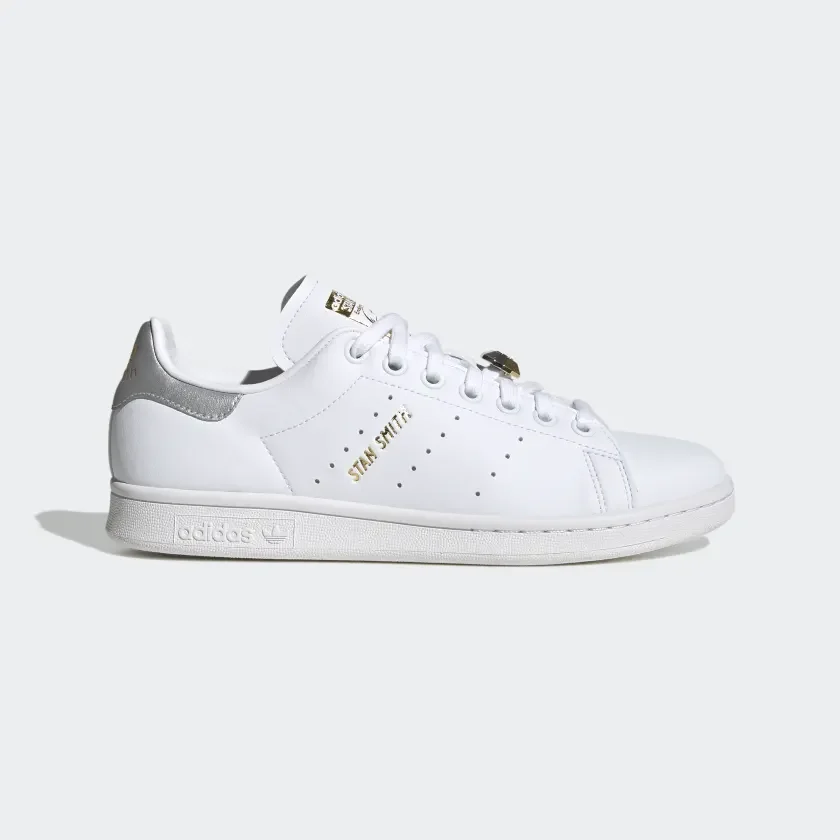
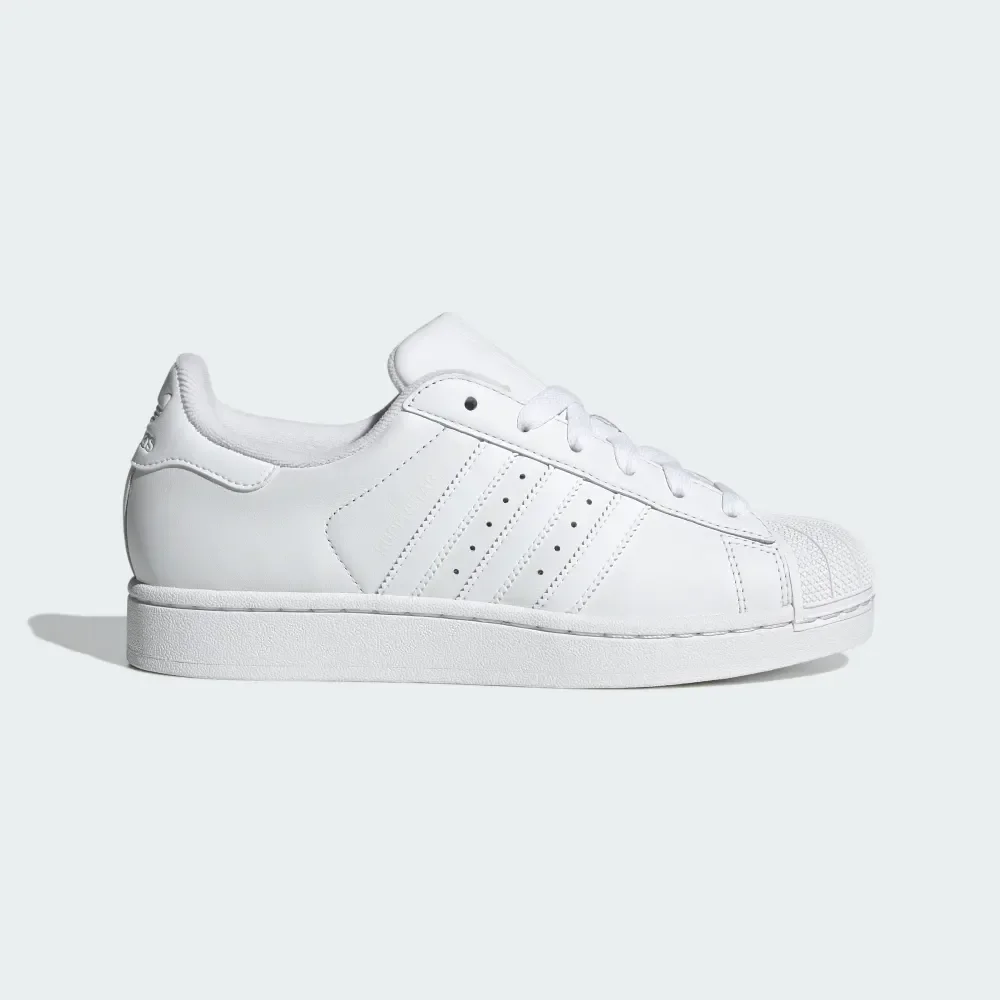
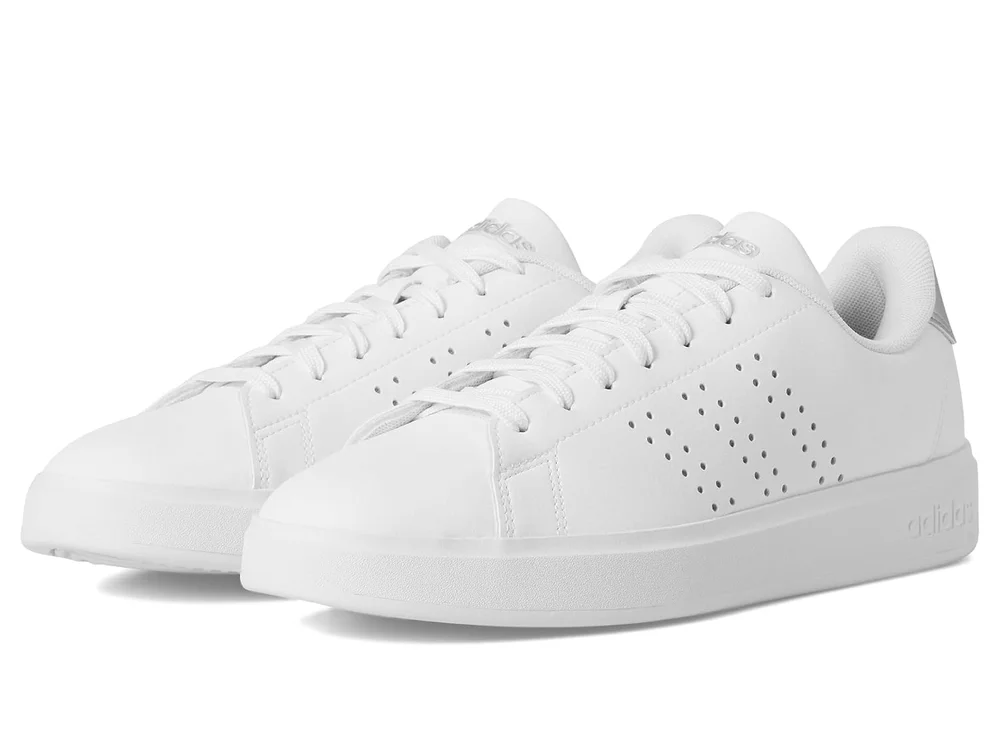
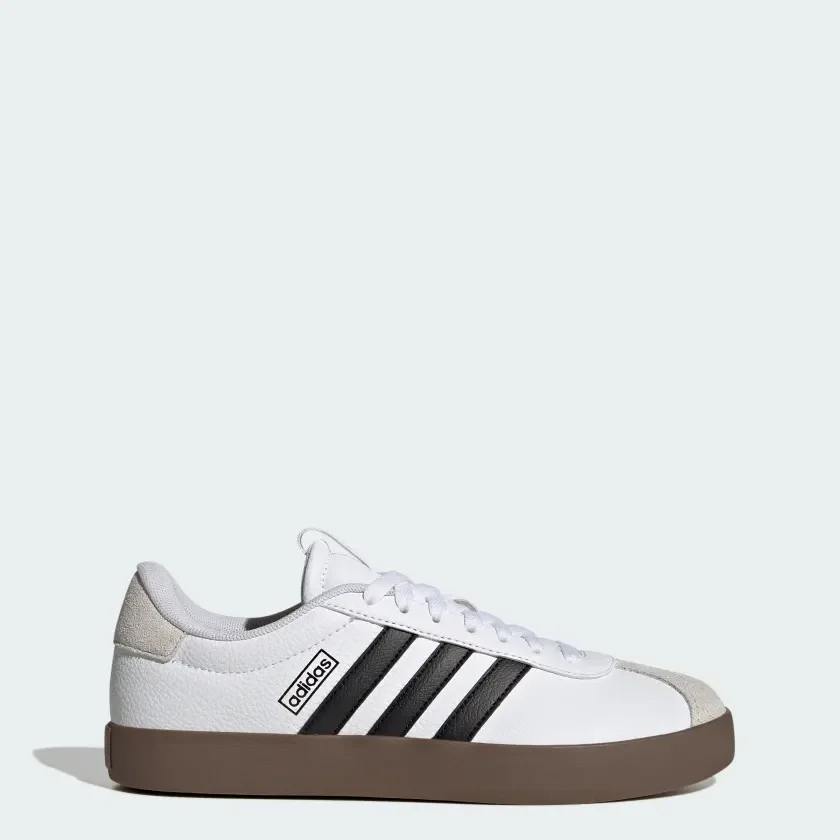
The latest ownership analysis, for December 2025, counted more than 165,000 shareholders. Institutions held 79% of shares, retail investors and undisclosed holdings accounted for 20%, and adidas held 1% as treasury shares. In its November 19, 2026 disclosure, BlackRock reported a 7.32% total voting-rights position, including shares and instruments, a significant holding but not control. I like this more than naming one investor: the shares are widely held. And who makes adidas? The company designs and specifies products, while nearly all production is handled by independent manufacturing partners, most in Asia. I would start with the familiar court shoes: Stan Smith for a tennis profile, Superstar II for a shell toe, Advantage 2.0 for Cloudfoam cushioning, or VL Court 3.0 for a cushioned low top.
A Shoemaker's First Principle
Who founded adidas? Adi Dassler started making sport shoes in Herzogenaurach, where he and brother Rudolf registered their factory in 1924. Their early spiked shoes helped runner Lina Radke win 800-meter gold in 1928. The brothers split in 1948; in 1949 Adi registered his own adidas company and adopted three stripes sewn onto shoes as its trademark. I like the practical origin more than the later lifestyle gloss: build for the athlete first, then let the shoe travel.
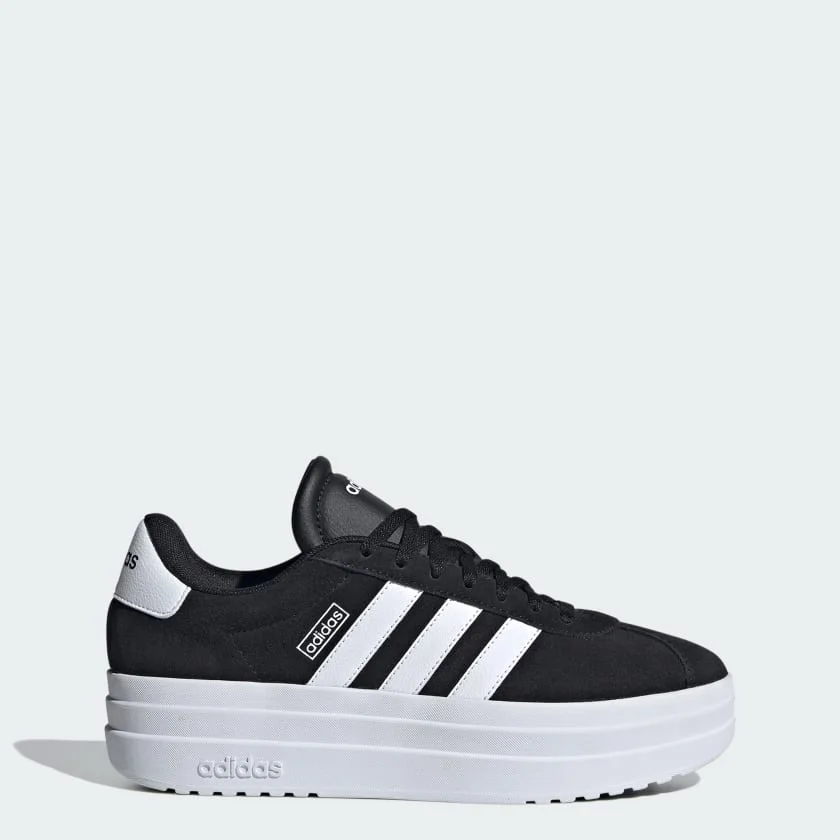
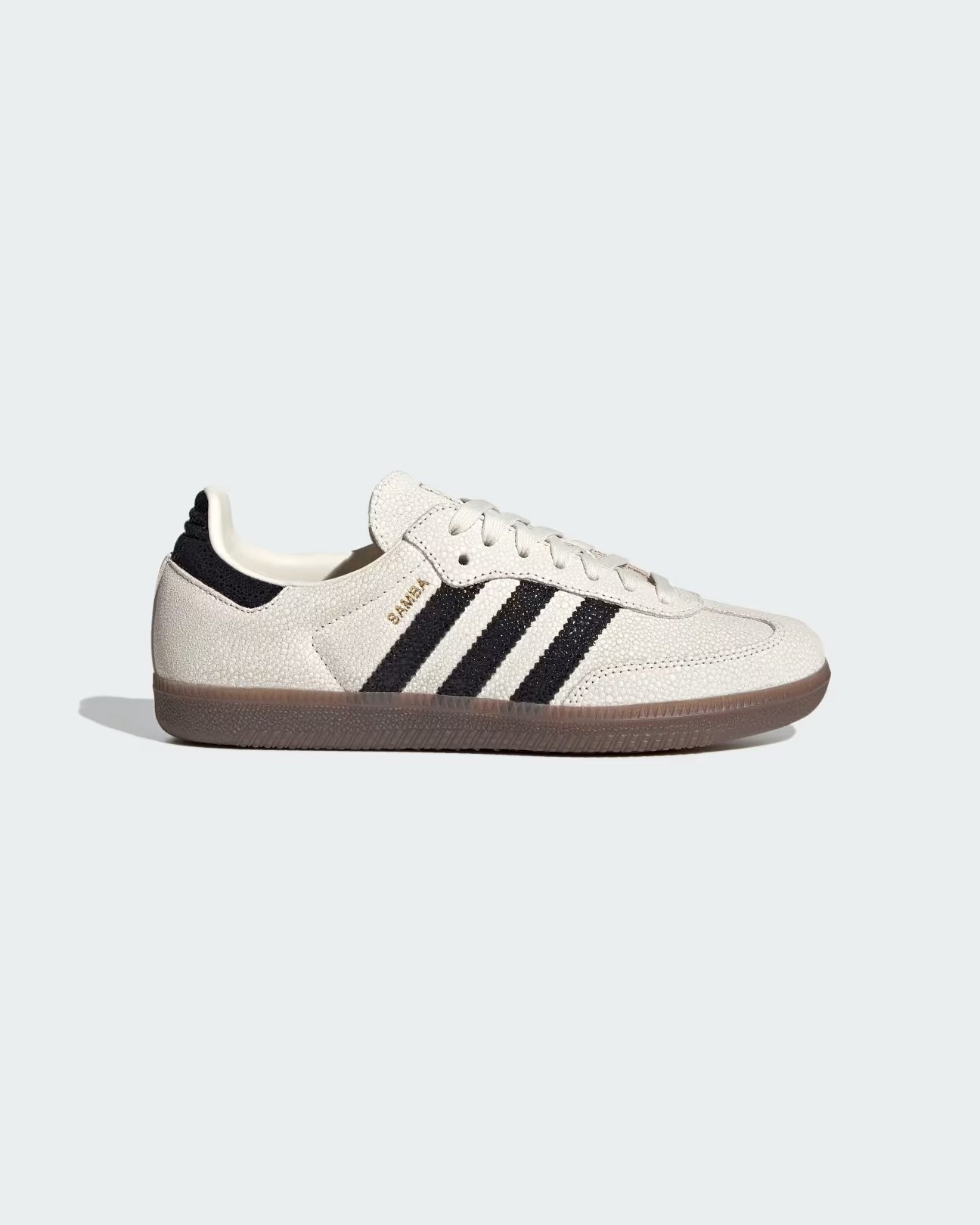
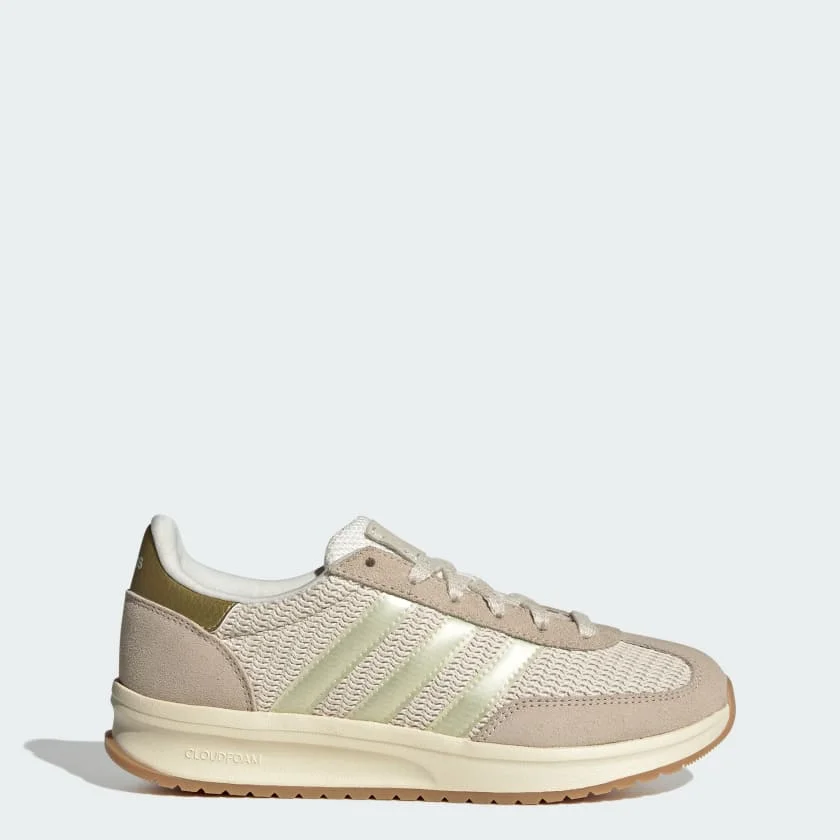
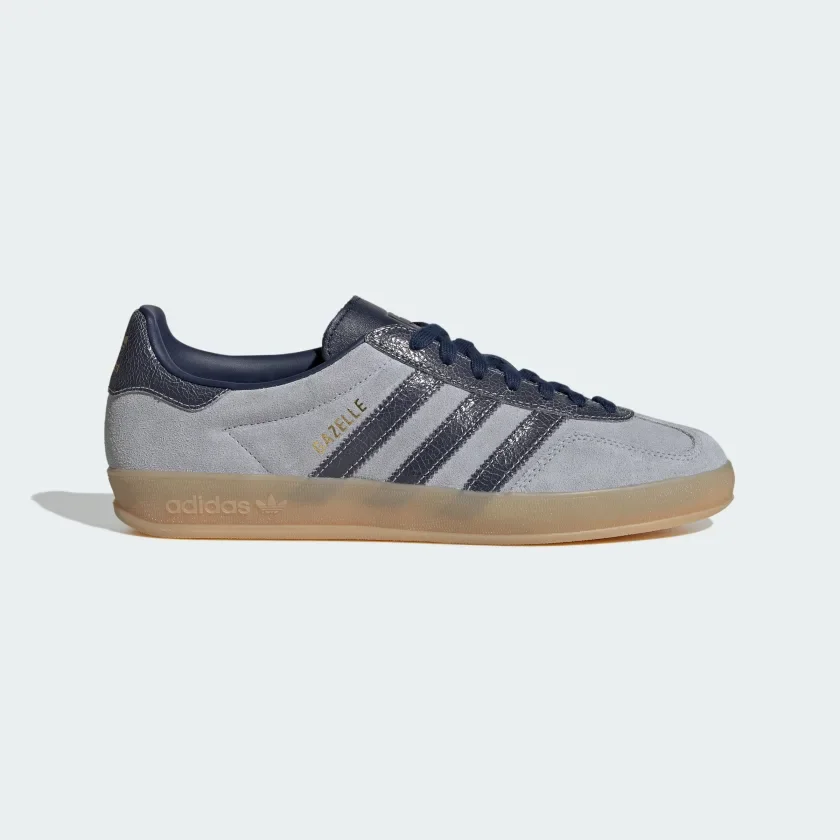
The Stan Smith keeps tennis in its silhouette; the Superstar II builds around a leather upper and rubber shell toe. Advantage 2.0 uses Cloudfoam and a stabilizing cupsole, while VL Court 3.0 pairs a cushioned midsole with a vulcanized outsole. The VL Court Bold is the platform pick; Samba OG keeps a low leather profile with a gum sole; Run 70s 2.0 mixes suede and textile; Gazelle Indoor has cracked leather detailing and a gum sole. I'd choose the Stan Smith for a quiet court shoe and Gazelle Indoor for a more textured retro pair.
The Family Exit
After Adi died in 1978, his wife Käthe and son Horst led the business. adidas became a stock corporation in 1989; the family sold its majority holding between 1990 and 1992, and adidas went public in 1995. It acquired Salomon in 1997, divested most of that portfolio in 2005 while retaining TaylorMade, and acquired Reebok in 2006. Reebok was sold in 2022, so it is no longer a sister label under Adidas today. I would separate those ownership and portfolio shifts from shoe design; the sources do not establish that any one deal changed a particular model.
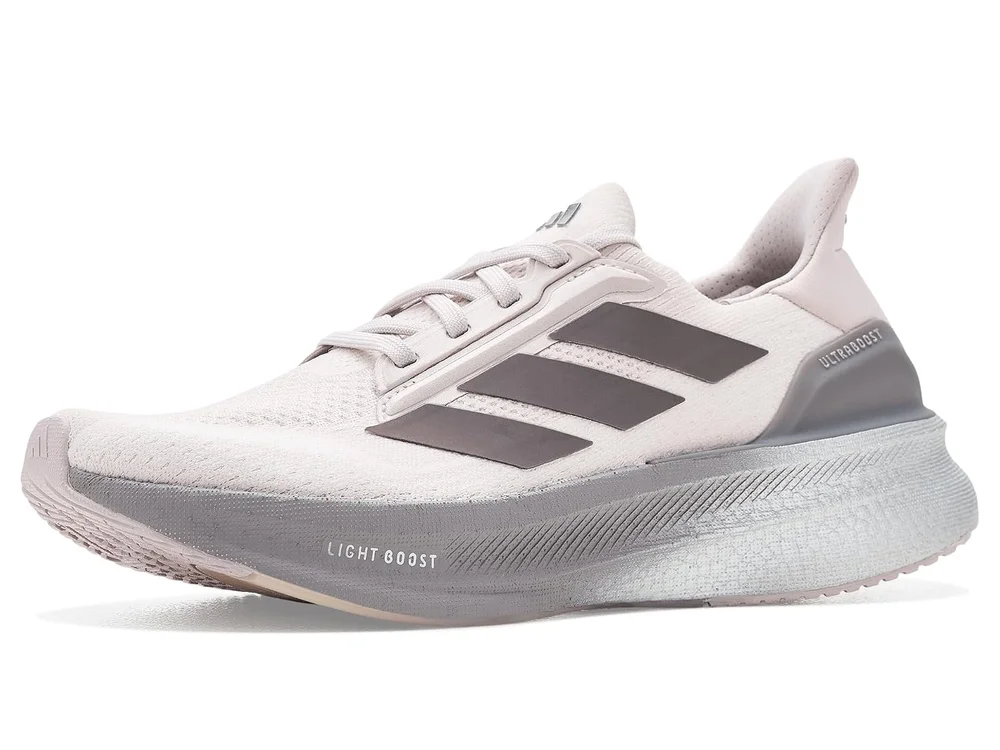
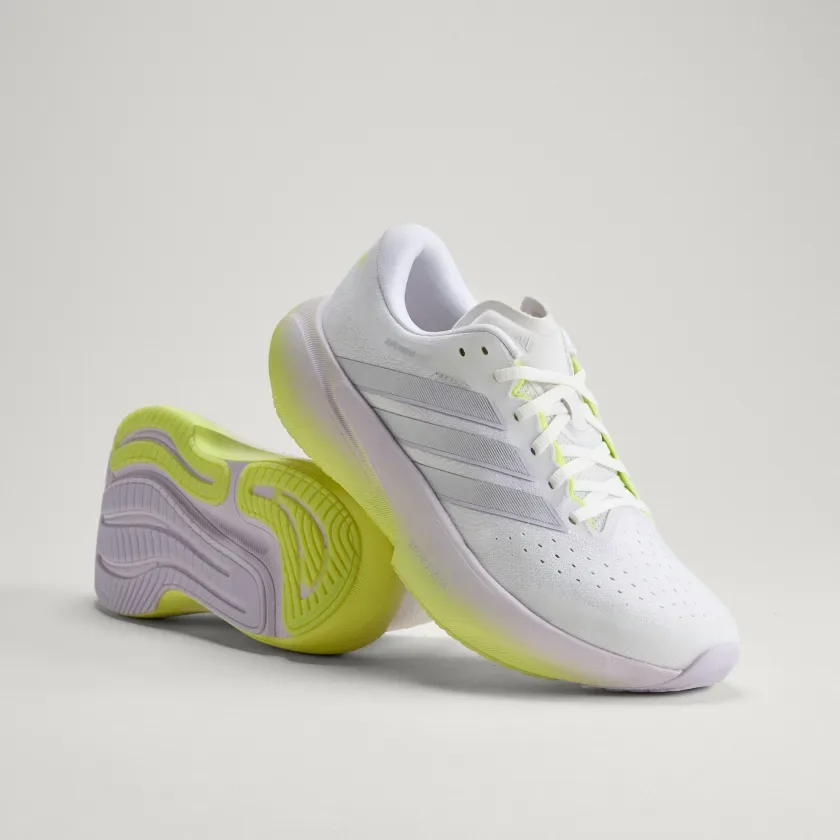
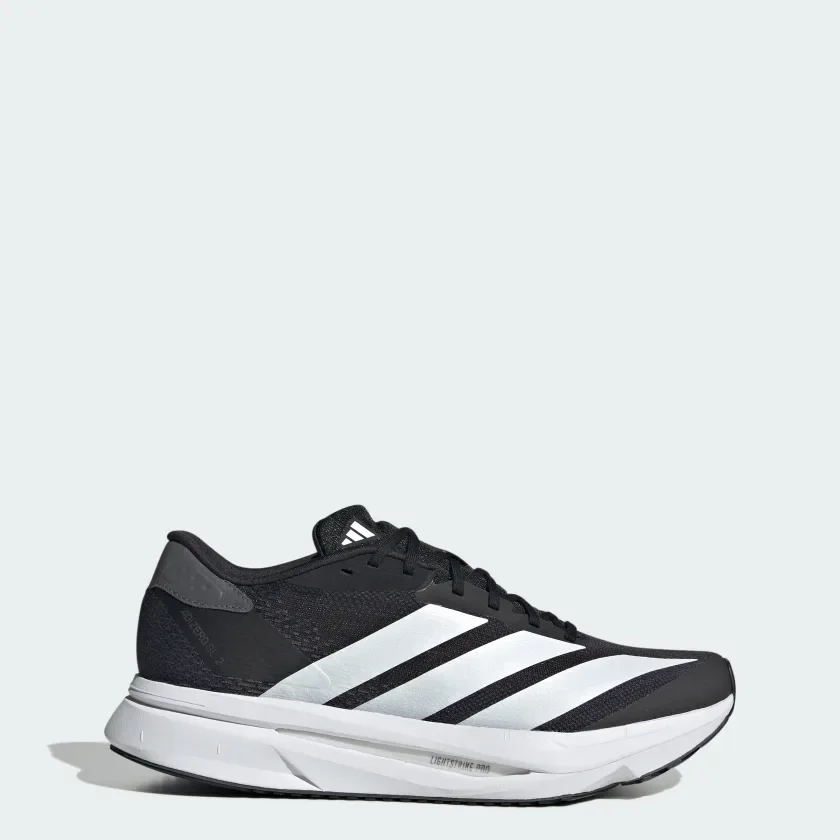
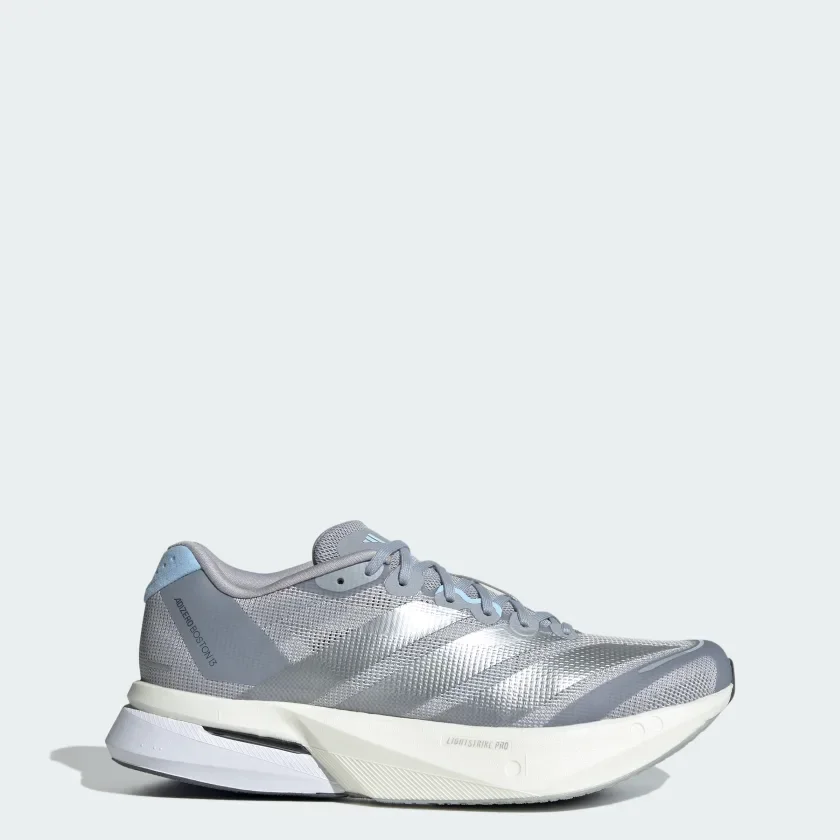
The VL Court Bold brings platform height; Samba OG stays low with its gum sole; Run 70s 2.0 uses suede and textile; Gazelle Indoor has cracked leather detailing. On the running side, Ultraboost 5X has a Torsion stability system; Supernova Rise 3 is built for everyday runs; Adizero SL2 has Lightstrike Pro cushioning; Boston 13 bridges daily training and race day with EnergyRods. I would make the intended use my first filter, not the most technical-sounding name.
What I Would Buy First
What I would buy first is a comfortable court shoe unless running is already part of my week. The Stan Smith has a plain tennis shape; Advantage 2.0 is the softer-feeling everyday option. I would skip an Adizero race-style shoe for commuting, not because it is a bad shoe but because its technical build is meant for training.
For actual miles, Ultraboost 5X is the stability pick, Supernova Rise 3 is the everyday run shoe, Adizero SL2 is a neutral option with Lightstrike Pro, and Boston 13 is the more race-leaning bridge with EnergyRods. I would not buy the Boston 13 just because the specs sound fast; if your running is casual, the simpler shoe probably earns its place more often. Start with the activity, then the model.