Kering owns Bottega Veneta and acquired the Italian house in 2001. Its workshop roots and handwoven Intrecciato still shape what I would buy.

Who Owns Bottega Veneta? Kering And The 2001 Acquisition
Who Owns The House?
Who owns Bottega Veneta? Kering, the publicly listed luxury company, has held the Italian house since its 2001 acquisition. The latest Kering portfolio update still lists Bottega Veneta alongside Gucci, Saint Laurent, Balenciaga, Alexander McQueen and Brioni. The Bottega Veneta parent company is therefore Kering, not a standalone label. Kering trades on Euronext Paris; its shareholder page lists Artémis with 42.3 percent of the share capital at the end of 2025, and the company describes itself as family-led.
The names behind who founded Bottega Veneta are Renzo Zengiaro and Michele Taddei, who established the house in Vicenza in 1966. If you are asking who makes Bottega Veneta, the house points to generations of artisans who hand-weave Intrecciato, introduced in 1975. I like that ownership and authorship are different parts of the answer: Kering owns the business, while the craft remains Bottega's point of view. That distinction is useful before shopping because the answer is not a designer's name.
A Workshop In Vicenza
Renzo Zengiaro and Michele Taddei began in Vicenza in 1966, building a leather-goods workshop rather than a fashion house around a loud signature. Kering's history describes Bottega's first bags as soft and supple, with no heavy hardware or logo; I prefer that as the starting point to a mythical first handbag. For me, the useful starting point is the category rather than a single first model. Intrecciato arrived in 1975, turning leather strips into a handwoven surface that now carries the house's identity.
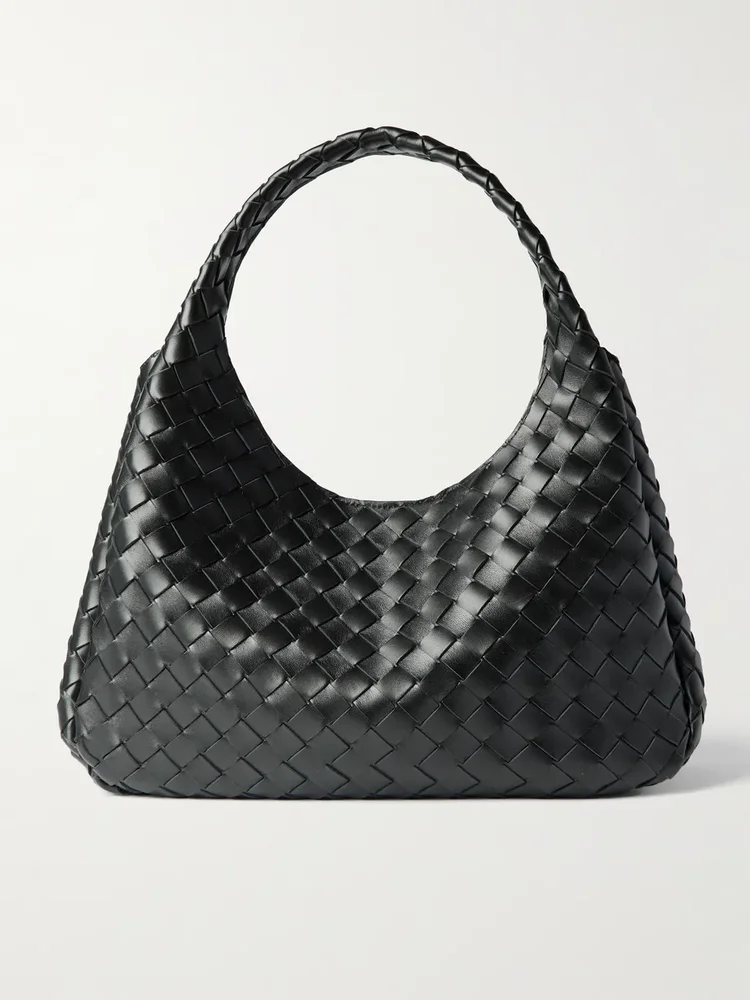
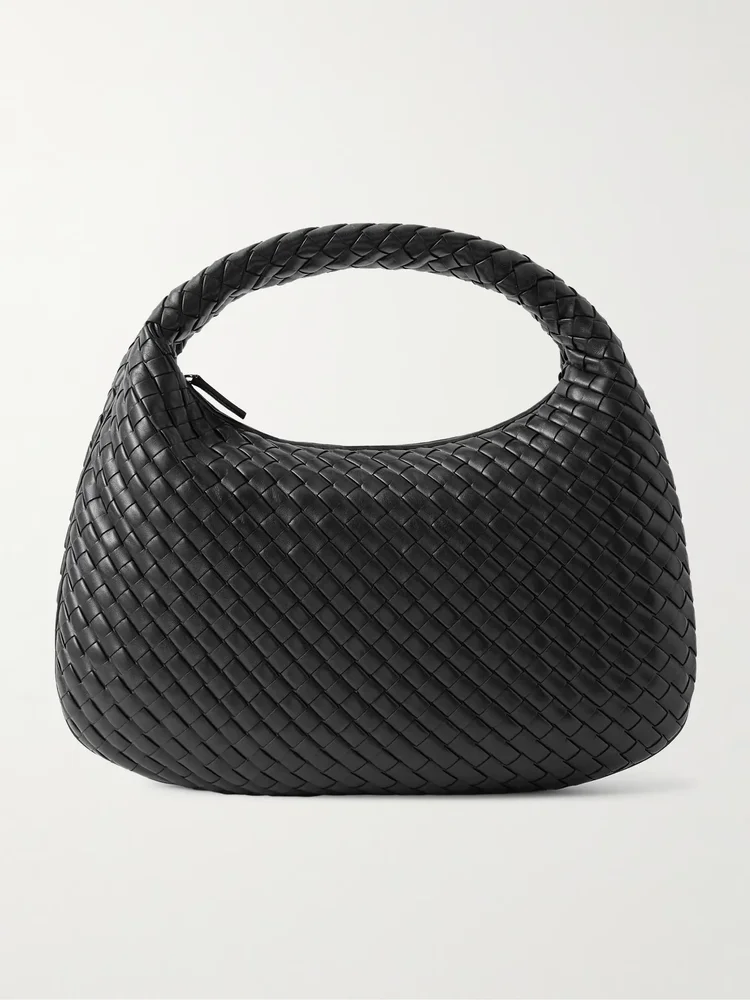
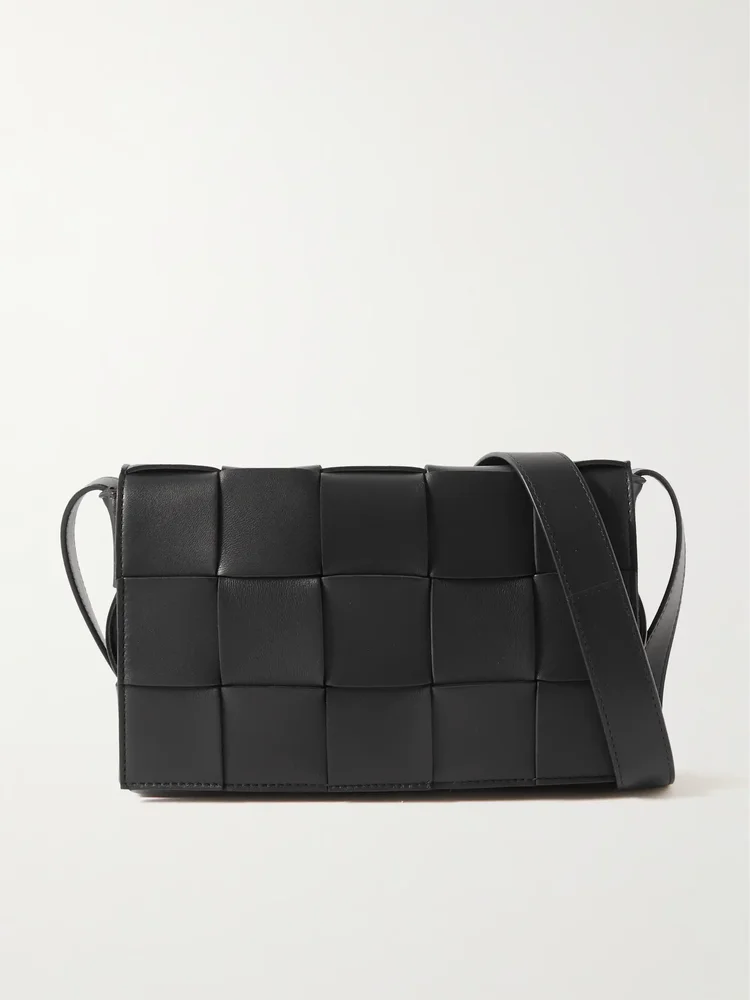
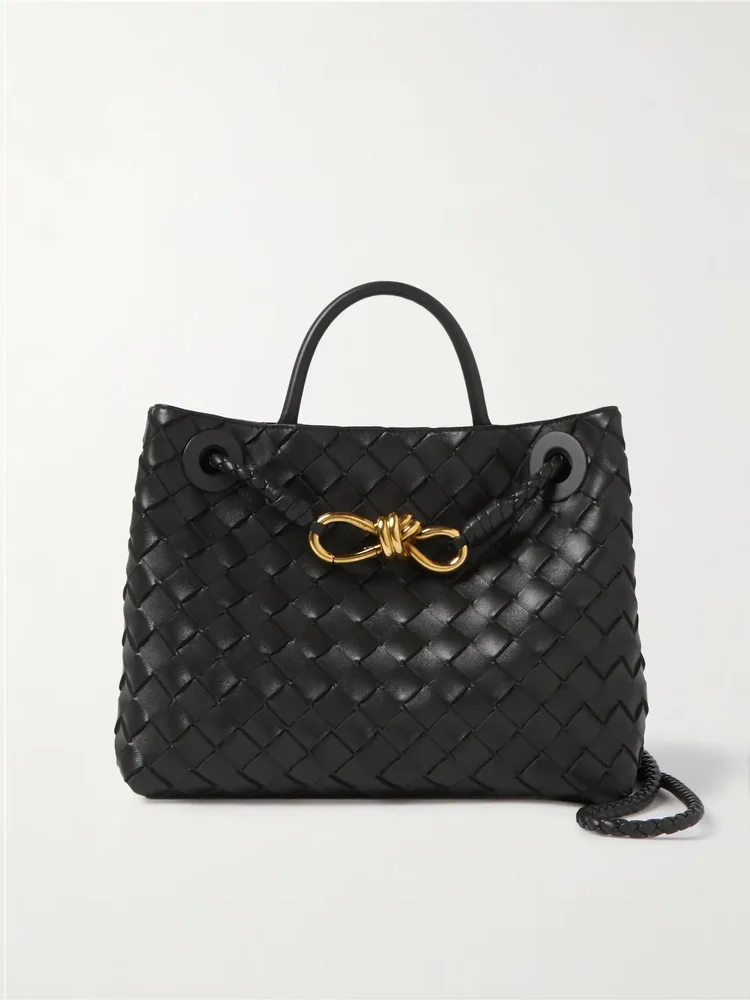
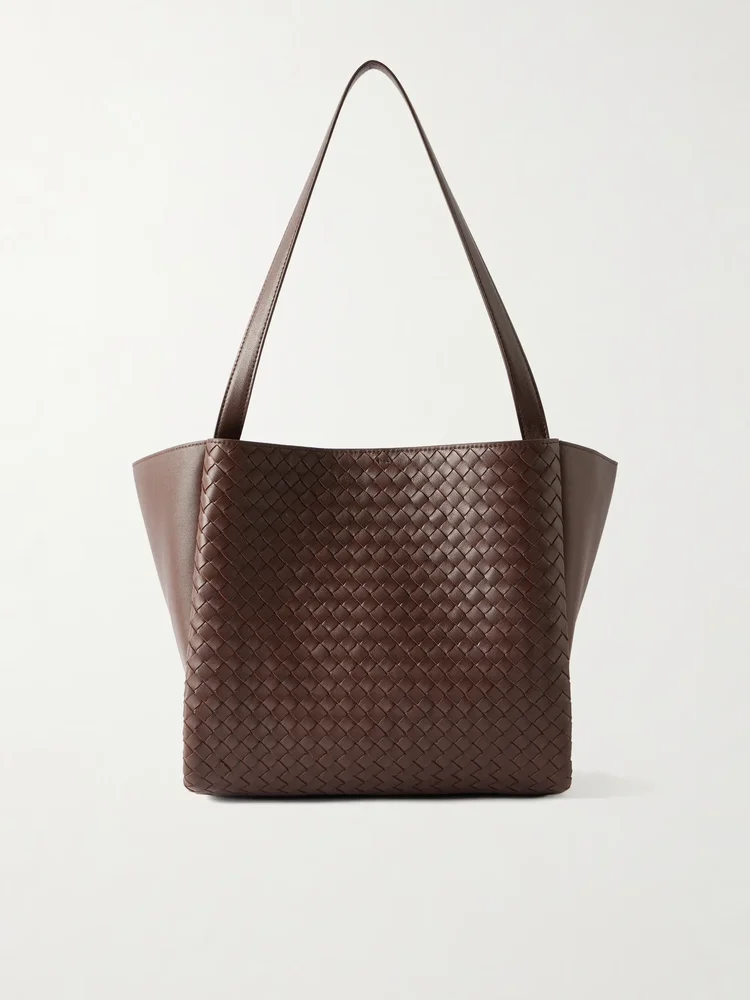
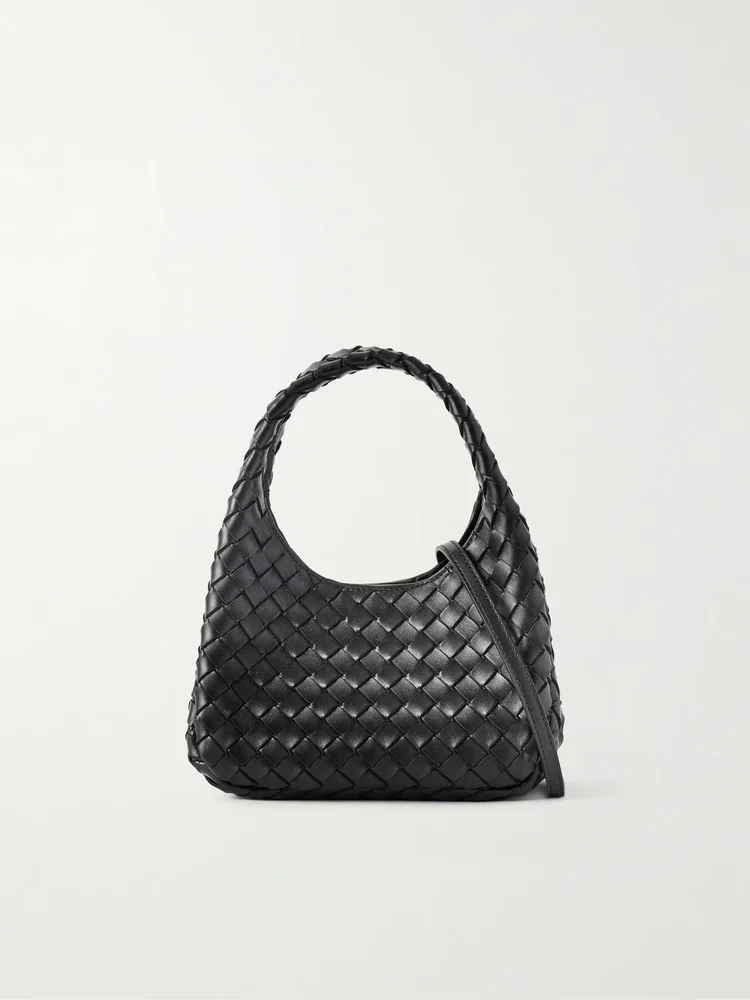
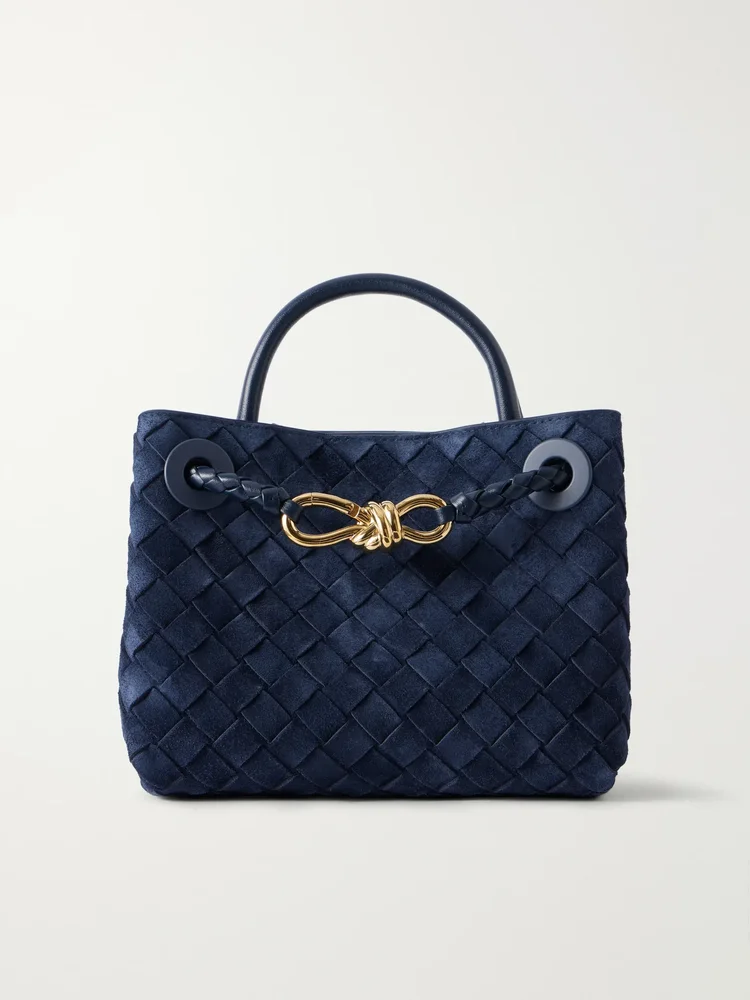
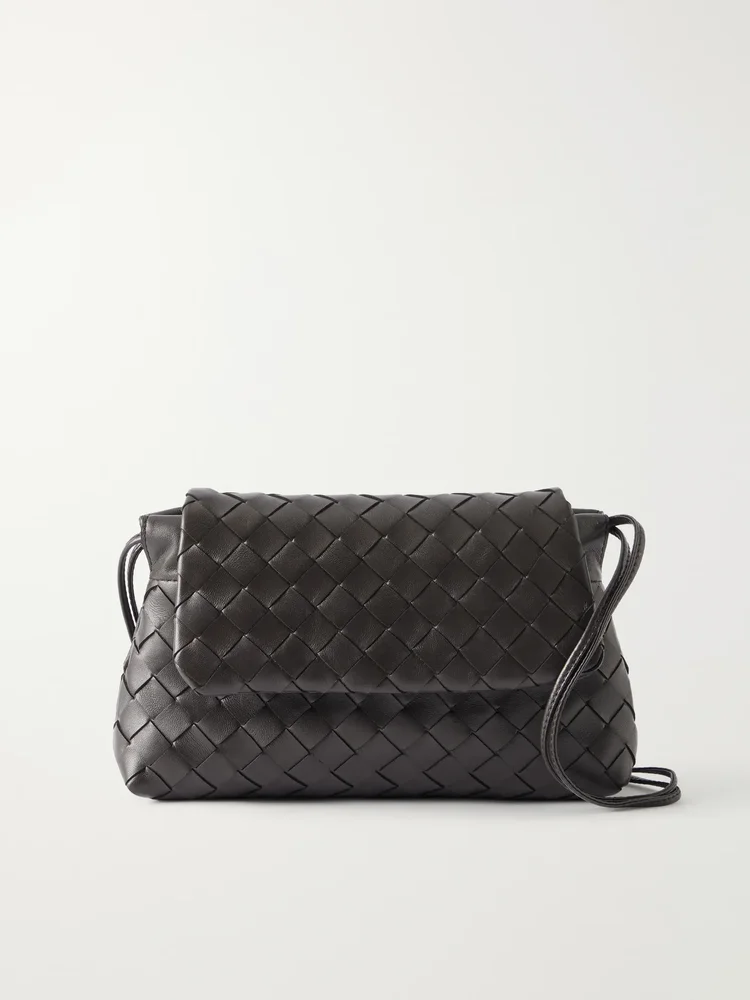
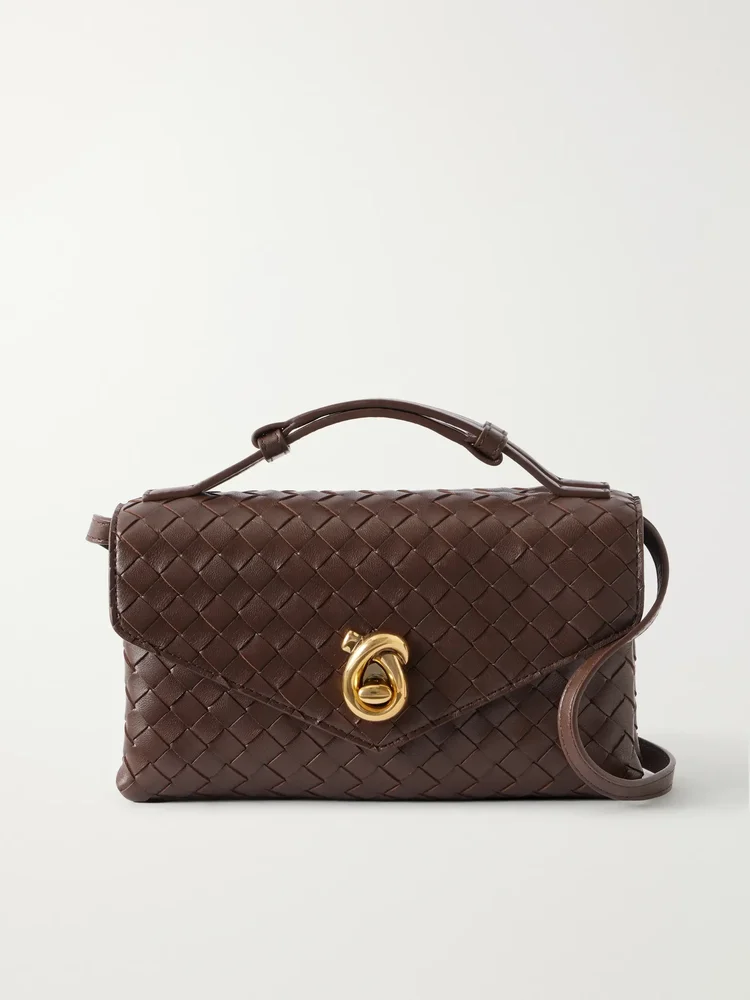
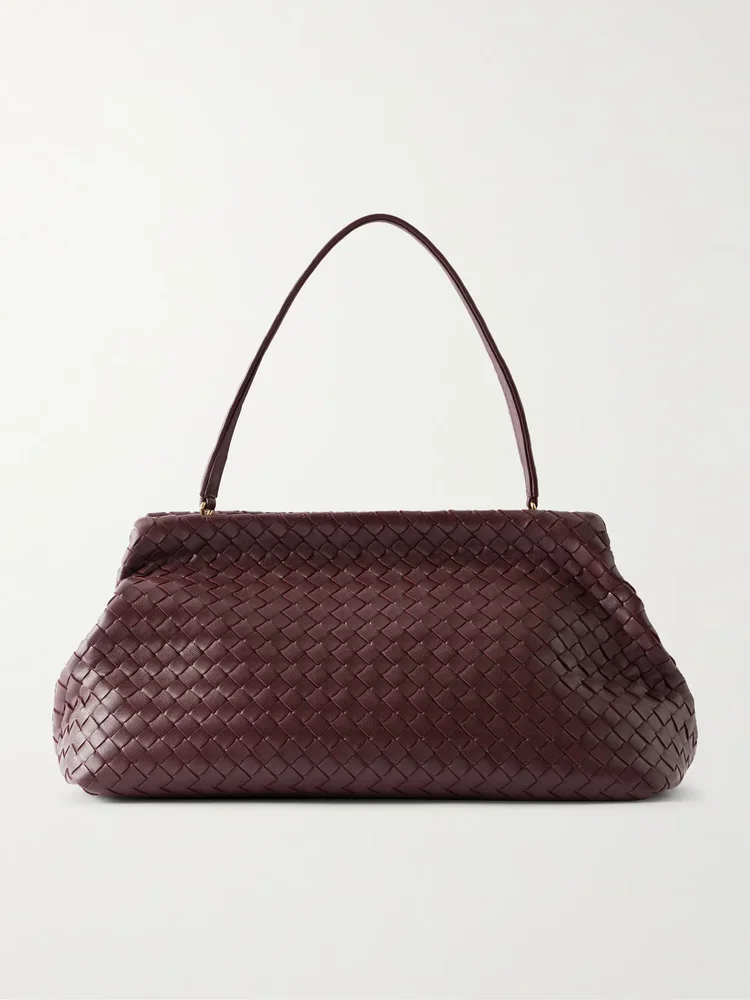
The Campana Intrecciato Leather Shoulder Bag brings the weave into an arched, unlined shape; the Veneta Medium shoulder bag has the slouchy under-arm profile I would use most; the Cassette Medium makes a padded, graphic version of Intrecciato; and the Andiamo Small pairs the weave with a braided strap and knot detail. I would start with Campana if the tactile craft is what you want to see, because its curved shape leaves the leather to do the talking.
One Acquisition, One Rename
Kering's history places the acquisition in 2001, when the parent was still called PPR; in 2013, PPR became Kering. In the latest portfolio update, Bottega sits beside Gucci, Saint Laurent, Balenciaga, Alexander McQueen and Brioni. The house keeps a distinct design voice inside that broad luxury company, and I would keep the focus on the craft rather than the corporate chart.
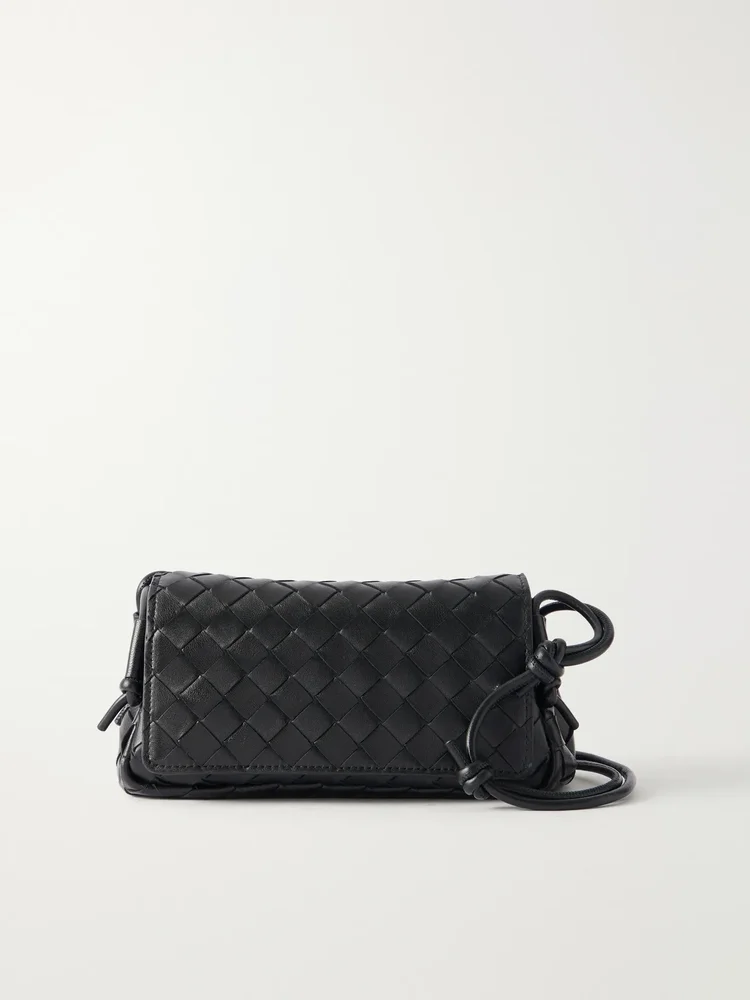
The Corso Intrecciato Leather Tote is my pick for a day with a laptop because it has room for a computer and a removable zipped pouch; Baby Campana 19 keeps its drawstring shape and crossbody strap compact; Notturno's split interior organizes small essentials; and the Mini Andiamo's suede strips and braided Knot strap give the weave a softer finish. This mix makes sense if you want the same house codes at very different scales.
Shape Before Signature
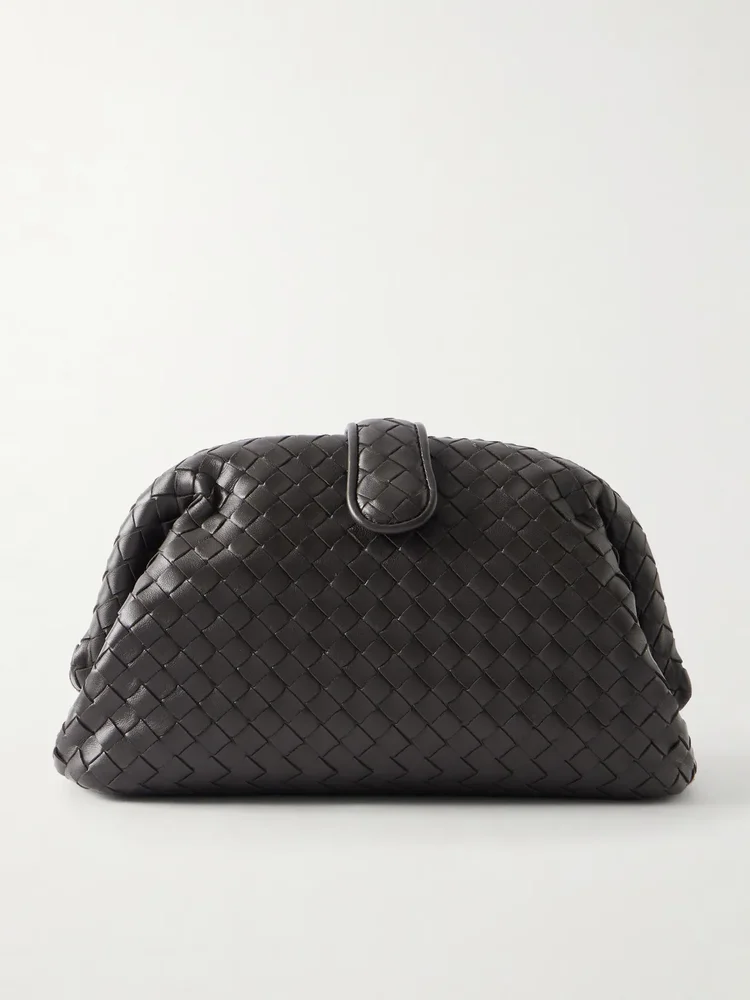
I would buy the Andiamo Small first if I wanted the recognizable woven look without a stiff silhouette: it has a braided shoulder strap and a small gold-knot detail. For a more graphic front, the Cassette Medium is the padded option; the Veneta Medium is softer and slouchier. If the goal is evening, the Giorno Small has a drawstring closure, the Mini Knot Lock is structured with a twist lock and top handle, Lauren 1980 wears its chain strap like a dressed-up clutch, and The 1998 has a brim and room for a phone, book and glasses case.
What I would skip is buying another small woven bag just because Intrecciato is the first thing people recognize. If you need a work bag, I would choose the Corso; if you need an everyday shoulder bag, Campana or Veneta makes more sense. I like the construction, but I would only pay for it if the bag's shape fits the day I actually have.