Carhartt is privately held by Hamilton Carhartt’s descendants, with family ownership dating to 1889. Meet its leaders and the roots of its workwear.
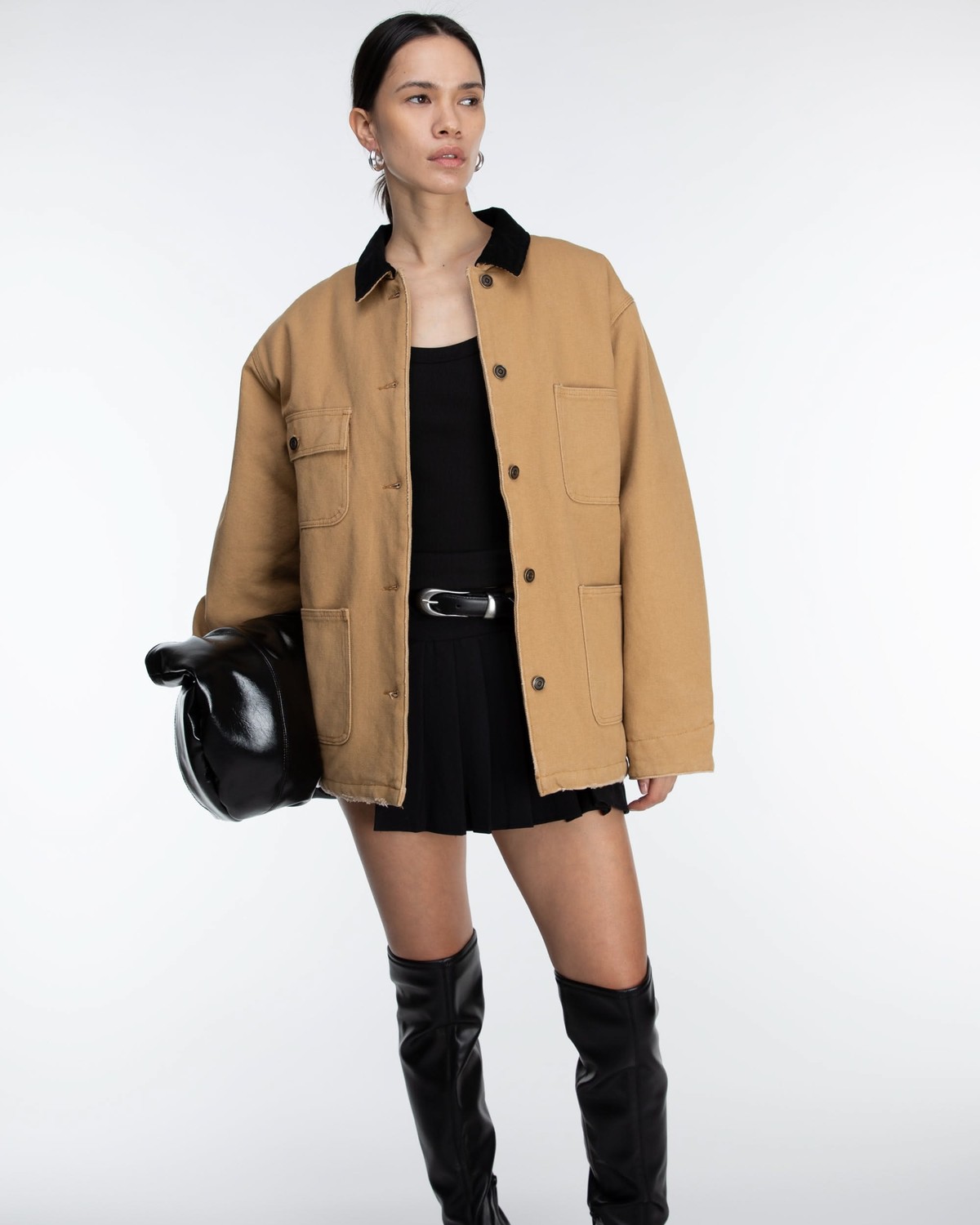
Who Owns Carhartt? The Valade Family’s Workwear Legacy
The Family Still Owns Carhartt
Carhartt is privately held by Hamilton Carhartt’s descendants, and the family ownership story dates to its 1889 founding. A January 2026 report names Linda Hubbard as CEO and Mark Valade, the founder’s great-grandson, as executive chair. If you came searching for who owns carhartt, the short answer is the founder’s family, not a public parent company.
The carhartt parent company search has a straightforward answer: the label remains a private family business. The search for who makes Carhartt is a separate question, and the company reports three U.S. manufacturing facilities alongside corporate and supply-chain operations across Europe, Asia and Latin America. Who founded carhartt takes us back to Hamilton, who started by listening to railroad workers before building the bib overall they needed. I like that the ownership answer is plain but the story includes several leadership handoffs over time, with the CEO role moving outside the family.
A Railroad Start
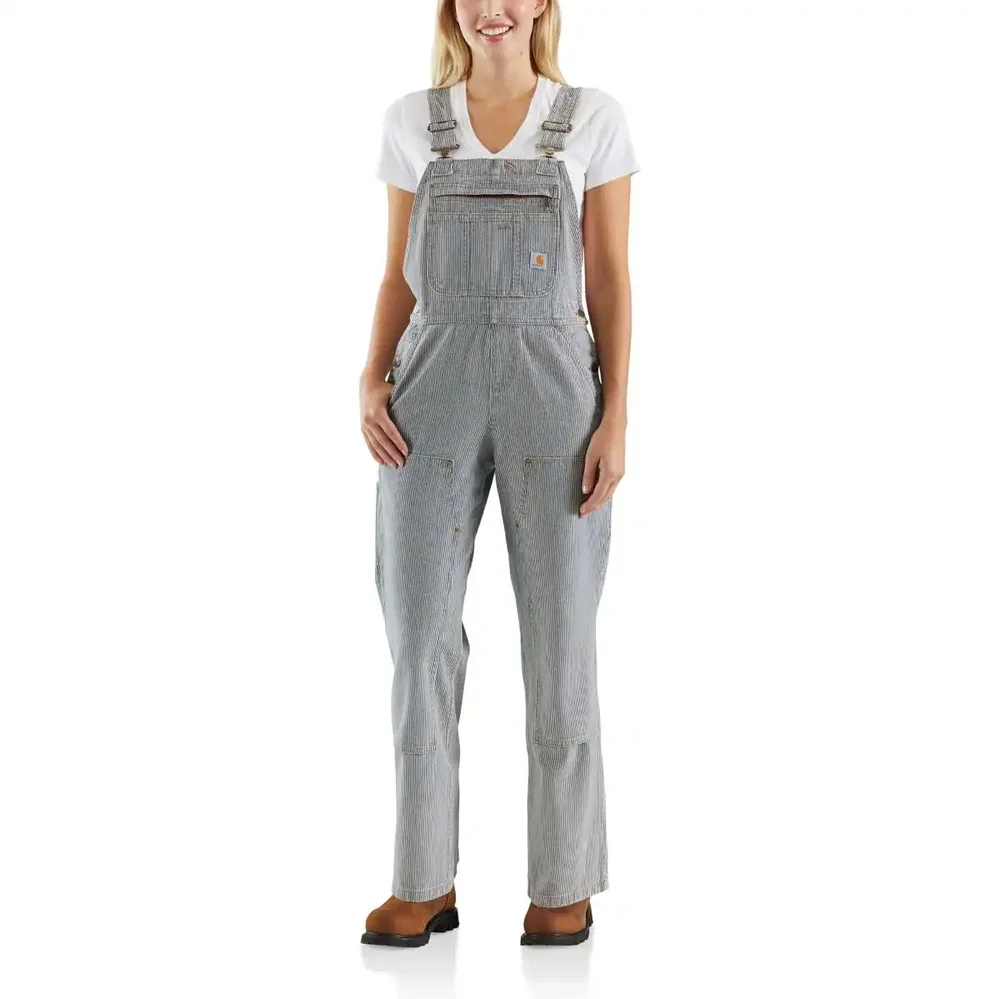
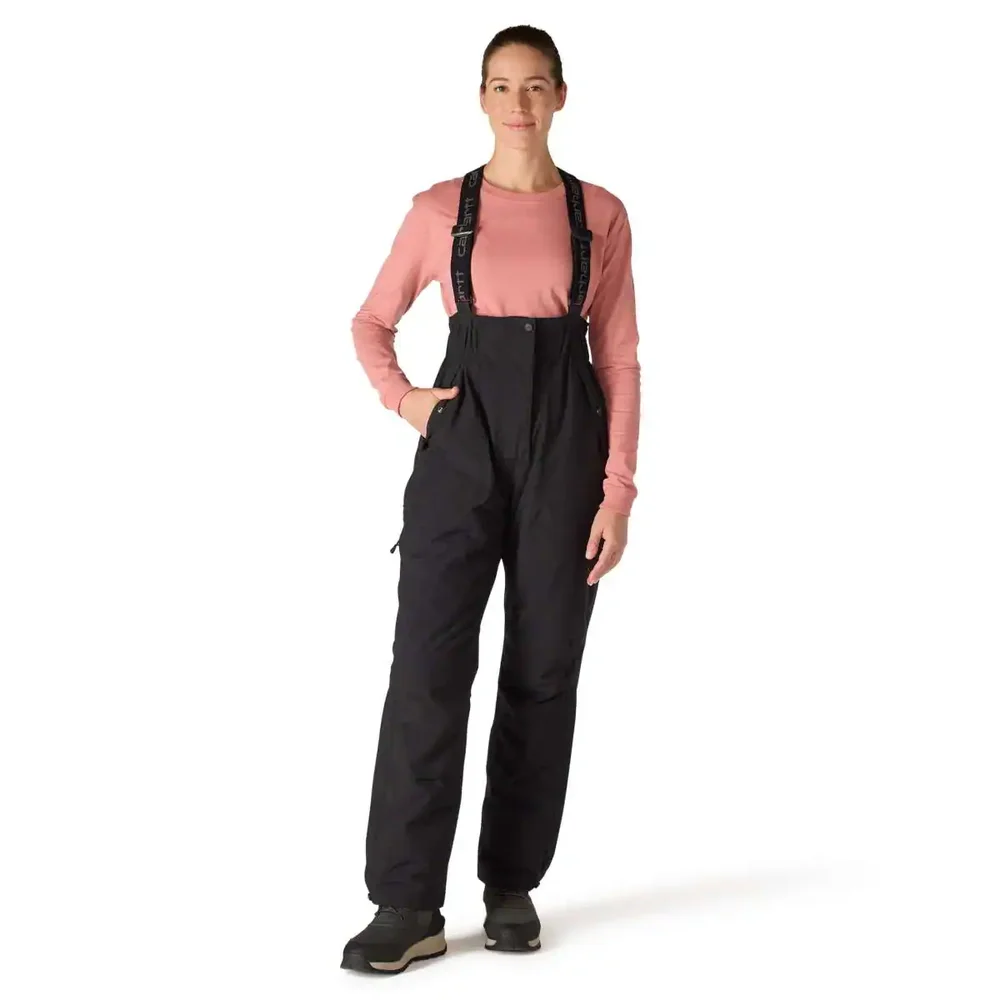
Carhartt began in a Detroit loft in 1889, where Hamilton Carhartt had two sewing machines and a half-horsepower motor. Early batches missed the mark, so he talked directly with railroad workers before building the bib overall they needed; his motto was “Honest value for an honest dollar.” That is why I would start with the Railroad Stripe Denim Bib Overall, not a logo tee: the 10-ounce cotton twill version keeps adjustable suspenders, a zip bib pocket and double-layer knees.
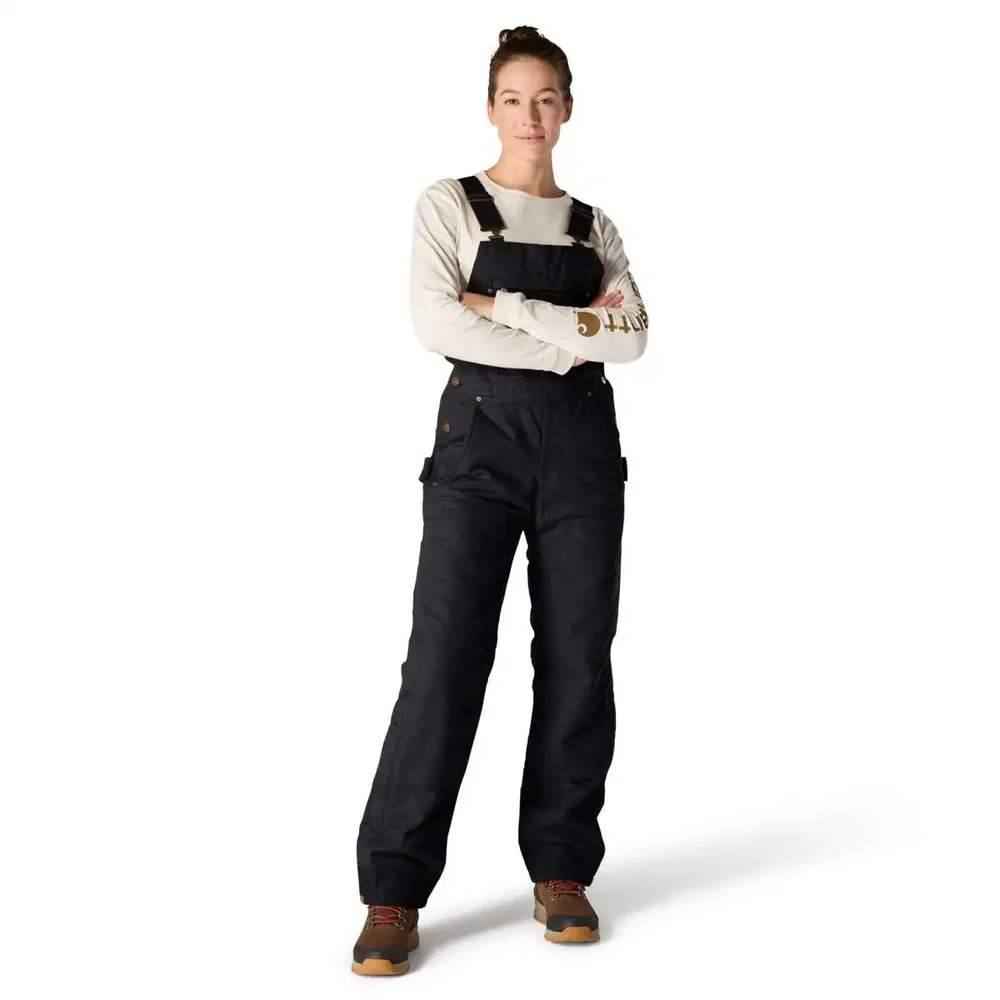
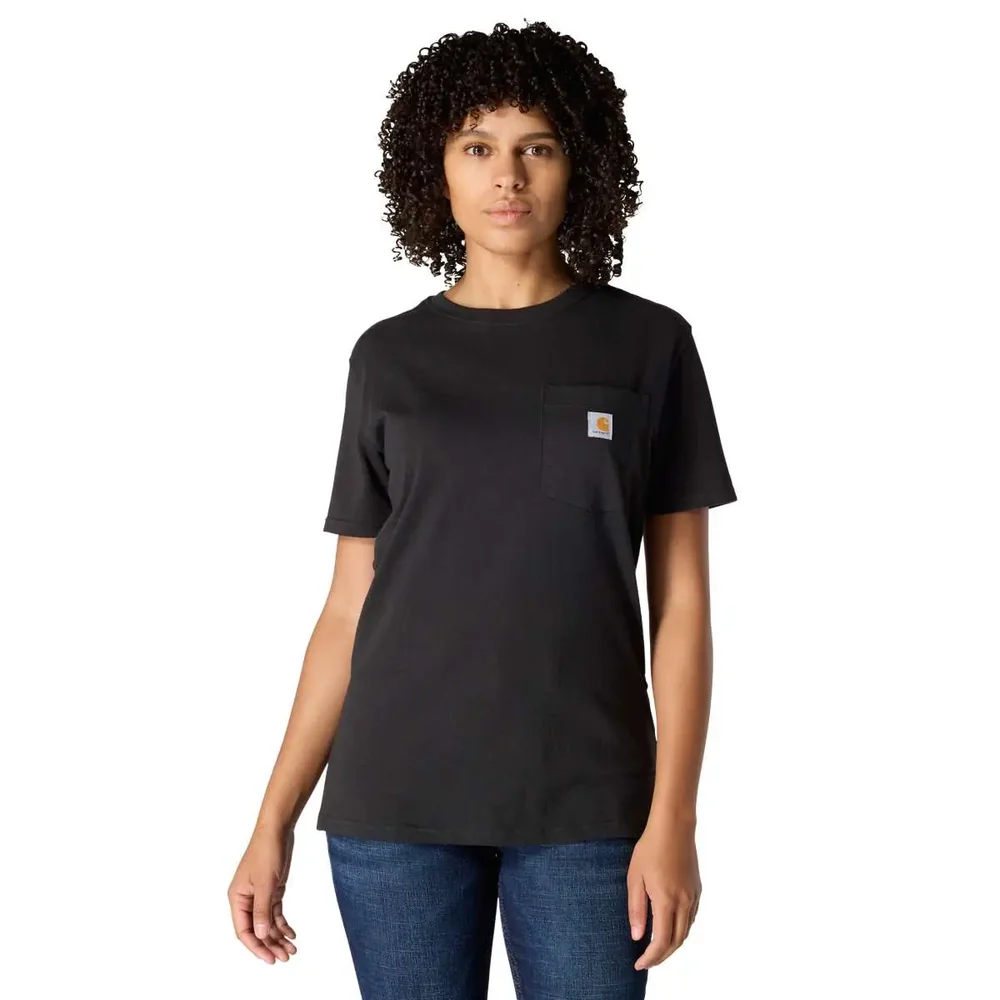
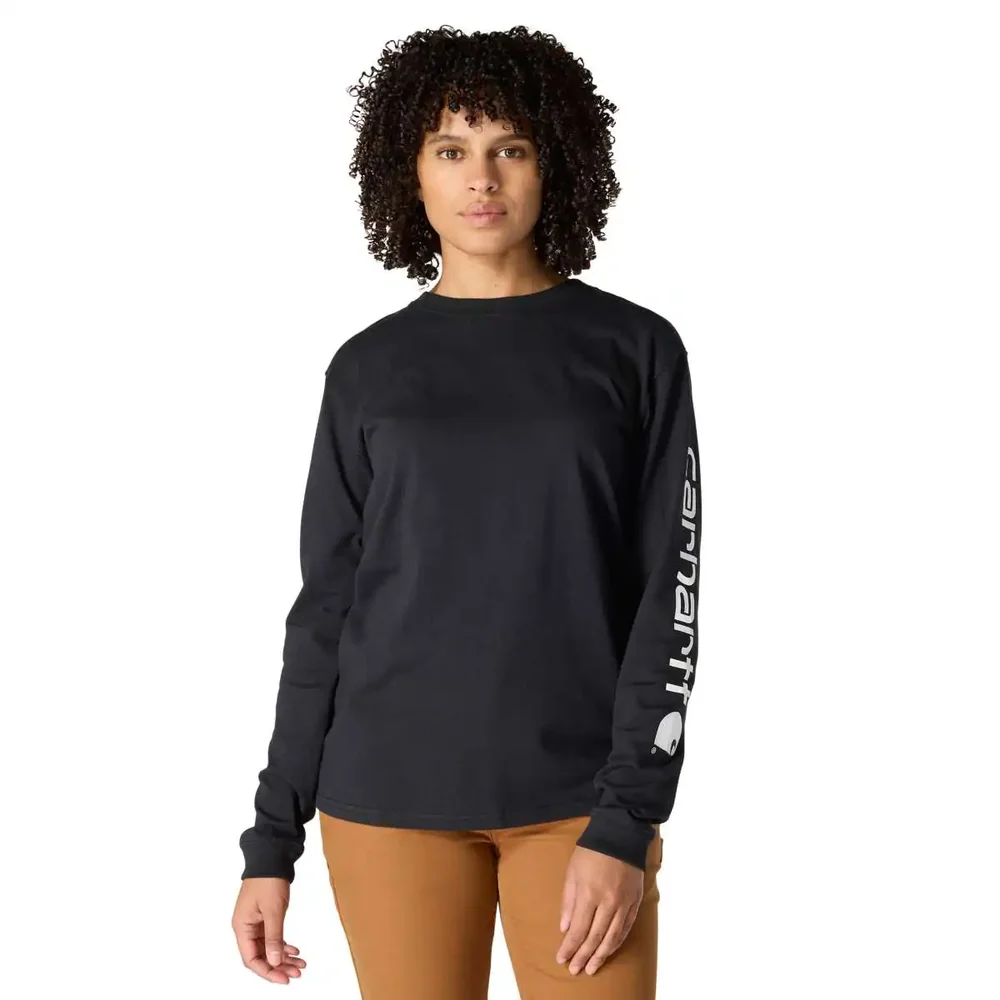
On a colder day, the Washed Duck Insulated Bib Overall uses 12-ounce ringspun duck and insulation through the legs. I would keep the K87 Pocket T-Shirt close for its heavyweight cotton and chest pocket; the Dearborn Long Sleeve Logo T-Shirt is a loose, heavyweight jersey layer with a sleeve print. These pieces translate the brand’s work-first roots into different seasons, instead of treating the bib as a costume.
Family Succession, Working Fabrics
Carhartt’s ownership history reads as a family succession. After Hamilton died in 1937, his son Wylie became president; Robert Valade assumed leadership in 1958, Mark Valade became president in 1998, and Linda Hubbard took the president’s role in 2013 before becoming CEO in 2024. The company history also says Mark remains executive chair, while a 2026 report confirms the business is privately held by descendants.
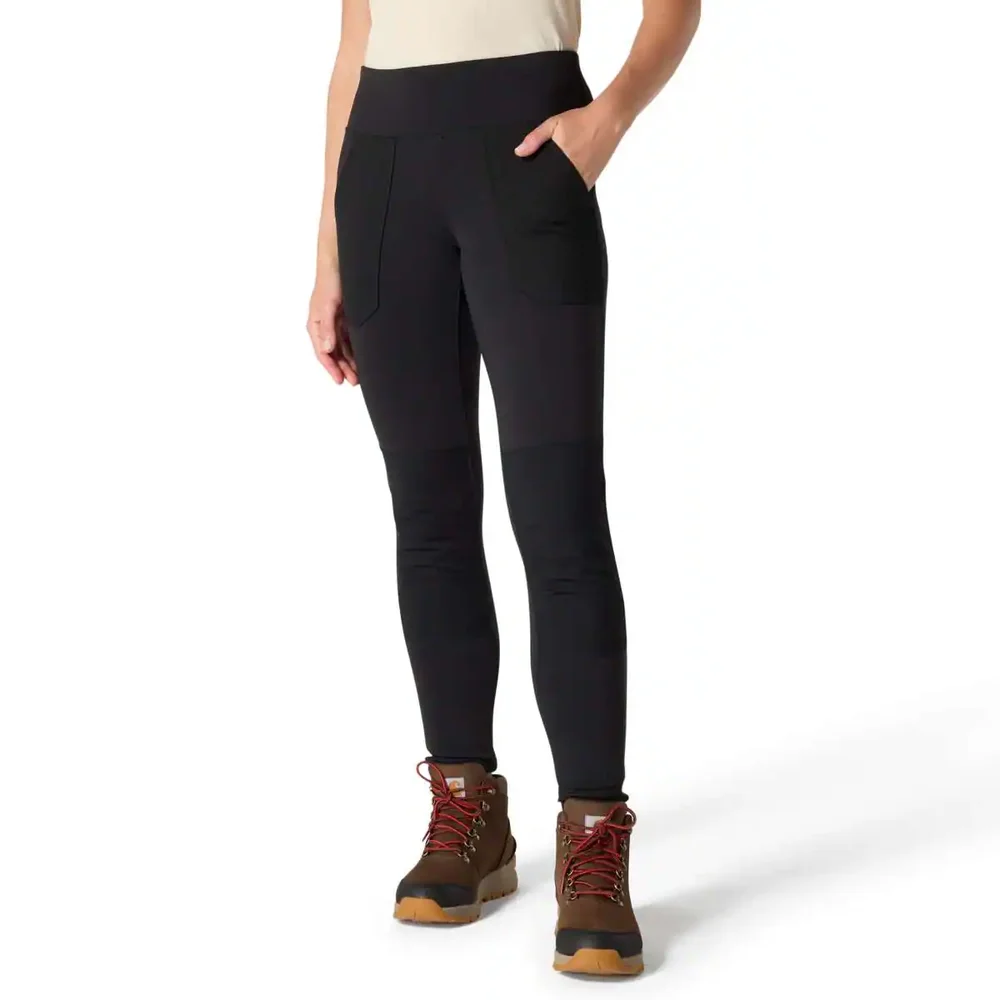
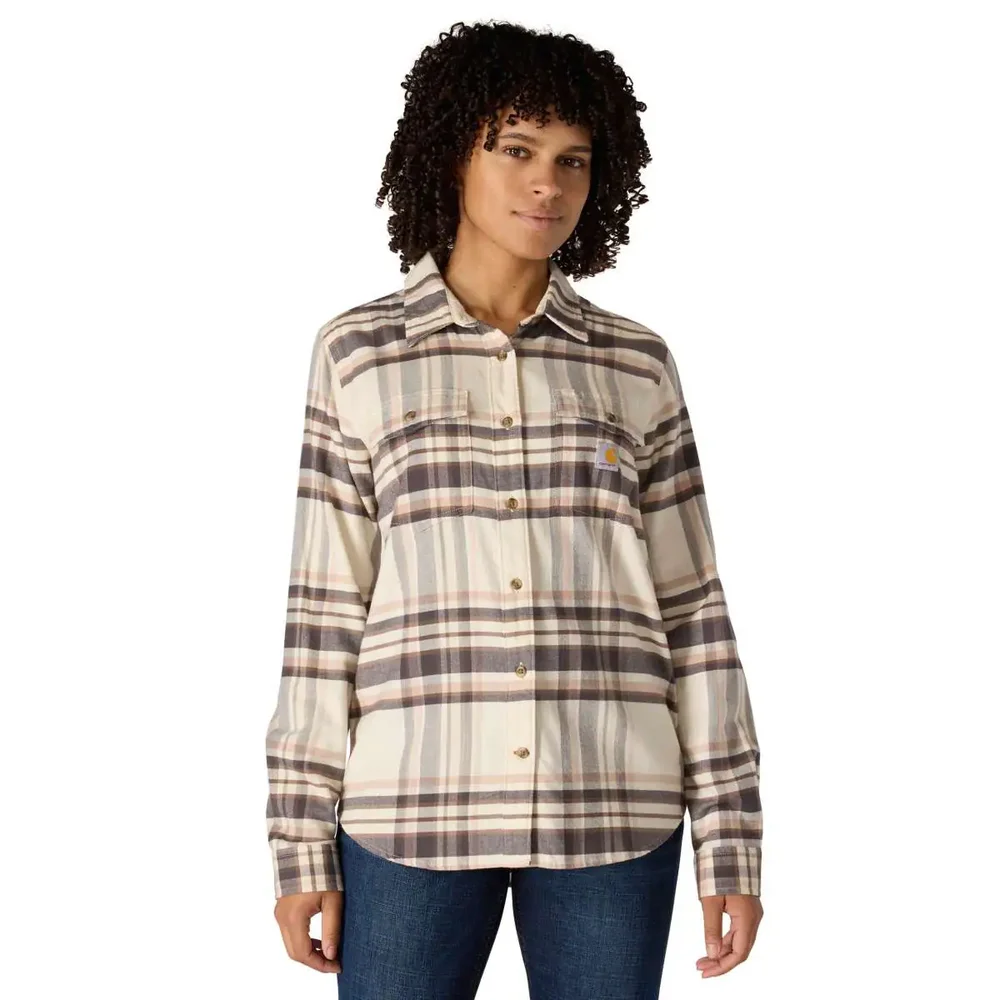
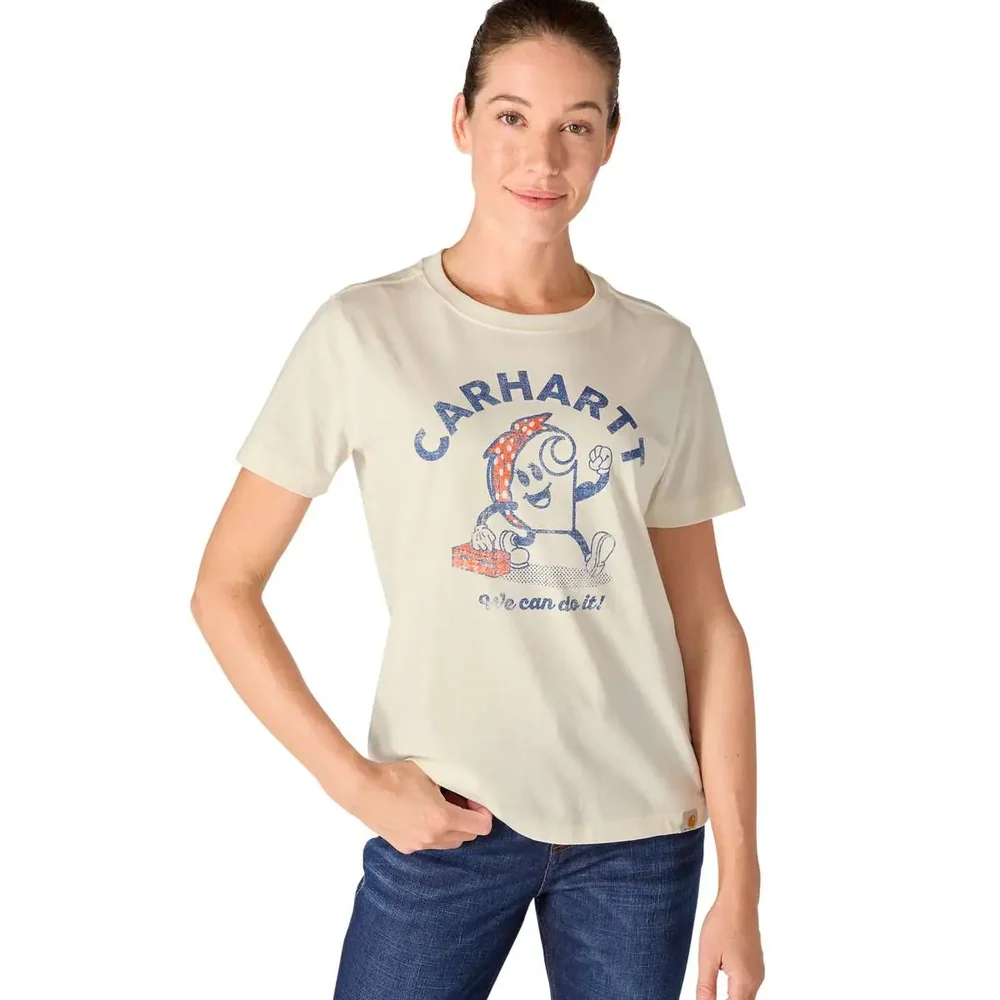
That line matters because the product pages show the same job-first logic in new materials. The Force Midweight Legging has reinforced knees and six abrasion-resistant pockets; the Tencel Fiber Series Plaid Shirt adds stretch to a cotton and lyocell blend, and the Irvine Nettie T-Shirt brings a front graphic to a cotton-poly jersey. For hard rain or cold, the Rainier Bib Overall brings waterproof protection, insulation and ankle-to-knee zips. I would choose by workday rather than label: warm base, plaid shirt, then bibs when weather asks.
Choose by Weather
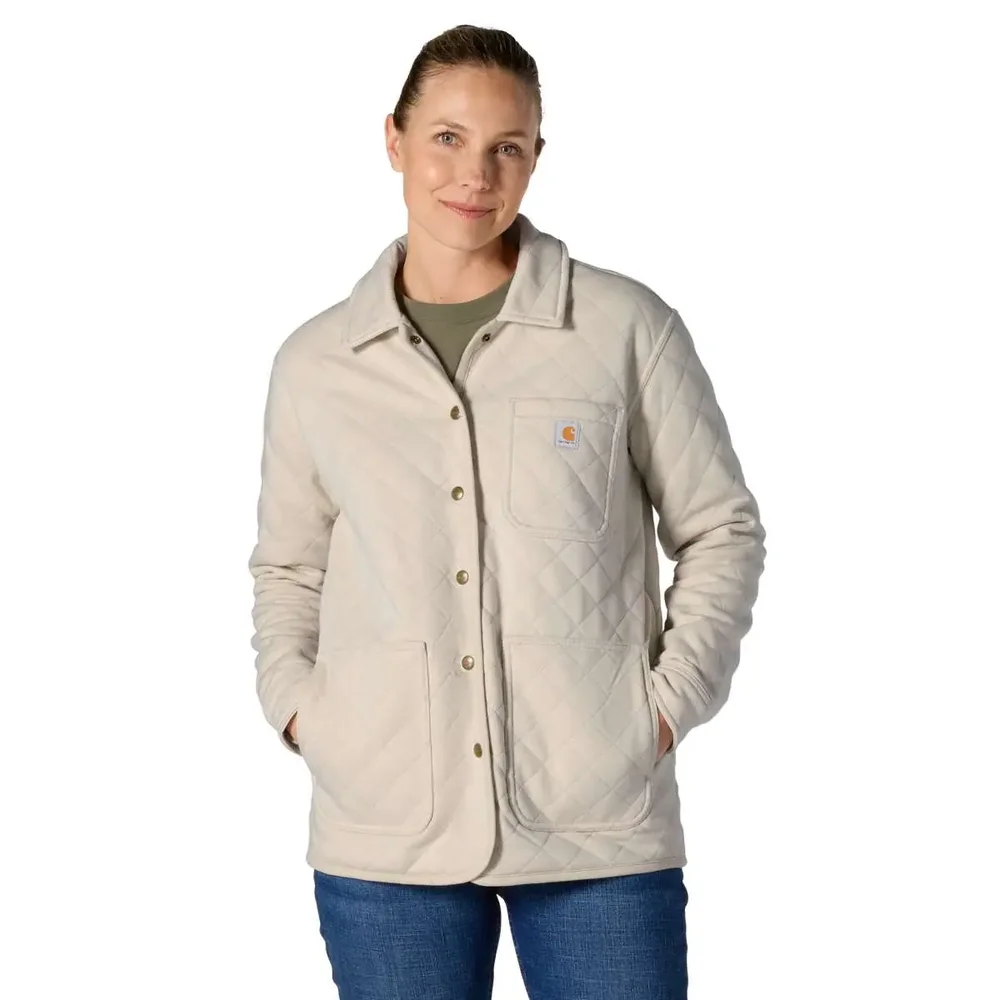
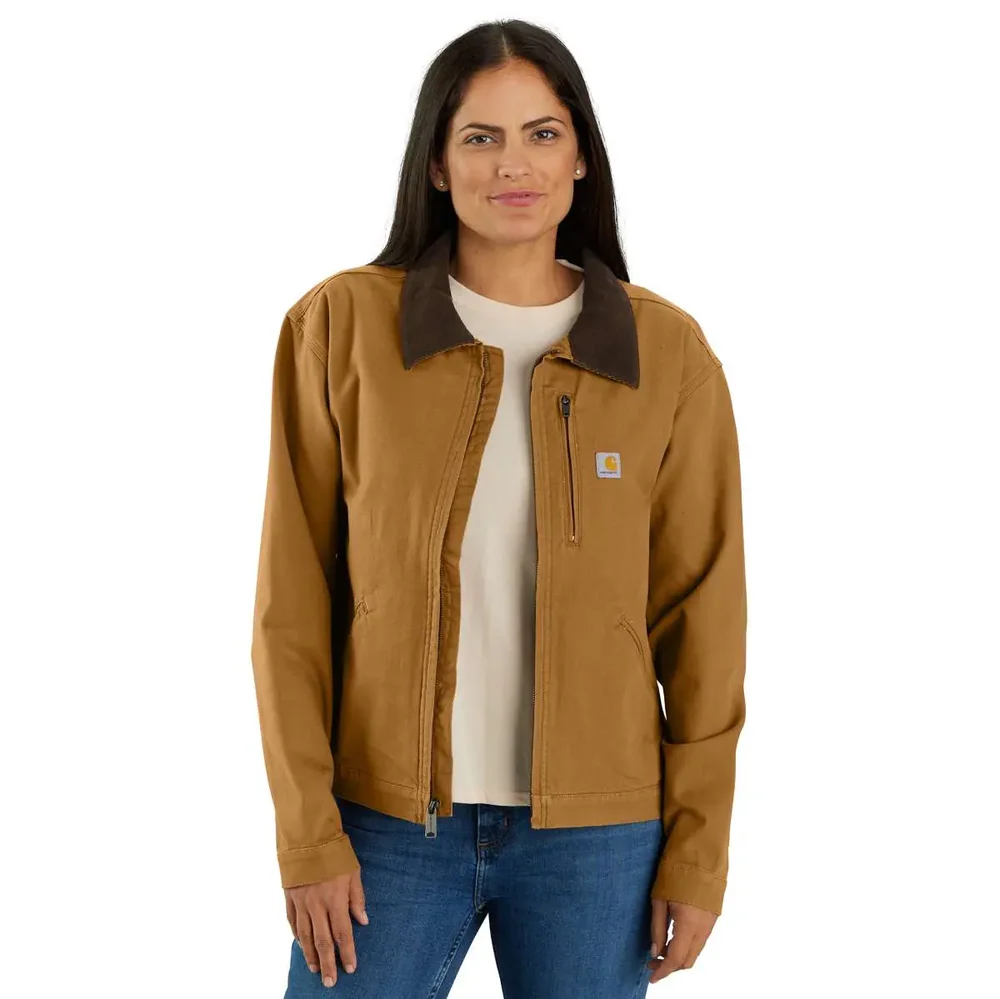
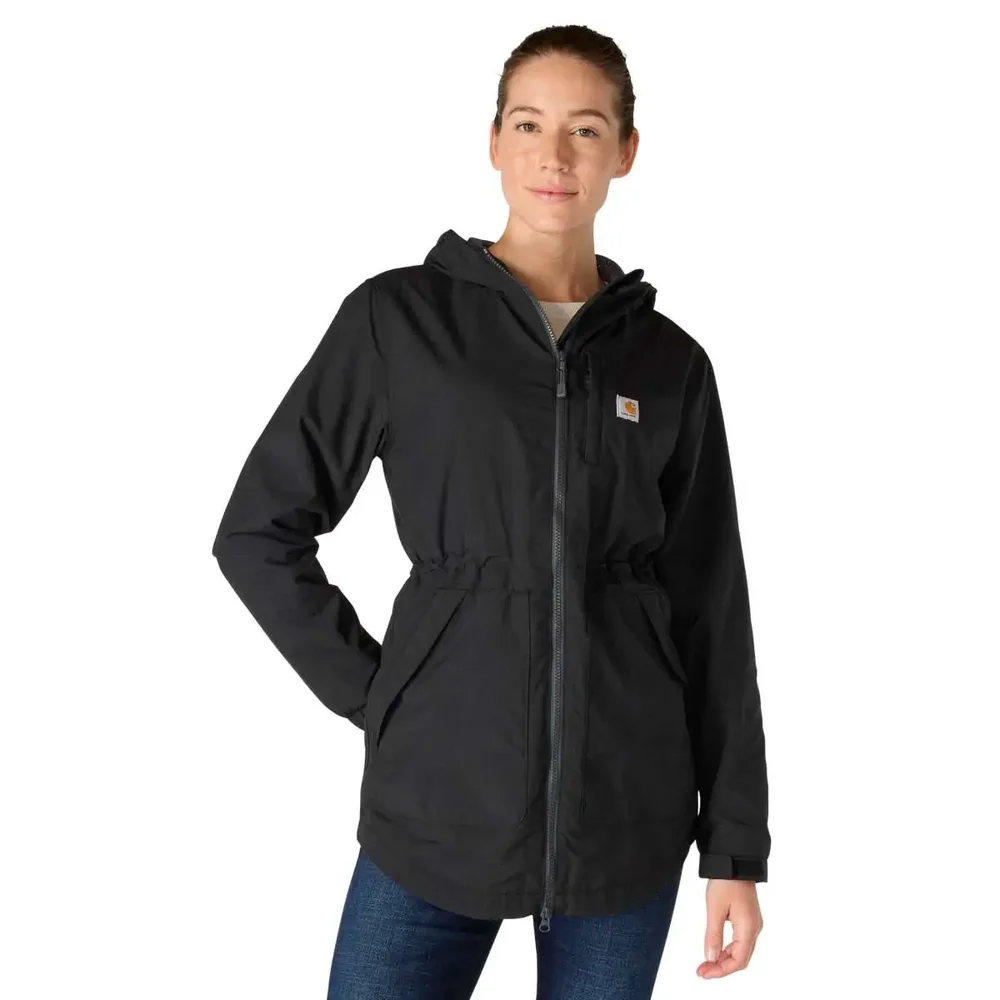
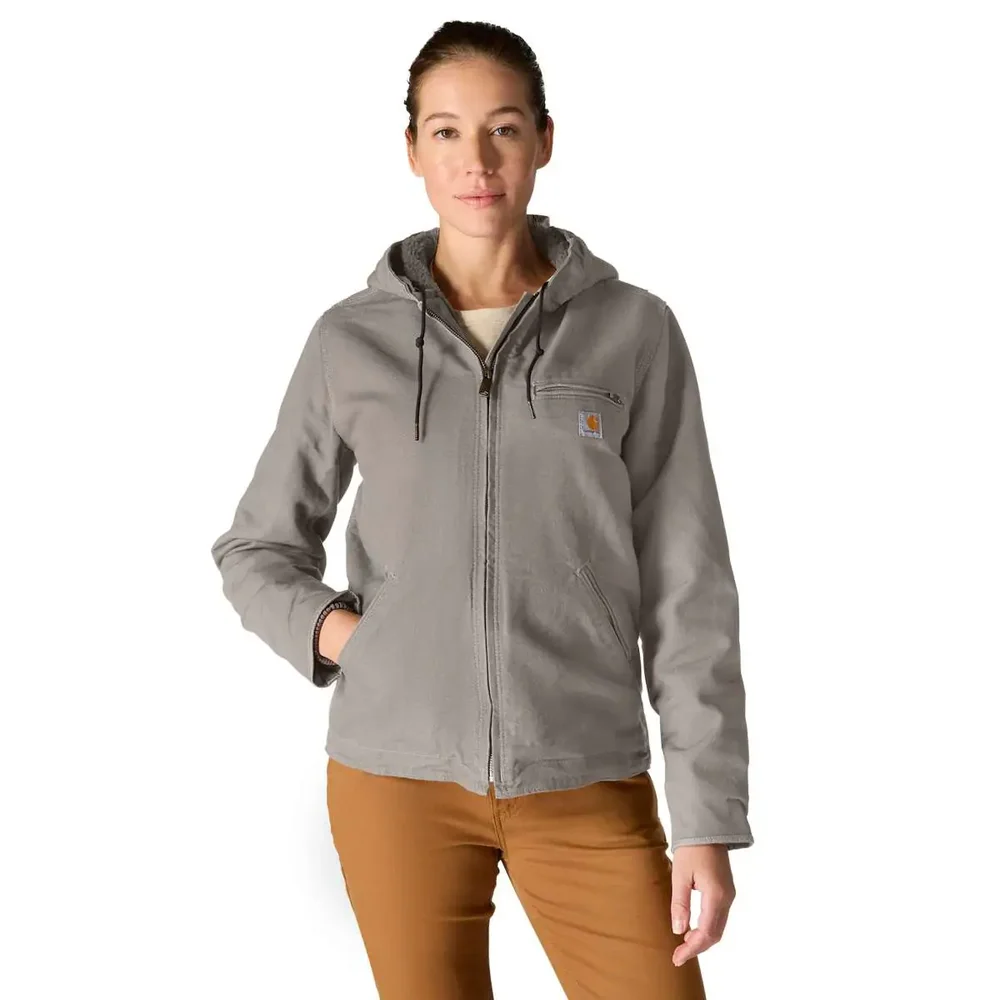
The four jacket layers make the ownership story tactile, but I would buy by weather. The Paxton Quilted Shirt Jac is a snap-front layer in 10.2-ounce quilted fleece with Rain Defender. The Crawford Detroit Jacket is a lighter 8.5-ounce stretch-canvas take on a workwear staple that has lasted for decades, while the Rockford Coat is lightweight nylon with a water-repellent finish, hood and longer coverage.
On the coldest days, the Washed Duck Sierra Jacket goes heavier, with a 12-ounce duck shell, sherpa-lined body and quilted sleeve lining. I would start with the Crawford for flexible layering, then save the Sierra’s deeper warmth for genuinely cold days. I would skip the Sierra if I spent most of the day indoors or wanted a layer that packs away easily. I like Carhartt best when each piece earns its place through a real job, whether that is rain, chill or movement.