Coty owns CoverGirl and has since 2016, though a portfolio review remains open. The brand began as Noxzema's medicated makeup line.
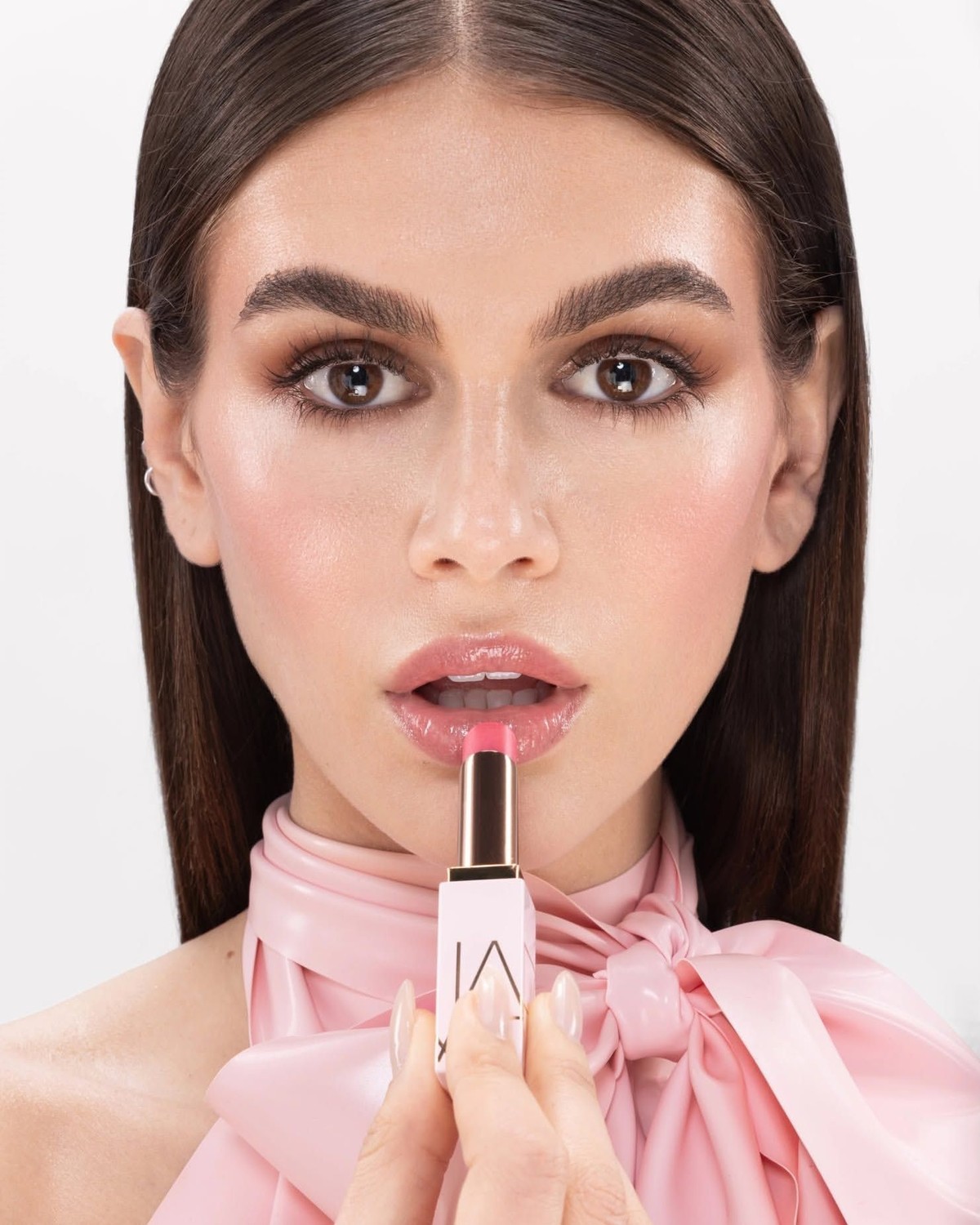
Who Owns CoverGirl? Coty’s 2016 Deal and the Noxzema Story
The Ownership Answer
Coty Inc., a publicly traded beauty company listed on the New York Stock Exchange, owns CoverGirl, and has since 2016. For anyone asking who owns CoverGirl today, that is the clean answer, with one current wrinkle: Coty still lists the brand among its core Consumer Beauty names, while its strategic review of that division remains open and is expected to conclude by the end of 2026.
The CoverGirl parent company also has Rimmel, Sally Hansen and adidas among its core beauty brands, which tells you where the brand sits in Coty’s portfolio. Coty’s FY2026 filing marks CoverGirl as an owned brand, not merely a licensed label. If the question is who makes CoverGirl, the parent company is Coty, though I could not verify a specific factory for every formula. I like the distinction: the ownership is settled for now, while the company’s future portfolio choices are not. CoverGirl began inside a Baltimore skin-cream company, so this is not a story of a single cosmetics founder selling an independent label to a conglomerate; the brand started as a line within Noxzema’s business.
From Noxzema to Cover Girl
CoverGirl started at Noxzema Chemical Company, the Baltimore maker of Noxzema skin cream, with a national launch in January 1961. Its first products were medicated liquid makeup and compressed powder, sold through drugstores and groceries rather than department-store counters. So who founded CoverGirl is a company answer, not a celebrity-founder story. The concept itself has two credible attributions: product-development executive Bill Hunt or agency executive Mary Ayers; the name Cover Girl is credited to copywriter Carolyn Oelbaum. I like the practical origin, with a blemish-covering idea and a familiar skin-cream brand rather than a grand beauty-house mythology.
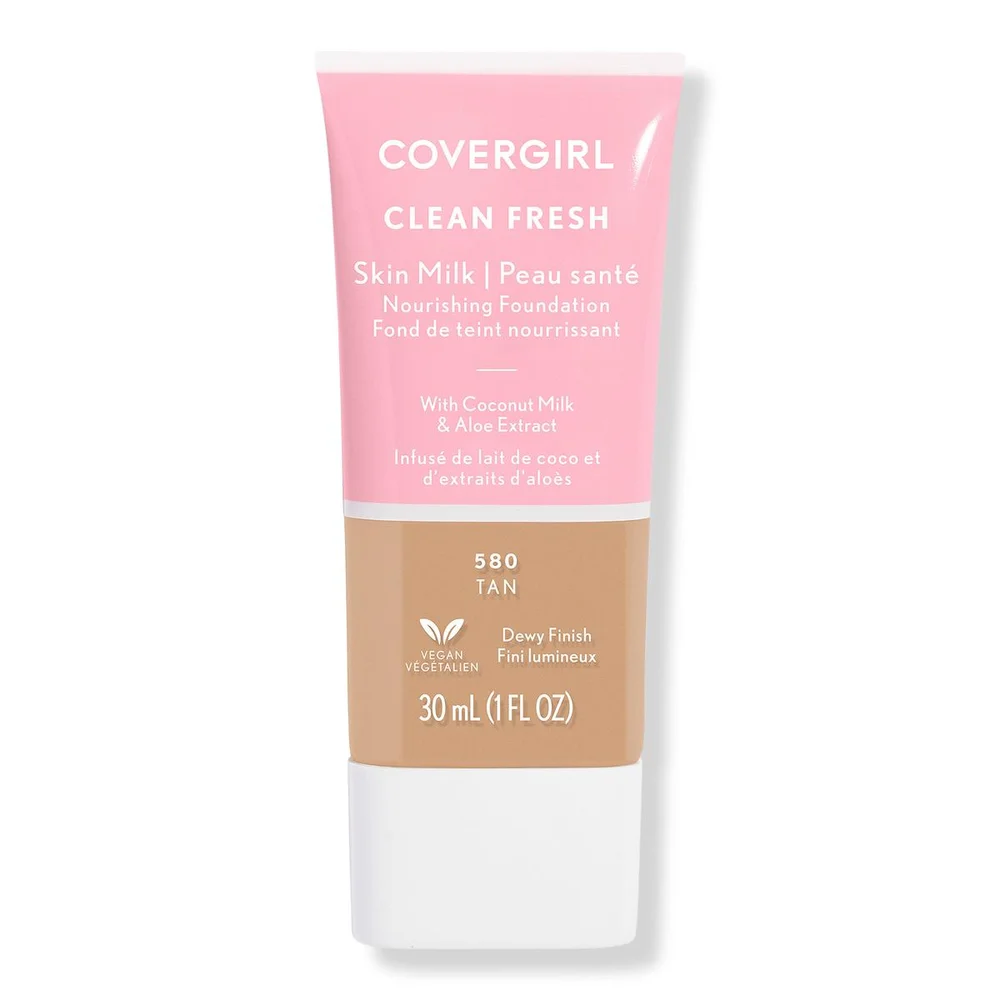
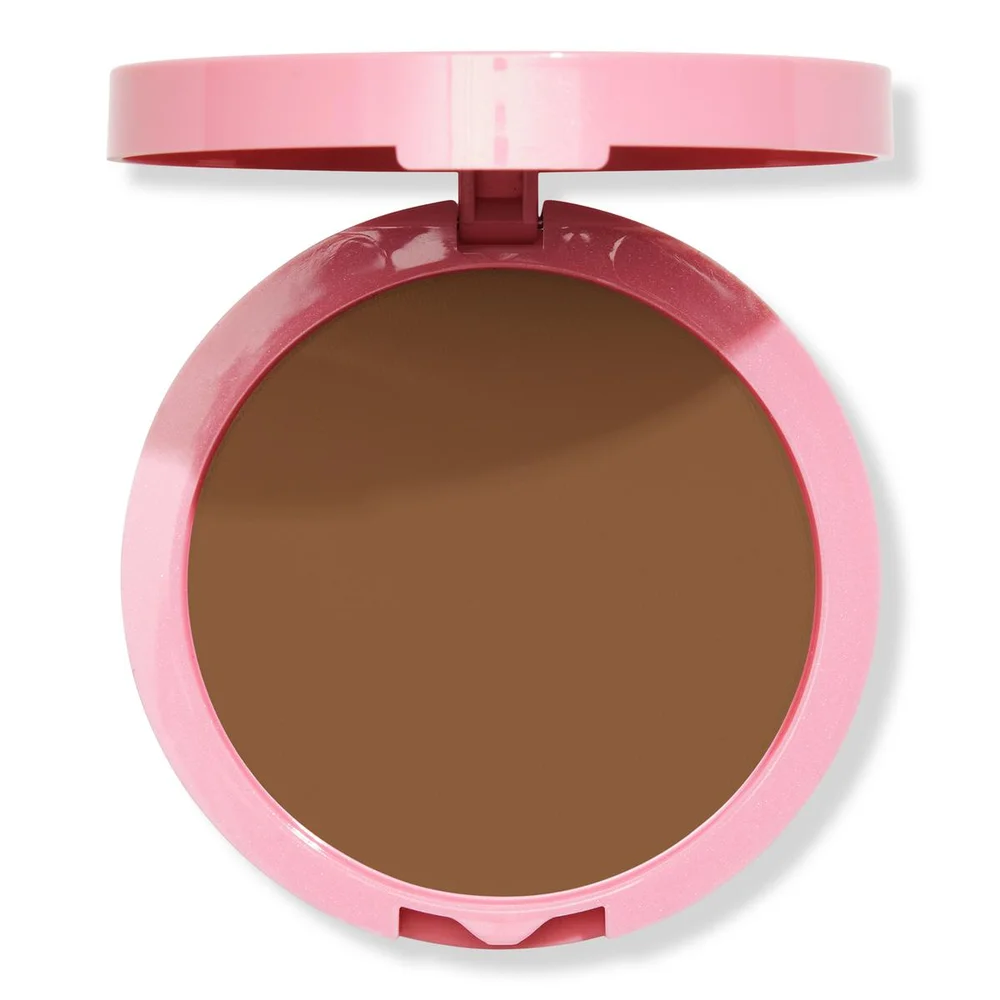
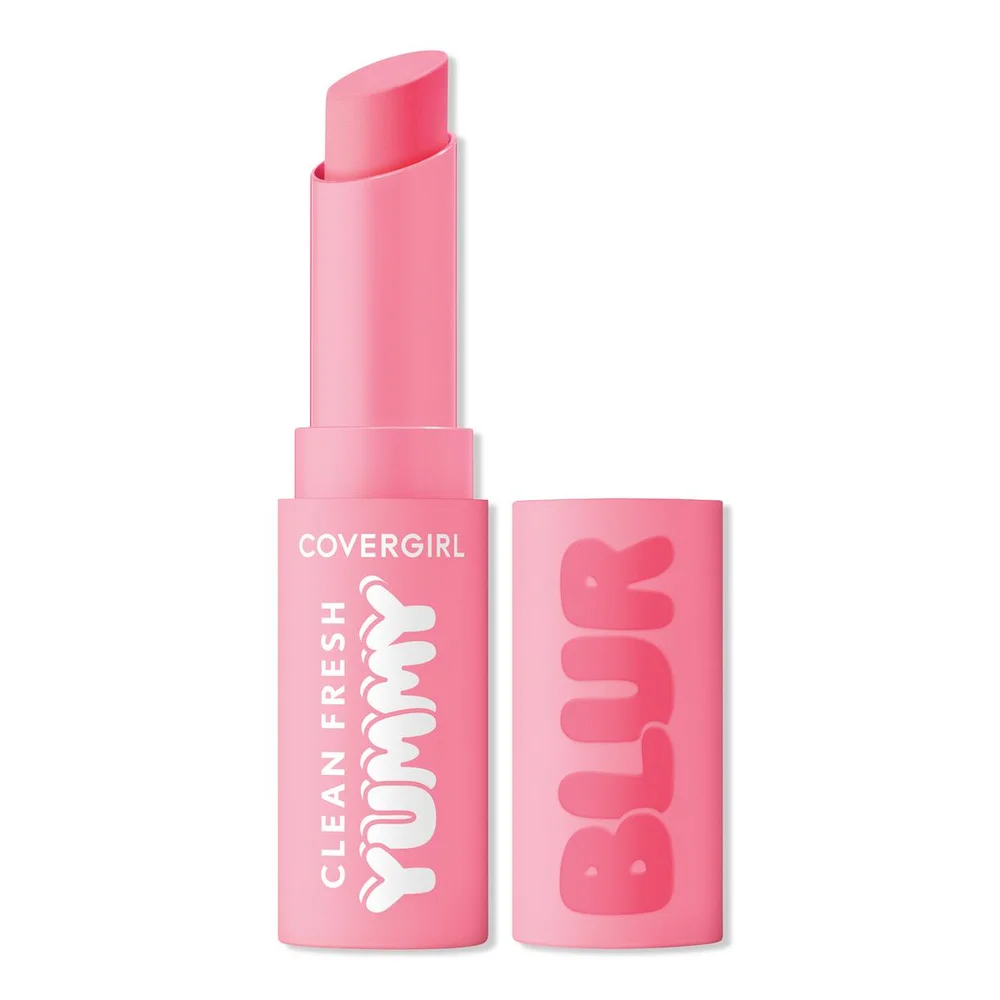
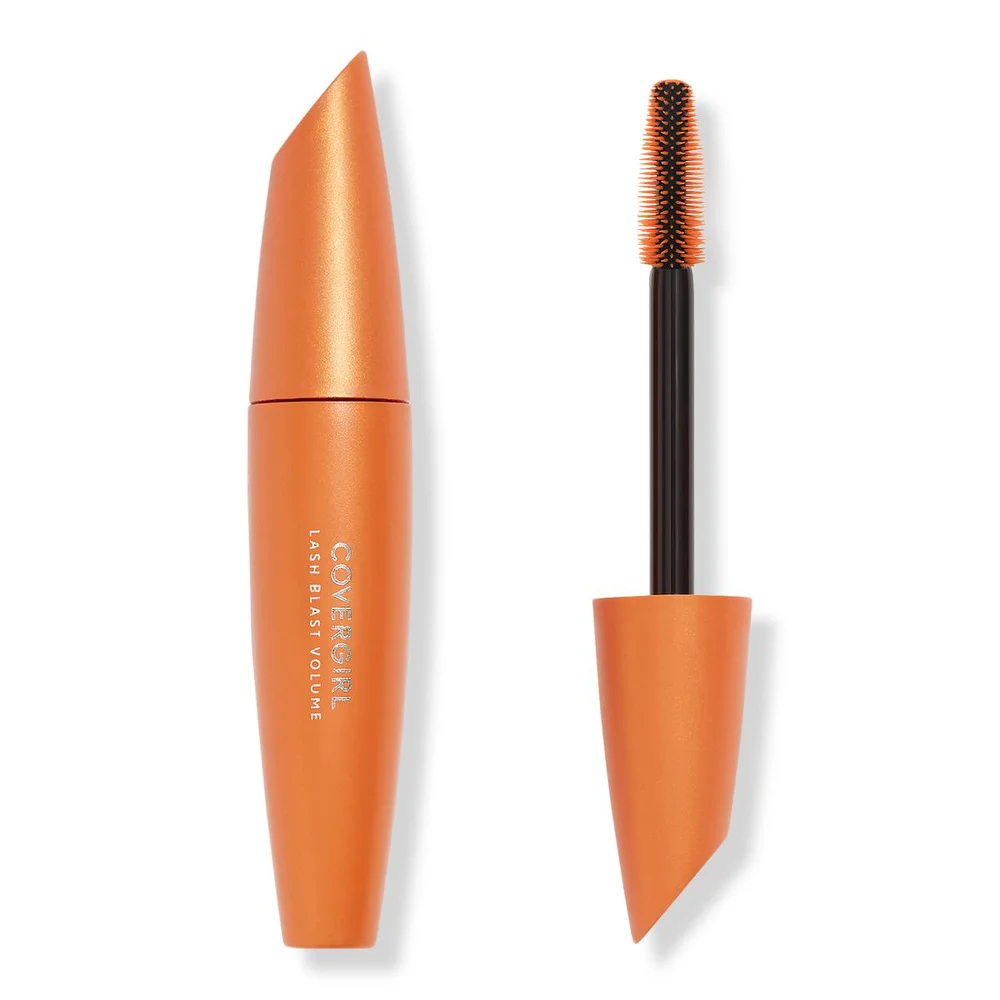
That beginning gives Clean Fresh Skin Milk Foundation and Clean Fresh Pressed Powder the most direct echoes. Clean Fresh Yummy Blur Lipstick brings in the lip category Noxzema added in 1964, and Lash Blast Volume Mascara is a current take on an eye category that grew in the 1970s. I would start with foundation and powder if I wanted the oldest part of the story in a modern routine.
Two Corporate Turns
Ownership moved in two clear steps after the founding era. Noxzema Chemical Company became Noxell in 1966; in September 1989, Procter & Gamble announced it would acquire Noxell, including Cover Girl and Noxzema. Coty completed its merger with P&G Specialty Beauty in October 2016, and COVERGIRL joined its Consumer Beauty portfolio with brands such as Rimmel and Sally Hansen. The old name, Noxell, marks the company that carried the label into the P&G years; Coty has been the parent since its merger closed.
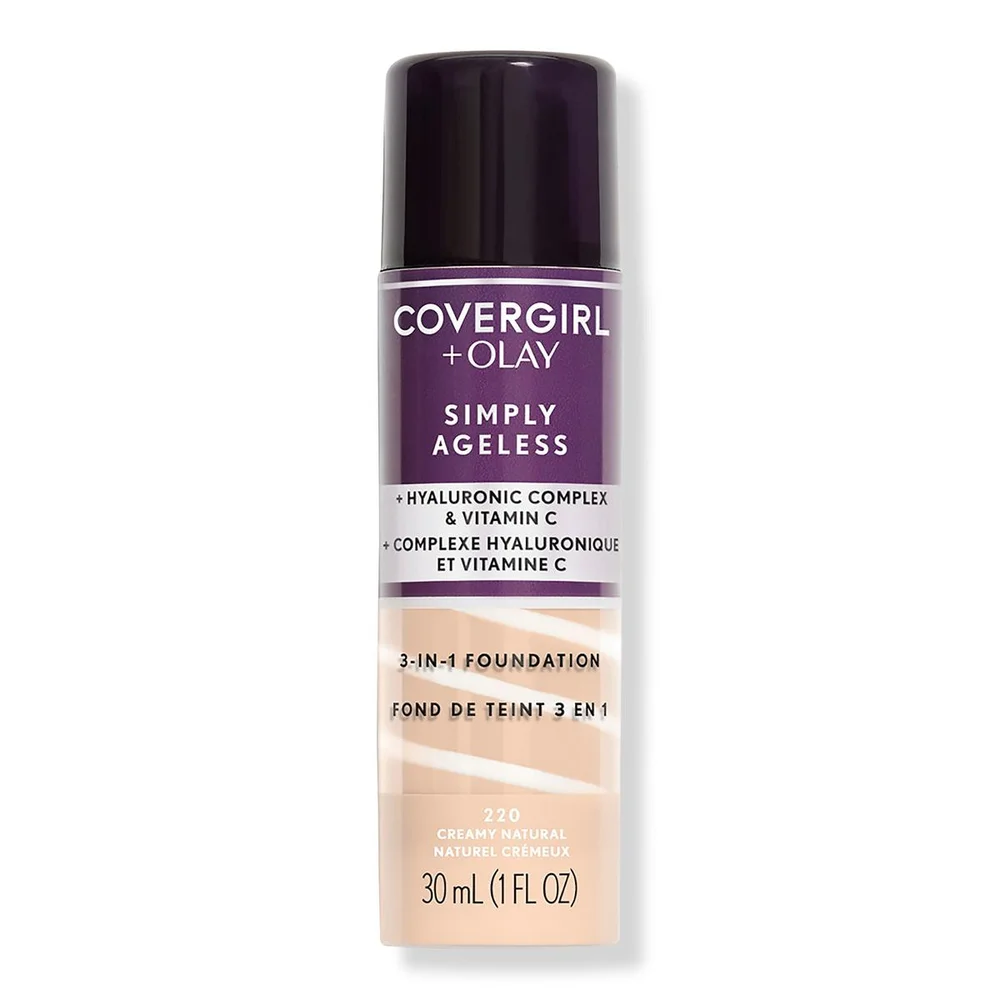
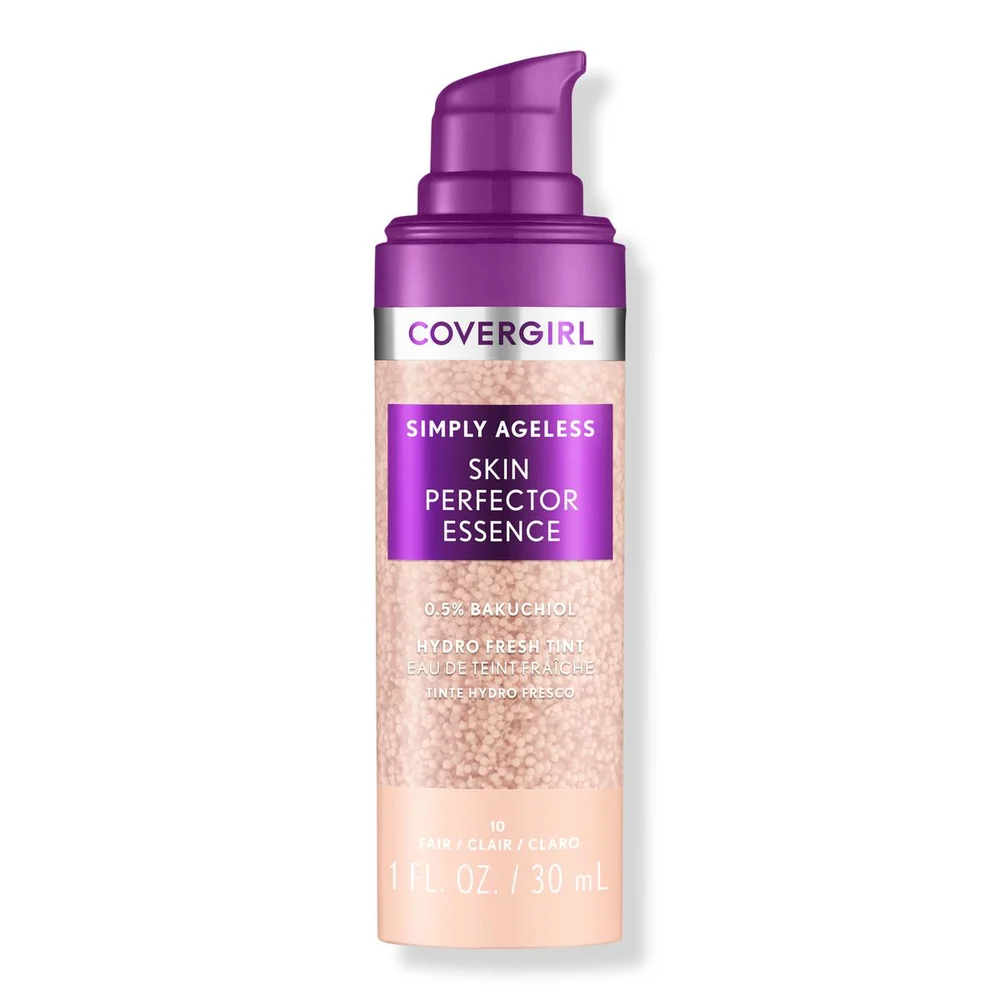
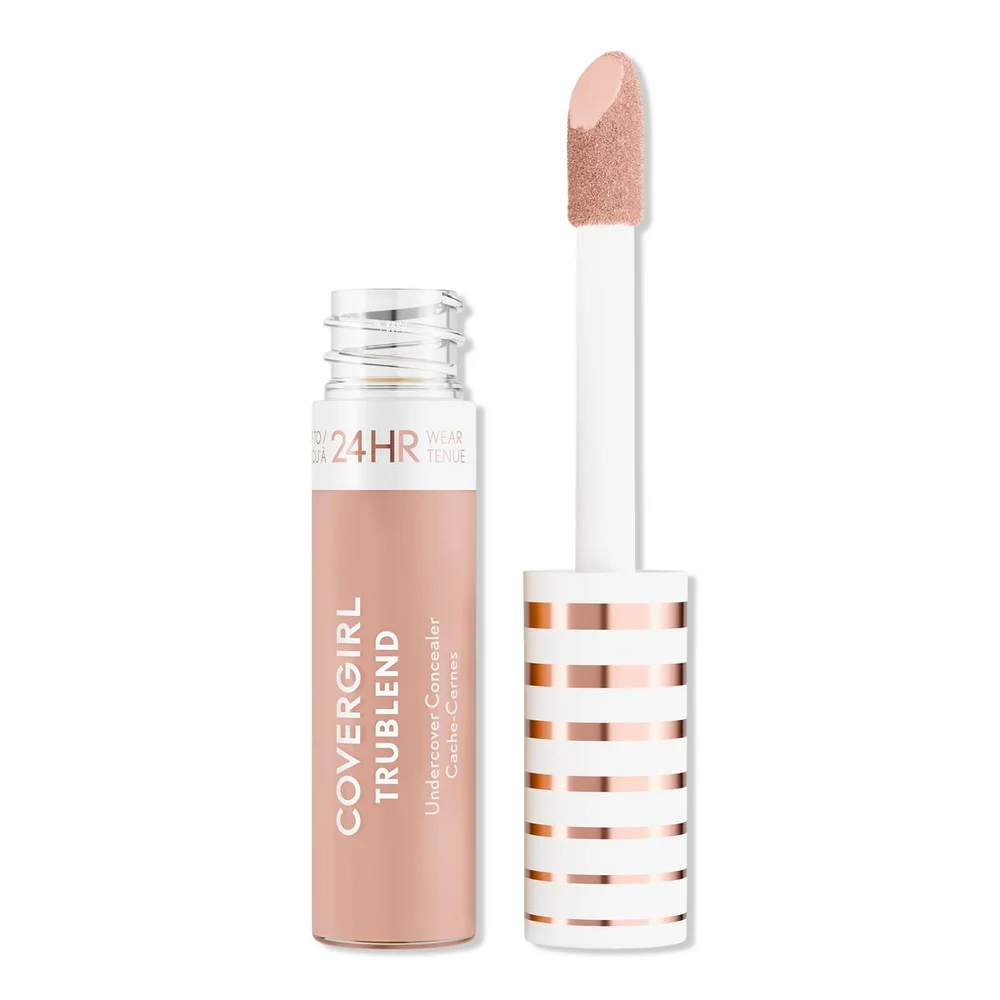
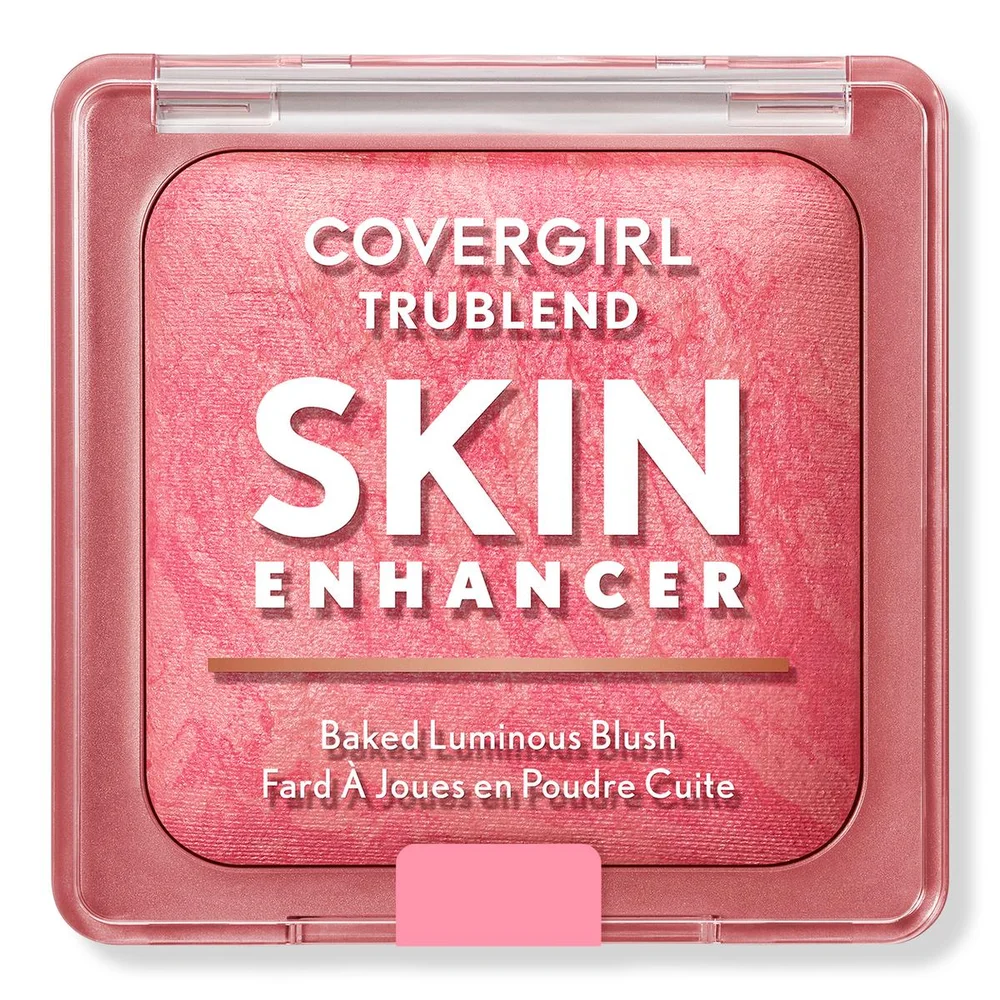
As of November 2026, Coty still treats CoverGirl as a core Consumer Beauty brand, while its review of that division remains unresolved. That is the important qualification to the ownership story, not a reason to invent a pending deal. Today’s core names also include Rimmel, Sally Hansen and adidas. For the current face routine, Olay Simply Ageless 3-in-1 Liquid Foundation and Simply Ageless Skin Perfector Essence Foundation are two separate foundation options; TruBlend Undercover Concealer adds the concealer step, while TruBlend Skin Enhancer Baked Luminous Blush is the color choice. I would pick one foundation first rather than buy both.
What I Would Buy First
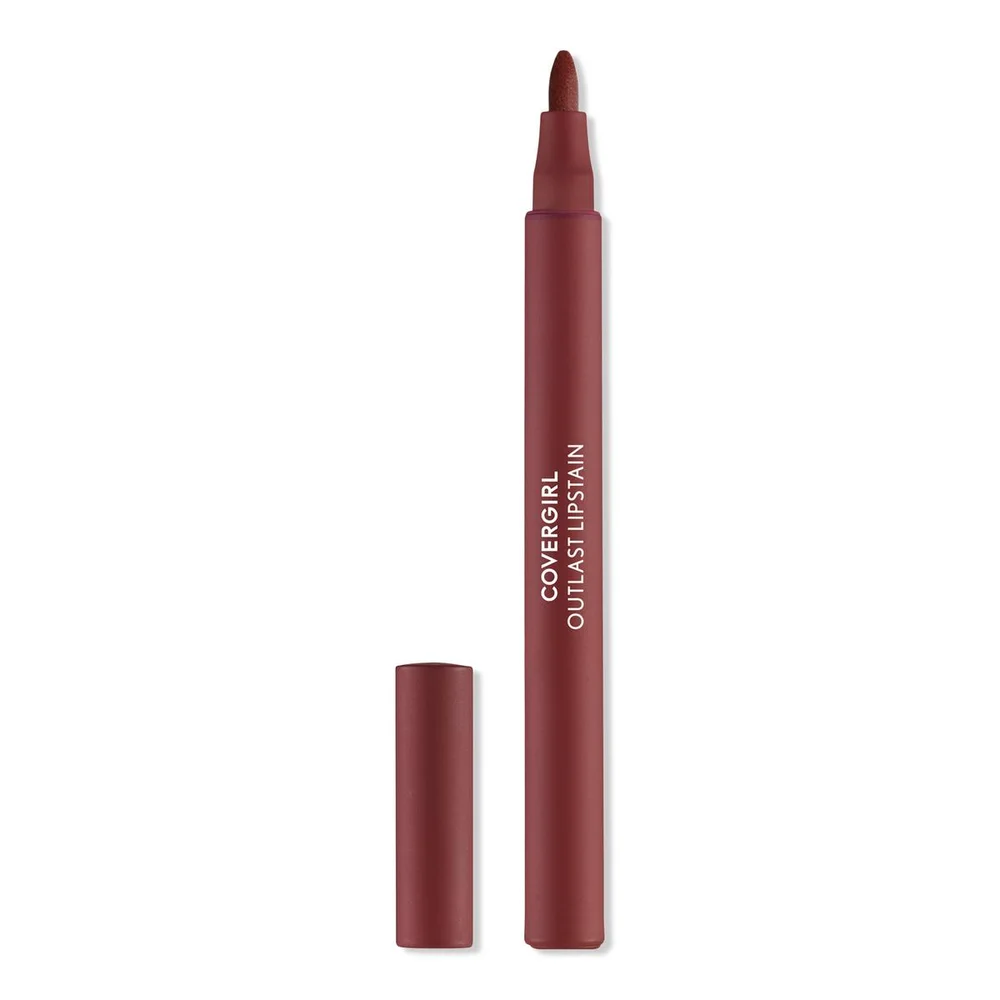
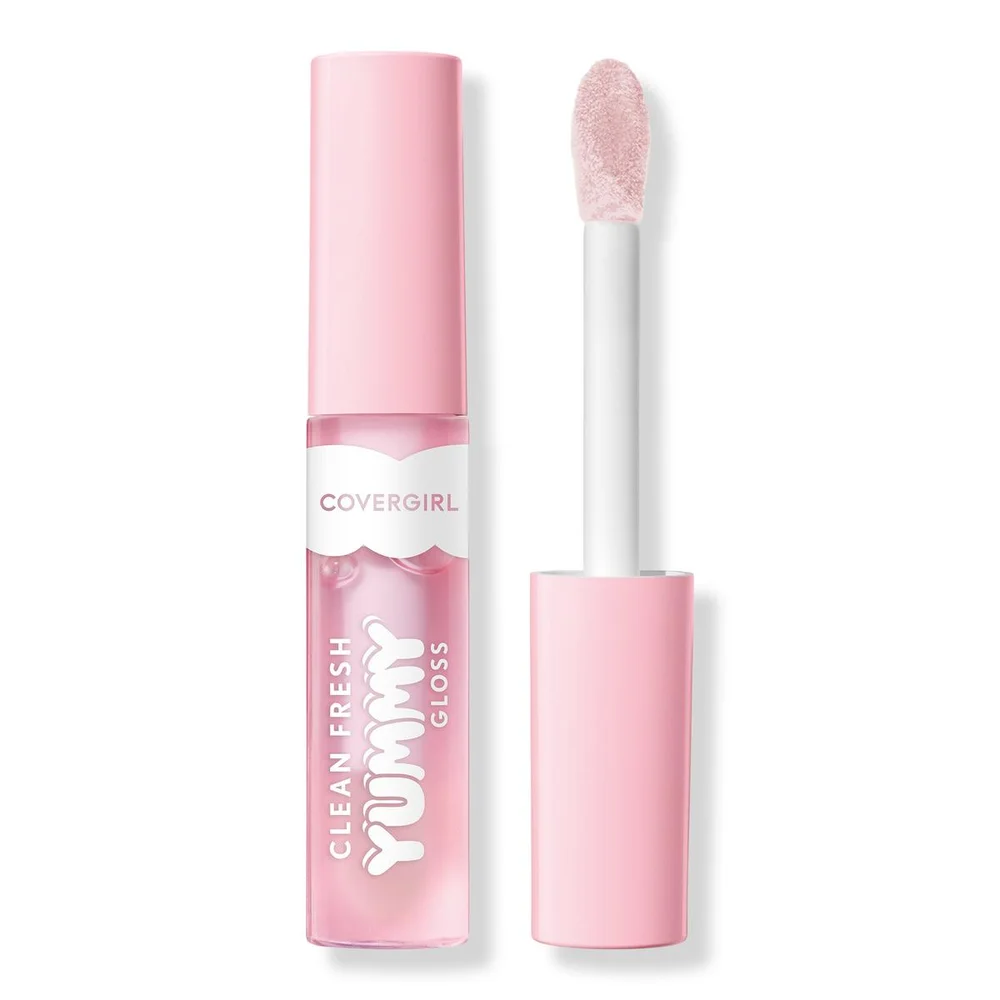
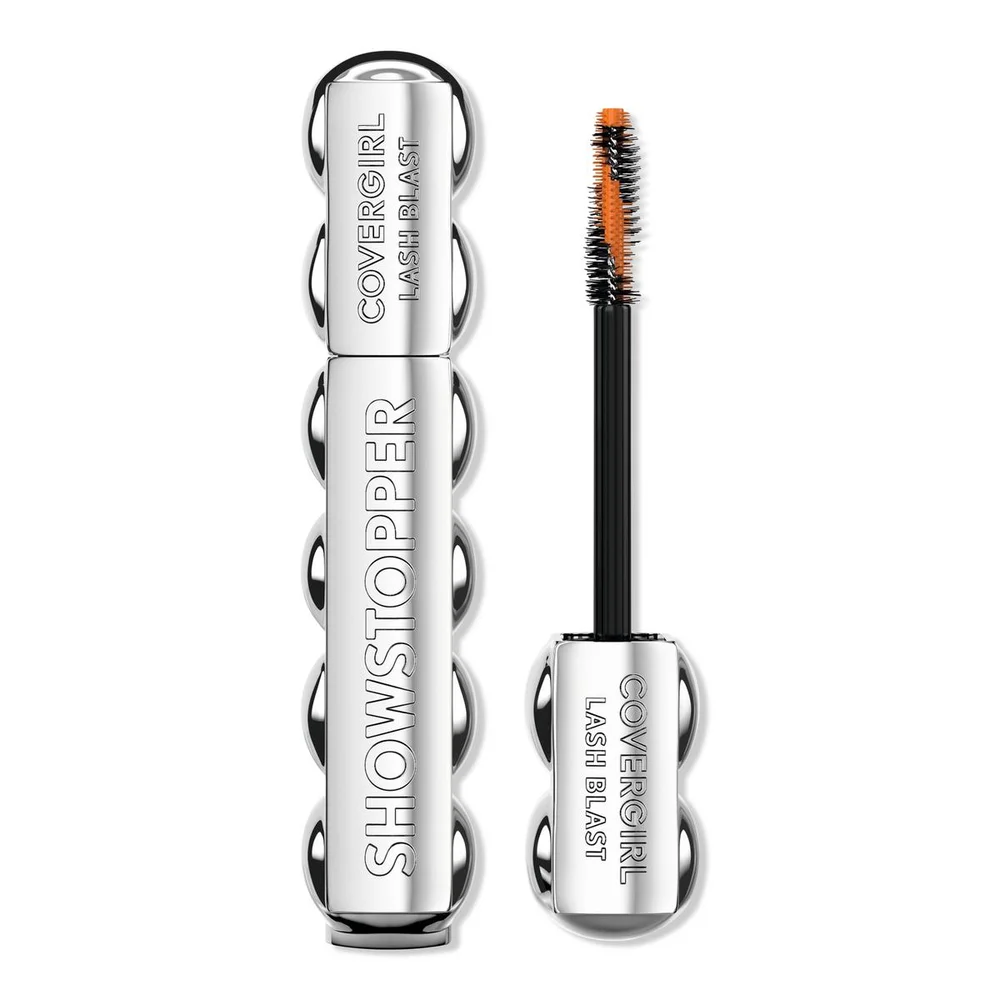
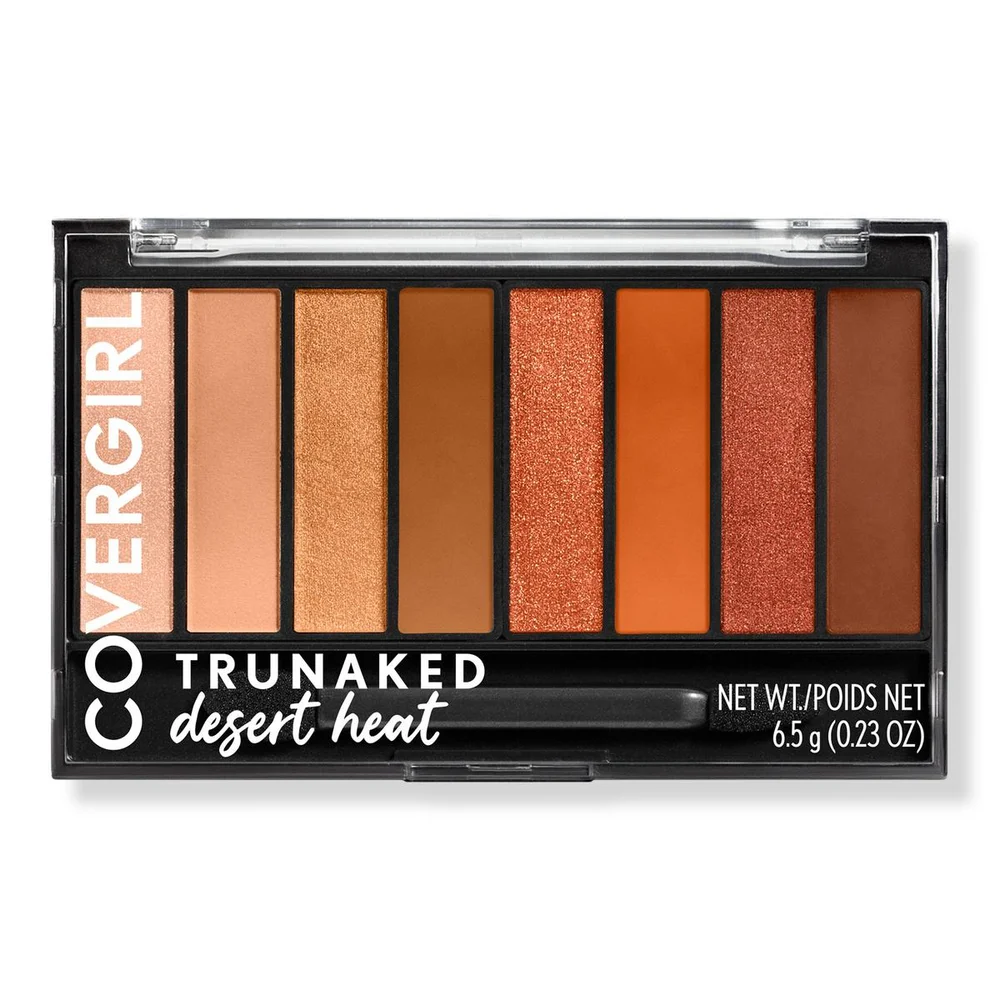
My first purchase would be Outlast Lipstain for a simple lip-color step, or Lash Blast Showstopper Mascara if mascara is the category I need. Clean Fresh Yummy Lip Gloss is the other lip finish, and TruNaked Eyeshadow Palette is my choice if I want one palette for eye color. I would not try to buy all four at once; the point is to choose the one job I actually want done.
What I would skip is buying two foundations in a single guess at a shade, or collecting several lip finishes before deciding which one I reach for. I would start with a product category I can finish, then add another only if it fills a real gap. CoverGirl’s interesting story is how it moved from medicated liquid makeup and powder to a broad drugstore assortment; the best first buy is still the product I will actually use, not the one that best completes a set. My vote is Outlast Lipstain, then stop.