Dior is owned by publicly traded LVMH. Christian Dior Couture joined in 2017, while Parfums Christian Dior was already under its umbrella.
Who Owns Dior? LVMH and the Arnault Family
The Owner Today
Dior is owned by publicly traded LVMH, whose direct ownership of Christian Dior Couture began on July 3, 2017. The perfume and makeup business, Parfums Christian Dior, was already part of LVMH before that deal, so 2017 is the turning point for couture rather than the start of every Dior product line. The Dior parent company is listed on Euronext Paris, and its fashion portfolio also includes Louis Vuitton, Celine, Loewe and Fendi. People asking who makes Dior are usually crossing two related Maisons: Christian Dior Couture for fashion, and Parfums Christian Dior for fragrance and cosmetics.
For anyone searching who owns Dior, the useful wrinkle is the holding structure behind the label. Christian Dior held 42% of LVMH's share capital and 56% of its voting rights at the end of 2025, while the Arnault family held another 8% of shares and 10% of votes. In November 2026, Christian Dior's board approved terms for a proposed merger of Agache into Christian Dior; shareholders were to vote on December 30, and regulatory waivers and shareholder approvals were still conditions to completion. I would call that a pending reorganization, not a new Dior owner. The company's latest statement lays out the timetable.
A House And A Perfume
Who founded Dior? Christian Dior and textile industrialist Marcel Boussac created the couture house in 1946 at 30 Avenue Montaigne; it opened with three ateliers and 85 people. The first Spring-Summer collection arrived on February 12, 1947, with lines called Corolle and En 8. Harper's Bazaar editor Carmel Snow called the silhouette a New Look, and the fashion house began perfume in the same year: Miss Dior launched in December. La Galerie Dior's history traces those early steps. I like that the first chapter is not just a dress story; perfume appeared almost immediately.
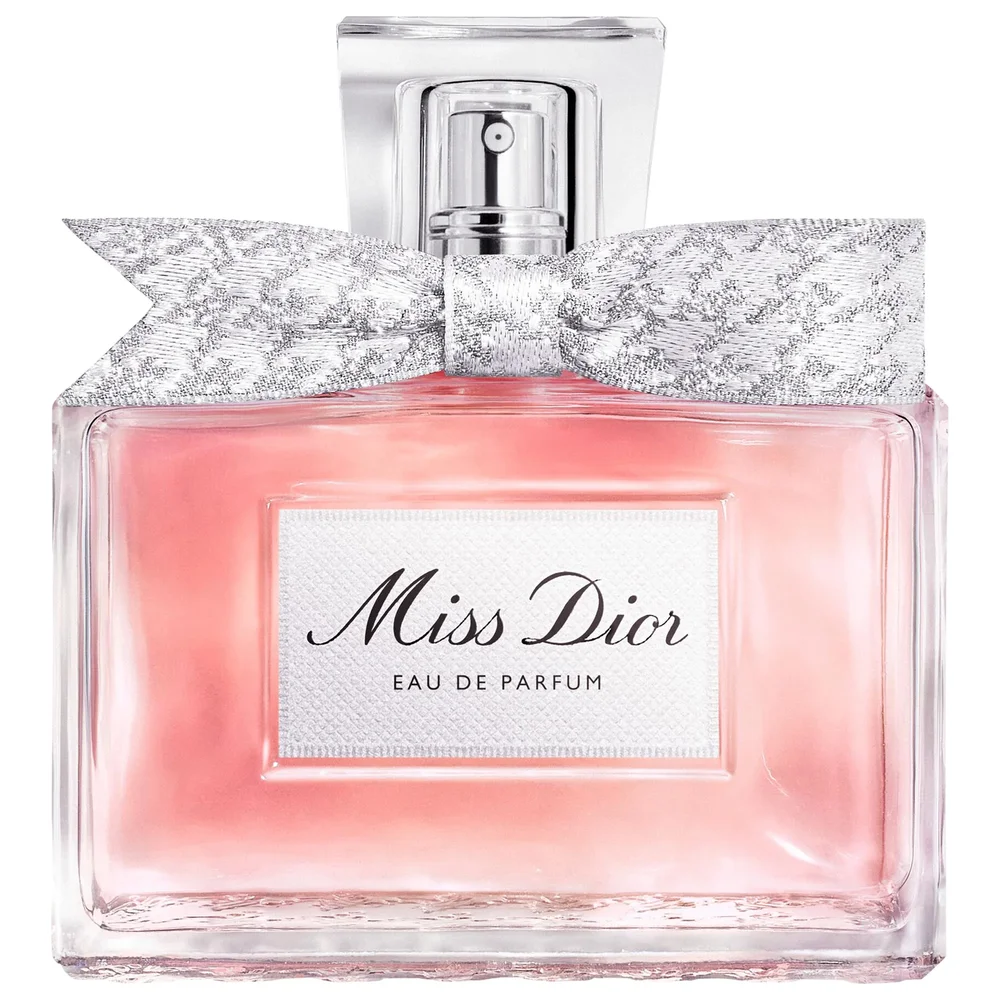
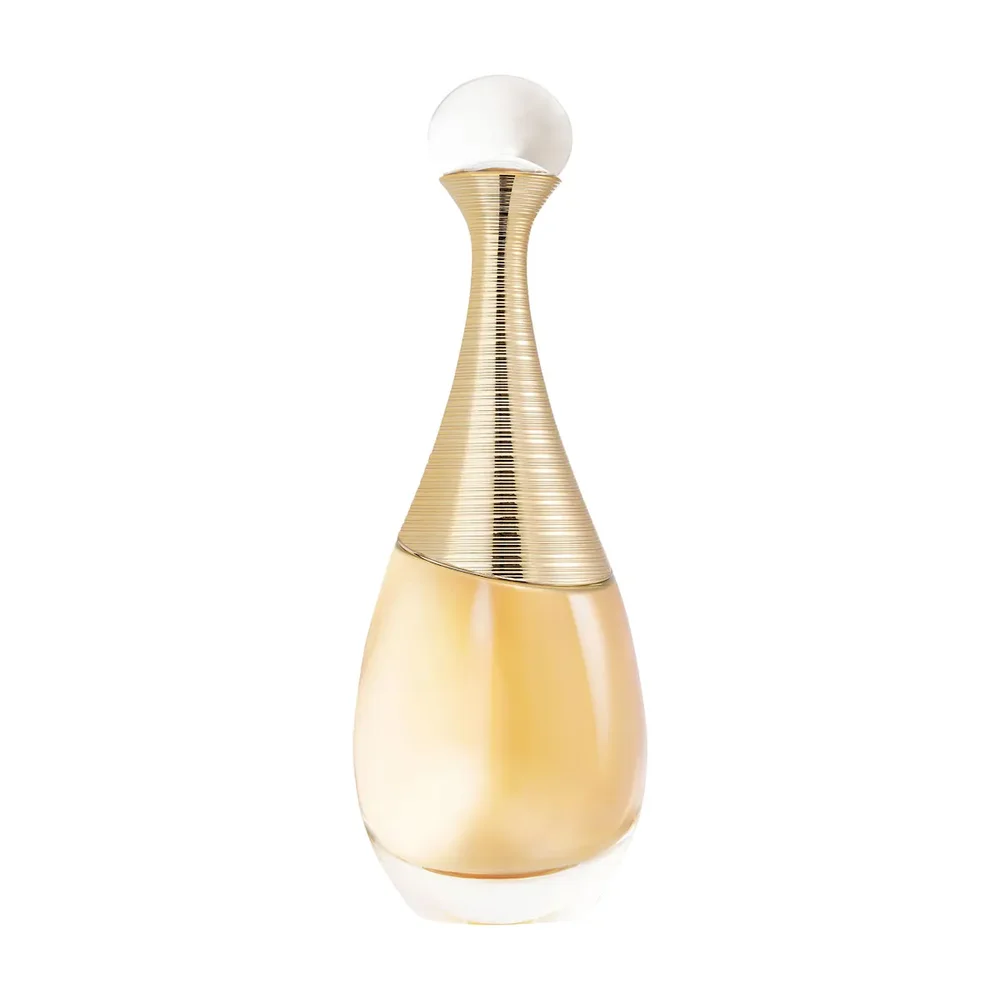
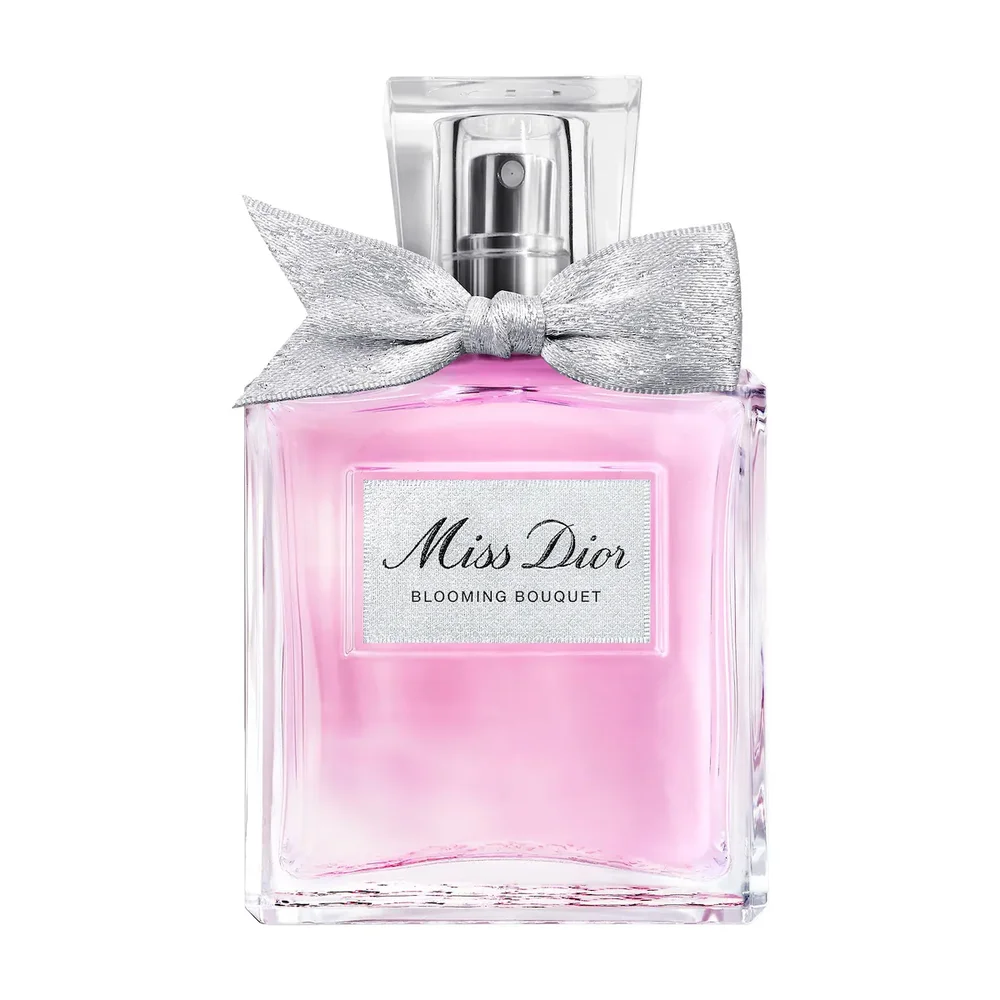
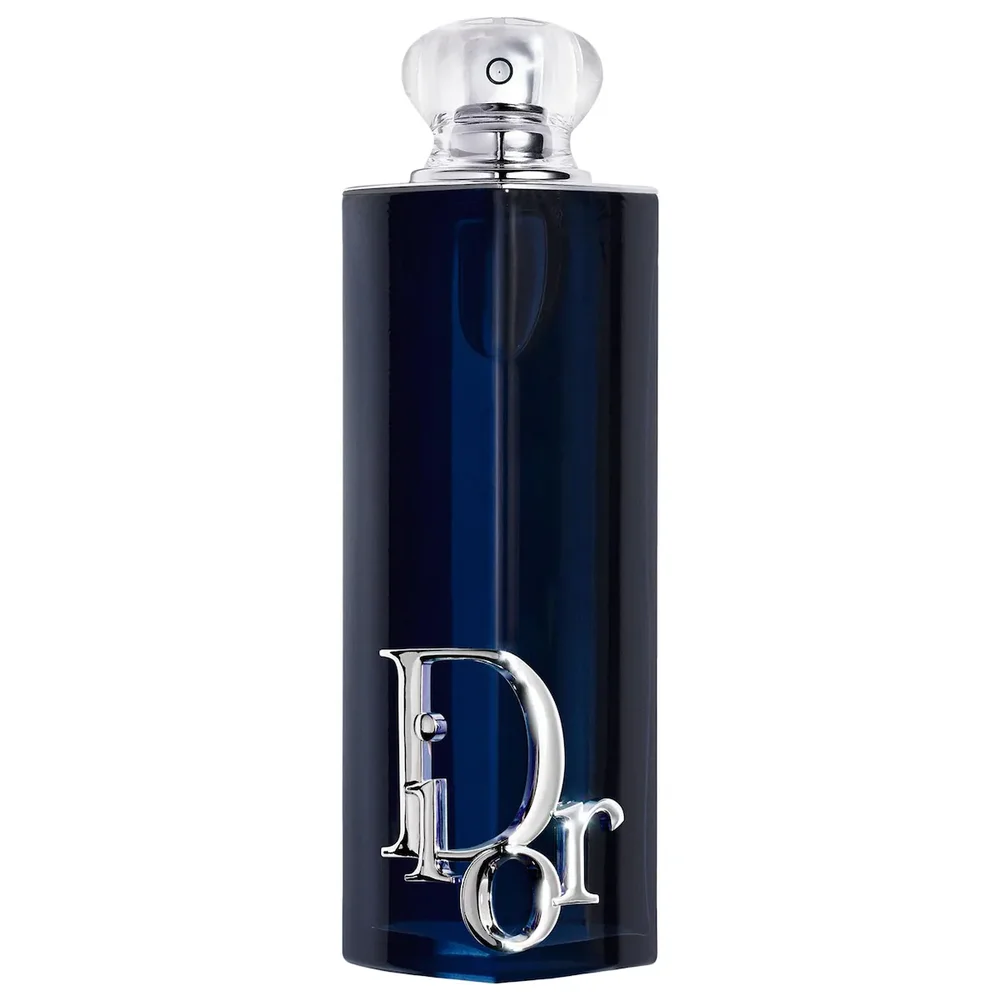
That makes the fragrance shelf a more sensible first stop than an impulse bag purchase. Miss Dior Eau de Parfum wraps rose around vanilla and tonka; J'adore Eau de Parfum leans into ylang-ylang, rose and jasmine; Miss Dior Blooming Bouquet is the softer rose-and-peony choice; Dior Addict Eau de Parfum goes warmer with vanilla and sandalwood. I would start with Miss Dior for the link to the founding story, and choose Blooming Bouquet when I want the lightest-feeling floral.
How Ownership Shifted
Ownership changed in stages, not through one clean sale. Bernard Arnault and investors acquired Boussac in 1984, when it owned Christian Dior; in 1988 Christian Dior took a 32% stake in LVMH and gradually increased it. By December 31, 2025, Christian Dior held 42% of LVMH's capital and 56% of its votes. LVMH completed the purchase of Christian Dior Couture in 2017, while the perfume arm was already in its portfolio. Its sister fashion houses include Louis Vuitton, Celine, Loewe and Fendi. LVMH's 2017 release records the completion date. My read is that the logo survived each corporate change; the scale around it changed.
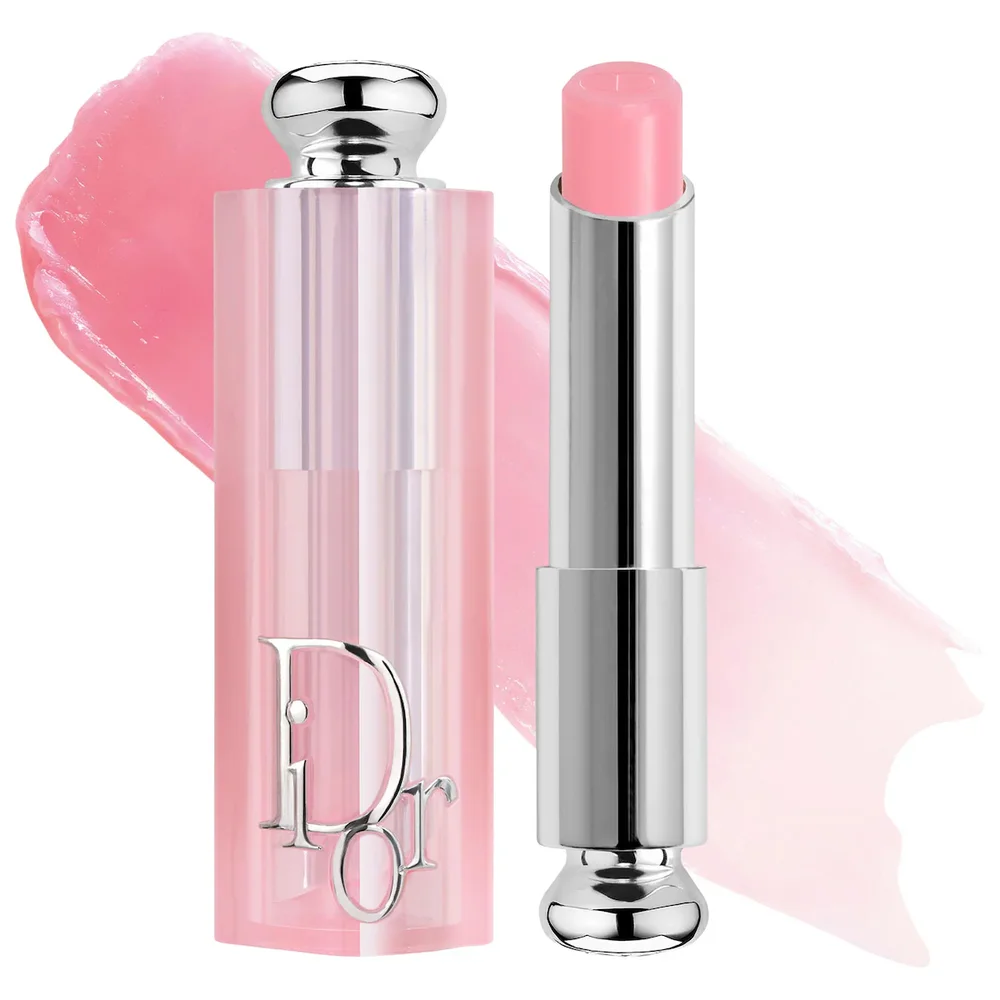
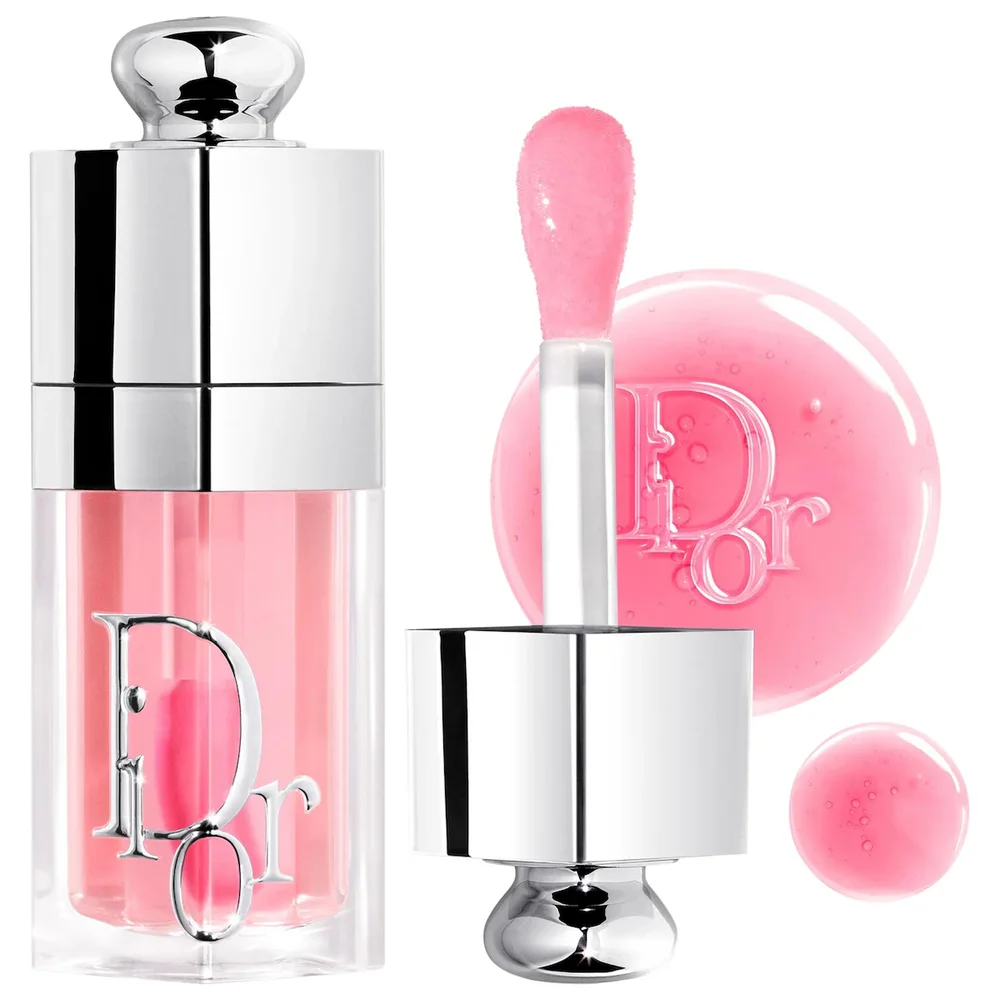
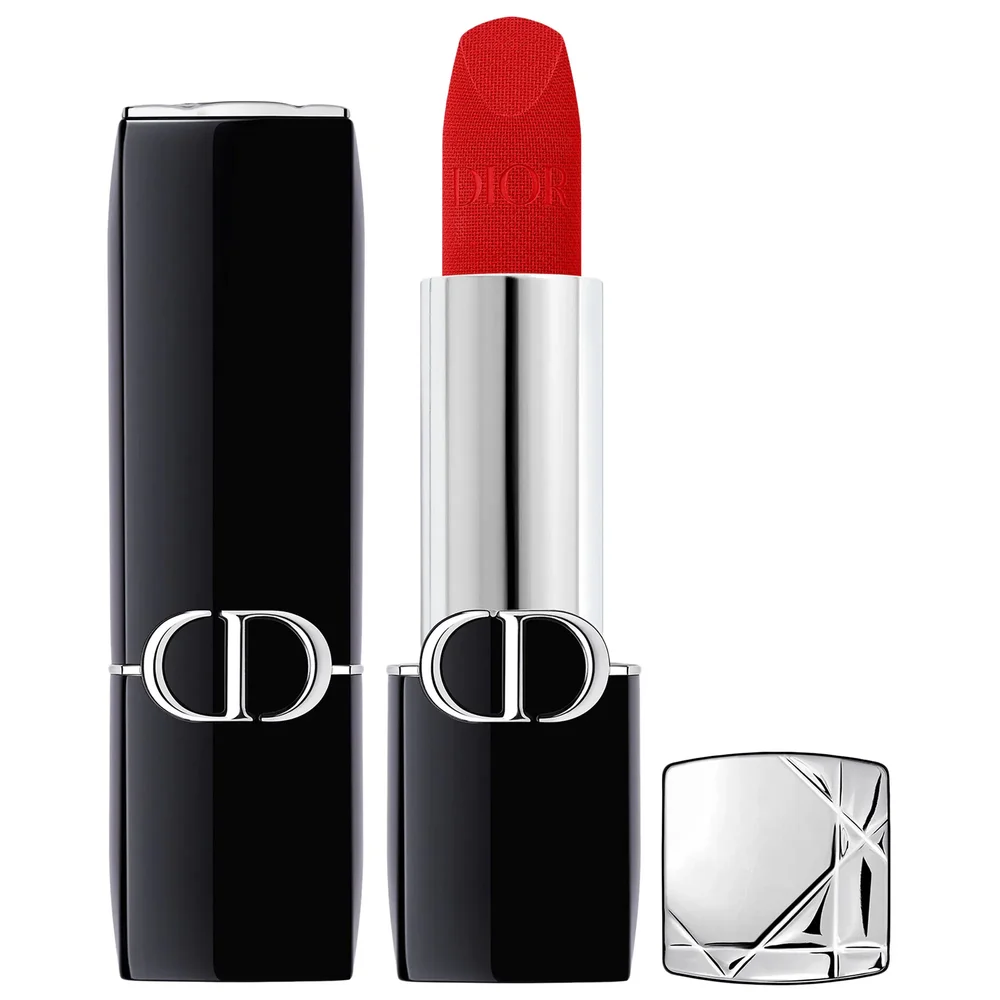
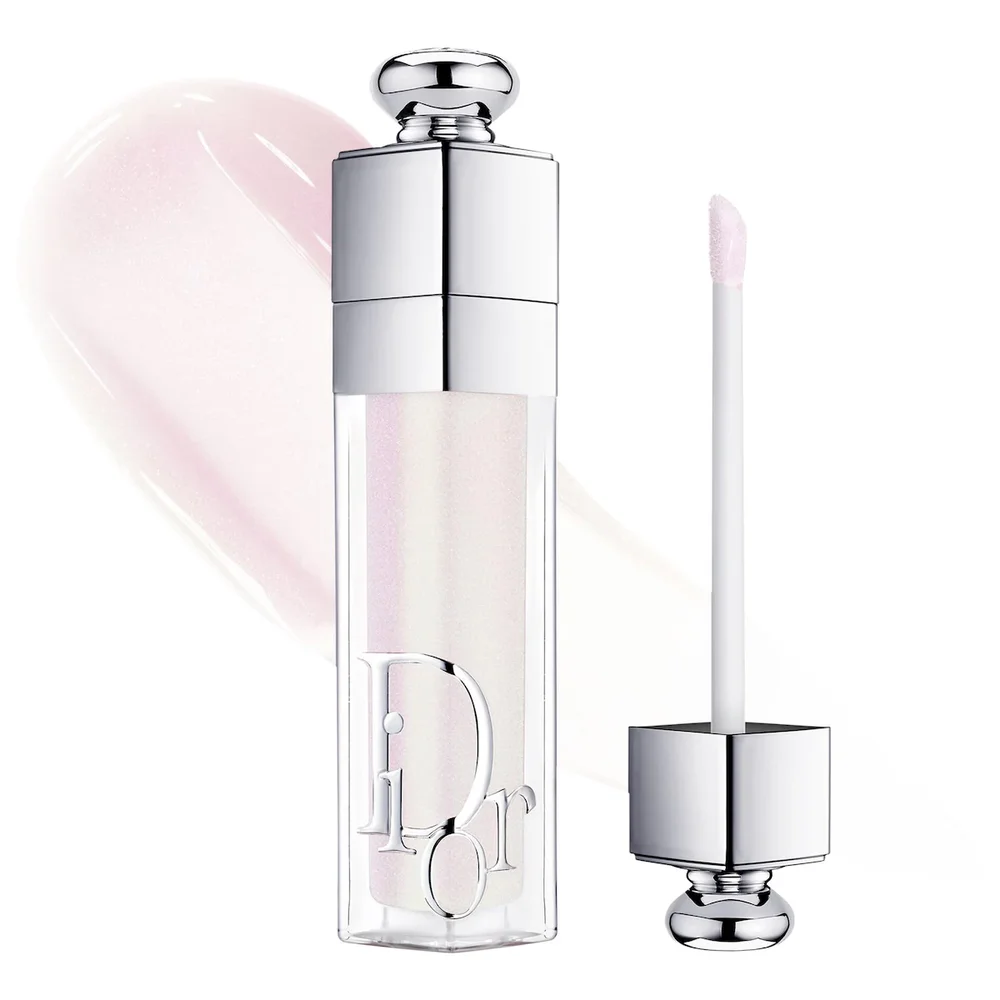
At the lip counter, I like the different jobs: Dior Addict Lip Glow Balm shifts with lip pH for a tinted finish; Lip Glow Oil goes for mirror shine; Lip Maximizer is the plumping gloss; Rouge Dior Refillable Lipstick is the deliberate color buy, with a refillable case. I would start with the balm for a weekday bag and choose Rouge Dior when I want a more defined lip.
What I Would Buy First
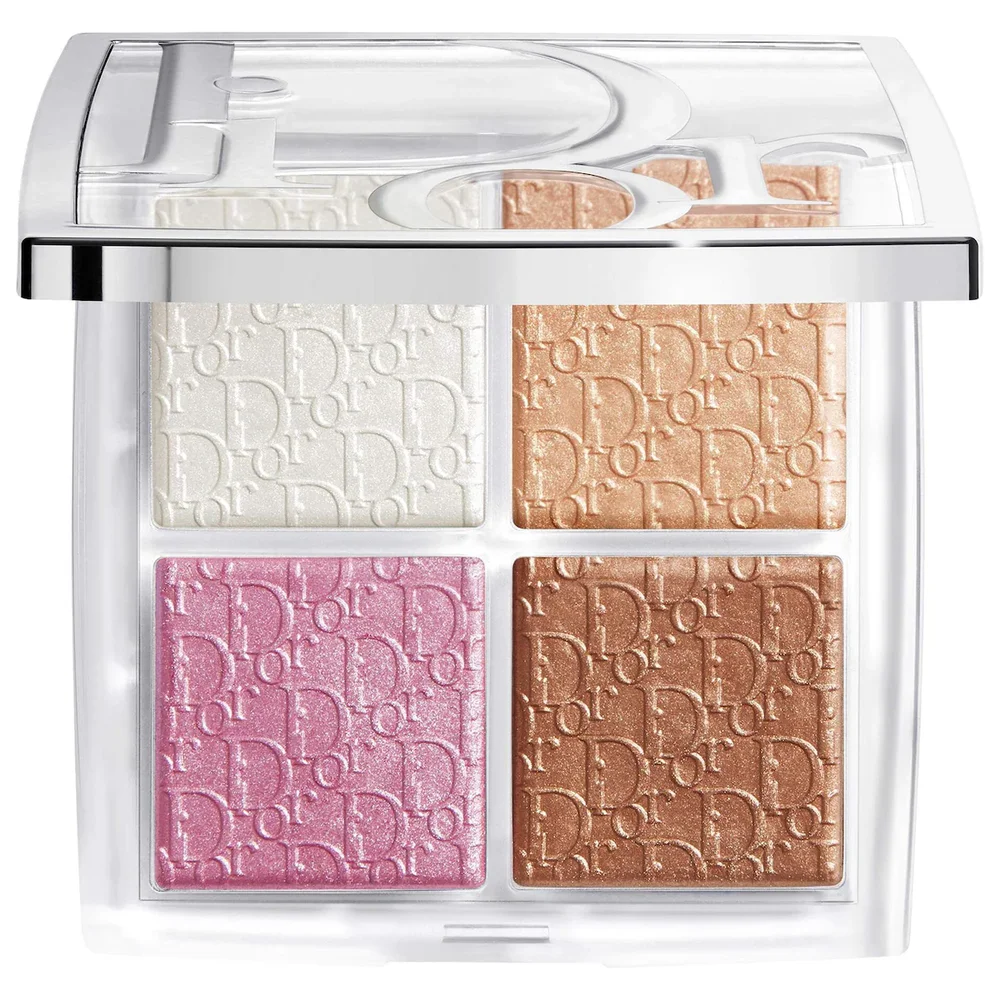
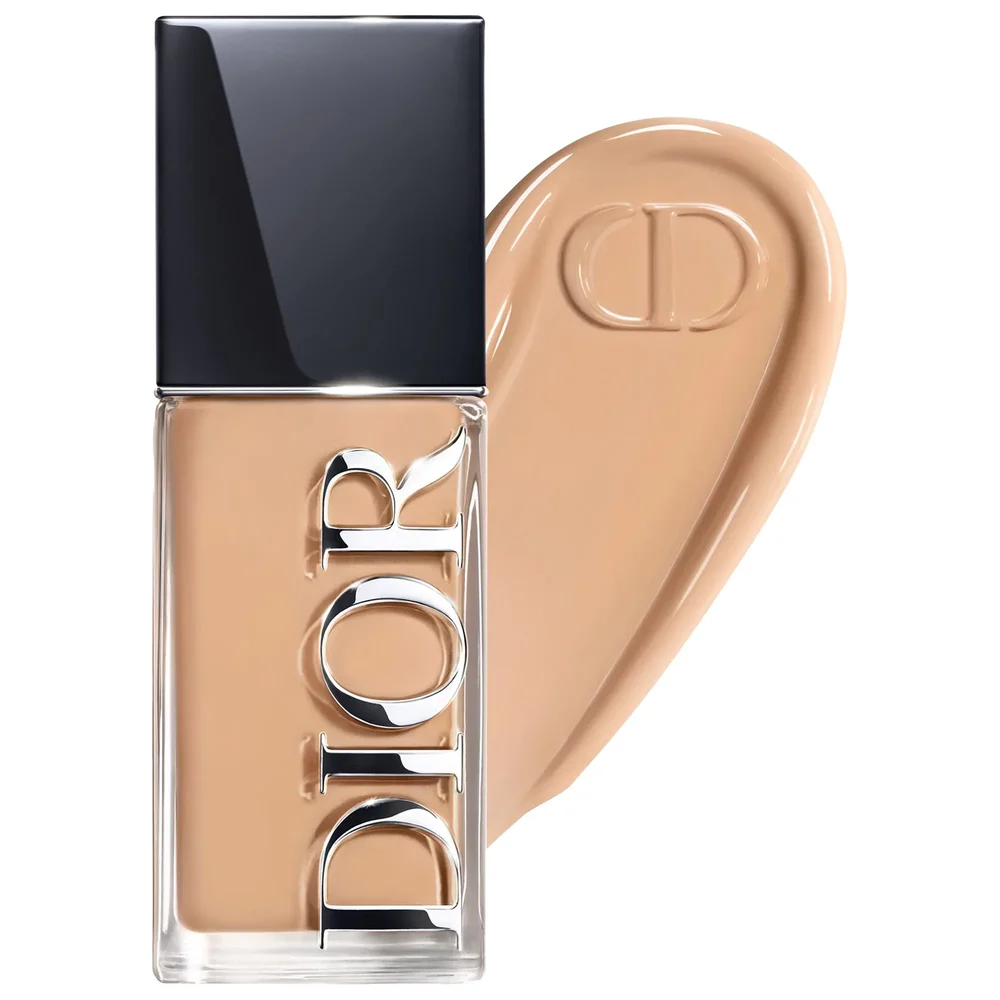
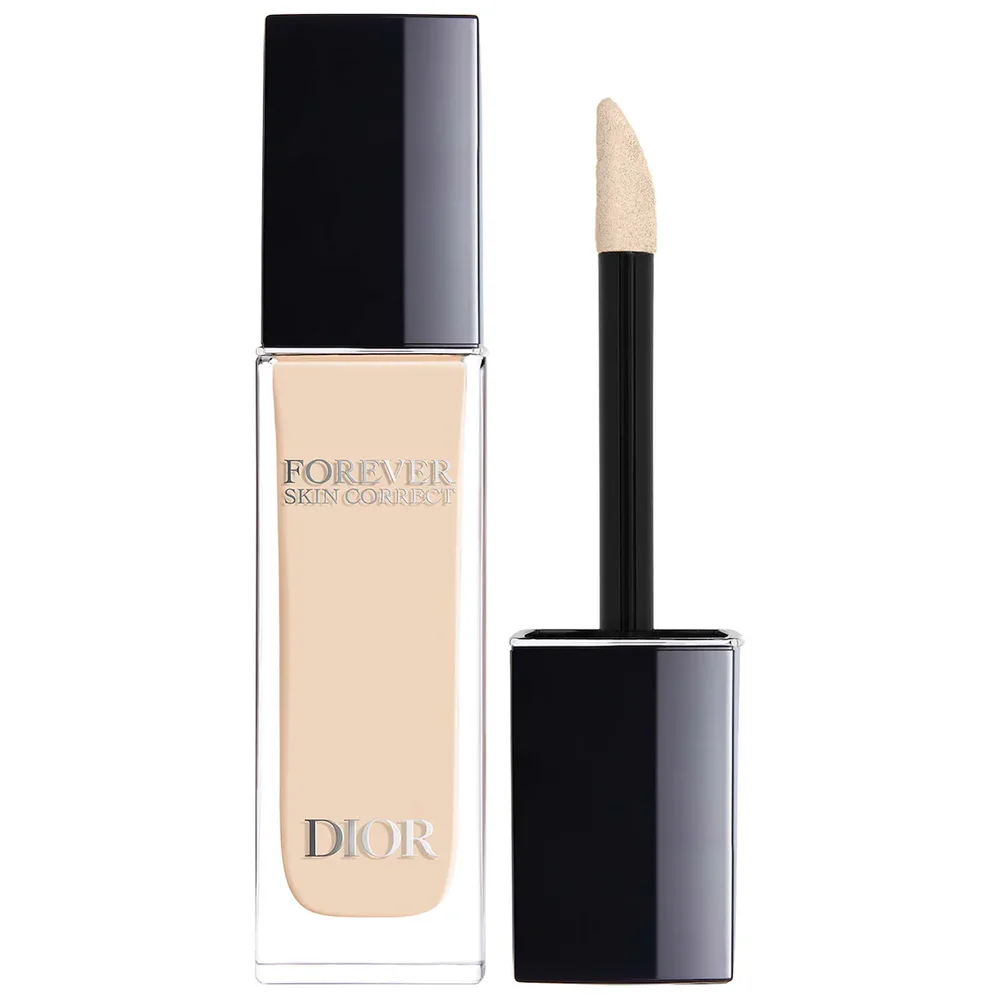
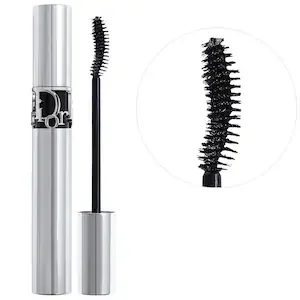
There is enough here to make a small Dior routine without buying the whole beauty counter. Backstage Glow Maximizer Face Palette can do highlight and blush, while Forever Skin Glow is a medium-coverage radiant foundation with SPF 25. Skin Correct Full-Coverage Concealer is the stronger correction step; Diorshow Overcurl Mascara is the lash pick for curl and volume. I would start with the palette if I wanted one color item that can move from cheeks to eyes, then add foundation only after checking the shade range in person.
What would I skip? I would not choose foundation from a screen alone, because a shade mismatch is a frustrating way to learn about undertones. I would also leave mascara until last if I already have a formula and brush I like; buying Dior makes most sense when I want a specific finish, not a logo on every step. My first pick remains Miss Dior for scent, or Lip Glow Balm for makeup.