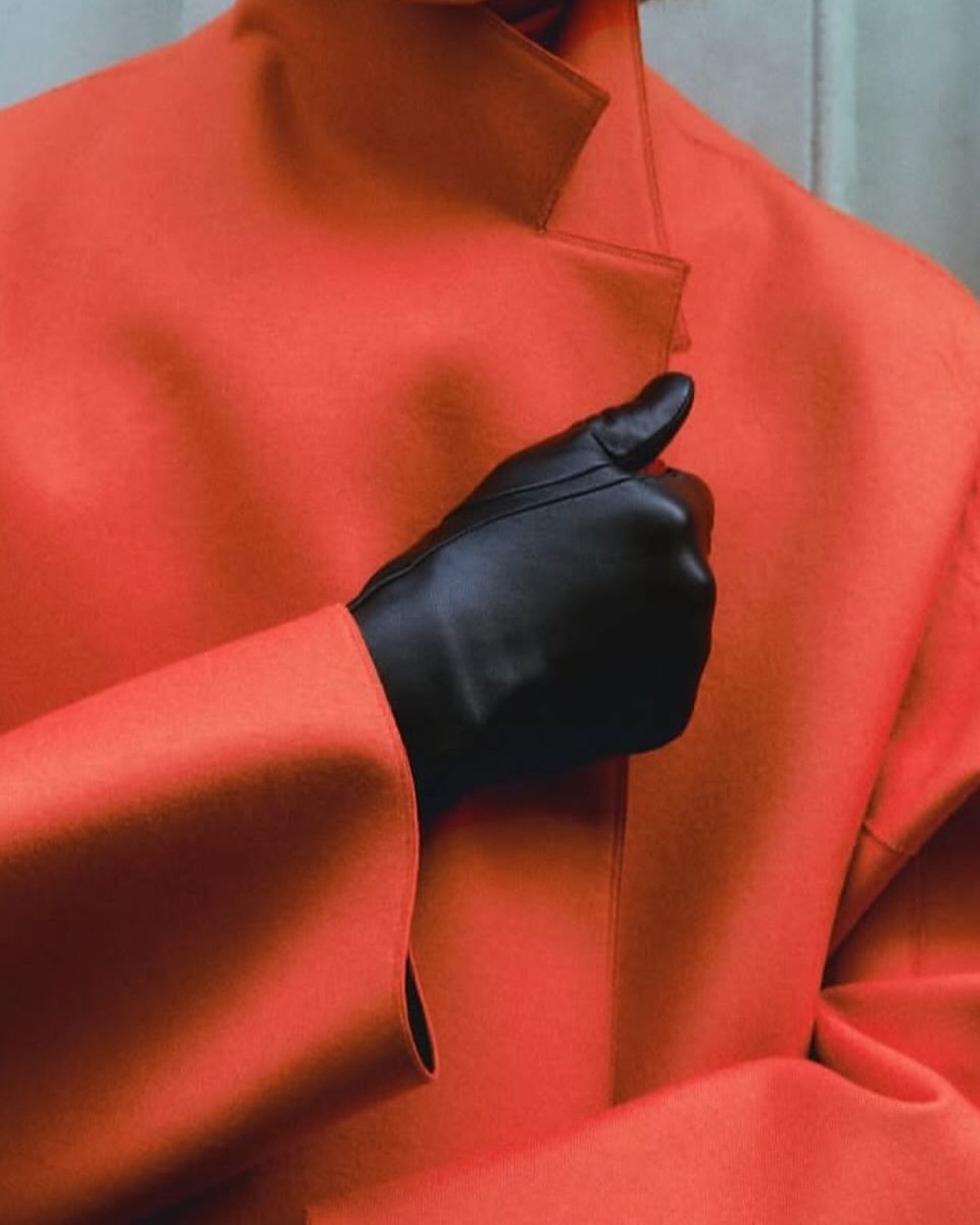
Fendi belongs to publicly listed LVMH, which became its majority owner in 2001. The Roman house began as a family leather and fur shop.
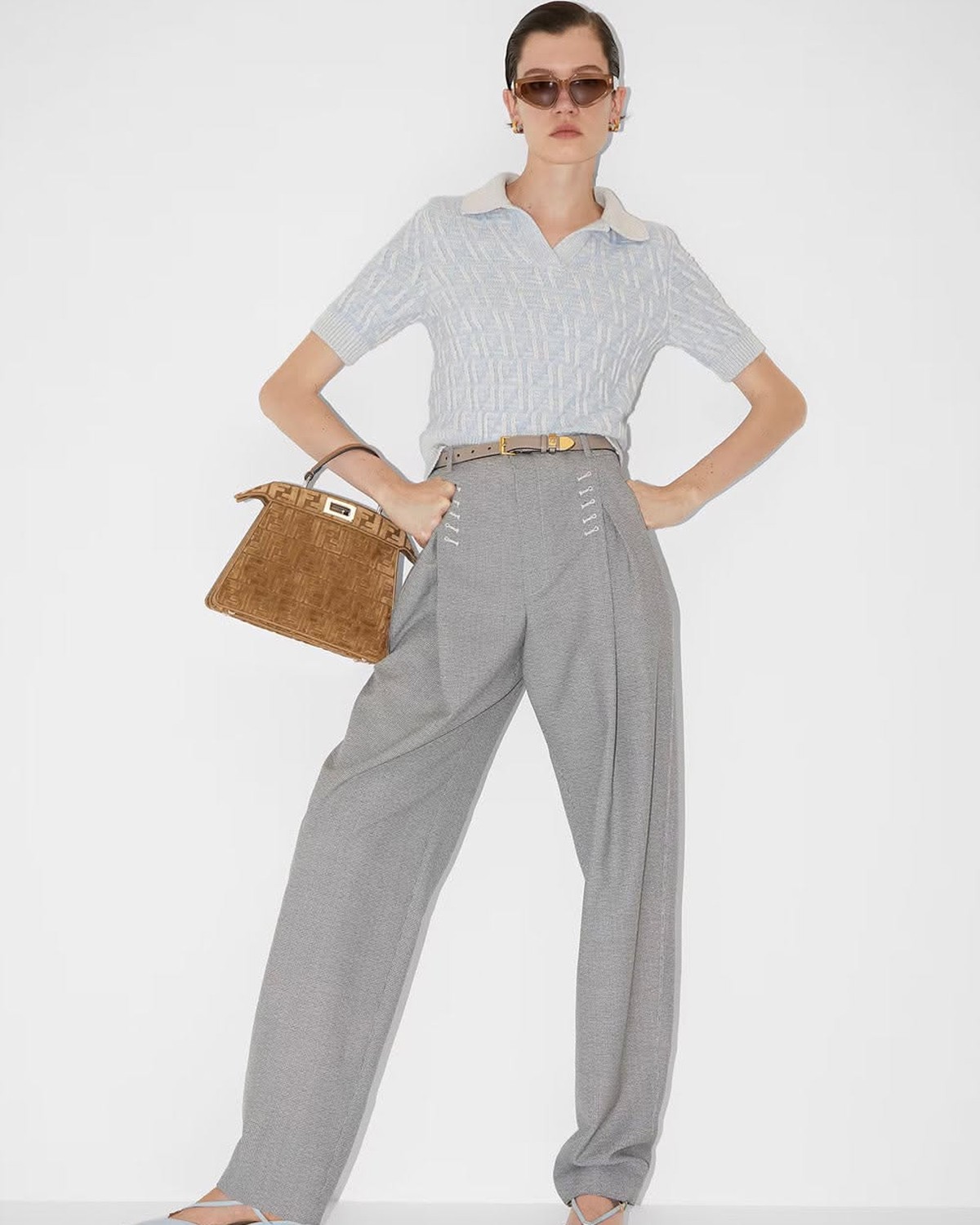
Who Owns Fendi? LVMH Has Led the House Since 2001
The Owner And The Roman House
Who owns Fendi? LVMH does: it became the Roman house's majority owner in 2001, and its ordinary shares trade on Euronext Paris. LVMH says it acquired Fendi in 2000, so this is a change that began before the majority stake, not a recent buyout. Fendi belongs to a publicly listed luxury company, not a stand-alone private family business.
The house began in Rome in 1925, when Adele Casagrande and Edoardo Fendi established a handbag shop and fur workshop. Their five daughters later became central to the business, and Karl Lagerfeld joined in 1965, beginning a creative partnership that lasted for decades. I like that concrete beginning more than a generic luxury label story: it tells you what the family actually made before the house grew.
If you have searched for the Fendi parent company, the answer is LVMH. Who makes Fendi is a different question: the owner is a corporation, while the house keeps a distinct creative identity. That distinction matters to me because ownership explains the balance sheet, not the feeling of a well-made object.
From A Roman Workshop To Everyday Shoes
For anyone asking who founded Fendi, Adele Casagrande and Edoardo Fendi opened their Roman shop in 1925. Selleria draws on the city's saddlery traditions, and its artisans hand-stitch Cuoio Romano leather. I prefer that connection between the place and the work to another logo story.
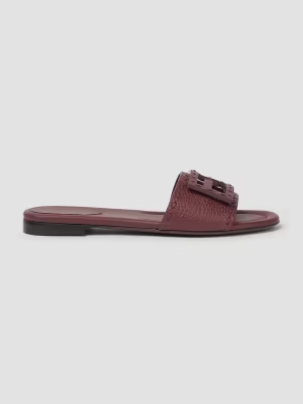
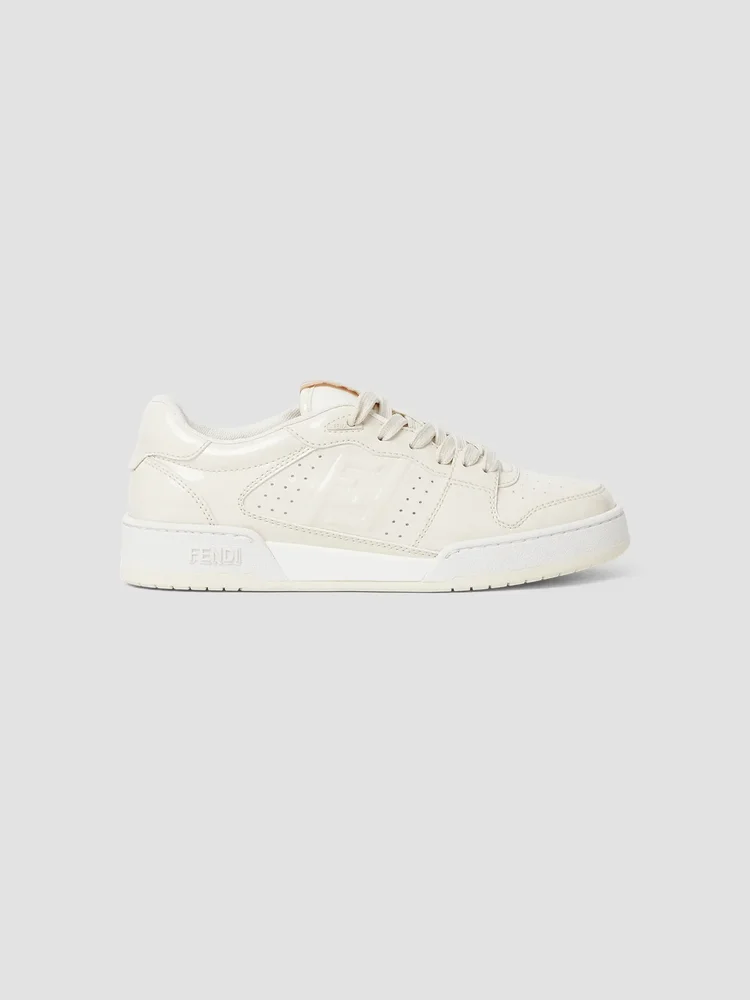
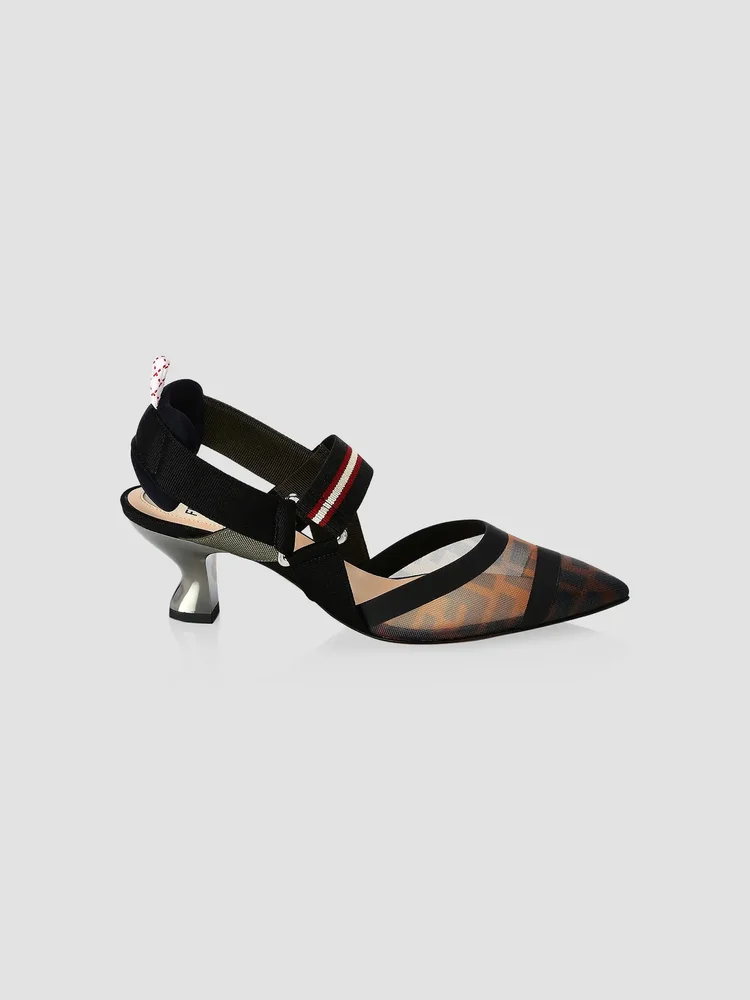
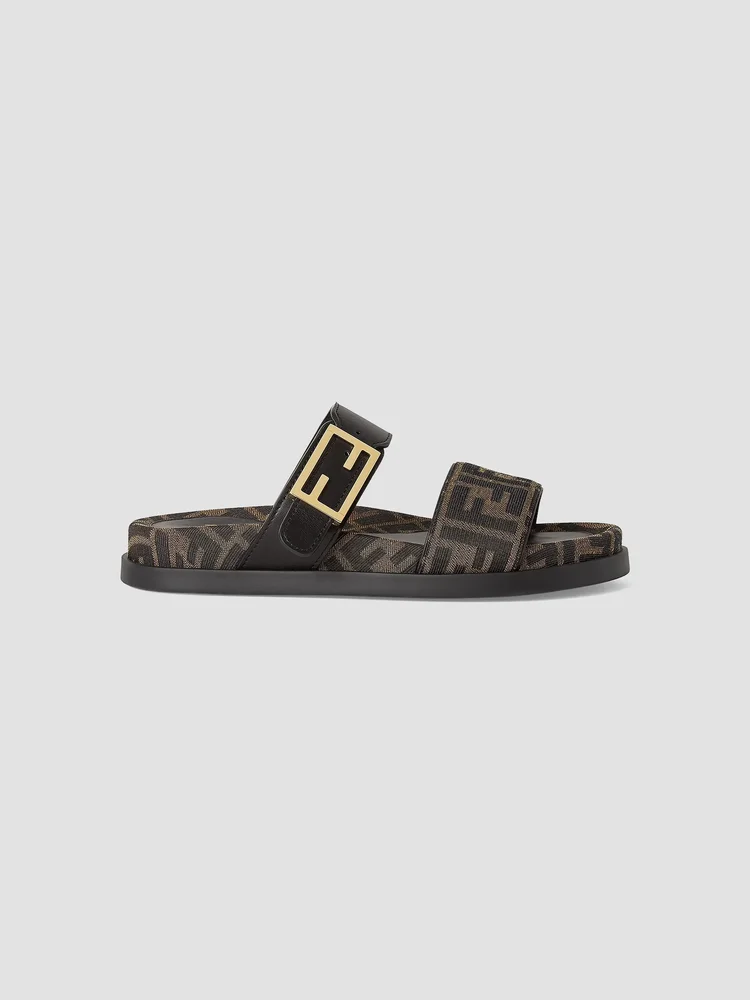
The shoes make a useful first purchase question. Baguette FF Leather Sandals put a cut-out FF on grained leather, which is enough branding for me. Match 20MM Low-Top Sneakers have perforated sides and a grooved 20mm sole; I would take them for ordinary walking days. Colibri 55MM Mesh Slingback Pumps add mesh and a curved 55mm heel, though Saks notes the style fits slightly small. Fendi Feel Sandals pair FF detailing with buckles and a rubber sole. I would start with Match for frequent wear, and Colibri if the calendar is full of dinners.
A Gradual Transfer Of Control
Fendi's control changed in stages. LVMH and Prada together held 51 percent in 1999; at the end of 2001, LVMH acquired Prada's 25.5 percent stake while the Fendi family retained 49 percent. LVMH raised its holding to 67 percent in 2002 and 84 percent in 2003, then owned all of Fendi by 2018. I find that gradual transition more revealing than a neat acquisition headline.
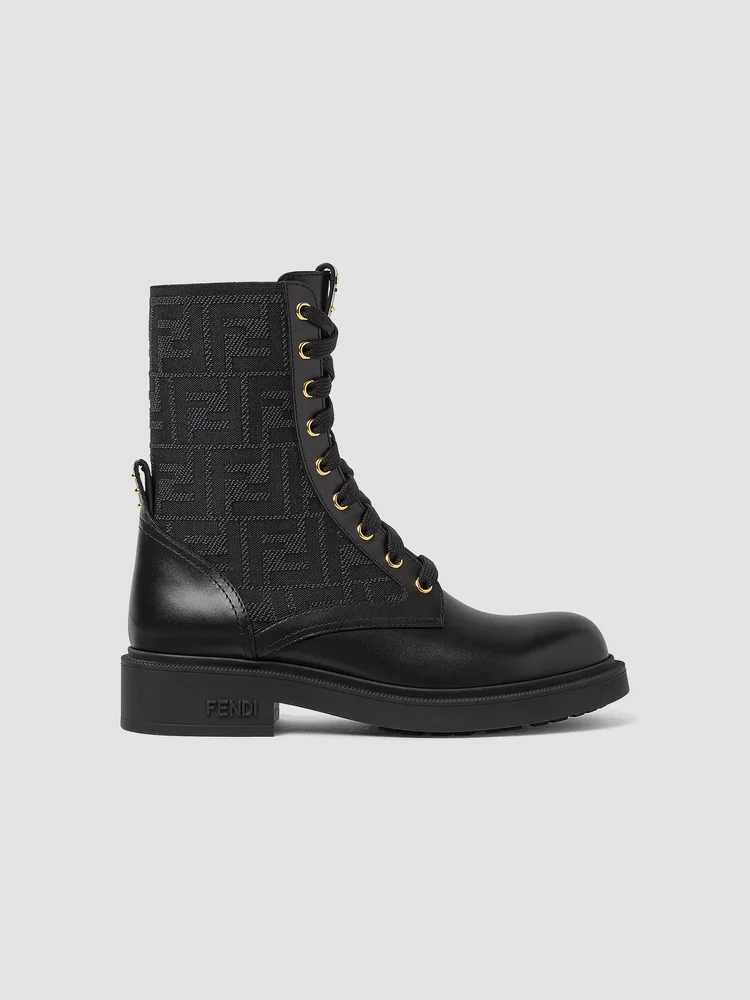
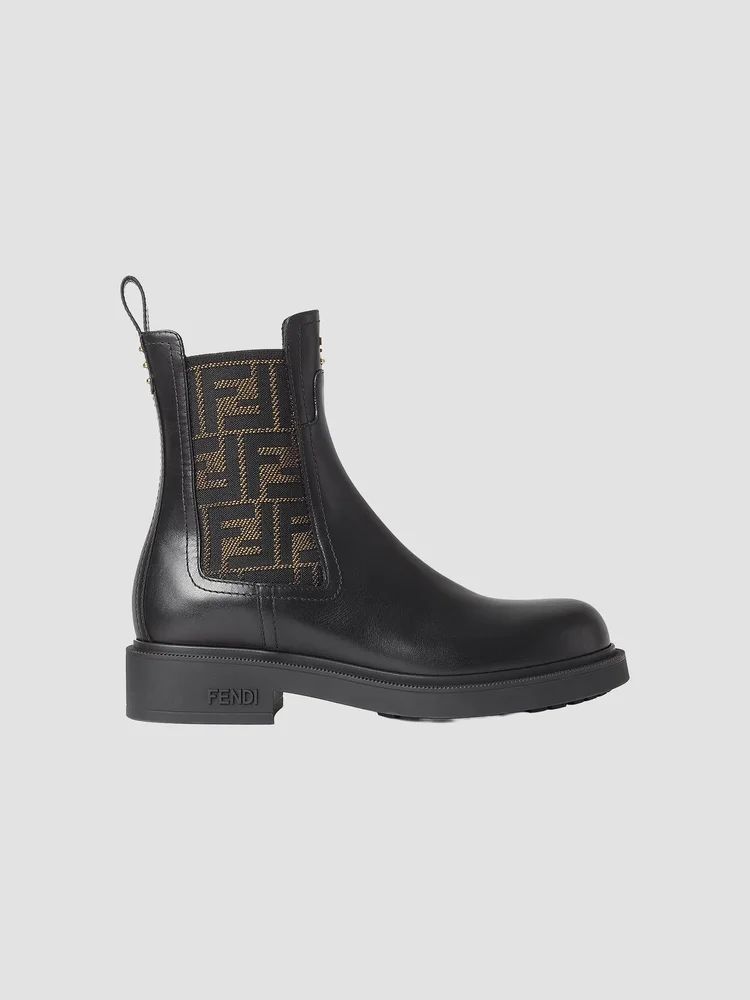
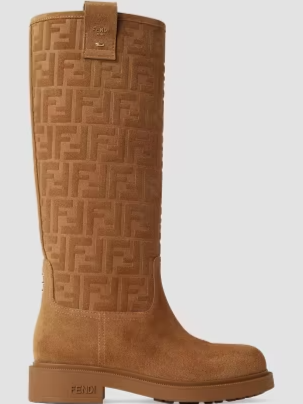
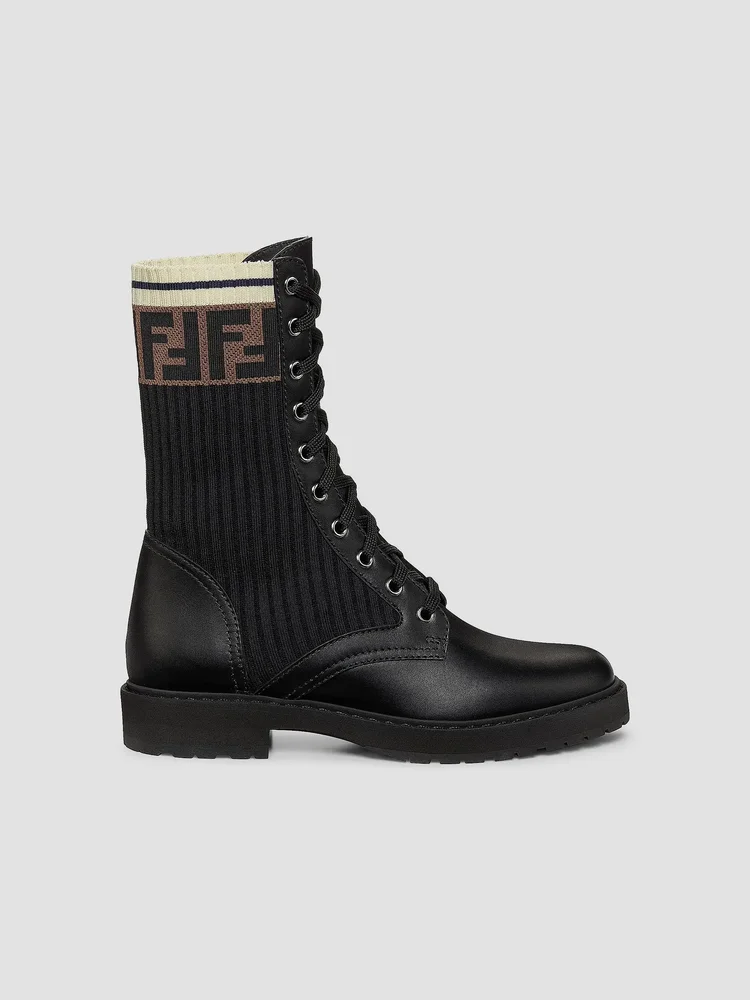
LVMH's Fashion and Leather Goods portfolio also includes Louis Vuitton, Christian Dior and Celine, while presenting each Maison as distinct. The boots are the more practical way into this chapter: Filo Logo Leather Combat Boots are my tougher choice, and Logo Leather Chelsea Boots are the easier pair to imagine with a tailored coat. Filo Monogram Suede Knee Boots have a suede upper, house monogram and 35mm heel, a more assertive shape. Rockoko Leather & Knit Combat Boots are my texture pick. I would buy the knee boot only if I had skirts and dresses ready for it.
Keep The Logo Dose Measured
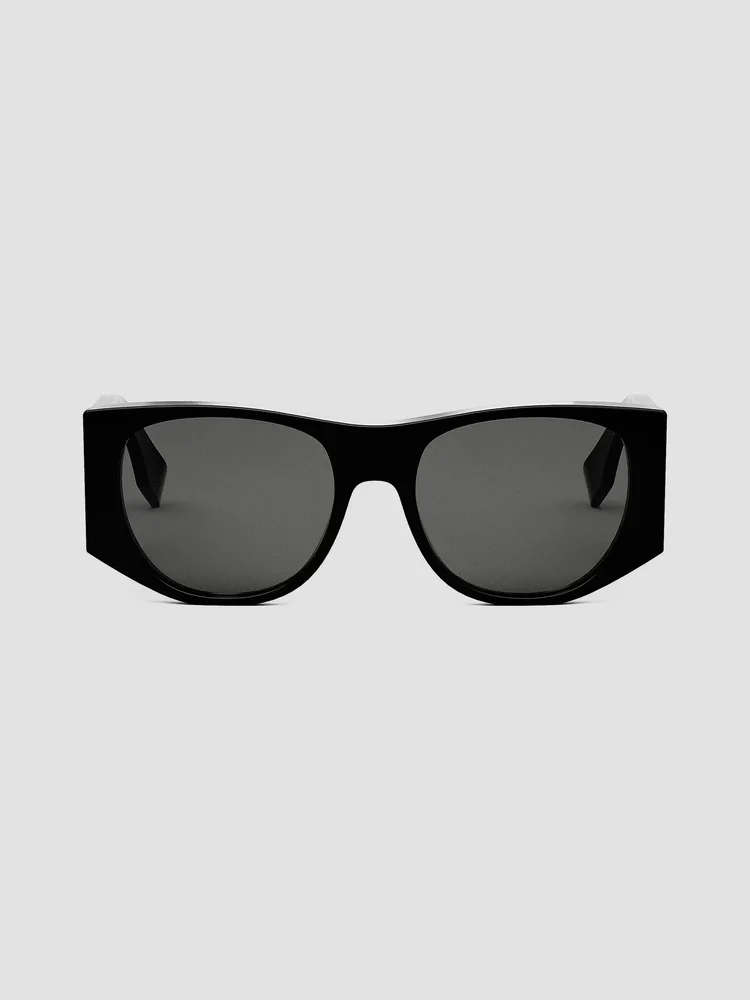
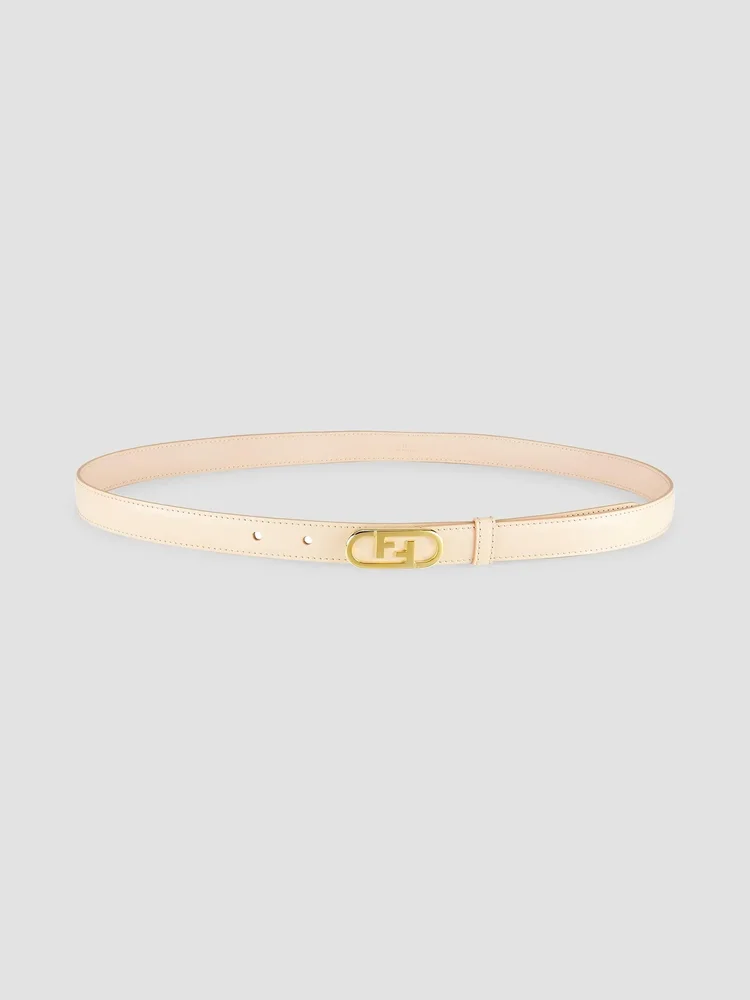
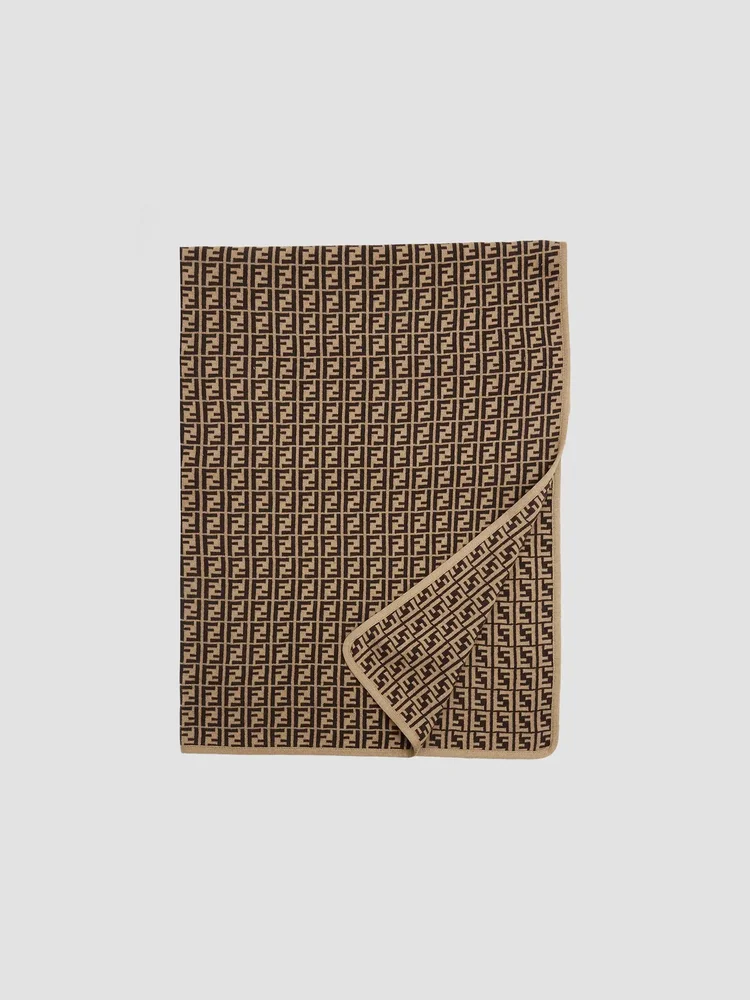
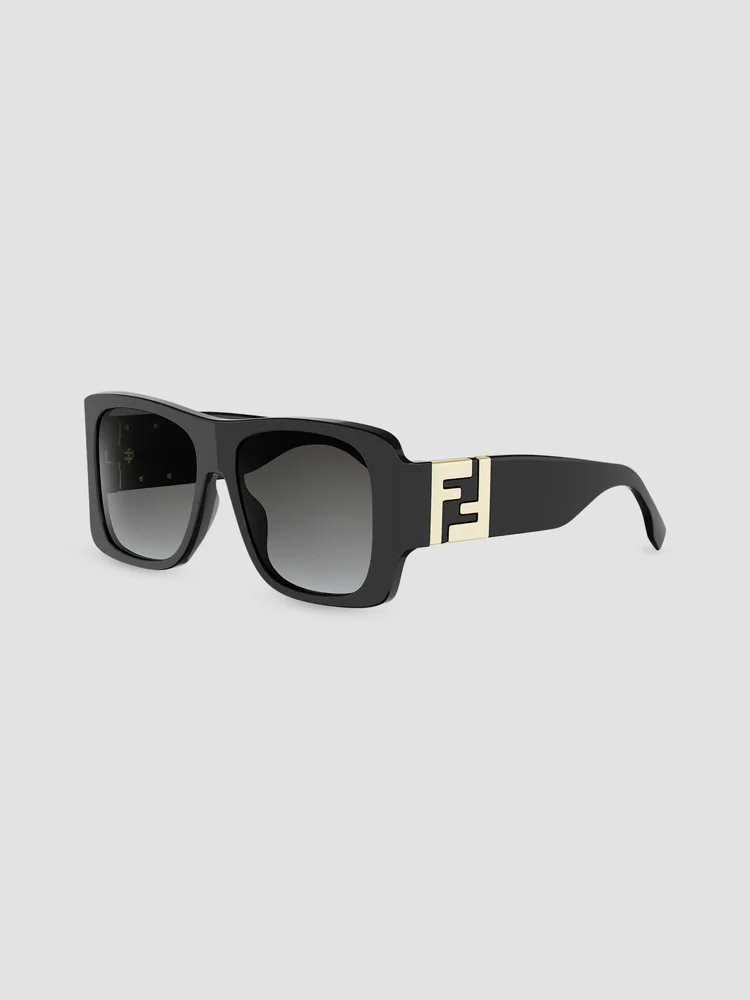
I would keep the logo dose measured rather than trying to make a whole uniform out of it. Baguette Sunglasses are my uncomplicated frame; O'Lock Leather Belt is what I would choose to break up a one-color outfit. Cotton-Cashmere FF Scarf is the softest texture here, and Forever Fendi 55MM Square Sunglasses bring the sharpest shape. The scarf is a cotton-cashmere blend with the FF pattern, made in Italy, and I like it as a way to wear Fendi's motif without adding another bag.
I would skip buying all four at once. One frame or the belt will do more for clothes you already own than a head-to-toe logo story. The sunglasses are my first pick for frequency, but if I wanted a piece that nods to Fendi's leather-and-fur beginnings, I would choose the scarf.