H&M is publicly traded, but the Persson family controls 85.3% of its votes. Learn how Erling Persson's 1947 shop became a global fashion company.
Who Owns H&M? The Persson Family Still Controls The Vote
The Family Behind The Label
H&M is a publicly traded Swedish retailer controlled by the Persson family, whose connection to the business begins with Erling Persson's 1947 Hennes shop; as of October 31, 2026, the family and related companies held 85.3% of the votes.
The answer to who owns H&M today is the founder's family: it held 69.08% of the shares on that date. H&M has two share classes, with ten votes attached to each class A share and one vote to each class B share. The share count alone therefore understates how much say the family has.
The H&M parent company question can sound more complicated than it is. H&M is the consumer label and the listed Swedish business behind it, rather than a label bought by another fashion retailer. People asking who makes H&M are usually asking about the company that operates the brand, not a single designer's workshop. I find the arrangement unusually straightforward for a name this large, even if the dual share classes concentrate the voting power. The latest shareholder table shows the split.
A One-Store Beginning
Who founded H&M? Erling Persson did, opening Hennes in Västerås in 1947 after a trip to New York helped shape his idea. Hennes, Swedish for “hers,” began as a women's clothing shop, and Persson's ambition was to make fashion feel accessible and affordable. That is a more useful origin story than pretending the brand sprang from one perfect dress. In 1968, the shop's name became Hennes & Mauritz as the range expanded to men's and children's clothing. H&M's own history lays out the changes without much mythology.
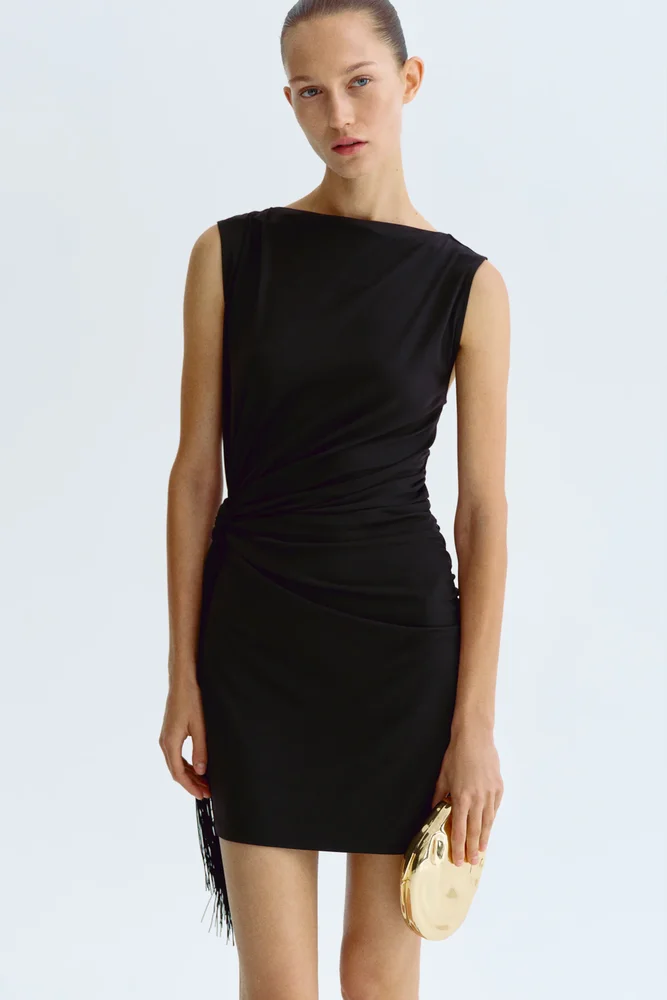
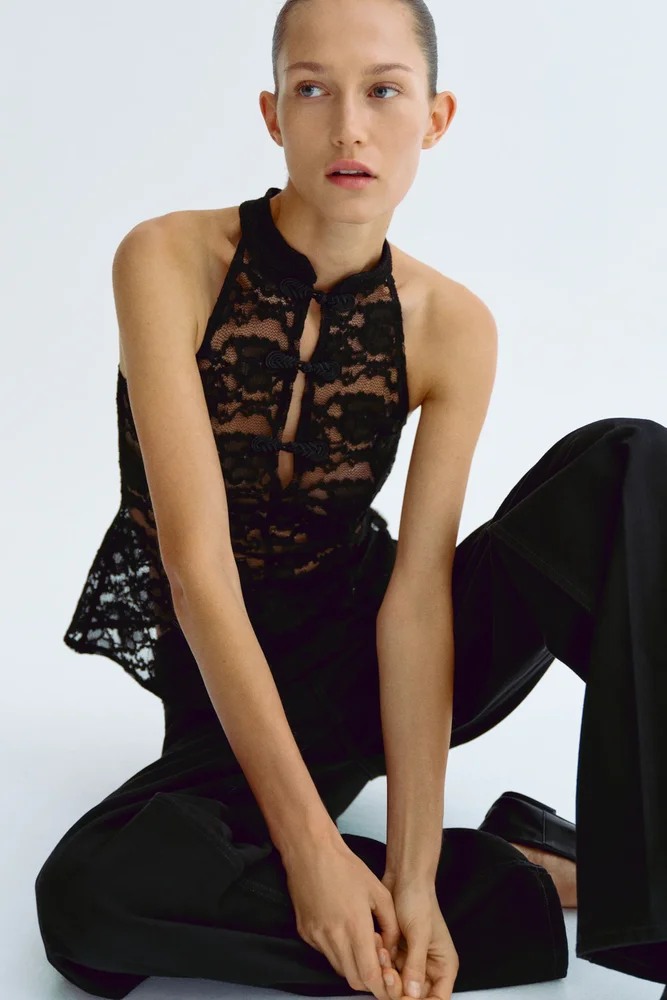
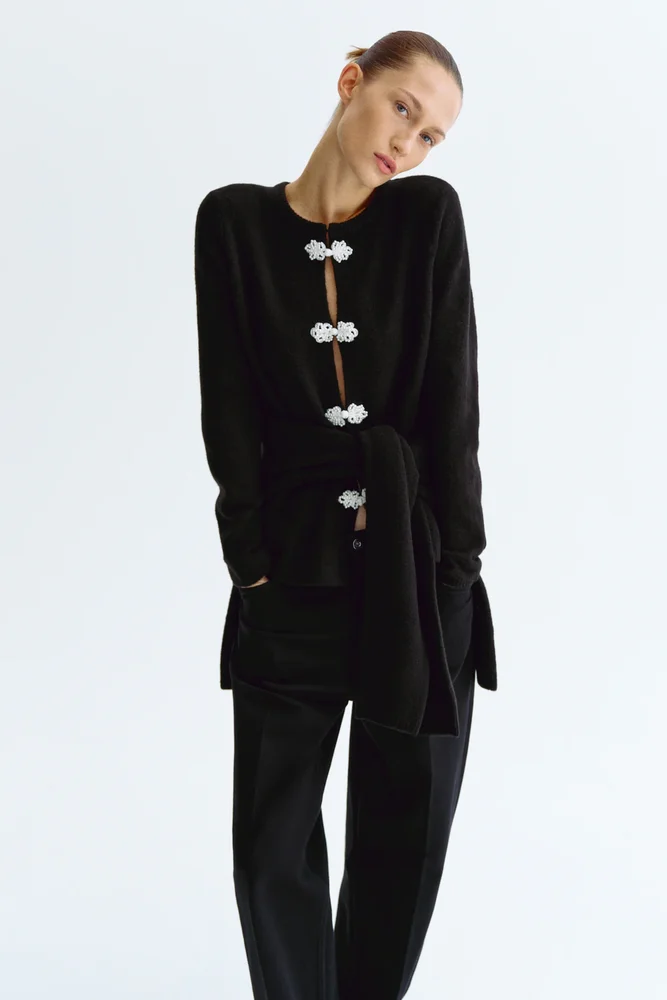
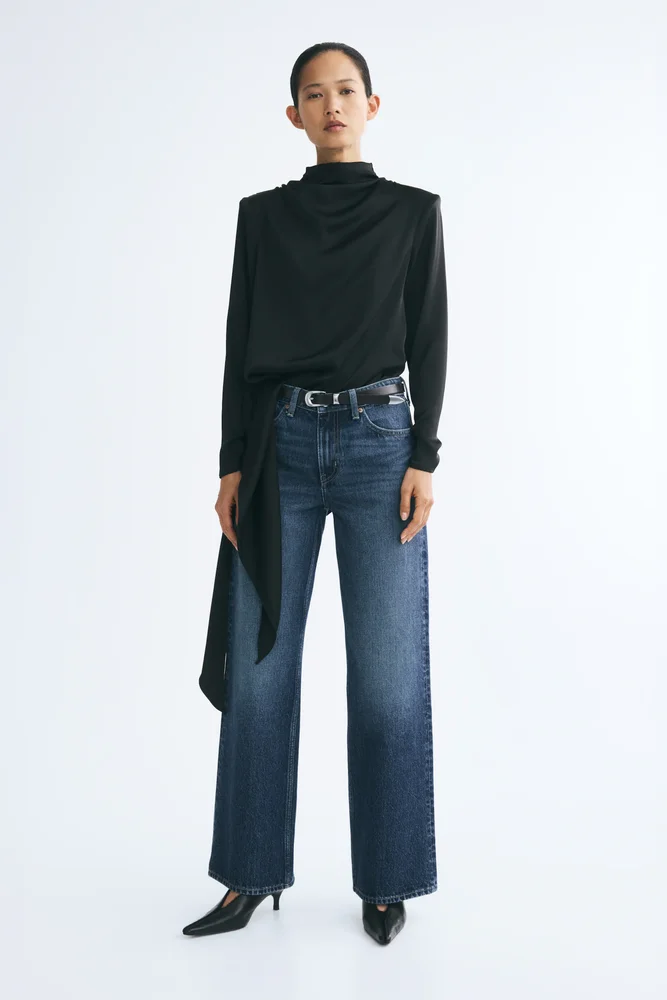
The Draped-Panel Boat-Neck Dress is a short jersey piece with a gathered waist and swinging fringe. The Sleeveless Knot-Button Top uses lace and a small peplum; I like the black Peplum Cardigan for the white front fasteners. The Wide-Leg Regular-Waist Jeans are rigid cotton denim that softens with wear, a useful counterweight to the dressier details.

A Family Led Business
Ownership history here is more family succession than a parade of buyers. The company went public in 1974; Erling Persson stepped aside for his son Stefan as CEO in 1982, and in 2020 Stefan passed the chair to Karl-Johan, Erling's grandson. In 2024, Daniel Ervér succeeded Helena Helmersson as CEO. Over time, the portfolio added COS, Weekday, Monki and Cheap Monday, followed by & Other Stories and ARKET, so H&M became one consumer-facing label inside a much wider Swedish fashion business. The company history dates those additions and leadership changes.
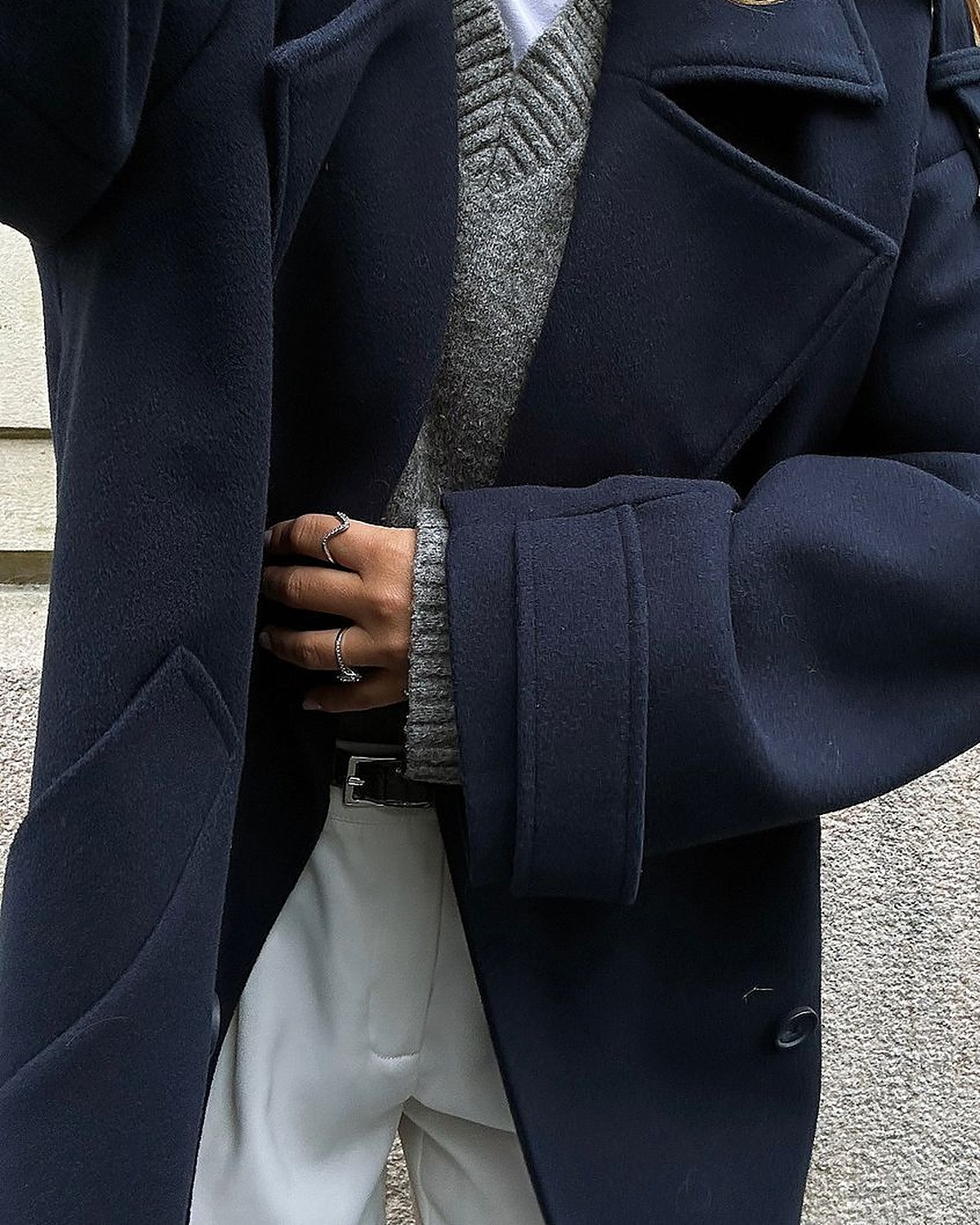
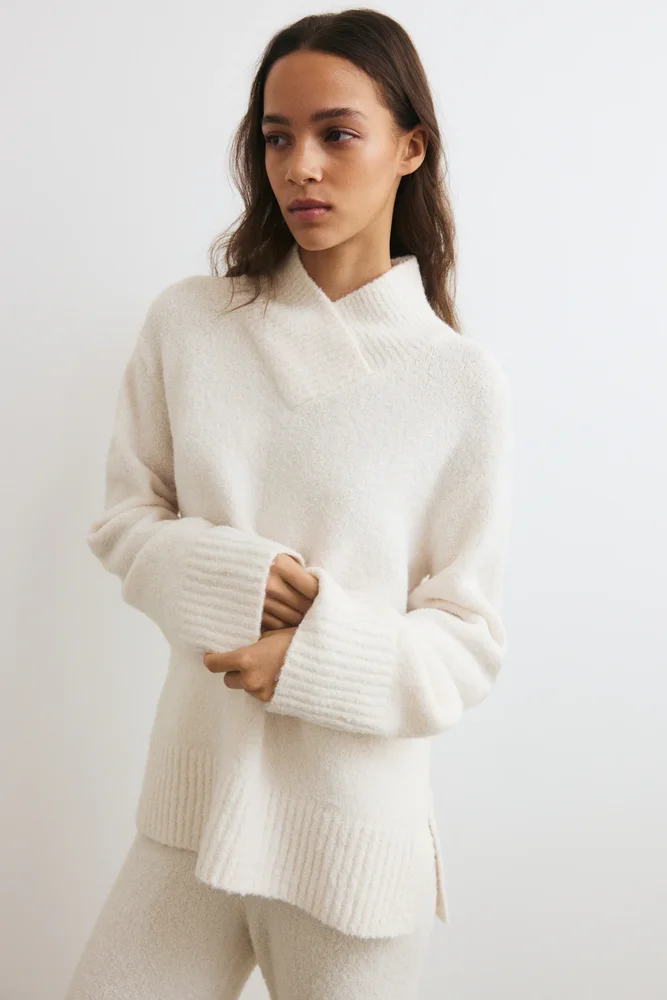
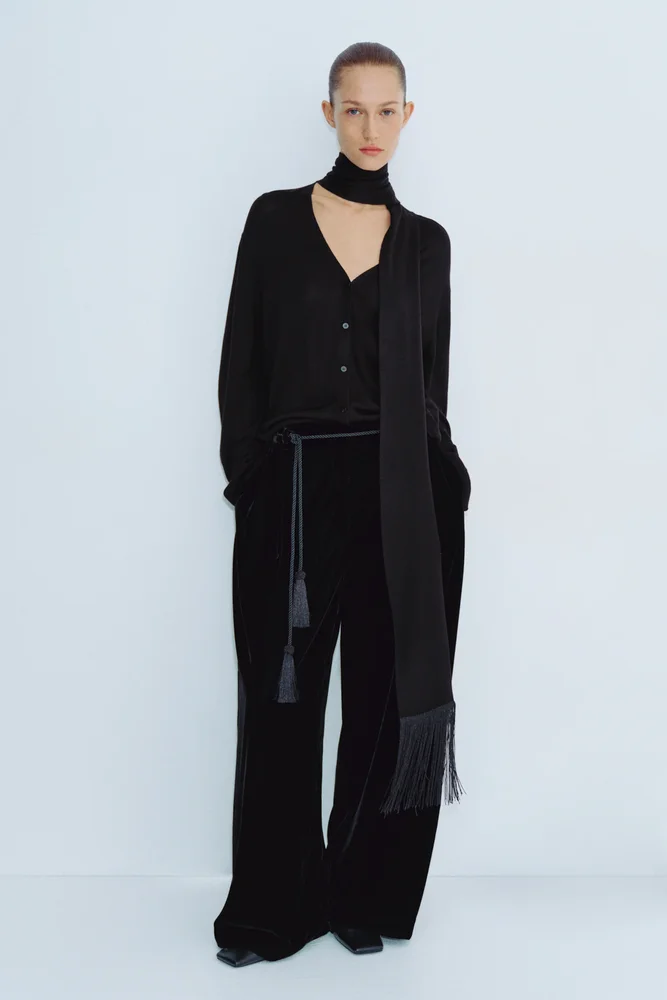
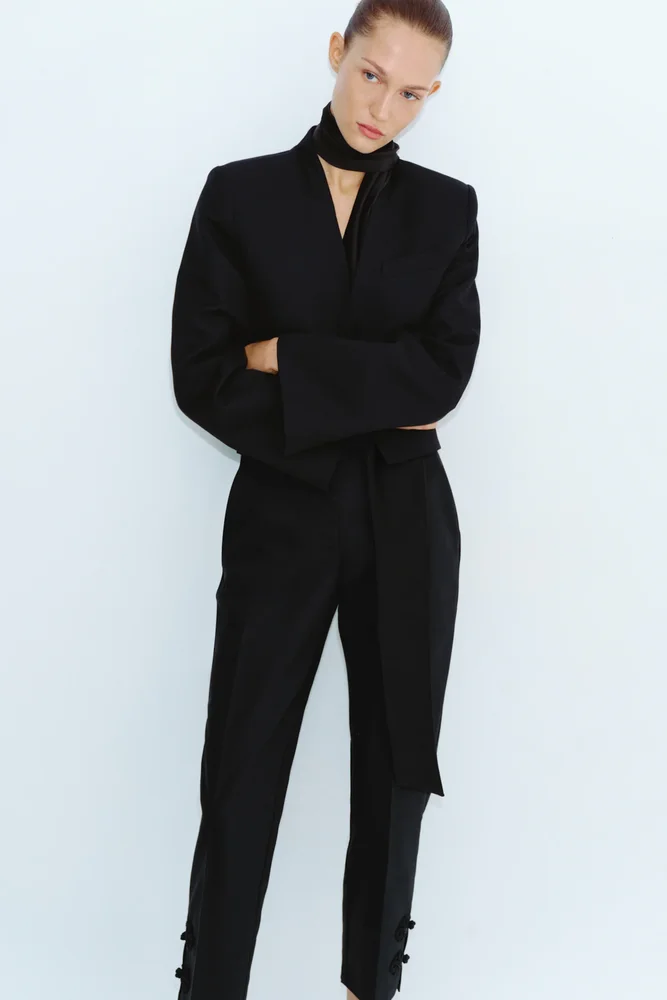
For my practical core, the Loose-Fit Wool-Blend Sweater has an easy wrap V-neck, while the Scarf-Collar Cardigan makes its fringe part of the neckline. The Wide-Leg Velvet Pants have an elastic waist; Ankle-Length Slacks sharpen things with creases and knot-button hems. I'd start with the scarf cardigan: it earns its own point of view without a complicated outfit.
A Good First Buy
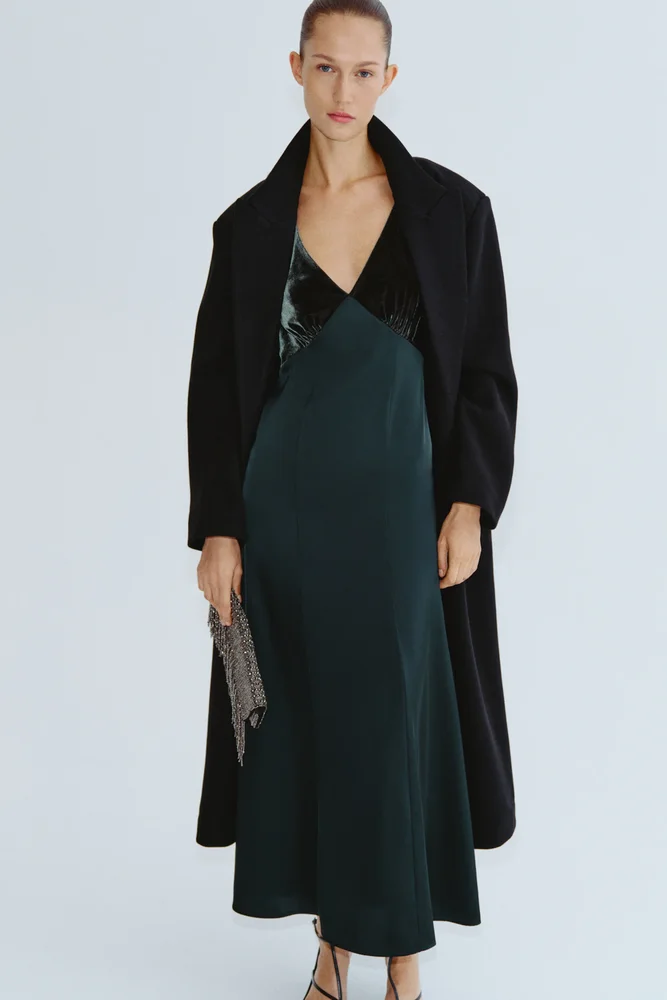
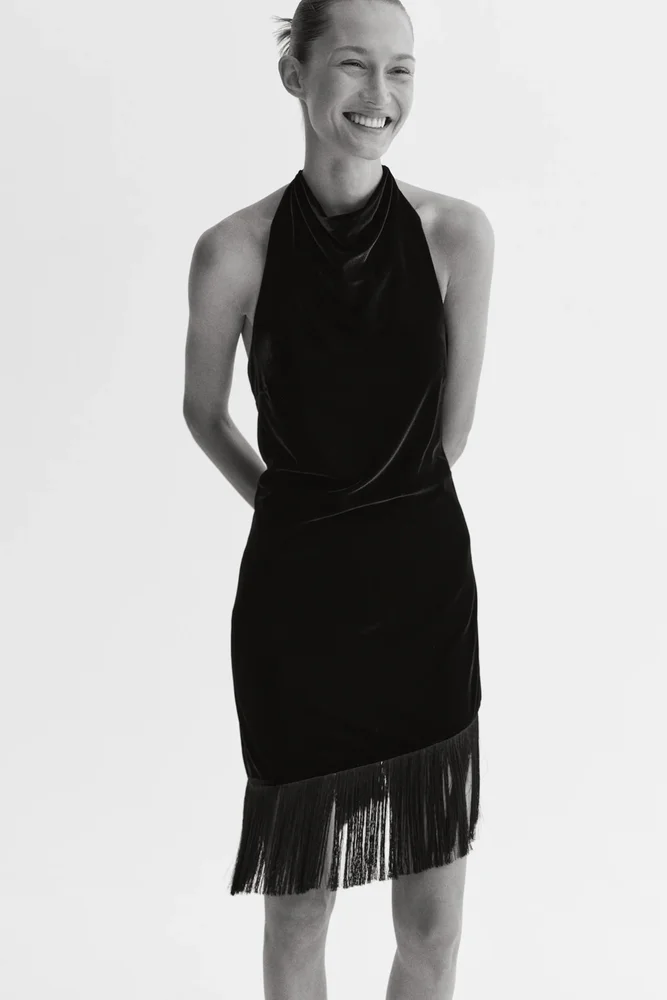
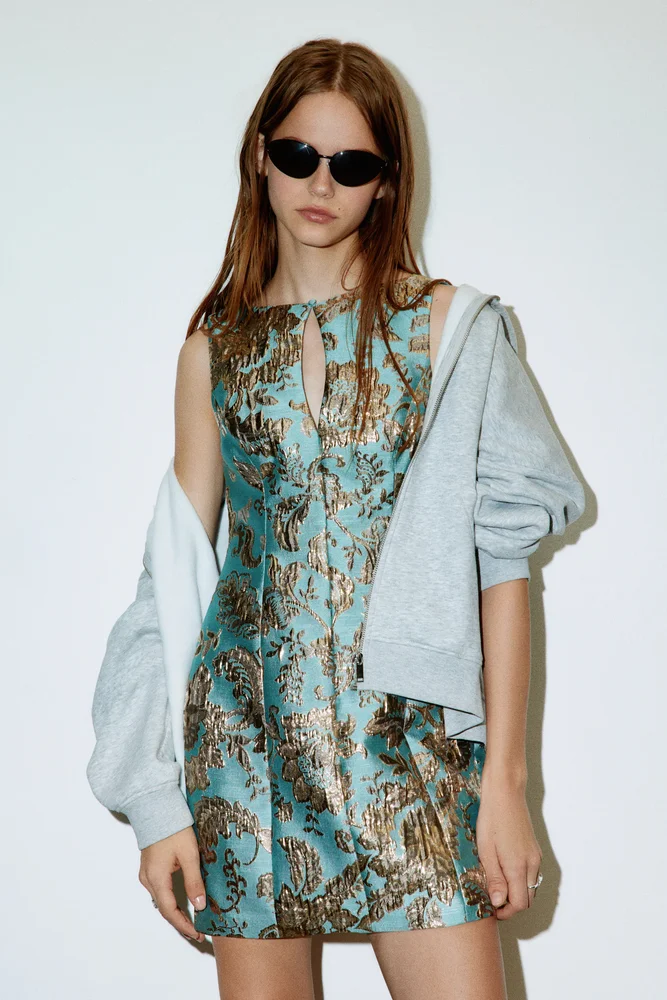
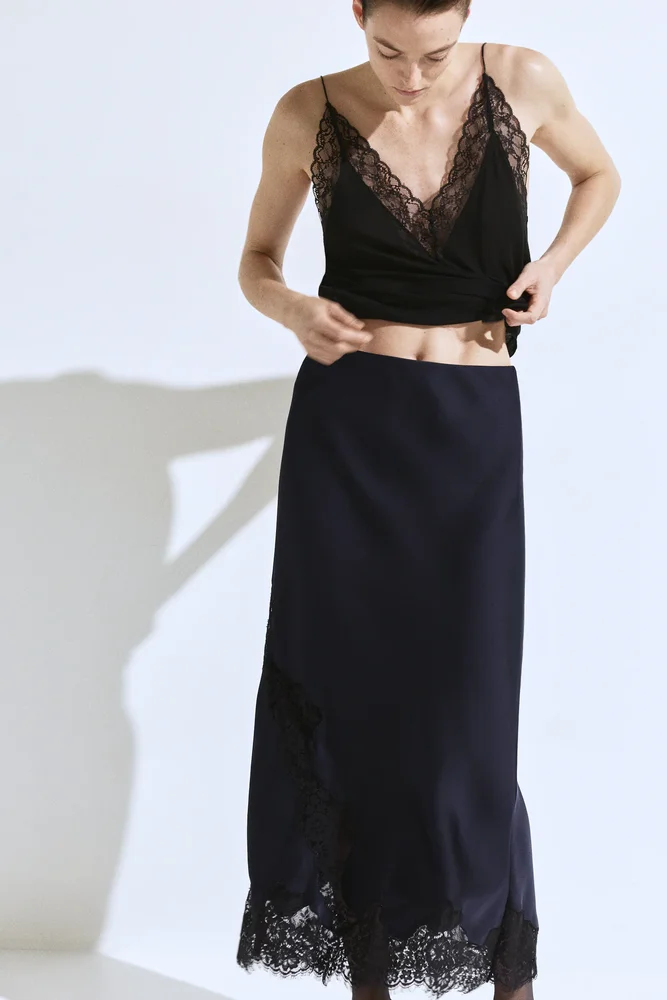
After hours is where I would spend carefully. The Brocade Keyhole Dress has a light blue and gold woven pattern with a small front opening; the dark green Bow-Detail Dual-Fabric Dress puts velvet at the bodice and satin in the skirt. The Fringed Velvet Dress is a black halterneck with a cowl and long, uneven fringe. For a less event-bound choice, the Lace-Trimmed Satin Skirt falls to mid-calf, with lace up one side and scalloped edging.
My first buy would be the brocade dress if I had a real place to wear it; otherwise, the satin skirt earns more outings with a simple knit or T-shirt. I would skip another short party dress if it is likely to sit in the closet after one night. H&M's best picks for me are the ones whose small details justify their very specific occasion.