Hoka is owned by public company Deckers, which completed full ownership in 2012. Here is the founders' downhill origin and what I would buy first.

Who Owns Hoka? Deckers Has Owned the Brand Since 2012
Who Owns HOKA Today
Deckers Outdoor Corporation owns HOKA today; it is a public company, and its ownership began in 2012. That is the short answer to who owns Hoka. Deckers lists the stock on the New York Stock Exchange and places HOKA beside UGG and Teva in its brand portfolio. Its description of HOKA runs from cushioned, stable, lightweight footwear into running, trail, hiking, fitness and lifestyle, with apparel and accessories too.
HOKA's parent is a public footwear company, but ownership and manufacturing are separate questions. If you wonder who makes Hoka, Deckers says independent third-party contractors manufacture its products. I like that distinction: the parent owns the label without claiming that every shoe comes from one company-owned factory.
The brand's appeal still makes more sense as a runner's problem solved than as a foam specification. It began with a shoe made for downhill trail running, then expanded into more kinds of miles. I would start with that origin story before deciding whether the maximal-looking profile is for me; the useful question is how I actually run, not whether the silhouette looks dramatic.
A Downhill Origin
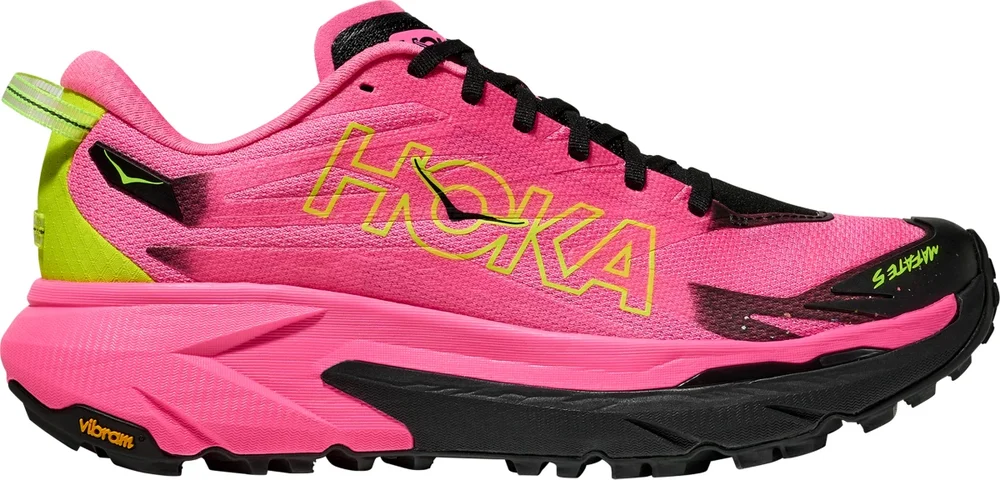
Jean-Luc Diard and Nicolas Mermoud founded HOKA in 2009 to make shoes for ultrarunners. Mermoud has described Mafate, the brand's first shoe, as a response to the hard, fast downhill sections where cushioning, stability and energy return matter. That is a better origin story than foam alone: a specific terrain problem turned into a recognizable point of view.
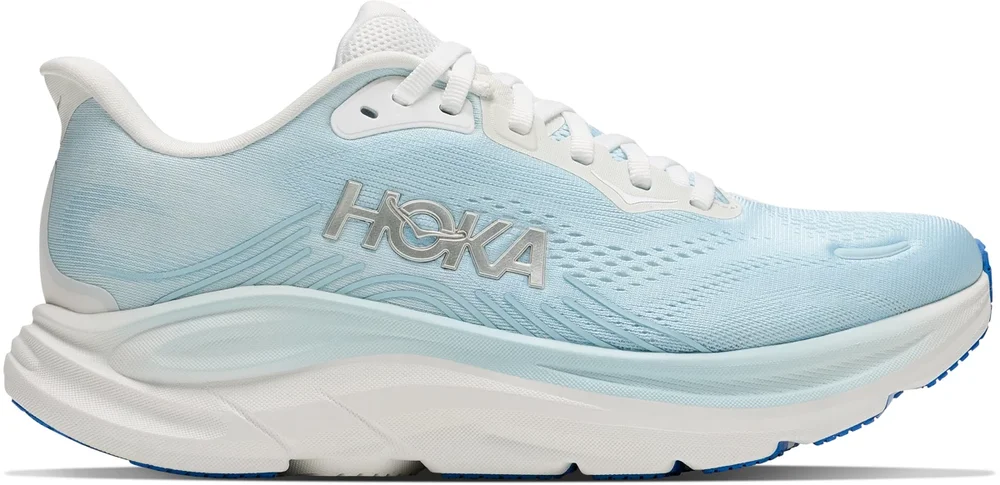
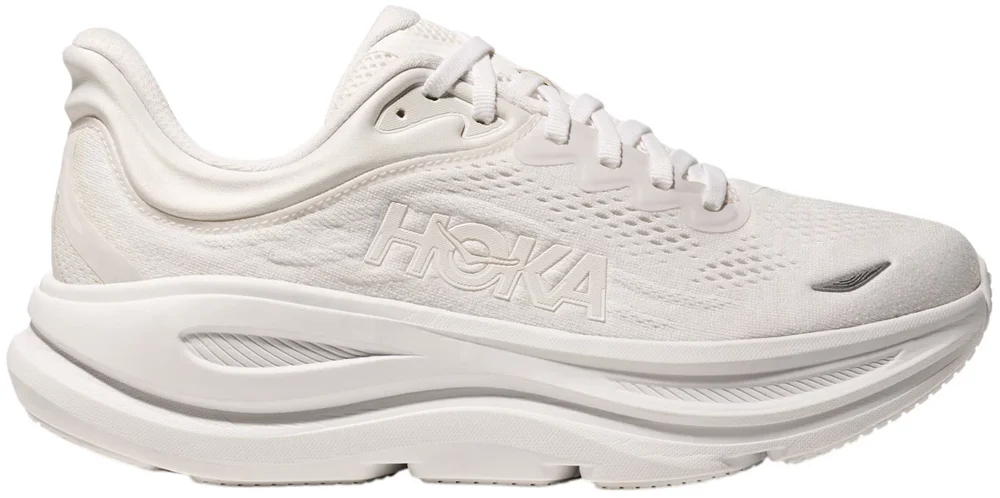
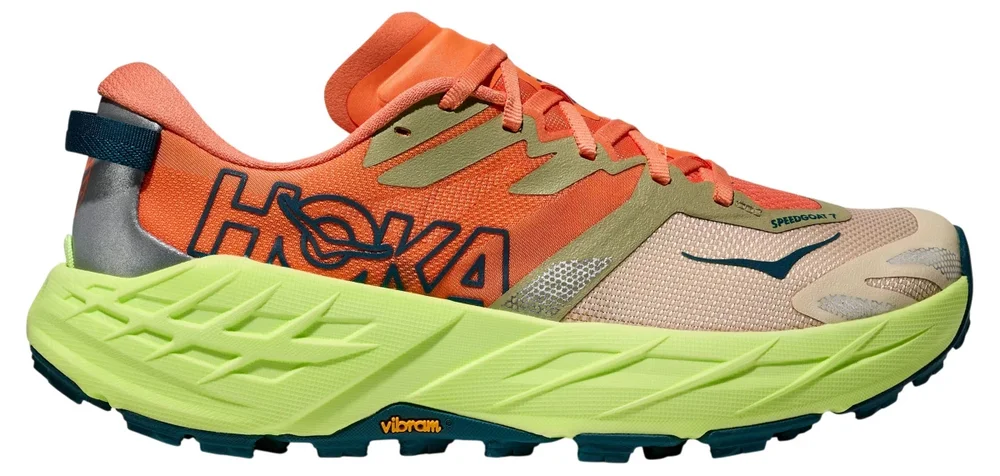
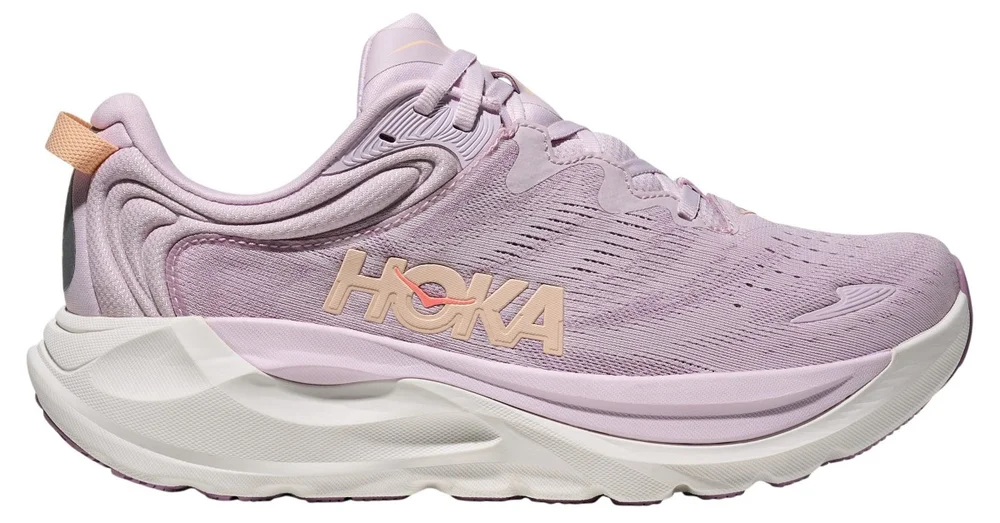
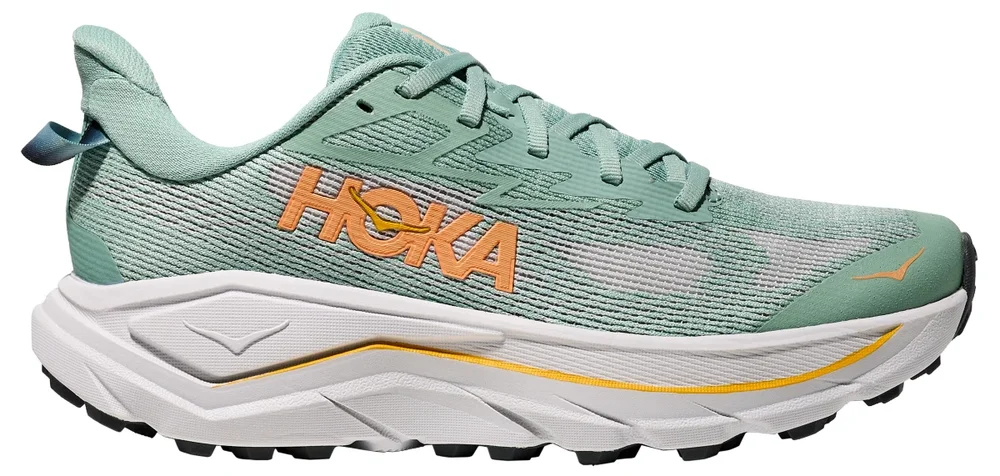
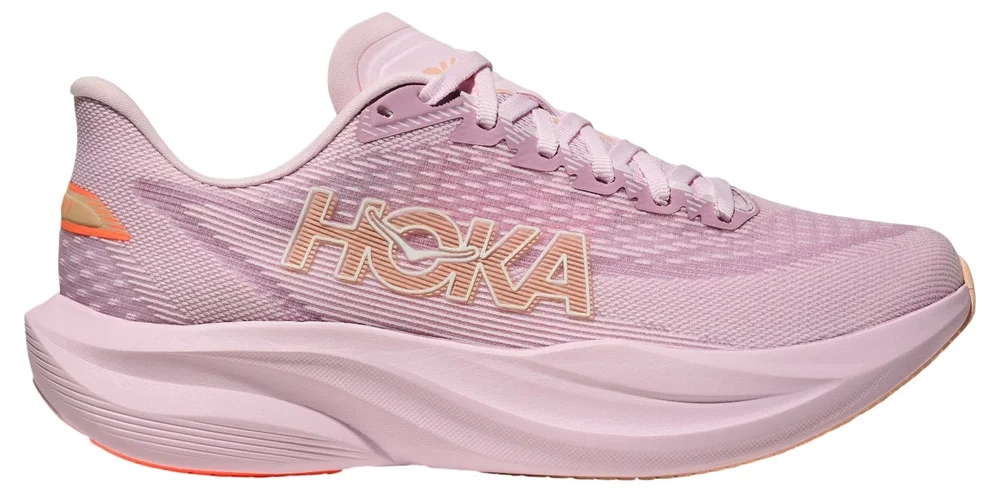
I would begin with Mafate 5 if your routes are rough; its dual-density midsole and Vibram Megagrip sole keep the trail brief visible. Clifton 11 is my daily road pick, Bondi 9 the more cushioned road option, and Speedgoat 7 the trail shoe I would reach for when grip is the point. Who founded Hoka? Jean-Luc Diard and Nicolas Mermoud, whose 2009 idea was rooted in ultrarunning. For everyday miles, I would put Clifton 11 first; for dirt, compare Mafate 5 with Speedgoat 7.
A Staged Buyout
Deckers did not start HOKA from scratch. It bought a noncontrolling stake in May 2012, then acquired the remaining ownership on September 27 that year. The 2014 company release described a push to broaden HOKA beyond its original ultrarunning niche and serve all runners. I read that as a change in reach, not a reason to flatten the brand's origin: the idea still began with downhill trail shoes.
Deckers also owns UGG and Teva, so HOKA sits within a portfolio rather than being a standalone public company. For road miles, Arahi 9 is the stability-minded choice named in DICK'S buying guide; Gaviota 6 is another road-running option. Mach 7 stays in the running lane, while Challenger 8 is the trail turn. I would start with Arahi 9 if support is the priority, keep Gaviota 6 in the road-running comparison, and choose Challenger 8 only if the route leaves pavement.
What I Would Buy First
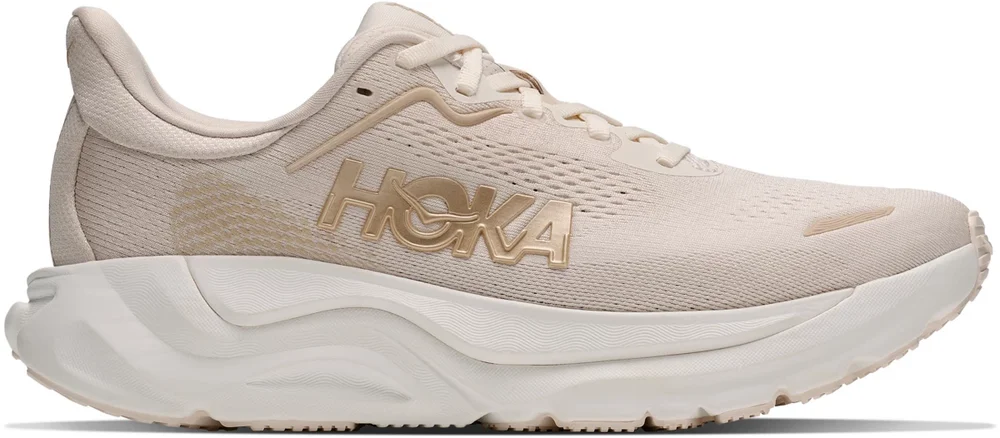
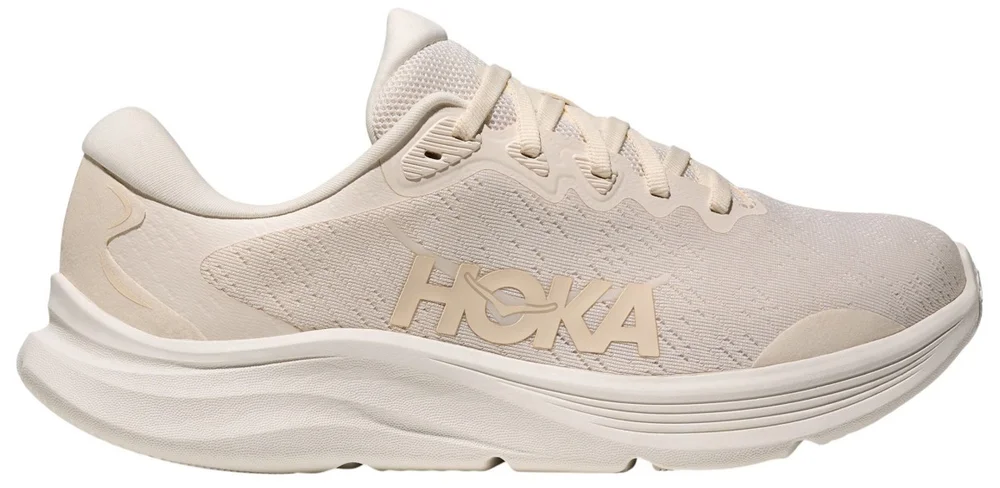
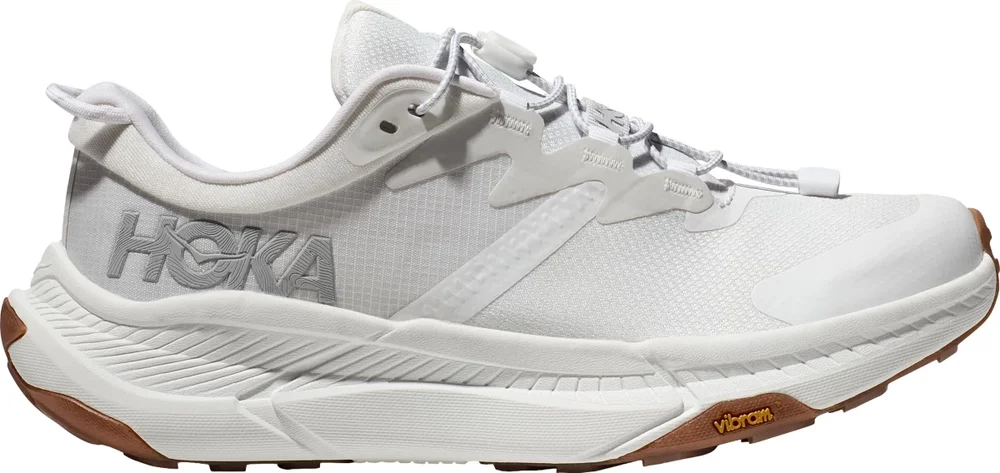
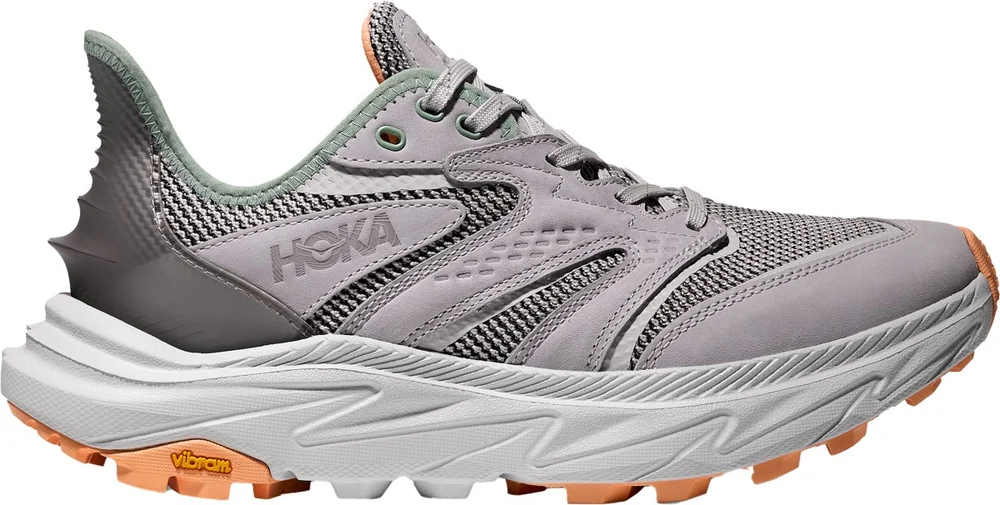
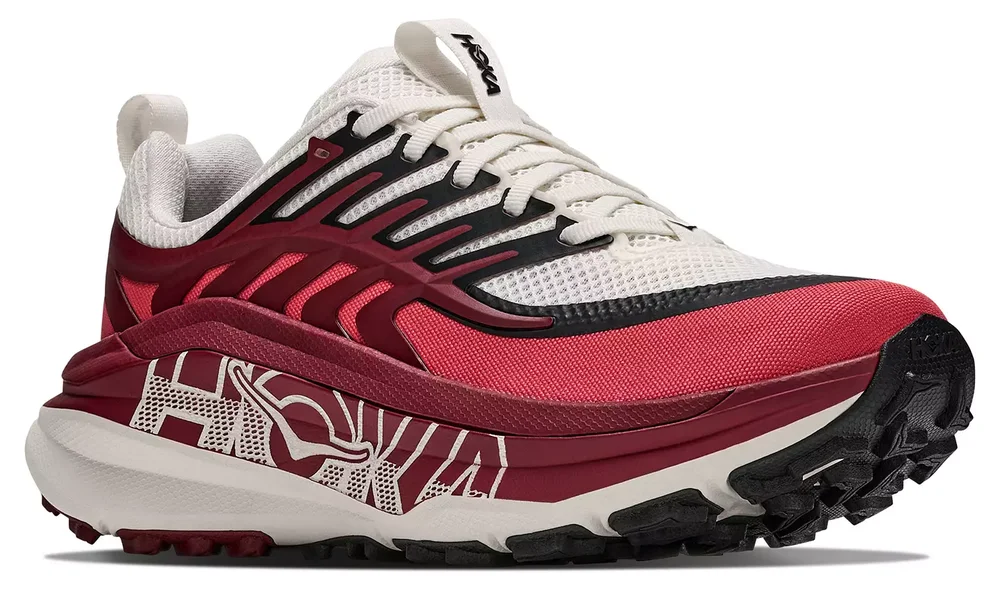
For the less obvious HOKA lane, Solimar 2 is a running shoe without the trail framing, Transport is the everyday shoe, Anacapa 2 Low GTX is a hiking pick, and Stinson 8 is built into the trail-running side. That range is useful when HOKA's identity might sound synonymous with one maximal runner's shoe; its offerings cover days beyond a run.
I would buy Solimar 2 first if I wanted an uncomplicated road pair; I'd choose Transport for errands and Anacapa 2 Low GTX for hikes. Stinson 8 makes sense when I want a trail-running shoe, but I would skip it for mostly pavement. My own filter is simple: buy to the terrain you use most, then decide how much cushioning you want. That leaves the story intact without pretending every HOKA fits every day.