Levi’s belongs to publicly traded Levi Strauss & Co.; founder-family descendants retain voting control. Ownership history and what I’d buy first.

Who Owns Levi's? The Family Controls the Public Company
Who Holds the Vote
Levi’s is the flagship label of Levi Strauss & Co., a publicly traded company whose founder-family descendants retain voting control. The practical answer to who owns Levi's is the listed company, with a dual-class structure that gives Class B shares ten votes to each Class A vote. The family took Levi Strauss & Co. private in 1985 after an earlier 1971 IPO; it returned to public markets in 2019. Levi's parent company is the listed corporation, not a single private owner. I like that distinction: the label has a family story, but sits within a global apparel business.
That also answers who makes Levi's now: LS&Co. says nearly all products come through independent contract manufacturers, working in about 32 countries in fiscal 2025. Its main office is still in San Francisco, where Levi Strauss started a dry-goods business in 1853. In 1873, Strauss and Reno tailor Jacob Davis patented stronger work pants with metal rivets. LS&Co. also acquired Beyond Yoga in 2021, a sister label in its current portfolio. The ownership answer is modern corporate paperwork, while the family connection and San Francisco roots are unusually easy to trace.
A Patent for Tougher Pants
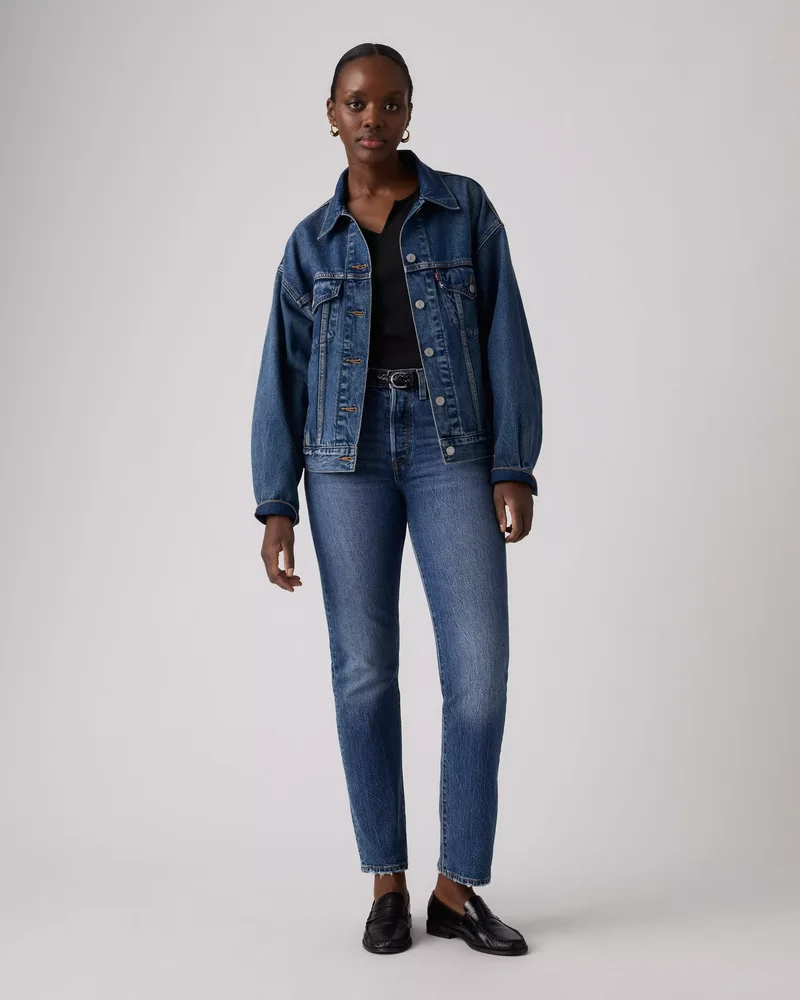
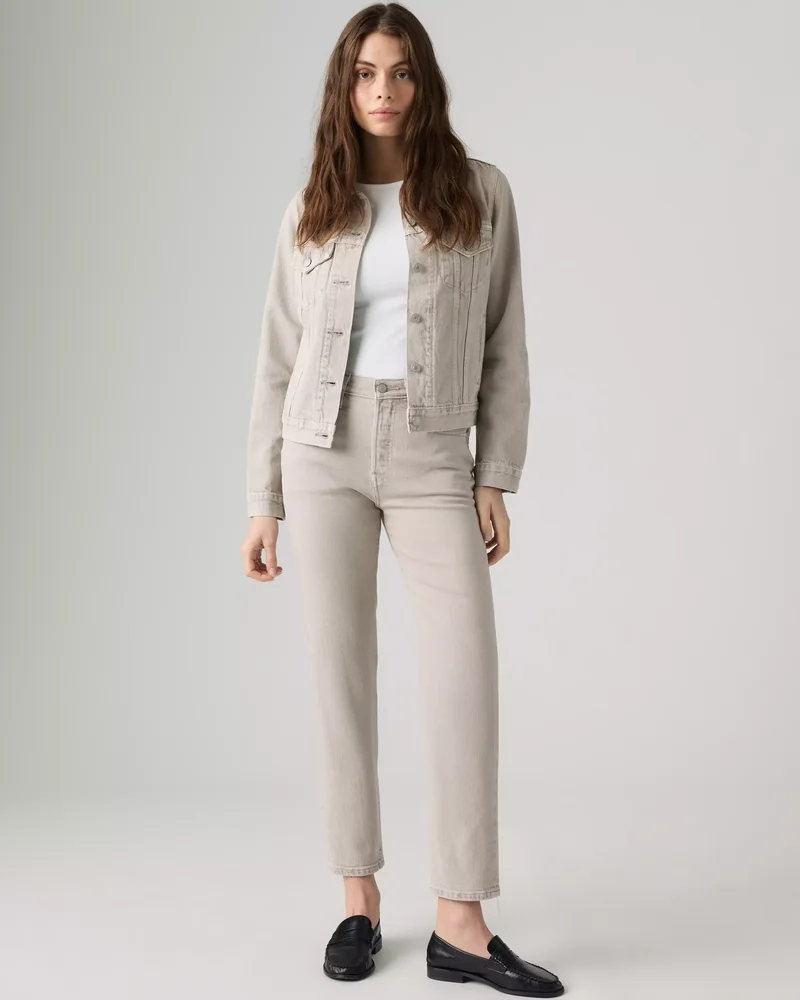
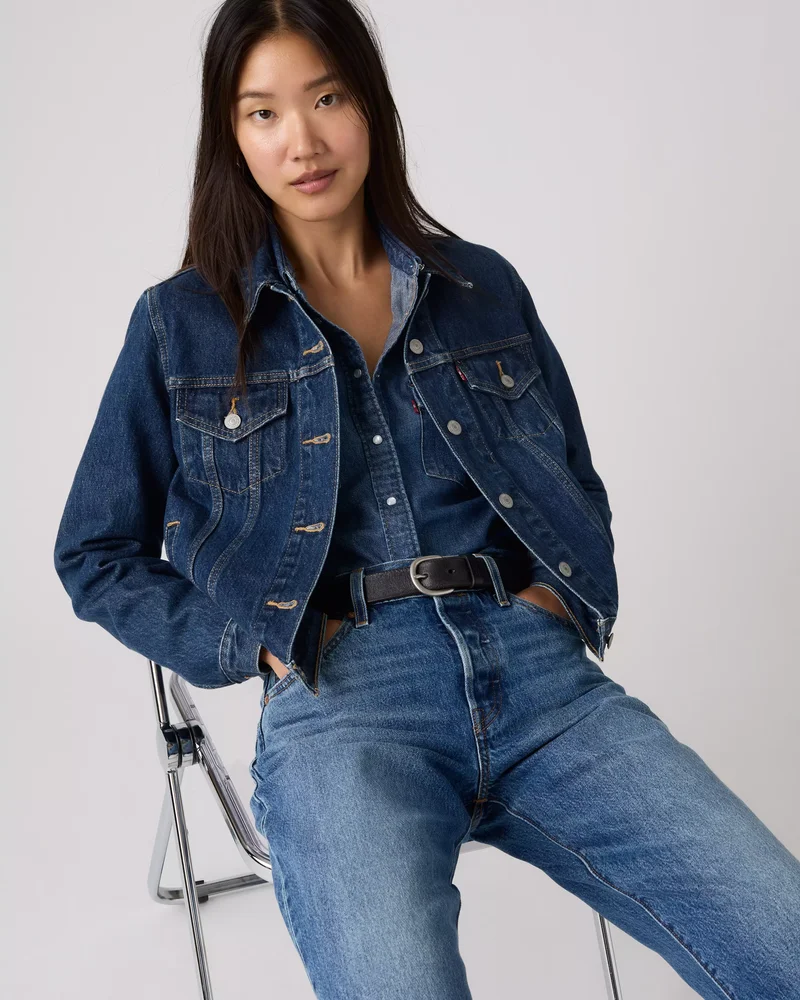
The answer to who founded Levi’s starts with Levi Strauss, but not with a jeans factory. He started a wholesale dry-goods business in San Francisco in 1853. In 1873, he and tailor Jacob Davis patented pants reinforced with metal rivets, a workwear fix that became the blue jean. The 501 Original Fit is where I would start, since the company calls the 501 its original five-pocket jean; its Cropped sibling keeps the straight shape and cuts the inseam shorter. Both make the line’s starting point easy to wear without turning the heritage story into a costume.
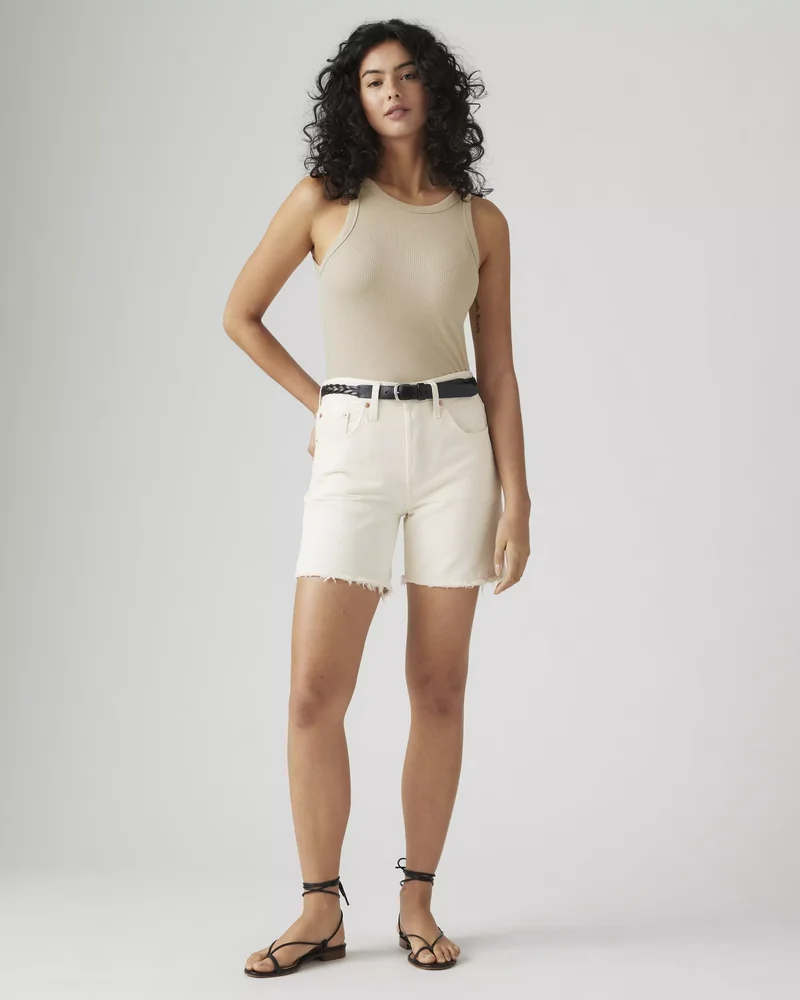
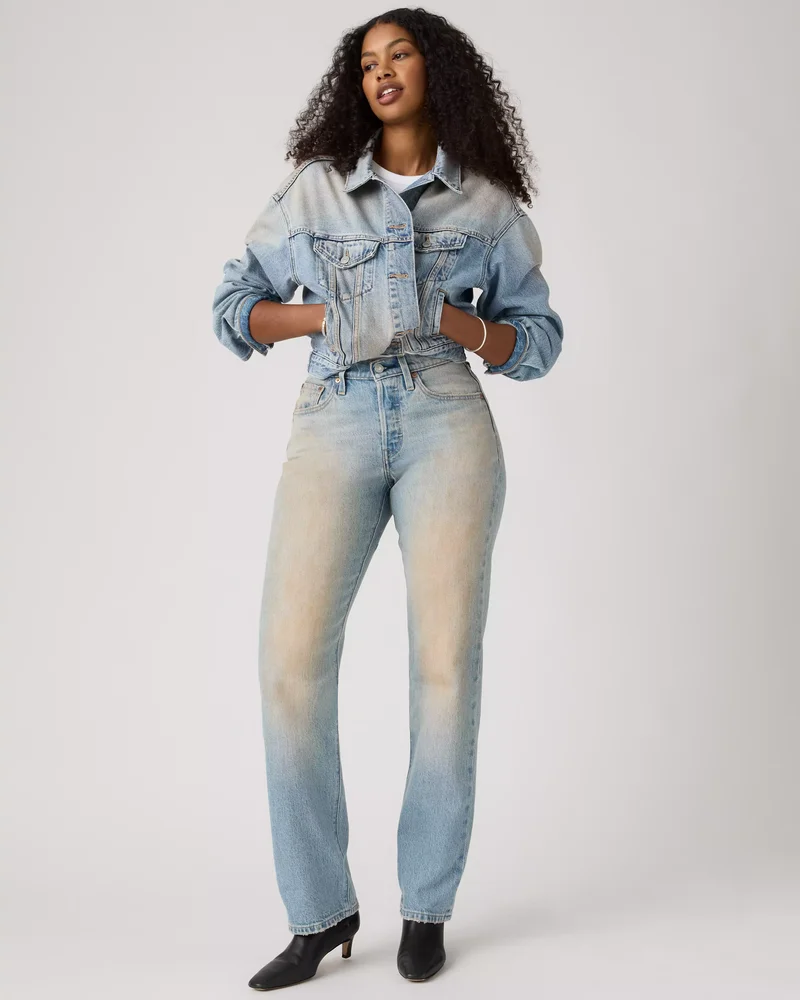
For warmer days, 501 Mid Thigh Shorts keep the high-rise button-fly language in a longer cut-off; the pair hits mid-thigh. The Original Trucker Jacket is my second purchase, not because a denim jacket is clever but because the slim-fit, deep-pocket layer makes the 501 easy to rewear. I would keep the shorts with a plain tee and use the jacket when the weather asks for another layer. Those are the pieces I’d actually reach for first.
Public, Private, Then Public
There’s a good reason the answer sounds both public and family-run: Levi Strauss & Co. first went public in 1971, its founder’s descendants took it private in 1985, and it returned to the market in 2019. Today Class A shares trade as LEVI, while the family descendants retain voting power through Class B, with ten votes per share against one for Class A. The 2019 return did not erase the family’s influence. In 2021, LS&Co. acquired Beyond Yoga, adding a women’s activewear label to the portfolio. I read that as a broadening of the parent company, not a new owner for Levi’s.
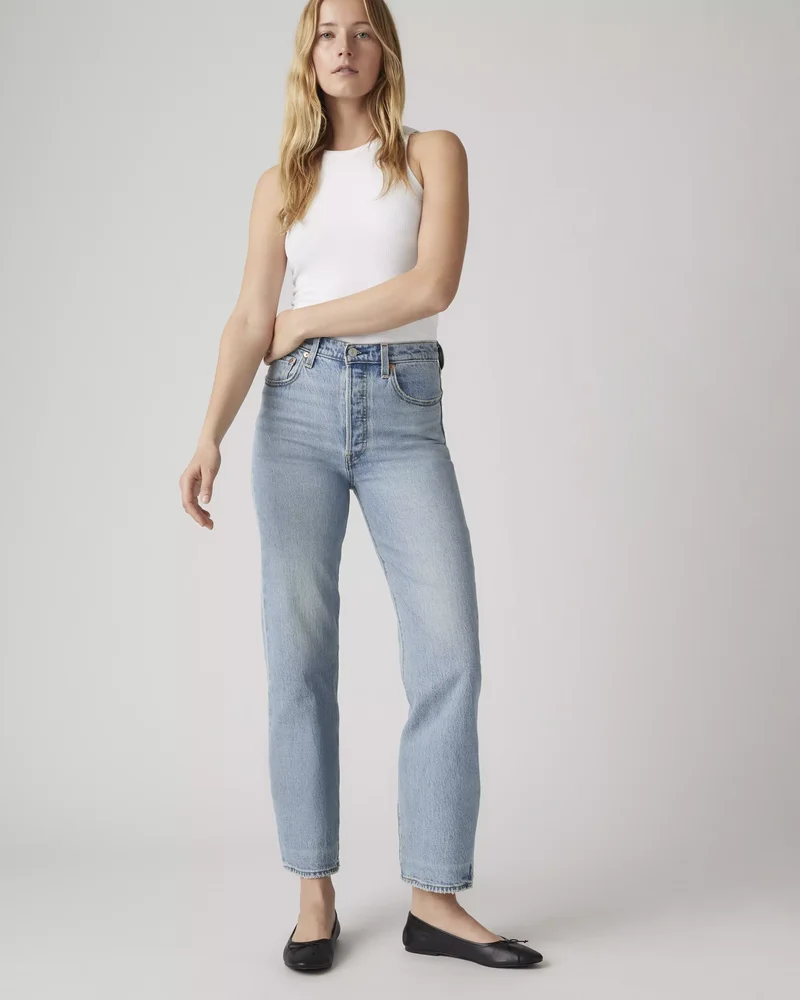
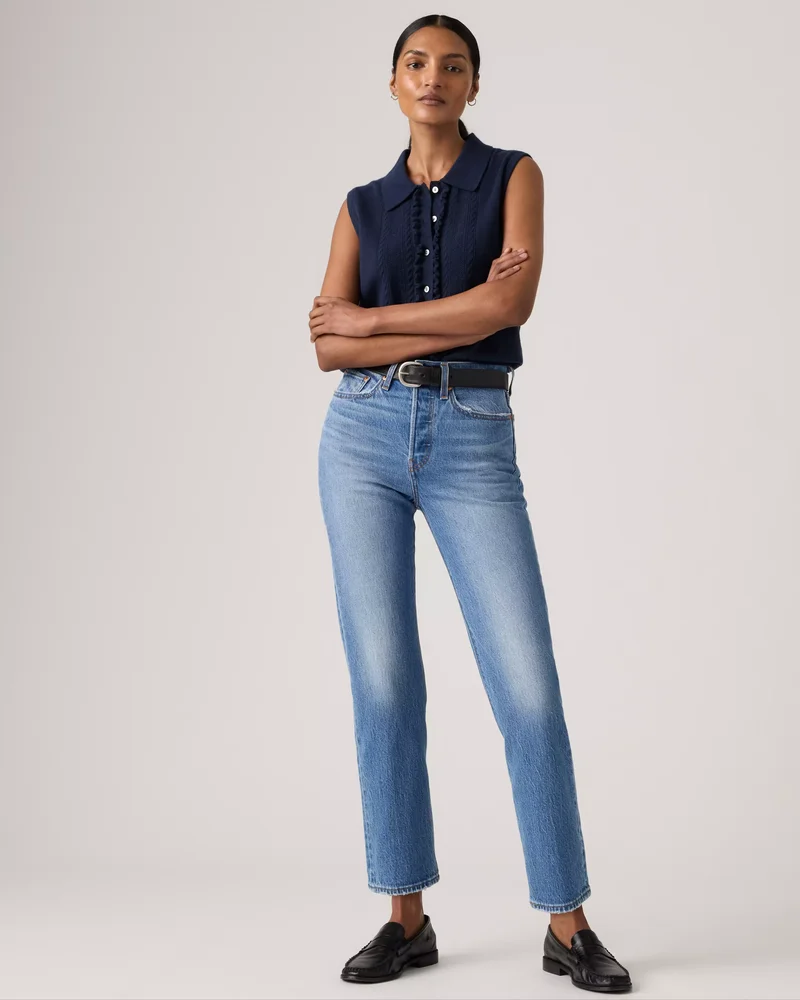
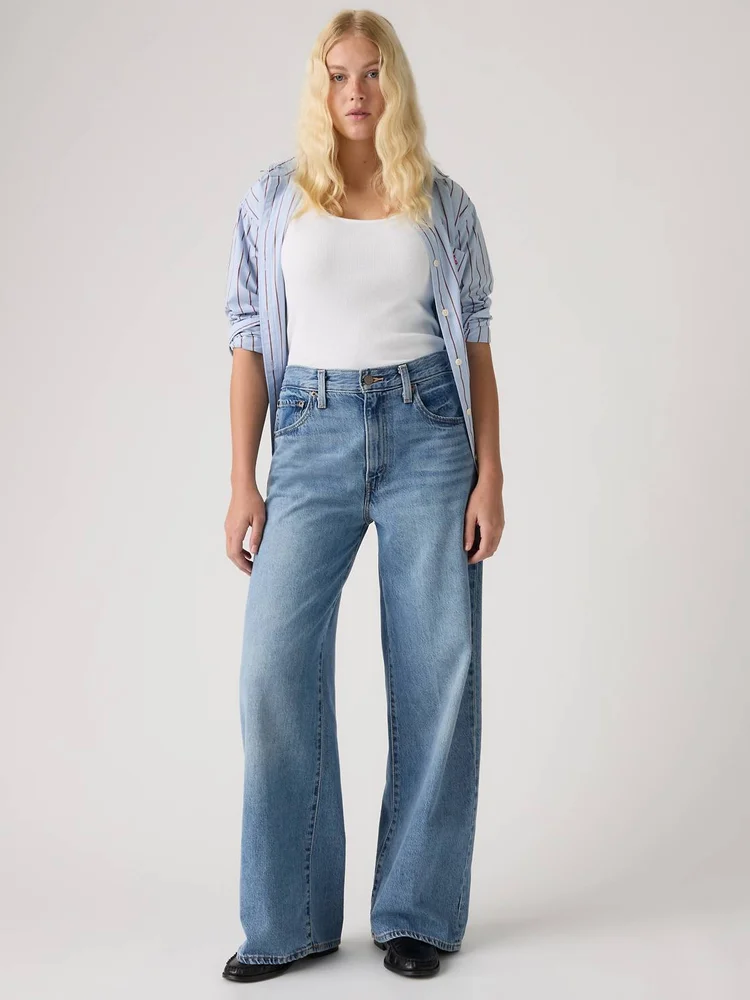
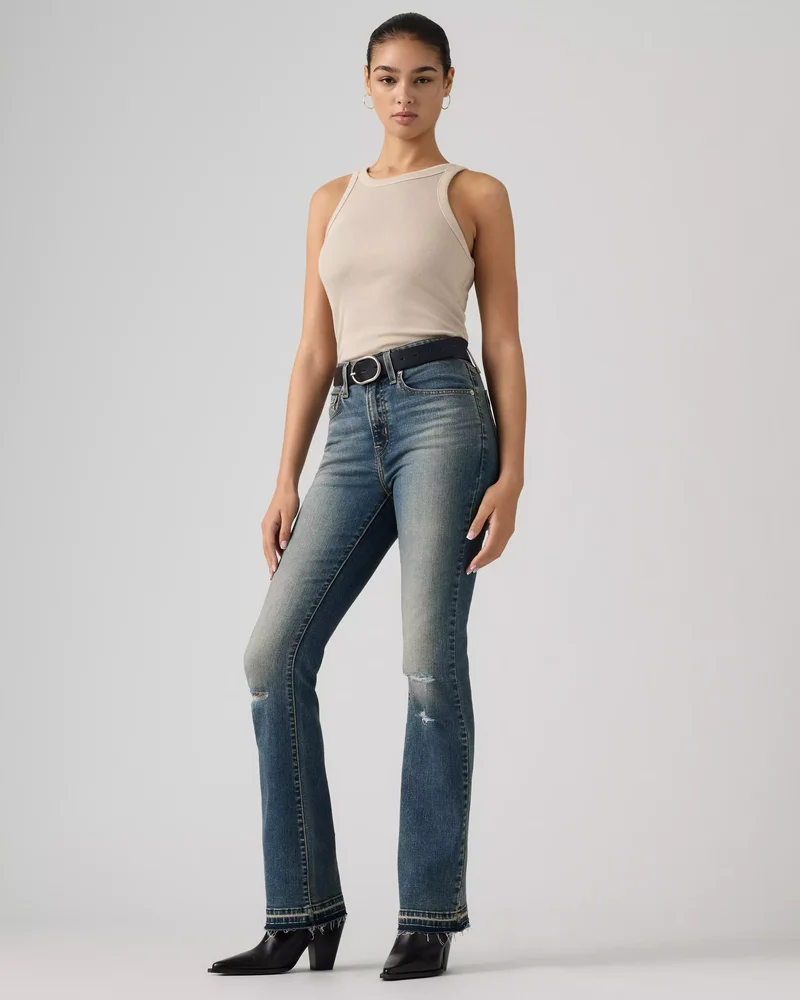
The Ribcage Straight Ankle is the sharpest high-rise here, with a 12 1/8-inch rise and ankle hem. The Wedgie Straight Ankle is snugger through the hip and thigh with a straight leg. Cinch Wide-Leg has back adjusters to help tailor the waist, while the 725 High Rise Bootcut goes slim through the hip and thigh before opening at the hem. My pick is Ribcage for a full tuck, Wedgie if I want the closer seat.
What I’d Wear First
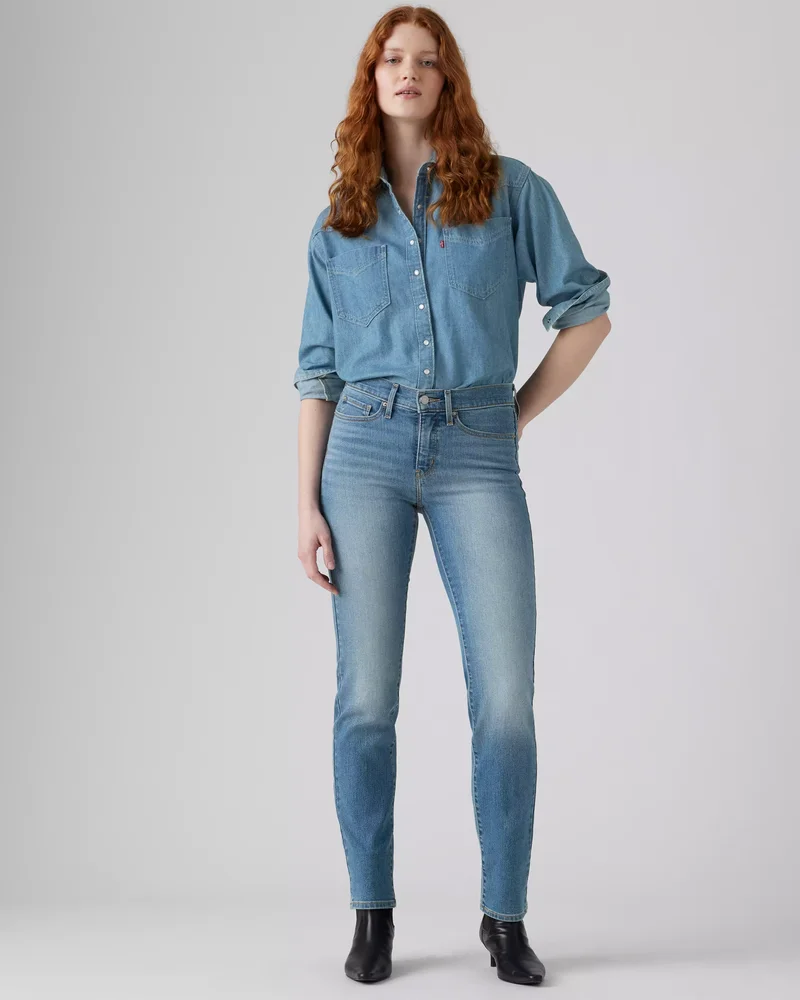
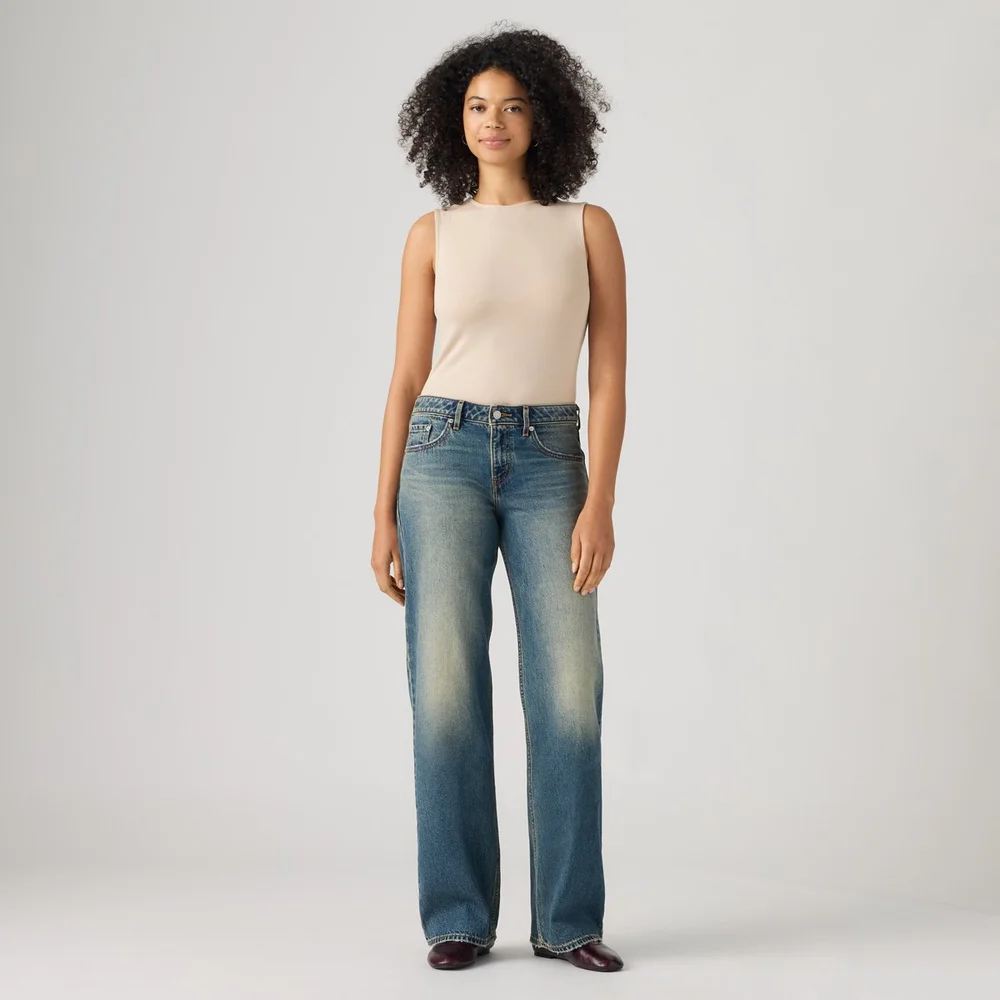
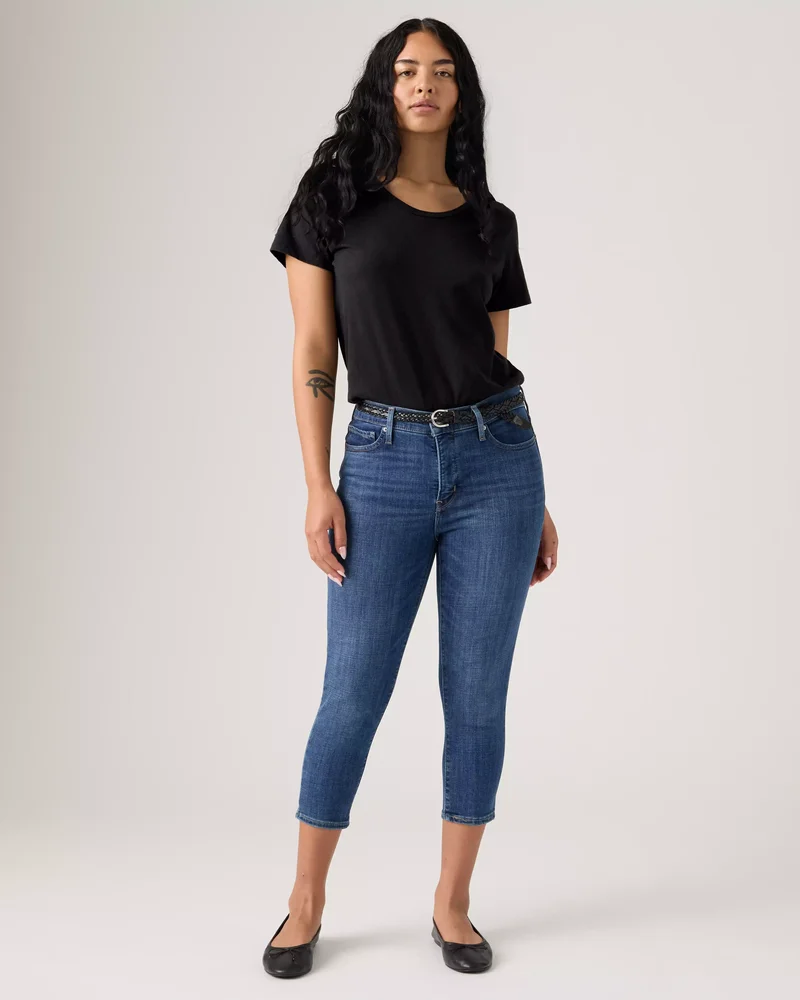
The first thing I would buy is 501 Curve if waist gap is the daily annoyance: its seat and thigh are roomier and the hip-to-waist ratio is shaped to help reduce waist gap. For softer support, 314 Shaping Straight adds a smoothing front panel; its mid rise and straight leg are the less rigid option. Low Loose brings a low rise, relaxed fit and wide, straight leg; I’d keep it for days when I want denim that doesn’t dictate a tucked-in top. The 311 Shaping Skinny Capri is a contrasting crop, cut skinny with a mid rise and stretch denim.
What I would skip is buying another narrow leg just because it is on sale. If I want a sculpted look, the 501 Curve or 314 has a clearer job; if I want room and movement, Low Loose wins. I’d choose the 311 only if I truly want capri length. Levi’s ownership may have a clean answer, but fit is still what determines which pair earns closet space.