Moroccanoil is privately held under Moroccanoil Israel, Ltd.; its ownership story began with Carmen and Ofer Tal's 2008 buyout.
Who Owns Moroccanoil? The Private Parent Behind the Argan Oil Brand
The Owner Today
Moroccanoil is privately held under Moroccan Oil Israel Limited, and the 2008 buyout by Carmen and Ofer Tal marks the start of its current ownership story. That is the clearest answer to who owns Moroccanoil today: a private company, not a beauty conglomerate. LegalClarity reported in June 2026 that no conglomerate had acquired it; individual shareholder percentages are not publicly disclosed. I would not turn the founders into a claim about who owns every share today.
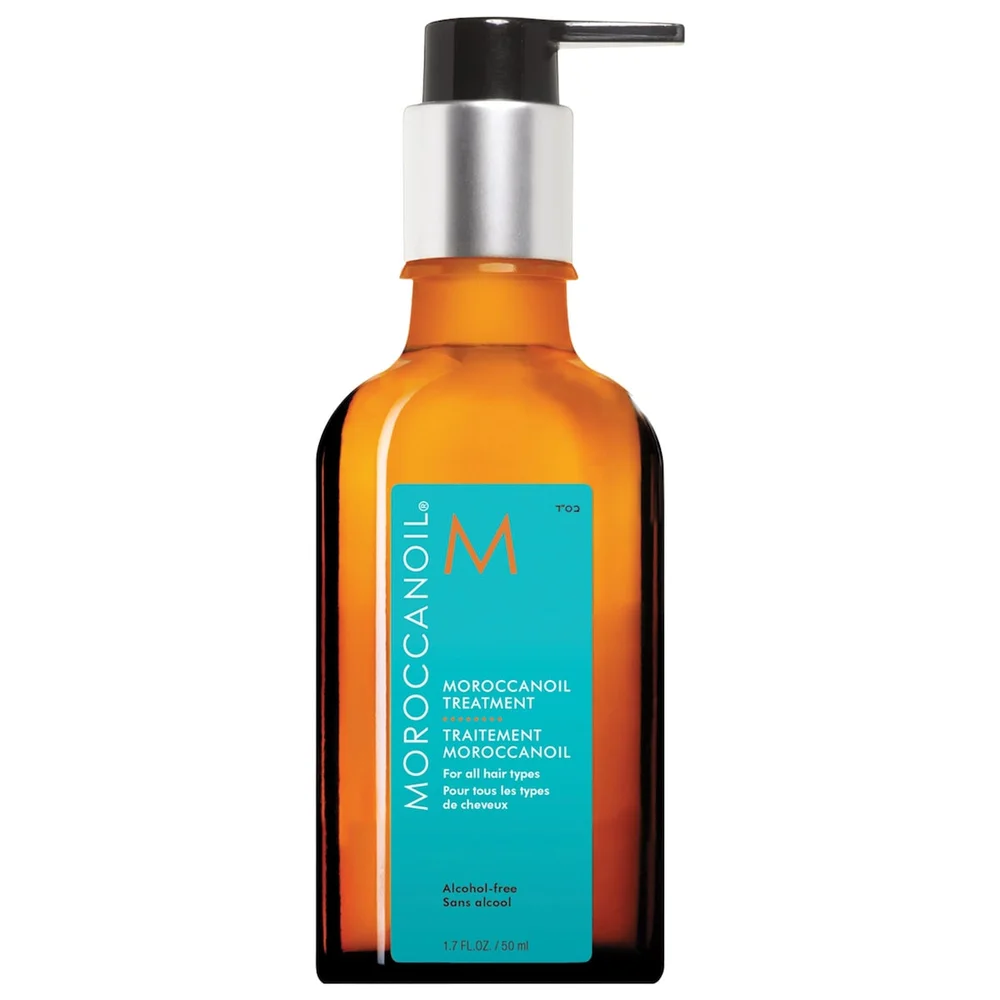
Carmen Tal co-founded the brand after discovering an argan-oil hair treatment while traveling, and Moroccanoil Treatment was the original product. The line grew from that single treatment into hair, body and professional haircolor products. For anyone asking about the Moroccanoil parent company or who makes Moroccanoil, the public sources point to a private company under Moroccan Oil Israel Limited rather than a label owned by a listed conglomerate. I like that distinction: the founder story is vivid, but the current owner is best described by the corporate entity the sources actually name.
The Treatment That Started It
Carmen and Ofer Tal bought the company in 2008 after first securing North American distribution rights. Carmen's own discovery of an argan-oil treatment while traveling gave the business its starting point; she wanted to share it beyond her own routine. If you are tracing who founded Moroccanoil, Carmen Tal is the co-founder the brand names, with Ofer Tal as her business partner in the buyout.
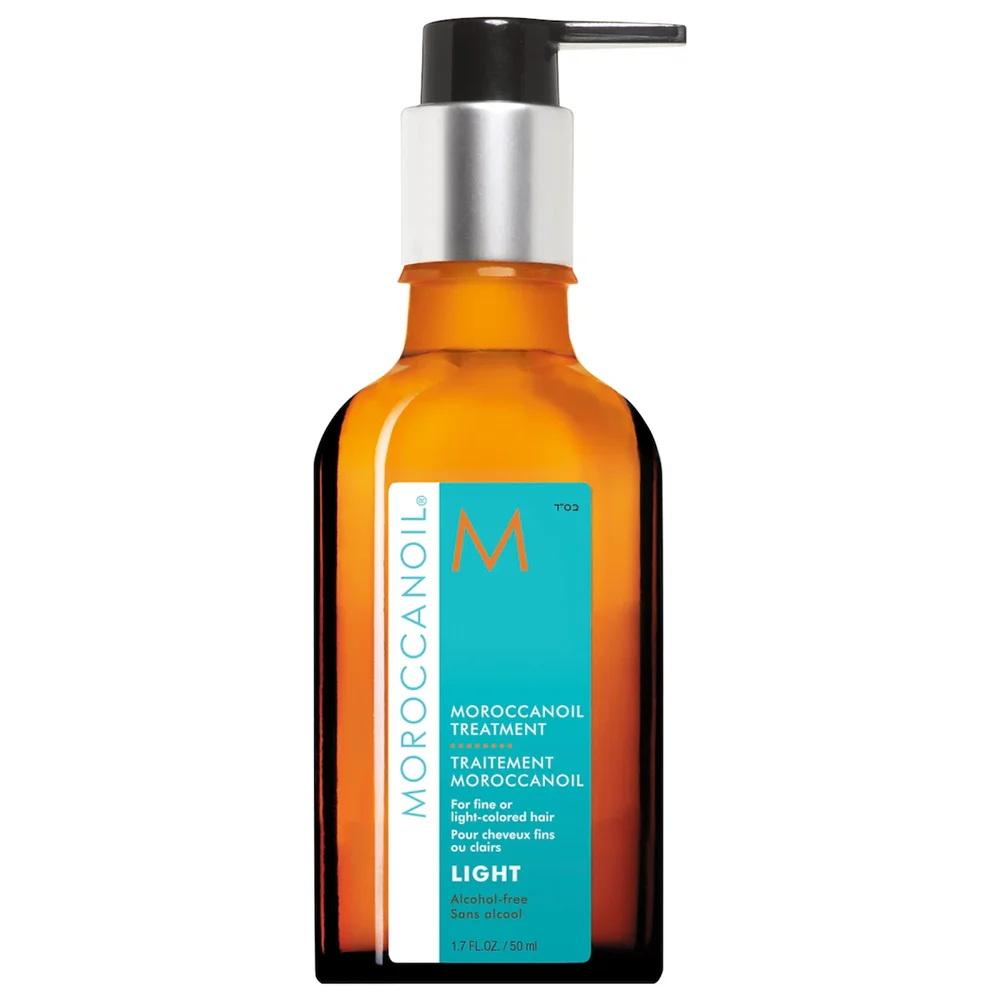
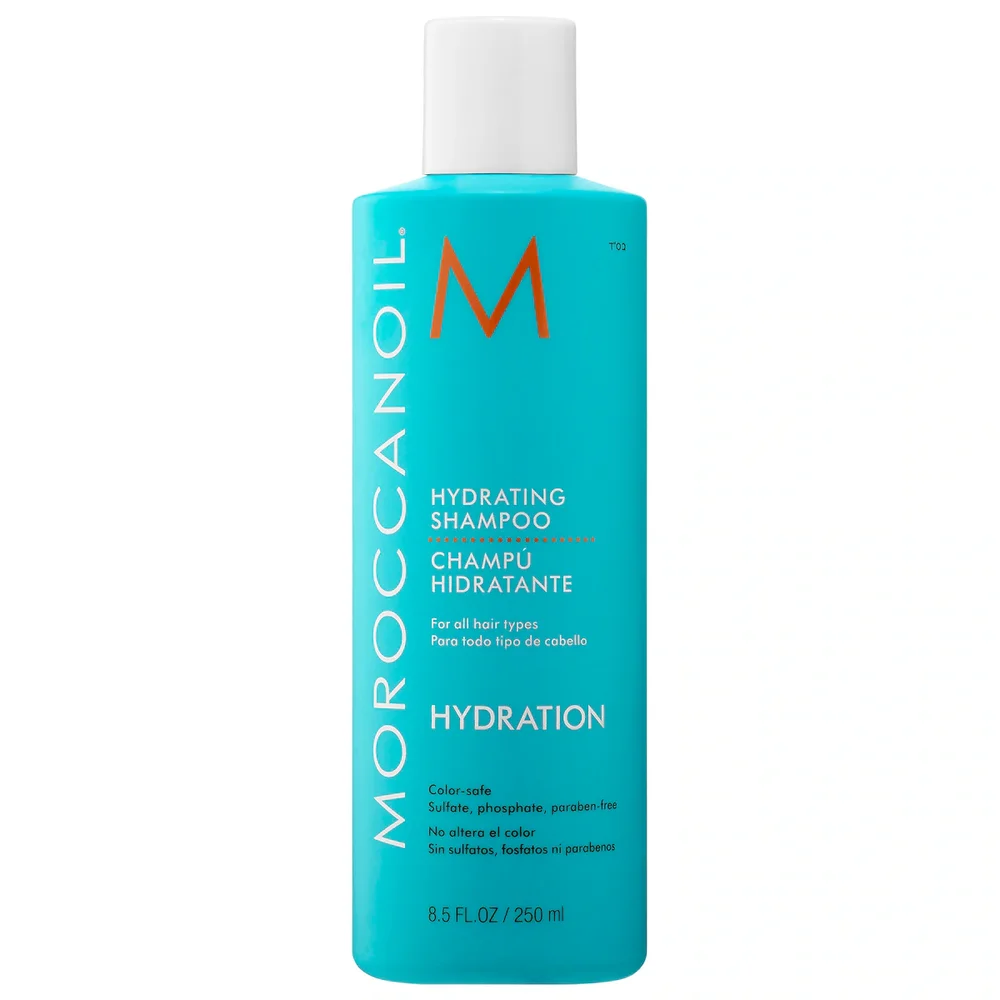
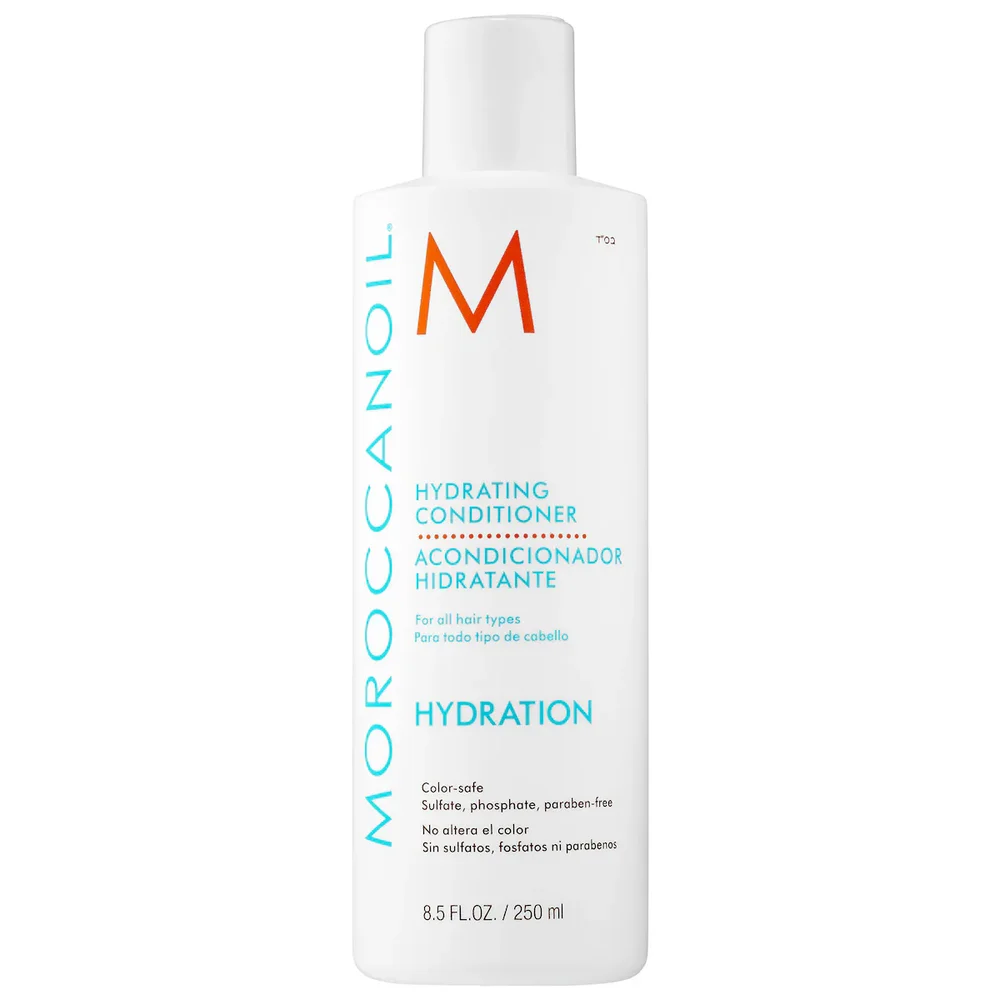
Moroccanoil Treatment Hair Oil is the archetype, a multi-tasking oil for frizz and detangling. Treatment Light is the version I would choose for fine hair, not simply a smaller bottle. Hydrating Shampoo and Hydrating Conditioner take the argan-oil premise into a daily routine for dry hair: the shampoo cleanses, and the conditioner detangles and adds moisture. I would start with the original Treatment, then add the wash pair only if my hair actually feels dry.
A Private Company, Still
The ownership history has one clear change of hands: after the Tals began by distributing the treatment, they bought the company outright in 2008. It remained private in June 2026 reporting, with no conglomerate sale reported. The individual ownership split is not public, so I would keep the story focused on that confirmed buyout rather than guess at an undisclosed cap table.
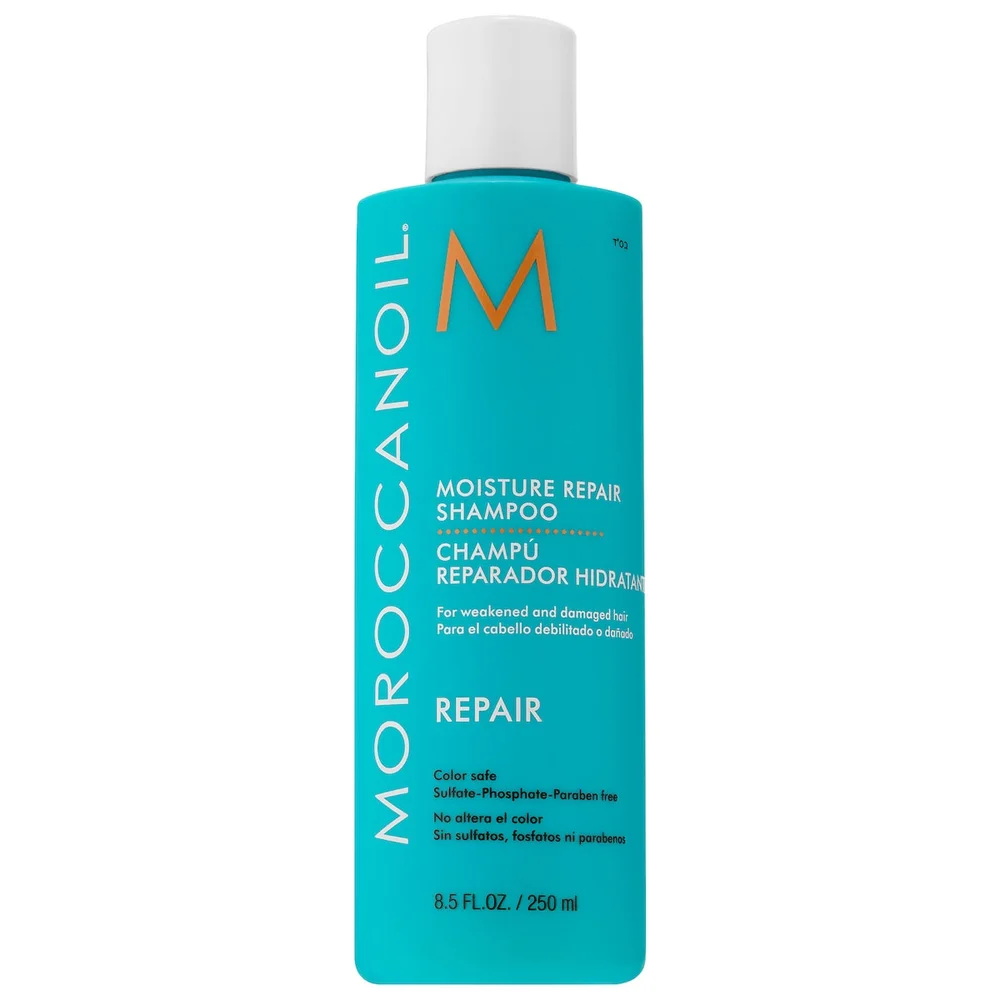
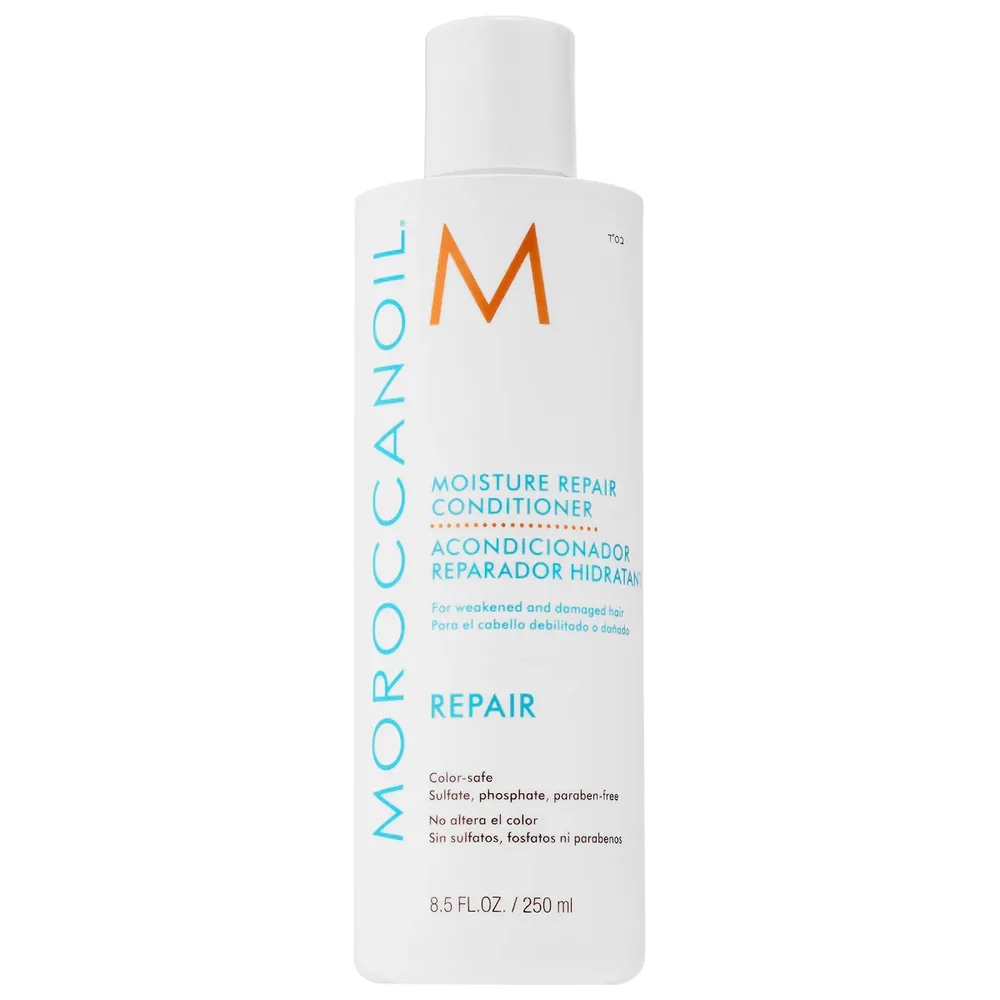
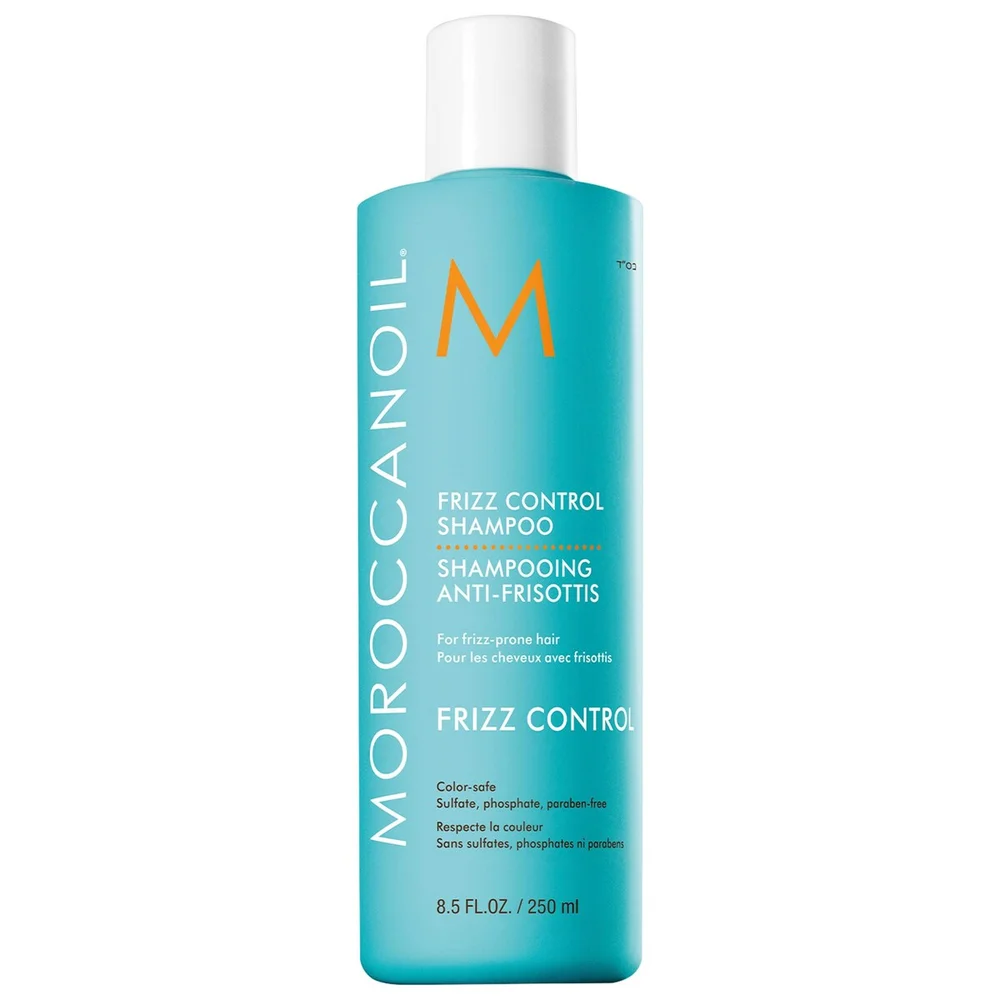
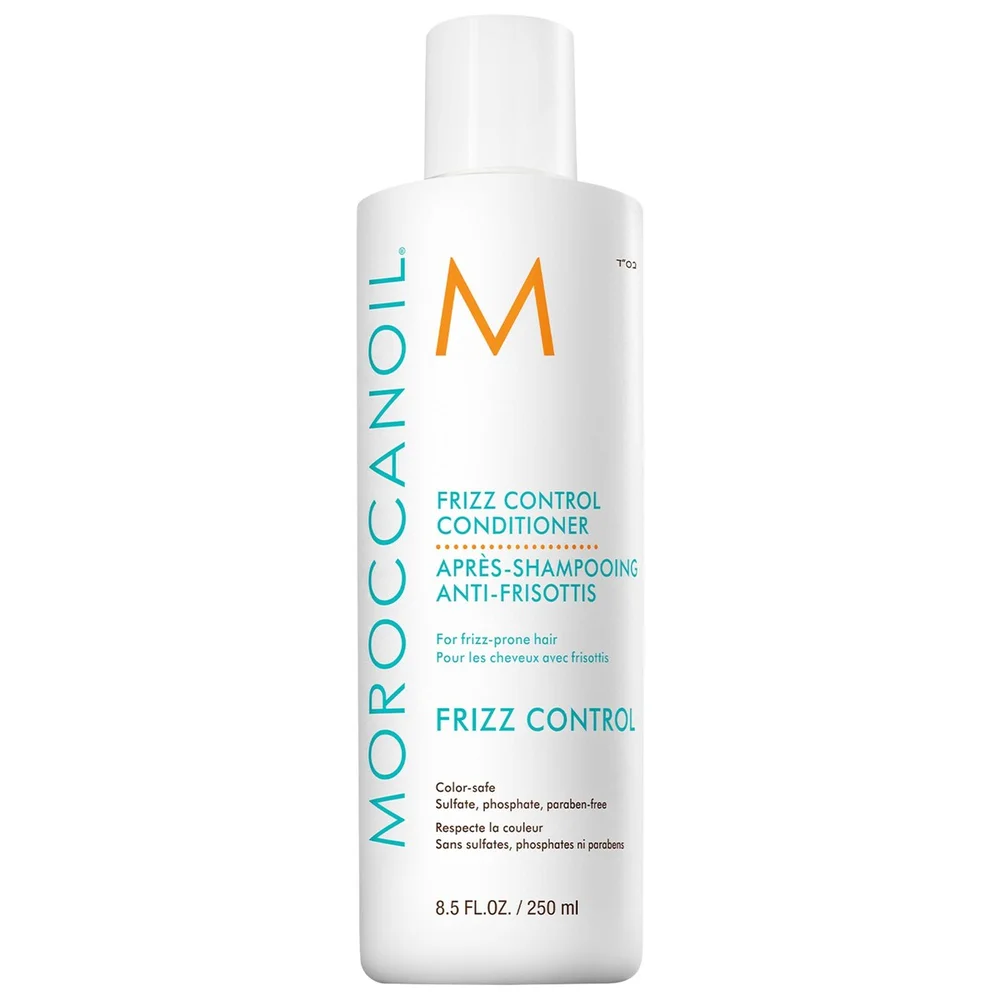
The core line branches into purpose-led shampoos and conditioners. Moisture Repair Shampoo and Moisture Repair Conditioner are for hair weakened by color, chemical processing or heat, with argan oil and keratin in their formulations. Frizz Control Shampoo and Frizz Control Conditioner address flyaways and humidity. I would choose one pair for the problem I actually have, not double up on routines just because the bottles look like a set.
What I Would Buy First
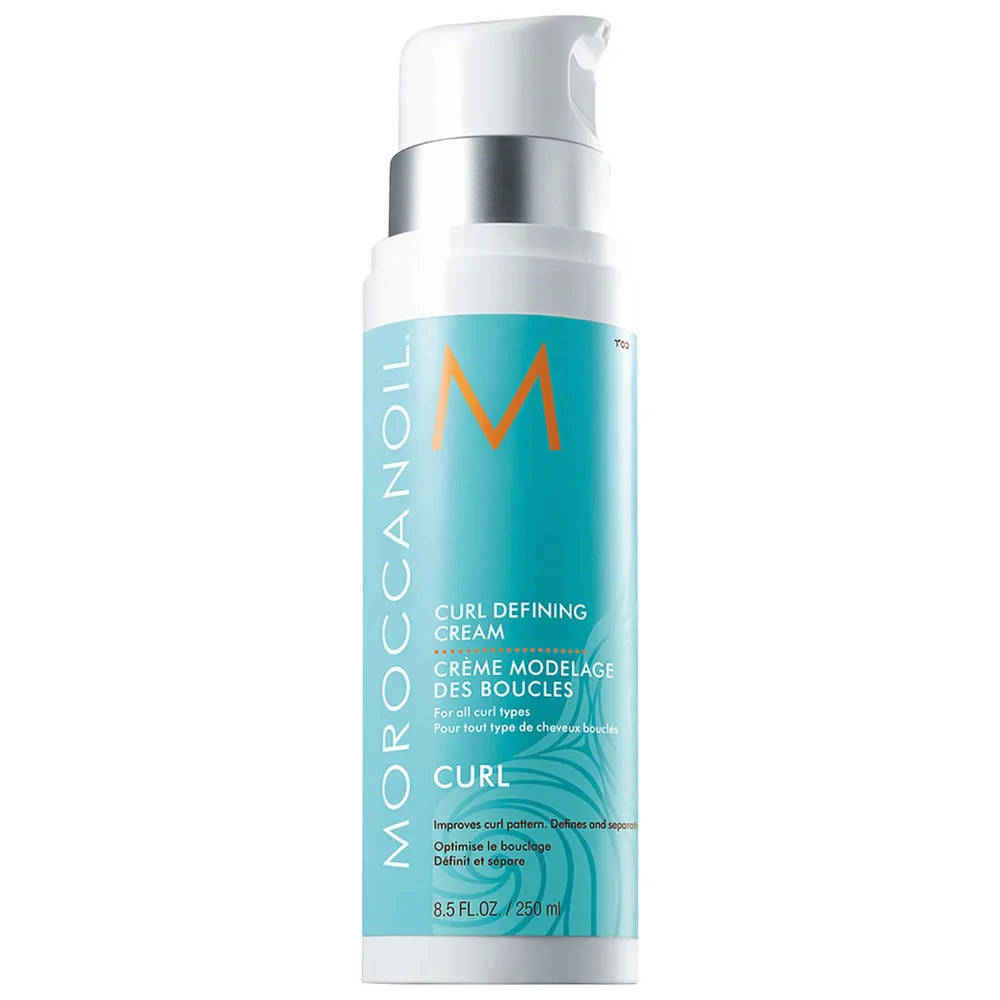
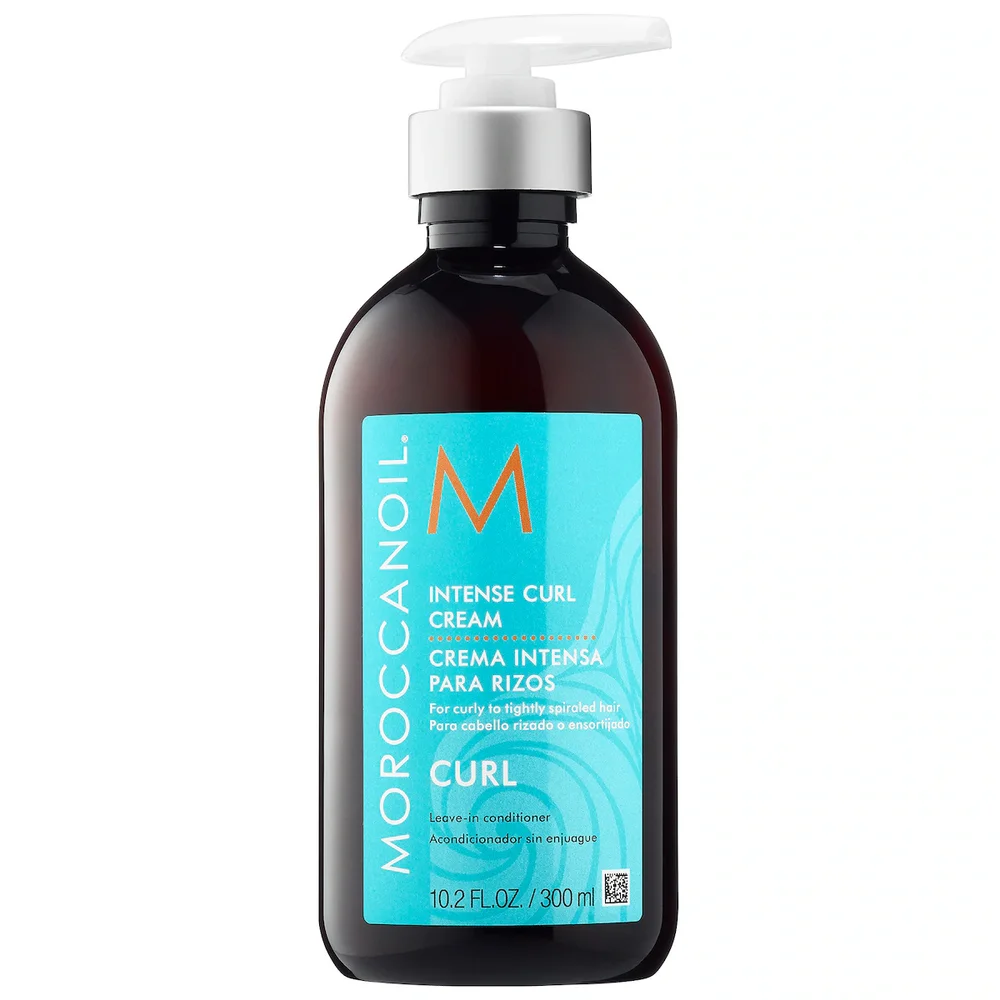
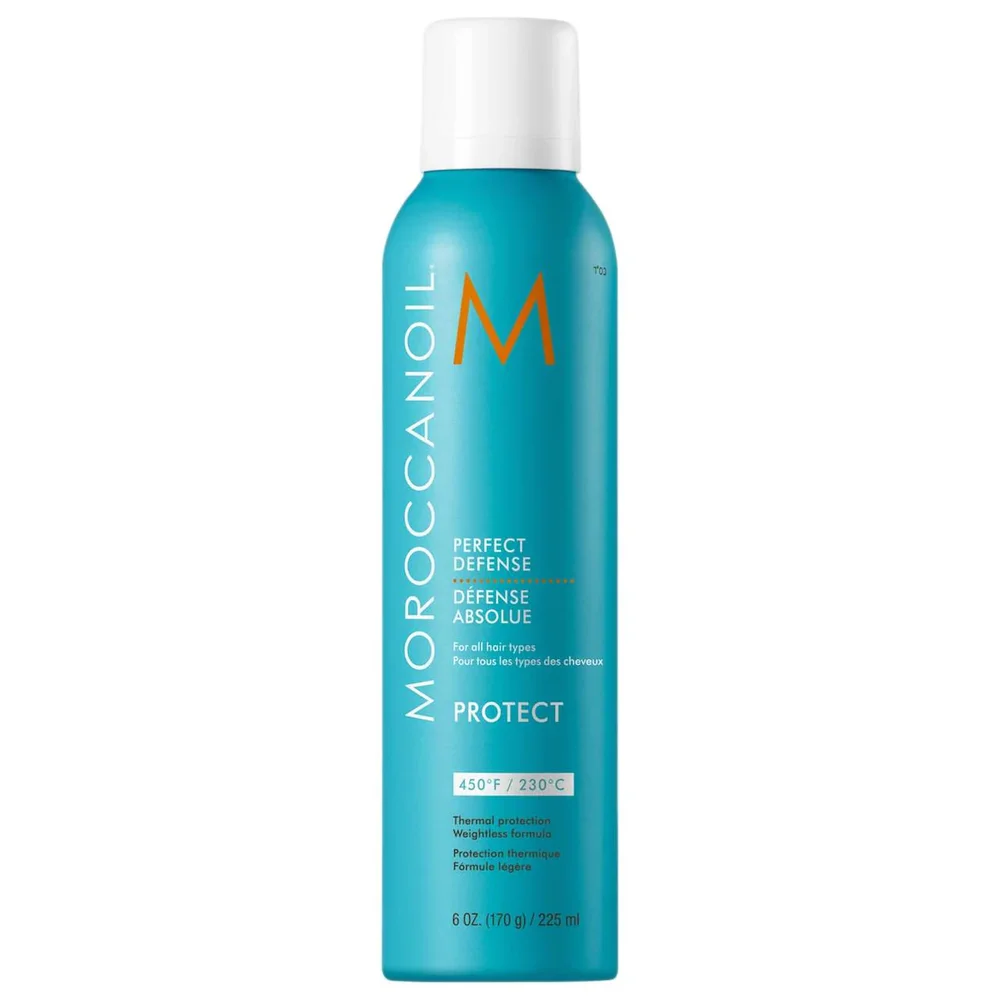
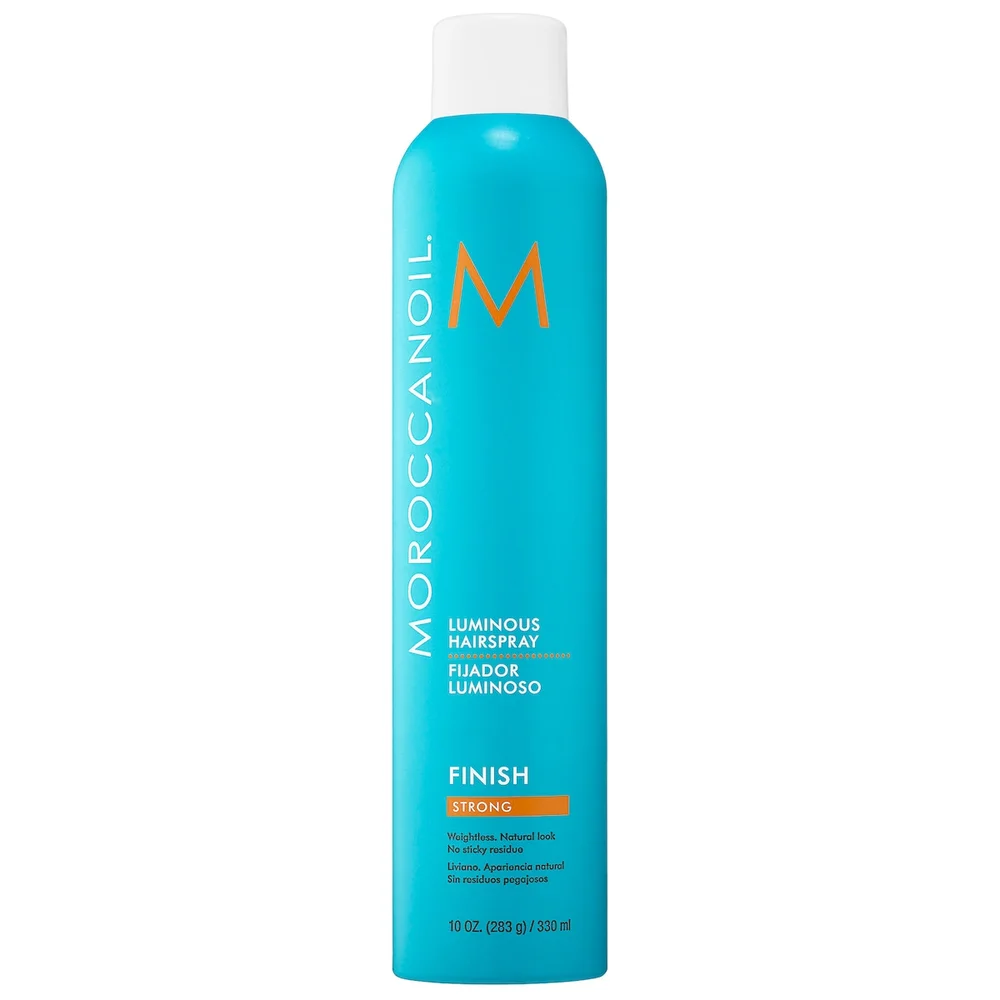
I would buy Perfect Defense before another styling cream if I use hot tools: it is a dry aerosol heat protectant for damp or dry hair, with protection up to 450 degrees Fahrenheit. Luminous Hairspray Strong Finish is the firm but movable finishing step, made to repel humidity and brush out without flakes. For curls, Curl Defining Cream is the styling-forward option for defining shape and fighting frizz; Intense Curl Cream is a leave-in conditioner for softer, more hydrated curls.
I would skip buying all four at once. Start with the one task your routine actually lacks, and leave hairspray out if you do not style with hold. If my hair is curly, I would compare the creams first; for regular blowouts, the heat spray would earn its place sooner. That is my practical rule for a brand that began with one multi-use formula: buy for a real routine gap, not the story alone.