ANTA Sports is PUMA’s largest shareholder after a 2026 stake purchase, but the German brand remains independently managed. Here is its story.
Who Owns Puma? ANTA Sports Is the New Largest Shareholder
The Current Owner
ANTA Sports is PUMA’s largest shareholder after completing its purchase of a 29.06% stake from Artémis in 2026; PUMA remains publicly listed and independently managed. If you are asking who owns Puma, ANTA holds the largest single stake, not the whole company, and PUMA’s October announcement says management and brand autonomy stay with PUMA.
The PUMA parent company question needs a little precision: the business behind the cat logo is PUMA SE, and its own company description says it designs, develops and sells footwear, apparel and accessories. Puma’s range moves between football, running, training and Sportstyle, while its other labels include Cobra Golf and stichd. The company is based in Herzogenaurach, Germany, and its investor page says about 71% of shares were in free float as of October 26, 2026. So the story is not a full buyout of a private brand. ANTA is the most important shareholder in a listed company that keeps its own identity. For anyone asking who makes Puma, the answer is the PUMA business itself, which creates and sells the product line rather than being a label within ANTA. I would start with that distinction, then get into the more interesting history.
Rudolf's First Shoes
Who founded Puma? Rudolf Dassler, after he and his brother Adolf went separate ways; the two had started the Dassler shoe business in Herzogenaurach in 1919. Rudolf registered his own shoe company in 1948, and PUMA became its trademark that October. The name was chosen for the animal’s speed and agility, a very literal sports brief. PUMA’s first football boot, ATOM, arrived soon after the new company; the SUPER ATOM followed with screw-in studs. That is a useful origin story: a maker beginning with the problem of grip, not a fashion house chasing a logo.
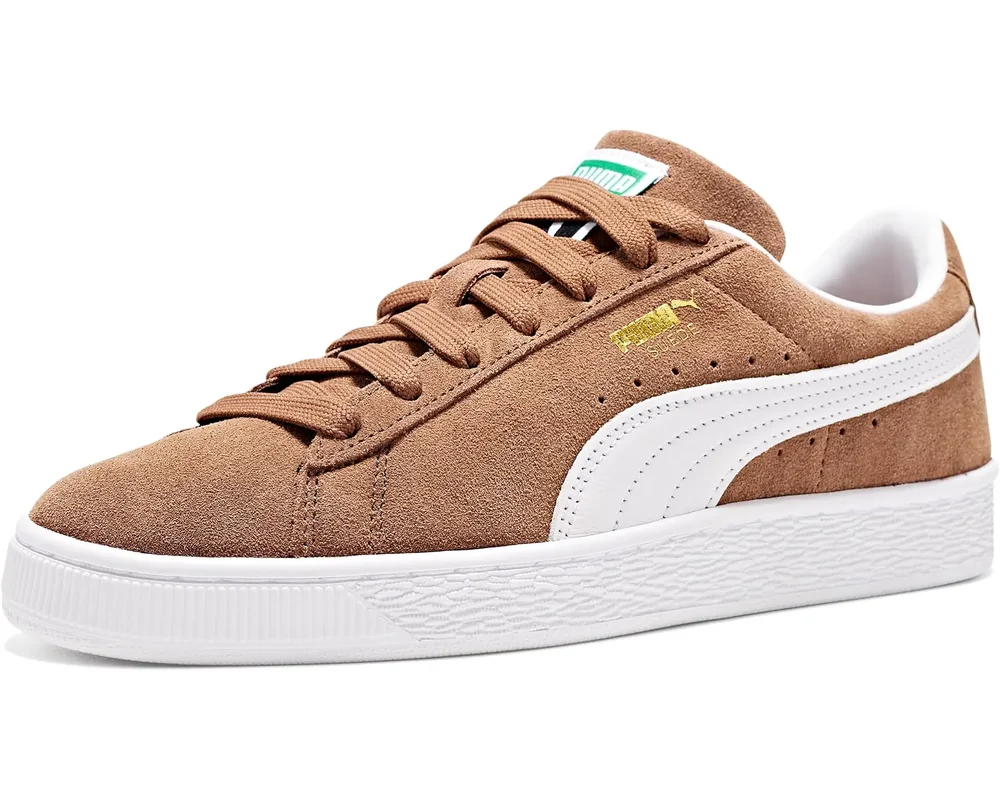
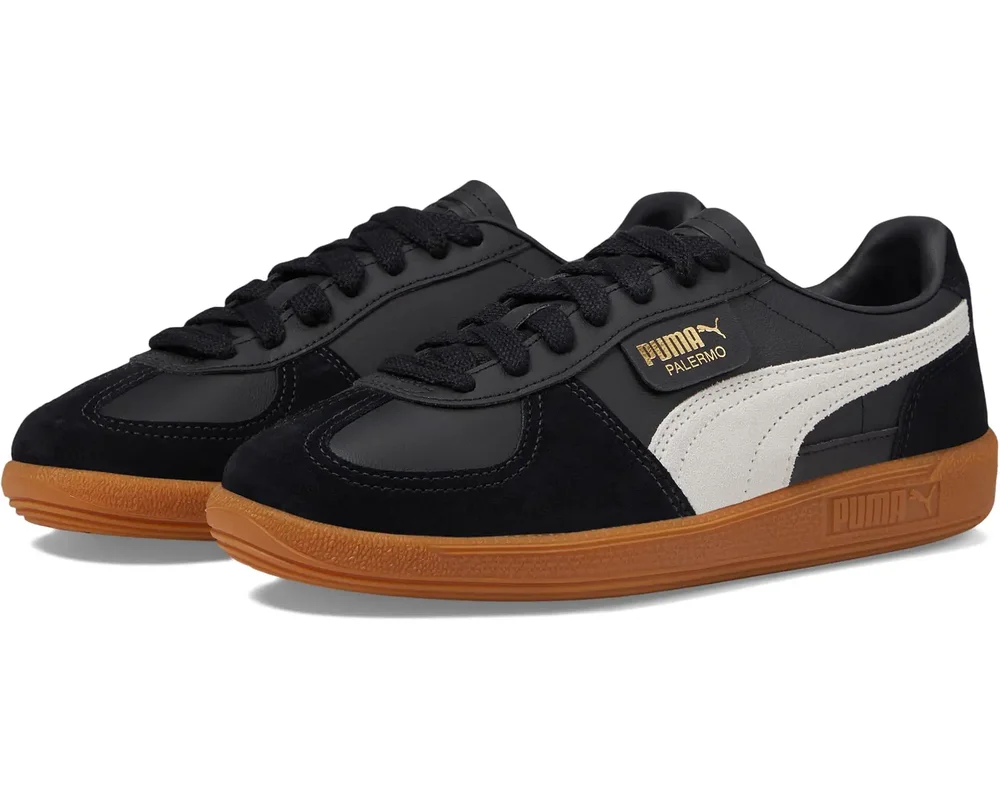
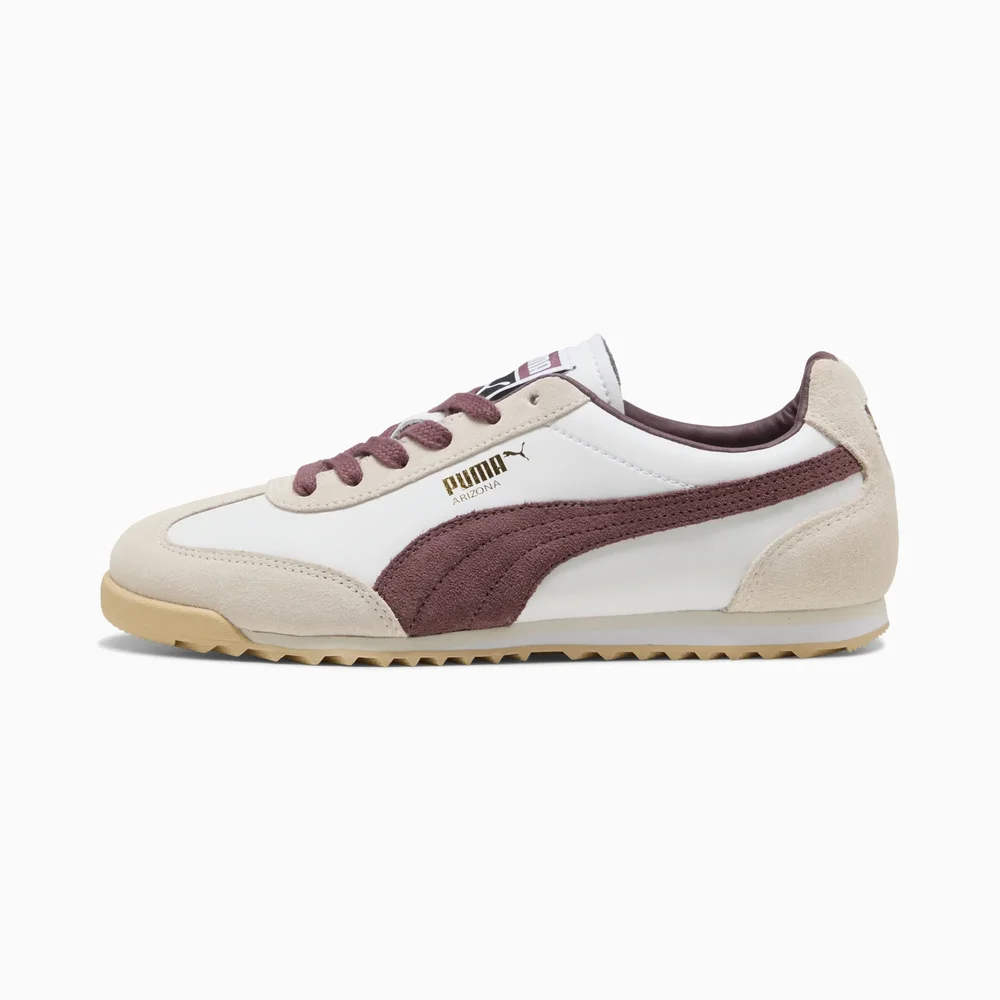
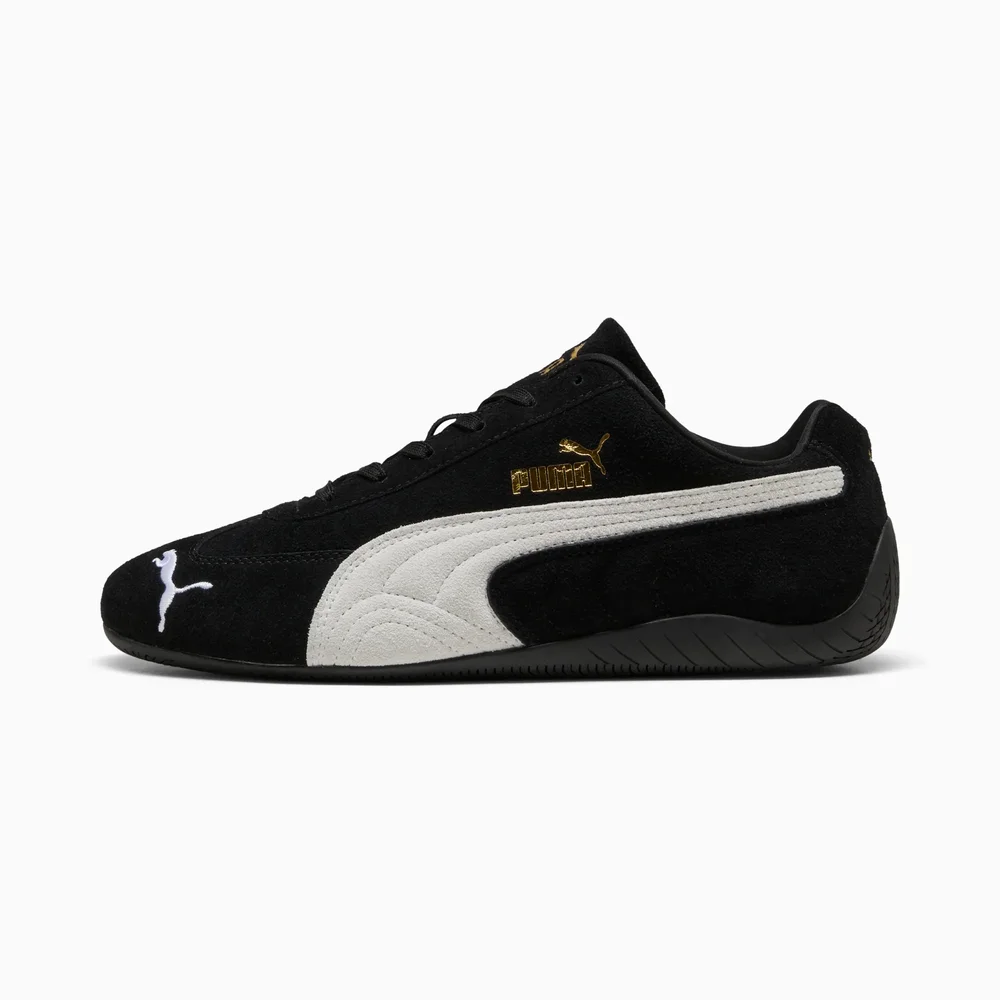
For a first pair, I would start with Suede Classic Shoes, the simple suede option, or Palermo Leather Sneakers, whose terrace-toe trim feels a little more deliberate. Arizona Retro Shoes keep the shape low and easy; Speedcat Shoes have the close-to-the-ground racing line. The four styles borrow different parts of PUMA’s early sports vocabulary, and I’d choose the Suede Classic unless you actively want the Speedcat’s narrow profile.
From PPR to ANTA
Ownership did not move straight from the Dasslers to ANTA. PPR acquired control in 2007, and PUMA became part of its company. In 2018, Kering distributed about 70% of PUMA shares to its shareholders, lifting the public float; the Pinault family’s investment company Artémis became the largest shareholder. It kept that role until ANTA closed its purchase in October 2026. The switch changes the biggest shareholder, not PUMA’s stated day-to-day independence.
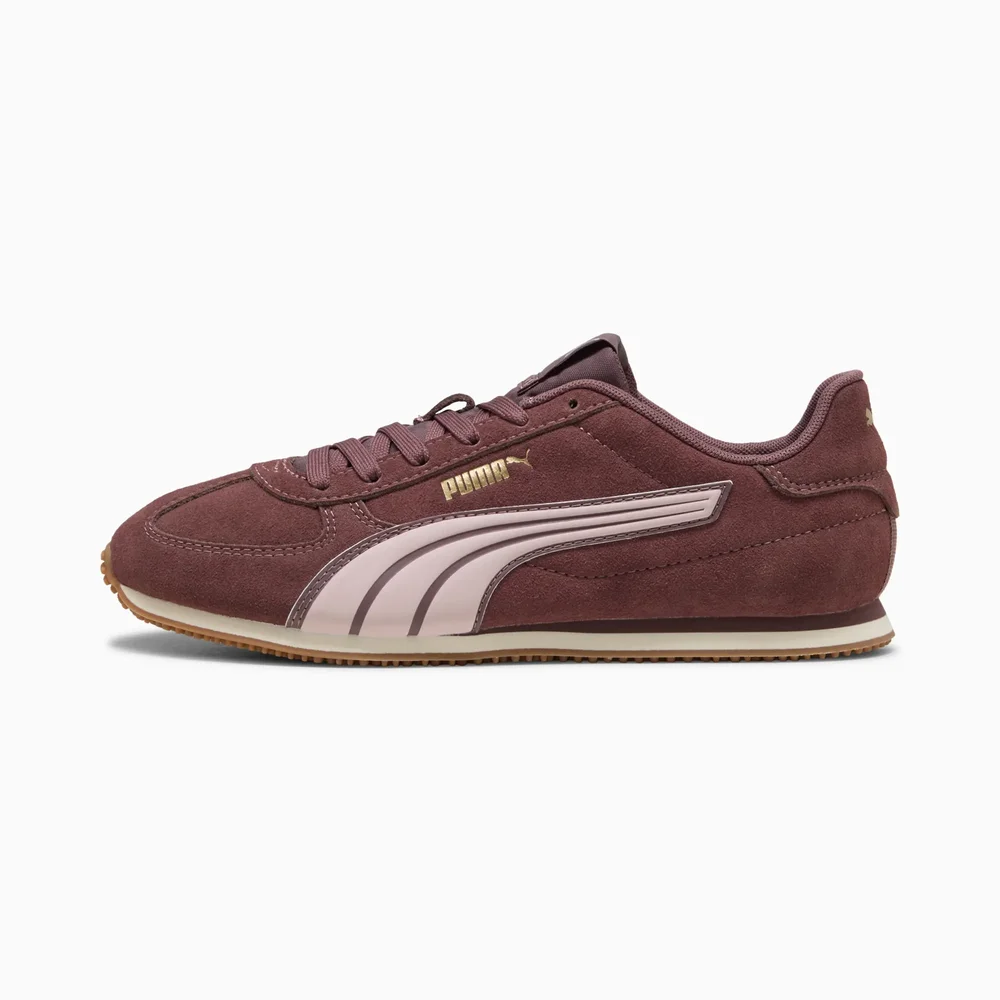
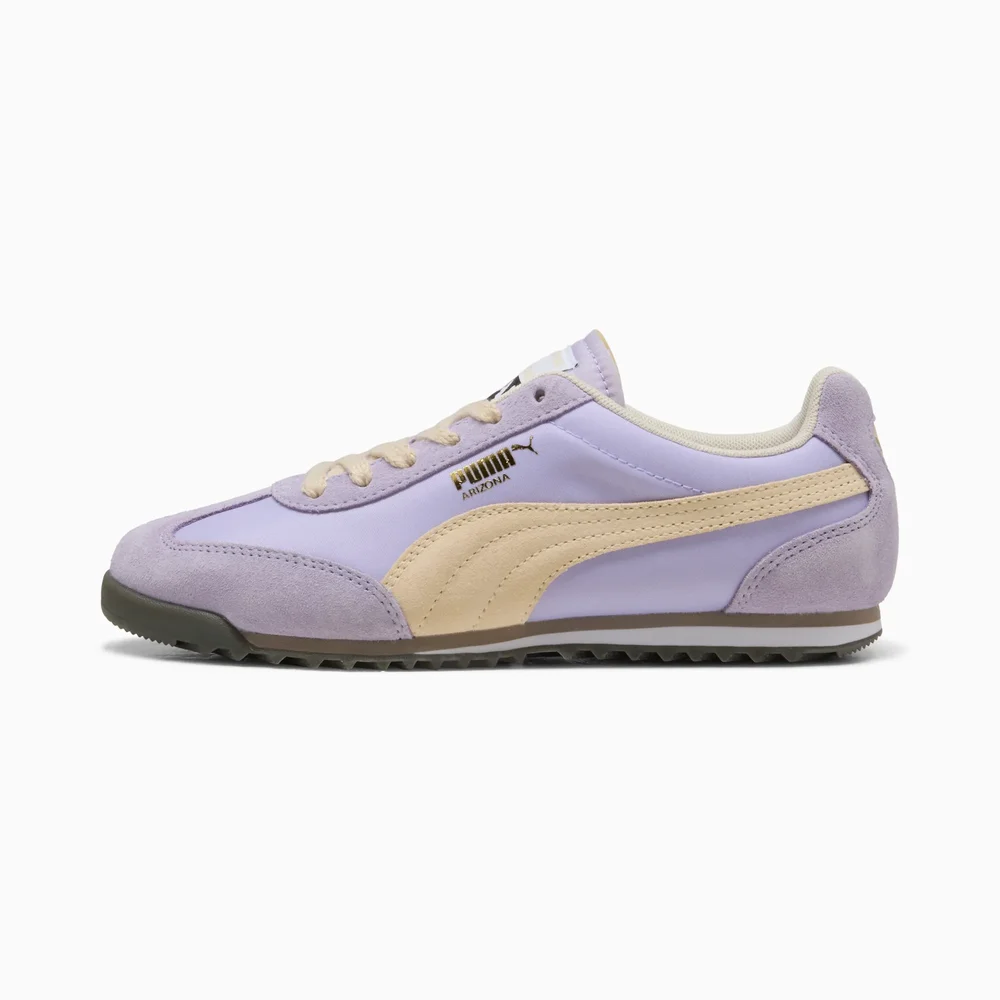
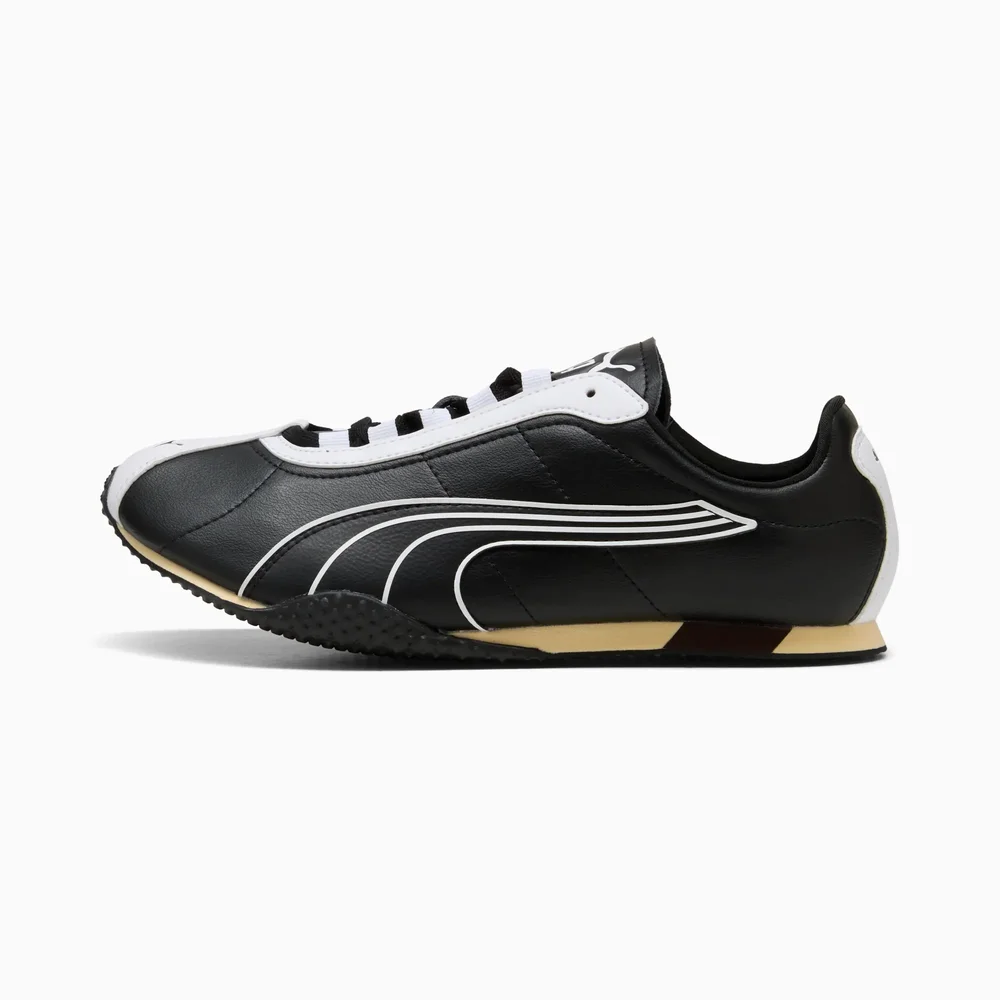
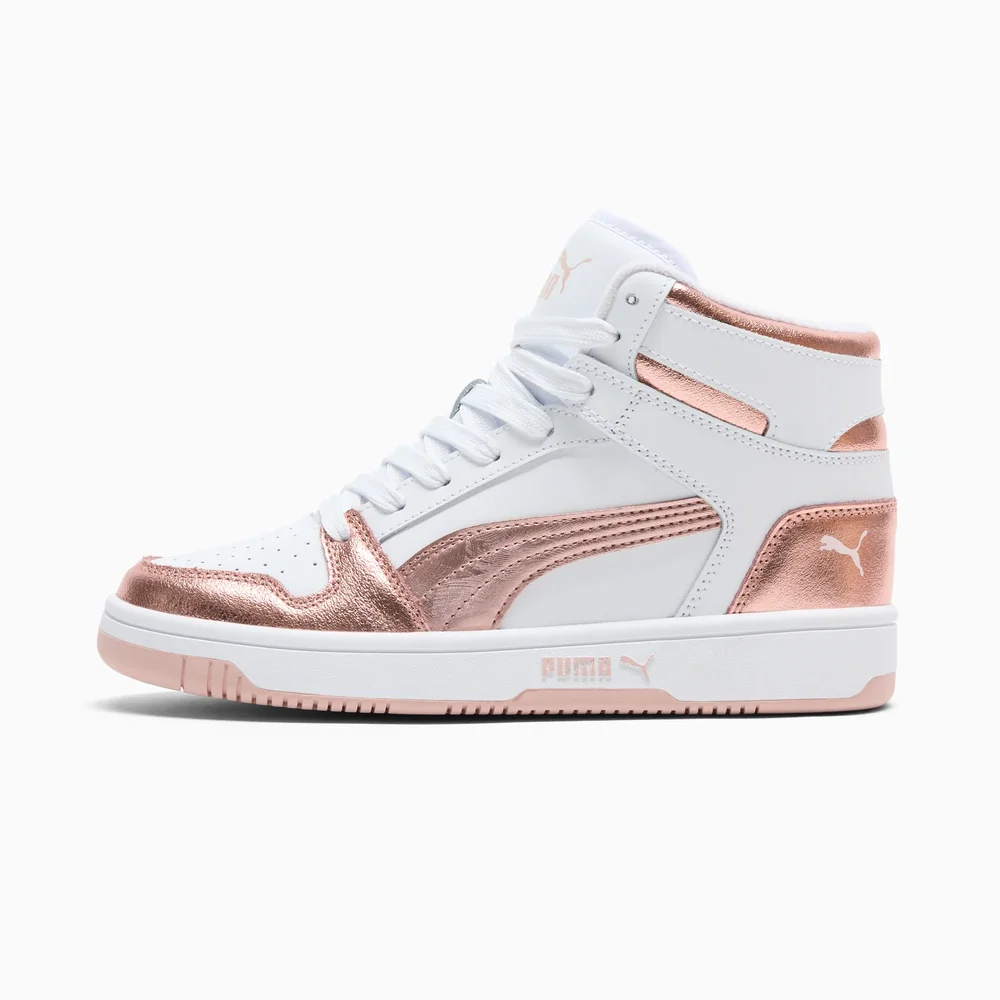
ANTA Sports’ own brand list includes its namesake ANTA, FILA in China, DESCENTE, KOLON SPORT, MAIA ACTIVE and JACK WOLFSKIN; PUMA is a shareholder investment, not simply one of those labels. I would not read the latest stake as a signal that PUMA’s catalog will suddenly look like ANTA’s. For something to wear now, ST Track Shoes bring a sprint-inspired mesh feel, Arizona Nylon Shoes are the lighter textile take, H-Street OG Shoes revisit an early running-spike silhouette, and Rebound Layup Sneakers lean into 1980s basketball. My pick is the H-Street if you like the sport backstory, but Rebound is the easier court-shoe starting point.
What I Would Buy First
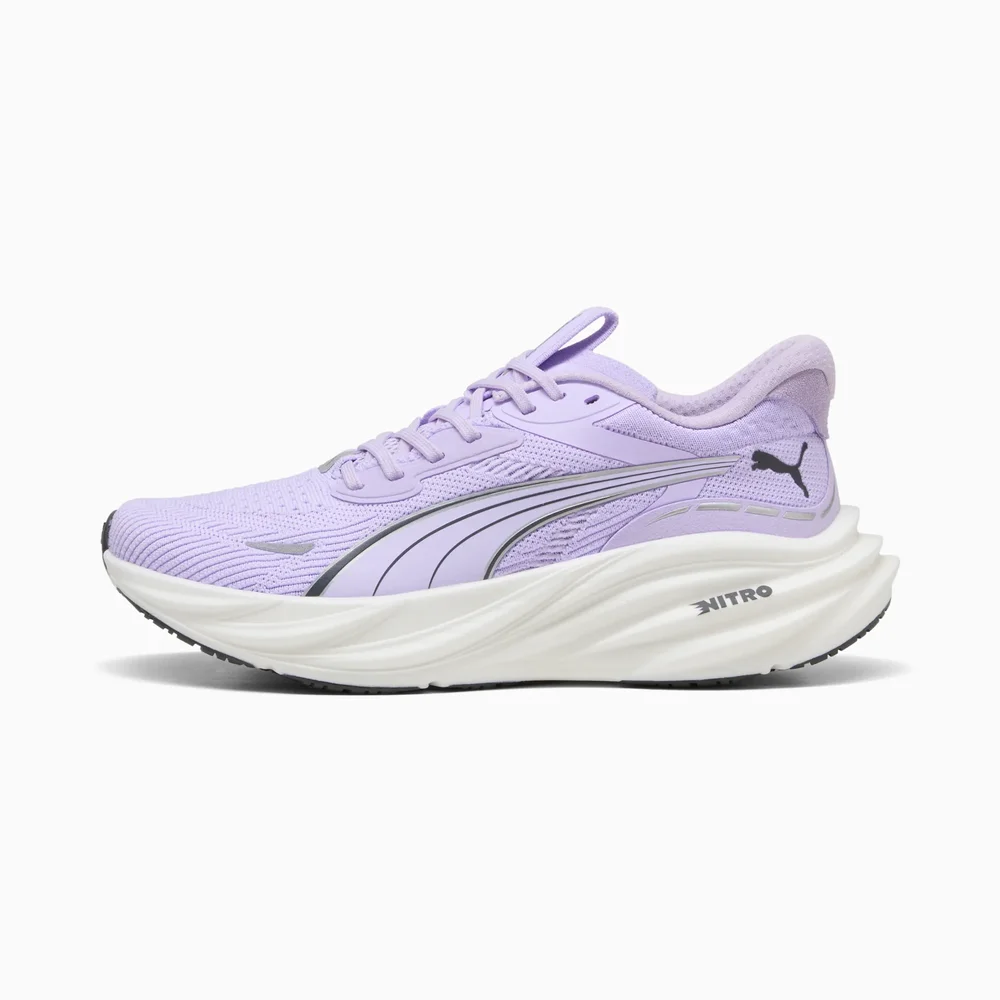
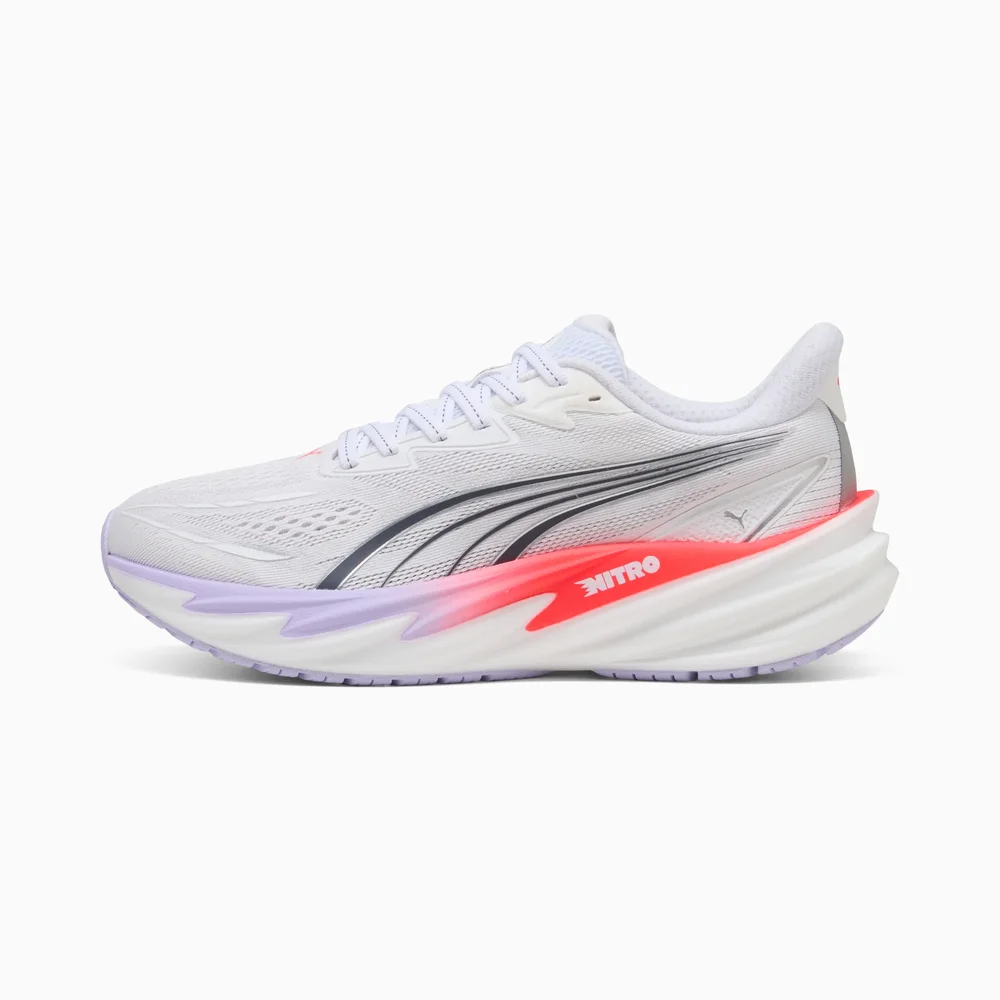
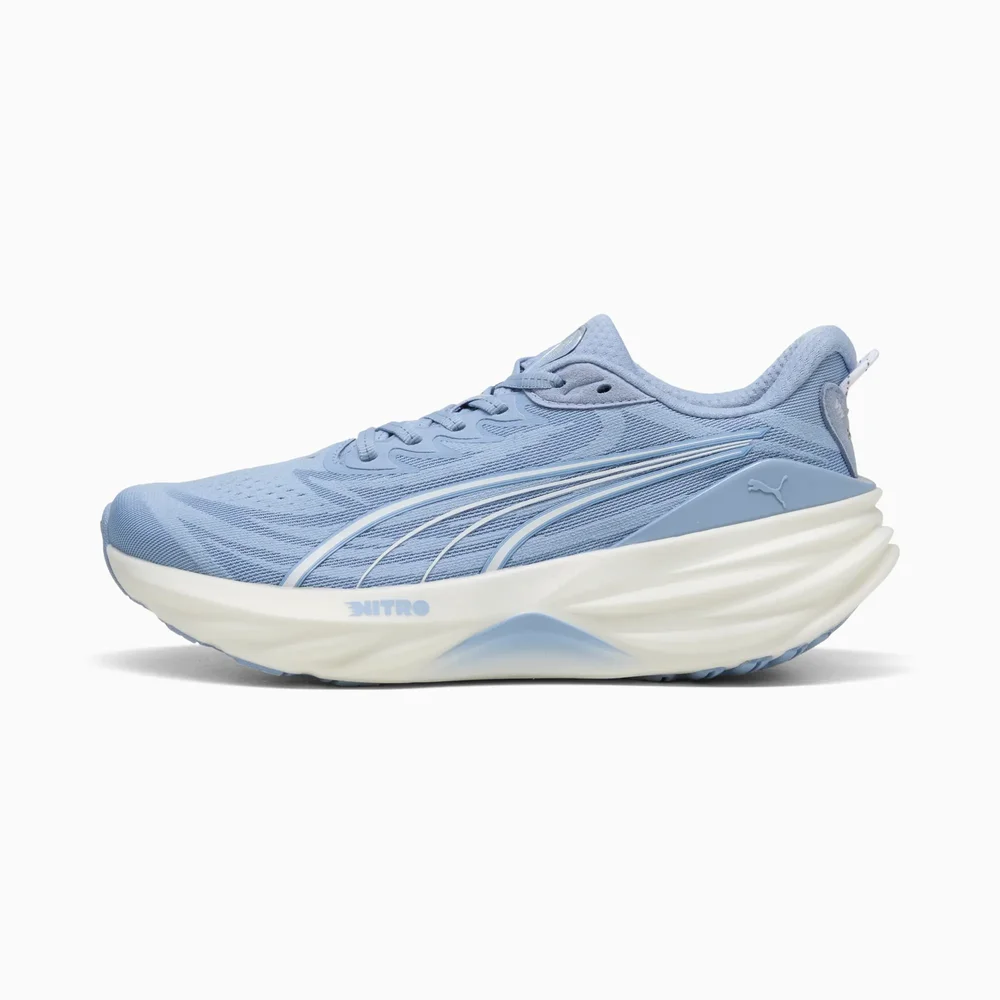
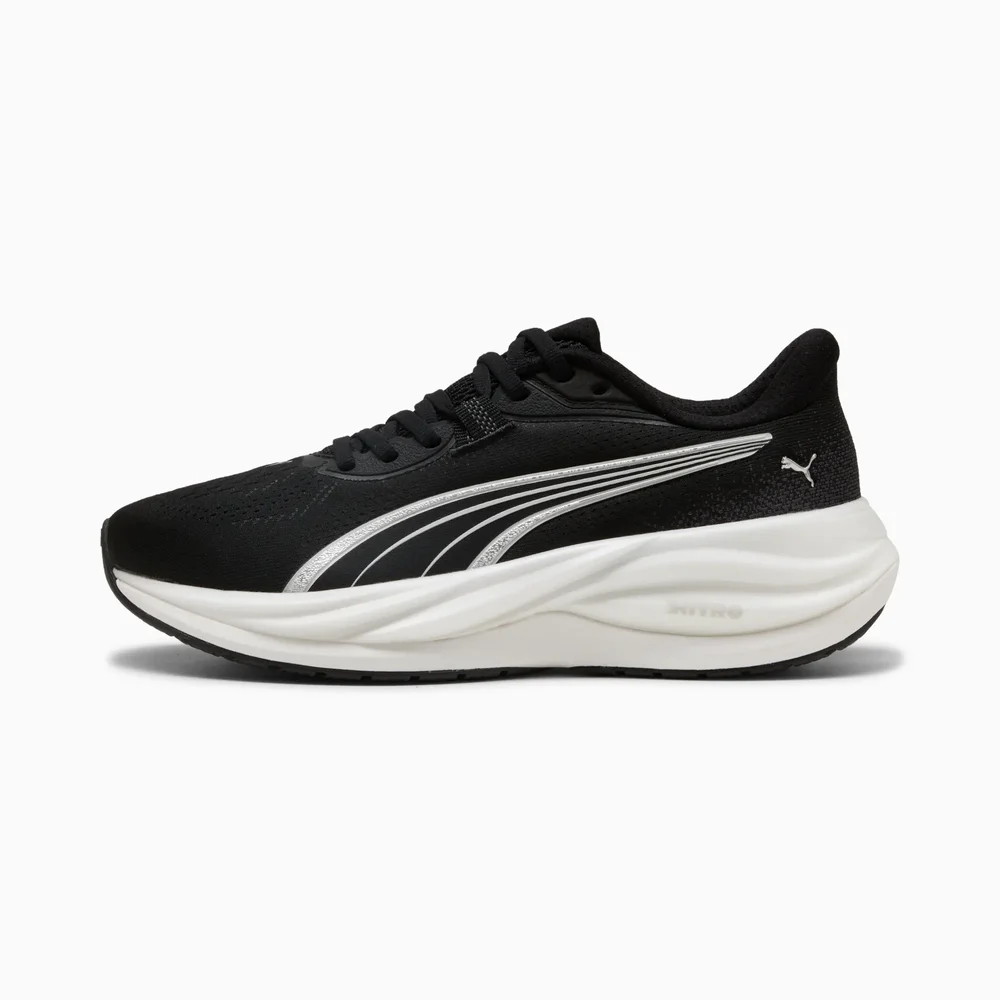
Then choose based on what you actually do. Magnify Nitro 3 Running Shoes are the plush end of this set, with NITROFOAM and a grippy PUMAGRIP outsole; Velocity Nitro 5 Running Shoes look like the all-round daily-run choice. Foreverrun Nitro 3 Running Shoes add dual-density cushioning and a heel-support system, while Electrify Nitro 5 Running Shoes pair Nitrofoam with Profoam for a more accessible performance option.
If you are choosing a casual sneaker, I would skip all four; they are built around running, and the retro names do not change that. My first buy for most non-runners remains Suede Classic or Palermo. I would choose one Nitro model only if running is the point, then decide between more cushioning and a lighter everyday trainer. A smart Puma purchase is the one that fits your actual use, not just the version of the brand that is currently getting the most attention.