Reebok is owned by privately held Authentic, which bought it from adidas in 2022. Its products now run through regional partners.
Who Owns Reebok? Authentic And Its New Operating Partners
Owner And Operators
Reebok is owned by Authentic (ABG), a privately held brand owner whose acquisition from adidas was completed in February 2022. The latest reporting I found still described ABG as privately held and said it was preparing a potential early 2027 IPO, not reporting a completed change in ownership. If you came here asking who owns Reebok, that is the direct answer; the Reebok parent company is still private.
As for who makes Reebok, the answer depends on the work and market: ABG named Galaxy Universal its U.S. footwear operator and global product creation, design and sourcing lead, with Reebok remaining headquartered in Boston. A Galaxy and Batra joint venture covers Europe and the UK, while NewRee handles production, import, distribution and sales in Mainland China, Hong Kong and Macau. I like the clear owner on the label, but owner and operator are not interchangeable. ABG's operator update lays out the split.
The Shoes Before The Name
Who founded Reebok? The story begins one generation earlier: Joseph William Foster made his first spiked running shoes in 1895, then brothers Joe and Jeff started their own sports shoe company in 1958 as Mercury Sports Footwear. The name changed to Reebok in 1960. I like that the origin starts with a useful shoe and a family trade, not a marketing promise.
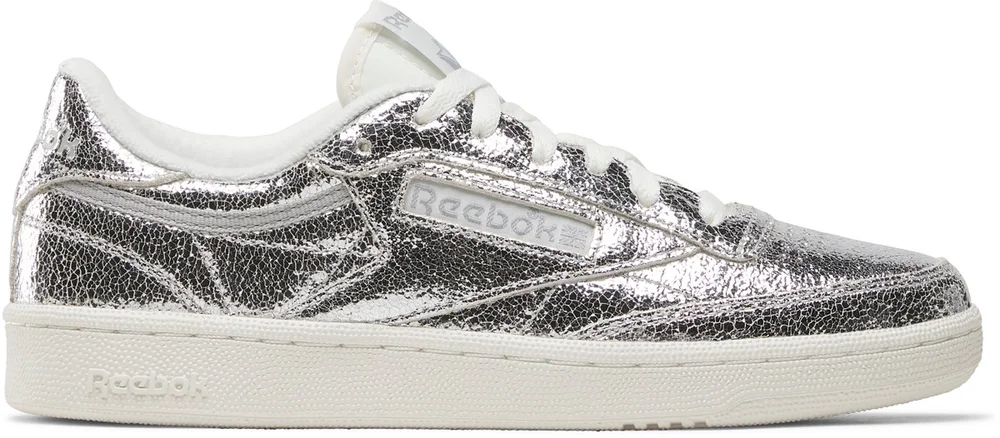
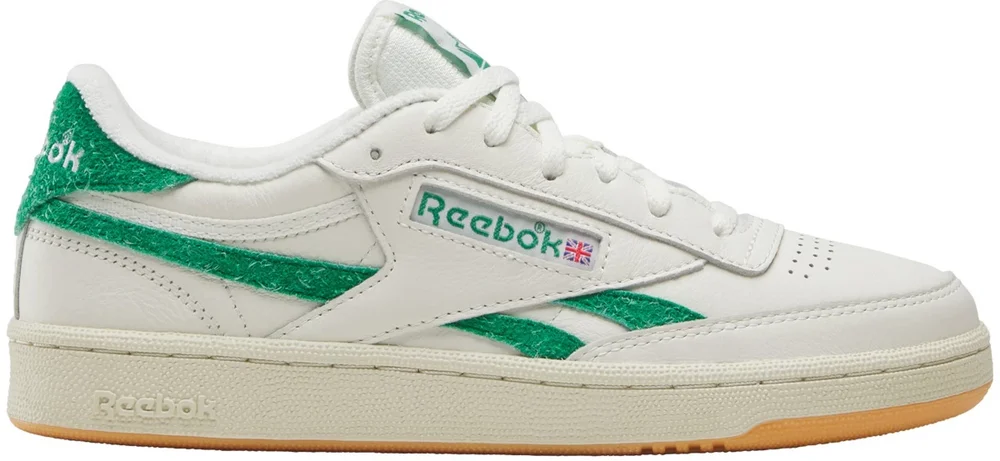
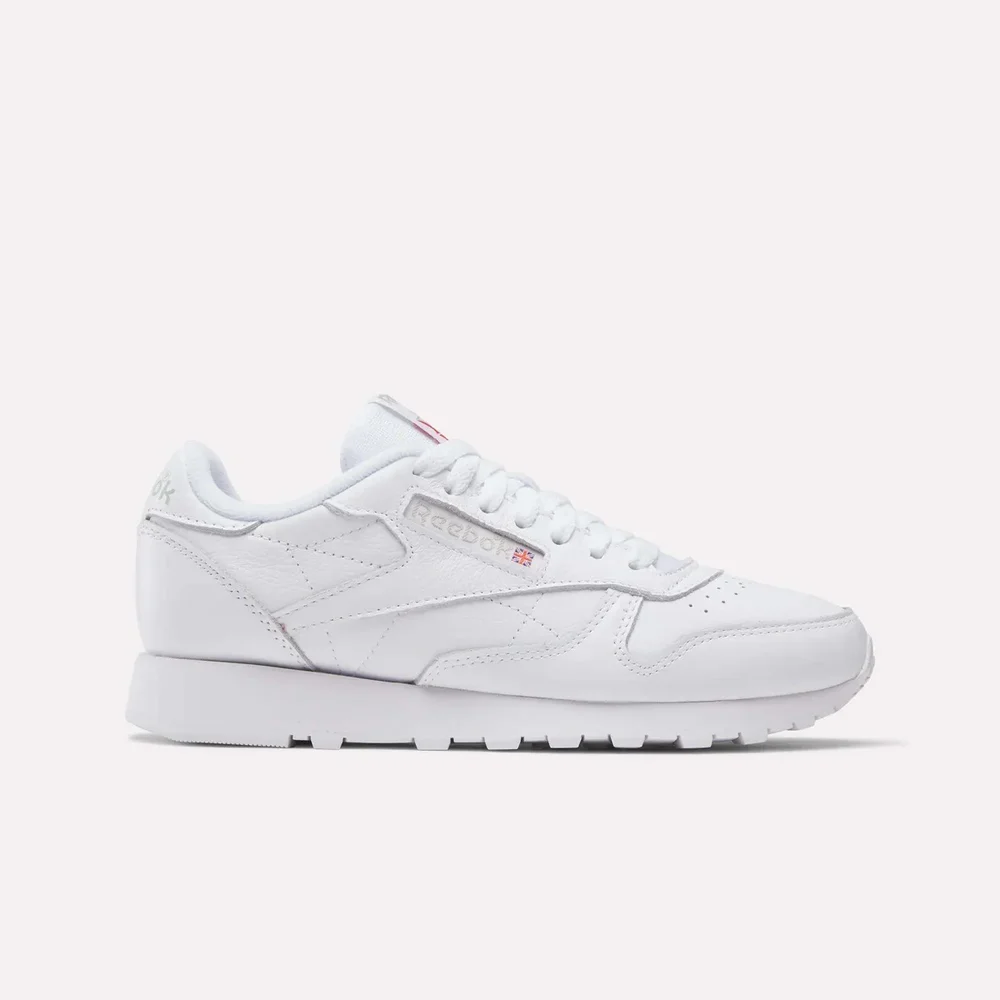
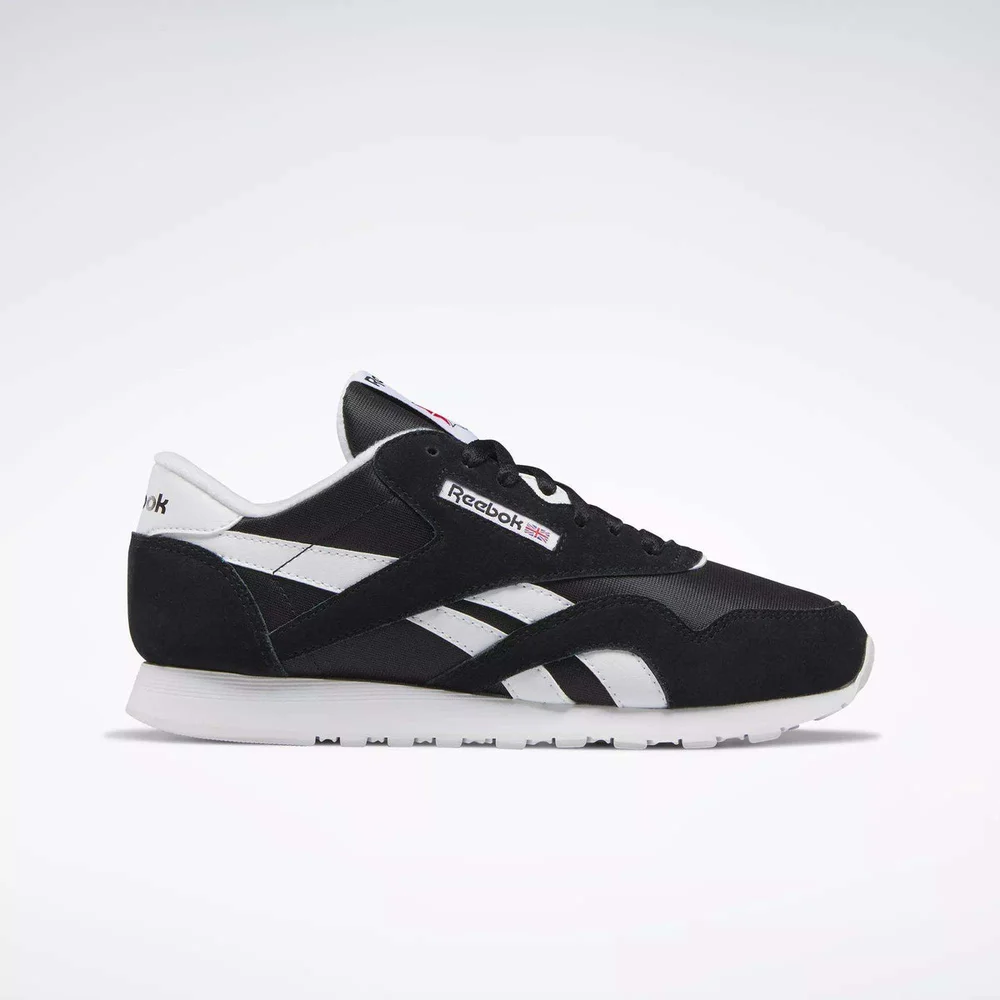
For a modern version of that straightforward footwear story, I would start with the Club C 85 and Club C Revenge, then compare them with the Classic Leather and Classic Nylon. ABG calls Club C and Classic Leather heritage silhouettes; Reebok describes Classic Nylon as an everyday nylon shoe with suede overlays. My first pick would be Classic Leather for its simple profile, while Classic Nylon is the more textured option. ABG's Reebok announcement names two of those long-running shapes.
Ownership Changed Hands
Reebok's ownership has been a real chain of hands. Paul Fireman secured U.S. distribution rights in 1979, bought out the British parent in 1984 and arranged the first public stock offering in 1985; adidas had completed its acquisition by February 2006. ABG took over from adidas in February 2022. I find that history more useful than calling Reebok a legacy label, because creating a shoe and owning its name are plainly different jobs.
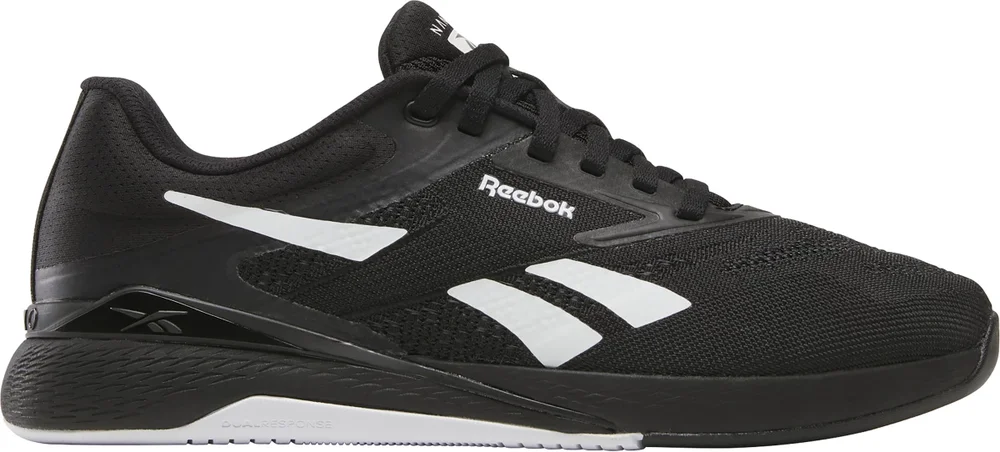
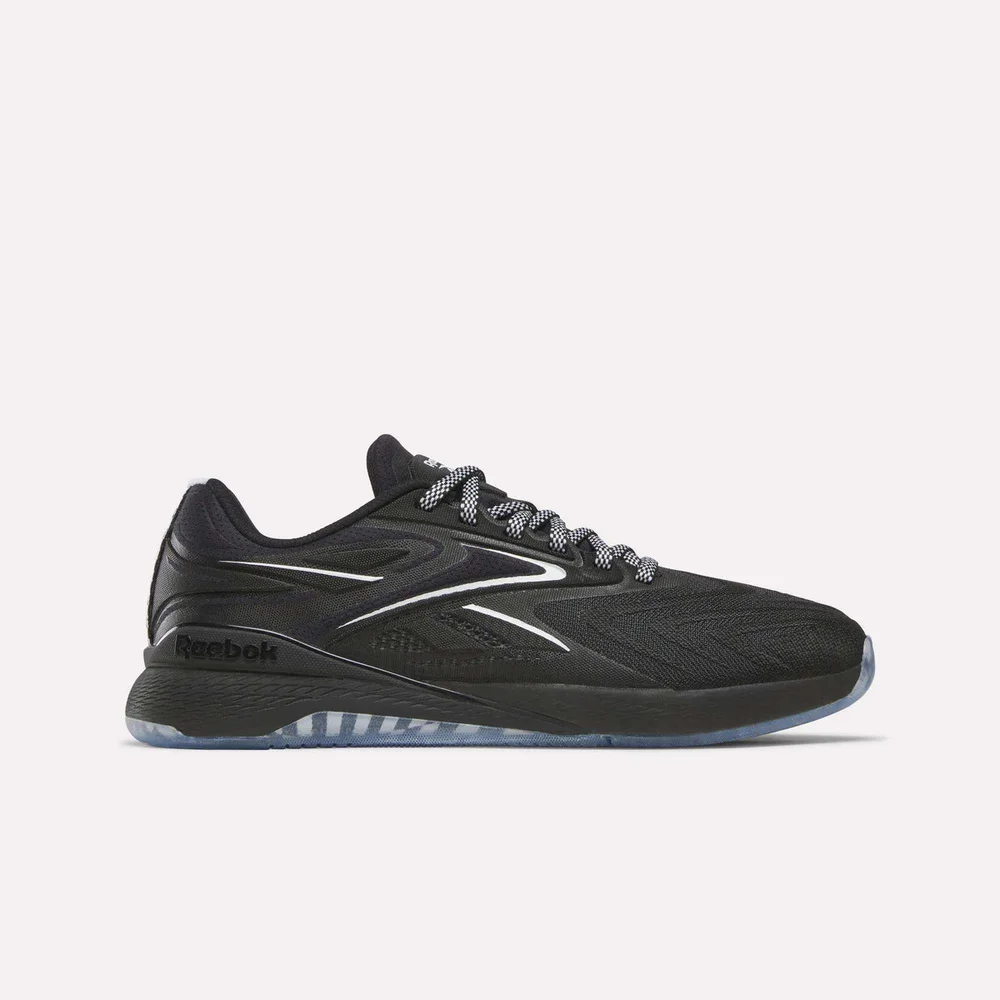
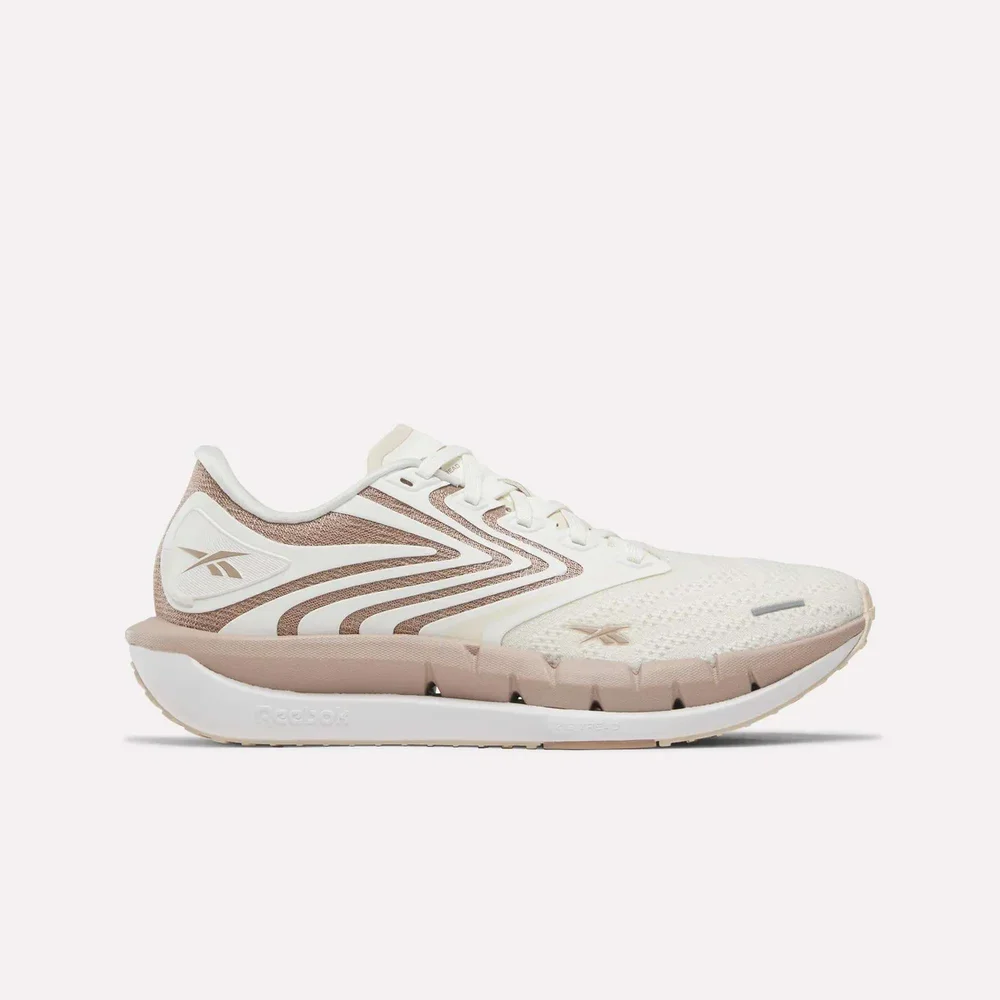
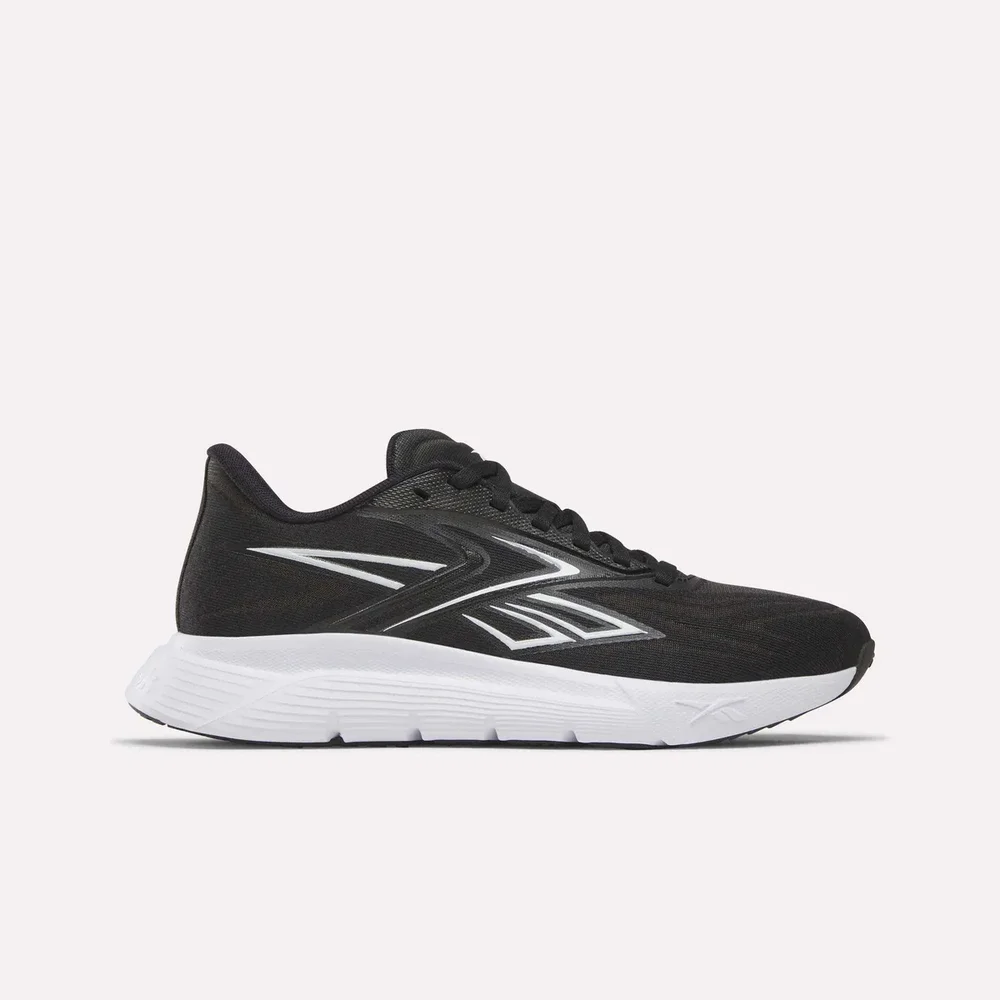
ABG's acquisition announcement described a new operating partner model and a Reebok design hub with SPARC for global product development and innovation. In the current training range, Nano X5 blends lifting and conditioning, Nano X5 Edge puts stability first, and Nano Gym 2.0 suits mixed gym classes; FloatZig Tread is aimed at treadmill runs. I would begin with Nano X5 for a mixed routine rather than carry one specialist pair everywhere. Reebok's Nano guide draws those training distinctions.
What I Would Buy First
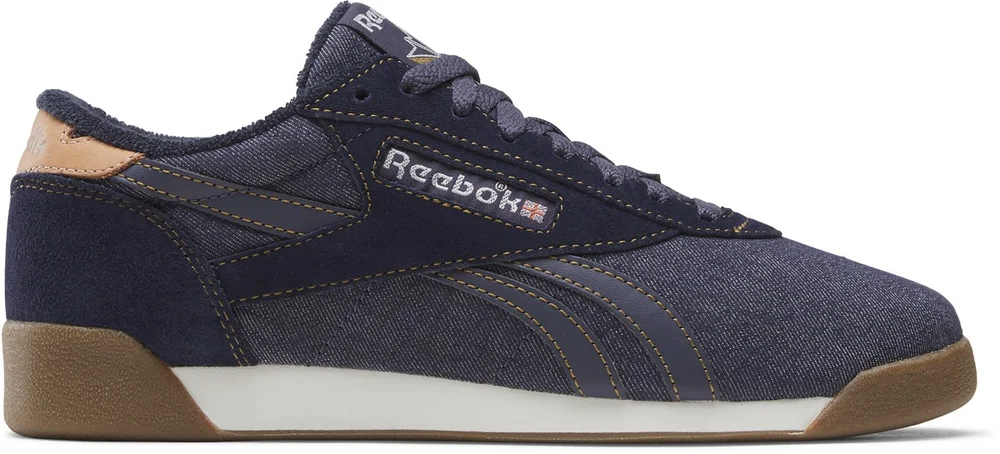
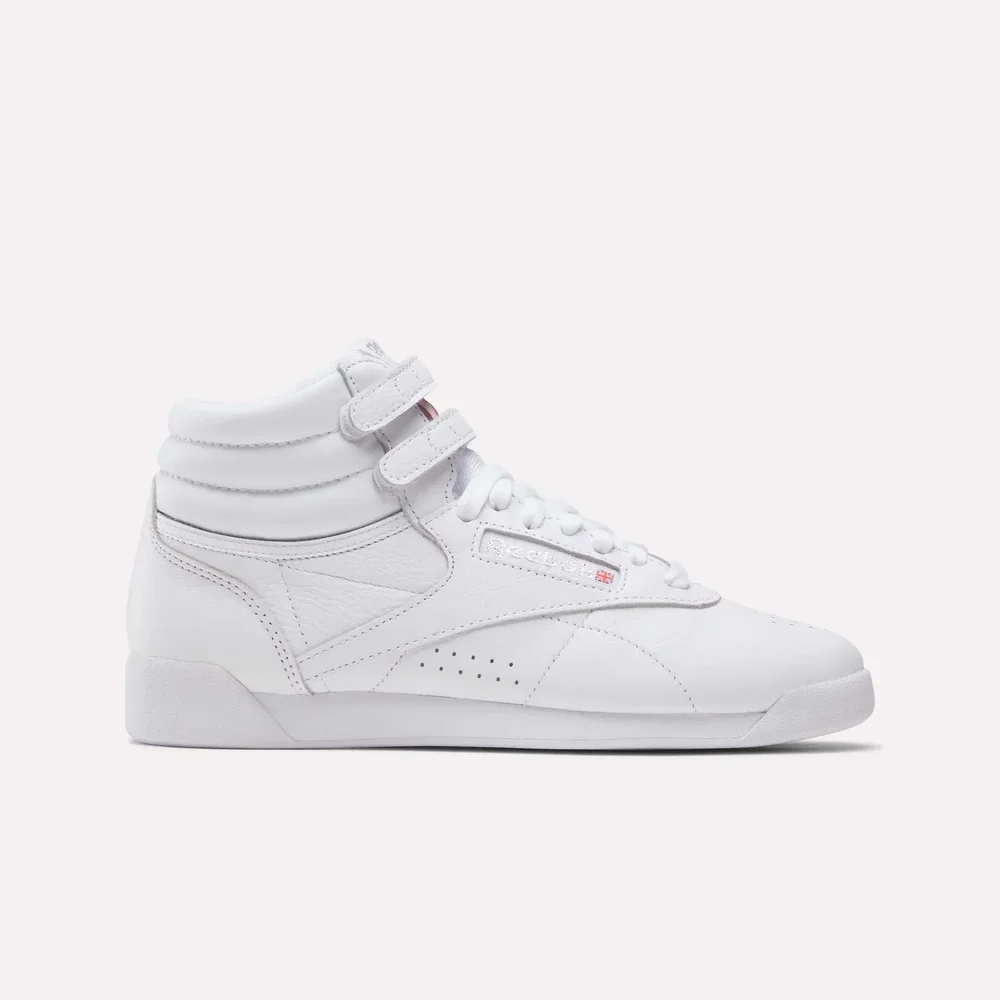
What would I buy first? I would start with Freestyle Lo, not because the high top is wrong, but because I wear low profiles more often. Freestyle Hi has the puffy collar and double H strap; the Lo keeps the same fitness silhouette in a lower cut. Reebok dates the Freestyle to 1982 and says it was the first athletic shoe designed specifically for women's fitness, so either version carries more history than a costume.
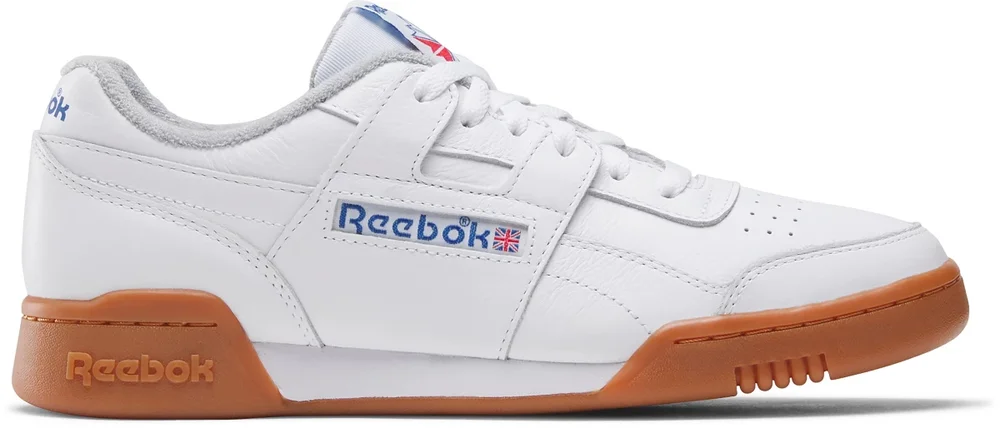
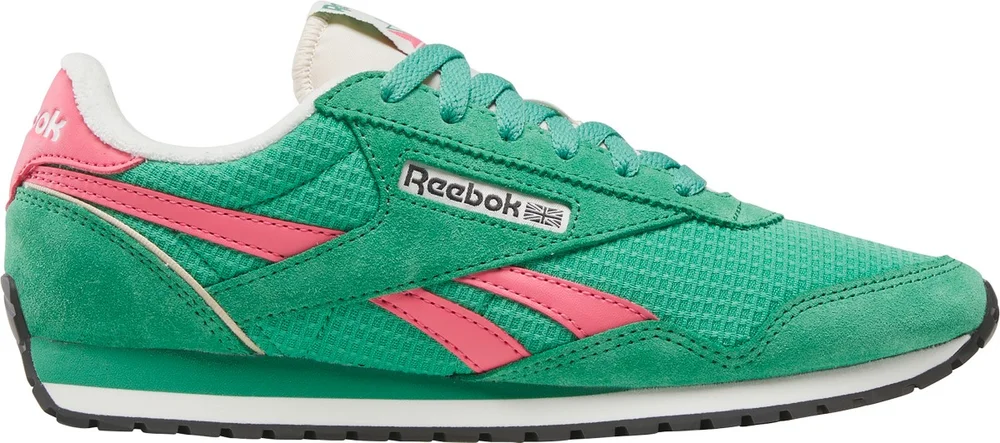
Then I would compare Workout Plus and Classic AZ on the days when I want something less precious: Workout Plus is my plain daily pick, while Classic AZ's green and pink feels like a deliberate color decision. I would skip buying all four just to check a Reebok box; start with the shoe that earns the most wears, and let Freestyle Hi be the fun second pair. Reebok's Freestyle story explains why the strap and collar matter.