Timberland is owned by publicly traded VF Corporation, which completed its acquisition in 2011. Here is the family history and what to shop.
Who Owns Timberland? VF Corporation and the 2011 Buyout
The short answer
Who owns Timberland? VF Corporation owns the brand, and its shares trade publicly on the New York Stock Exchange under VFC. VF completed the Timberland acquisition in 2011, so the timberland parent company question has a clear answer: VF, not the Swartz family today.
VF's 2026 annual report lists Timberland among its major brands alongside The North Face and Vans. It describes Timberland footwear, apparel and accessories as part of its Outdoor business. The company also uses independent contractors in its global supply chain, so who makes Timberland can mean two things: VF owns the label, while supplier factories produce goods for its brands.
The backstory is more personal than the corporate structure suggests. Nathan Swartz and his son Sidney helped develop the waterproof boot that gave the company its name, and the brand still sits in the New England town of Stratham. My shopping take is simple: the parent tells you who owns the label, not which boot fits your life. I would start with the job you need the shoe to do, then decide how much heritage styling you actually want.
A boot becomes a brand
Who founded Timberland? The official story gives Nathan Swartz and his son Sidney credit for developing its waterproof boots. The first Timberland-branded 8-inch boot arrived in 1973, and the 6-inch version followed three years later. In 1978, Abington Shoe Company took the Timberland name, a useful reminder that the label began as one practical boot rather than a vast wardrobe.
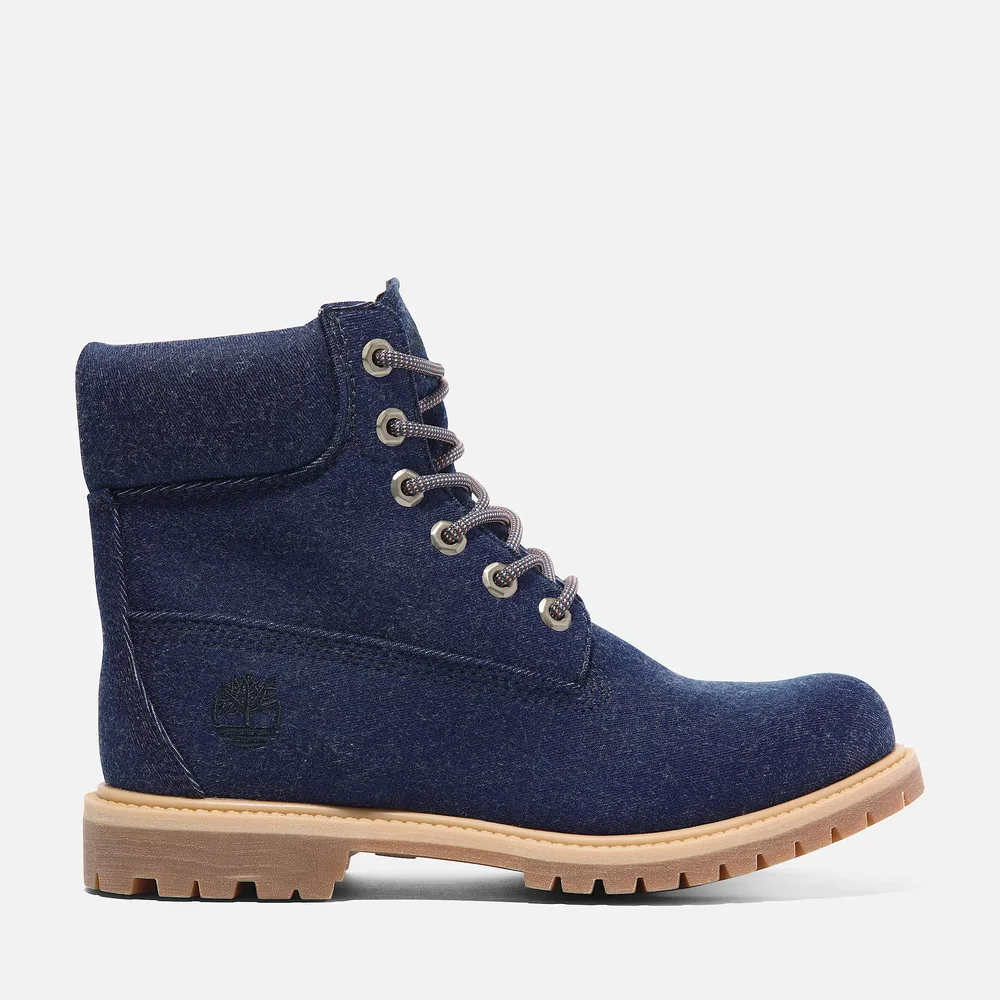
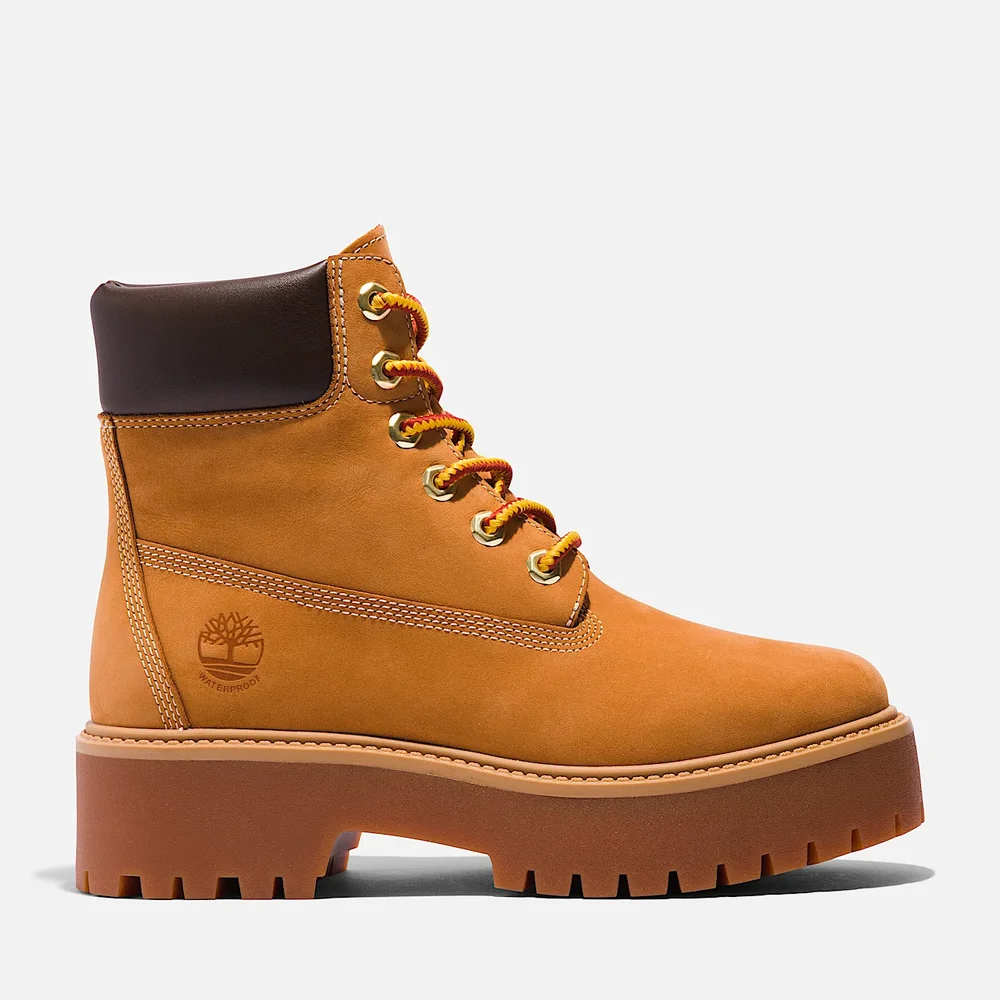
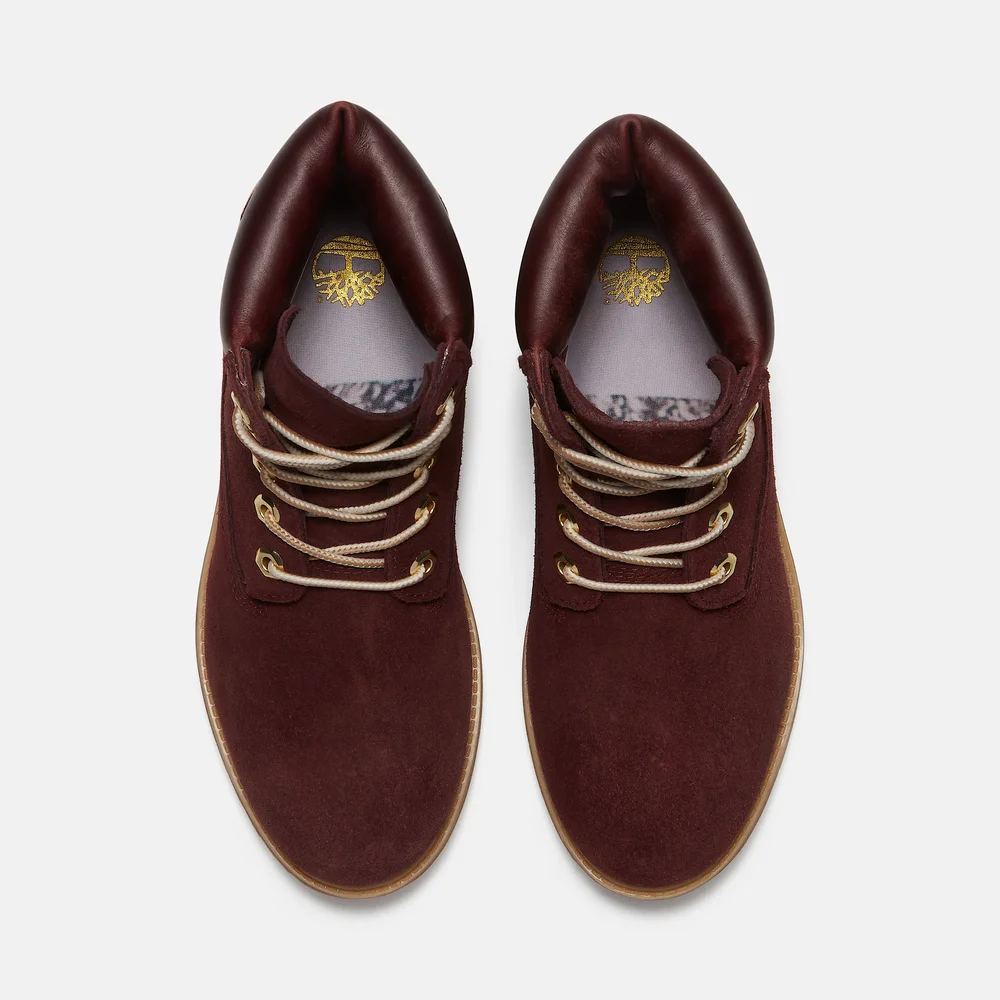
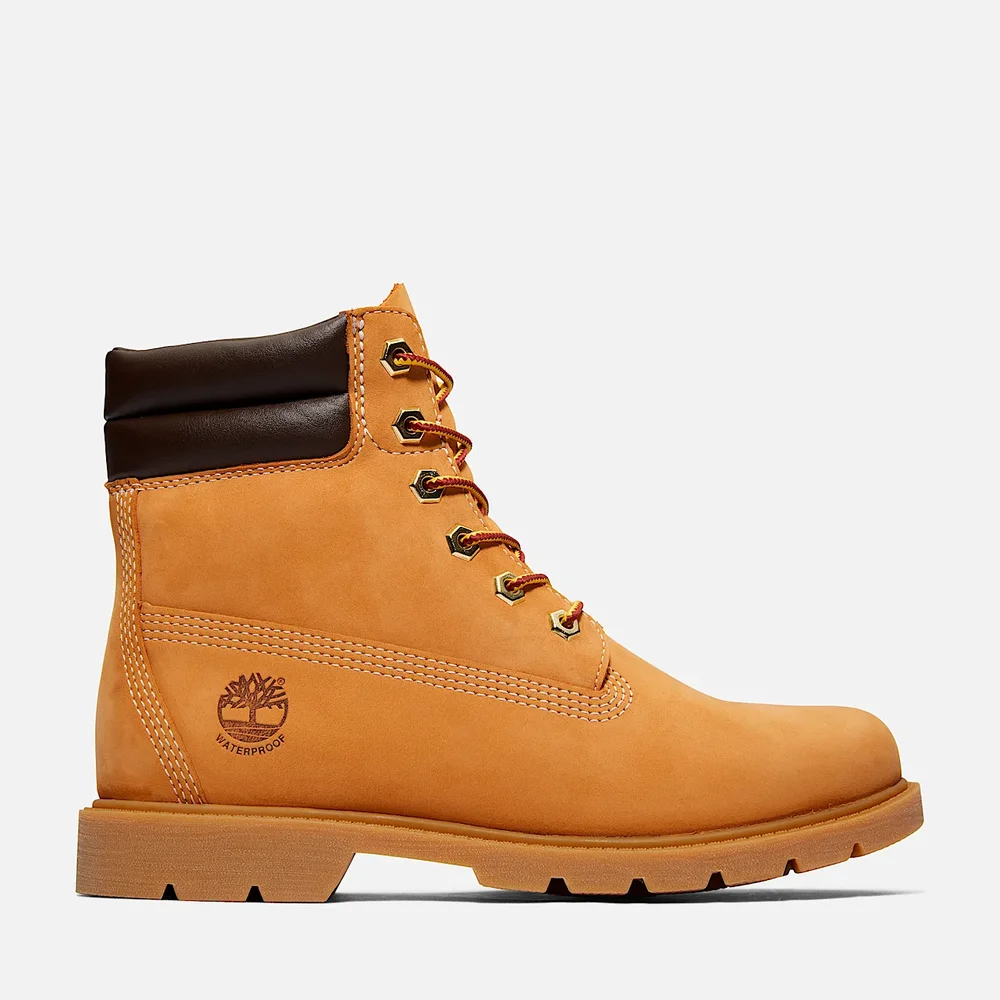
The Timberland 6-Inch Premium Boot keeps close to that lace-up outline, though the Dark Blue Canvas upper makes this version feel less like a uniform. Stone Street 6-Inch Waterproof Platform Boot lifts the profile with a platform sole. The Timberland 6-Inch C.F. Stead Suede Boot swaps in burgundy suede, while the Linden Woods 6-Inch Waterproof Boot is my quieter pick for a straightforward weather-ready shape. I would choose one of these four by silhouette first, color second; Timberland's history is a nice bonus, not a sizing strategy.
From family control to VF
The ownership story has two turns before the present answer. In 1986, Sidney Swartz bought his brother Herman's stake and took over the company. Timberland went public on the American Stock Exchange in 1987, but the family kept its ten-vote B shares, preserving voting control even as the company sold public shares. VF completed its acquisition in September 2011, ending that family chapter.
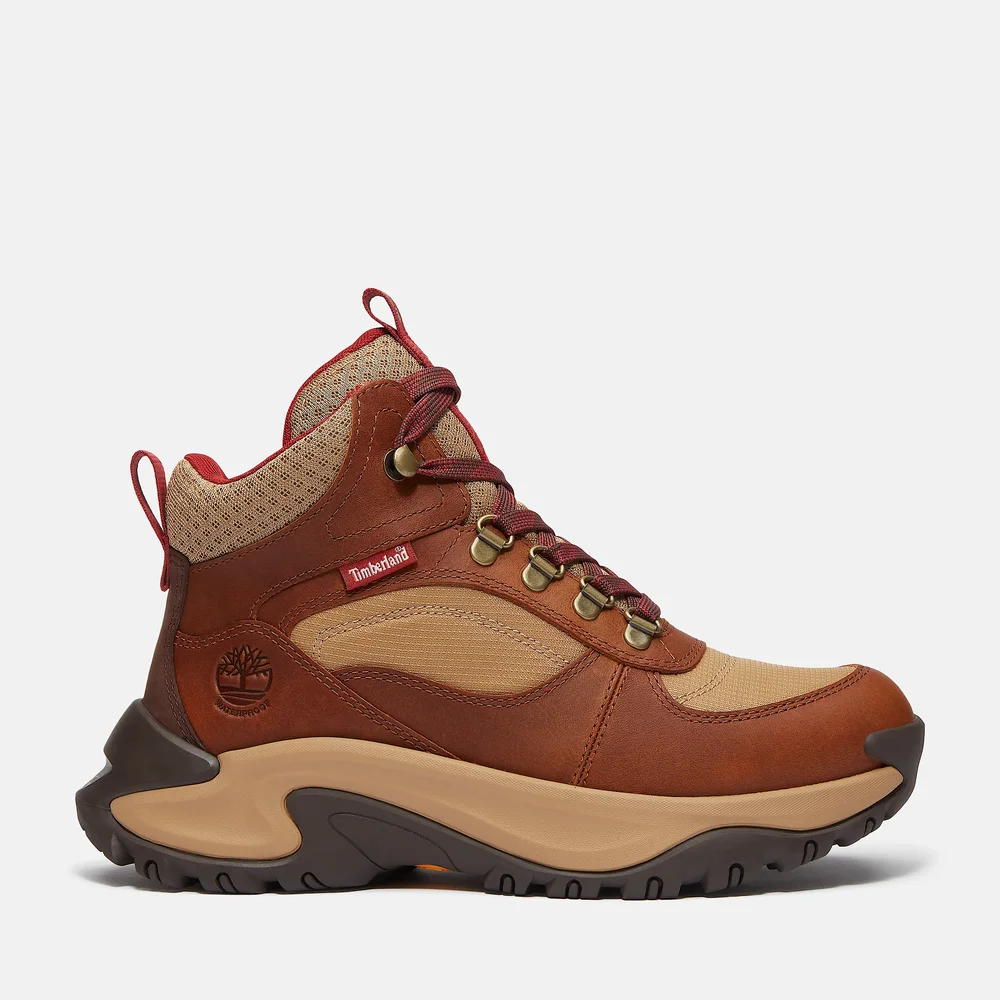
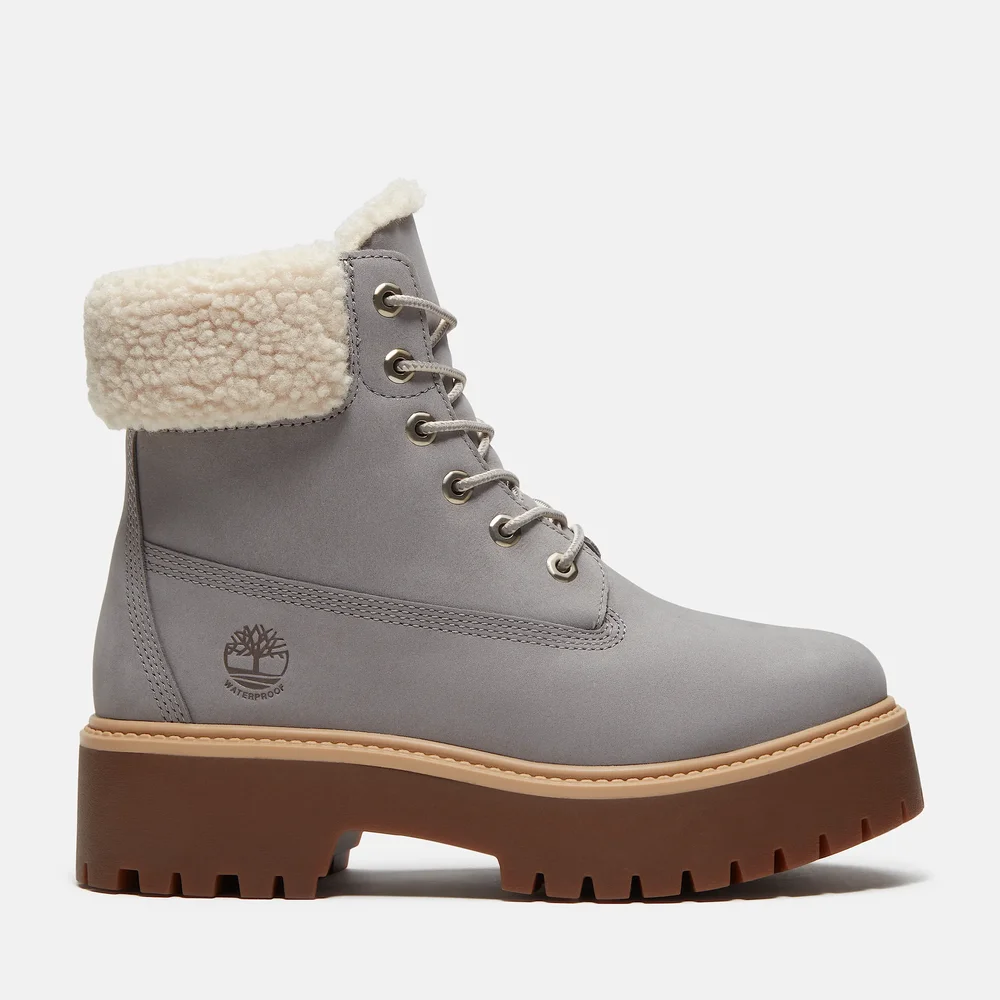
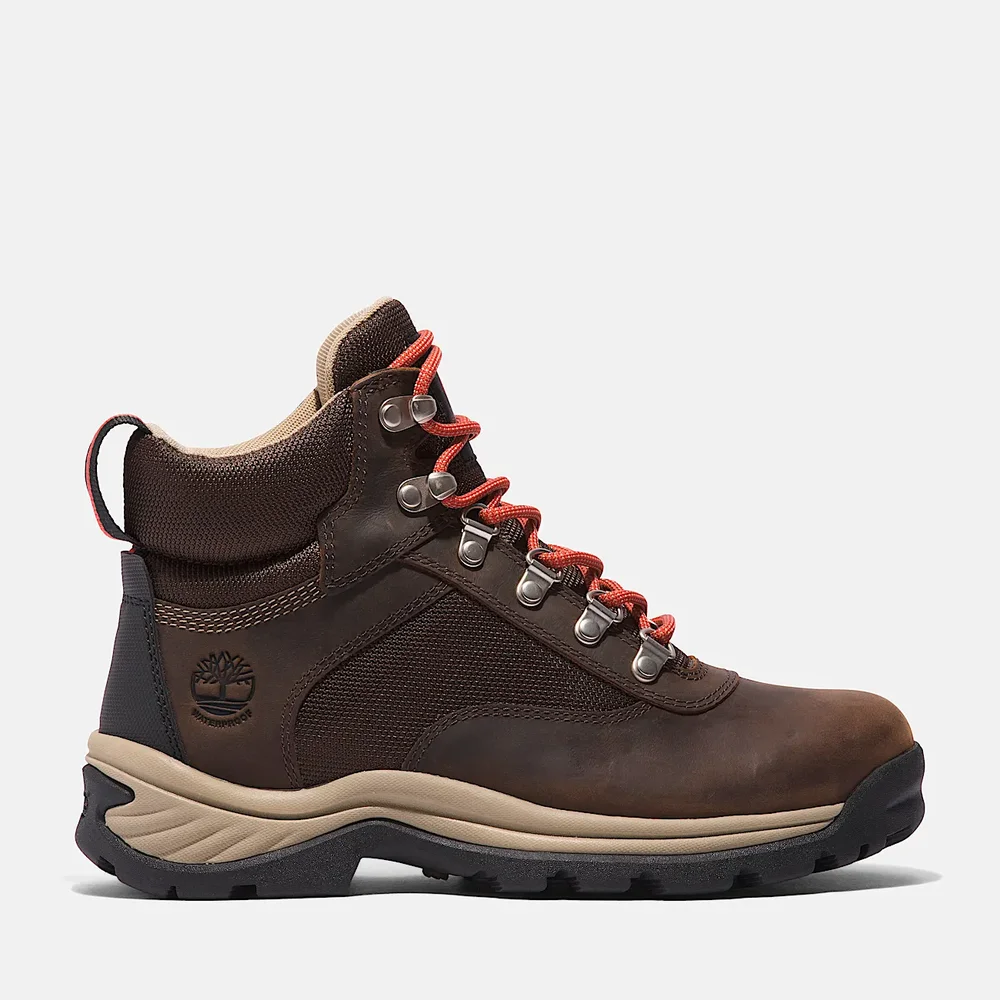
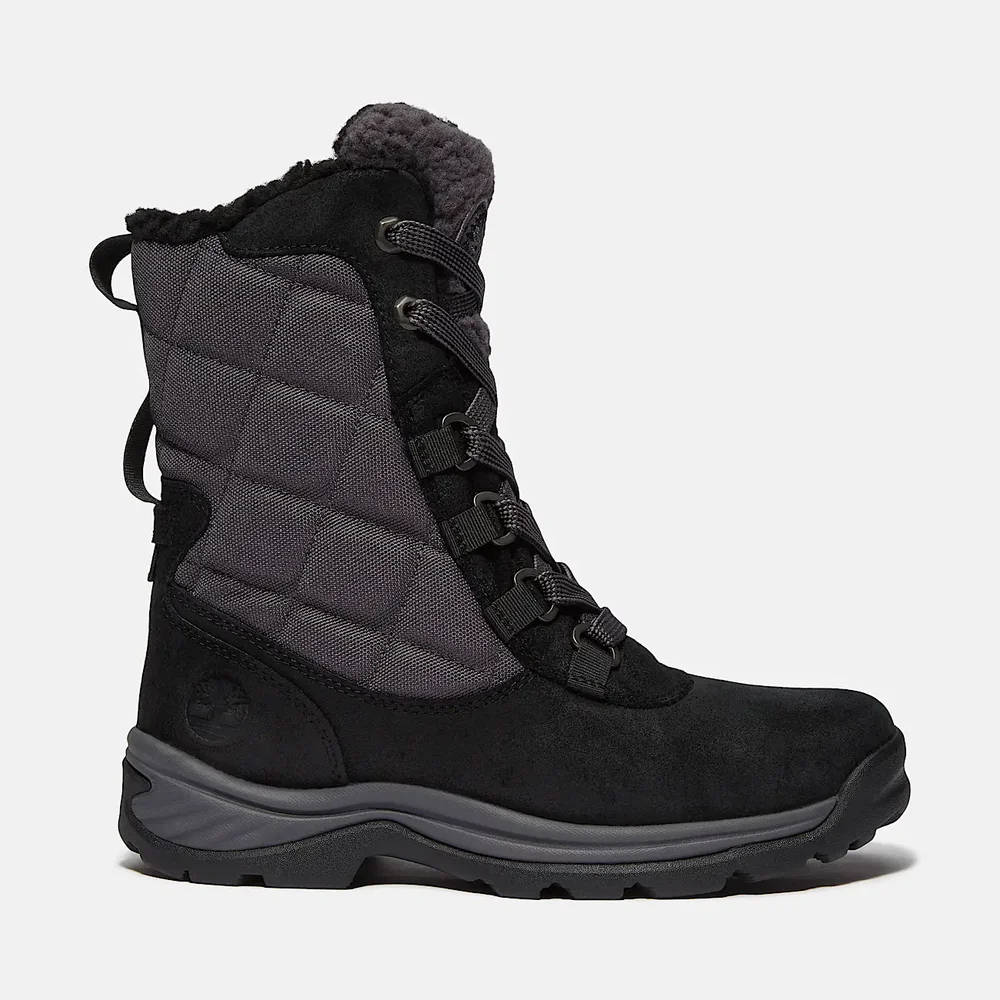
The North Face and Vans now share VF's portfolio with Timberland, although the brands keep distinct product identities. For boots meant to meet rain or rougher ground, I would compare the Mt. Maddsen Peak Waterproof Hiking Boot's hiking profile with the warmer Stone Street Platform Warm-Lined Waterproof Boot. White Ledge Mid Waterproof Hiking Boot is a more classic trail option, while the White Ledge Tall Waterproof Snow Boot adds more coverage. I would skip extra insulation for a mostly dry commute, but keep it in mind if cold weather is the actual problem.
Where I would start
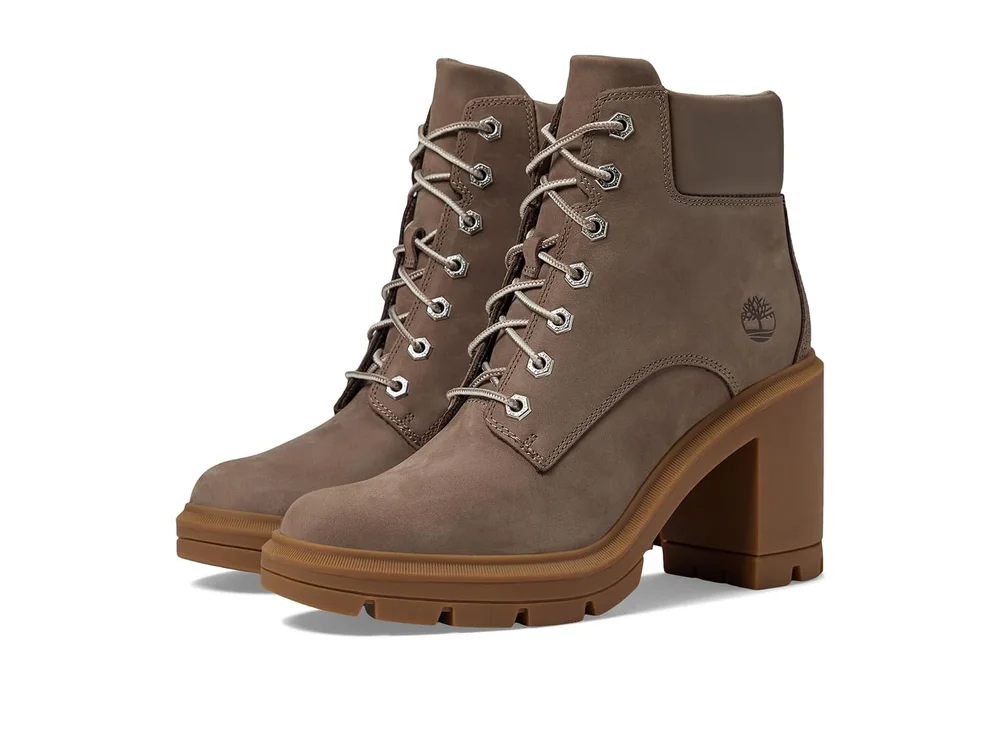
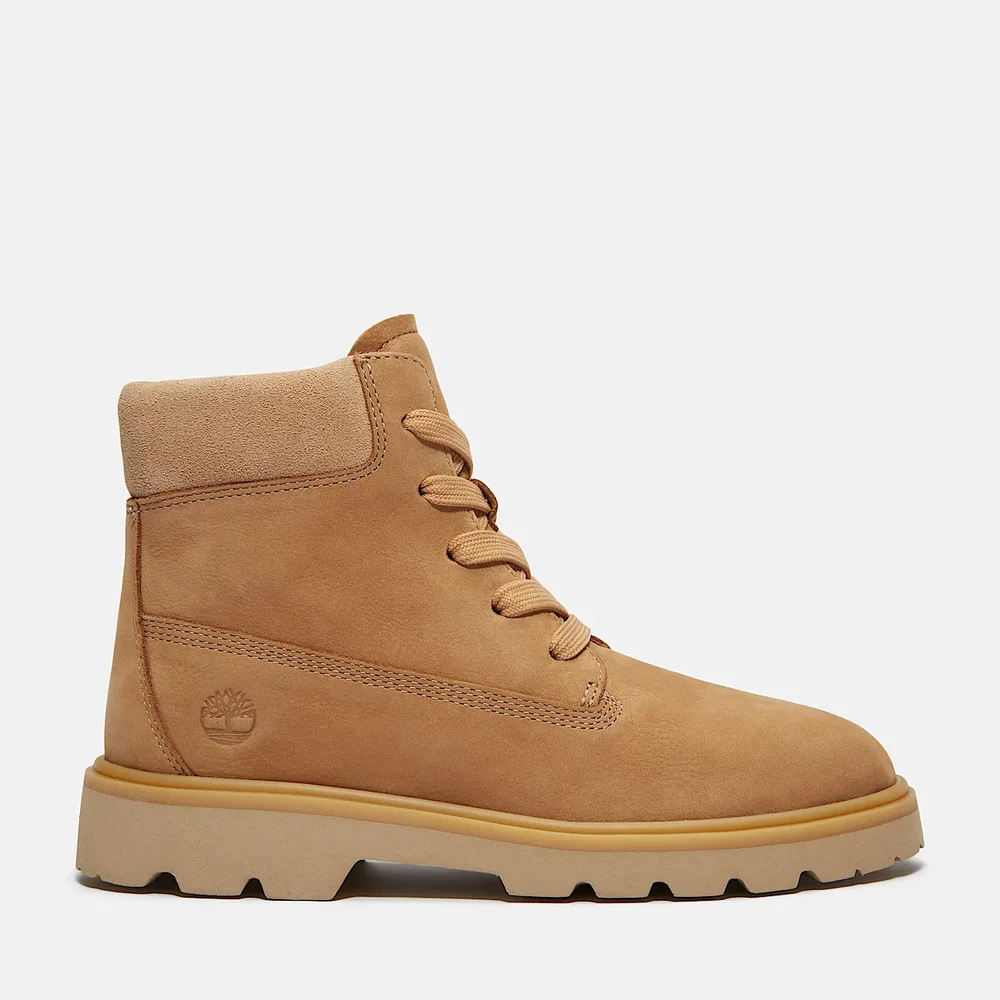
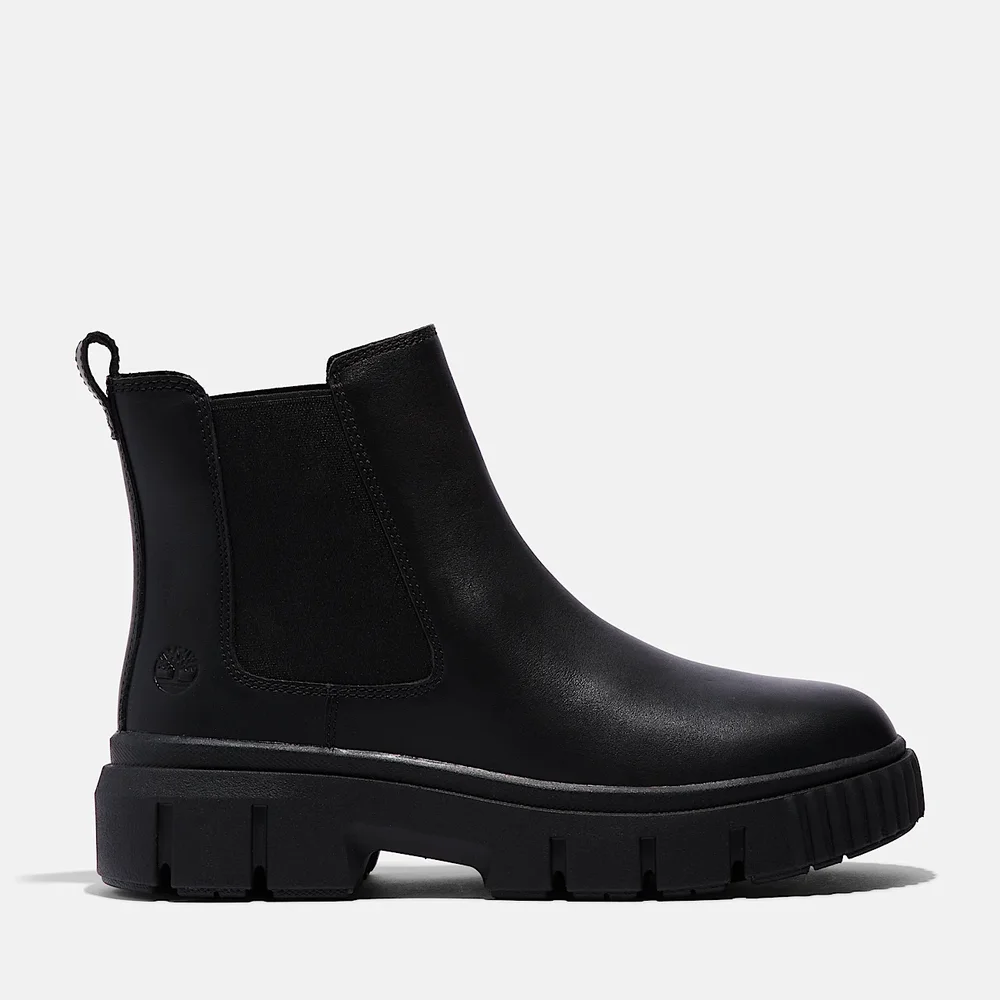
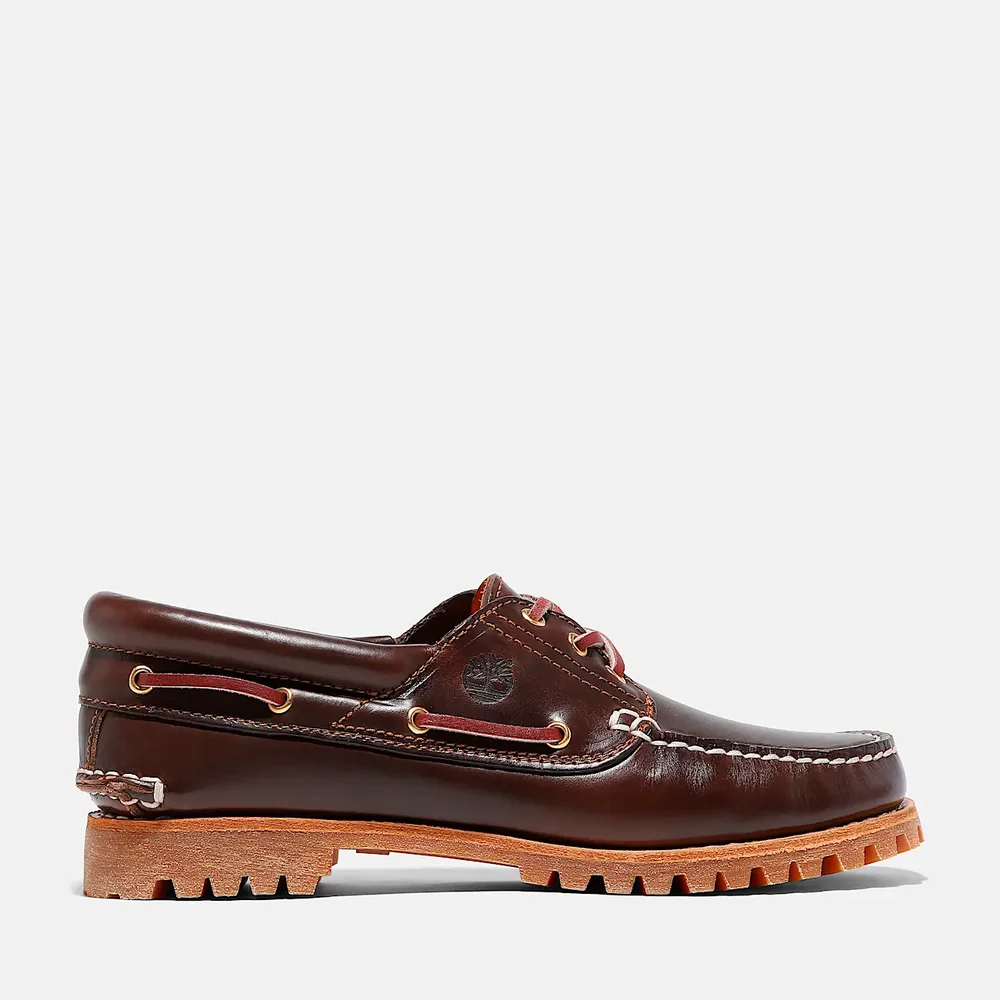
I would buy for routine first, not for the name on the tongue. The Greyfield Chelsea Boot has the easiest on-and-off shape here, while Rowan Way 6-Inch Boot stays with a familiar lace-up profile. Allington Heights 6-Inch Boot adds a heel to that workwear outline, and the Timberland Authentic Boat Shoe, also called the Noreen 3-Eye Lug Handsewn Boat Shoe, is the useful left turn if you want something low and handsewn-looking rather than another boot.
My first pick would be Greyfield for ordinary days, or the boat shoe if your wardrobe already has enough boots. I would skip a tall snow boot for mild weather and avoid buying a platform simply because the heritage story is persuasive. The sensible choice is the pair you will wear often, with the weather protection or heel height you genuinely need.