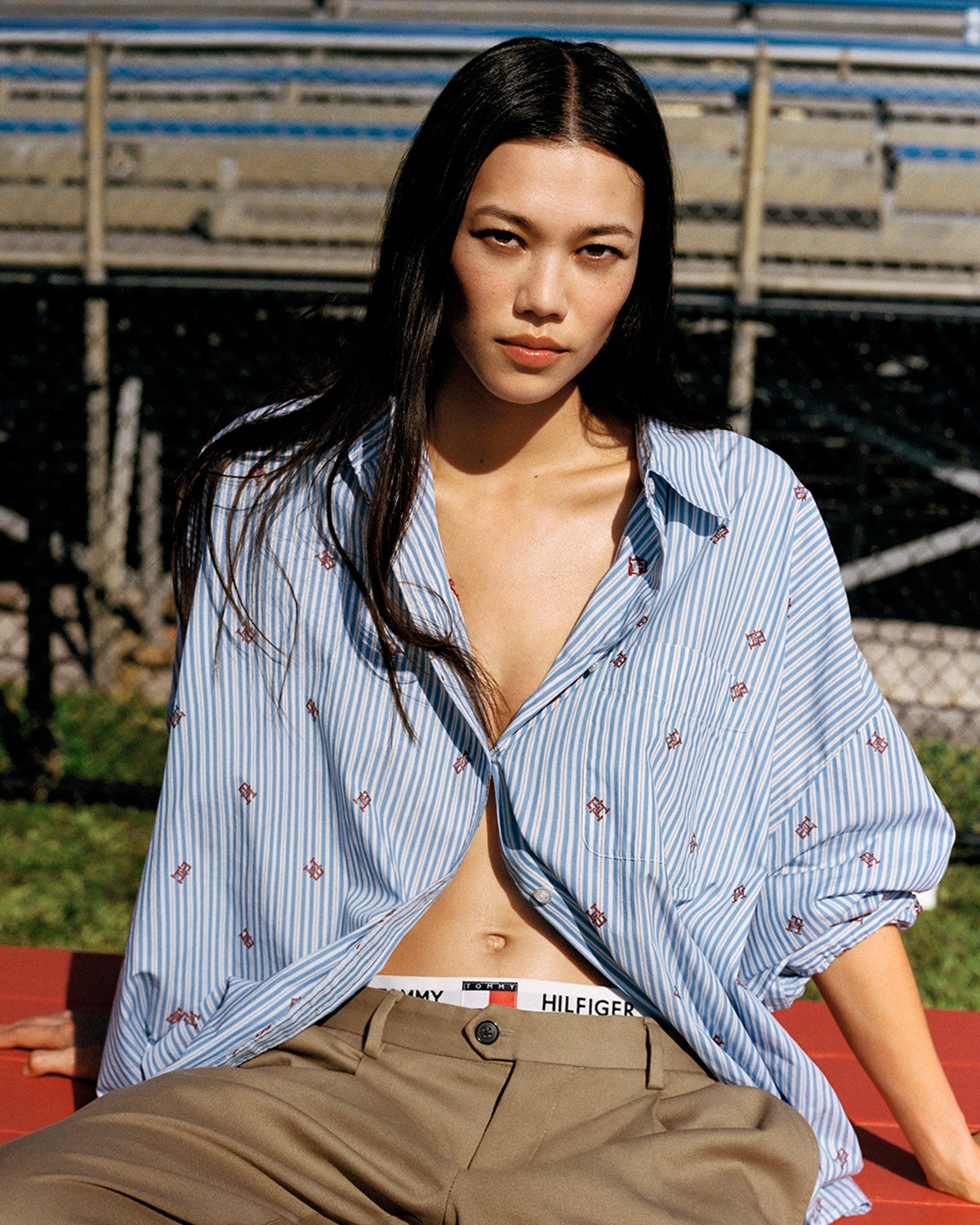
Tommy Hilfiger is owned by publicly traded PVH Corp., which bought the brand in 2010. Founder Tommy Hilfiger still guides its design.
Who Owns Tommy Hilfiger? PVH Has Owned It Since 2010
The Owner Today
PVH Corp., a publicly traded company listed on the New York Stock Exchange as PVH, owns Tommy Hilfiger and has owned the brand since 2010. PVH's 2024 release states both that it owns the label and that the acquisition took place in 2010; the company's 2026 reporting still lists Tommy Hilfiger among its global brands. That is the plain answer to who owns Tommy Hilfiger.
The Tommy Hilfiger parent company is PVH, which also owns Calvin Klein. The founder is not the current corporate owner: Tommy Hilfiger remains Principal Designer, while PVH handles the company side. If you mean who makes Tommy Hilfiger, the answer depends partly on category. PVH's latest report says it is bringing some formerly licensed categories into direct operation while other categories are expected to remain with third-party licensees.
I like that distinction because it separates the designer's continuing creative role from the company's ownership. Hilfiger began the namesake label in 1985, but the name on the label is now part of a publicly traded portfolio. My short version is simple: PVH owns the brand, Tommy Hilfiger still guides design, and the company's current public filings show that the arrangement is active rather than a pending deal.
How Hilfiger Started
If you're wondering who founded Tommy Hilfiger, it was the designer whose name is still on the label. His official biography says he began in Elmira, New York, opened People's Place in 1969, and later moved to New York City to pursue design full time. The shop grew out of a small-town frustration: the clothes he wanted were hard to find locally.
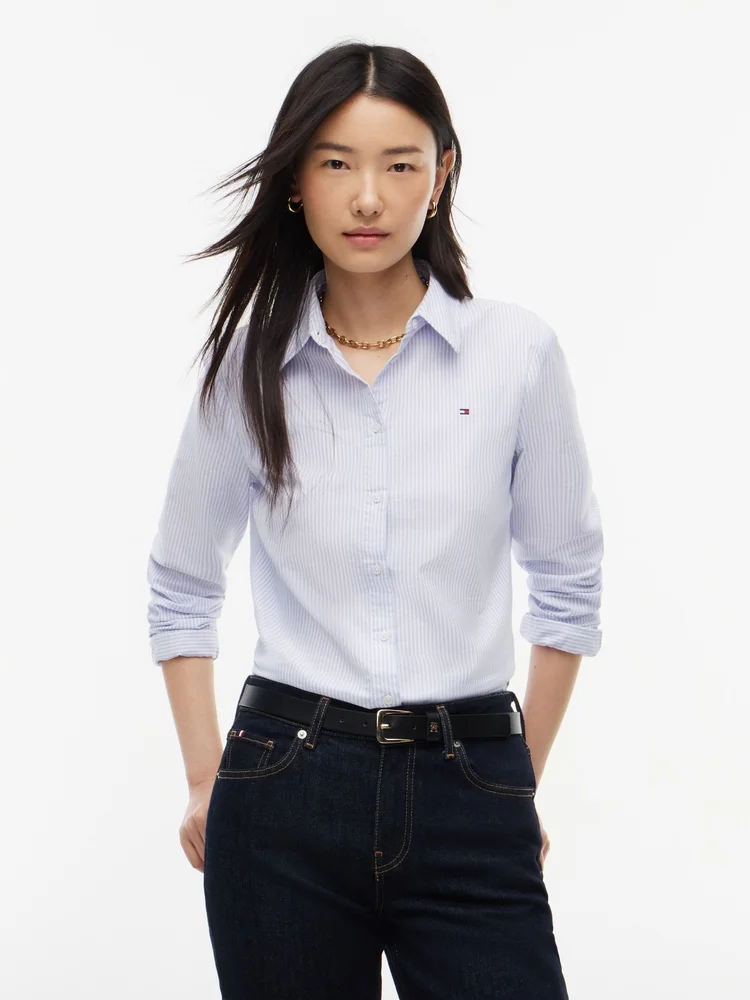
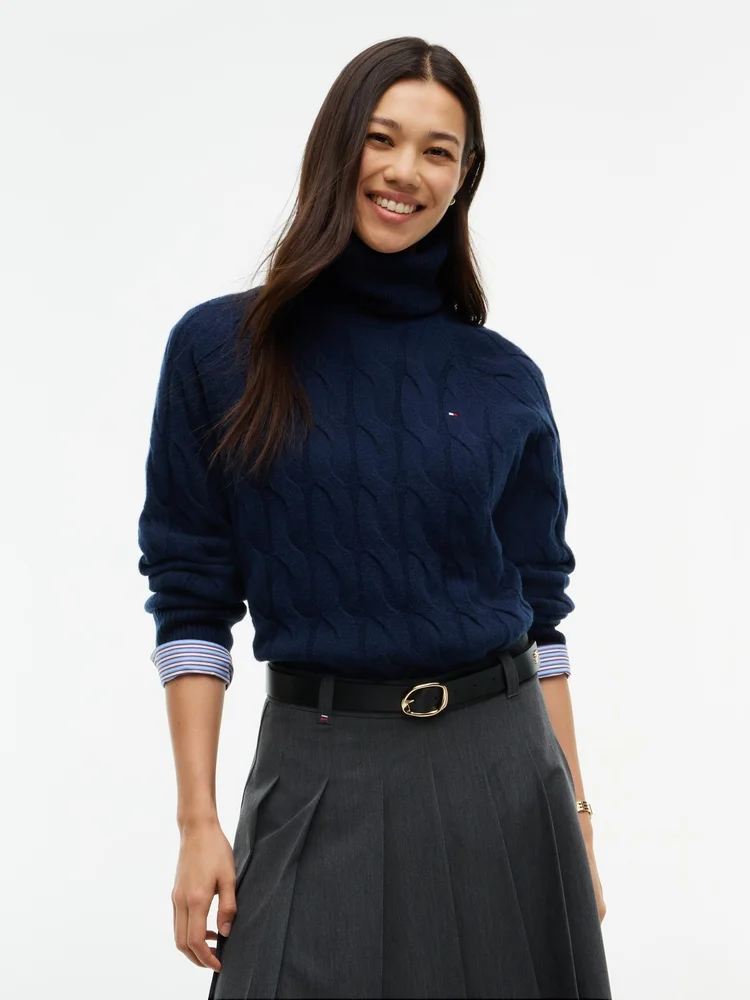
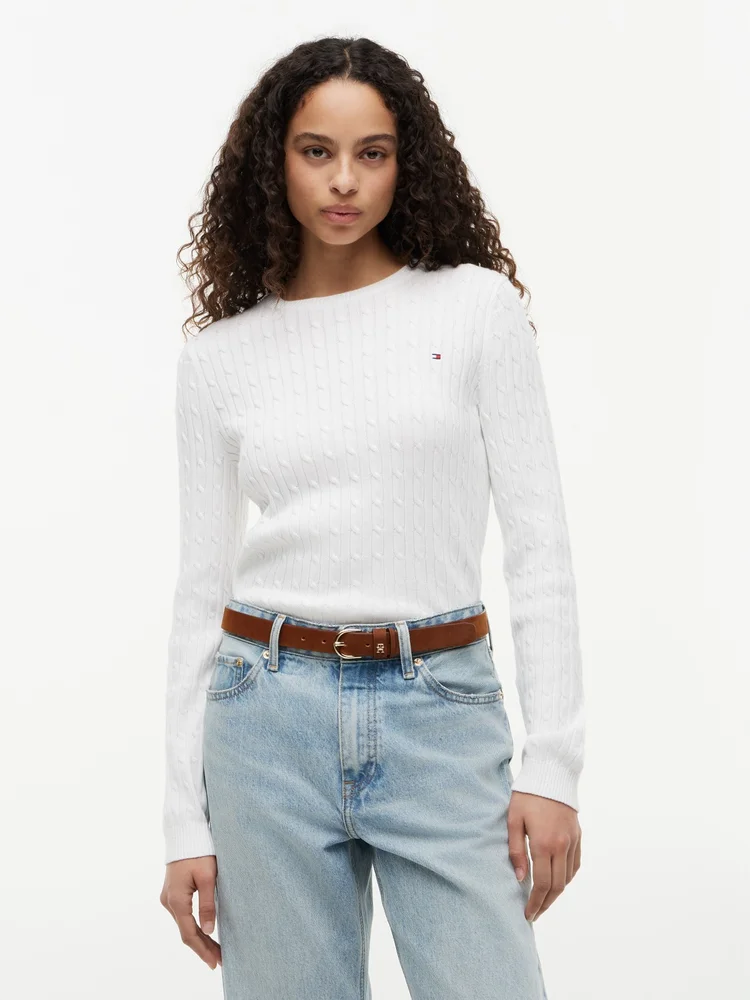
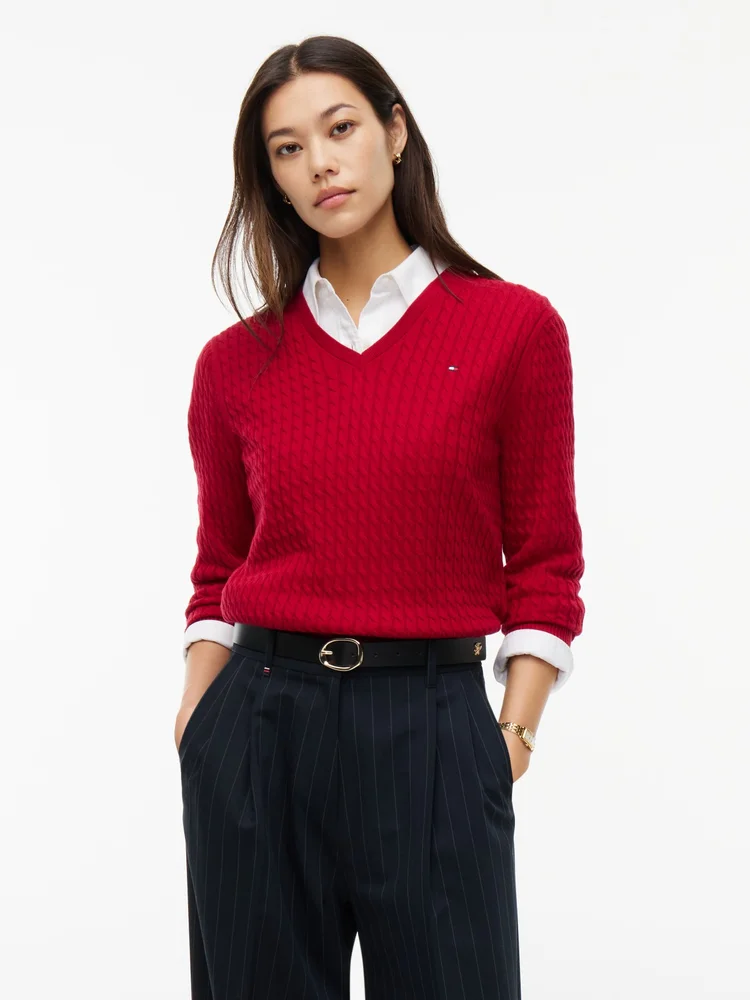
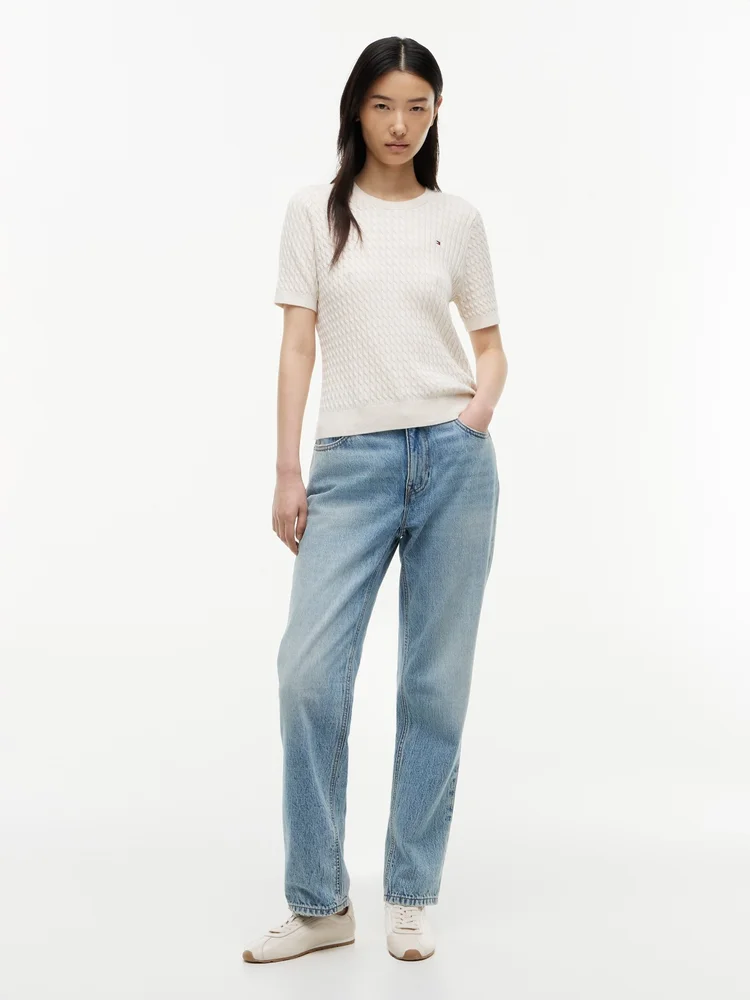
With Mohan Murjani's backing, Hilfiger introduced his first menswear collection in 1985, updating button-down shirts, chinos and other classic staples with new fits and details. That origin story makes the Regular Fit Striped Stretch Oxford Shirt the most literal first pick; it sits close to the collection's shirtmaking roots. The Cable Knit Wool Turtleneck Sweater and Lightweight Cable Knit V-Neck Sweater make sense if you want the same preppy vocabulary in knit form, while the plain Cable Knit Sweater is my practical everyday choice. I would start with the Oxford if you want polish, and with the cable knit if you want a softer entry.
Two Sales, One Brand
The ownership timeline has two meaningful turns. Tommy Hilfiger Corporation agreed to sell to Apax Partners in 2005, and Apax completed the acquisition in 2006, taking the company off the public market. PVH acquired Tommy Hilfiger in 2010; PVH's company history says the purchase gave it its first large-scale direct operation in Europe. The company's timeline is a useful reminder that the same label has been carried through different corporate structures.
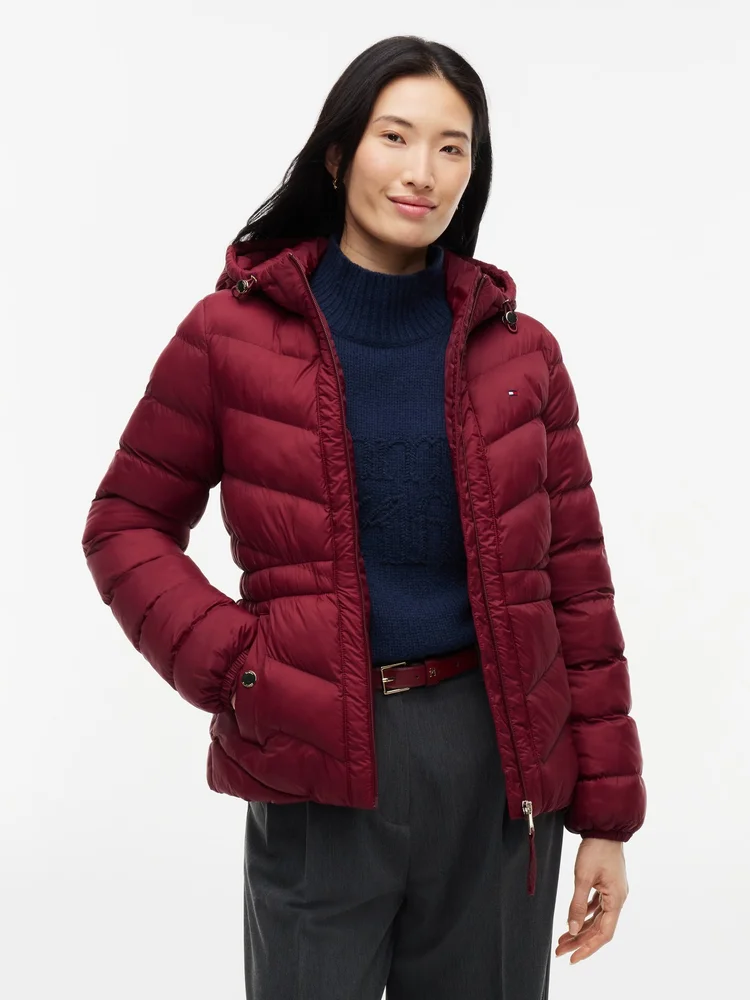
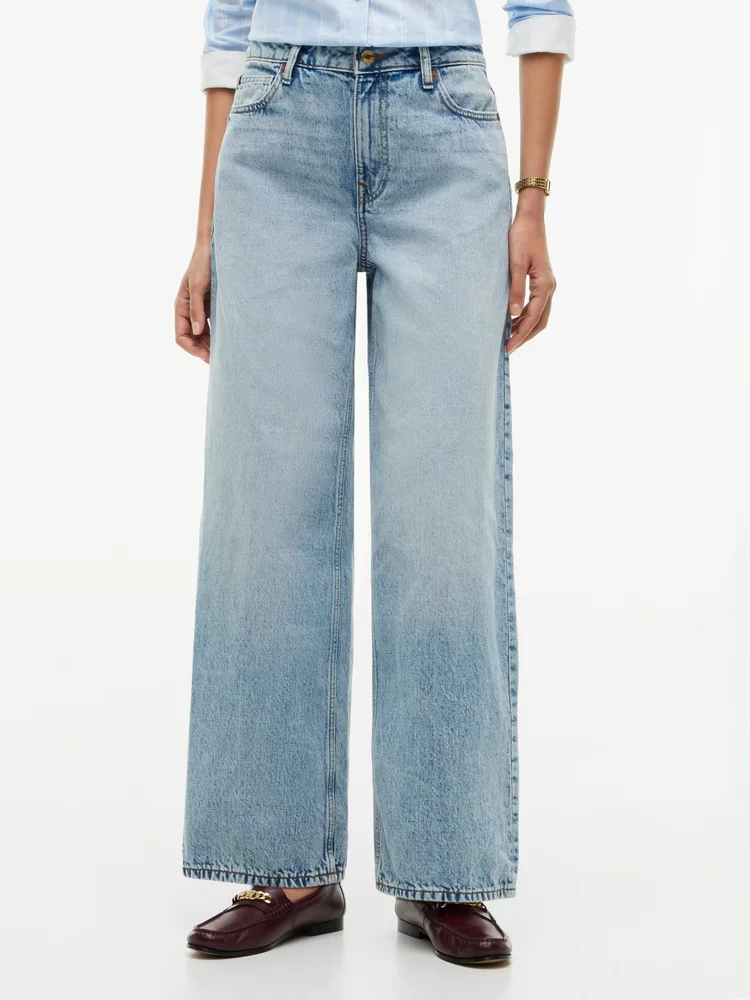
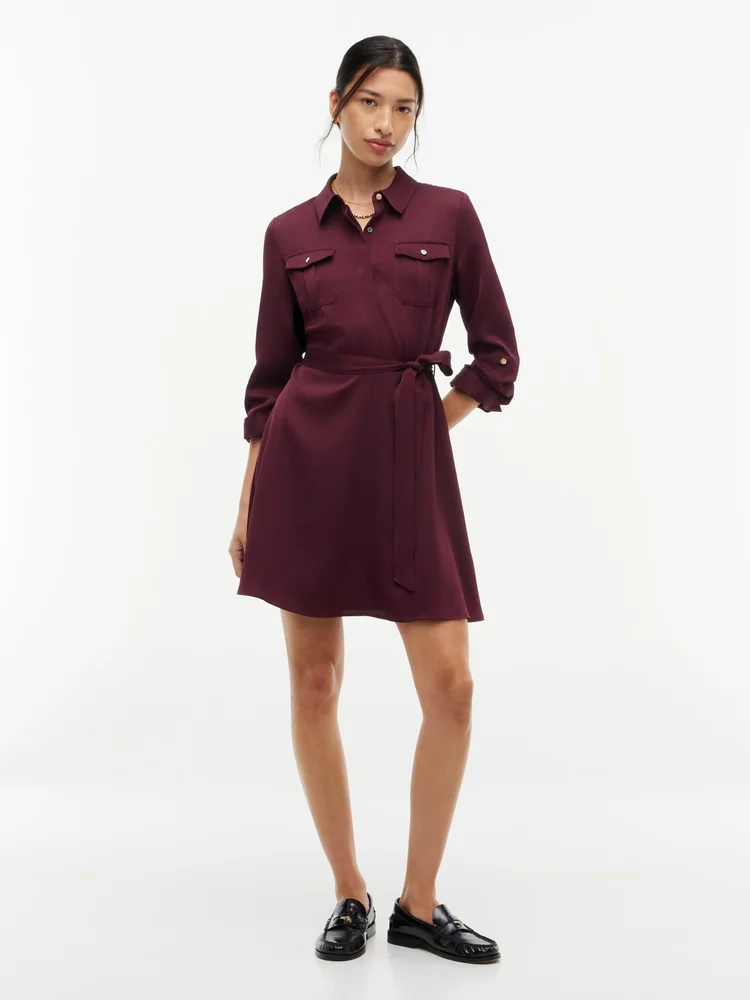
Today PVH still reports both Tommy Hilfiger and Calvin Klein as its global brands, rather than describing Hilfiger as an independent family business. The current lineup also gives a pretty clear shopping starting point: the Lightweight Quilted Hooded Jacket is a useful layer, the High-Rise Classic Straight Jean is the cleanest denim choice, the High-Rise Wide Leg Jean loosens the silhouette, and the Textured Satin Utility Shirtdress is my pick when I want one piece to do more work. I would start with the jacket or straight jean before buying anything more occasion-specific.
Where I'd Start
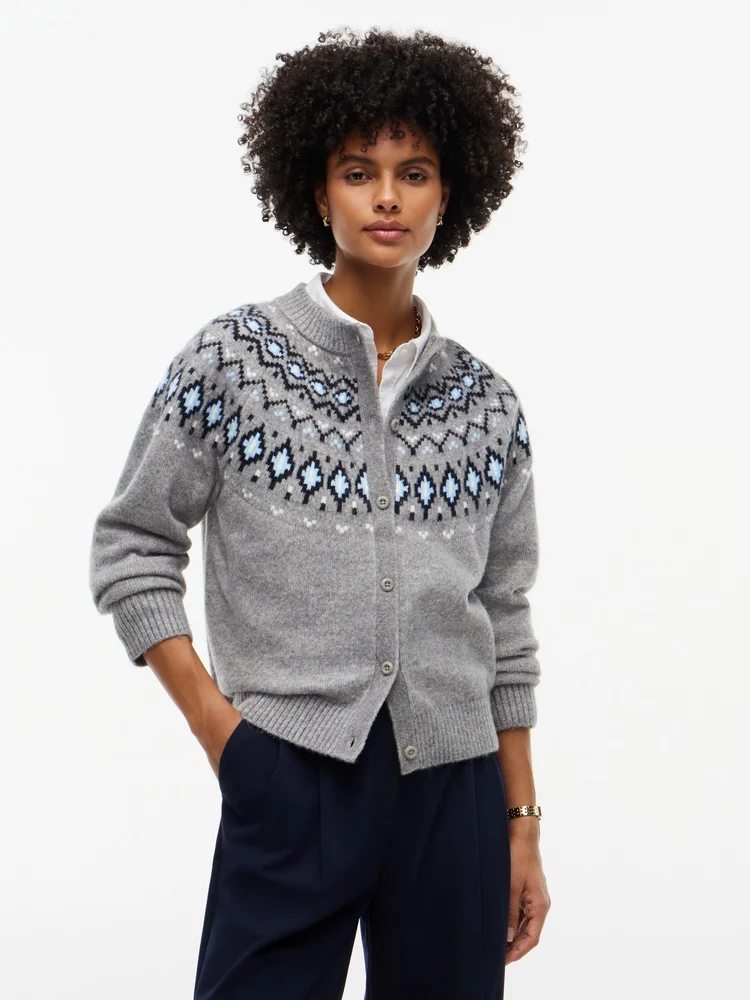
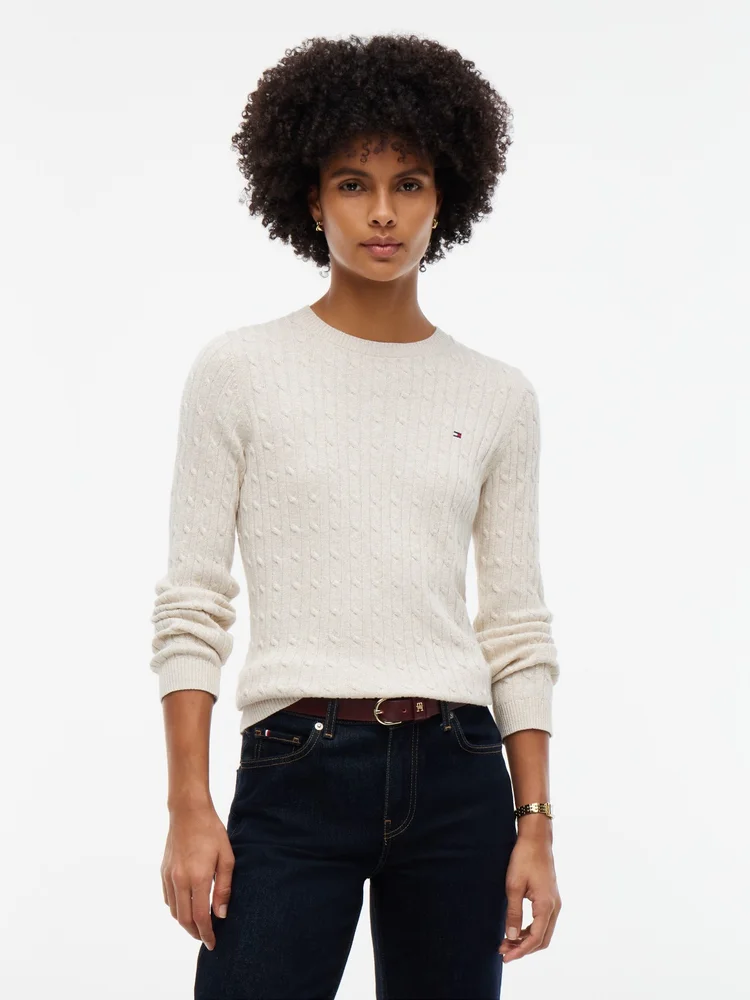
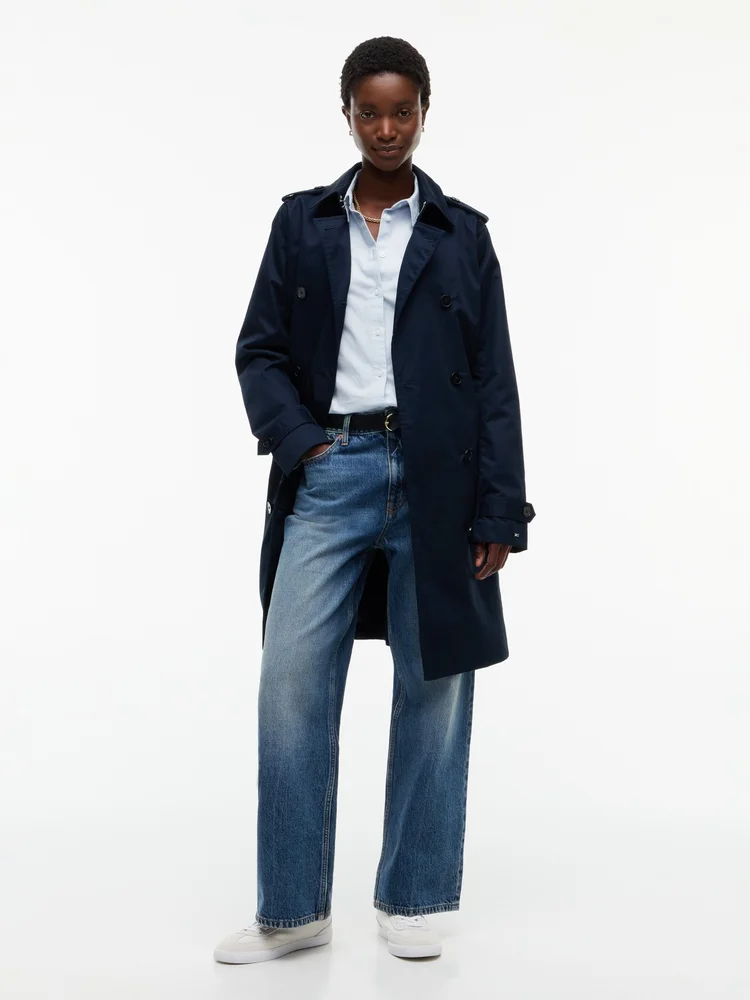
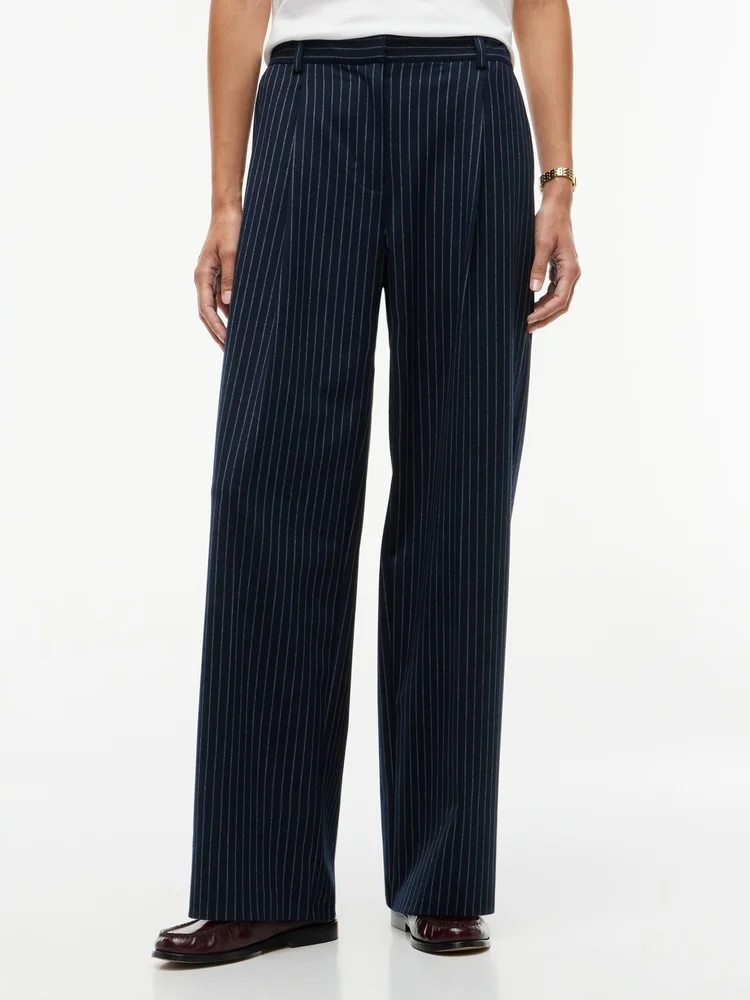
I would buy one straightforward piece before deciding whether the more decorative side of Tommy Hilfiger is for me. The Fair Isle Cardigan brings a patterned knit into the mix, while the Shimmer Cable Knit Sweater is a quieter cable shape with a little extra texture. The Double-Breasted Belted Trench Coat is my practical pick if you already like a defined waist; the Striped Wide Leg Stretch Pant is the relaxed alternative when you want the outfit to feel less formal.
What I would skip first is anything whose appeal is mostly a large logo or a pattern you would wear only once. That is not a judgment on the brand's quality, just my own rule for avoiding a closet full of nearly-right pieces. I would choose the trench if you need an outer layer, the trousers if you already own a good coat, and the cardigan if you want a more recognizable preppy signal. There is no need to buy into the whole vocabulary at once; a shirt, a knit, or a useful layer is enough to test whether the label works for your wardrobe.