UGG is owned by publicly traded Deckers Outdoor Corporation, which acquired the California label in 1995. Meet its surf-born story and core styles.
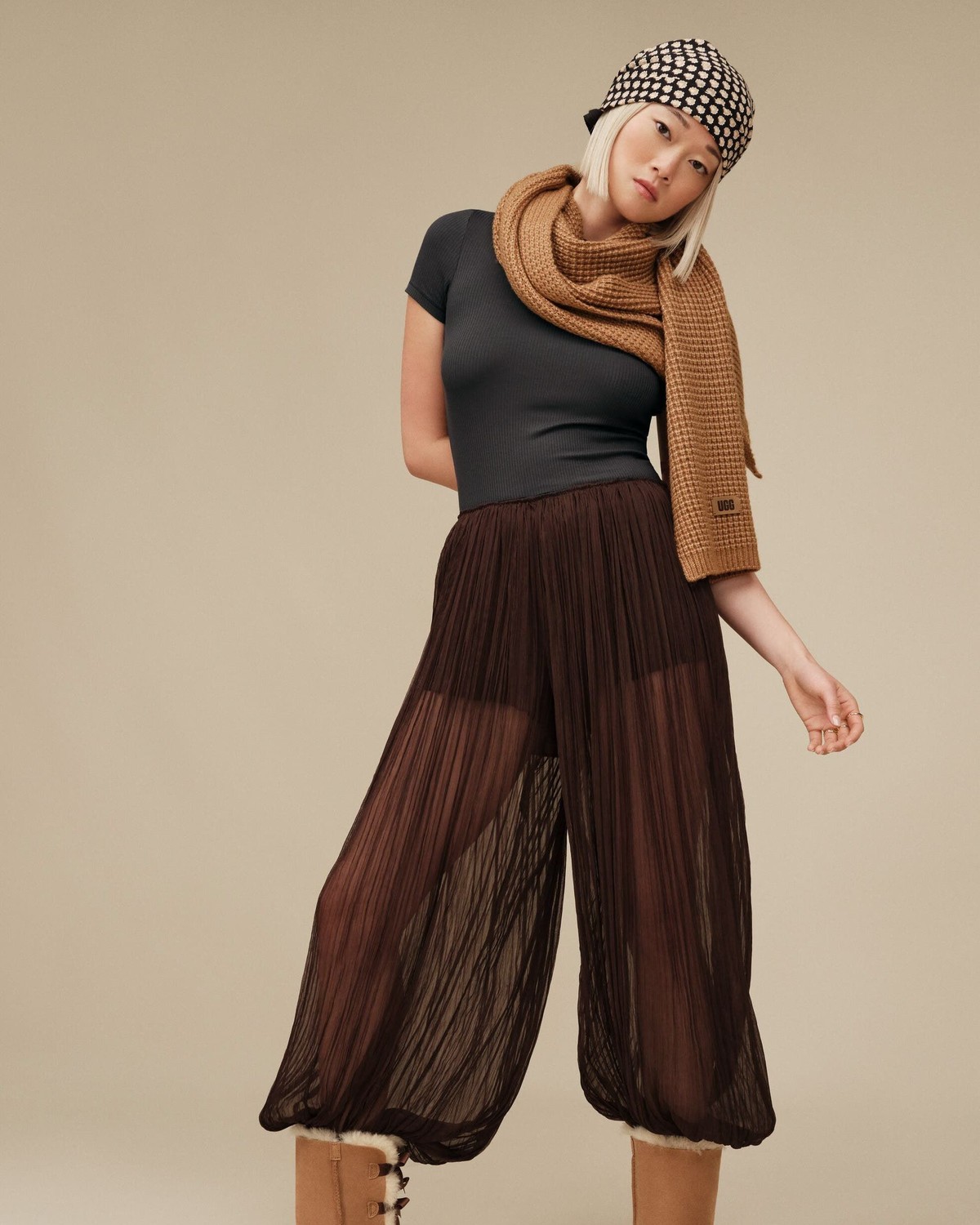
Who Owns UGG? Deckers Has Held the Brand Since 1995
The Owner Is Deckers
Who owns UGG? Deckers Brands does: the label sits inside publicly traded Deckers Outdoor Corporation, listed on the New York Stock Exchange as DECK, after its 1995 acquisition. The UGG parent company is a public footwear business, and Deckers' latest annual report lists HOKA, UGG, and Teva as its proprietary brands, so HOKA and Teva are the sister labels worth knowing.
And who founded UGG? Brian Smith is the name usually attached to the label, though Smith and Doug Jensen started Ugg Imports together in 1978 and Jensen left after a year. Smith's idea came from a practical surf problem: Australians wore sheepskin boots after chilly sessions, and he noticed his California friends did not have the same warm layer. If you are asking who makes UGG now, the answer is Deckers, which took the label from a Southern California surf niche to a worldwide business. I like how direct the ownership story is: a founder's boot idea, then a public parent with the scale to grow it.
A Surf Side Start
The first product was a sheepskin boot meant to keep surfers warm, not a fashion thesis. Smith tried more than 150 Southern California shops and got turned down, so he sold the boots from his van at Malibu Point Beach, wearing them himself. That origin still feels like the most useful way to understand UGG: practical first, photogenic later.
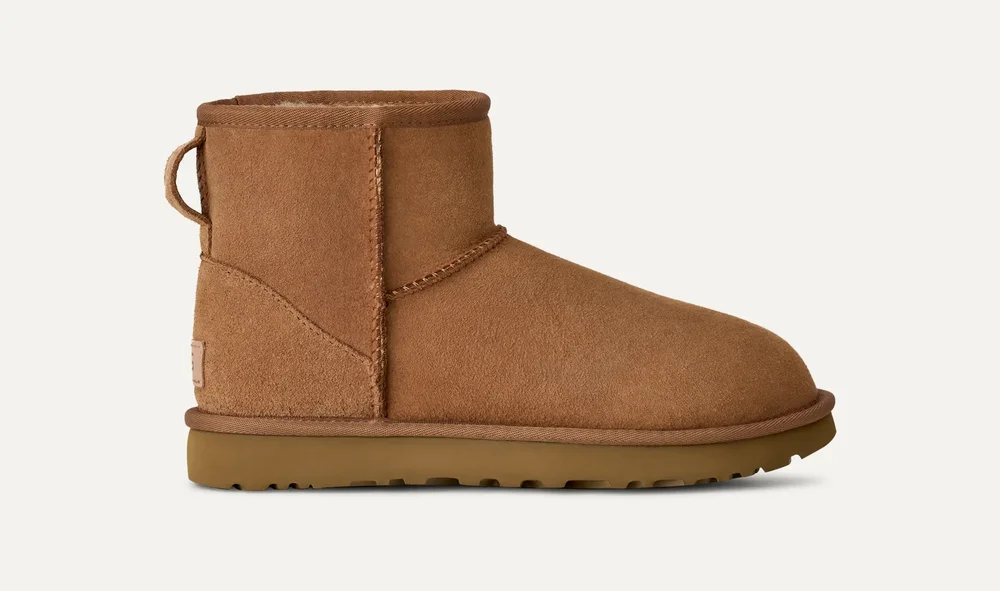
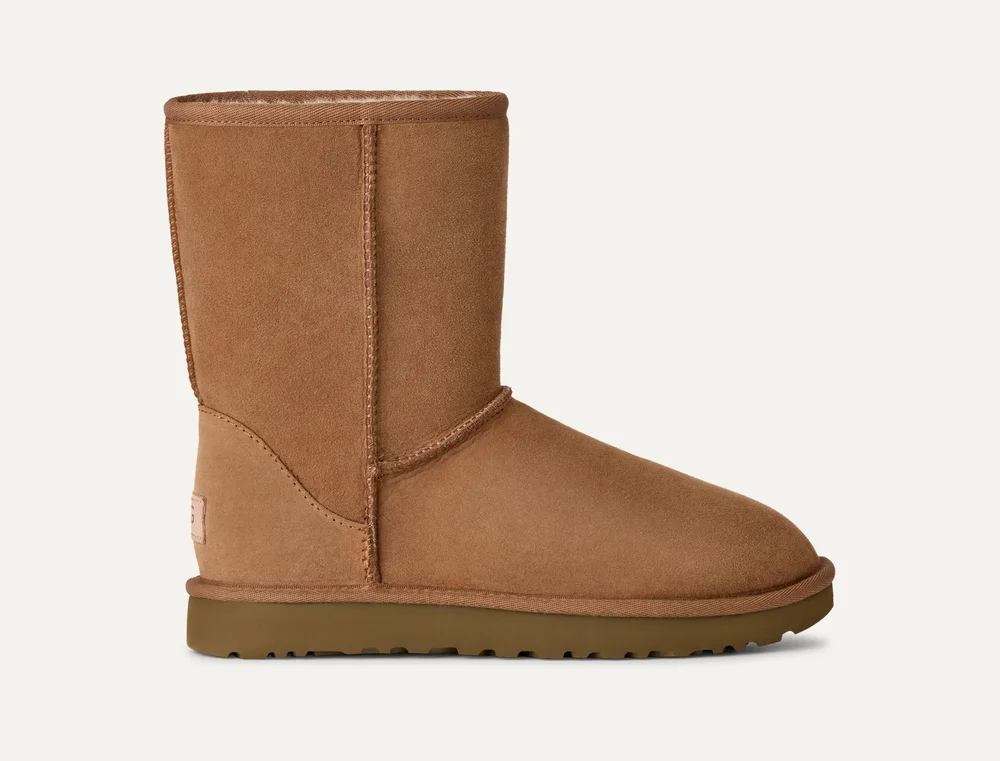
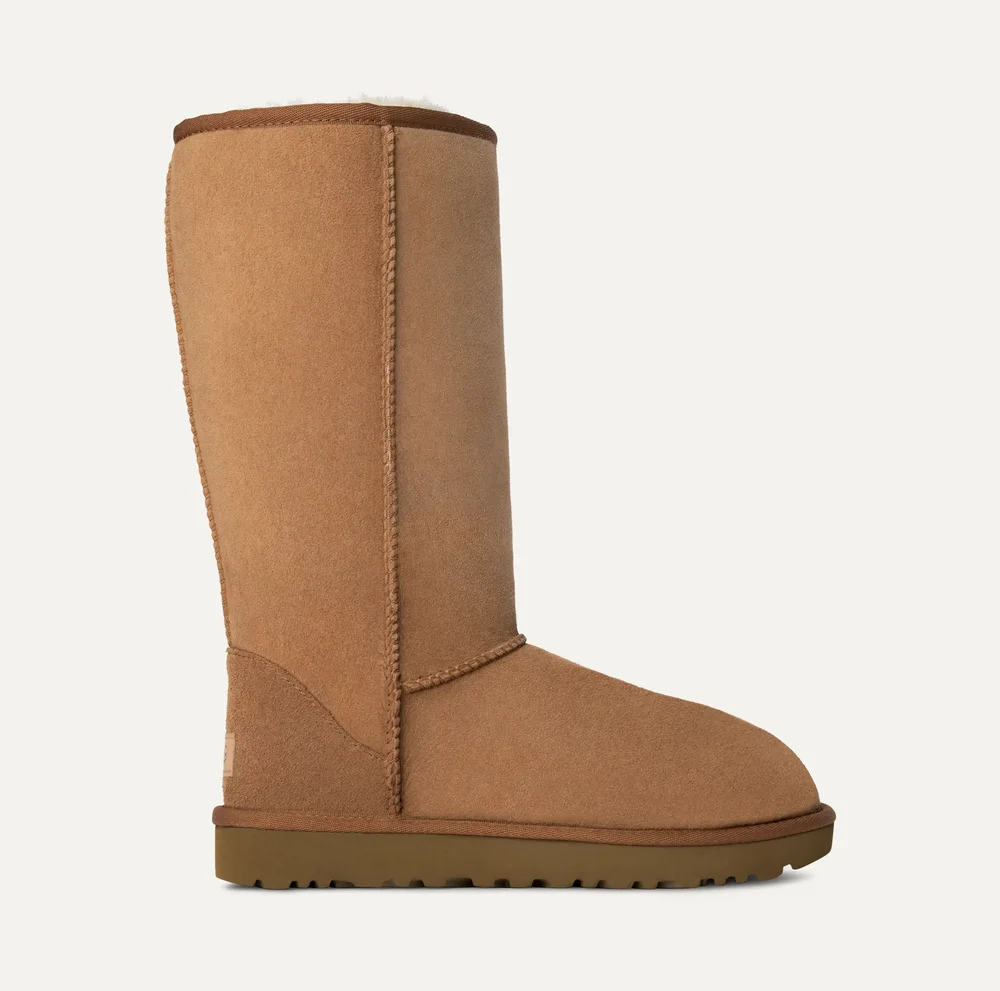
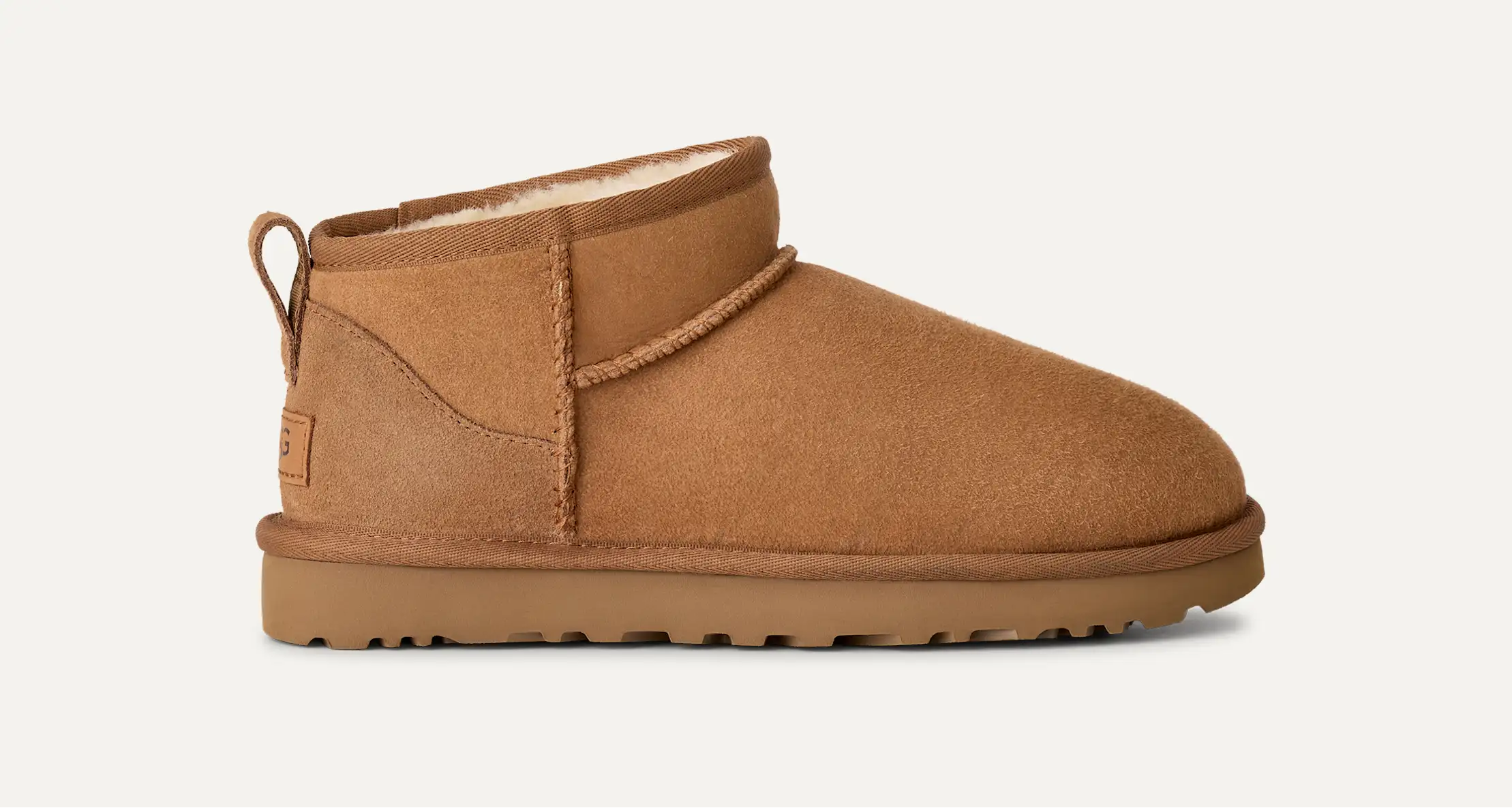
The Classic Mini II is my starting point for its compact, familiar shape. Classic Short II is my mid-height pick; Classic Tall II makes it a bigger commitment, while Classic Ultra Mini cuts the silhouette down to the ankle. If I were choosing just one, I would buy the Classic Mini II first. It stays close to the original sheepskin idea without asking every outfit to organize itself around a tall boot.
From Surf to Snow
The 1995 handoff changed the reach more than the basic premise. Deckers broadened the line with rugged and casual styles, added different outsoles, and steered marketing toward winter sports. Its 2026 report describes UGG as a multi-category, multi-season brand, with sneakers and sandals among the growing year-round offerings. HOKA and Teva are the sister labels under the same public owner.
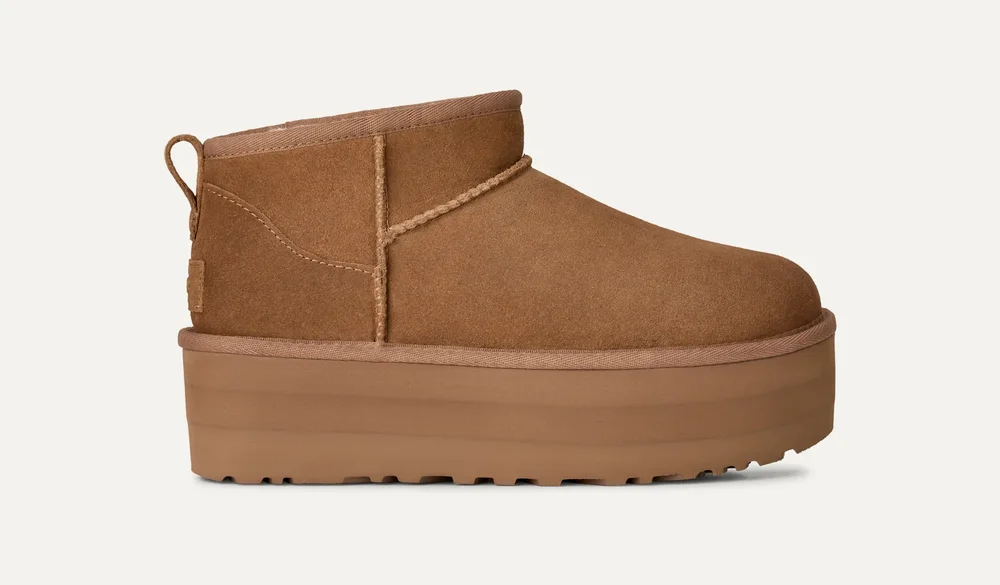
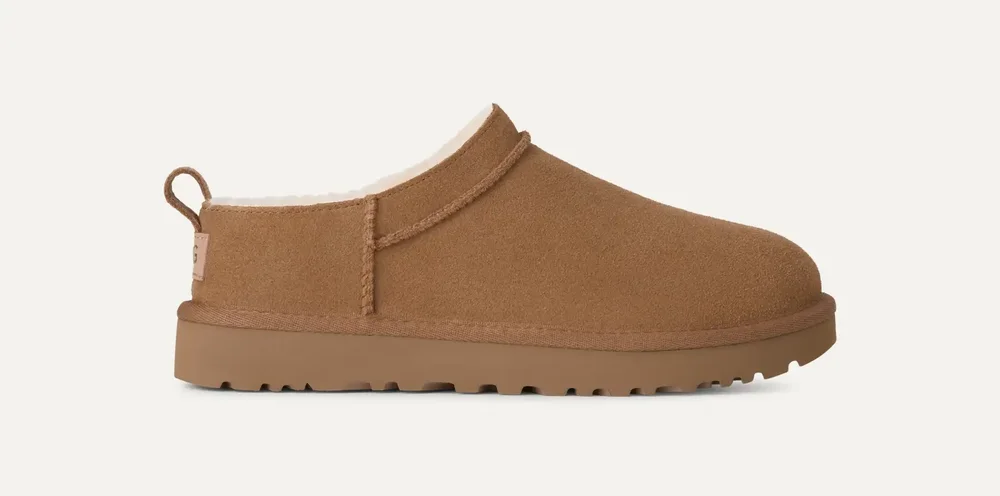
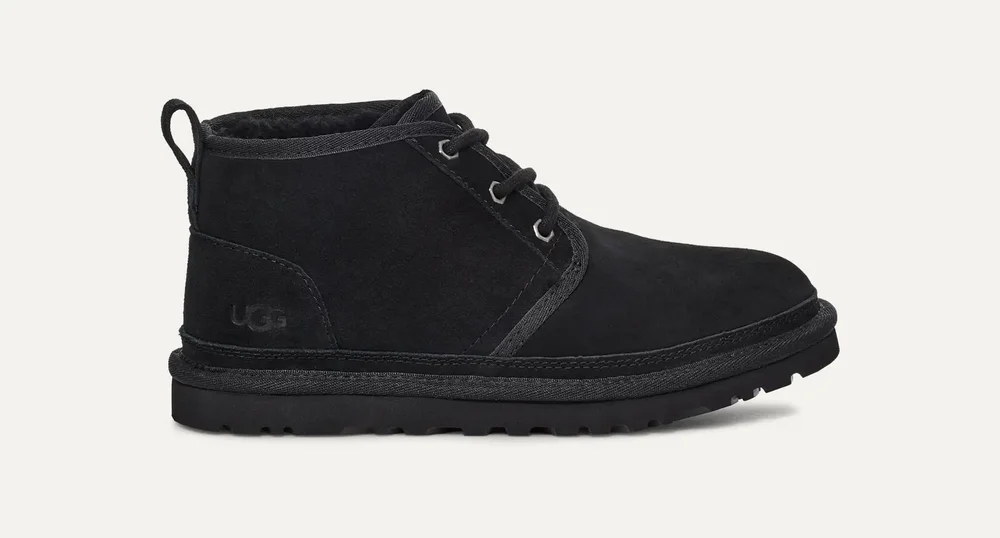
The Classic Ultra Mini Platform is the clearest change in proportion, with a two-inch platform; Classic Micro is a lower profile; Classic Mini Heritage stays in the familiar short-boot family; Neumel switches to a suede lace-up chukka shape. The Platform is my pick for a visible update, but I would choose Neumel for its wool lined feel in a less immediately recognizable silhouette.
What I Would Buy First
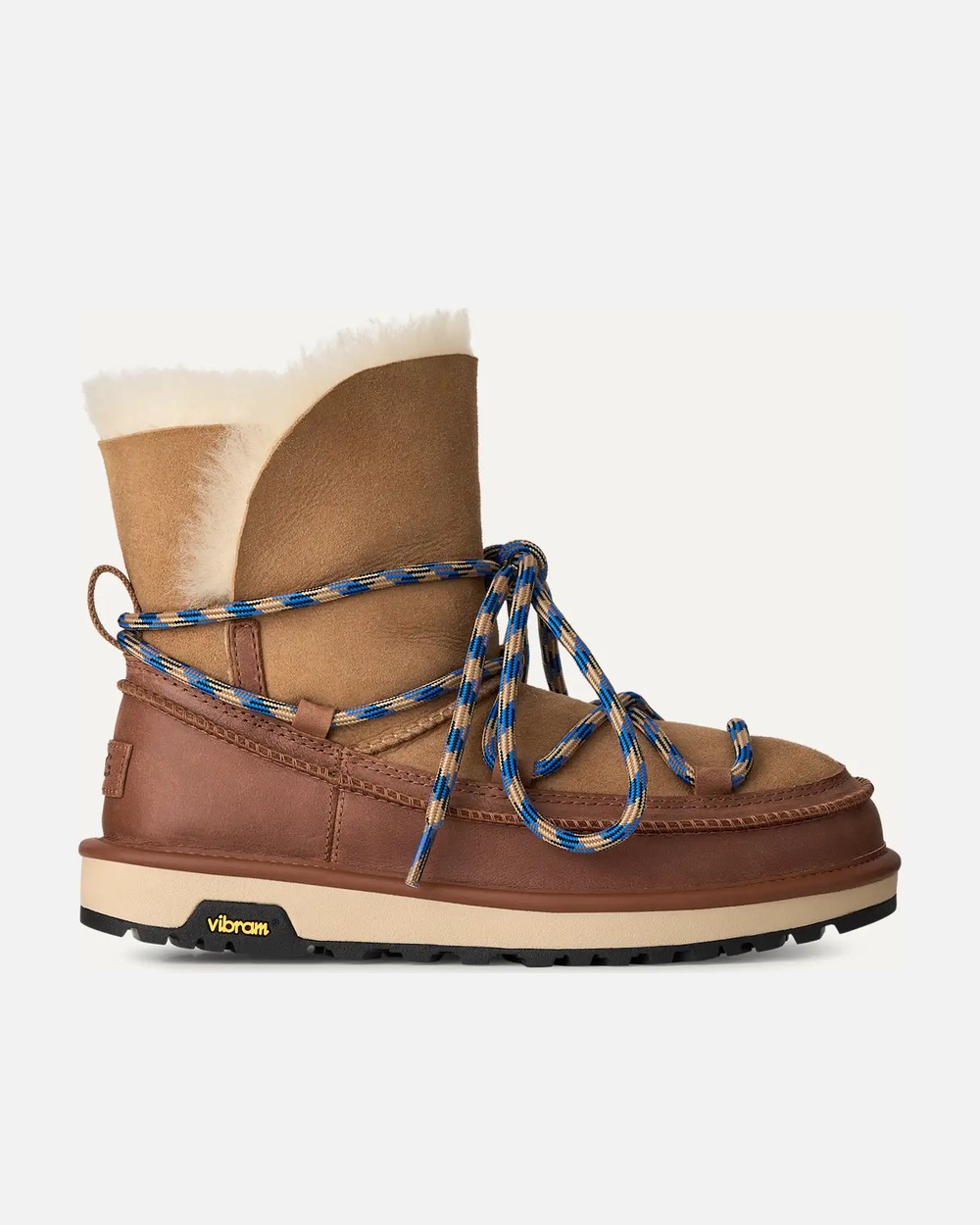
My first buy would still be the Classic Mini II. If the plain sheepskin shape is the point, I would not pay for a novelty detail until I know I reach for the straightforward version. The Classic Tread Boot is my functional minded exception: it has a cuffable shaft, leather mudguard, and Vibram sole.
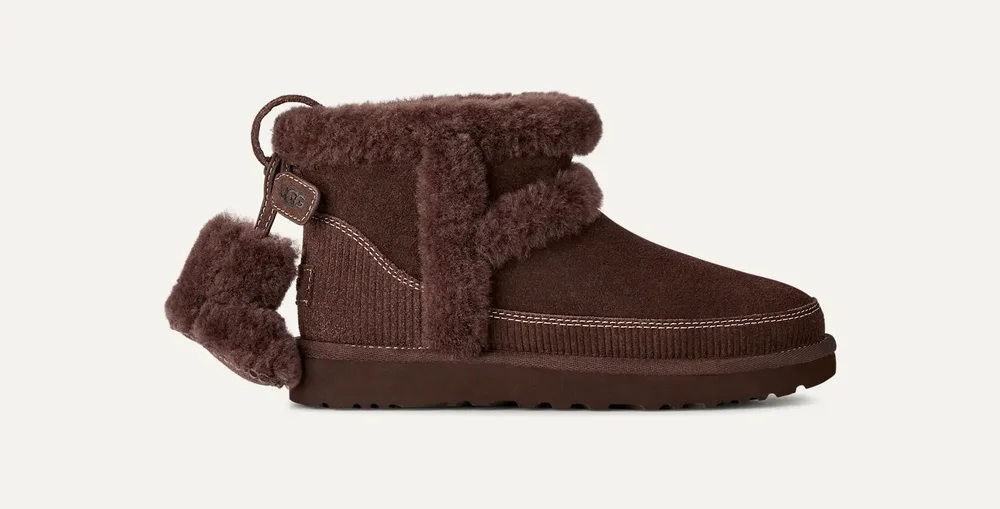
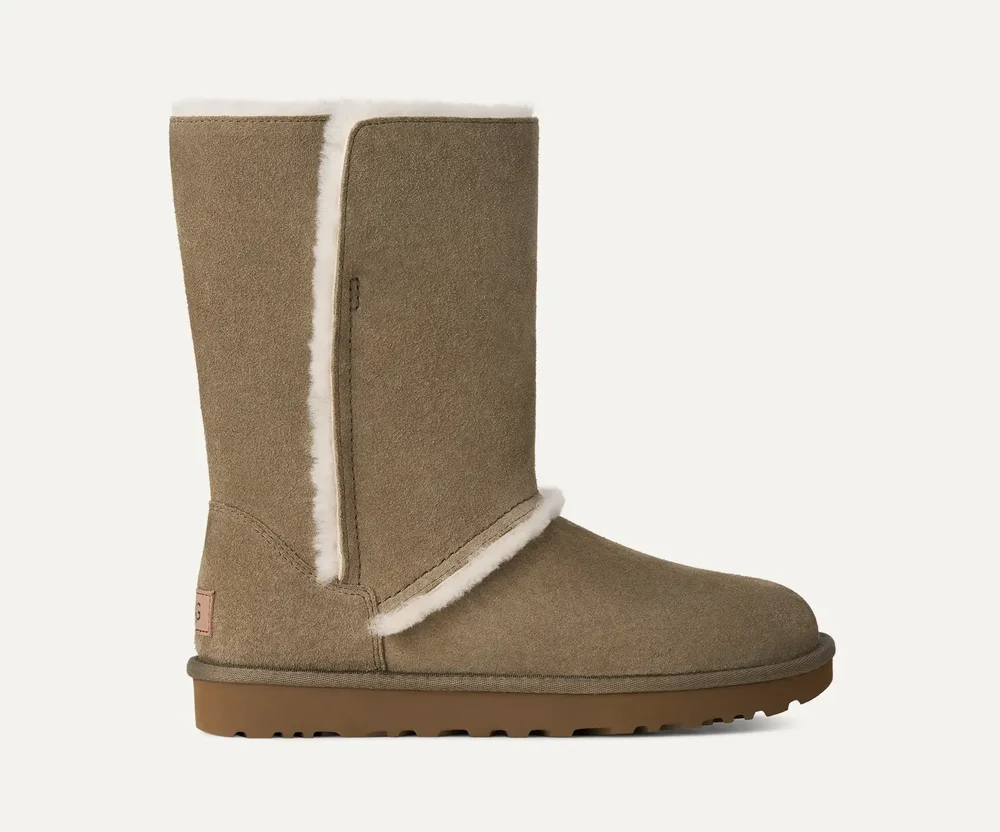
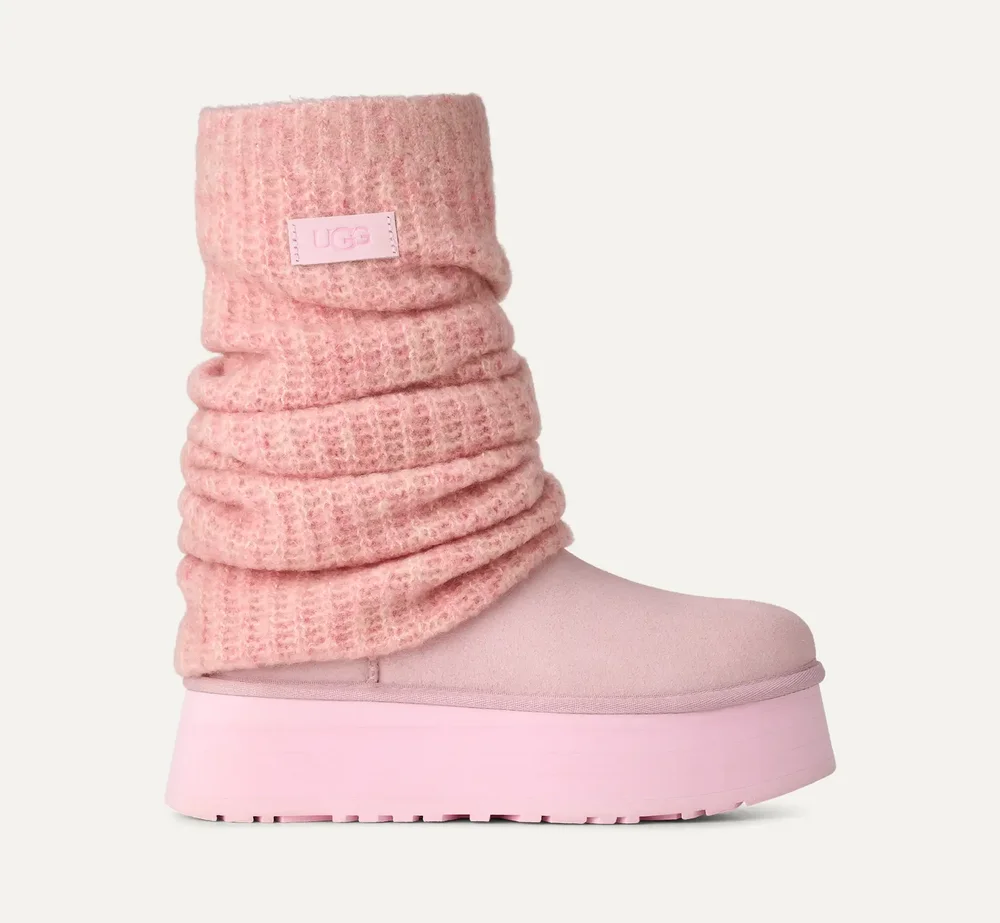
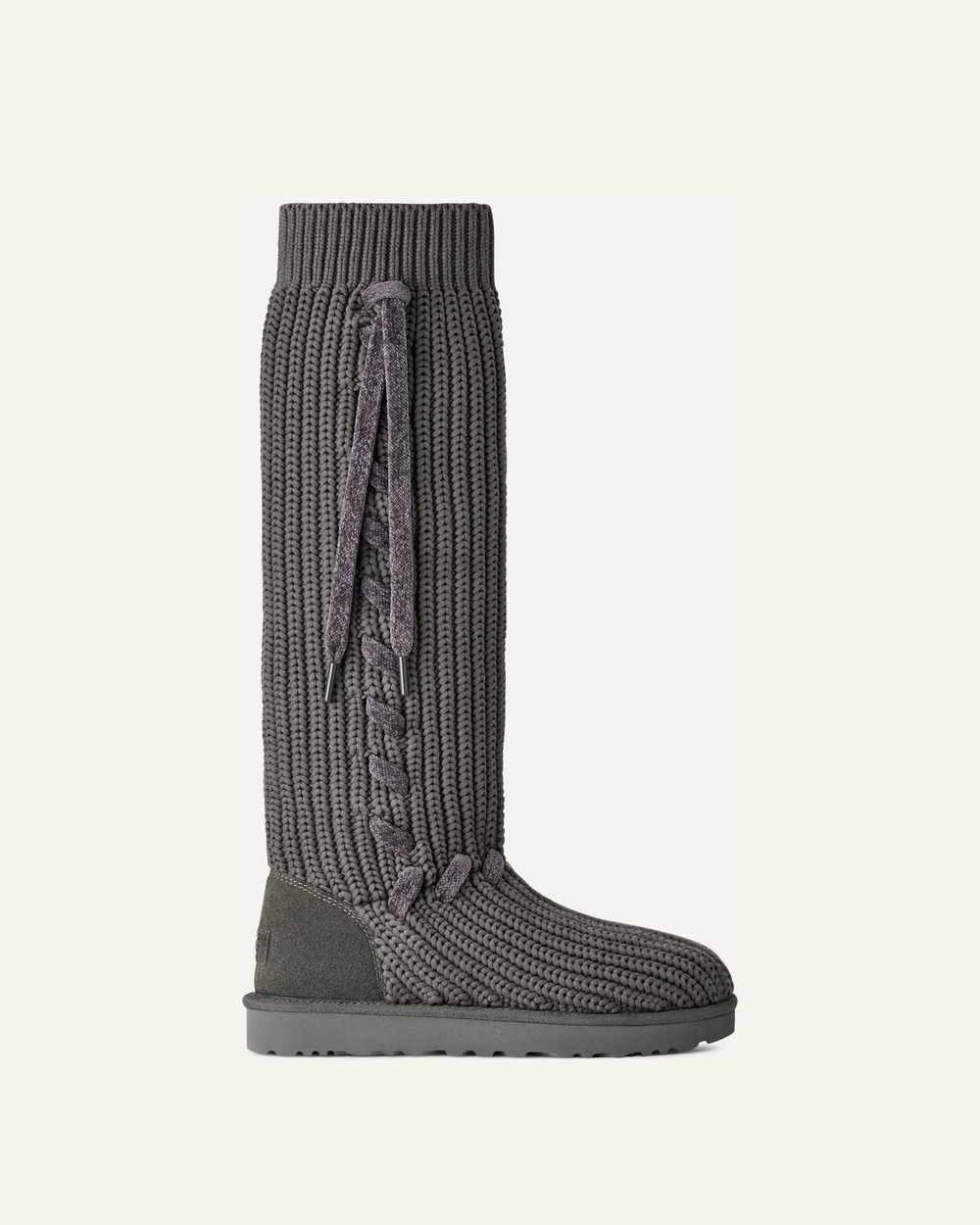
Classic Short Spillseam adds sheepskin trim to the short shape; Classic Mini Dipper Legwarmer is the playful leg warmer variation; Classic Tall Whipstitch Knit is the taller, more textural option. I would skip the more decorated styles if their extra detail is the only reason I want them. My order is simple: start with the Classic Mini II, then choose one of these if the detail itself is what you want. I would rather have the pair I wear every week than the pair that only wins the outfit in my head.