Vans is owned by publicly traded VF Corporation, which acquired the brand in 2004. Here is the ownership story and what I would buy.

Who Owns Vans? VF Corporation Since 2004
The owner behind the stripe
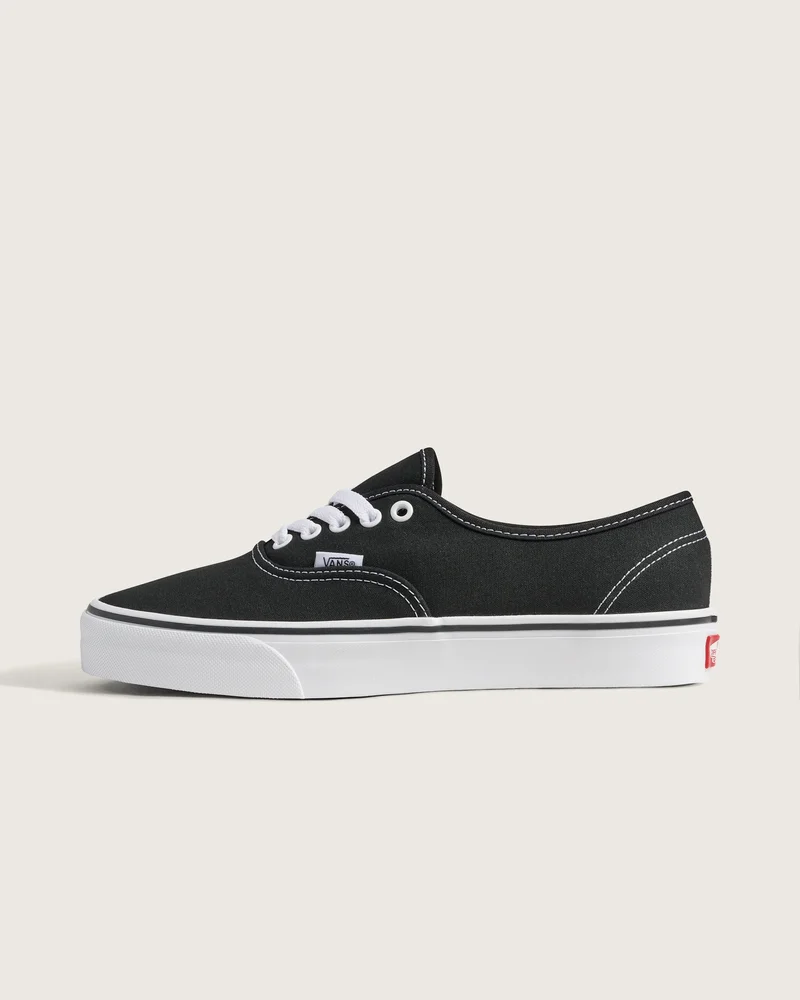
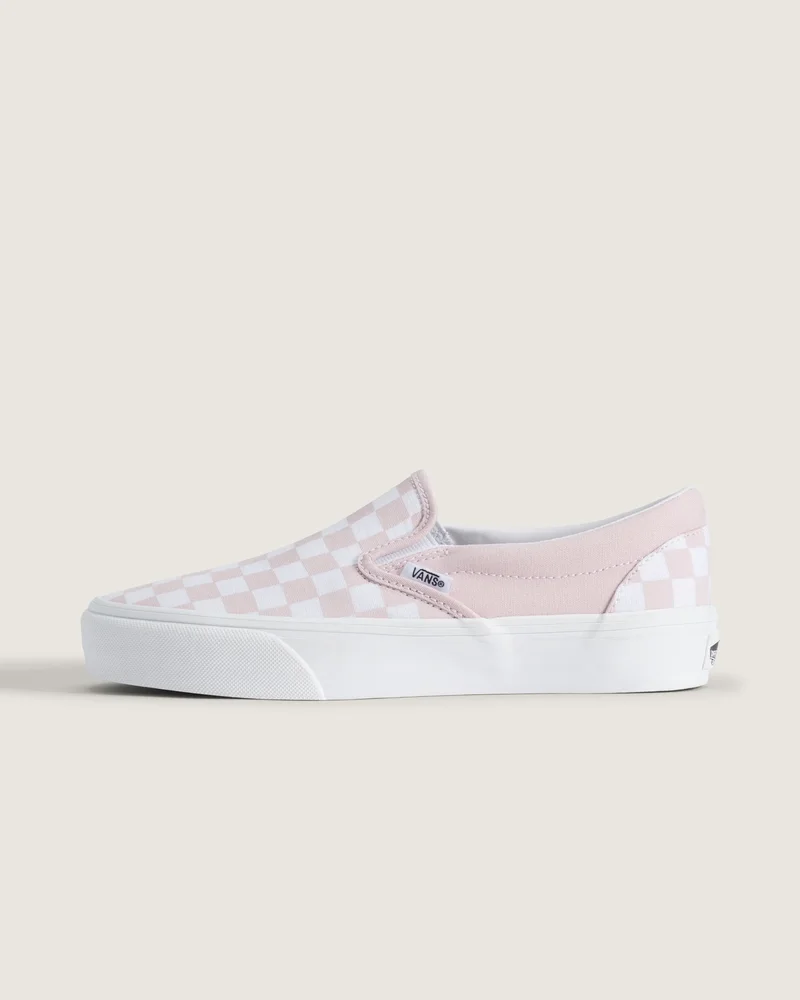
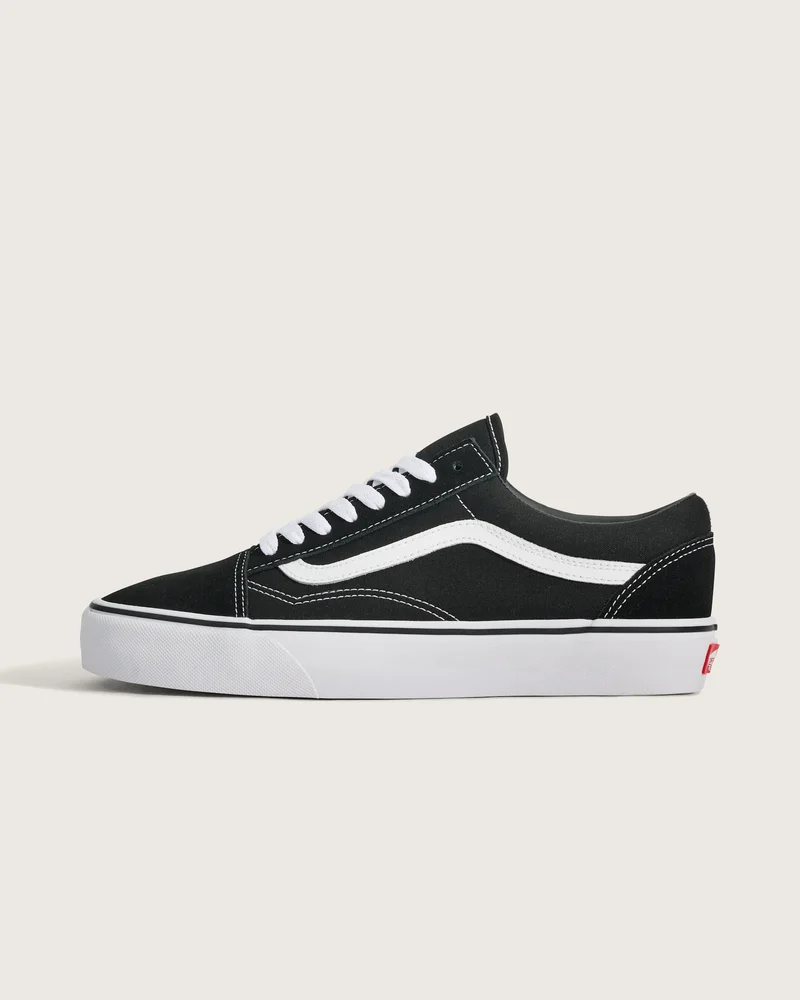
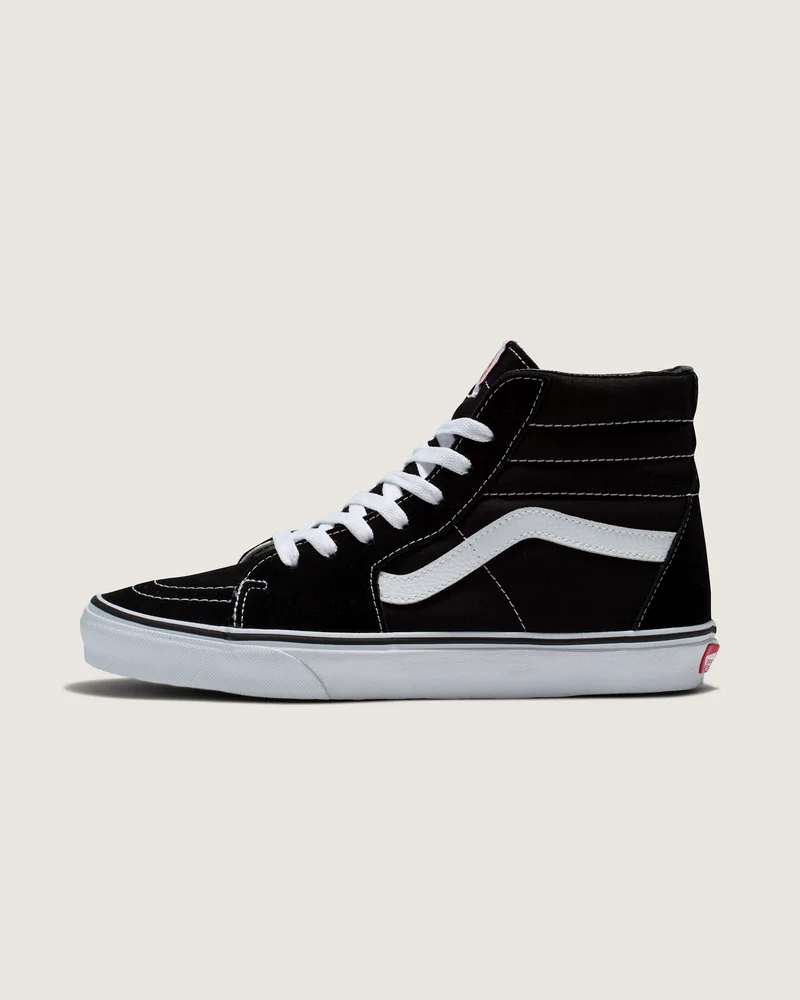
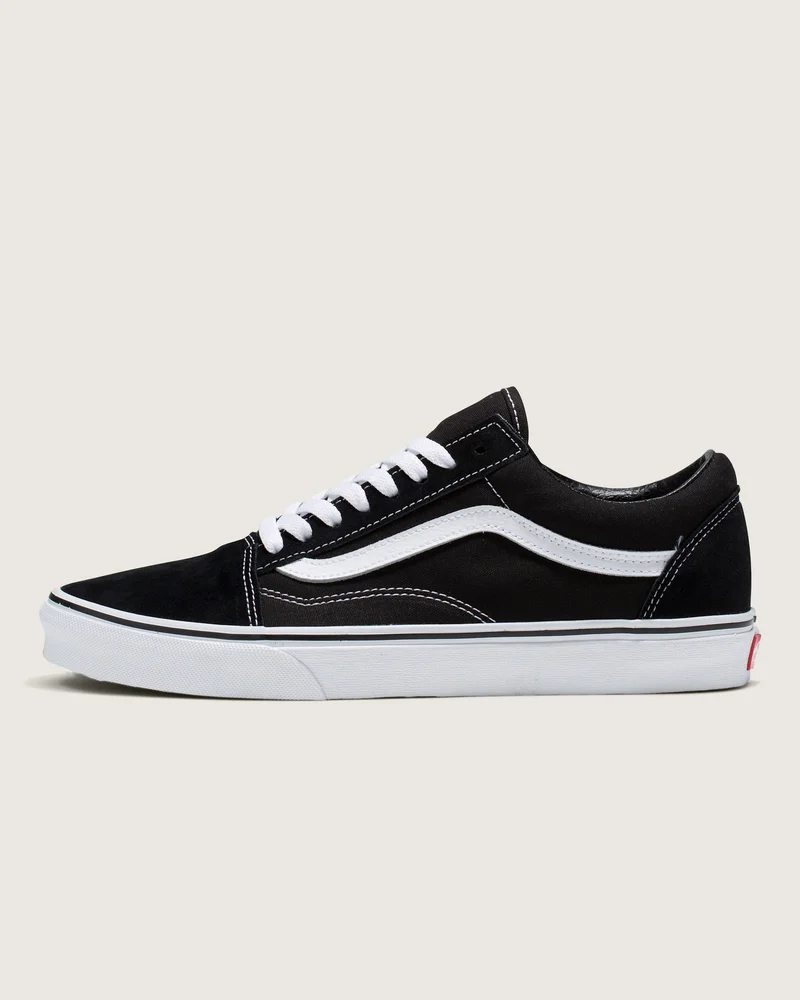
Vans is owned by VF Corporation, a publicly traded company listed on the New York Stock Exchange under ticker VFC; VF completed its acquisition in 2004. That is the short answer to who owns Vans, and VF is the Vans parent company. VF's May 2026 report still lists Vans alongside The North Face and Timberland, and says the brand's Americas direct-to-consumer business returned to growth in Q4 fiscal 2026. A newer headline deserves a footnote: WWD reported in November 2026 that VF's CFO called selling Vans an option but said the company liked holding it. That is not an announced sale. If you are asking who makes Vans, separate ownership from production: Vans describes a five-step rubber and canvas process, from shaping the waffle sole to stitching and final oven work. And if you're asking who founded Vans, start with Paul and James Van Doren, Gordon Lee, and Serge D'Elia, who opened the company in Anaheim in 1966. One early Style 44 deck shoe became the Authentic. I would begin with the Authentic Shoe, the brand's plain starting point; the pale-pink-checkerboard Classic Slip-On Shoe makes the no-laces choice playful, the black-and-white Old Skool Shoe carries the Sidestripe, and the Sk8-Hi Shoe takes that line into a high top. If I had room for one, I'd pick Authentic.
From private hands to VF
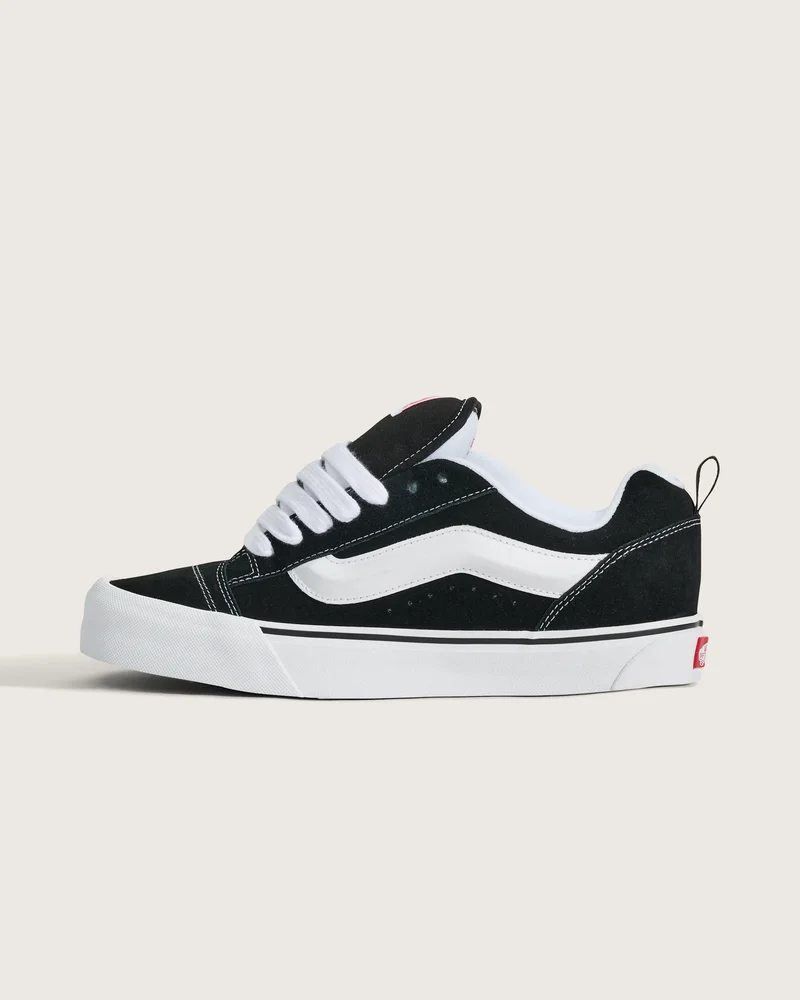
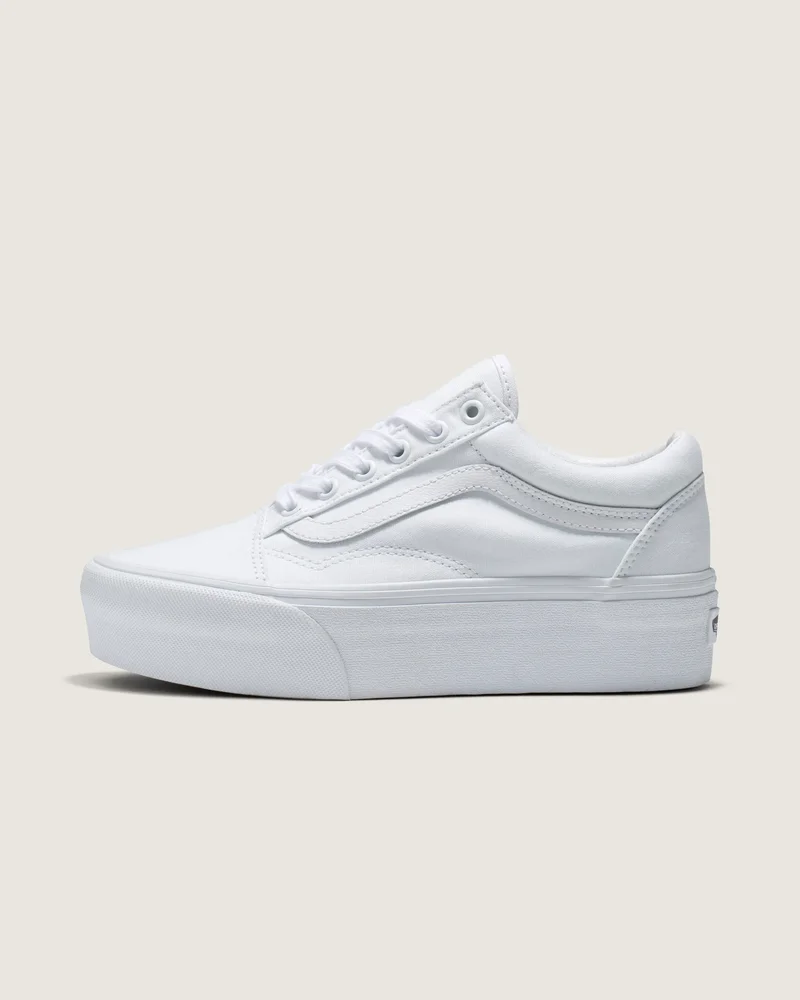
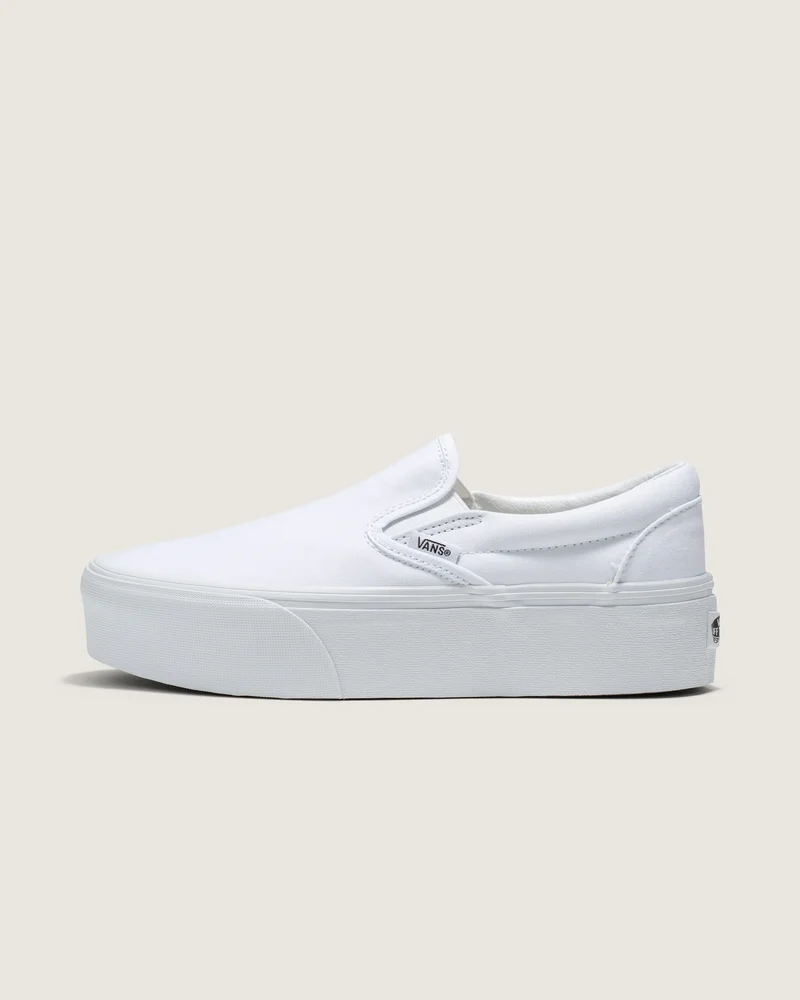
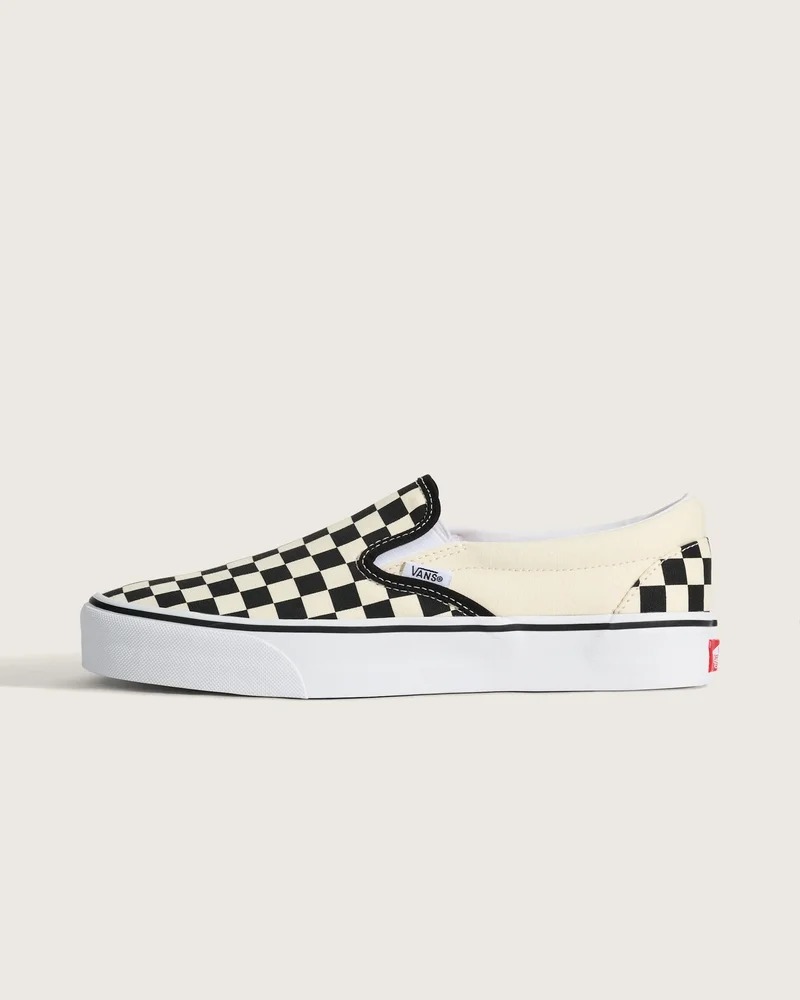
Before VF, the company changed hands and then went public. Encyclopedia.com reports that investment firm McCown De Leeuw paid $74.4 million for Vans in 1988 while Paul Van Doren remained chairman; the Los Angeles Times reported Vans completed its IPO in 1991, selling 4.1 million shares at $14 each. VF's 2004 merger made Vans a wholly owned subsidiary again. I like the distinction: a company can have a complicated ownership history while the shoe stays legible. The Knu Skool Shoe is the bolder, padded choice; the Old Skool Platform Shoe adds height to a side stripe, the white Classic Slip-On Platform Shoe keeps the fast slip-on shape with a thicker sole, and the black-and-white Classic Slip-On Checkerboard Shoe brings the pattern back in a crisp, graphic way. My favorite among these is the Knu Skool if I want something less flat than the classics, though I would keep the color simple.
What I would wear most
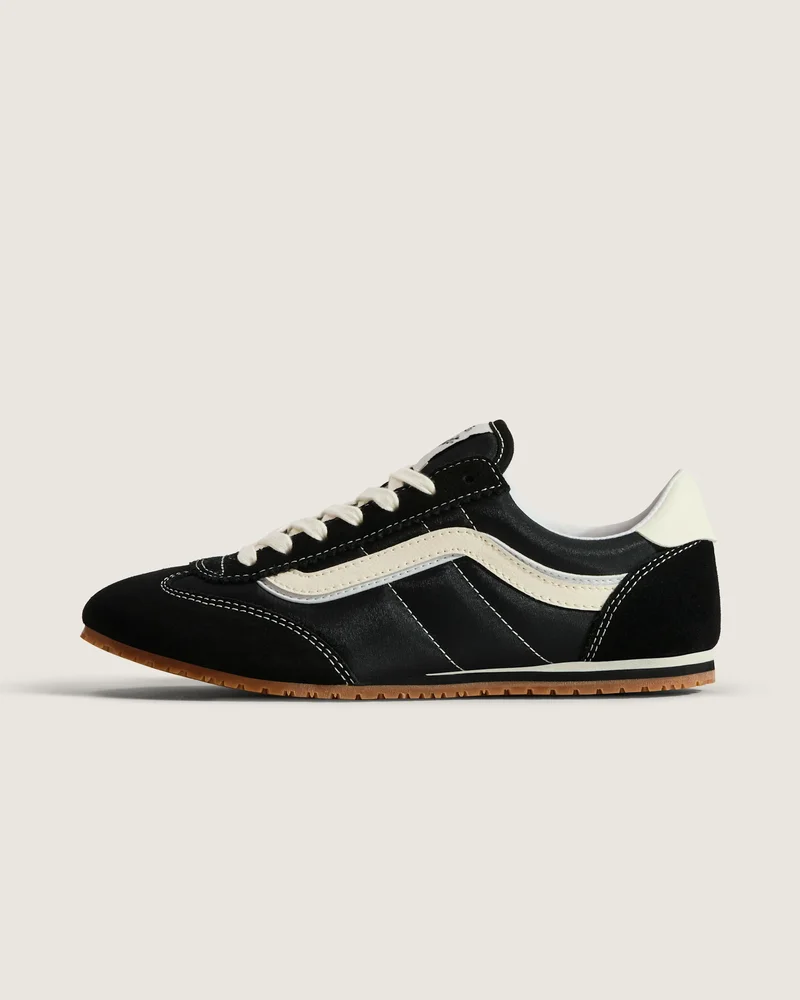
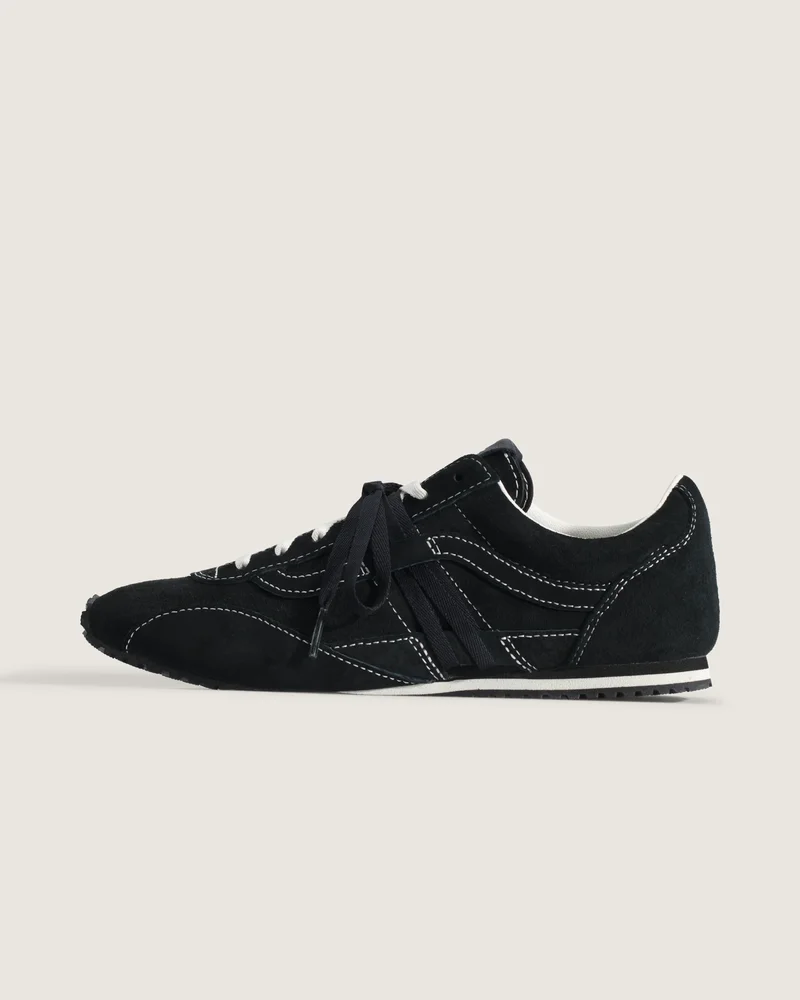
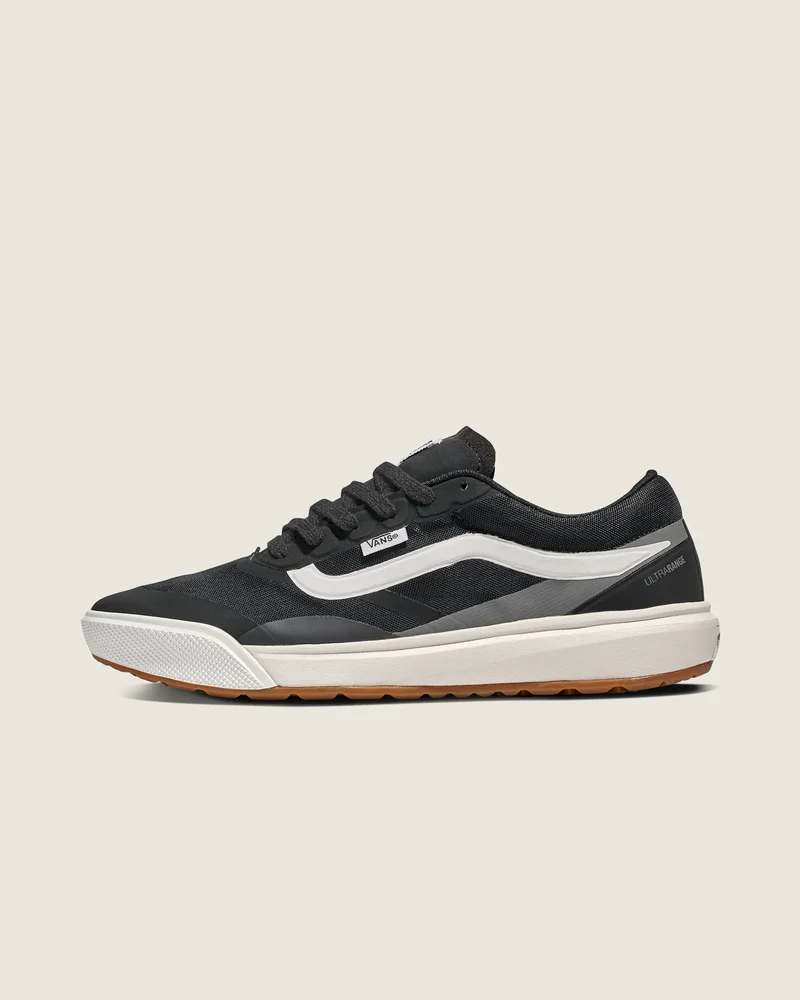
Vans makes the shopping decision pretty simple: pick the shape that earns its space. The Super Lowpro Shoe is the neatest low-profile option here, with Vans describing its family as track-inspired and built around grip. The Premium Super Lowpro Trainer looks a little sharper and more finished to me, while the black UltraRange 2.0 Shoe is the pair I would choose for a longer day on foot because Vans describes it with all-terrain traction. The black-and-white Old Skool Wide Shoe is less about a new look than about giving the familiar outline extra room; Vans says its wide options offer a more spacious fit. I would buy the UltraRange 2.0 first if I want something that looks ready for changing plans, and I would skip collecting near duplicates just because the logo is familiar. One familiar pair plus one different silhouette is enough.
A classic worth knowing
One part of Vans history I keep returning to is the rough patch. The company filed for Chapter 11 in 1984, and Vans' account says Paul Van Doren returned as president during reorganization with a plan to cut costs without cutting shoe quality. I like that detail because it makes the brand feel less like a logo machine and more like a business that learned where its center was. The Authentic still makes the most sense to me as a first buy; the Old Skool gives the stripe some presence, while the Sk8-Hi is for someone who prefers a high top. The rest is variation, not a test of loyalty. Choose the pair you will reach for on an ordinary Tuesday, not the one that looks most like an old photograph.