Warby Parker is a public company owned by shareholders, with founders Neil Blumenthal and Dave Gilboa still influential. Here is its story.

Who Owns Warby Parker? The Founders Still Have a Say
The Owner Today
Warby Parker is owned by shareholders of Warby Parker Inc., the public company whose Class A shares began trading on the NYSE as WRBY in 2021. That public chapter began with a direct debut on the NYSE, not a sale of the brand to a parent or a traditional new-share IPO. Who owns Warby Parker today? Public shareholders hold the listed shares, while the company's filing says co-founders Neil Blumenthal and Dave Gilboa retain significant influence over shareholder matters. The latest SEC results still identify both as co-CEOs, which makes founder-led a current description rather than a nostalgia label.
As for a Warby Parker parent company, there is no separate one: Warby Parker Inc. is the brand's issuer, and the filing says its registered marks belong to it. That same company designs eyewear, sells prescription glasses and contacts, and offers eye exams and vision tests; its November 2026 report counted 364 stores across the U.S. and Canada. For anyone asking who makes Warby Parker, the answer is split: the company designs frames in-house, while production runs through external partners. I would keep public ownership and founder influence separate; both matter, but they are not the same thing.
The Founders and First Frames
Who founded Warby Parker? Neil Blumenthal, Dave Gilboa, Andrew Hunt, and Jeff Raider, four Wharton classmates who were frustrated by eyewear prices; the trigger was a lost pair that was too expensive to replace. They launched in 2010 with an online-first idea: design frames in-house, sell directly, and remove some retail markups. Vogue's launch-era profile described the debut range as 27 cellulose-acetate styles in ten colors. That story feels more specific than a generic startup origin, and I like how the first collection made a practical purchase feel like a design choice.
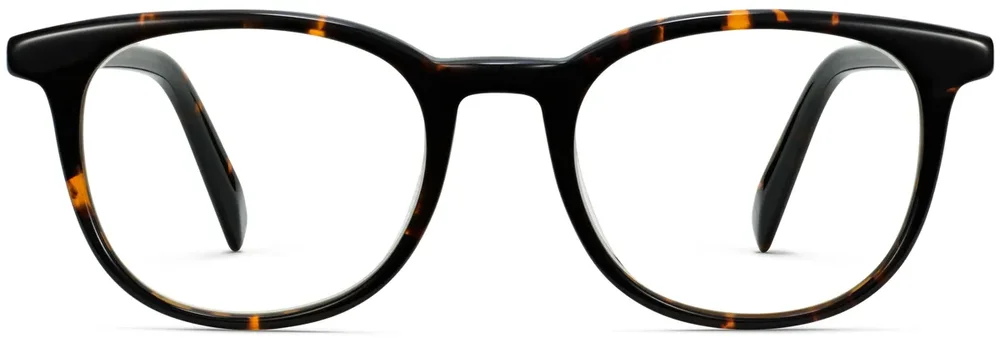
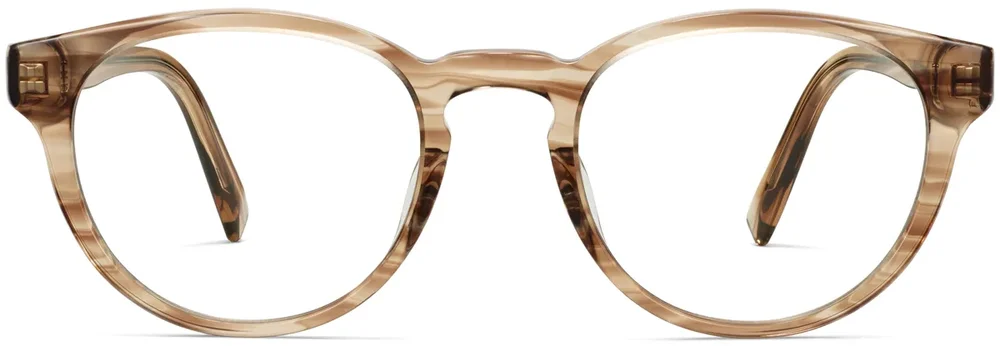
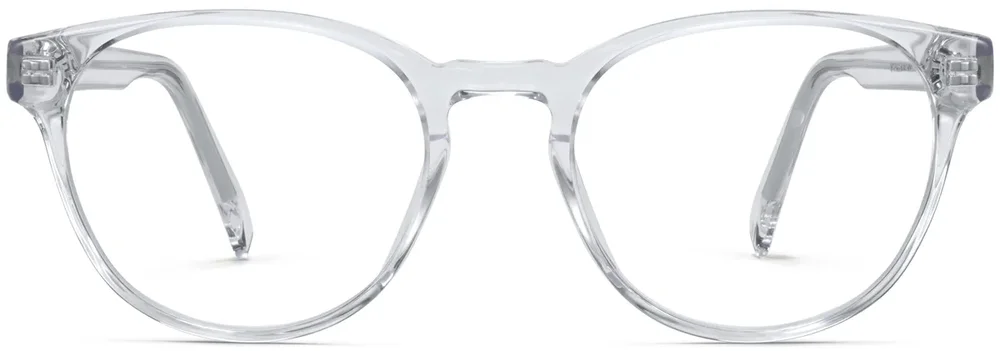
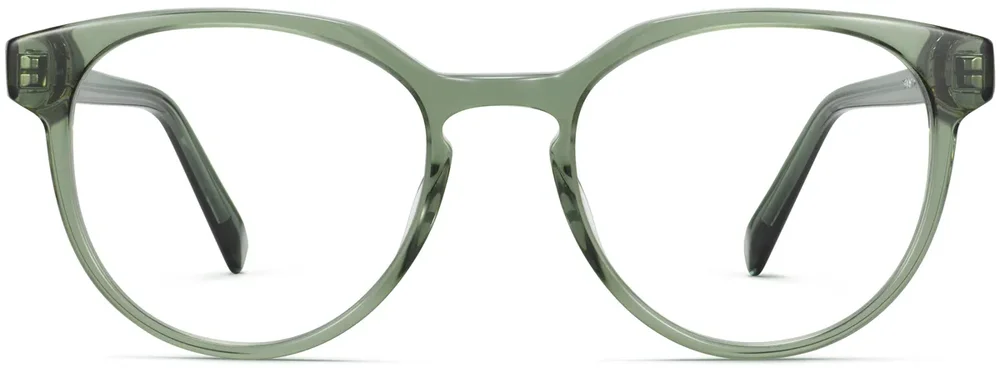
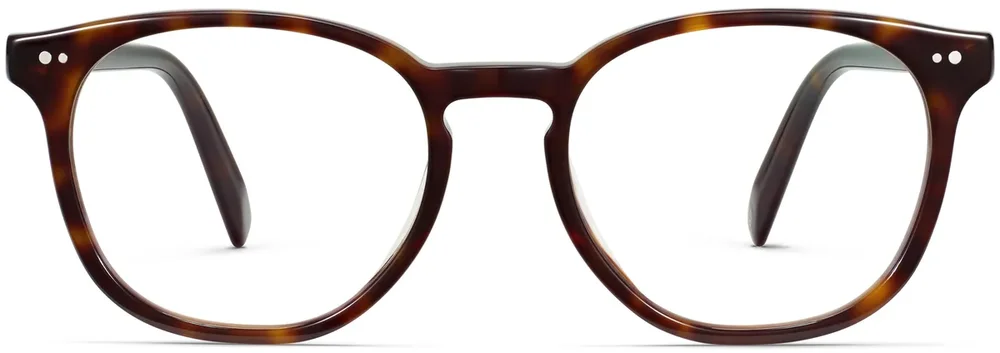
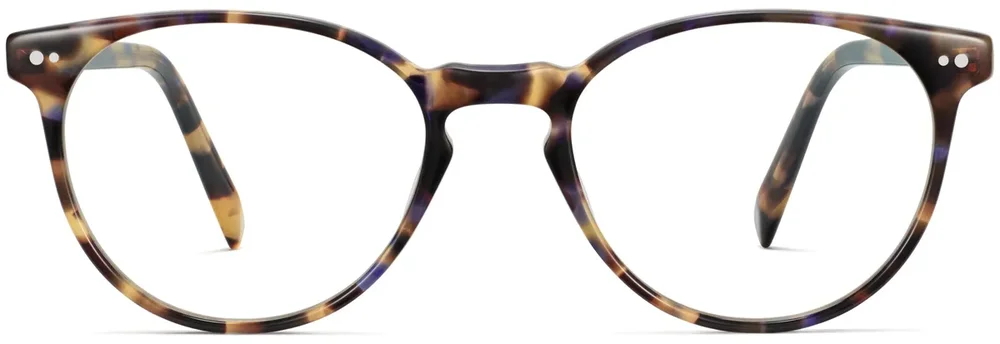
For a quiet, classic starting point, Durand lands between square and round; Percey Low Bridge Fit keeps round lenses and adds a lower bridge. Whalen's round lens and scalloped keyhole bridge gives it a bit more character, while Wright uses round lenses and a softer keyhole bridge. These are the frames I would compare first if I wanted something easy to wear, with Percey the practical pick when bridge fit matters.
A Public Debut, Not a Takeover
Warby Parker began with private investors, then shifted to public trading in 2021. In its NYSE debut, existing stockholders could sell their shares, but the company did not raise new capital. The company also elected public-benefit-corporation status in June 2021, a legal structure that requires directors to balance stockholder interests with the stated public benefit. The main ownership change documented here is a move from private financing to public trading, not a purchase by an outside parent. I would keep that distinction clear, because public trading changes who can own shares without changing the brand's name.
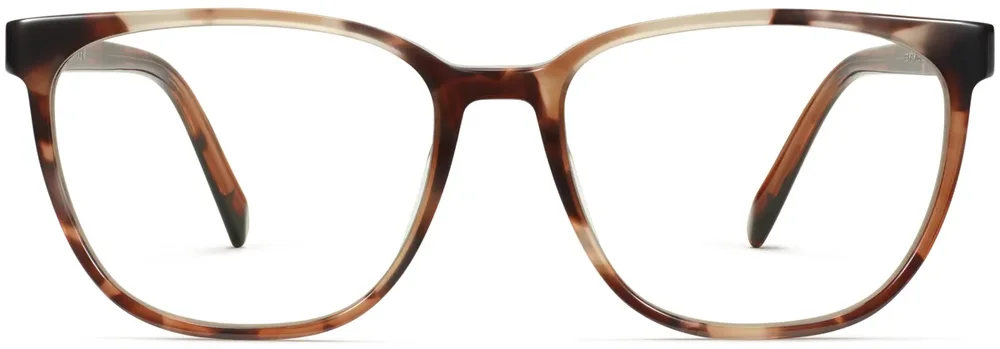
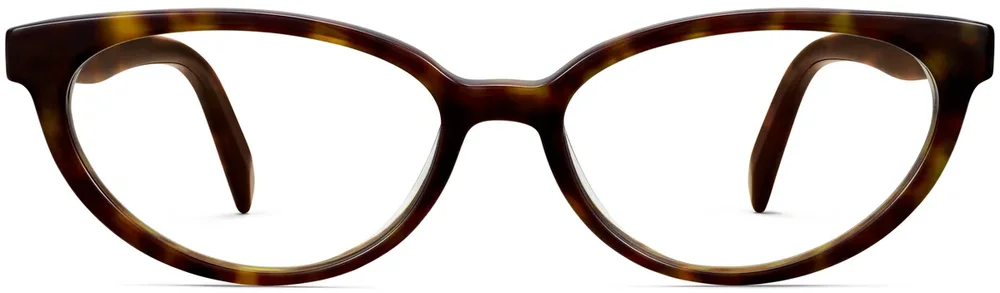
The 2025 filing says the company designs frames in-house, offers materials from cellulose acetate to titanium, and starts its prescription glasses at $95. Esme makes a square-ish cat-eye feel wearable; Bronte has a softened square shape; Monica is a slim 90s cat-eye; Carlton takes a roomier round shape and squares off the bottom. I would move from Esme to Bronte if I wanted the sharp line less pronounced.
What I Would Buy First
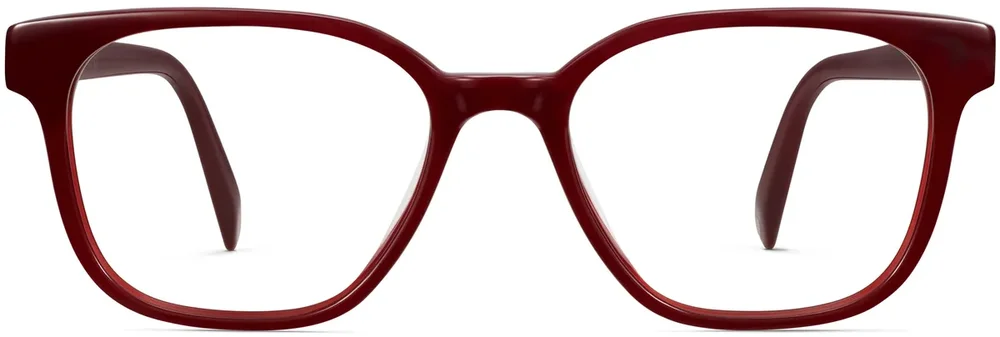
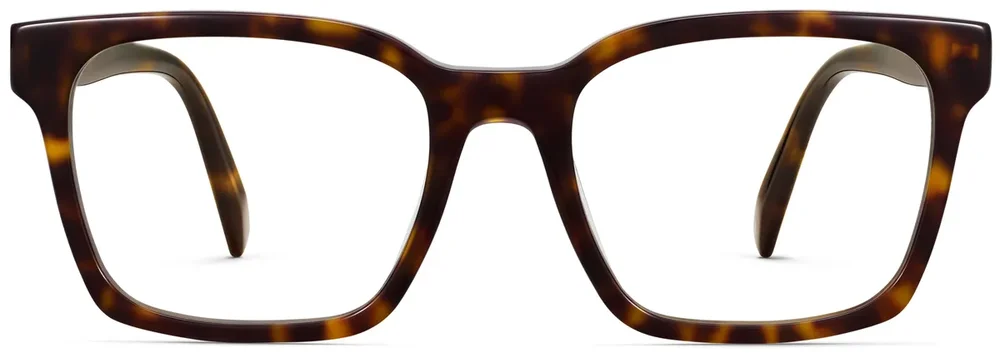
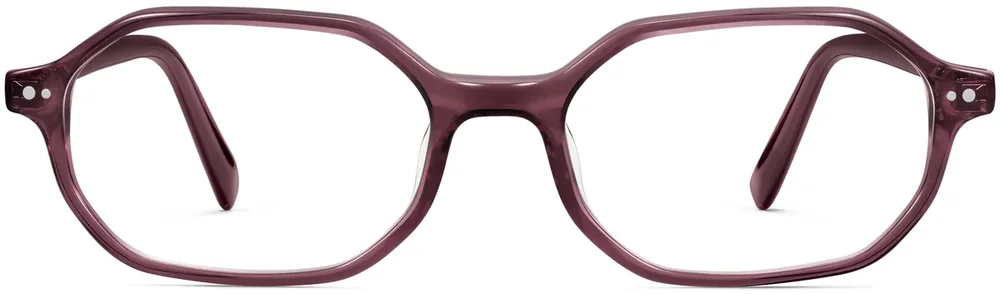
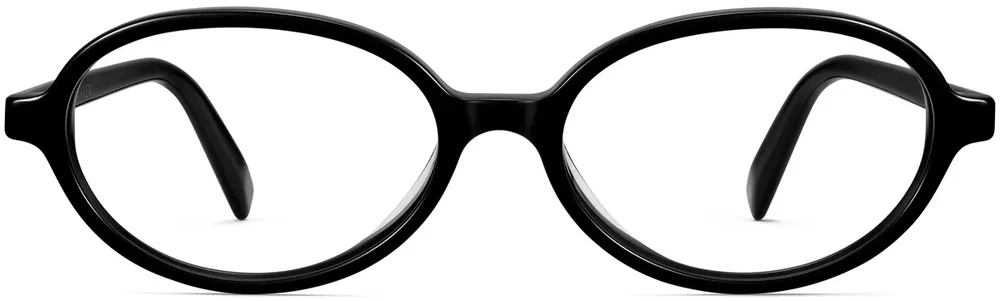
For a more personal frame, Zoya's bold square silhouette has an airy lower edge, and Rory's slim octagon is the quiet way to try a less usual shape. Mel gives me the slim 90s oval, while Blakeley keeps to a round acetate look with a scalloped bridge. I would choose Zoya for a stronger outline, Rory if I wanted a small surprise, and Mel for the least fussy vintage note.
What would I skip? I would not buy a shape simply because its name or color caught my eye; eyewear is a face-first decision. I would start with the model whose outline I already wear comfortably, then try one less familiar silhouette, and use the brand's eyeglasses collection to compare shapes. My first purchase would be Durand for a balance between square and round, or Percey if the lower bridge fit serves me better.