Coty owns CoverGirl and has since 2016, though a portfolio review remains open. The brand began as Noxzema's medicated makeup line.
Champion is privately held by Authentic, which acquired it in 2024. Here is the ownership history, who makes it, and what I would buy.
Coty holds a 51 percent stake in Kylie Cosmetics alongside Kylie Jenner. The lip kit story began in 2015, before Coty's deal closed in 2020.
Tower 28 is privately held and founder-led by Amy Liu, with Prelude Growth Partners as an investor after its 2023 Series A.
Hollister is part of publicly traded Abercrombie & Fitch Co., which launched it in 2000; the SoCal label is not independently owned.
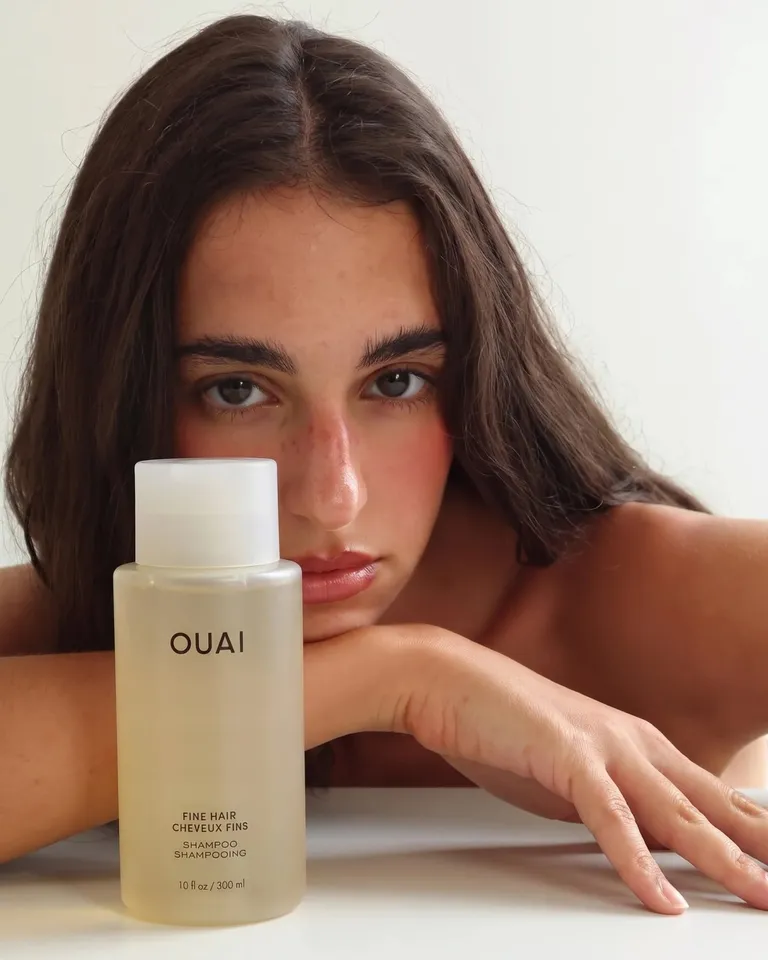
Procter & Gamble owns Ouai, the haircare brand Jen Atkin launched with Dr. Lamees Hamdan in 2016. Here is its ownership story and what to buy.
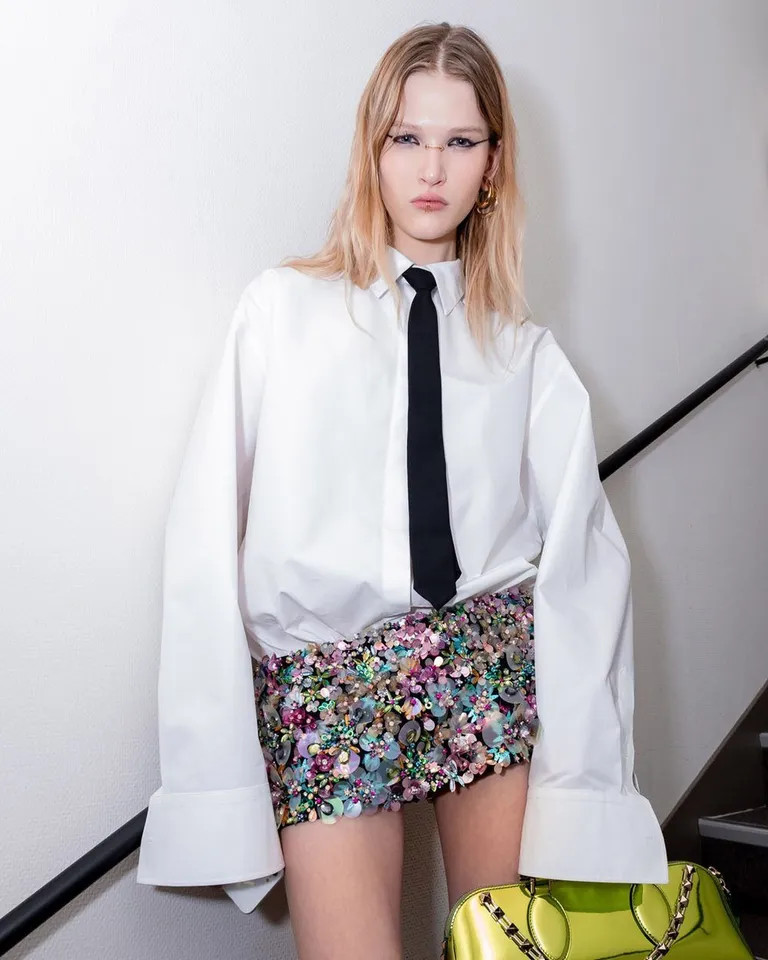
Valentino is privately held, with Mayhoola owning 70% and Kering 30%; any control change is postponed until 2028 at the earliest.
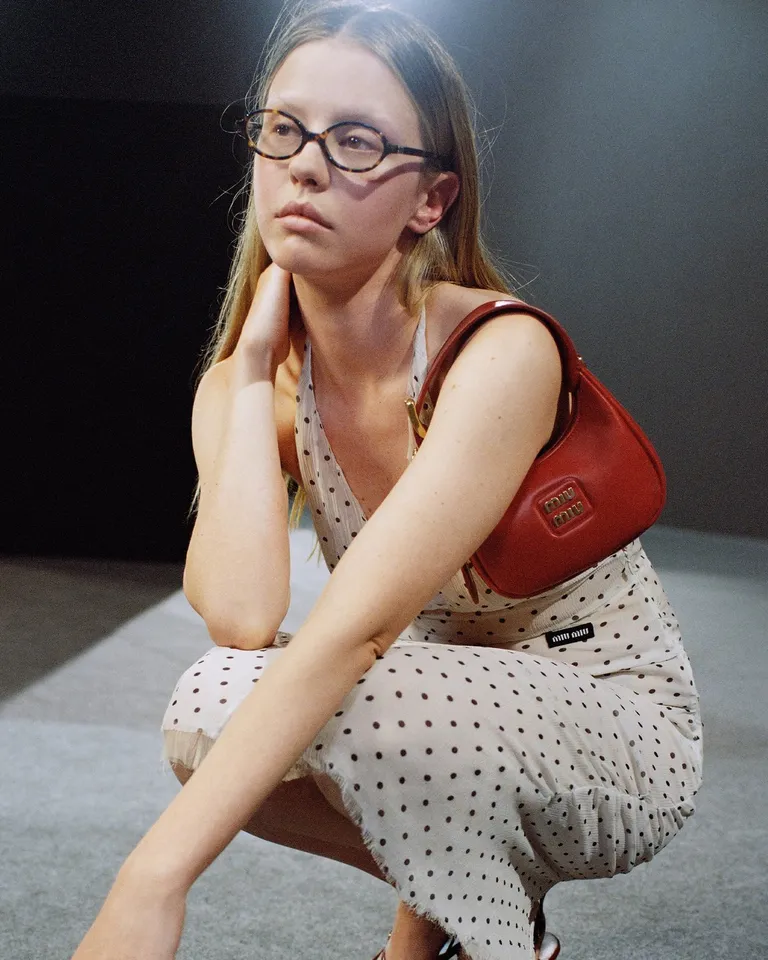
Miu Miu is owned by Prada S.p.A., a publicly listed company controlled by the Prada family. Here is where its founders and public shareholders fit.
Aveda is owned by The Estée Lauder Companies, a public company that acquired it in 1997. Horst Rechelbacher founded Aveda in 1978.
Sol de Janeiro is majority-owned by private L’OCCITANE, which took control in 2021. Here is the founder story and what is worth buying.
Lancôme is owned by publicly traded L’Oréal, which has held the French beauty house since 1964. Meet its founder, story and standout buys.
On Cloud shoes belong to publicly traded Swiss company On Holding AG, the brand's parent since 2012. Here is the story behind the label.
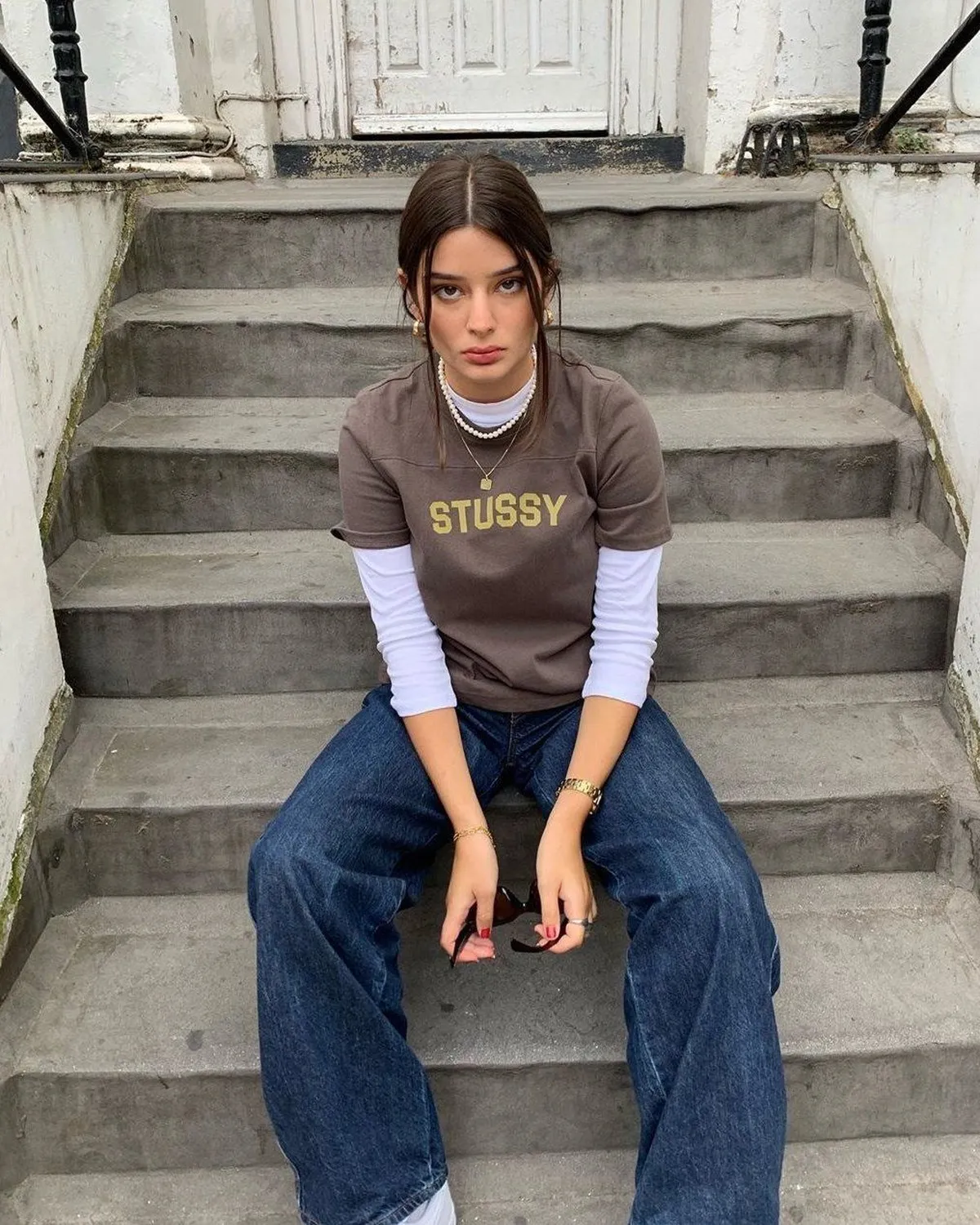
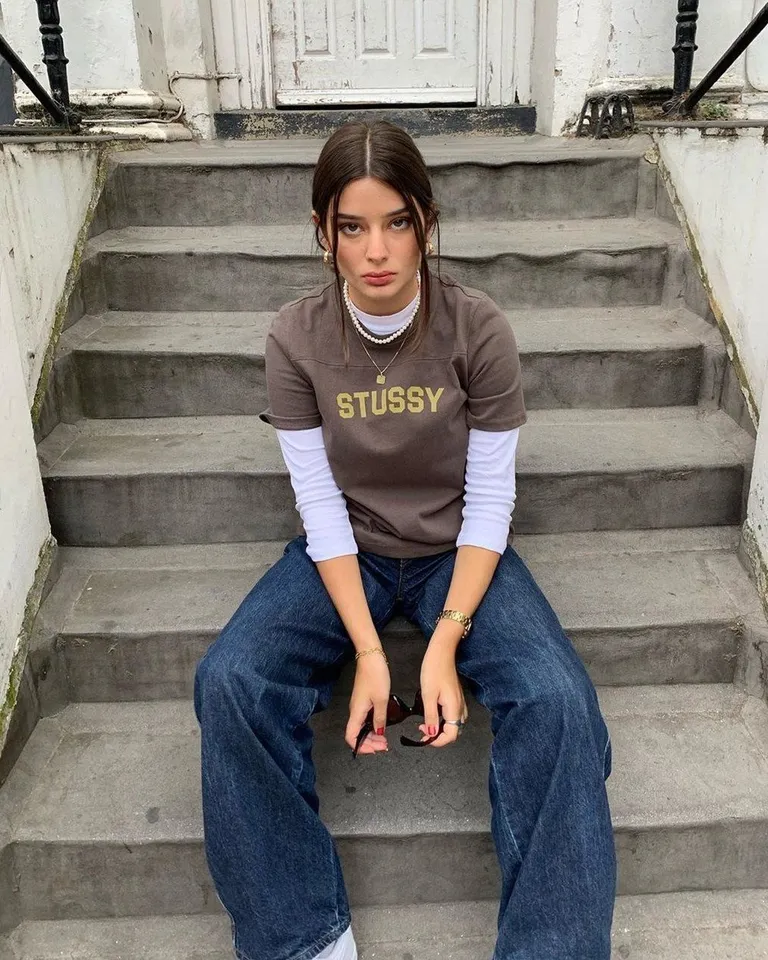
Stüssy is privately held by the Sinatra family, who took ownership in 1996 after Shawn Stüssy left. Here is its story and what to shop.
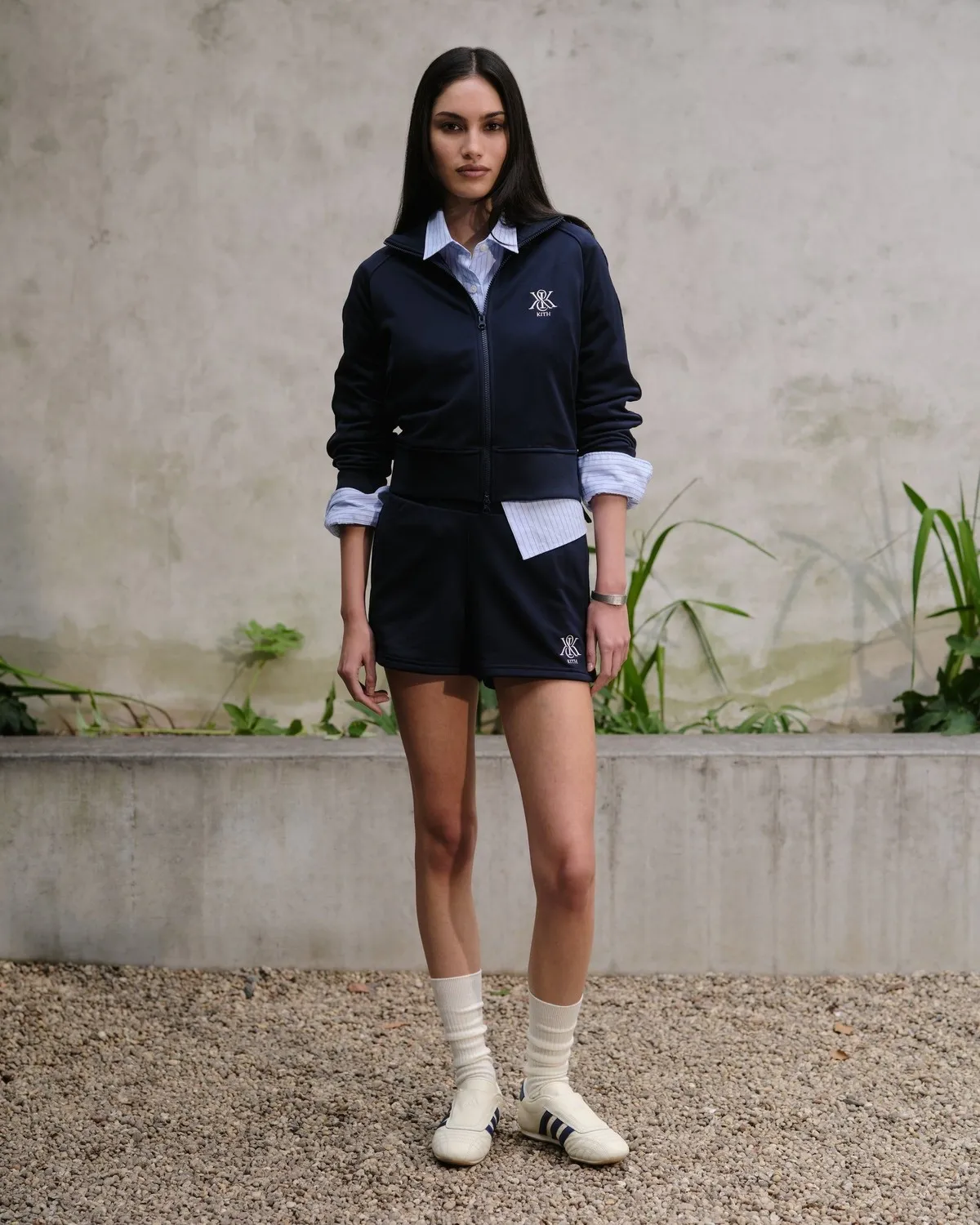
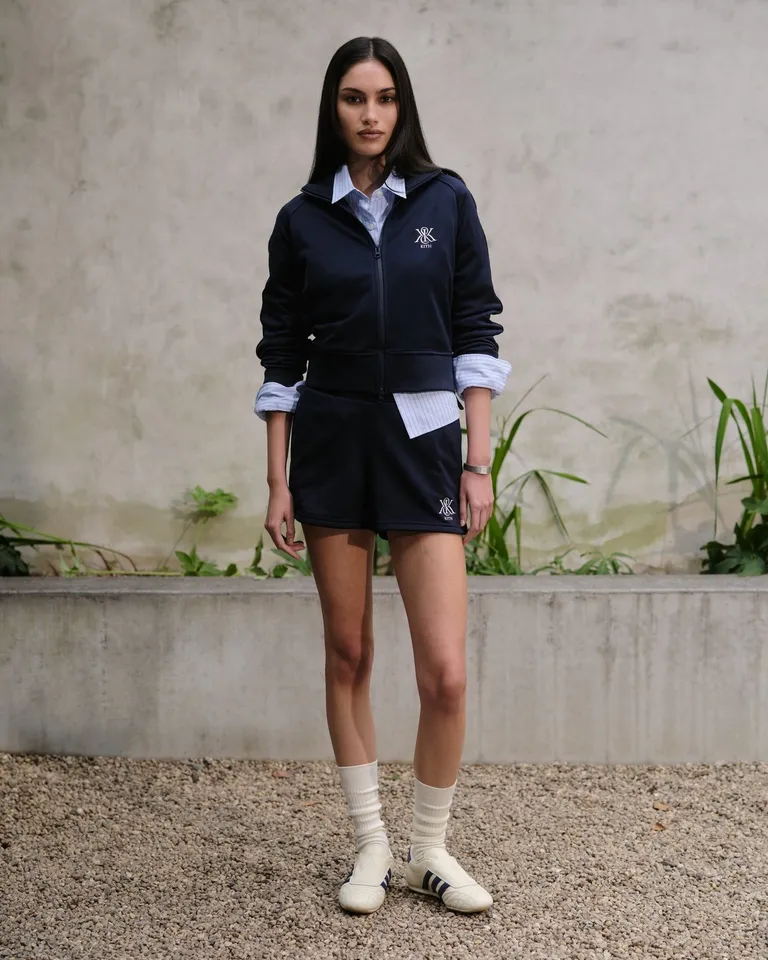
Kith is privately owned by founder Ronnie Fieg and his business partner, with no outside investors. Here is how it grew from a shoe shop.
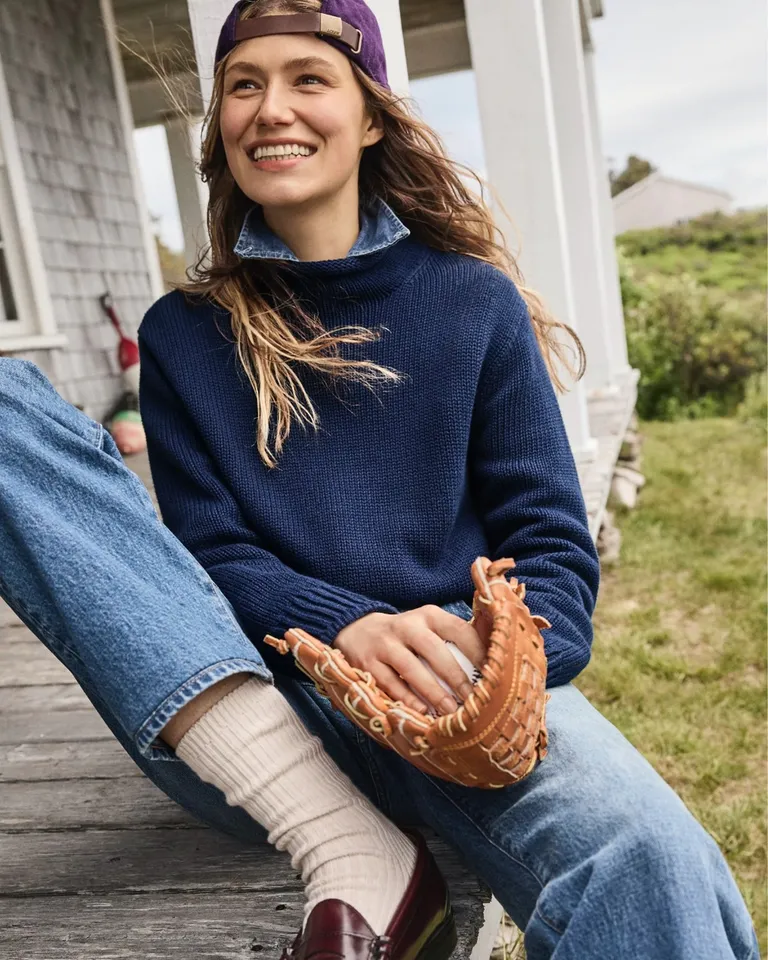
J.Crew is privately held, with Anchorage Capital as majority owner since 2020. Explore its founders, ownership story and signature pieces.
Merit Beauty is privately held; SEMCAP joined as a minority investor in July 2026, with ownership percentages undisclosed.
H&M is publicly traded, but the Persson family controls 85.3% of its votes. Learn how Erling Persson's 1947 shop became a global fashion company.
Olaplex is no longer public; Henkel owns it through its U.S. subsidiary after the 2026 buyout. Meet the founder story and what to buy.
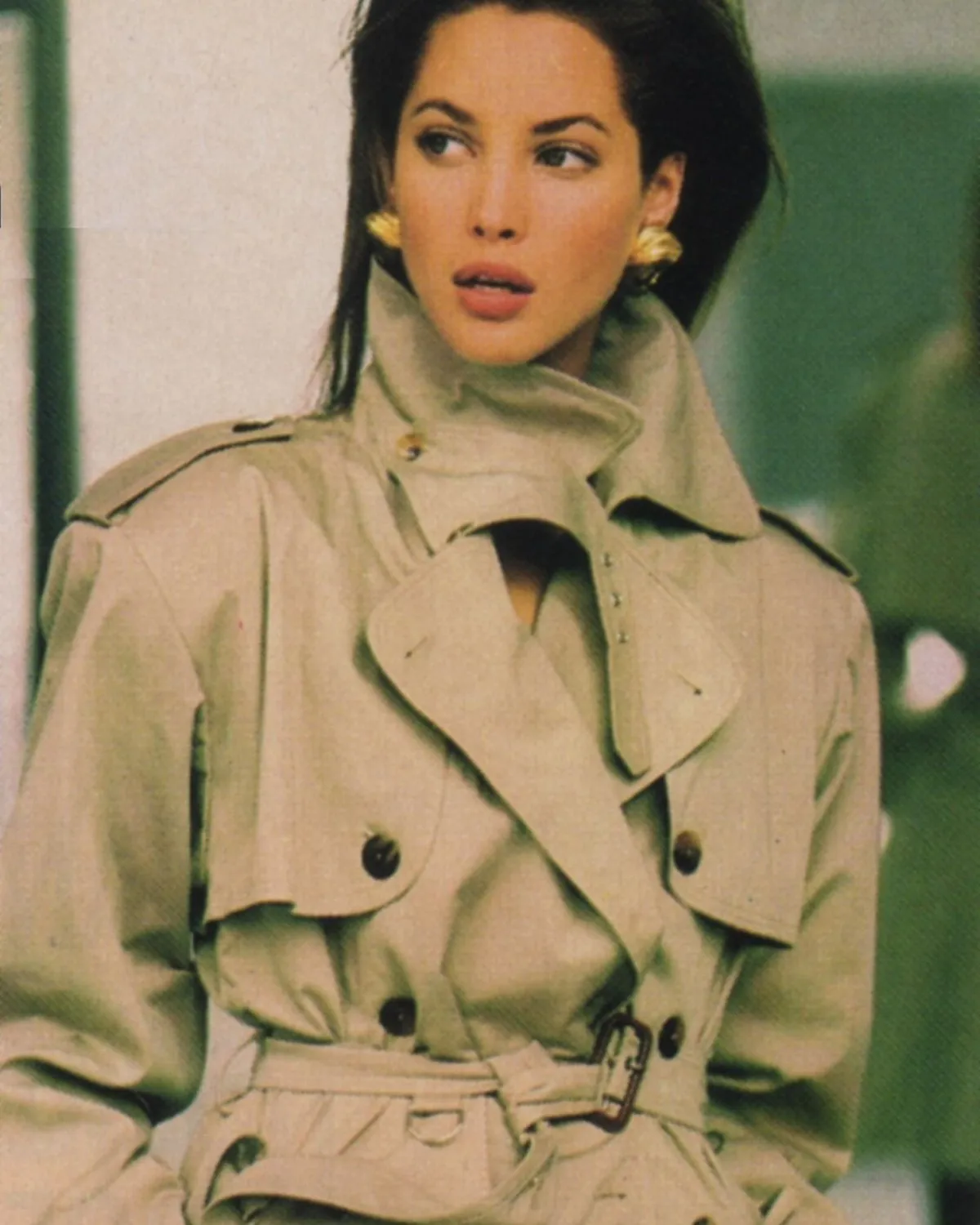
Burberry is owned by public shareholders, independent as a listed company since 2005. Here is the founder story and what to buy.
Summer Fridays is majority-owned by TSG Consumer Partners; cofounders Marianna Hewitt and Lauren Ireland retain significant stakes and leadership.
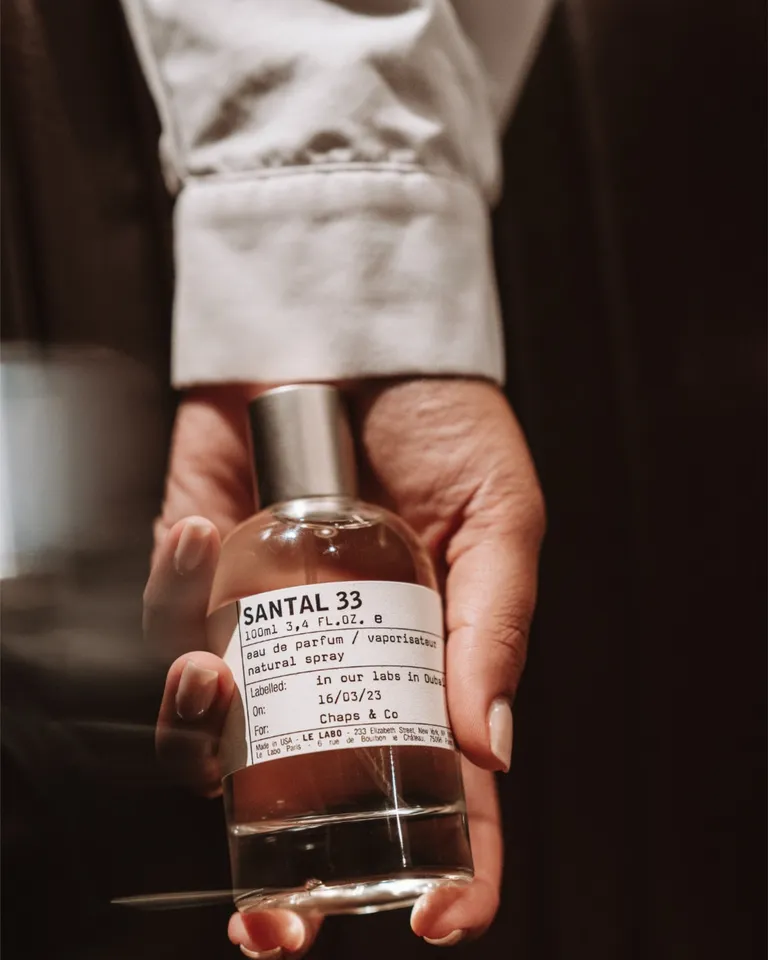
Le Labo is owned by publicly traded Estée Lauder Companies, which acquired it in 2014. Here is how the fragrance lab began and what I would try.
L’Oréal, a publicly traded beauty company, has owned Maybelline since its 1996 acquisition. The brand began with a Chicago mascara idea.
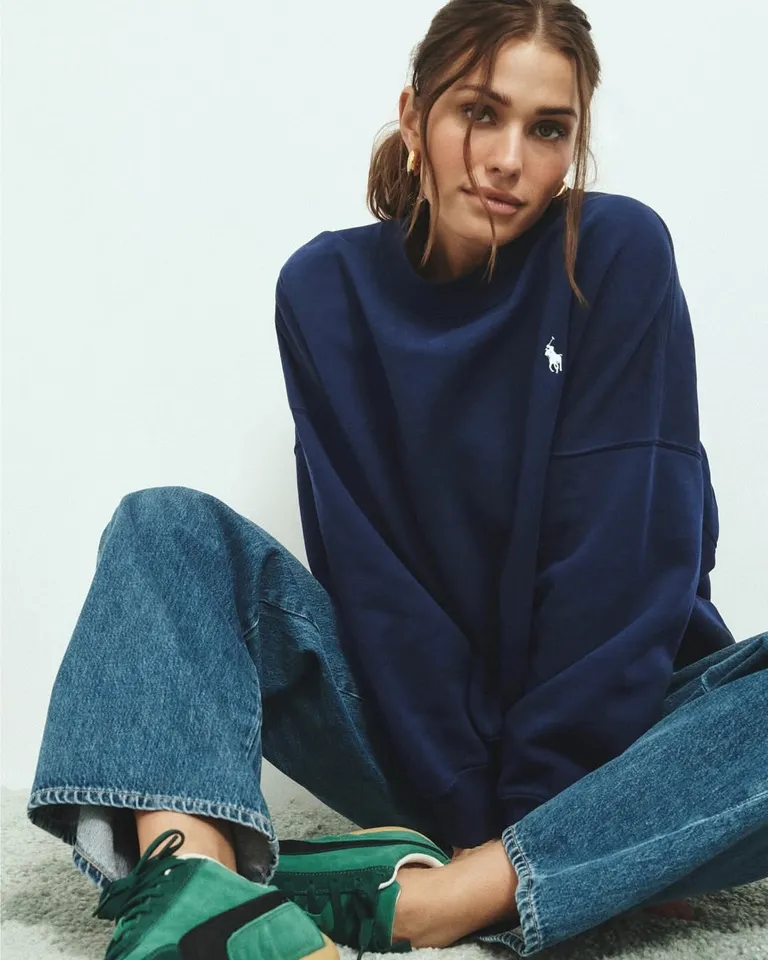
Ralph Lauren is publicly traded, but the Lauren family holds about 85% of its voting power. Here is how a tie business became a fashion house.
Redken is owned by publicly listed L’Oréal, which acquired the salon brand in 1993. Here’s its founder story and the lines I’d start with.
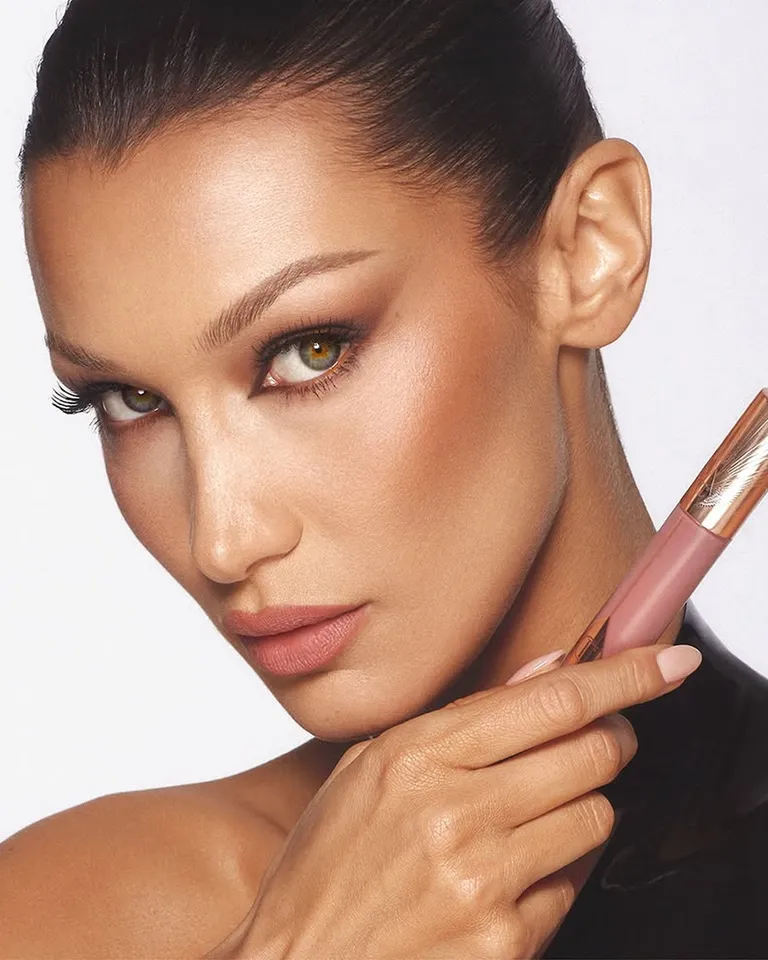
Charlotte Tilbury is majority-owned by publicly listed Puig, which held 85 percent in 2026 and is set to assume full ownership by 2031.
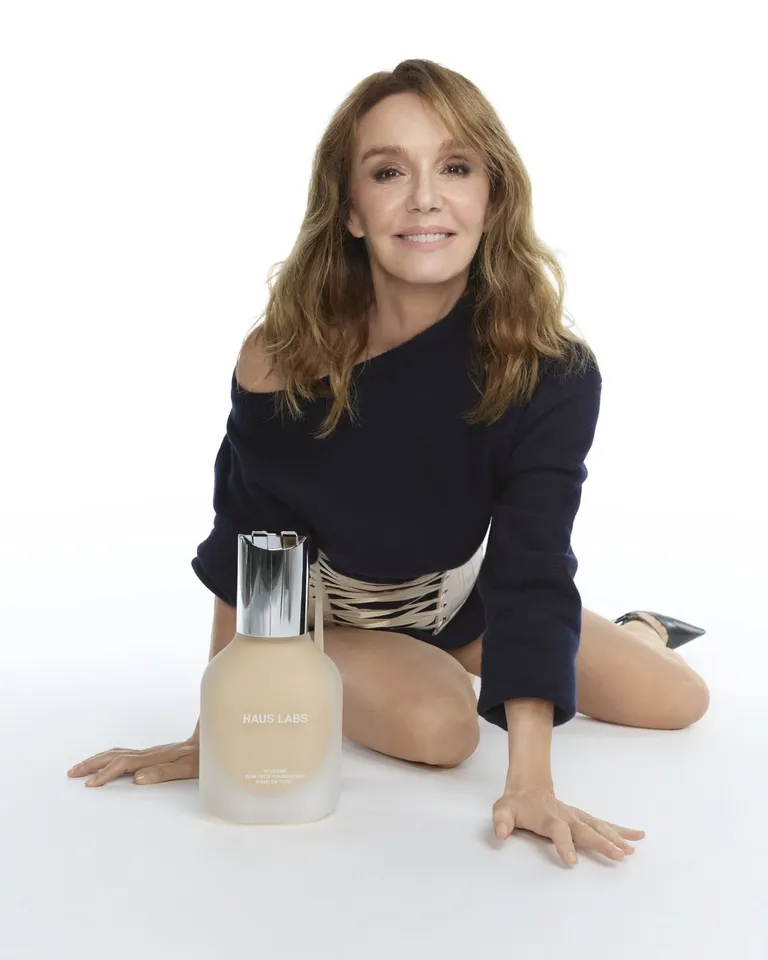
Haus Labs is privately held and founder-led by Lady Gaga, now its CEO, with Lightspeed as an investor; the exact ownership split is not public.
MAC Cosmetics belongs to publicly traded Estée Lauder Companies, which took a majority stake in 1994 and completed its acquisition in 1998.
Madewell is owned by J.Crew's privately held parent, majority-owned by Anchorage Capital. The 1937 name has a twist in its origin story.
More editorial categories